De Swaen
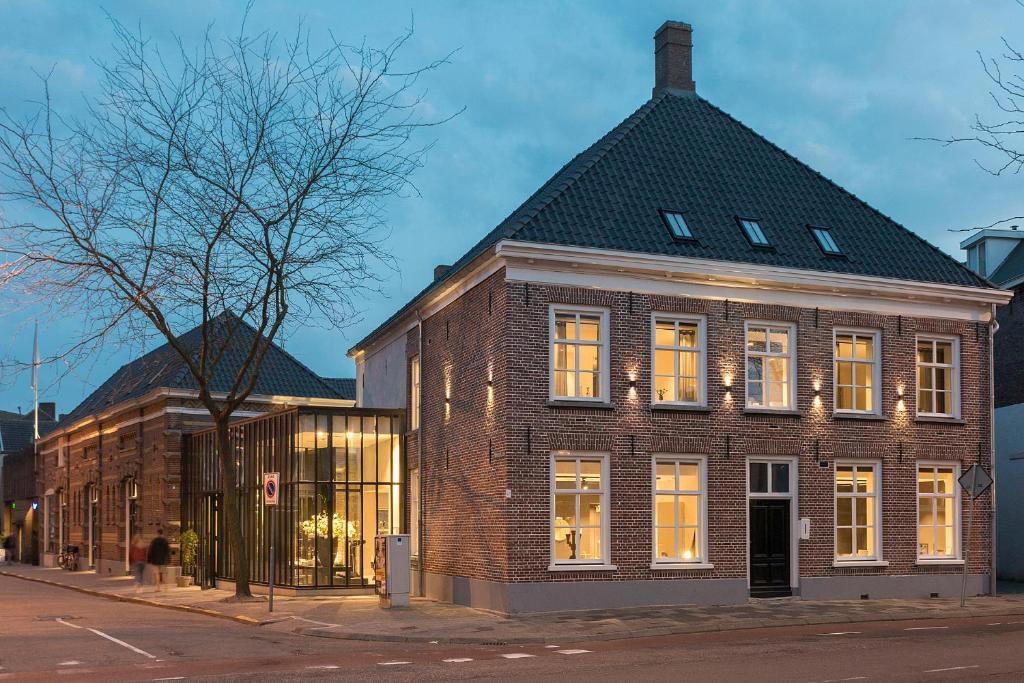
De Swaen occupies a classic Dutch townhouse address on De Lind, Oisterwijk's tree-lined central square, placing it among the more serious dining destinations in Noord-Brabant. The setting reads formal without being stiff, and the kitchen operates in a register that positions it alongside the province's committed fine-dining tier. For visitors to Oisterwijk, it remains a reference point in a town with more culinary ambition than its size suggests.
Pearl is the En Primeur Club membership app — saves, bookings, and concierge access live there. Same editors, same standards.
- Address
- De Lind 47, 5061 HT Oisterwijk, Netherlands
- Phone
- +31 13 523 0940
- Website
- swaen.nl
- Directions
- Get directions
 Saves & bookings on Pearl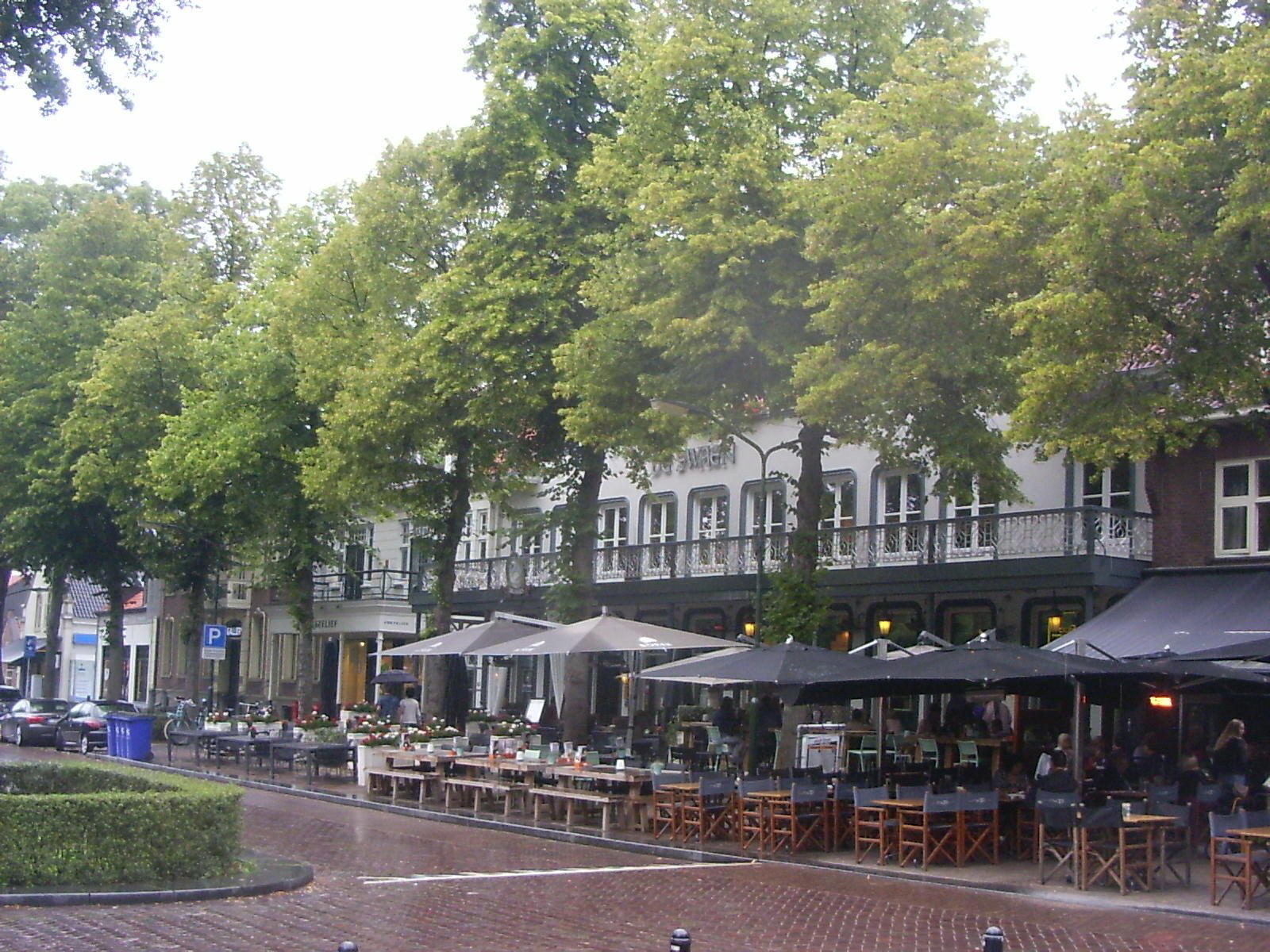
Oisterwijk and the Case for Small-Town Fine Dining
The Netherlands has a particular habit of placing serious kitchens in unlikely towns. De Groene Lantaarn in Staphorst, De Lindenhof in Giethoorn, Brut172 in Reijmerstok — the pattern repeats across the country, where destination dining has long operated outside the gravitational pull of Amsterdam or Rotterdam. Oisterwijk fits that template precisely. A town of roughly 25,000 people in Noord-Brabant, it sits between Tilburg and 's-Hertogenbosch, close enough to both for a comfortable drive but sufficiently removed to feel like a deliberate detour rather than a city stopover. De Swaen, at De Lind 47, occupies the kind of address that anchors this logic: a position on the town's central linden-tree square, the sort of setting Dutch restaurants have historically used to signal permanence and intent.
What the Address Tells You
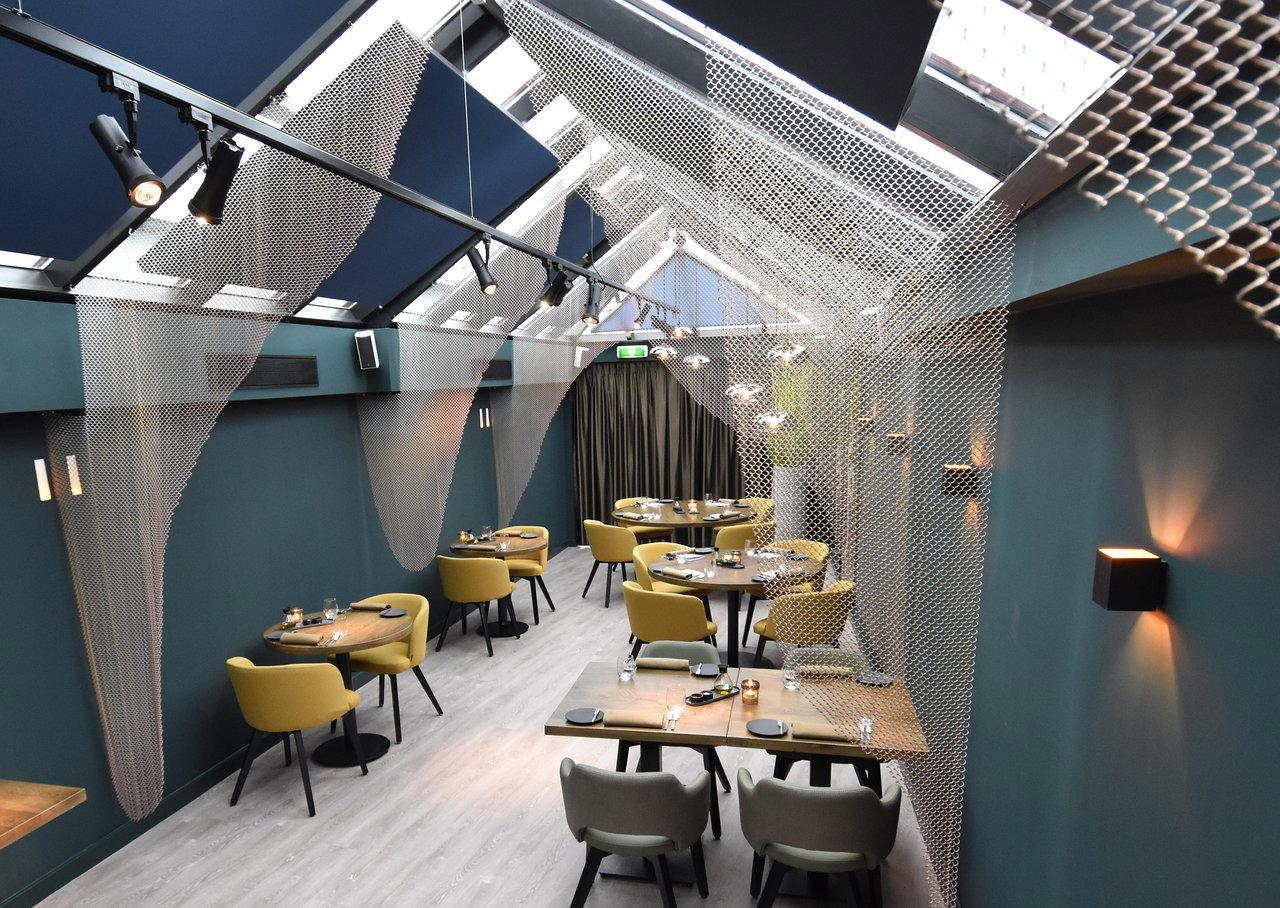
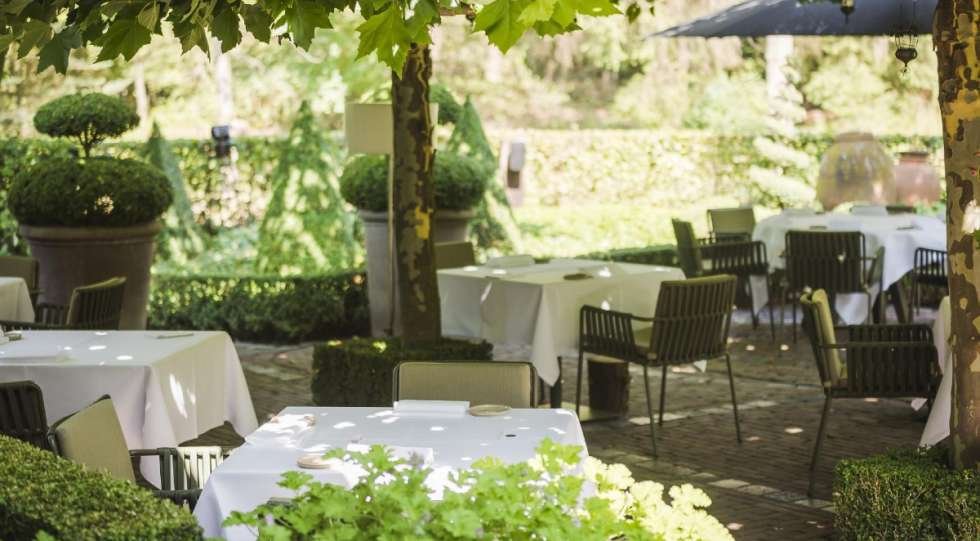
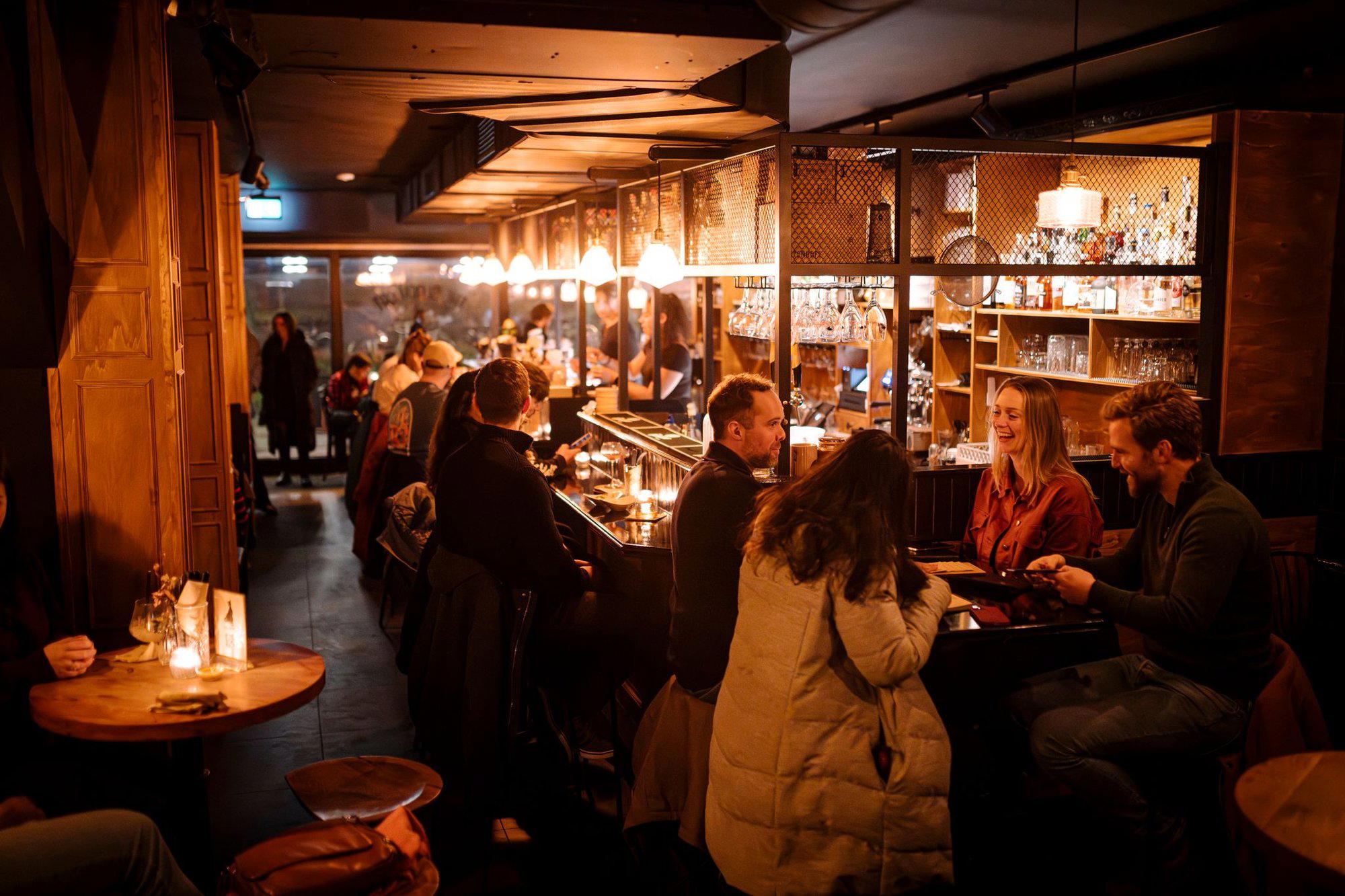
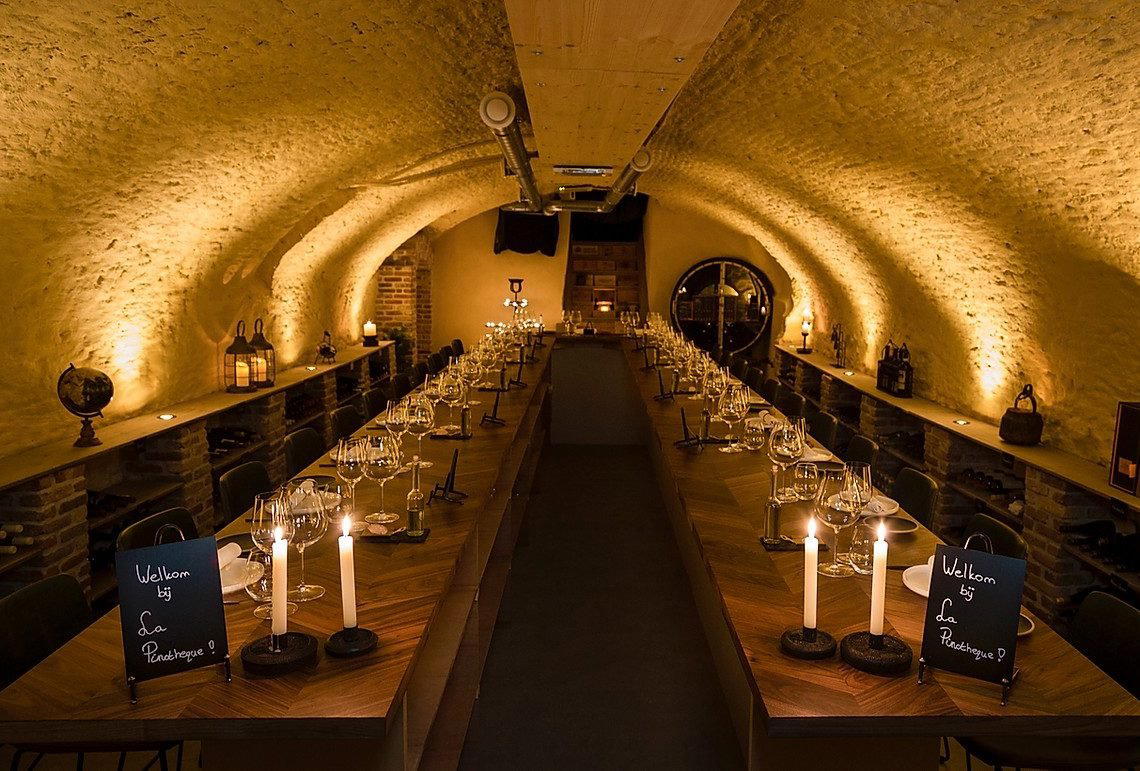
De Lind is not a street that produces casual restaurants. The square's character — low-rise, leafy, unhurried, establishes a particular expectation before a guest crosses the threshold. Approaching from either end of the square, the building registers as substantial without being showy, which matches a broader pattern among Noord-Brabant's serious dining rooms: the province tends toward restrained architectural statements rather than the theatrical fit-outs more common in Amsterdam venues like Ciel Bleu or Rotterdam operations like FG by François Geurds. The dining room at De Swaen carries that same quality of understatement, a setting where the architecture and decor support the meal rather than compete with it.
This positioning on De Lind also places De Swaen in direct conversation with Oisterwijk's broader dining offer. Visitors comparing options across the town will encounter Alma Bodega, which operates at a more accessible price point with a seasonal cuisine approach, and The George, whose format skews more casual. De Swaen sits at the formal end of this local range. For a complete picture of what the town offers, our full Oisterwijk restaurants guide maps the options by format and occasion.
Ingredient Sourcing and the Noord-Brabant Kitchen
Noord-Brabant is one of the Netherlands' most agriculturally productive provinces, and the leading kitchens in the region have historically drawn on that proximity. The province's sandy soils support distinctive vegetable cultivation; its forests yield seasonal foraged material; and its position in the southern Netherlands puts it within reach of both Belgian border produce and Zeeland's coastal ingredients. This regional sourcing logic has shaped the character of ambitious Dutch cooking outside the Randstad in ways that differ meaningfully from the supply chains available to urban kitchens.
For a restaurant in Oisterwijk specifically, the sourcing context is relatively local by default. The town sits within reach of Brabant's agricultural heartland, and the dining traditions of this part of the Netherlands have long prioritised proximity to supply. This places De Swaen in a peer group that includes kitchens like De Treeswijkhoeve in Waalre and Tribeca in Heeze, both operating in similarly small Noord-Brabant towns with comparable sourcing access and a shared orientation toward the province's agricultural output.
At the national level, the conversation about ingredient sourcing in Dutch fine dining has been shaped most visibly by kitchens like De Nieuwe Winkel in Nijmegen, which has built an explicitly organic and plant-forward identity around sourcing, and De Librije in Zwolle, which has combined regional produce with a more maximalist cooking vocabulary. De Swaen operates in a different register from either of those, its scale and setting suggest a kitchen more interested in classical discipline than programmatic sourcing statements, but the regional agricultural context remains relevant regardless.
Where De Swaen Sits in the Dutch Fine Dining Tier
Dutch fine dining outside the major cities has developed a recognisable structure over the past two decades. A handful of venues in small towns or rural settings have accumulated Michelin recognition and built national reputations: Inter Scaldes in Kruiningen, De Bokkedoorns in Overveen, 't Nonnetje in Harderwijk, each operates in a setting where the town itself would not otherwise generate a destination dining profile.
Within Noord-Brabant specifically, the province has produced a concentration of serious restaurants relative to its population and urban density. The De Lindehof in Nuenen has established a strong contemporary Dutch identity; the restaurants around Eindhoven and its satellite towns represent a coherent regional scene rather than isolated outliers. De Swaen in Oisterwijk participates in that scene from a town that, despite its modest size, has supported serious hospitality for long enough to earn its own reference in conversations about where to eat in the southern Netherlands.
For international comparisons, the model of small-town restaurants earning destination status through sourcing discipline and kitchen precision has parallels well beyond the Netherlands. Lazy Bear in San Francisco built its reputation on a communal format anchored in provenance-led cooking, while Le Bernardin in New York City demonstrates how ingredient-first philosophy can sustain decades of relevance at the formal end of the market. The Dutch small-town kitchen operates at a different scale and without the same urban density of press attention, but the sourcing logic is structurally similar.
Planning a Visit
De Swaen is located at De Lind 47 in central Oisterwijk, directly on the town's main square. Oisterwijk is accessible by train from Tilburg in under ten minutes, and by road from 's-Hertogenbosch in roughly twenty. The town centre is compact enough to walk from the station. Given the formal setting and the restaurant's position at the upper end of Oisterwijk's dining range, booking ahead is advisable, this is not a walk-in proposition on busy evenings.
How De Swaen Oisterwijk compares with similar nearby venues.
| Venue | Cuisine | Price |
|---|---|---|
| Alma Bodega | Seasonal Cuisine | €€ |
| Reblochon | Modern French | €€ |
| Te Koop in Tilburg | International | €€ |
Continue exploring
More in Oisterwijk
Restaurants in Oisterwijk
Browse all →
Bars in Oisterwijk
Browse all →
At a Glance
- Classic
- Elegant
- Sophisticated
- Date Night
- Special Occasion
- Historic Building
- Local Sourcing
Current opening hours
- Monday
- Closed
- Tuesday
- Closed
- Wednesday
- 12–9 PM
- Thursday
- 12–9 PM
- Friday
- 12–9 PM
- Saturday
- 12–9 PM
- Sunday
- 12–4 PM
Hours can change for holidays and private events. Last verified .
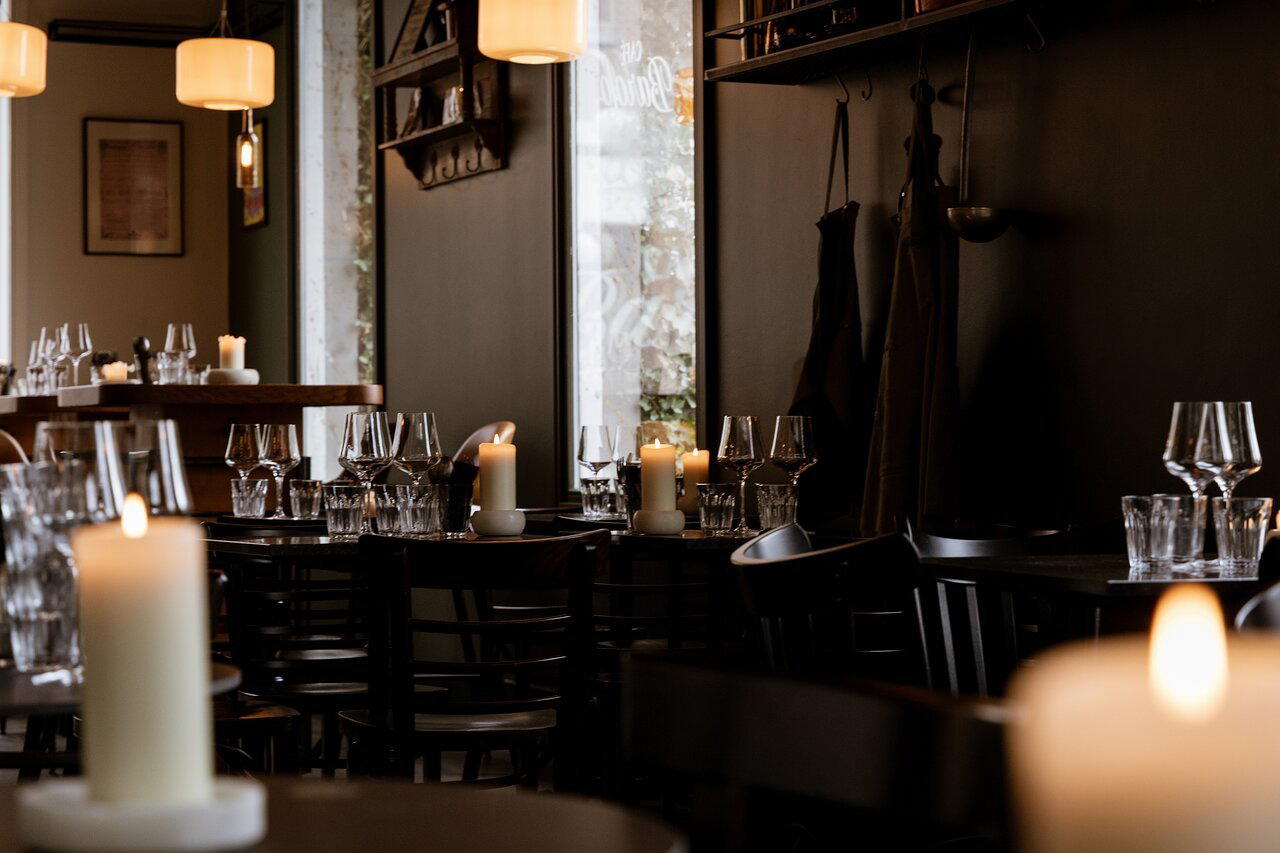
Refined and gemoedelijke atmosphere with warm hospitality and focus on seasonal products.
Know Before You Go
- Getting there
- De Lind 47, 5061 HT Oisterwijk, Netherlands