
Falstaff Winery - Listed
A serious Alto Adige cooperative rather than a family-estate romance, Cantina Colterenzio · Kellerei Schreckbichl translates Cornaiano’s Alpine-Mediterranean tension into precise white and red wines. The draw is the combination of scale, terroir range, and a polished tasting format, with guided visits, premium tastings, masterclasses, a terrace, and a modern vinotheque framing the region’s high-acid, aromatic style.

Pearl is the En Primeur Club membership app — saves, bookings, and concierge access live there. Same editors, same standards.
- Address
- Cornaiano, Alto Adige, Italien
- Directions
- Get directions
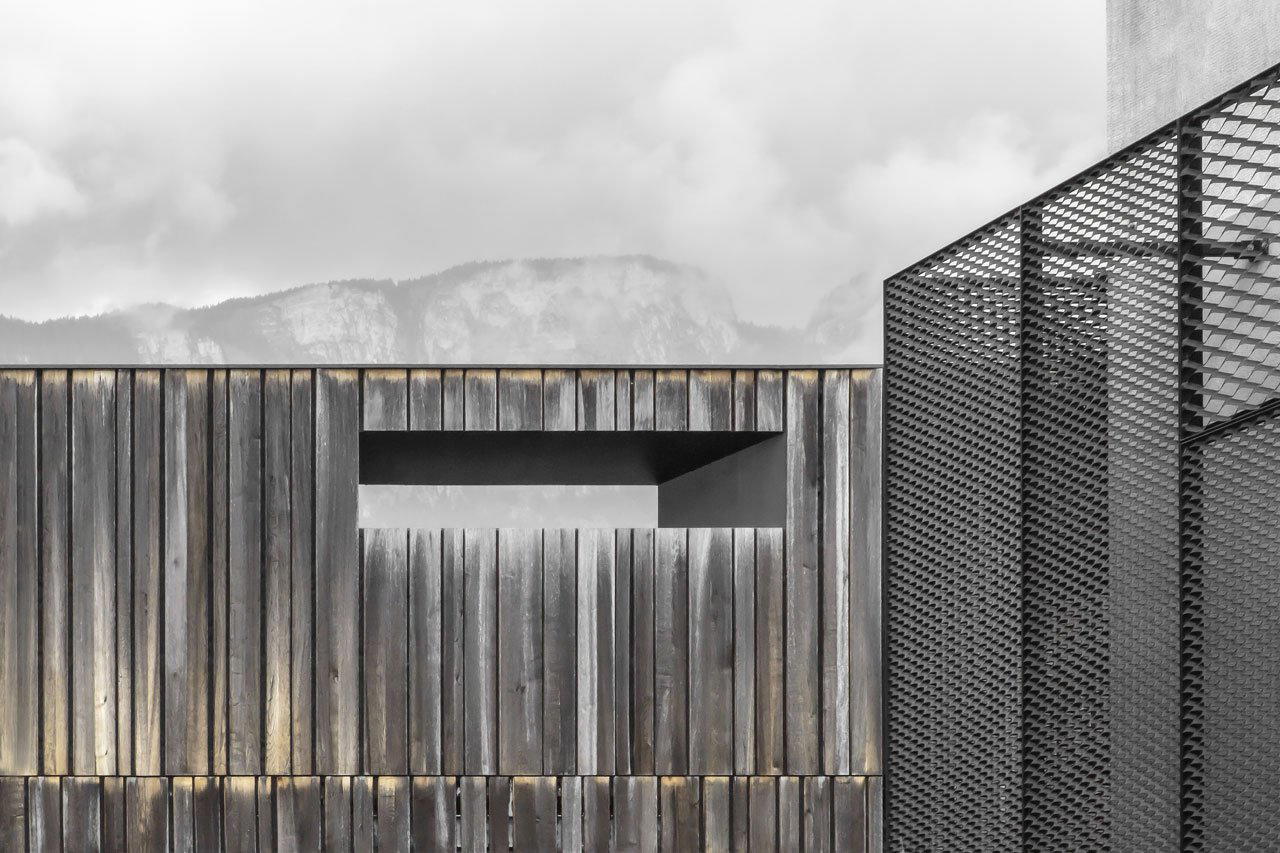
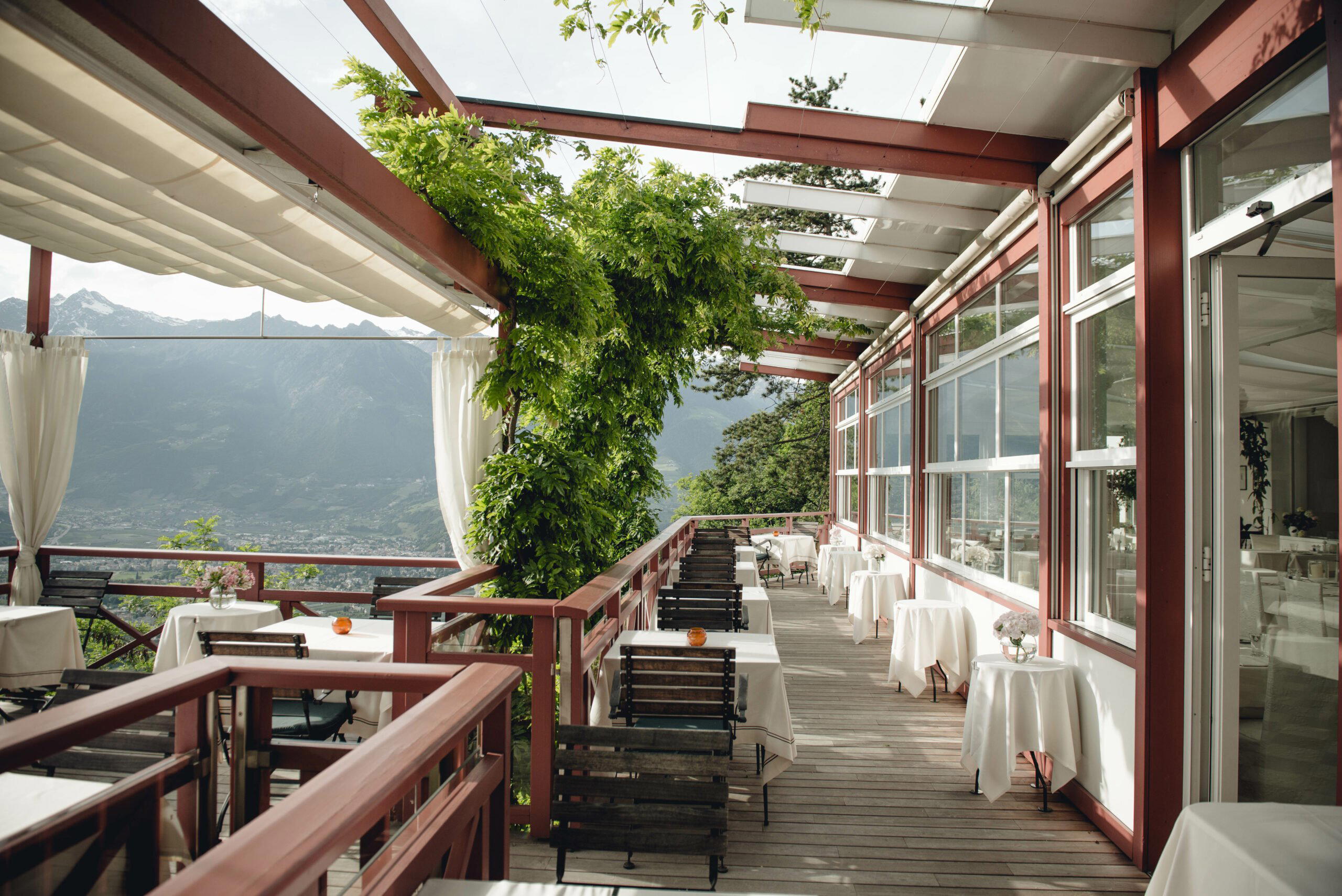
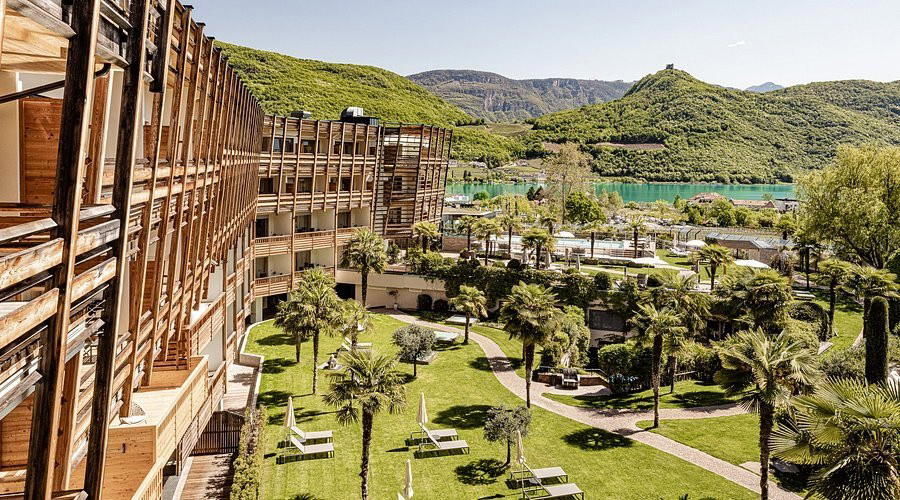
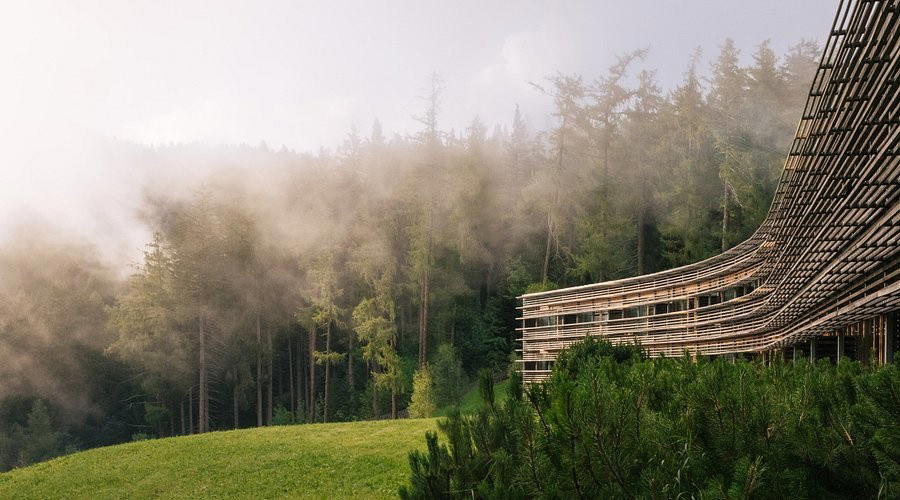
Approach the winery and the first impression is not rustic nostalgia but control: a modern cellar complex, vinotheque, tasting rooms, and panoramic terrace against vineyard and mountain views. Alto Adige wine culture trades on steep slopes, bilingual labels, and the friction between Alpine coolness and Mediterranean warmth. Here, that geography is the working logic behind the wines.
Cantina Colterenzio · Kellerei Schreckbichl belongs to South Tyrol’s cooperative wine story, a category that matters more here than in many Italian regions. Founded in 1960 by 26 growers seeking greater control over grape quality, pricing, and production, it has grown into a large cooperative of more than 300 winegrowers working 300 hectares, giving the cellar access to many sites rather than a single-family parcel narrative.
That scale is the editorial point. In Alto Adige, cooperatives can operate with the ambition and technical equipment of serious estates while drawing fruit from multiple elevations and exposures. The portfolio is built around regional breadth: Pinot Grigio, Chardonnay, Gewürztraminer, and Pinot Blanc on the white side; Lagrein, Merlot, Vernatsch, and Pinot Nero among the reds. For a visitor trying to understand Cornaiano through the glass, this is more useful than a narrow tasting of one grape from one hill.
Alpine nights, warm days, and a cooperative map of Alto Adige
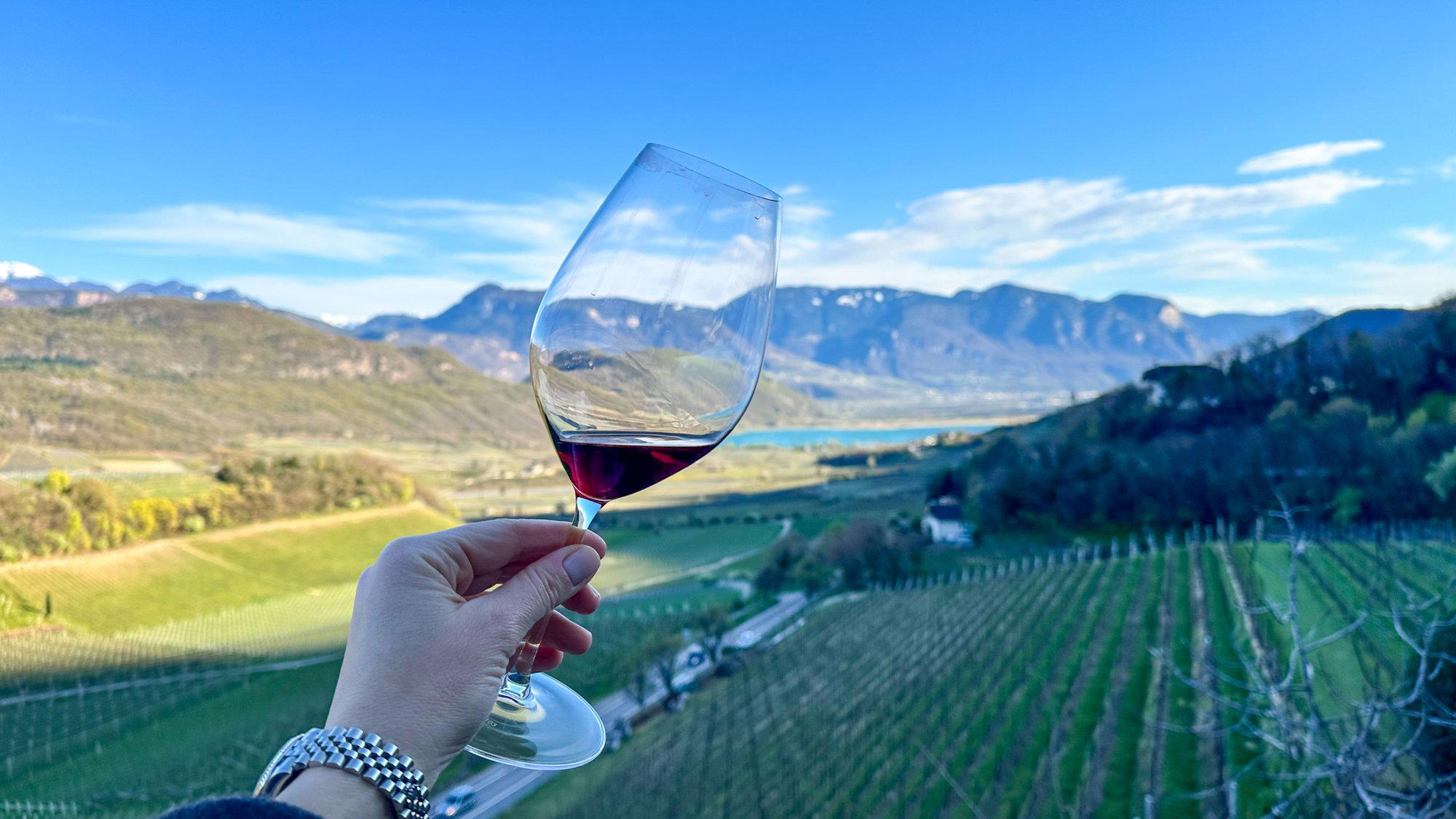
The region’s defining climatic advantage is diurnal range: warm days push ripeness, cool nights hold acidity. That tension explains whites with aromatic lift and reds that retain freshness rather than weight alone. Colterenzio’s vineyards include sites associated with elevations of 240 to 270 metres and medium-heavy, gravely-sandy soils, especially relevant for Pinot Grigio from Puiten. Those figures explain the cellar’s emphasis on structure, acidity, and clarity rather than broad Mediterranean softness.
The production split tells the story plainly: around 65 percent white wines and 35 percent reds. That ratio fits Alto Adige’s reputation for precision whites while leaving space for local red identity through Lagrein and Vernatsch. Pinot Nero adds the international cool-climate argument, while Gewürztraminer connects the cellar to one of the region’s aromatic calling cards.
Martin Lemayr is named as winemaker, but his role is best read through the cooperative machine around him. With hundreds of growers contributing fruit, consistency depends on viticultural discipline, harvest standards, and cellar decisions that can handle variety without flattening character. Pinot Grigio Puiten shows the technical side: fermentation in stainless steel at a constant 18°C for roughly 14 days, partial fermentation in large oak casks, malolactic fermentation for one component, and separate fine-lees maturation for six months before blending. That sequence explains why the wine sits beyond simple aperitivo Pinot Grigio.
Recognition gives external context without making scores the whole argument. Pinot Grigio Puiten earned 91/100 from Wine Enthusiast for the 2012 vintage and 90/100 from Wine Spectator for the 2008 vintage, with the 2014 vintage rated 87/100 by Vinous Antonio Galloni and 88/100 by Wine Enthusiast. The cooperative was also awarded 2nd place in the Südtirol/Alto Adige category at the International Co-Op Contest organized by Weinwirtschaft. These signals place the cellar inside a serious cooperative conversation, not a casual tasting-room circuit.
The tasting format is polished, but the useful lesson is regional range
The visitor experience is designed for comprehension as much as pleasure: guided tastings, premium tastings, masterclasses, a modern wine shop, tasting rooms, and terrace views. The setting suits groups and wine education, and tour languages, Italian, German, and English, reflect South Tyrol’s cultural overlap. The tone is refined rather than rustic, with a conversational noise level and smart-casual feel.
For a Cornaiano itinerary, the cellar works as a first stop rather than a closing flourish because it establishes the region’s grammar quickly. Taste across Pinot Grigio, Chardonnay, Gewürztraminer, and Pinot Nero and the same question returns: how much Alpine acidity remains once ripeness arrives? That is the central Alto Adige question, answered here across several grape varieties in one sitting.
Sustainability is not a soft lifestyle claim. The winery uses 100 percent certified green electric power, much of it supplied by photovoltaic installations. In a large-production setting, that carries more weight than at a tiny estate because the operational footprint is broader. It also fits the cooperative model: land stewardship is shared across growers, so environmental standards become collective discipline rather than a single-owner preference.
The practical read is simple. This is a large, polished, experience-focused winery in Cornaiano with guided formats and outdoor seating, suited to travellers who want a structured view of Alto Adige rather than a quick counter pour. It is not built around a wine-club scarcity narrative; allocation is open, shipping is available, and the tasting program centres on access and education.
How to place it within a Cornaiano trip
Cornaiano is a compact base for wine-led travel, and the stronger itinerary pairs a cellar visit with meals, bars, and other local stops rather than treating wine as an isolated appointment. Start with Our full Cornaiano wineries guide, then map the day through Our full Cornaiano restaurants guide, Our full Cornaiano bars guide, Our full Cornaiano hotels guide, and Our full Cornaiano experiences guide. The cellar’s strength is context: after one tasting, the region’s white-wine precision, bilingual identity, and cooperative seriousness make more sense.
Travellers comparing Italian wine regions more broadly can use the wider winery archive to see how production and hospitality models read across the country and beyond: 3GP SRL in Treviso, 47 Anno Domini in Trebaseleghe, A Mano Wine in Noci, a6mani in Fragagnano, Abbadia Ardenga in Torrenieri, Abbazia di Crapolla in Neapel, Abbazia Monte Oliveto in Asciano, Abbazia Santa Anastasia in Castelbuono, »der Steiner« Hans Steiner in Podersdorf am See, and & Handwein in Mannheim.
Recognition history
Dated appearances from independent guides and award organizations, with the underlying list record or original source where available.
Falstaff Winery - Listed
Falstaff
Full recognition history (2 entries)
Falstaff Winery - 4 Stars
Falstaff
Continue exploring
More in Cornaiano
Wineries in Cornaiano
Browse all →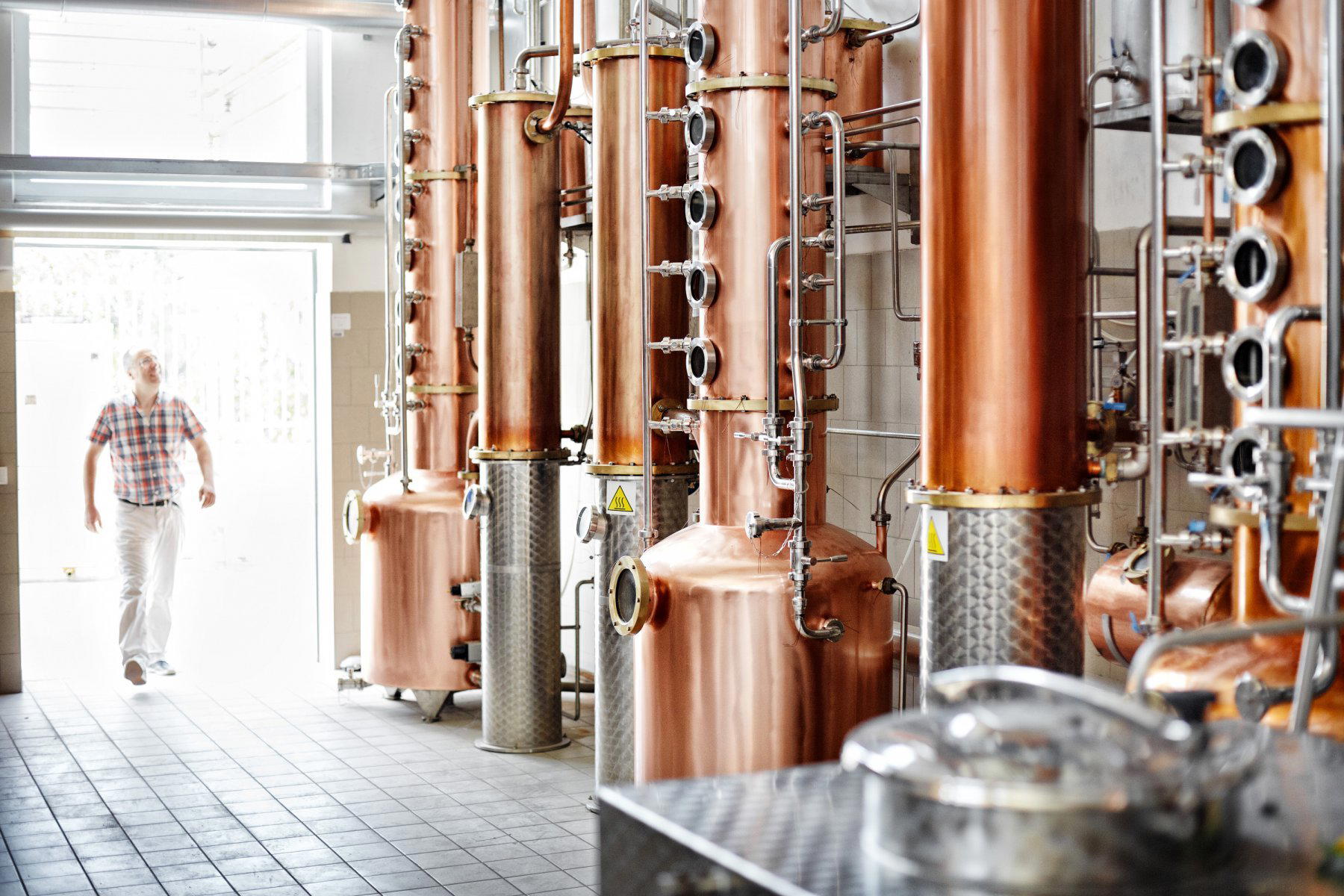
Bars in Cornaiano
Browse all →
Restaurants in Cornaiano
Browse all →
Details
- Modern
- Scenic
- Sophisticated
- Classic
- Wine Education
- Group Outing
- Special Occasion
- Solo Exploration
- Panoramic View
- Design Destination
- Terrace
- Sustainable
- Vineyard
- Mountain
- Pinot Grigio
- Pinot Nero
- Chardonnay
- Gewürztraminer
- Still White
- Still Red
- Guided Tasting
- Premium Tasting
- Masterclass
- Italian
- German
- English
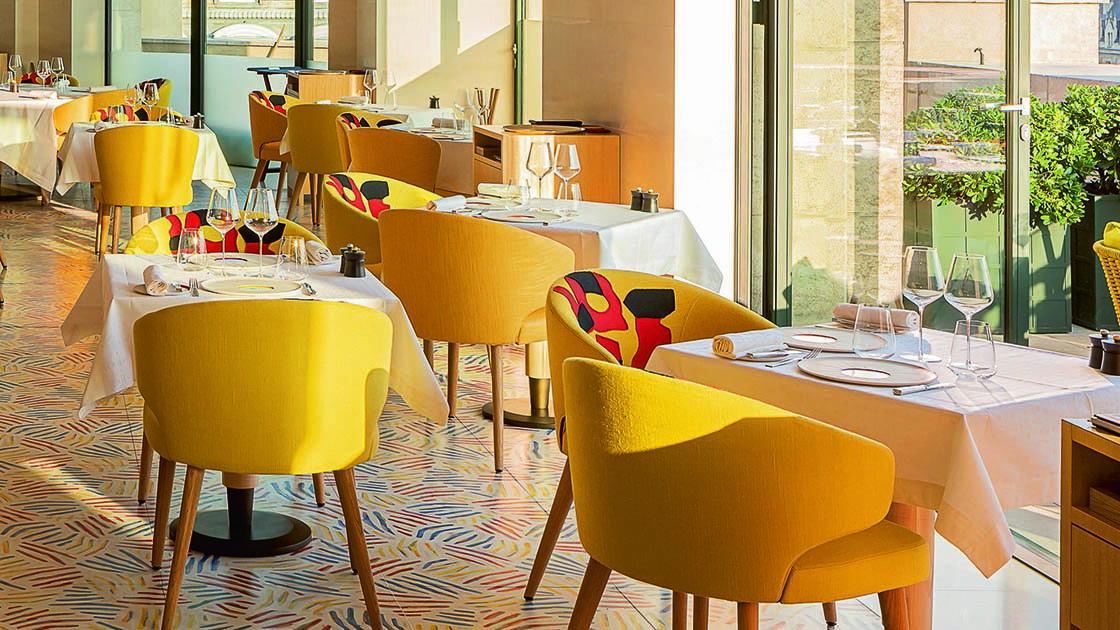
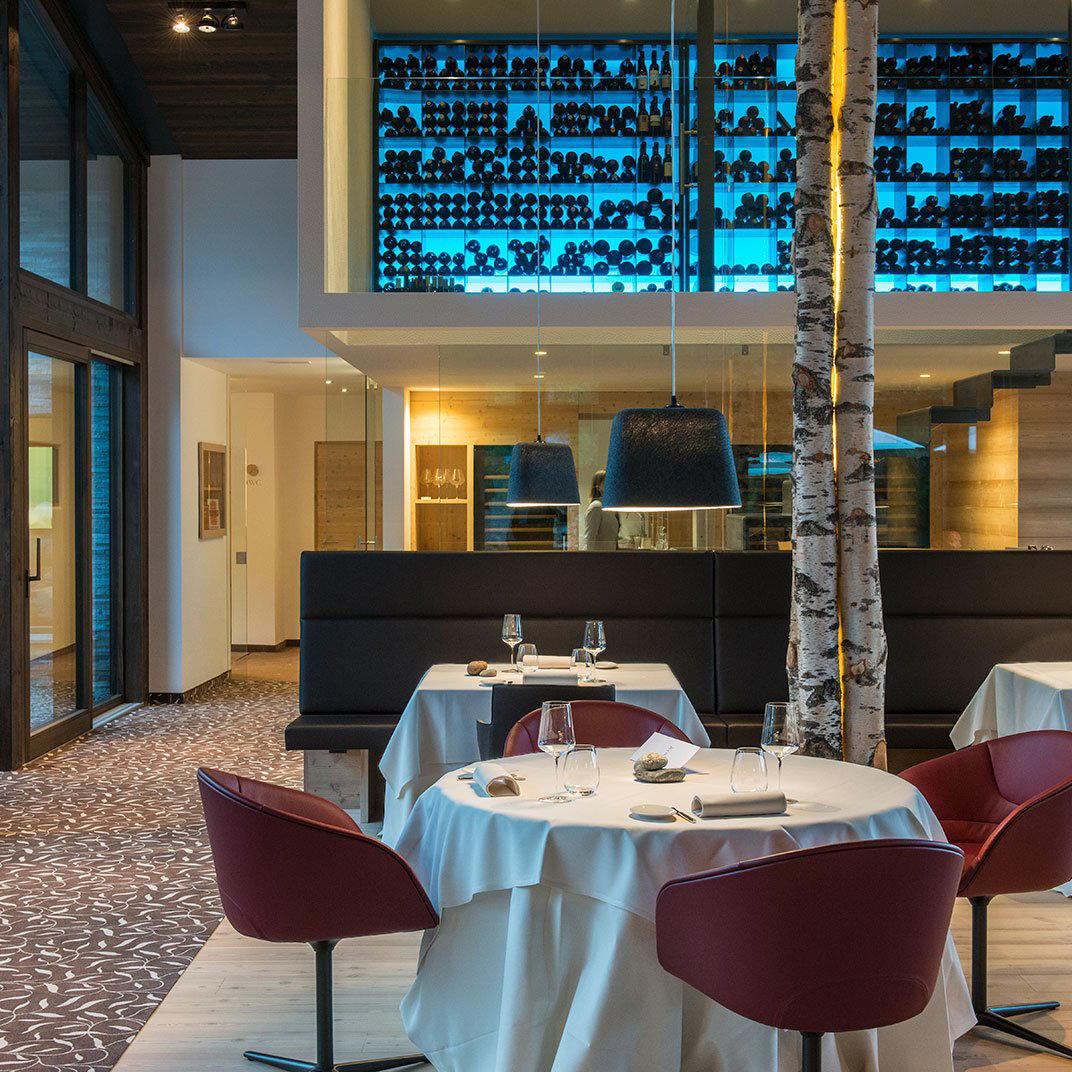
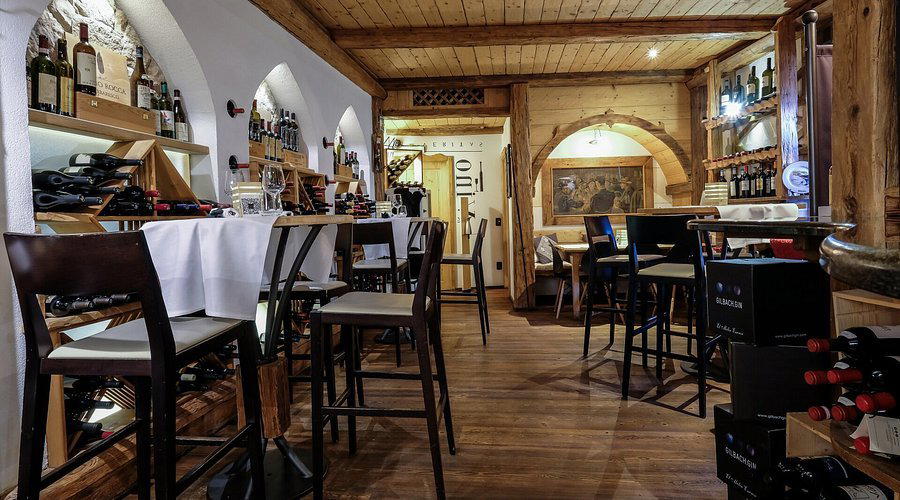
Modern winery setting with a welcoming wine shop and tasting rooms overlooking a panoramic terrace; the overall atmosphere is refined and experience-focused.