
Falstaff Winery - 4 Stars
Cantina Andriano is a historic Alto Adige cooperative in Terlan, founded in 1893 and shaped by high-altitude vineyards, cool nights, and a portfolio led by Pinot Bianco, Pinot Grigio, Müller-Thurgau, Lagrein, and Schiava. The draw is terroir clarity rather than cellar theatrics: mountain light, limestone-influenced freshness, and a cooperative model tied closely to local growers.

Pearl is the En Primeur Club membership app — saves, bookings, and concierge access live there. Same editors, same standards.
- Address
- Terlan, Alto Adige, Italien
- Directions
- Get directions
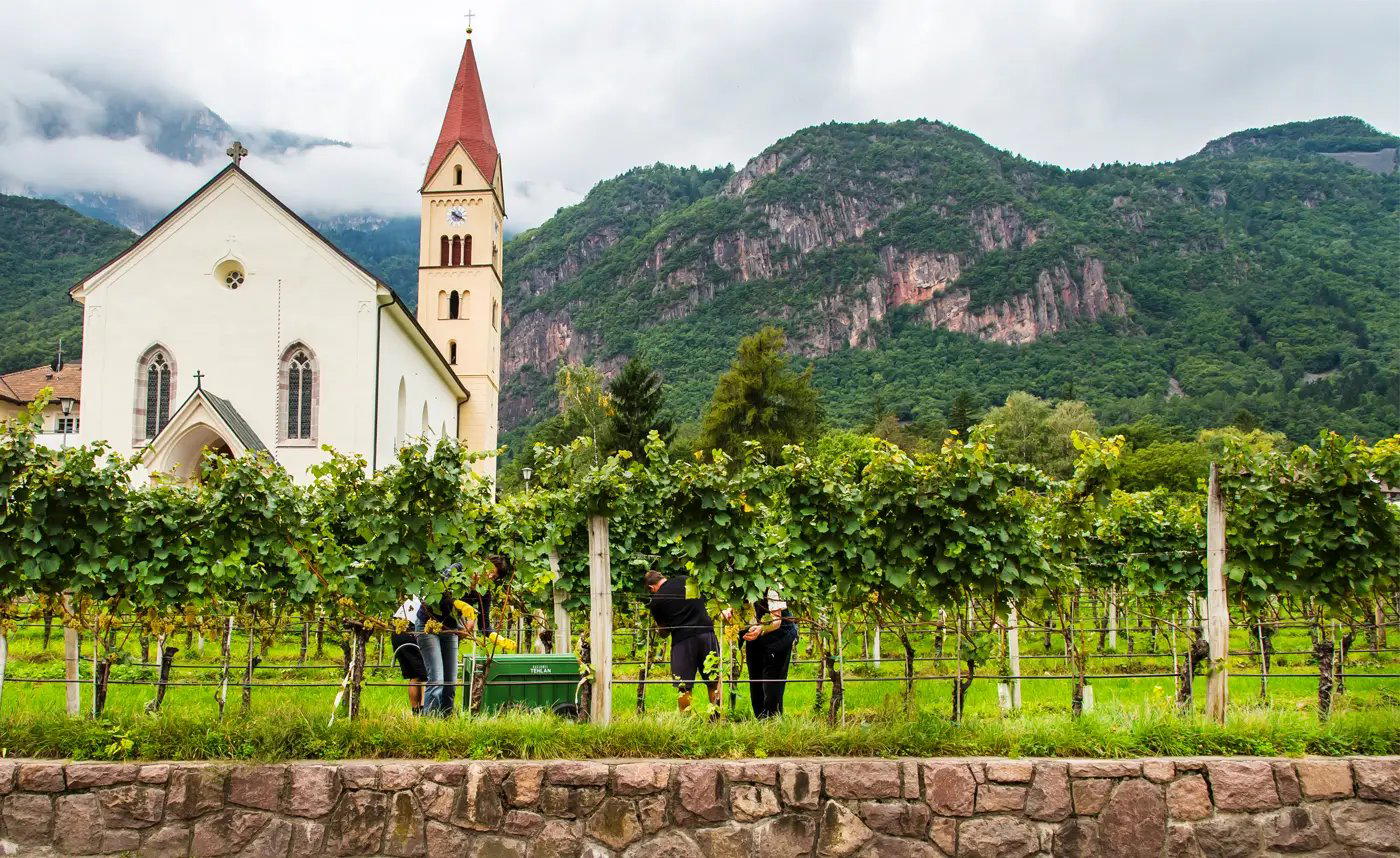
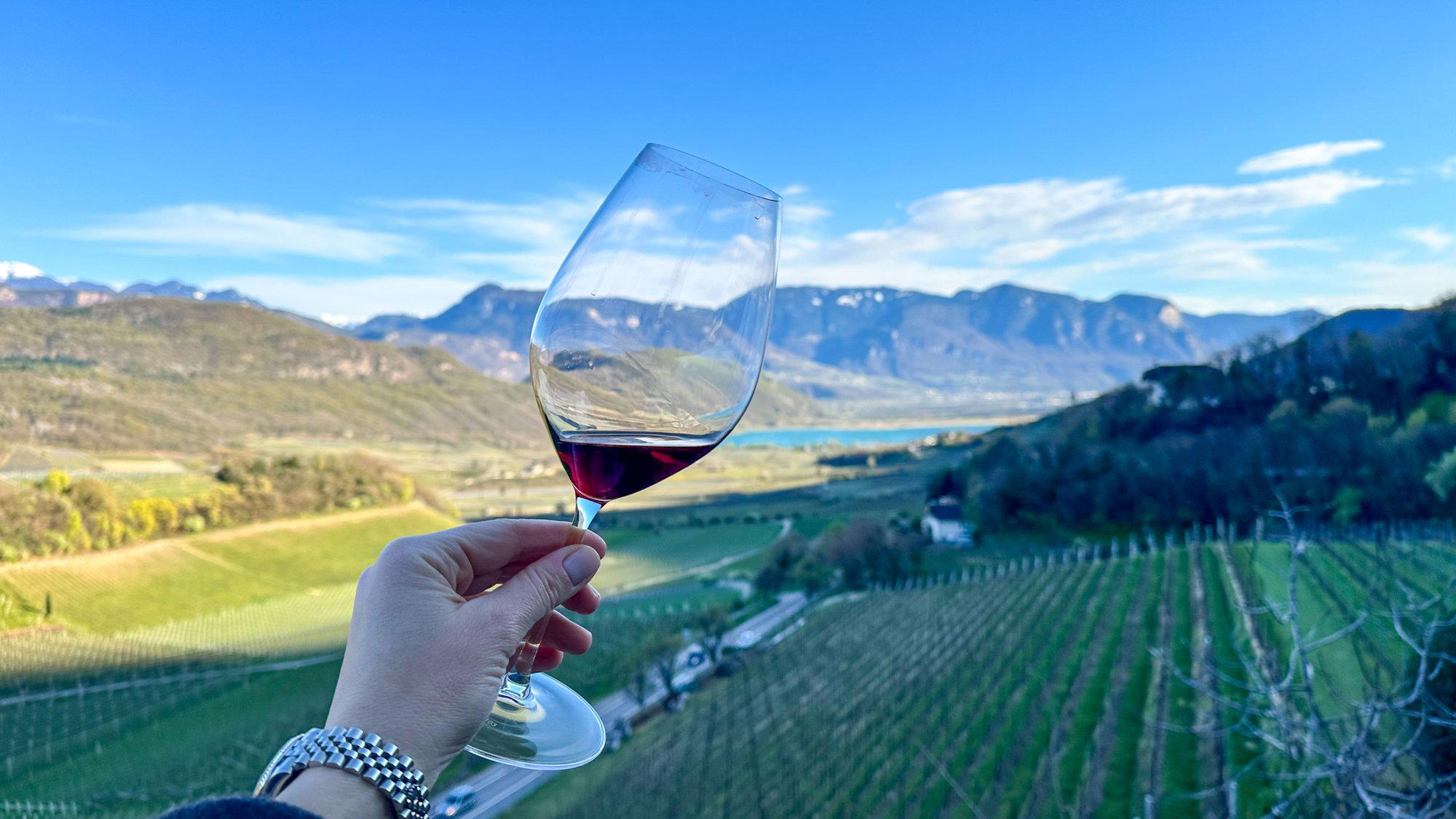
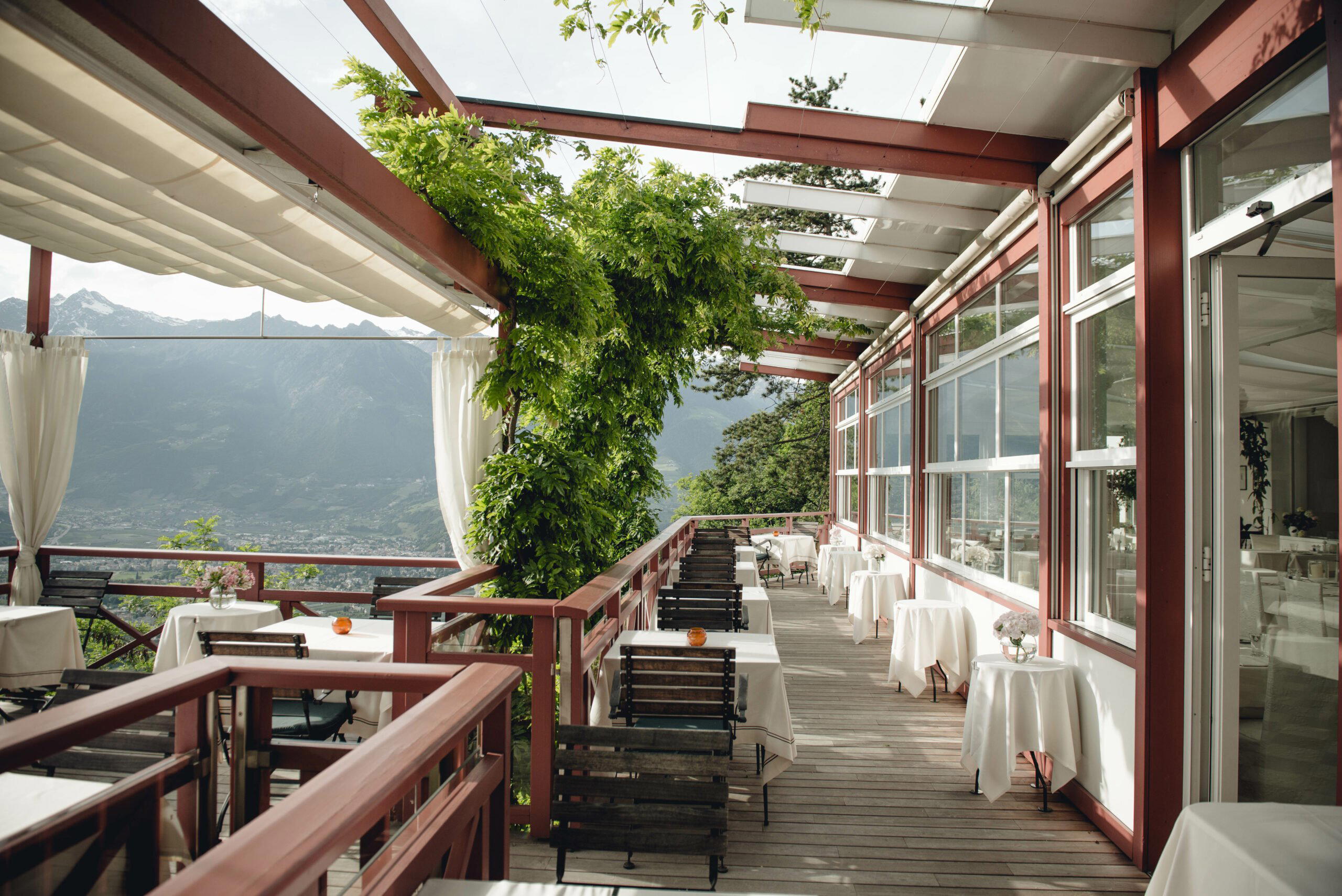
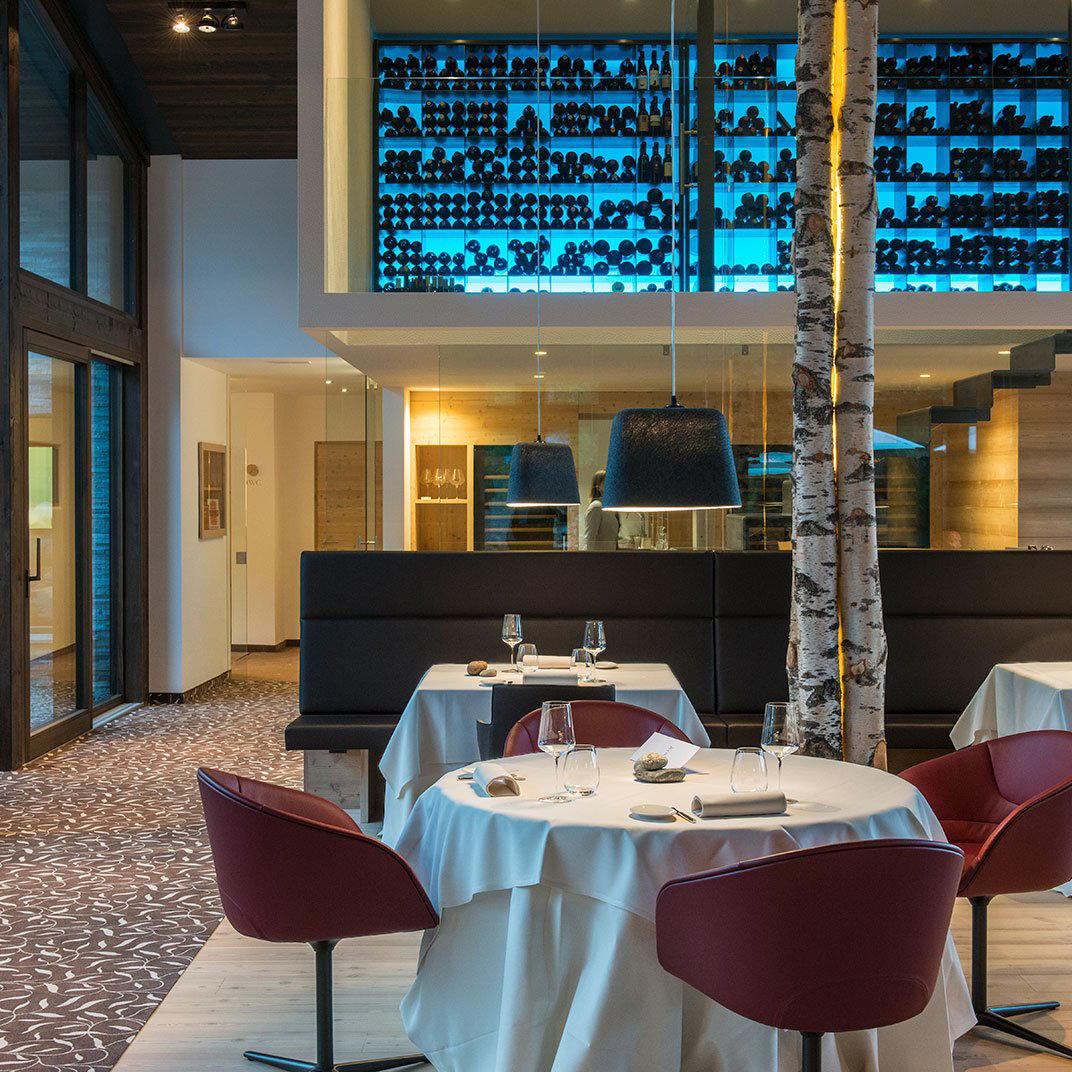
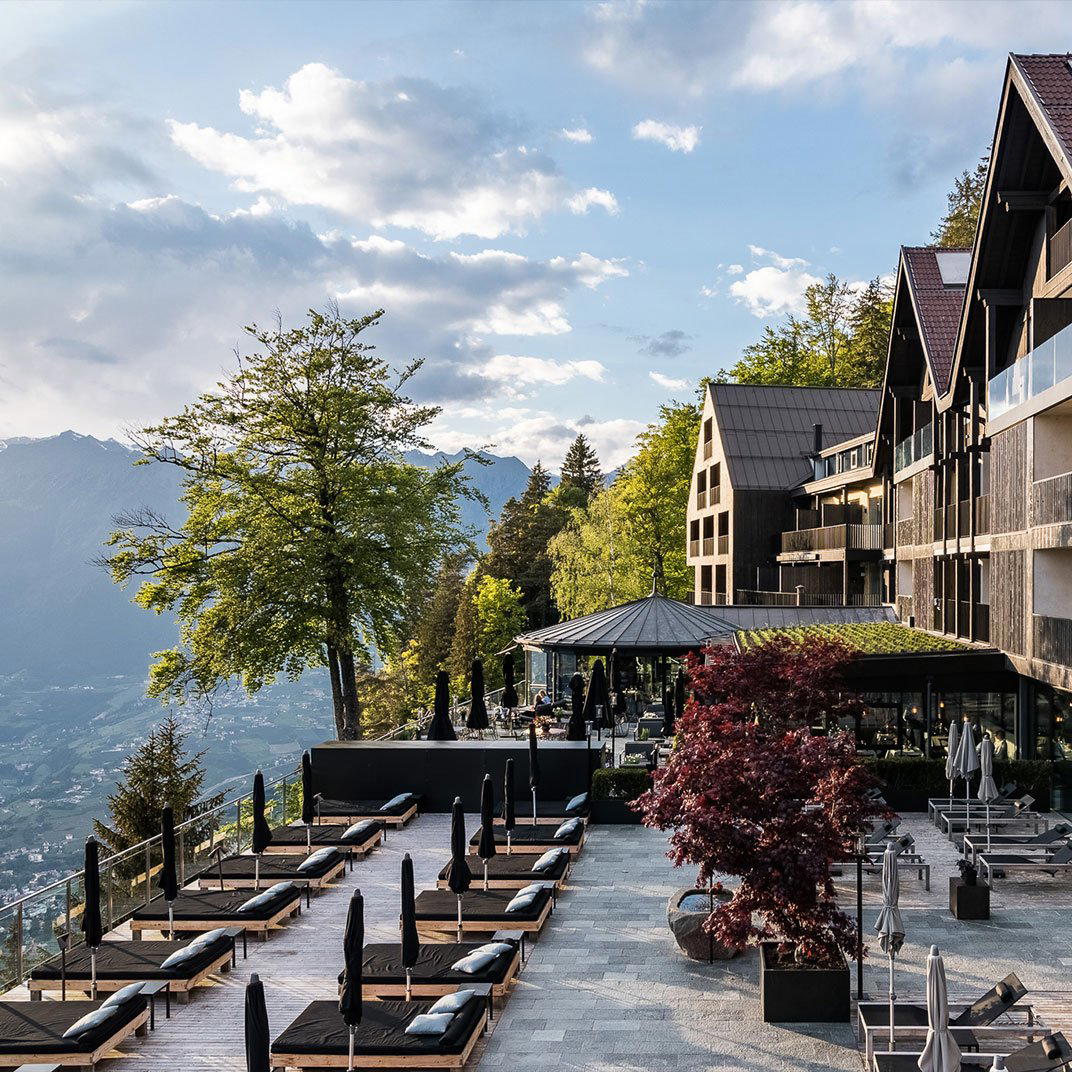
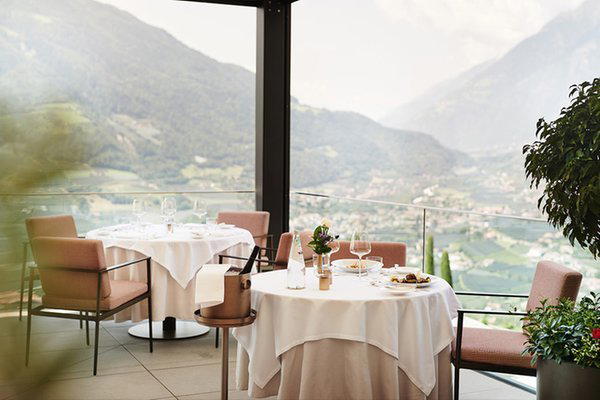
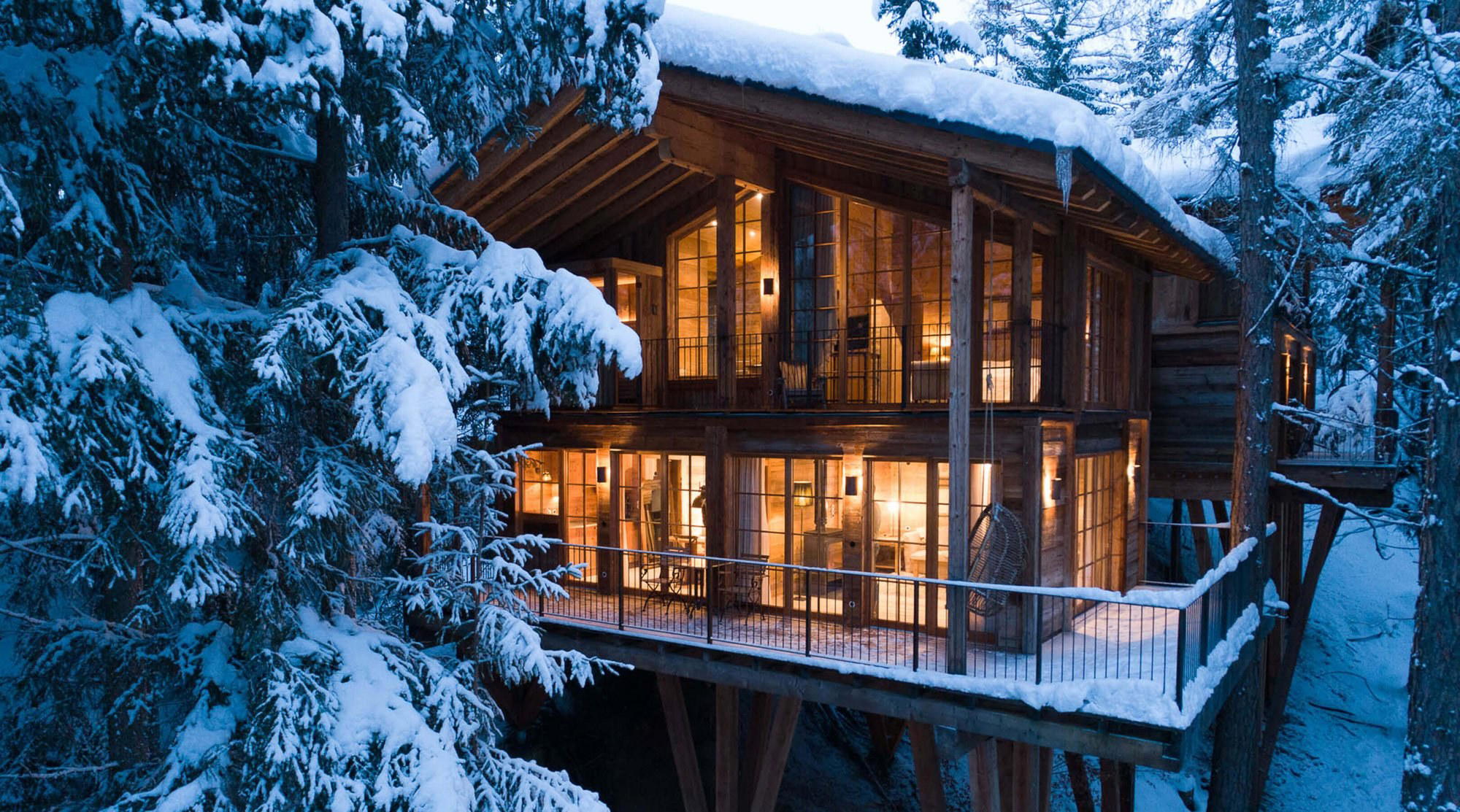
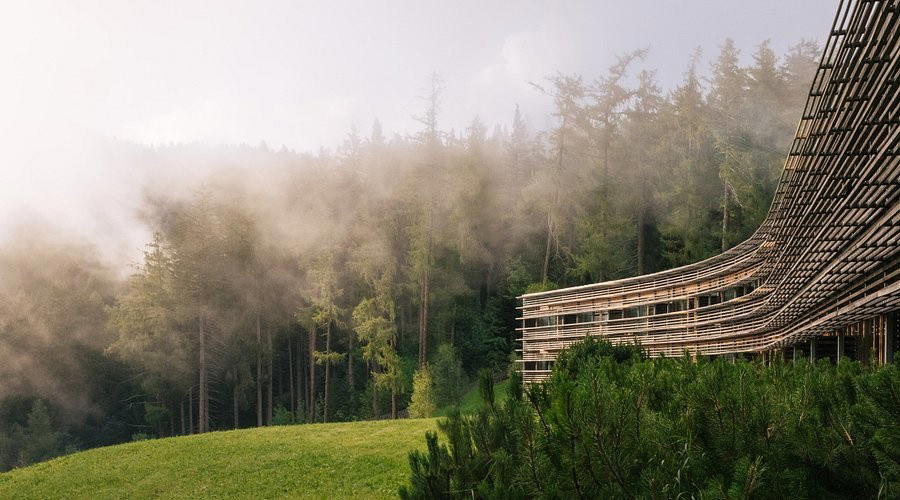
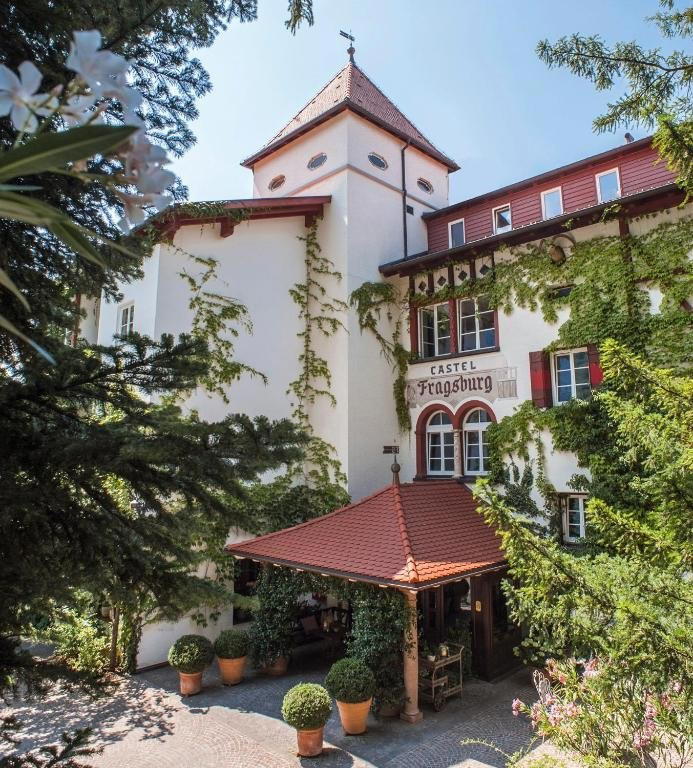
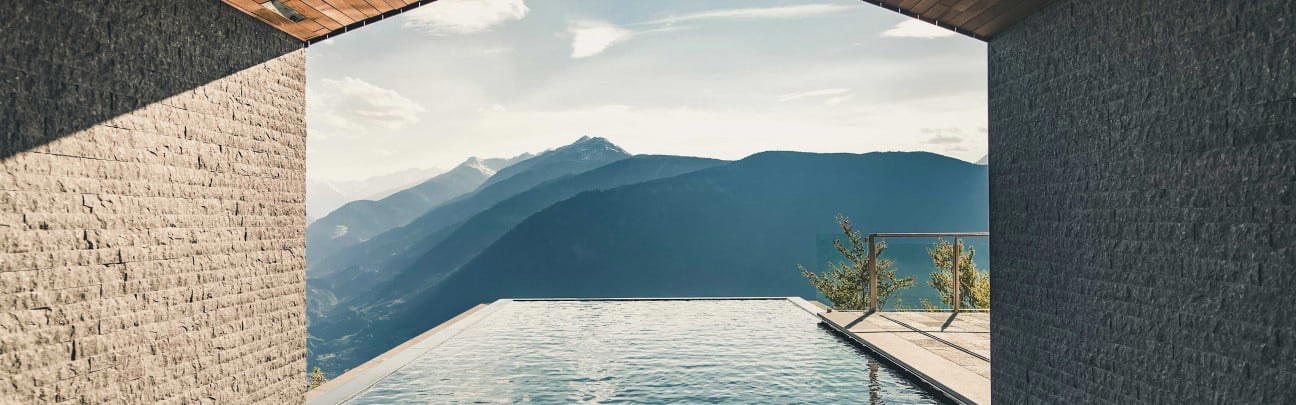
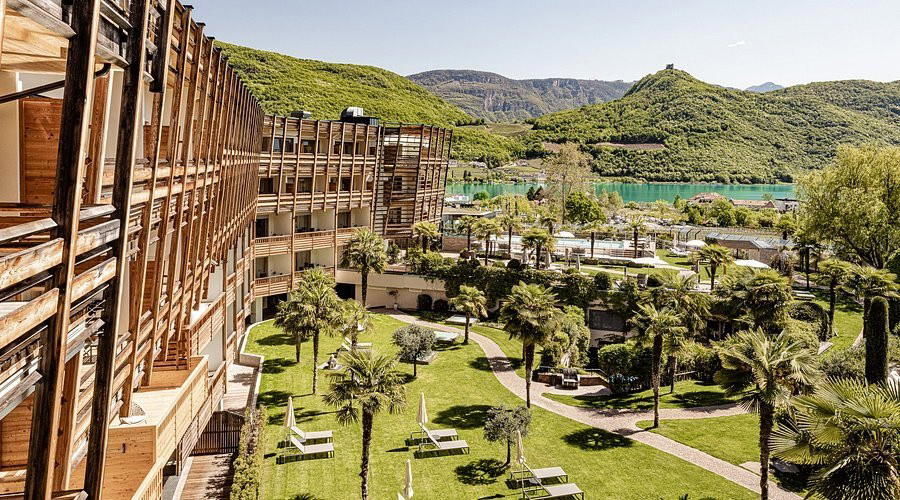
Cantina Andriano in Terlan is best presented as a historic cooperative winery in Alto Adige, set against a mountain-and-vineyard backdrop. The picture is atmospheric rather than highly technical: a place associated with alpine terroir, scenic vineyards, and wines described through a powerful yet elegant profile with a bright, fresh character. In other words, the value of the listing is not in forcing a detailed cellar narrative, but in giving travelers a clear sense of why the address belongs on the local wine map.
What can be said with confidence is that Cantina Andriano belongs in a Terlan wine itinerary for travelers interested in the feel of an Alto Adige cooperative winery and the landscape that shapes its identity. It is a stop to understand through surroundings as much as through the glass: the mountains, the cultivated slopes, and the regional idea of freshness all help frame expectations before any specific bottle is considered.
Alpine setting gives the experience its frame
The most reliable way to understand Cantina Andriano is through place. Terlan sits in an alpine wine context where mountain scenery and vineyard views are central to the impression. The backdrop matters: the description emphasizes high-altitude vineyards and an alpine terroir that contributes to a bright, fresh character. That language suggests a winery whose personality is inseparable from its setting, where the surrounding landscape is not just decorative but part of how visitors are meant to read the experience.
That does not justify naming specific grape varieties, cellar techniques, bottle lines, or vineyard elevations without confirmation. Instead, the grounded takeaway is broader: Cantina Andriano is presented as a winery whose identity is tied to Alto Adige’s mountain environment and to wines that balance power with elegance. The phrase “powerful yet elegant” is useful because it keeps the focus on texture and impression rather than on unsupported specifics. It points to wines with presence, but also restraint and freshness.
For visitors researching the area, this makes the winery useful as a landscape-driven stop rather than a page to overfill with technical detail. The appeal is the combination of cooperative heritage, vineyard scenery, and an alpine sense of freshness. It is especially well suited to a traveler who wants the atmosphere of Alto Adige wine country to be part of the visit, not merely a backdrop to a tasting note.
What to read in the glass
The description points to wines that express alpine terroir with a bright, fresh character. It also describes the atmosphere around Cantina Andriano as one of powerful yet elegant wines. Those are the safest anchors for understanding the house style without inventing a grape list, a menu, a tasting format, or critical ratings. Read that profile as a broad guide to tone: freshness, mountain influence, and a sense of polish are the qualities the available description supports.
Travelers should therefore approach Cantina Andriano as a Terlan winery where the setting and regional character are part of the draw. If you are comparing options in the area, focus on what is confirmed: the historic cooperative identity, the mountain-and-vineyard backdrop, and the Alto Adige context. Those elements are enough to make the winery legible, especially for visitors building an itinerary around place, scenery, and the general personality of the region rather than a checklist of particular labels.
No specific award, score, service format, or bottle recommendation is here. Those details should be checked directly with the winery before planning a visit or making purchasing decisions. The same caution applies to any assumptions about what may be open, poured, sold, or explained on a given day. The confirmed story is deliberately simpler: a historic cooperative in Terlan, associated with an alpine expression that is fresh, bright, powerful, and elegant.
How to place it in a Terlan wine itinerary
Cantina Andriano fits a Terlan itinerary for visitors who want a grounded sense of Alto Adige wine country: cooperative heritage, alpine scenery, and a fresh mountain-wine profile. The price level is listed as $$, which gives a general planning cue without implying a specific tasting fee or bottle cost. That cue is best treated as orientation, not a promise; it helps position the venue broadly while leaving the exact practical details to direct confirmation.
Keep plans flexible unless you have confirmed current access details directly with the venue. For that reason, the safest planning approach is to use Cantina Andriano as a strong candidate for a Terlan wine route, then check the current visit conditions before setting an exact schedule.
Within Terlan, compare Cantina Andriano with other local dining and wine options generically, then confirm practical details before you go. The clearest appeal remains simple: a historic Alto Adige cooperative winery in Terlan, framed by mountains, vineyards, and a bright alpine wine character. If your itinerary is built around atmosphere, regional identity, and the visual language of alpine vineyards, that simple appeal is enough to justify keeping it on the shortlist.
Recognition history
Dated appearances from independent guides and award organizations, with the underlying list record or original source where available.
Falstaff Winery - 4 Stars
Falstaff
Continue exploring
More in Terlan
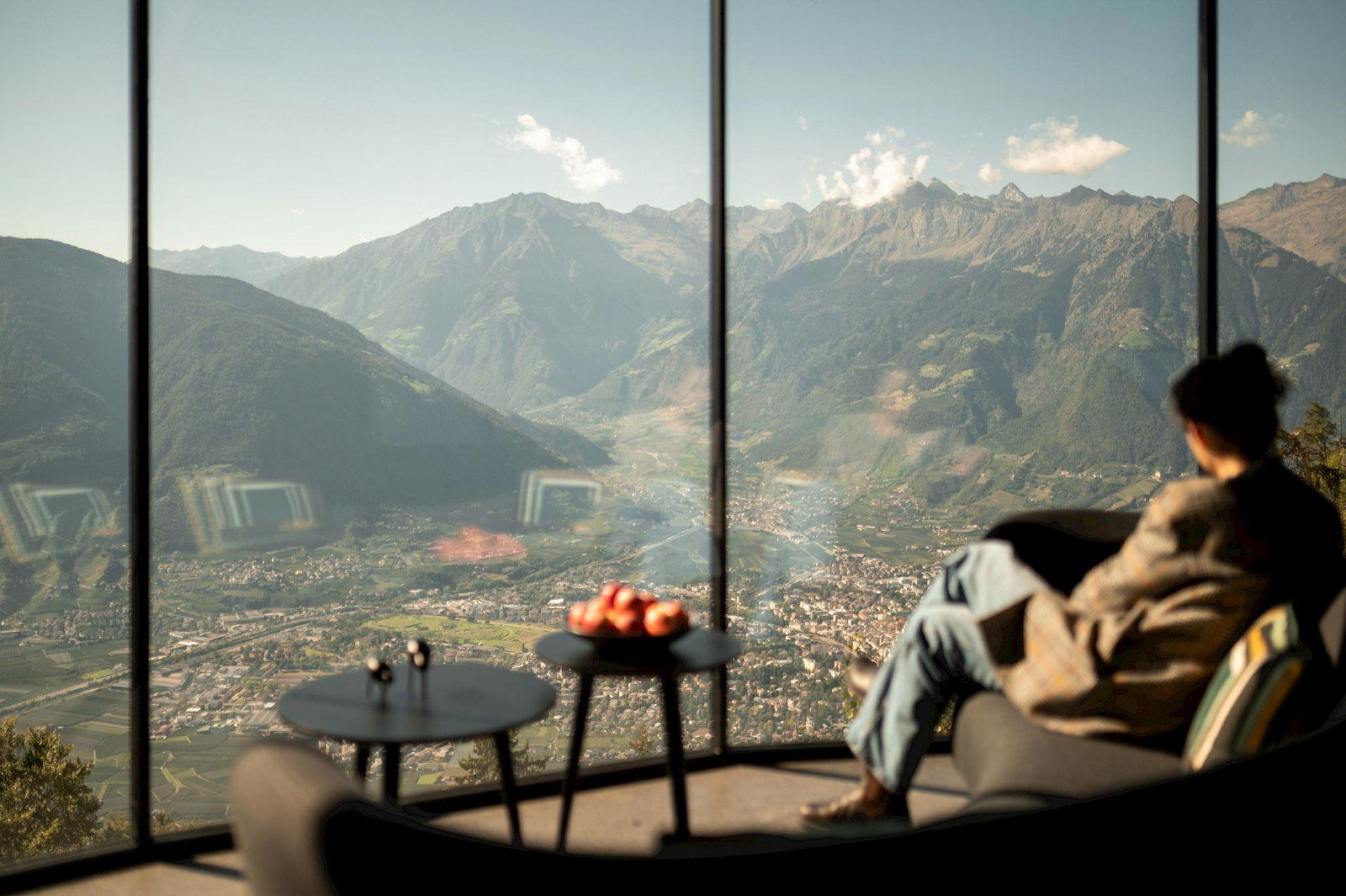
Wineries in Terlan
Browse all →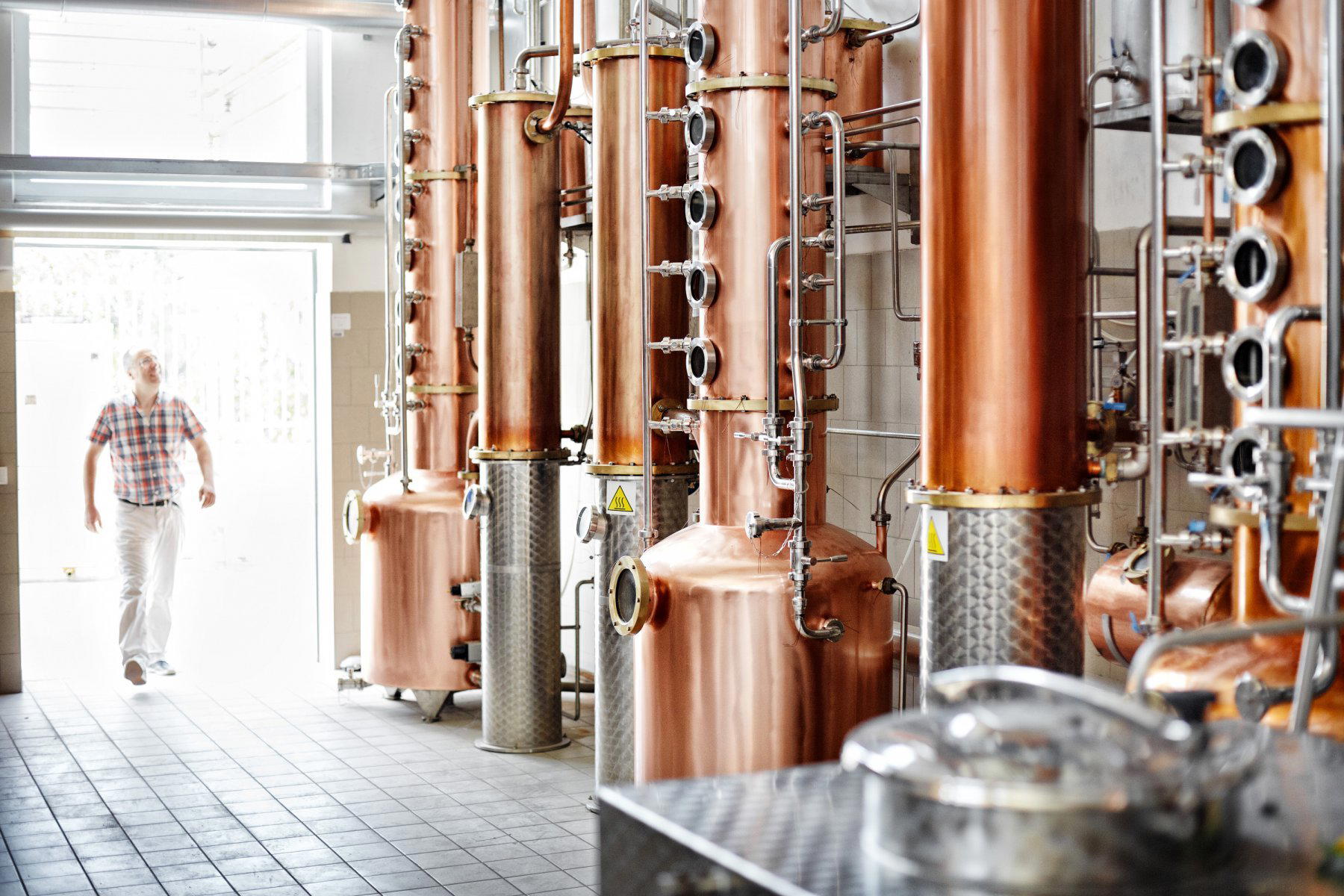
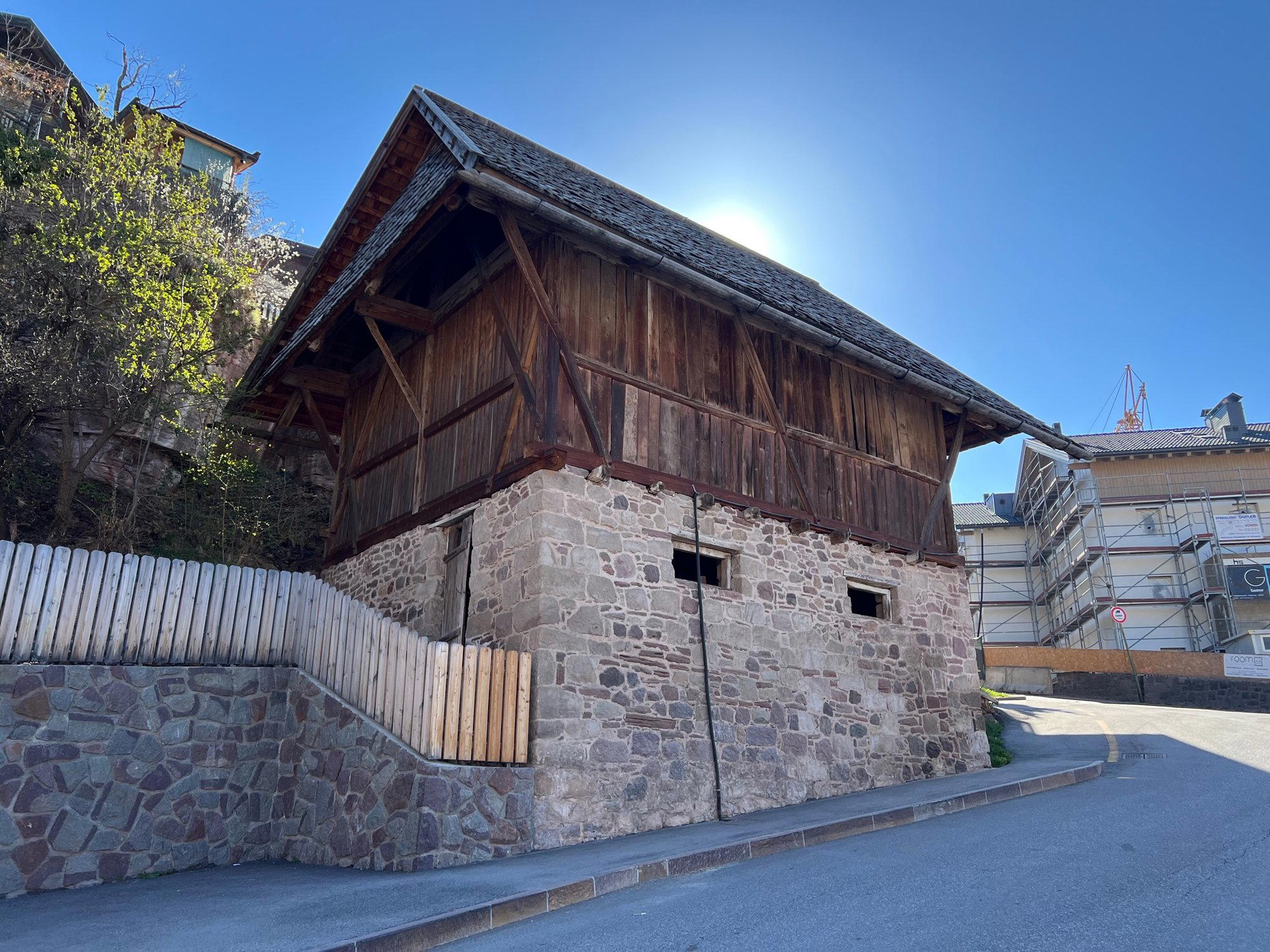
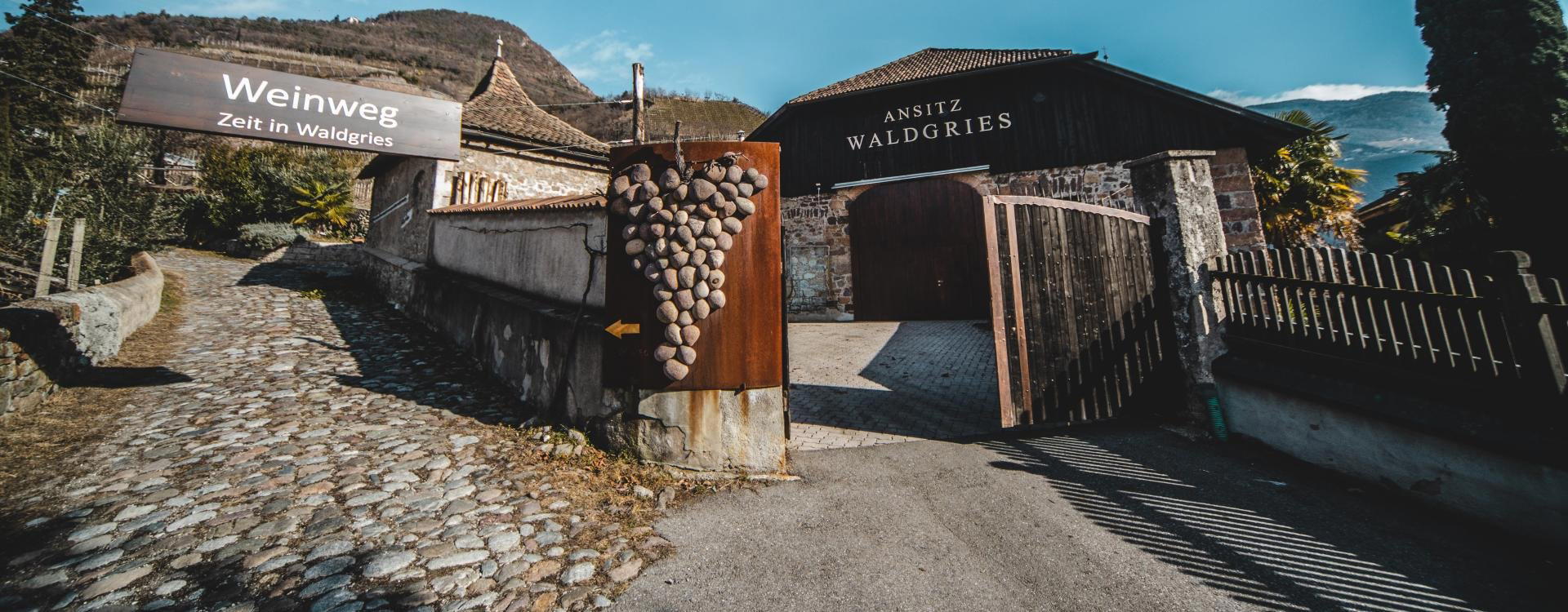
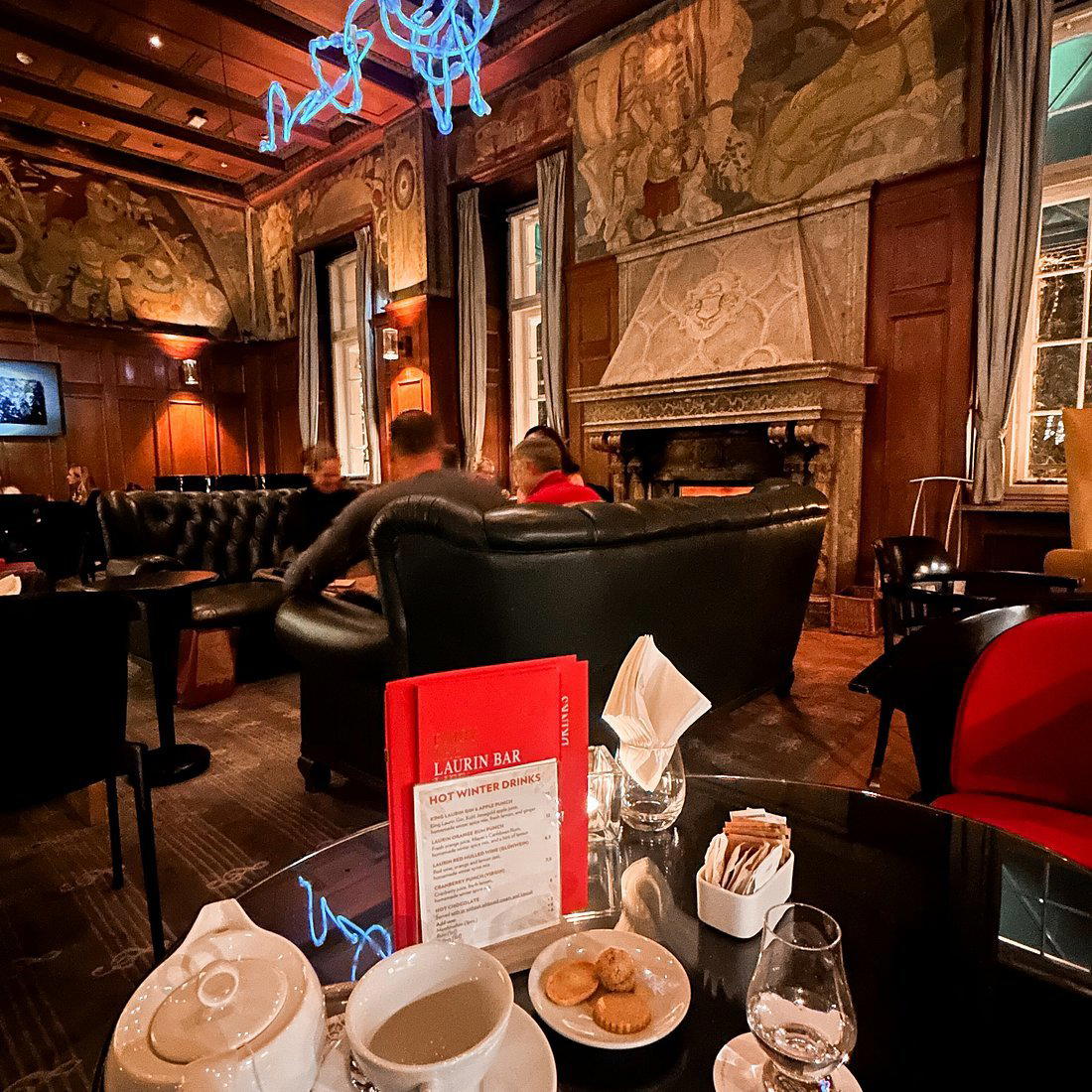
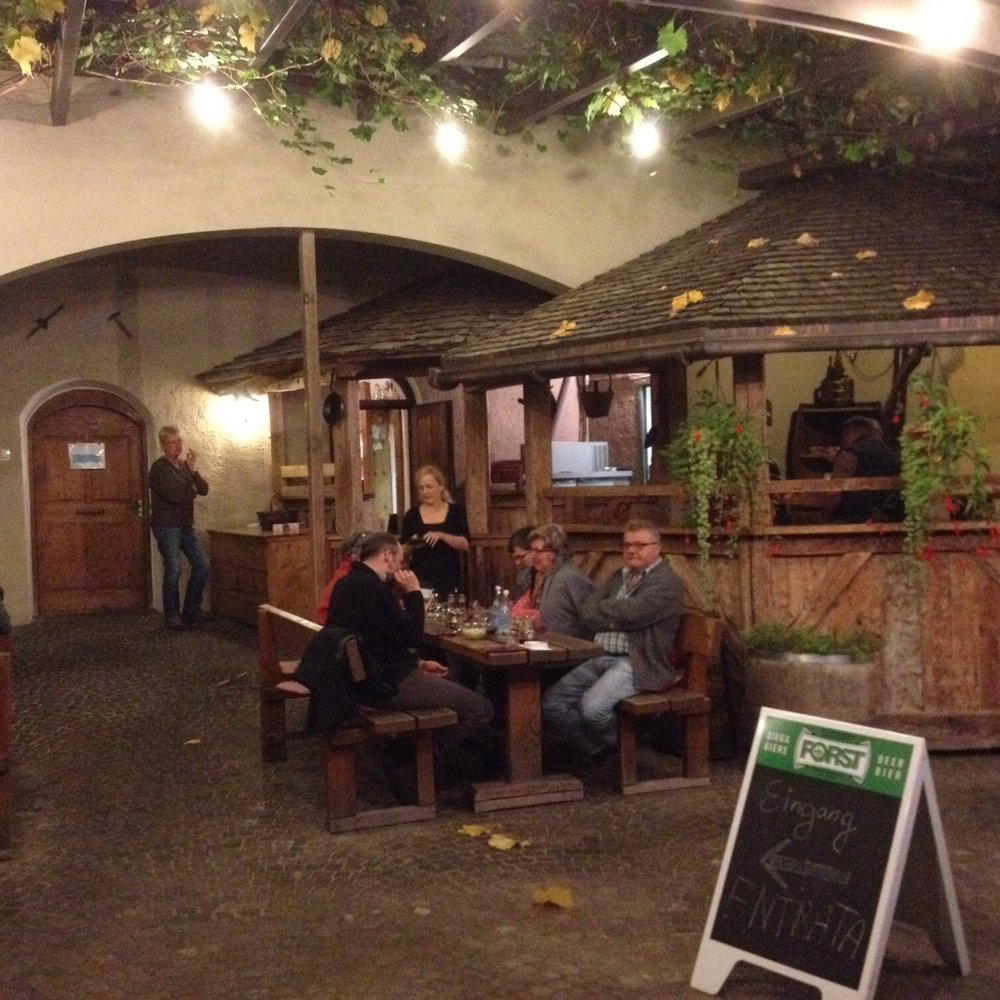
Bars in Terlan
Browse all →
Restaurants in Terlan
Browse all →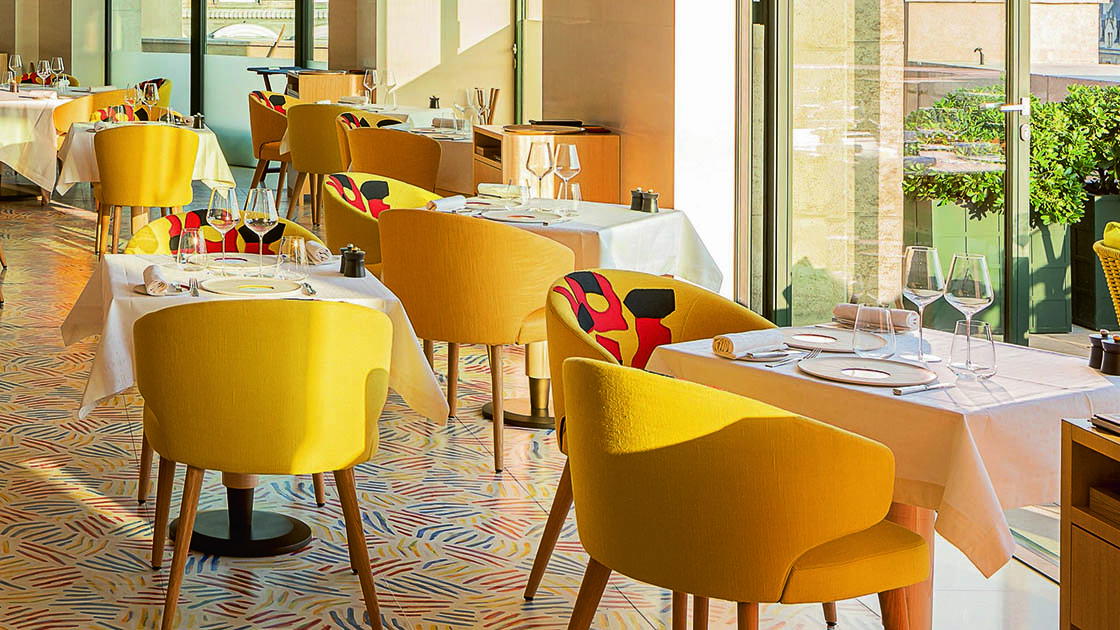
Details
- Scenic
- Classic
- Well Known
- Quiet
- Sophisticated
- Wine Education
- Group Outing
- Romantic Getaway
- Solo Exploration
- Historic Building
- Vineyard Tour
- Panoramic View
- Estate Grounds
- Mountain
- Vineyard
- Pinot Bianco
- Pinot Grigio
- Müller Thurgau
- Lagrein
- Pinot Noir
- Chardonnay
- Gewürztraminer
- Merlot
- Sauvignon Blanc
- Schiava (vernatsch)
- Still White
- Still Red
- Bar Tasting
- Guided Tasting
- Vineyard Visit
Historic cooperative winery in Alto Adige with a scenic mountain and vineyard backdrop; the atmosphere emphasizes powerful yet elegant wines that express the alpine terroir, with a bright, fresh character shaped by high-altitude vineyards and cool nights.