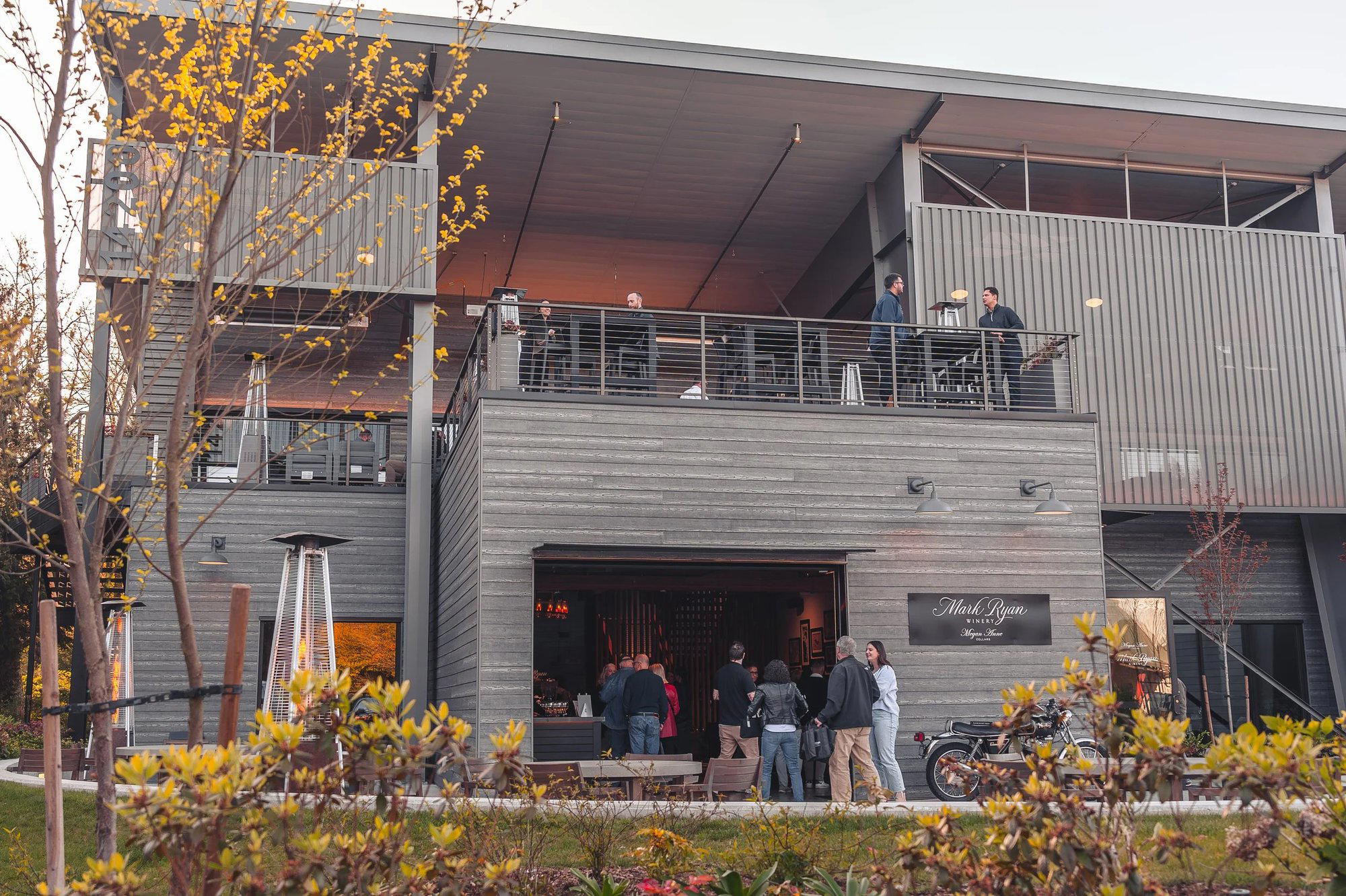
List Restaurant
List Restaurant occupies a corner of Belltown at 2226 1st Ave, positioning itself within one of Seattle's most contested dining corridors. The address places it in close proximity to the city's broader farm-to-table movement, where sourcing transparency has become a meaningful differentiator among serious kitchens. For visitors building a Seattle dining itinerary, it sits within the same neighbourhood orbit as several of the city's more established independent restaurants.
- Address
- 2226 1st Ave, Seattle, WA 98121
- Phone
- +1 206 441 1000
- Website
- listbelltown.com
- Directions
- Get directions
Belltown's Sourcing Moment
Seattle's Belltown corridor has spent the better part of two decades oscillating between neighbourhood staple and serious dining destination. The blocks around 1st Avenue now hold a mix of long-running independents and newer kitchens that have staked their identity on provenance, which is to say, on being able to name the farm, the boat, or the forager behind what arrives on the plate. List Restaurant, at 2226 1st Ave, sits in that corridor and in that conversation. The address itself is a signal: this stretch of Belltown attracts restaurants with something to say about where their ingredients come from, not just how they cook them.
The Pacific Northwest has always offered its kitchens an unusual degree of sourcing optionality. Puget Sound fishing, Skagit Valley produce, eastern Washington grain and pulse crops, and a foraging culture that predates the current trend by several decades all feed into what a serious Seattle kitchen can reasonably put on its menu. The question is whether it builds its identity around that access in a way that goes beyond a few seasonal menu notes. Restaurants that do this rigorously tend to share certain structural features: shorter menus, seasonal rotation, and a supply chain that requires the kitchen to be responsive rather than prescriptive about what it serves.
Where List Sits in the Seattle Dining Field
Seattle's independent restaurant scene clusters into a few recognisable tiers. At the summit of the market, places like Canlis (New American) have held their position for decades, operating with the kind of institutional weight that makes them comparison points rather than competitors for newer arrivals. A tier below, kitchens like Joule (New Asian) have built identities around a specific culinary position, whether that is a cross-cultural technique or a particular ingredient philosophy. List Restaurant's Belltown address puts it in proximity to this second category: restaurants that are making a distinct argument about what Seattle cooking can be, rather than simply executing familiar formats well.
The city's broader farm-to-table movement has matured enough that sourcing alone is no longer a differentiator. What separates kitchens now is the depth and specificity of their supplier relationships, and whether those relationships shape the menu in visible ways. Restaurants like Single Thread Farm in Healdsburg and Blue Hill at Stone Barns in Tarrytown have demonstrated nationally that the farm-to-table model reaches its most coherent form when the sourcing relationship is structural rather than decorative. Seattle has enough agricultural infrastructure around it to support that kind of commitment, and Belltown kitchens operating at a certain level are increasingly expected to show their work.
For context on where this fits within the broader national scene, kitchens such as Smyth in Chicago, Providence in Los Angeles, and Addison in San Diego have each built regional authority around ingredient sourcing as a primary editorial point, not a supporting one. In that framing, the Pacific Northwest is better positioned than any other American region to produce kitchens that operate this way, given the density and diversity of what is grown and caught within a day's drive of Seattle.
The Belltown Block in Practice
Arriving on this stretch of 1st Avenue, the neighbourhood reads as a working dining corridor rather than a tourist destination. The blocks between Pike Place Market and the further reaches of Belltown draw a mix of after-work regulars, pre-show diners heading toward the waterfront, and the kind of deliberate eater who has made a reservation with a specific kitchen in mind. Other addresses in the immediate area, including 1415 1st Ave, contribute to a sense that this strip rewards attention and repeat visits rather than one-time walk-through dining.
The proximity to Pike Place Market matters more than it might seem. The market functions as a daily wholesale and retail source for the kitchens immediately around it, which means that restaurants within a reasonable walk of its stalls can maintain sourcing relationships that would be logistically difficult from further afield. This is not a claim specific to List Restaurant, it is a structural feature of the neighbourhood that benefits any kitchen serious enough to use it. The question, as always, is which kitchens do.
For those building a wider Seattle itinerary, nearby reference points worth understanding include 1744 NW Market St in Ballard, which operates in a similar sourcing register across the water, and 2963 4th Ave S to the south. The full Seattle restaurants guide maps these across neighbourhoods with more detail.
Ingredient-Led Cooking in a National Frame
The ingredient-led restaurant model has its most decorated expressions outside Seattle. Le Bernardin in New York City built its identity around the primacy of the ingredient before sourcing became a marketing category. The French Laundry in Napa and Lazy Bear in San Francisco each demonstrate how Northern California's agricultural density can anchor a kitchen's entire programme. Internationally, Atelier Moessmer Norbert Niederkofler in Brunico has taken regional sourcing to its logical extreme, refusing ingredients that cannot be traced to the surrounding Alpine ecosystem. Atomix in New York City and The Inn at Little Washington each show how sourcing rigour can coexist with high-format dining in different regional contexts.
Seattle's version of this conversation is less codified than San Francisco's, less institutionally backed than New York's, and consequently more interesting as a space to watch. Belltown kitchens at the restaurant's address are operating in a moment when the city's dining identity is still being argued over, which tends to produce more honest cooking than markets where the answer has already been settled.
For a parallel view on how another regional city has handled the same question, Emeril's in New Orleans provides a useful long-term case study in how ingredient identity and regional cooking tradition either reinforce or undermine each other over time.
Planning Your Visit
The restaurant is located at 2226 1st Ave, Seattle, WA 98121, in Belltown. The address is walkable from Pike Place Market and within the core of the neighbourhood's dining cluster.
Reputation First
Comparable venues nearby, for context on price, style, and recognition.
| Venue | Cuisine | Price | Notes |
|---|---|---|---|
| List RestaurantThis venue — the venue you are viewing | Dining | Not listed | Not listed |
| Karaage Setsuna | Hawaiian-Japanese Fried Chicken | $$ | Belltown |
| Jimmy's On First | Upscale Casual American | $$ | Pioneer Square |
| Jimmy's on Broadway | Modern American with Northwest Flavors | $$ | First Hill |
| Lost Lake Cafe & Lounge | American Diner | $$ | Pike/Pine |
| Mondello Italian Restaurant | Authentic Sicilian Italian | $$ | Southeast Magnolia |
Continue exploring