On Place Jean Jaurès in the small Hérault town of Capestang, Ondes Marines sits at the intersection of Canal du Midi canal culture and the sourcing traditions of Languedoc's coastal producers. The name signals an orientation toward the sea and the region's brackish, salt-influenced ingredients. For travellers moving between Béziers and Narbonne, it represents a considered stop in a town that rewards slower itineraries.
Pearl is the En Primeur Club membership app — saves, bookings, and concierge access live there. Same editors, same standards.
- Address
- 16 Pl. Jean Jaurès, 34310 Capestang, France
- Phone
- +33627737499
- Website
- ondesmarinescapestang.fr
- Directions
- Get directions
 Saves & bookings on Pearl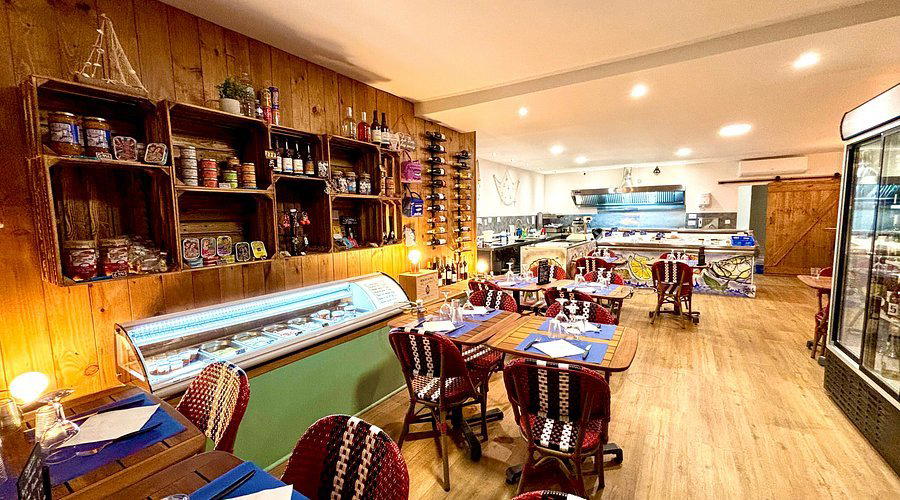
Capestang and the Sourcing Geography of the Lower Hérault
The lower Hérault sits in a productive corridor between the Pyrenees and the Mediterranean coast, where salt marshes, oyster beds, and garrigue-covered hillsides push different ingredients toward the same table within a short radius. Towns along the Canal du Midi have historically functioned as staging posts for that produce, and Capestang occupies one such position: inland enough to draw from the limestone plateau and the vine country of Minervois, close enough to the Thau lagoon and the étangs near Vendres to keep saltwater products central. Sourcing here is a structural fact of how cooking has been done for generations.
Ondes Marines, on Place Jean Jaurès at the centre of Capestang, takes its name directly from that geographic logic. The phrase translates roughly as sea waves or marine swells, signalling an orientation toward coastal and brackish-water ingredients in a town that sits roughly fifteen kilometres from the coast. That positioning places the kitchen in a productive tension: drawing on the Canal du Midi's cultural and agricultural surroundings while reaching toward the Mediterranean producers who define the region's most distinctive larder.
Approaching the Place Jean Jaurès
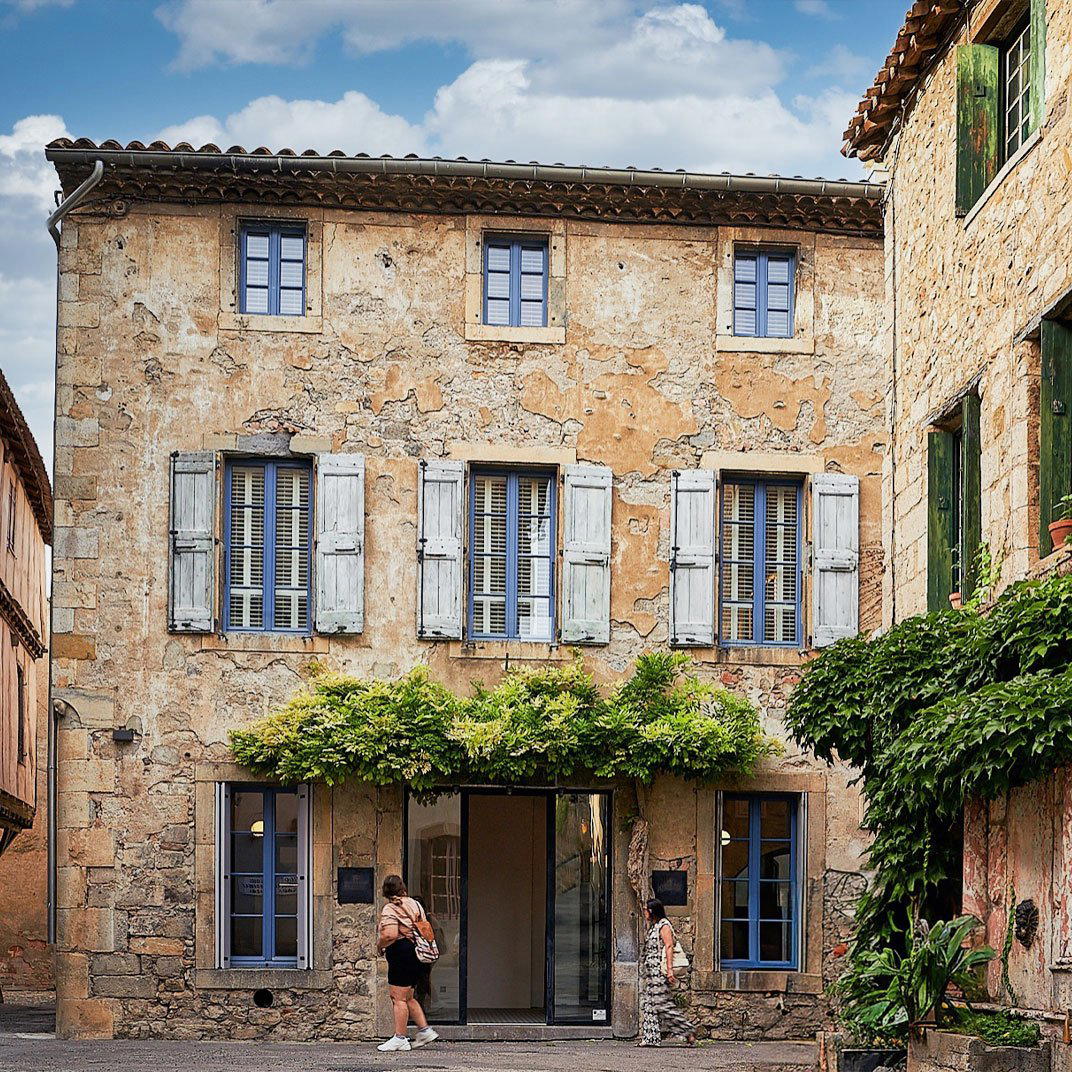
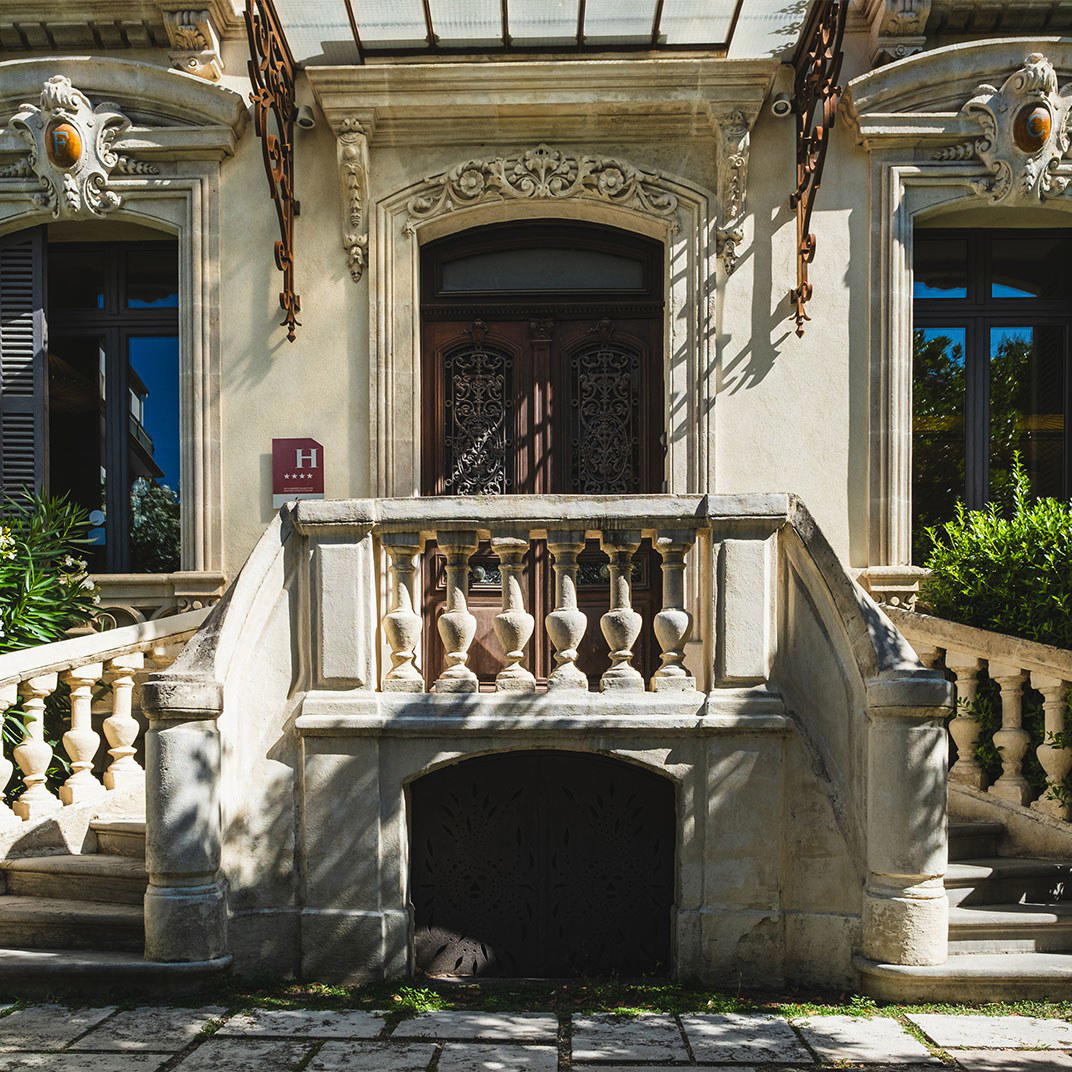
Arriving in Capestang means passing through a compact medieval town whose central square is framed by the Collégiale Saint-Étienne, a Gothic collegiate church whose tower anchors the skyline for kilometres around. Place Jean Jaurès functions as the civic and social centre of a town of roughly three thousand residents, with the rhythms of a traditional Languedoc market town rather than a tourist circuit. Tables on the square at midday operate within earshot of the church bells and the quiet canal traffic that defines the pace of this part of the Hérault. The physical environment shapes expectation before any dish arrives: this is a town on a human scale, and the dining here fits that register.
The Languedoc-Roussillon corridor has produced some of France's most confidently regional cooking in recent decades. Auberge du Vieux Puits in Fontjoncouse, roughly forty kilometres to the southwest, established the model for what serious cooking from this terroir could achieve at the highest level. The region's relationship with its own ingredients, tielle Sétoise, Bouzigues oysters, salt cod preparations with rouille, the wines of Corbières and Saint-Chinian, has given its kitchens a specificity that distinguishes them from the more generalised French-Mediterranean registers found further east. For context on how coastal sourcing can anchor an editorial identity, La Marine in Noirmoutier-en-l'île and Christopher Coutanceau in La Rochelle offer the Atlantic counterpart to what Languedoc producers make possible along the southern coast.
What Ingredient Sourcing Looks Like at This Scale
In small Hérault towns, the sourcing infrastructure operates differently from larger cities. Markets at Béziers, Narbonne, and Pézenas supply direct relationships between producers and kitchens at a frequency and informality that urban operations rarely replicate. The étang de Thau, roughly thirty kilometres east, produces oysters and mussels of a quality that regularly reaches Paris restaurant tables, meaning a kitchen in Capestang has first-mover access to produce that travels considerably further for prestige venues. The garrigue herbs that grow on the causse between Capestang and the Minervois appellation zone add a distinctly regional aromatic character that does not translate to import.
This is the sourcing context in which a name like Ondes Marines makes a specific claim. Coastal reference in a Languedoc kitchen typically means the étangs, the lagoons, and the small fishing operations out of Sète and Gruissan rather than deep-sea Atlantic sourcing. It is a geographically precise identity, and it sets different expectations than a similar name would carry in Marseille or along the Côte d'Azur. For readers familiar with how Mirazur in Menton uses its hillside garden and coastal position to define a cooking vocabulary, or how Bras in Laguiole built a whole identity around the Aubrac plateau's specific flora, the principle is recognisable even at a different scale: place determines ingredient, and ingredient determines cooking.
France's most decorated dining rooms, Alléno Paris au Pavillon Ledoyen, Flocons de Sel in Megève, Troisgros in Ouches, Auberge de l'Ill in Illhaeusern, Paul Bocuse, Assiette Champenoise, Au Crocodile, Georges Blanc, L'Oustau de Baumanière, and AM par Alexandre Mazzia, each ground their identity in a specific regional terroir relationship. Ondes Marines operates at a different scale entirely, but the underlying logic of place-to-plate is the same. That is the tradition this part of Languedoc has always worked within, and a restaurant on a Capestang square is a participant in it regardless of tier.
Planning a Visit
Capestang sits on the D11 between Béziers (roughly fifteen kilometres west) and Narbonne (roughly twenty kilometres southeast), making it a natural midpoint stop on a Canal du Midi itinerary or a circuit through the Minervois wine country. The town has no train station; arriving by car is the practical approach from either city. Place Jean Jaurès is compact and walkable from any point in the centre. For travellers combining dining in this corridor with destinations further afield, the Canal du Midi towpath passes close to the town and cycling itineraries frequently route through Capestang. Ondes Marines recommends booking in advance. Hours are Thursday 6 to 10 PM, Friday and Saturday 10 AM to 2 PM and 6 to 10 PM, and Sunday 10 AM to 3 PM. Readers planning a broader French dining itinerary with a transatlantic component may also find Le Bernardin in New York City and Atomix in New York City useful reference points for the kind of sourcing rigour that defines serious kitchens at higher price tiers.
Comparable Venues
Comparable venues nearby, for context on price, style, and recognition.
| Venue | Cuisine | Price | Notes |
|---|---|---|---|
| Ondes Marines CapestangThis venue — the venue you are viewing | French Seafood | $$ | Not listed |
| La Littorine | Mediterranean Seafood Bistro | $$ | Plage des Elmes |
| O Cosy Gourmand | French Seaside Bistro | $$ | Canet en Roussillon |
| Idea | Modern French Inventive | $$ | Place De La Republique |
| L’aventure | French Mountain Grill | $$ | Oz en Oisans |
| Château de Garrevaques | Regional French Terroir | $$ | Garrevaques |
Continue exploring
More in Capestang
Restaurants in Capestang
Browse all →
Bars in Capestang
Browse all →
At a Glance
- Cozy
- Rustic
- Casual Hangout
- Open Kitchen
- Local Sourcing
- Street Scene
Current opening hours
- Monday
- Closed
- Tuesday
- Closed
- Wednesday
- Closed
- Thursday
- 6–10 PM
- Friday
- 10 AM–2 PM, 6–10 PM
- Saturday
- 10 AM–2 PM, 6–10 PM
- Sunday
- 10 AM–3 PM
Hours can change for holidays and private events. Last verified .
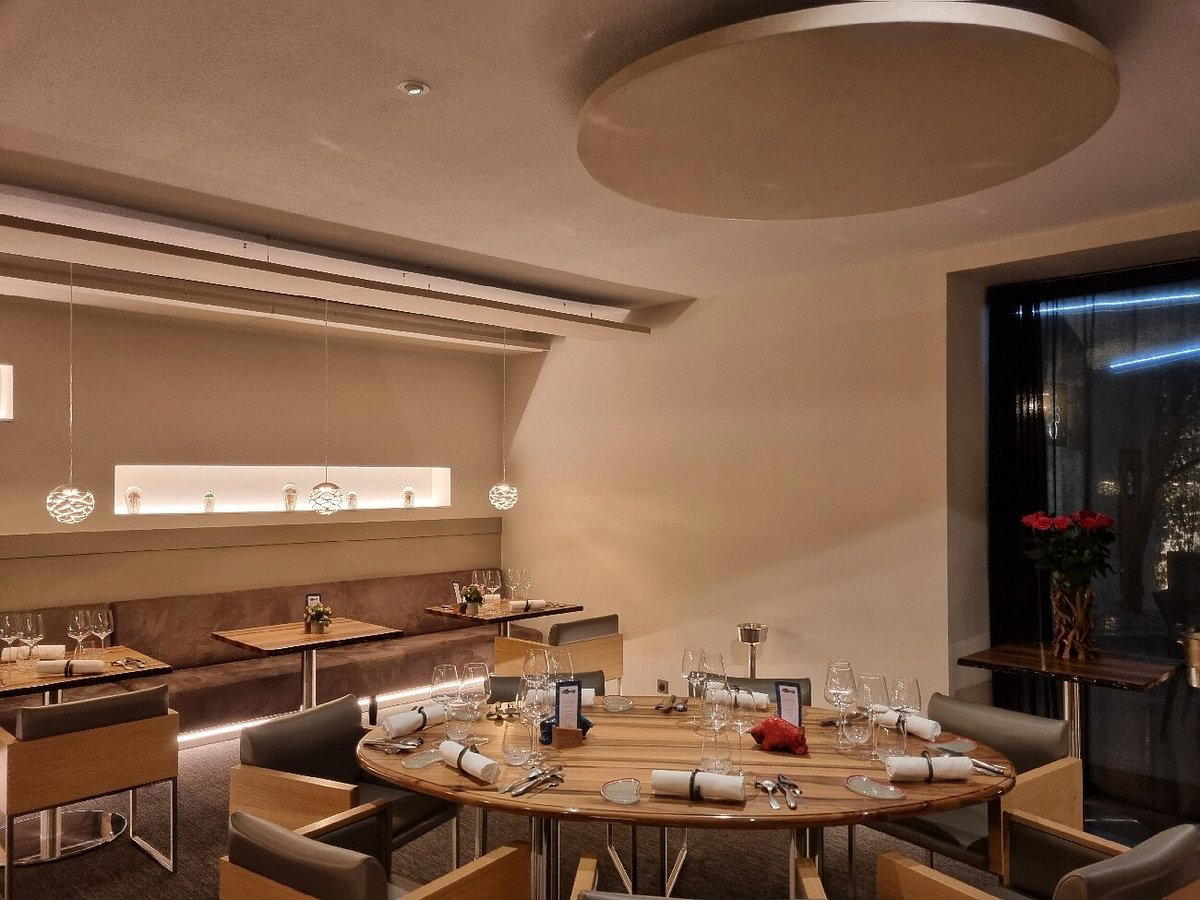
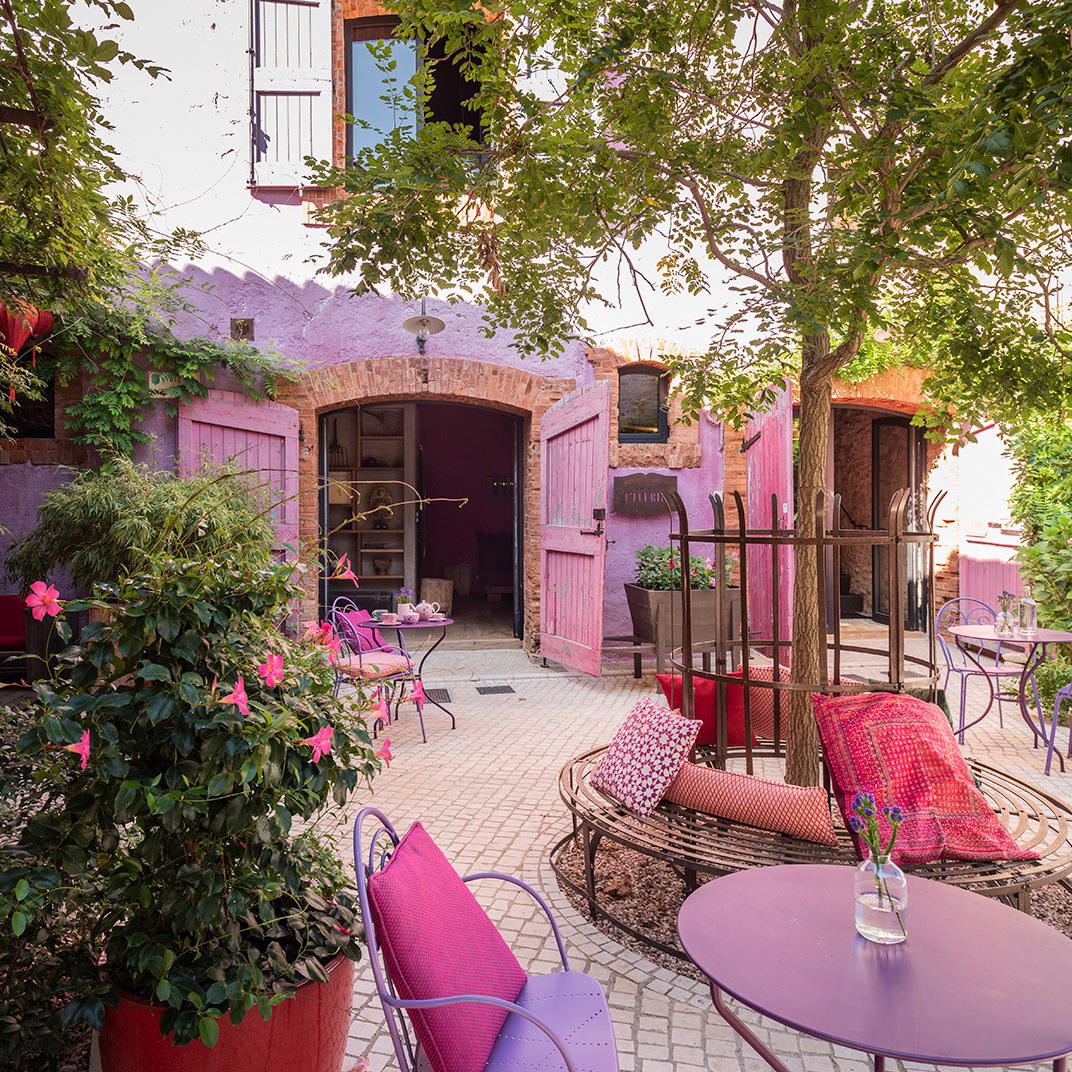
Warm and welcoming with colorful wooden decor inspired by Occitanie fishing boats, fostering a convivial atmosphere for leisurely dining.