La Littorine
La Littorine sits on Plage des Elmes in Banyuls-sur-Mer, a small Catalan port town at the southern edge of France's Roussillon coast. The address alone signals something particular: a seaside setting in a wine village better known for its Banyuls AOC than its restaurant scene, positioning this as a coastal table worth understanding before you arrive.
Pearl is the En Primeur Club membership app — saves, bookings, and concierge access live there. Same editors, same standards.
- Address
- Plage des Elmes, 66650 Banyuls-sur-Mer, France
- Phone
- +33468880312
- Website
- hotel-des-elmes.com
- Directions
- Get directions
 Saves & bookings on Pearl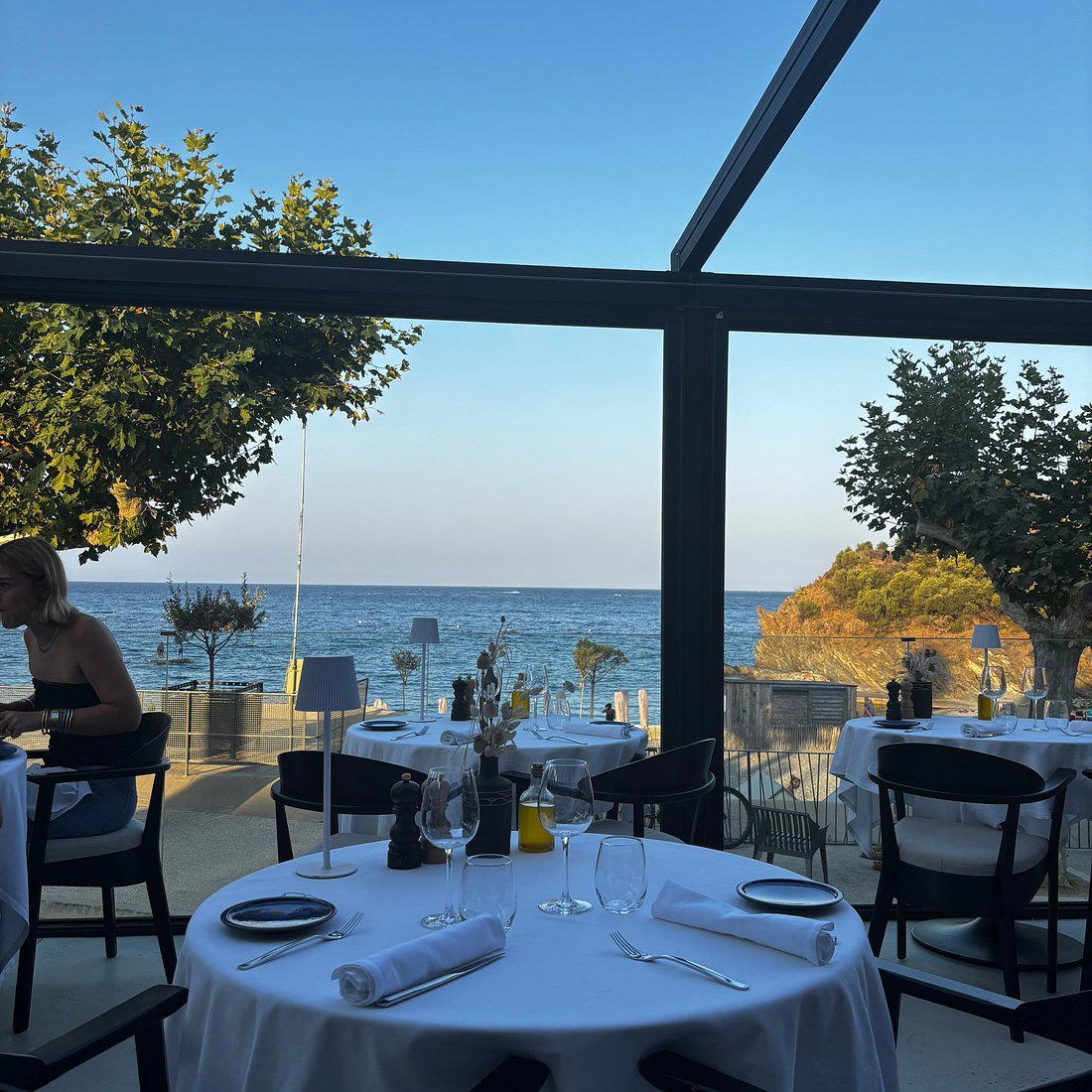
Where the Pyrenees Meet the Sea: Dining on the Catalan Coast
The southern edge of France's Mediterranean coast operates on different terms than the dining circuits of Paris or Lyon. Here, between the Pyrenees and the Côte Vermeille, the dominant logic is geographic rather than gastronomic prestige: the sea is a working one, the mountains are close, and the cuisine carries Catalan DNA rather than purely French lineage. Banyuls-sur-Mer sits at the bottom of this stretch, a few kilometres from the Spanish border, and La Littorine is a Mediterranean Seafood Bistro in Banyuls-sur-Mer, France. La Littorine occupies a position that makes sense only once you understand the town itself.
Banyuls is primarily known as an AOC wine village, the home of the fortified Banyuls and Banyuls Grand Cru appellations made from Grenache grown on steep schist terraces above the port. The local table has long been anchored to that wine identity, with food treated as a companion to the glass rather than the headline. Restaurants on the Côte Vermeille generally pitch to visitors arriving by the D914 coastal road from Collioure, or by boat, and La Littorine's address on Plage des Elmes places it directly in that coastal-visitor current.
The Catalan Table: What This Cuisine Actually Means
French Catalan cooking sits in an interesting middle position between the haute cuisine of the French interior and the more ingredient-led traditions of Catalonia across the border. It is not the same as the modernist Catalan cooking that emerged from restaurants like elBulli, and it is not the classical French tradition you find at Michelin-driven rooms such as Auberge de l'Ill in Illhaeusern or Troisgros - Le Bois sans Feuilles in Ouches. It draws heavily on the Mediterranean larder: anchovies from Collioure, sea urchin, rouget, clams, and the wild herbs that grow on the garrigue-covered slopes above the coast.
The cultural underpinning is meaningful. Roussillon only formally joined France in 1659, and the Catalan identity of this stretch of coast remains embedded in place names, local festivals, and cooking traditions. Dishes here often reflect that dual cultural inheritance, combining French technique with Catalan flavour principles: picada sauces, salt cod, the use of aioli as a structural element rather than a garnish. For diners who have spent time at French coastal restaurants further north, such as Christopher Coutanceau in La Rochelle, the Catalan coast will register as a distinct culinary register rather than a regional variation on the same theme.
The comparison further south is also instructive. Mirazur in Menton operates at the other end of France's Mediterranean coast, and that restaurant's garden-to-table approach and creative intensity represent one pole of what coastal French dining can become when formal ambition is applied. The Côte Vermeille operates at a different register, one where informality is not a failure of ambition but a deliberate condition of the setting.
The Setting at Plage des Elmes
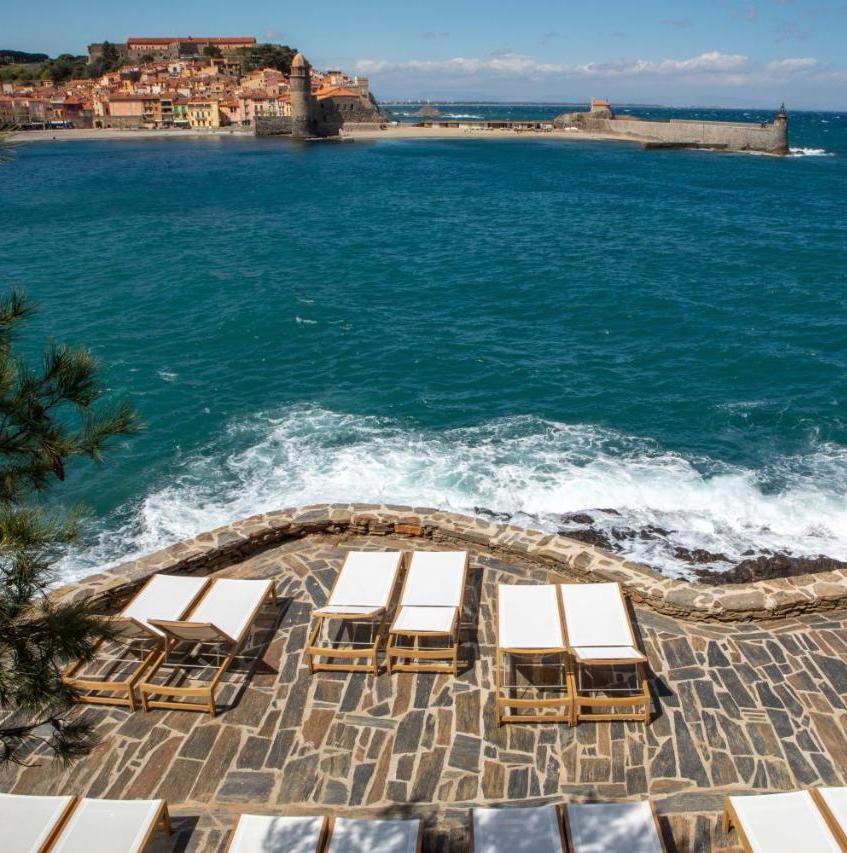
La Littorine's address on Plage des Elmes is itself an editorial statement. This beach, a short distance from Banyuls' main port, sits at the base of the schist hills that define this coastline. Approaching from the coastal road, the view is of low-rise stone and render buildings giving way to the water; the restaurant occupies a position where the separation between dining room and shore is minimal. On the French Mediterranean coast, that kind of address tends to come with trade-offs in cooking ambition, but it also delivers something that more formally positioned restaurants cannot: the sense that the seafood on your plate arrived via a short supply chain.
The Côte Vermeille as a whole remains less trafficked than the Riviera proper, and Banyuls-sur-Mer sits at the quieter, more southern end of even that stretch. Visitors who use Perpignan as an entry point, roughly 30 kilometres north, access the town via the D914, a coastal road that passes through Collioure and Port-Vendres before reaching Banyuls. The drive itself contextualises the meal: terraced vineyards on one side, the Mediterranean on the other, with the Pyrenees visible on clear days.
Positioning in the Local Scene
Within Banyuls-sur-Mer itself, the restaurant operates in a small restaurant market where the competition is modest and the visitor base is seasonal. Le Quintessence represents the more formally ambitious end of local dining, and the two addresses occupy different positions in the same market. The restaurant's beachside placement suggests an approach oriented toward the casual end of the spectrum, the kind of table where the setting does significant work and the food is expected to be honest rather than elaborate.
This positioning has parallels elsewhere in the French south. AM par Alexandre Mazzia in Marseille shows what happens when Mediterranean coastal ingredients are approached with three-Michelin-star intensity; Auberge du Vieux Puits in Fontjoncouse, inland in the Aude, demonstrates the Languedoc-Roussillon region's capacity to sustain serious fine dining even in remote settings. The restaurant occupies neither of those registers. It is a coastal address in a wine village, and its value proposition is rooted in place rather than technical ambition. France's broader dining map, from Bras in Laguiole to Paul Bocuse in Collonges-au-Mont-d'Or, runs on a spectrum of ambition and terroir-rootedness; Banyuls-sur-Mer's restaurants sit firmly at the terroir-first end of that axis.
For visitors whose reference points are drawn from restaurants like Flocons de Sel in Megève, Assiette Champenoise in Reims, or Alléno Paris au Pavillon Ledoyen, the restaurant will read as a different kind of experience entirely, and correctly so. The Côte Vermeille is not a fine-dining destination; it is a coastal terroir worth understanding on its own terms. Similarly, international coastal dining references like Le Bernardin in New York City or Atomix in New York City operate in a completely different register, where technique and formal ambition define the offer. Banyuls-sur-Mer's tables, the restaurant among them, are defined by the opposite logic: proximity to a specific coastline, and the culinary traditions that grew from it.
Planning Your Visit
Banyuls-sur-Mer's restaurant season follows the Mediterranean coastal pattern: the summer months from June through September represent peak demand, and tables at beachside addresses fill quickly during July and August. The shoulder months of May and early October offer a more manageable visit, with the vineyards in active growth or harvest mode and the coast significantly quieter. Perpignan-Rivesaltes airport serves the region with connections to Paris and several European cities, and the town is also accessible by regional train on the Perpignan-Cerbère line. Whether you arrive by road or rail, the journey along the final stretch of French coastline before Spain provides immediate context for the cooking traditions you'll find here.
Price and Positioning
Comparable venues nearby, for context on price, style, and recognition.
| Venue | Cuisine | Price | Awards | Notes |
|---|---|---|---|---|
| La LittorineThis venue — the venue you are viewing | Not listed | $$ | Not listed | Not listed |
| Le Quintessence | Not listed | $$$ | Not listed | Banyuls-sur-Mer, Modern French-Mediterranean |
| Le Fanal | Not listed | $$$ | Michelin Plate | Banyuls-sur-Mer, Modern French Mediterranean Fine Dining |
| Chez Alex & Lucie | Not listed | $$ | Not listed | Bouzigues, Traditional French Seafood & Oysters |
| New York New York Café | Mas Guérido, American Burgers & Grill | $$ | Not listed | Not listed |
| Guapo | old town, Spanish Tapas | $$ | Not listed | Not listed |
Continue exploring
More in Banyuls-sur-Mer
Restaurants in Banyuls-sur-Mer
Browse all →
Bars in Banyuls-sur-Mer
Browse all →
Hotels in Banyuls-sur-Mer
Browse all →
Wineries in Banyuls-sur-Mer
Browse all →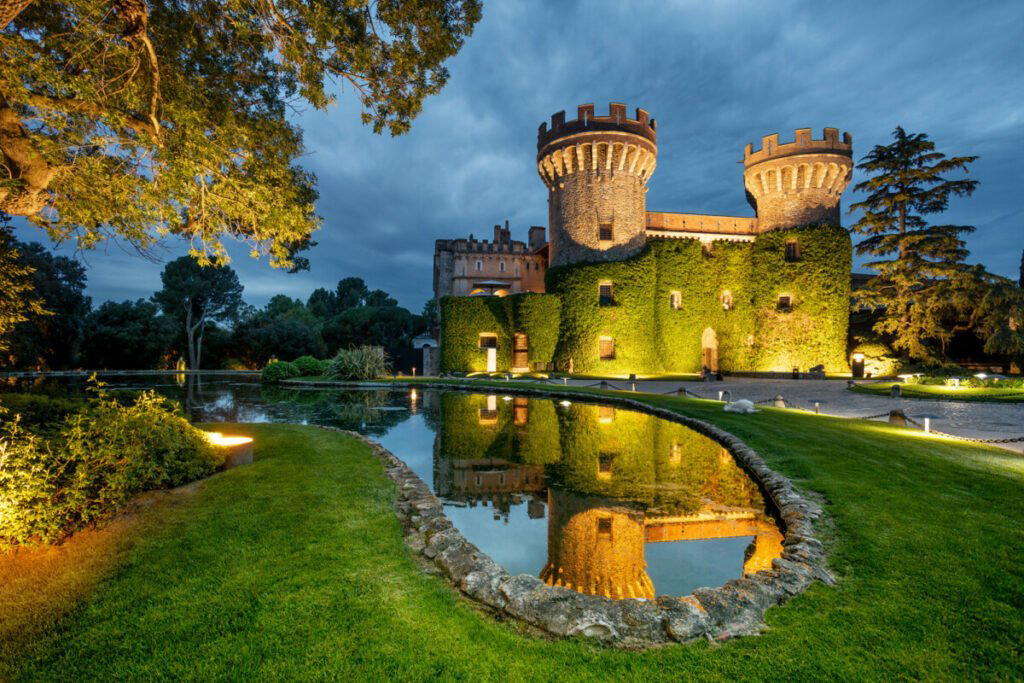
At a Glance
- Scenic
- Elegant
- Cozy
- Date Night
- Family
- Special Occasion
- Terrace
- Waterfront
- Extensive Wine List
- Local Sourcing
- Waterfront
Current opening hours
- Monday
- Closed
- Tuesday
- Closed
- Wednesday
- 12–2 PM, 7–9 PM
- Thursday
- 12–2 PM, 7–9 PM
- Friday
- 12–2 PM, 7–9:30 PM
- Saturday
- 12–2 PM, 7–9:30 PM
- Sunday
- 12–2 PM, 7–9 PM
Hours can change for holidays and private events. Last verified .
Relaxed terrace atmosphere with sea views, warm welcoming service, and refined dining setting.