Our verdict
Idea sits on Rue de la République in Elne, a medieval cathedral town in the Roussillon that grows some of southern France's most distinctive produce. The restaurant operates within a region where Catalan culinary traditions and Mediterranean ingredient cycles define the table, placing it alongside a small but serious cohort of southern French addresses worth tracking.

Pearl is the En Primeur Club membership app — saves, bookings, and concierge access live there. Same editors, same standards.
- Address
- 8 Rue de la République, 66200 Elne, France
- Phone
- +33983294737
- Hours
- Mon ClosedTue–Sat 12–2:30 PM, 7–10 PMSun Closed
- Website
- facebook.com
- Directions
- Get directions
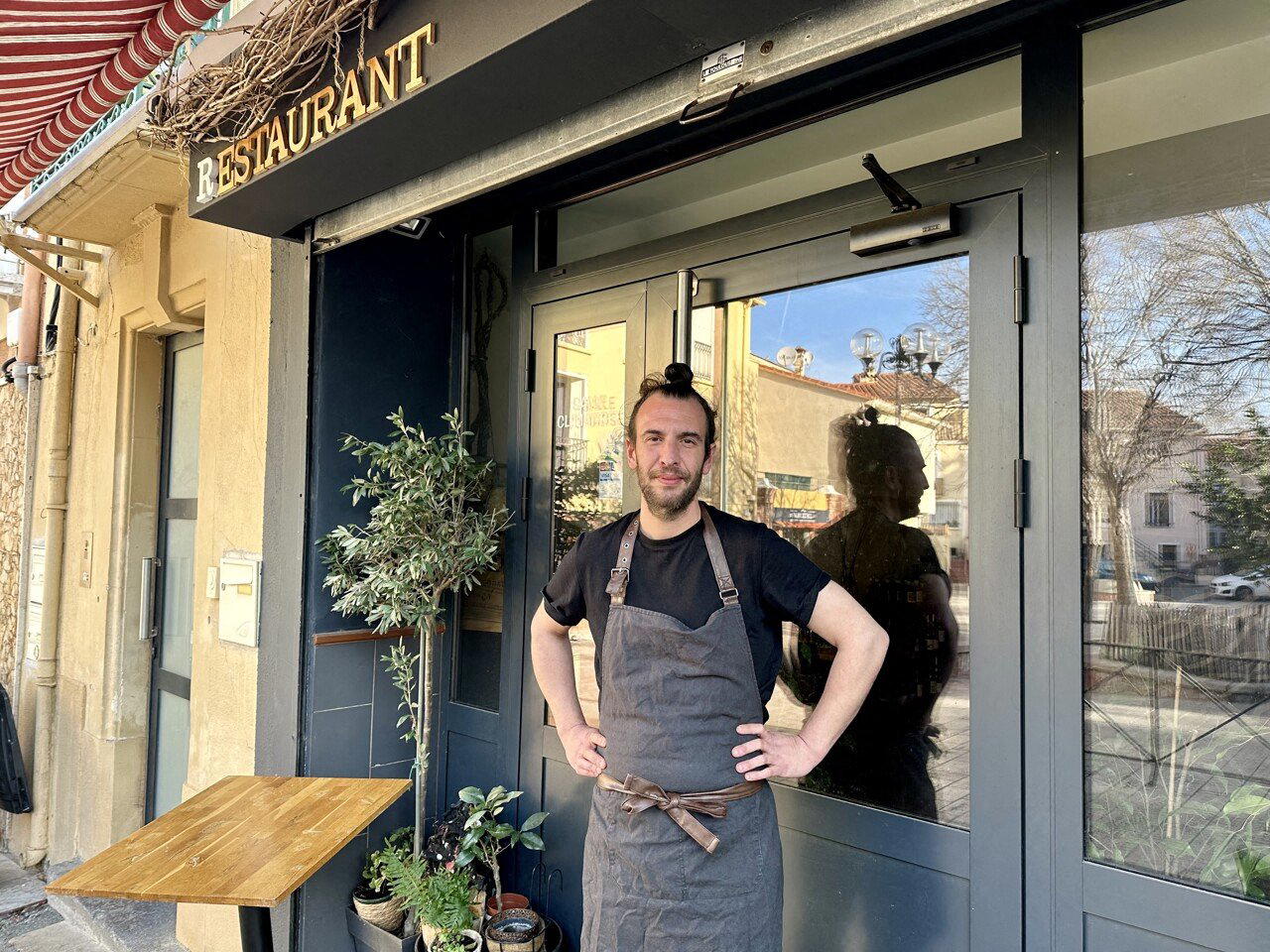
Elne and the Roussillon Table
Elne is not a dining destination in the way that Menton or Lyon announces itself. It is a small, walled town on the Roussillon plain, anchored by a Romanesque cathedral that has stood since the eleventh century, with the Pyrenees forming a ridge to the west and the Mediterranean coast beginning less than fifteen kilometres to the east. That geography is not incidental to what ends up on the plate in restaurants here. The Roussillon — the French portion of historic Catalonia — produces some of the most agriculturally layered land in the country: alluvial soils from the Tech and Têt rivers, microclimates that shift sharply between coastal humidity and mountain dryness, and a market-garden tradition that has fed the region's Catalan population for centuries. Eating in Elne means eating inside that system, whether a kitchen makes it explicit or not.
Idea occupies a position on Rue de la République, the central artery that threads through Elne's lower town. The address is practical: close to the market square, within walking distance of the cathedral quarter, and on the route that most visitors use when moving between the old town gates. In a town of this scale, location functions differently than it does in a city, the question is less about neighbourhood prestige and more about whether a room sits inside the daily rhythm of local life. Rue de la République does.
The Roussillon Ingredient Cycle
Southern Roussillon kitchens operate inside one of France's more compressed seasonal cycles. Spring arrives early by national standards: asparagus from the Vallespir, strawberries from around Céret, the first stone fruits appearing before Bordeaux has finished its winter. Summer brings the full Mediterranean repertoire, courgettes, aubergines, tomatoes with the concentrated sweetness that comes from high sun and low rainfall, alongside the sardines and anchovies hauled from the Gulf of Lion. Autumn shifts the register toward game from the Pyrenean foothills, dried legumes, and the first pressing of olive oil from the coastal groves. Winter, short and relatively mild in the plain, is the season for salt cod preparations that carry the deep Catalan culinary inheritance: the bacallà tradition that connects Roussillon cooking to Barcelona and Valencia as much as to Paris.
For any kitchen working seriously in this region, sourcing is less a philosophy statement than a logistical fact. The proximity of the Elne market, the coastal fishing ports at Argelès-sur-Mer and Collioure, and the agricultural cooperatives of the Roussillon plain means that a cook operating at 66200 has access to a supply chain that most French cities cannot replicate with local produce. The question for a restaurant like Idea is how deliberately that supply chain is engaged, and at what point a menu that leans on local ingredients becomes a menu that articulates something specifically Roussillonnais, rather than generically Mediterranean.
This is the productive tension that defines ambitious cooking across the south of France. Compare the approach at Auberge du Vieux Puits in Fontjoncouse, set in a Corbières village roughly an hour northwest of Elne, where Gilles Goujon's three-Michelin-star kitchen has built its identity around the specific produce of a remote agricultural hinterland. Or consider Mirazur in Menton, where the sourcing framework extends to a kitchen garden that shapes the menu's structure around what is harvested that day. Both represent the high-investment end of the ingredient-led southern French model, the point where sourcing precision becomes an organising principle for the entire operation.
Elne sits in a different tier of that conversation, but the regional raw material is available to any kitchen willing to engage it. The Roussillon's Catalan inheritance also distinguishes it from Provençal cooking to the east and Languedoc traditions to the west: the flavour profile tilts toward garlic-forward preparations, anchovy-based condiments, and a preference for olive oil over butter that aligns more with the Iberian peninsula than with the French interior. For context on how southern French fine dining across different price points and regions has absorbed and interpreted these traditions, the broader French canon, from AM par Alexandre Mazzia in Marseille on the Mediterranean coast to Bras in Laguiole on the Aubrac plateau, shows the range of what regionally grounded cooking can produce at its most considered.
Placing Idea in the Southern French Dining Picture
France's fine dining geography remains weighted toward Paris and a handful of landmark provincial addresses. The top tier of the national conversation runs through houses like Alléno Paris au Pavillon Ledoyen in Paris, Troisgros - Le Bois sans Feuilles in Ouches, and Auberge de l'Ill in Illhaeusern, institutions with multi-generational histories and international recognition. Below that tier, the more interesting story is happening in smaller towns and secondary cities, where restaurants are building serious kitchens without the structural advantage of a major urban dining market.
The Roussillon is genuinely underrepresented in that secondary tier. The department's most recognised address remains Collioure-adjacent coastal dining, and the trail from Perpignan south toward the Spanish border has not generated the kind of concentrated critical attention that, say, the Var or the Vaucluse has received in recent years. That gap is partly structural, the absence of a major airport, the relative thinness of international tourism in inland Roussillon compared to the coast, and partly a function of how slowly critical infrastructure (reliable hotel options, a stable visitor economy) develops in small medieval market towns.
Idea, at its Rue de la République address in Elne, operates in that context. What the geography and address confirm is a kitchen working inside one of France's most ingredient-rich southern regions, in a town whose scale and character tend to attract operators with a local rather than destination-dining orientation. That is not a qualification; it is a description of a different kind of restaurant, one that serves the rhythm of Elne's own community first.
For travellers building a southern French itinerary that reaches beyond the established circuit of L'Oustau de Baumanière in Les Baux or Flocons de Sel in Megève, the Roussillon plain around Elne offers a different register of experience: produce-led, Catalan-inflected, and largely free of the luxury-dining infrastructure that defines those more trafficked addresses. See our full Elne restaurants guide for a broader picture of what the town's dining scene currently offers.
Planning a Visit
Elne is accessible from Perpignan, approximately fifteen kilometres to the north, by both train and road; the town has its own rail stop on the Perpignan to Portbou line, making it reachable without a car. The cathedral and cloister are the primary draw for most visitors, and dining in town tends to align with midday rather than late-evening service, consistent with the rhythm of smaller southern French towns. The restaurant's address, 8 Rue de la République, 66200 Elne, confirms a central location that requires no navigation beyond the main street.
Frequently asked questions
Is Idea suitable for children?
Elne is a small, community-oriented town and restaurants at this scale on the Roussillon plain tend to accommodate family groups without formality. The setting on Rue de la République in central Elne is unhurried rather than destination-formal, which typically suits mixed-age groups.
What is the atmosphere like at Idea?
Idea sits on Rue de la République in a medieval walled town whose dining character runs local and unhurried. Elne is not a destination restaurant circuit in the way that Perpignan, fifteen kilometres north, can be; the scale is intimate and the pace reflects the Roussillon plain rather than a metropolitan dining room. Expect a neighbourhood register rather than a formal one.
How does Idea relate to the Catalan culinary tradition of the Roussillon?
Elne sits at a central point in the Roussillon, a region that carries one of France's most distinct regional culinary identities rooted in Catalan inheritance rather than classic French provincial cooking. Restaurants in this area draw on cross-border flavour logic — anchovy, olive oil, dried peppers, and local wine from nearby appellations — that sets the table apart from kitchens further north in the Languedoc.
Where is Idea located?
Idea is located at 8 Rue de la République, 66200 Elne, France, Elne.
Do they take walk-ins at Idea?
In towns of Elne's size — a community of a few thousand on the Roussillon plain — restaurants often operate with more flexibility around reservations than city counterparts, but this cannot be assumed. Contacting the venue before travelling from Perpignan or further afield is the prudent step.
Fast Comparison
Comparable venues nearby, for context on price, style, and recognition.
| Venue | Cuisine | Price | Awards | Notes |
|---|---|---|---|---|
| IdeaThis venue — the venue you are viewing | Modern French Inventive | $30–50 | Not listed | Not listed |
| Les Saisons | Kosher French Bistro | $20–30 | Not listed | Centre-ville |
| La maison des crêpes | French Crêperie | Not listed | Not listed | central Rivesaltes |
| Le chameau ivre | French Bistro with Tapas | $20–30 | Not listed | Place Jean Jaurès |
| Bistro Casals | French Bistro with Catalan Influences | $30–50 | Relais Chateaux Award | Molitg-les-Bains |
| La Parenthèse | Traditional French Grill | $20–30 | Not listed | Golf de Lamalou-les-Bains |
Continue exploring
More in Elne
Restaurants in Elne
Browse all →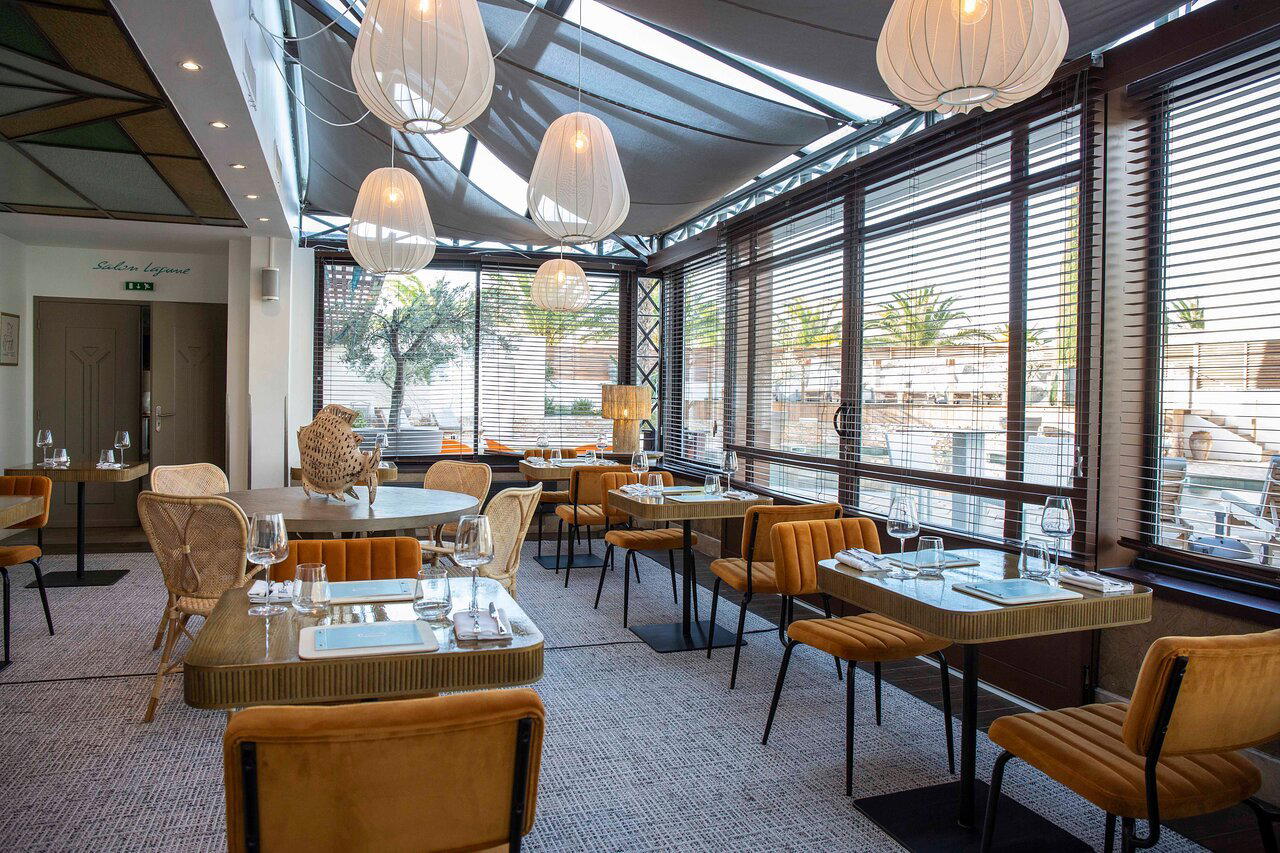
Bars in Elne
Browse all →
Hotels in Elne
Browse all →

Details
- Intimate
- Cozy
- Elegant
- Modern
- Date Night
- Special Occasion
- Open Kitchen
- Local Sourcing
- Set Menu
- Vegetarian Friendly
- Allergy Accommodating
Current opening hours
- Monday
- Closed
- Tuesday
- 12–2:30 PM, 7–10 PM
- Wednesday
- 12–2:30 PM, 7–10 PM
- Thursday
- 12–2:30 PM, 7–10 PM
- Friday
- 12–2:30 PM, 7–10 PM
- Saturday
- 12–2:30 PM, 7–10 PM
- Sunday
- Closed
Hours can change for holidays and private events. Last verified .
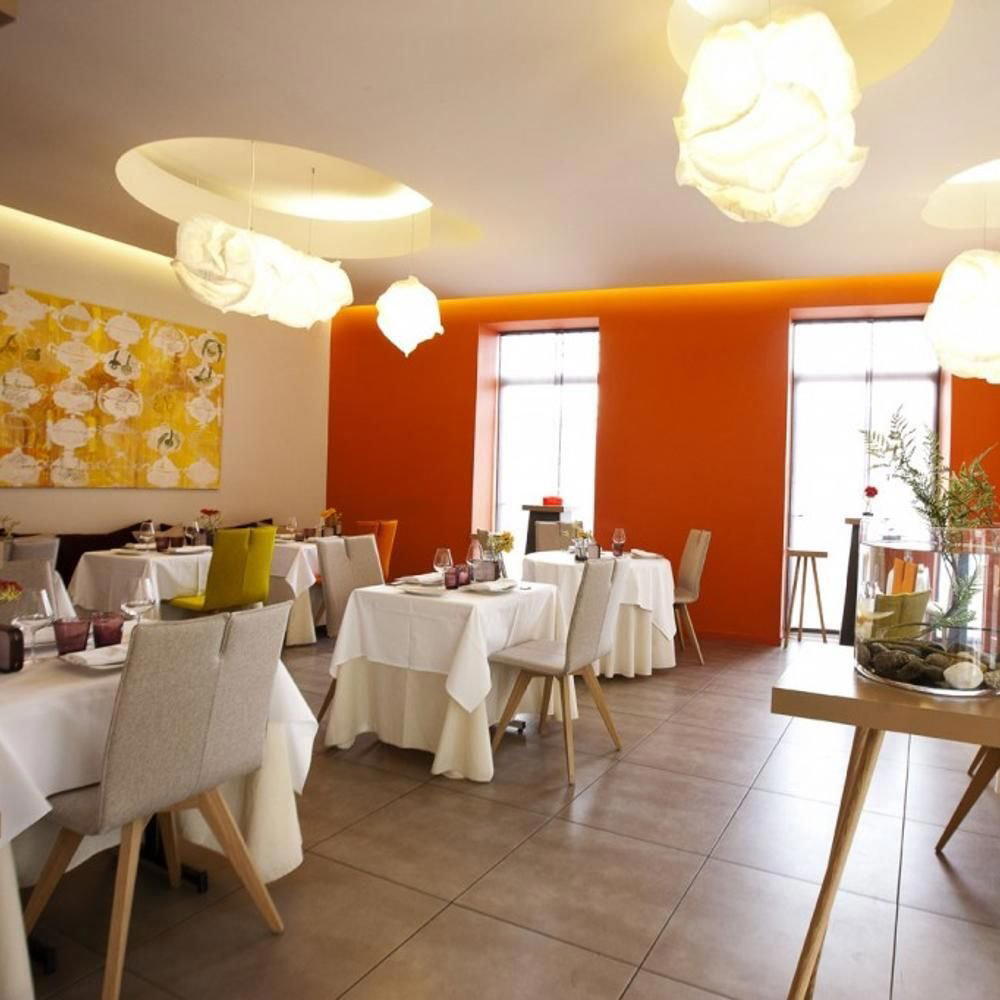
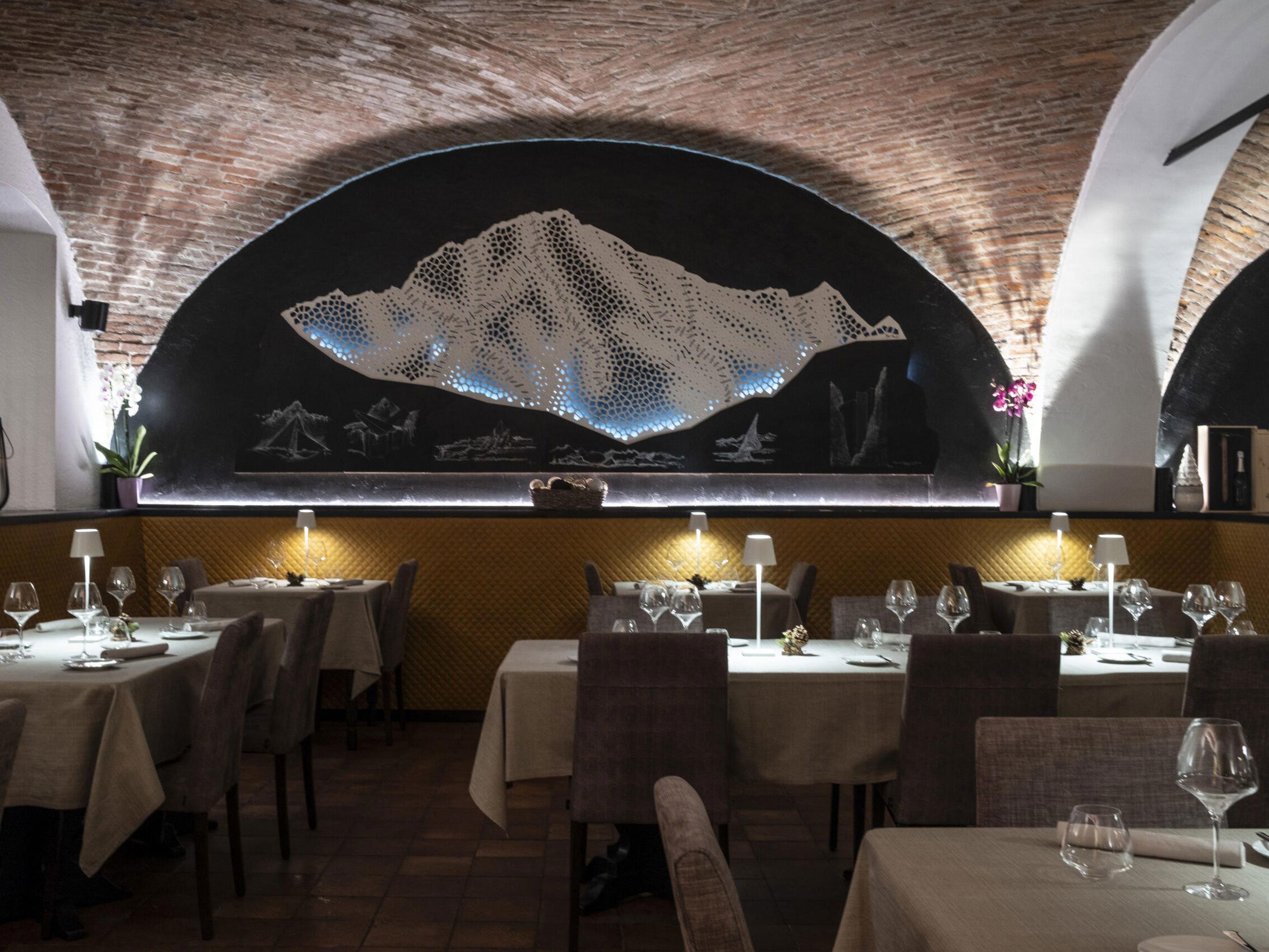
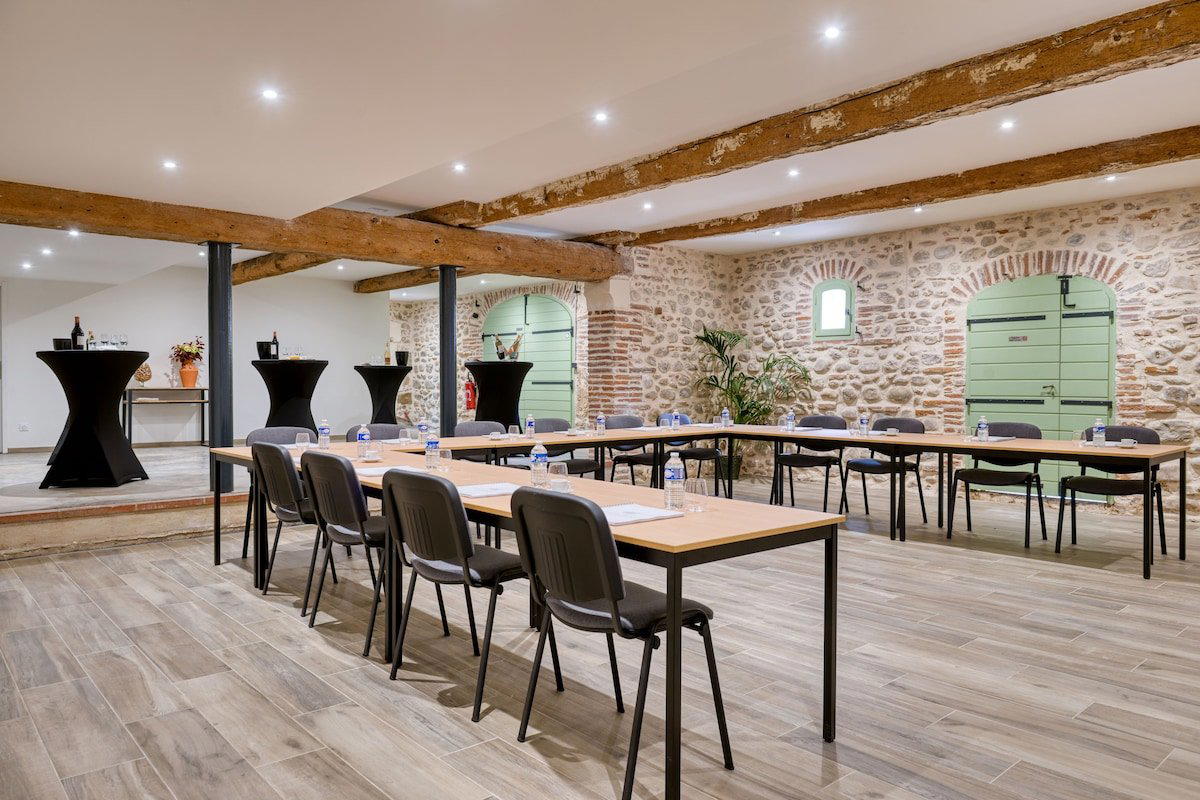
Cozy room with warm, simple welcome; refined atmosphere focused on culinary discovery and chef's personal explanations of each dish.