Château de Garrevaques
Our verdict
Set within a historic château in the Tarn department of southern France, Château de Garrevaques occupies a tier of French rural hospitality where provenance and setting carry as much weight as the kitchen. The property sits inside the Lauragais, a grain and pasture corridor between Toulouse and the Black Mountain range, where ingredient sourcing is shaped by proximity rather than trend. See our full Garrevaques restaurants guide for broader context.

Pearl is the En Primeur Club membership app — saves, bookings, and concierge access live there. Same editors, same standards.
- Address
- 4 allée du moulin, Le Pontet, 81700 Garrevaques, France
- Phone
- +33684078608
- Hours
- Daily 10 AM–7 PM
- Website
- myfrenchwayoflife.com
- Directions
- Get directions
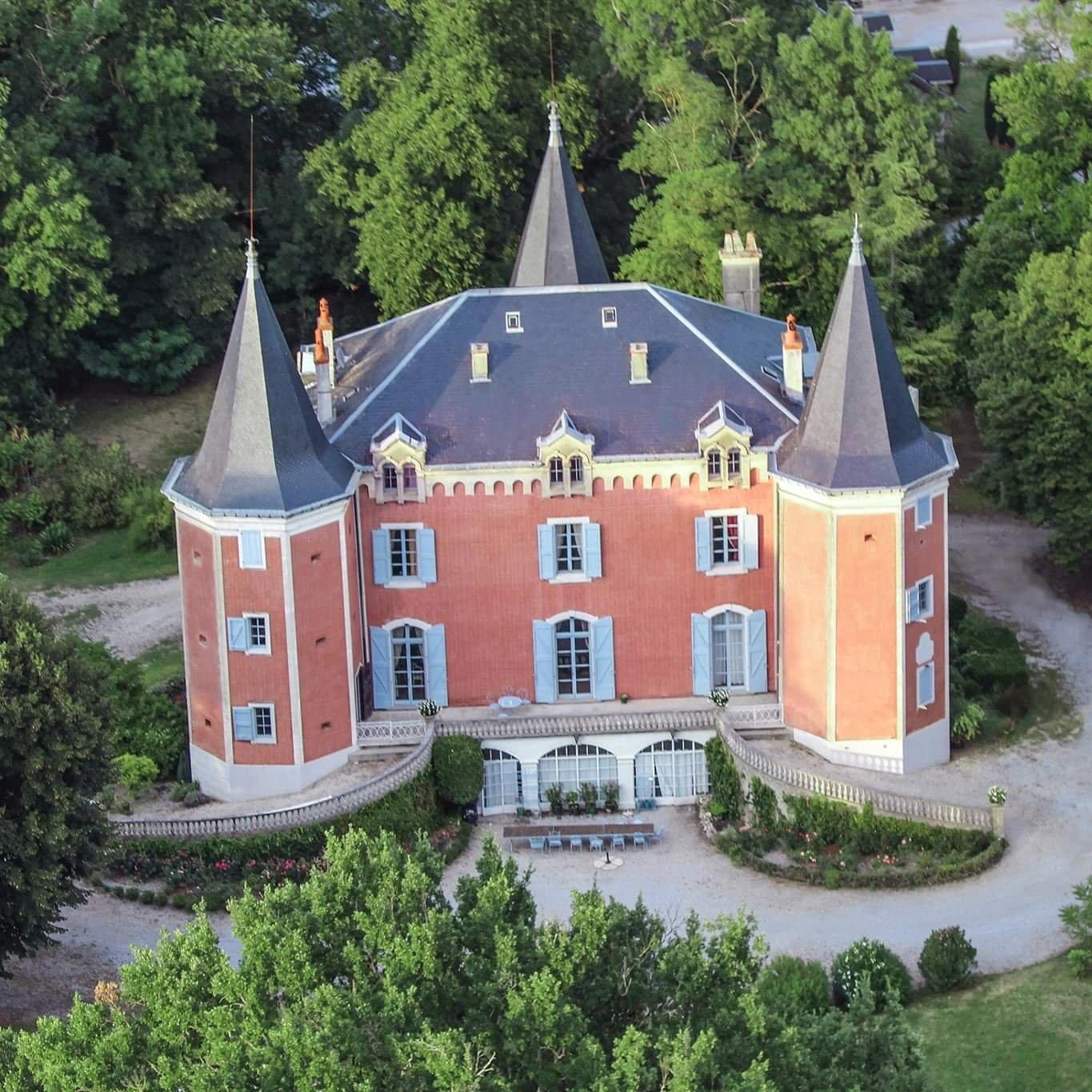
Lauragais on a Plate: The Provenance Logic of Château de Garrevaques
Approaching Garrevaques from the D roads that thread through the Lauragais plateau, the landscape shifts well before you arrive at the château gates. The land here, between Toulouse and the Montagne Noire, has fed this part of Occitanie for centuries: wheat, sunflowers, poultry, duck, and the slow-fattened livestock that underpins the regional canon. This agricultural corridor is not incidental backdrop. It is, for the kind of château hospitality that Château de Garrevaques represents, the primary ingredient supply chain. The kitchen and the terroir are in the same postal code, and that proximity shapes what appears on the table in ways that urban destination restaurants — however technically accomplished — cannot replicate.
France has a long tradition of the château-table, where the dining room is embedded within a working or historic estate and the sourcing radius is deliberately short. Properties like L'Oustau de Baumanière in Les Baux and Auberge du Vieux Puits in Fontjoncouse have built their reputations on exactly this logic: the surrounding territory is not just a selling point, it is a menu constraint. Garrevaques sits within the same structural argument. The Lauragais is not a celebrated wine appellation or a postcard-ready coastal zone, but it is a deeply productive agricultural area, and that productivity translates into ingredient quality that sits closer to the field than most dining rooms in France.
The Setting and What It Signals
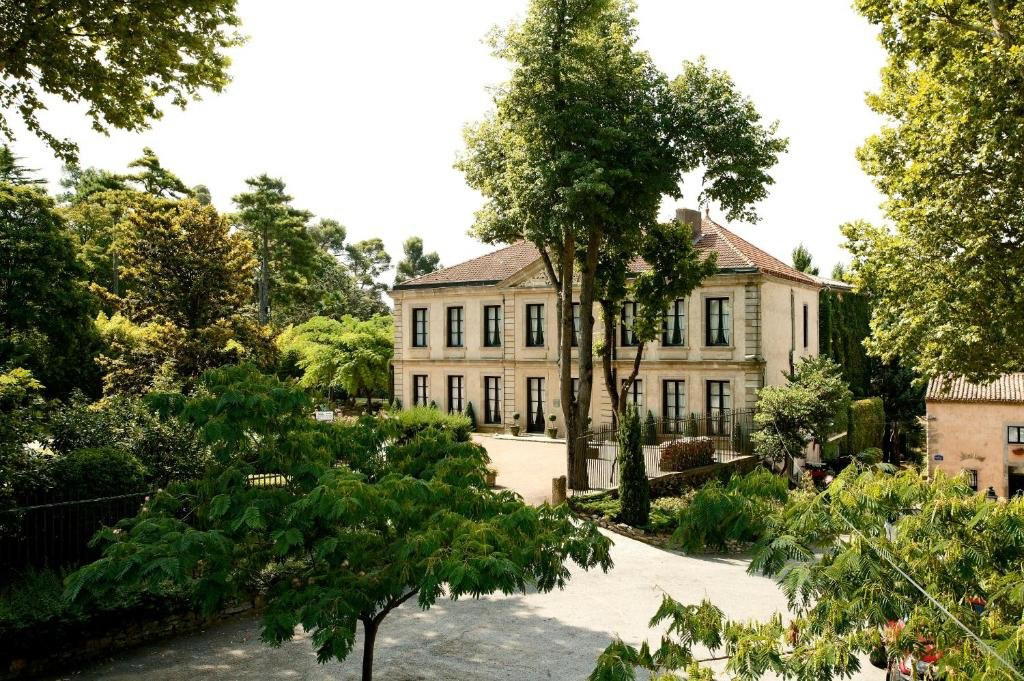
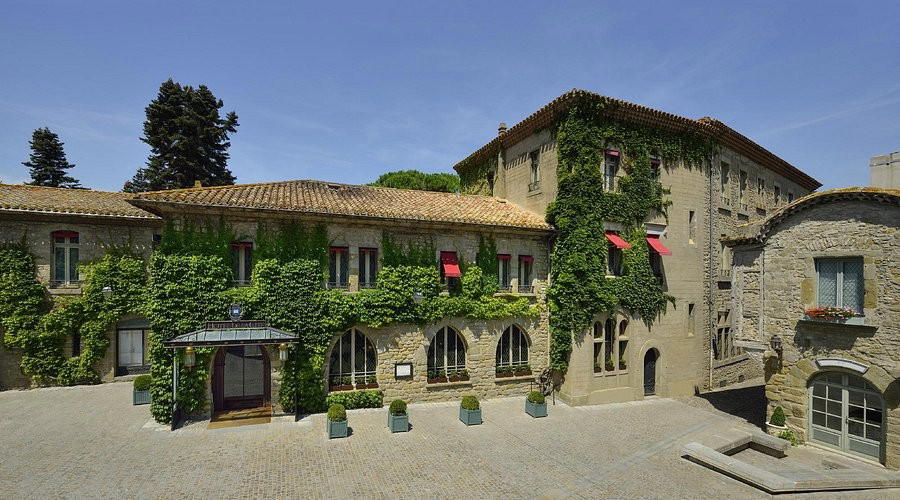
The château at Garrevaques is a seventeenth-century property on the allée du moulin at Le Pontet, a quiet address in the Tarn department. The architecture places it within the category of French country estates that operate as small-scale hotels and dining destinations simultaneously, a format more common in the Loire, Dordogne, and Provence, but present across the south. Properties of this kind occupy a distinct position in French hospitality: they are neither the grandes maisons of Paris (compare Alléno Paris au Pavillon Ledoyen or Le 1947 à Cheval Blanc in Courchevel) nor the casual village auberge. They occupy a middle register where the physical setting does substantial work, and where guests are expected to slow down rather than pass through.
The Tarn department, and the Lauragais more broadly, is not a high-traffic tourist zone. That is partly what defines the experience. Unlike the Alpine restaurant destinations, Flocons de Sel in Megève, or the Riviera addresses clustered around Mirazur in Menton, this part of France draws a quieter visitor profile. Guests who arrive in Garrevaques are typically making a specific decision, not passing through. That selectivity shapes the atmosphere: the pace is unhurried, the dining is contextual, and the expectation is that the surroundings matter as much as the plate.
Ingredient Territory: What the Lauragais Produces
Regional sourcing in south-west France operates within one of the country's richest agricultural traditions. Gascony and the Tarn have long supplied duck confit, foie gras, cassoulet-grade white beans, lamb from the Montagne Noire and the Pyrenean foothills, and a range of soft-ripened and aged cheeses that rarely reach Paris in full condition. The Lauragais specifically has been called the grain granary of Languedoc historically, but its farms also carry poultry operations and market gardens that supply the local restaurant economy.
The ingredient-sourcing logic that defines estates like Château de Garrevaques is fundamentally about compression: the shorter the distance between harvest and kitchen, the narrower the gap between what the land is capable of producing and what the diner experiences. This is the structural argument that places like Bras in Laguiole, working in the Aubrac plateau just to the north-east, have made explicit and celebrated. At Bras, the connection between the volcanic plateau's wild herbs and the kitchen's output is a defined editorial position. At rural château properties across this band of southern France, the same logic operates, often more quietly and without the same critical apparatus around it.
For comparison, the grandes maisons of Burgundy and Alsace, Maison Lameloise in Chagny, Auberge de l'Ill in Illhaeusern, have built multi-generational reputations on the same principle: the region provides the raw material, and the kitchen's job is to clarify and intensify what already exists. South-west France operates in a similar tradition, though with less international critical attention than Burgundy and less seasonal glamour than the Alps or the Côte d'Azur.
Planning a Visit
Garrevaques sits within reach of Toulouse, which has direct rail and air connections to Paris and several European cities. The drive from Toulouse through the Lauragais takes under an hour by D-road and passes through the agricultural terrain that contextualizes the property. Given the rural address and the estate format, the visit works well as an overnight or multi-night stay rather than a lunch excursion, the property is not a drop-in venue in the way that a city restaurant is. Booking in advance is advisable, particularly during summer months when the Tarn sees stronger leisure travel. The experience is oriented toward guests who want a coherent sense of place rather than a single meal, which means arriving with time to use the grounds matters.
Travellers moving between Garrevaques and other regional dining destinations might also consider Les Prés d'Eugénie in Eugénie-les-Bains or Georges Blanc in Vonnas as comparable rural estate formats, though both sit in different agricultural and culinary traditions. For those building a longer France itinerary that includes Parisian fine dining and Mediterranean counterpoints, La Vague d'Or in Saint-Tropez, La Table du Castellet, and international reference points such as Le Bernardin in New York City or Lazy Bear in San Francisco offer useful contrast in format and ambition. For deeper anchoring in the French gastronomic canon, Paul Bocuse's Auberge du Pont de Collonges and Troisgros - Le Bois sans Feuilles represent the institutional north of that tradition. See our full Garrevaques restaurants guide for additional context on the area.
Frequently asked questions
Can I bring kids to Château de Garrevaques?
Château de Garrevaques occupies a 17th-century estate in the Tarn department, with grounds that give children room to move in a way a city hotel cannot. The rural setting on the allée du moulin at Le Pontet suits families travelling through the Lauragais rather than those looking for a resort-style activities programme. check the venue's official channels to confirm room configurations and any age-specific arrangements before booking.
How would you describe the vibe at Château de Garrevaques?
The address — a quiet lane at Le Pontet in the Tarn — sets the register immediately: this is agricultural south-west France, not a polished urban hotel. The 17th-century architecture frames a stay that runs at a slower pace than Toulouse, around 40 minutes away by road. Expect the atmosphere of a working historic estate rather than a curated boutique property.
Is Château de Garrevaques a good base for exploring the Tarn and Lauragais region?
The château sits at 4 allée du moulin, Le Pontet, in the heart of the Lauragais plateau, a position that puts the Tarn's bastide villages, the Canal du Midi, and Toulouse within a single tank of fuel. Toulouse has direct rail and air connections to Paris and several European cities, making Garrevaques a practical entry point for a wider south-west France itinerary. The estate's rural placement means a car is necessary rather than optional.
What should I eat at Château de Garrevaques?
The Lauragais plateau that surrounds Garrevaques sits within one of south-west France's most productive agricultural zones, with Gascony and the Tarn supplying duck, foie gras, cassoulet staples, and Occitan charcuterie to the region's tables. Any meal at or near the château is likely to draw from that local supply chain. Confirm current dining availability directly with the property, as in-house catering at estates of this type can vary by season.
Where exactly is Château de Garrevaques?
Château de Garrevaques is located at 4 allée du moulin, Le Pontet, 81700 Garrevaques, France, Garrevaques.
In Context: Similar Options
| Venue | Cuisine | Price | Awards | Notes |
|---|---|---|---|---|
| Château de GarrevaquesThis venue — the venue you are viewing | Regional French Terroir | $30–50 | Not listed | Not listed |
| Mirazur | Modern French Fine Dining | $300–500 | 3 Michelin Stars · World's 50 Best #1 | Modern French, Creative |
| Alléno Paris au Pavillon Ledoyen | Modern French Fine Dining | $150–200 | 3 Michelin Stars · World's 50 Best #79 | Creative |
| Kei | Modern French with Japanese Influences | $300–500 | 3 Michelin Stars · World's 50 Best #93 | Contemporary French, Modern Cuisine |
| L'Ambroisie | Classic French Haute Cuisine | $300–500 | 2 Michelin Stars · World's 50 Best #23 | French, Classic Cuisine |
| Le Cinq - Four Seasons Hôtel George V | Modern French Fine Dining | $300–500 | 3 Michelin Stars · World's 50 Best #24 | French, Modern Cuisine |
Continue exploring
More in Garrevaques
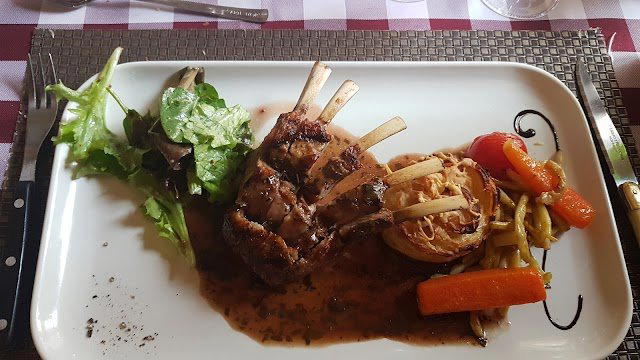
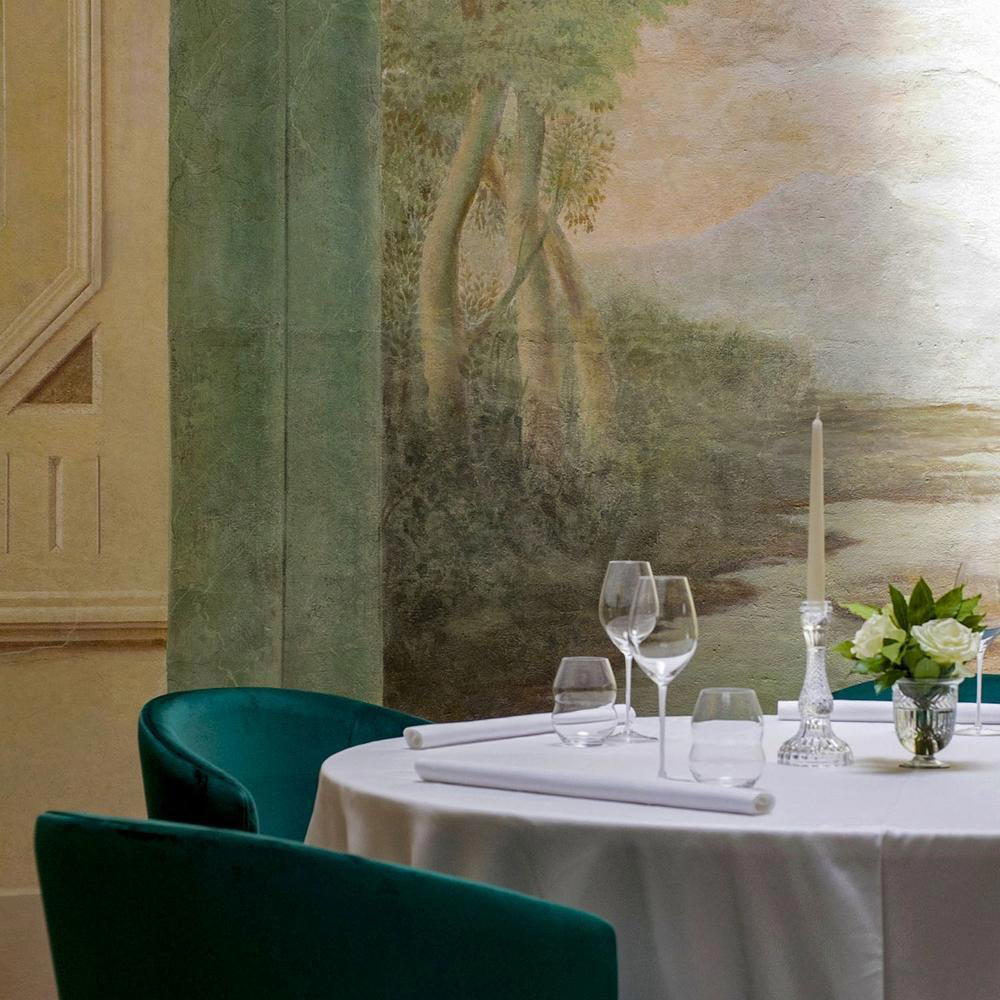
Restaurants in Garrevaques
Browse all →
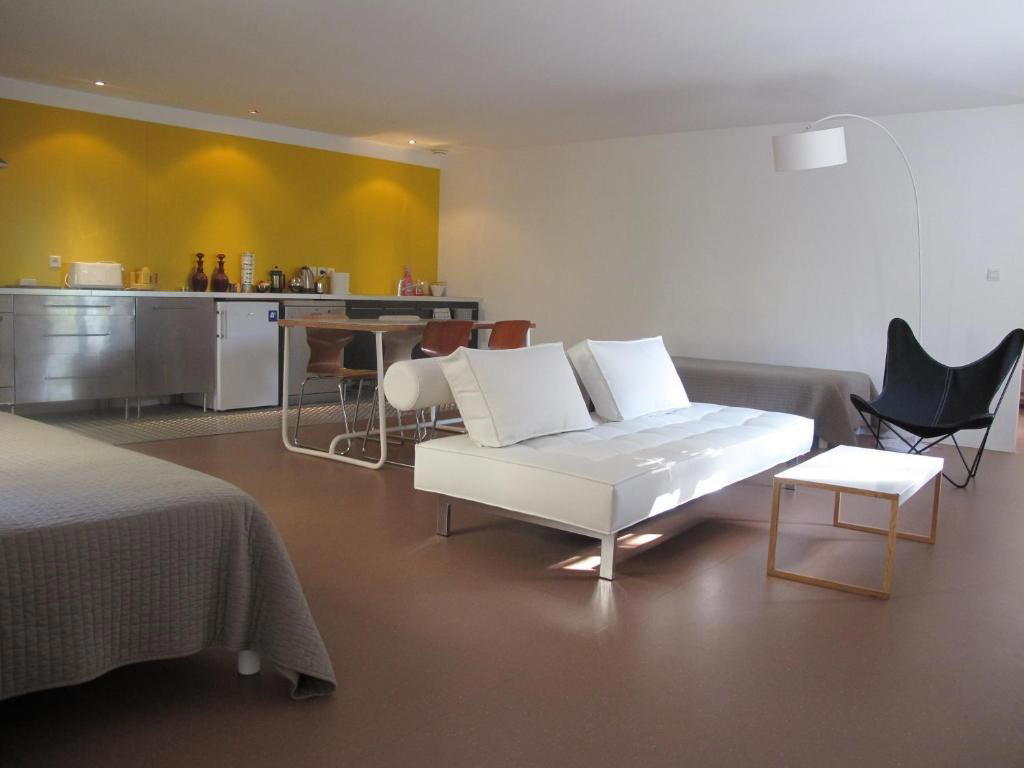
Hotels in Garrevaques
Browse all →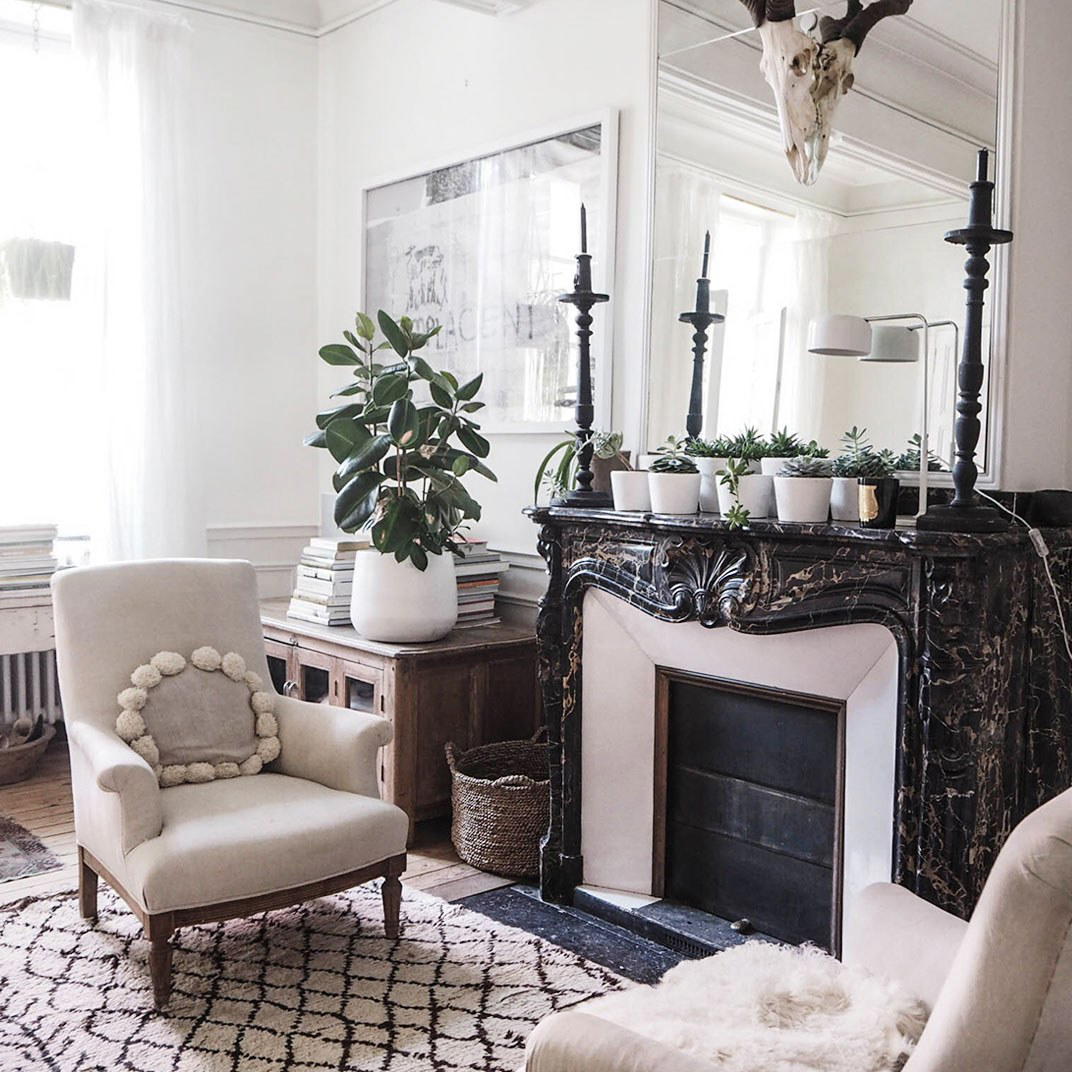

Details
- Romantic
- Elegant
- Rustic
- Scenic
- Special Occasion
- Garden
- Terrace
- Historic Building
- Hotel Restaurant
- Local Sourcing
- Garden
- A La Carte
- Vegetarian Friendly
Current opening hours
- Monday
- 10 AM–7 PM
- Tuesday
- 10 AM–7 PM
- Wednesday
- 10 AM–7 PM
- Thursday
- 10 AM–7 PM
- Friday
- 10 AM–7 PM
- Saturday
- 10 AM–7 PM
- Sunday
- 10 AM–7 PM
Hours can change for holidays and private events. Last verified .
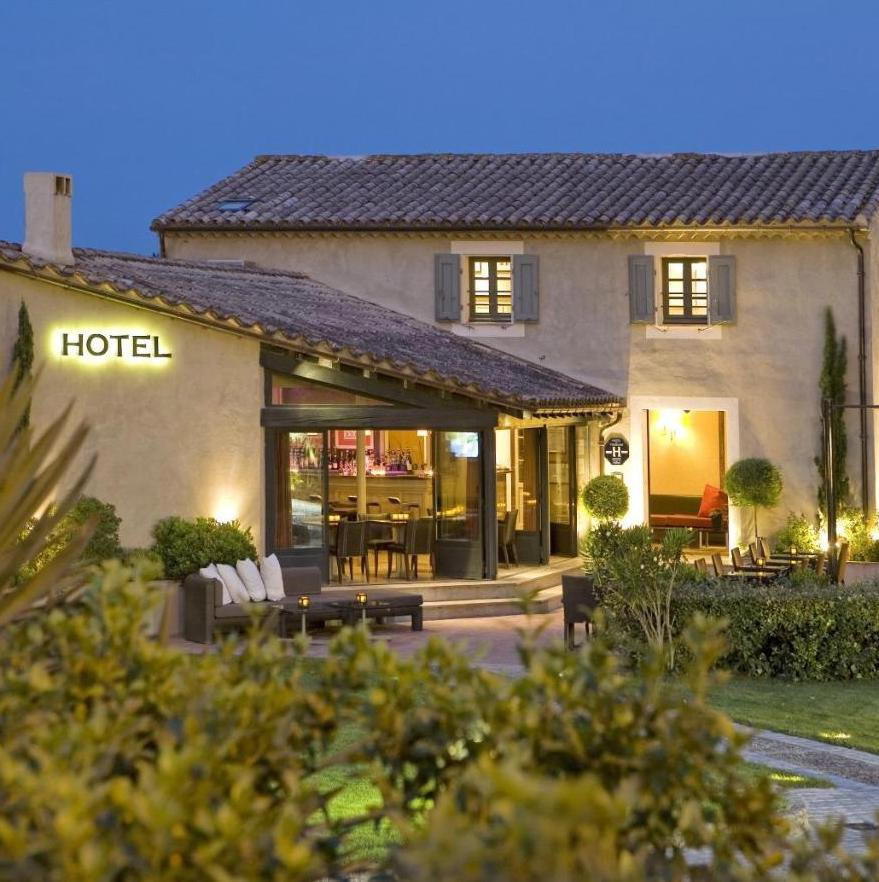
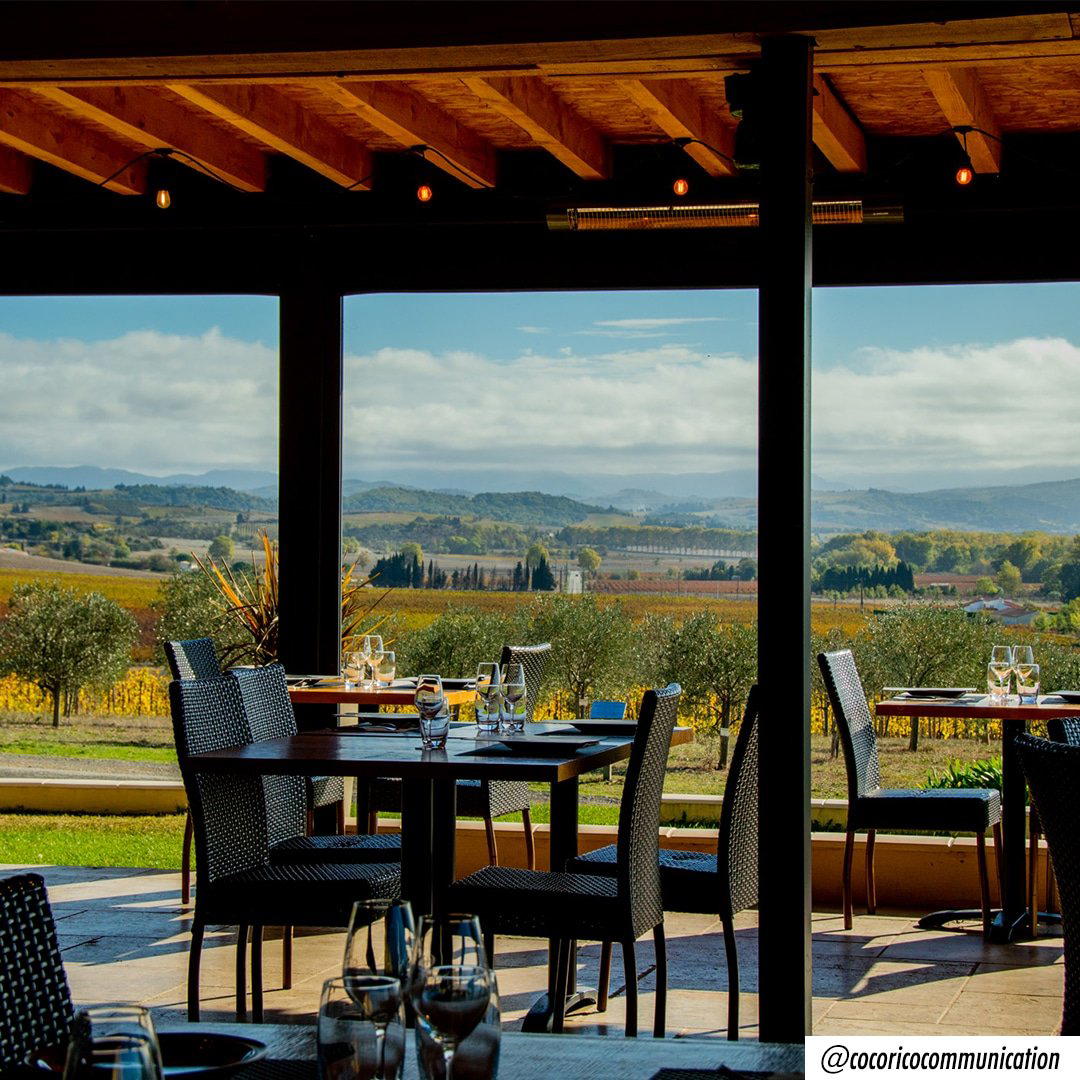
Fairy-tale atmosphere with modern comforts, beautiful gardens, spa, and terrace dining amid century-old trees and historic charm.