


Michelin Bib Gourmand · La Liste Top Restaurants · Gault & Millau Prestige Restaurant
Our verdict
A Bib Gourmand holder since at least 2024 and a La Liste Top Restaurants entry scoring 90 points in 2026, Maison Saint-Crescent sits at the serious end of Narbonne's mid-range dining scene. The kitchen works within a traditional cuisine framework that draws on the raw material wealth of Languedoc-Roussillon, from the Corbières garrigue to the Mediterranean littoral. The consistency here is hard to dismiss.

Pearl is the En Primeur Club membership app — saves, bookings, and concierge access live there. Same editors, same standards.
- Address
- Rond point de la Liberté, 68 Av. Général Leclerc, 11100 Narbonne, France
- Phone
- +33 4 68 41 37 37
- Hours
- Mon ClosedTue–Sat 12–12:45 PM, 7:30–8:45 PMSun Closed
- Website
- maison.saintcrescent.com
- Directions
- Get directions
- Booking
- Book on the venue's website
The menu
What to order
- Mijotée de joue de boeuf
- Jambe de poulpe croustillante
- Cheese cake aérien
Where Languedoc's Larder Meets the Plate
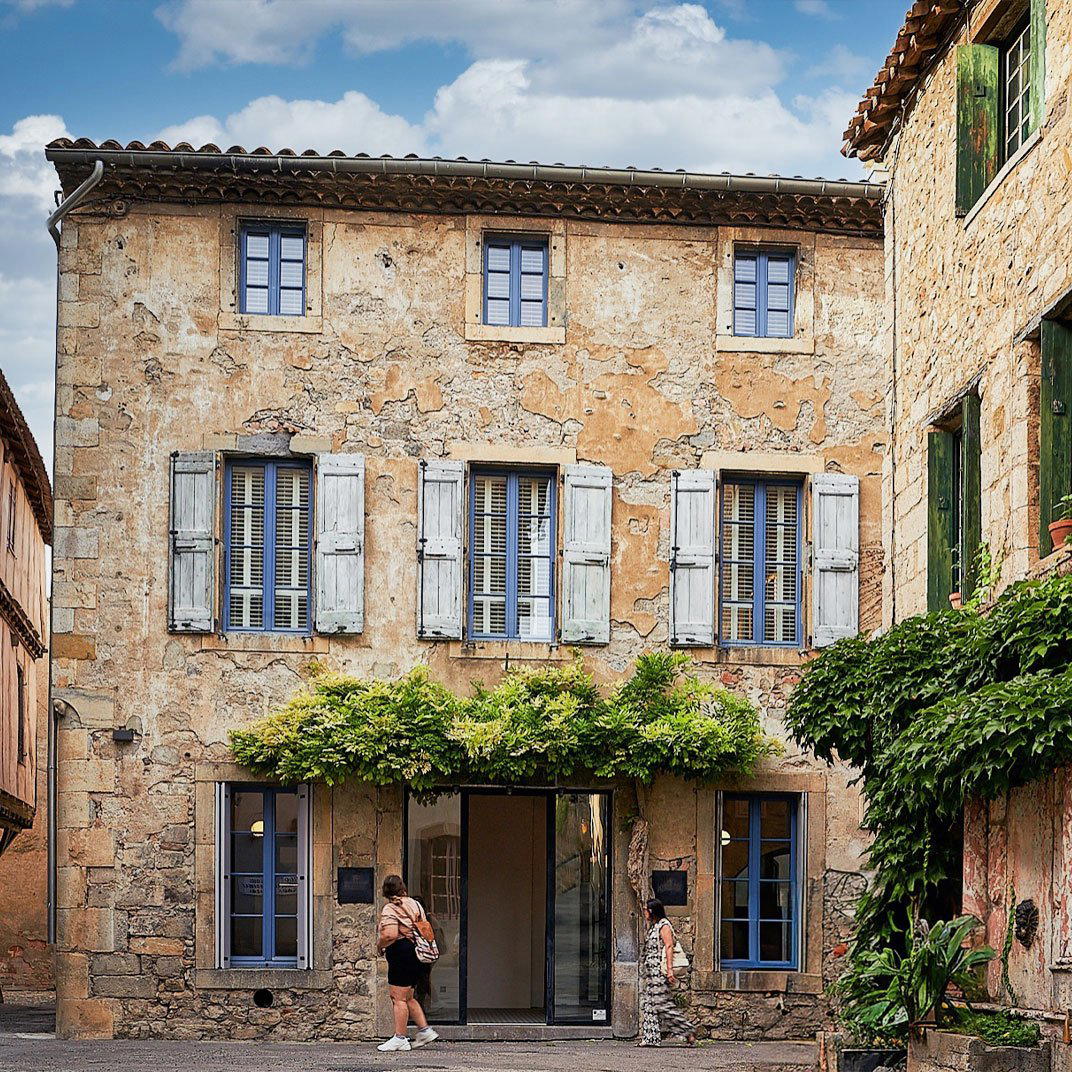
The approach to Maison Saint-Crescent, set on the Rond Point de la Liberté along Avenue Général Leclerc, places you at a junction between Narbonne's everyday commercial edge and something considerably more considered. The building carries the quiet confidence of an address that has earned recognition without needing to perform it. There is no theatrical entrance, no signage competing for attention. What you get instead is the sense of a place that knows its context: a southern French city with a Roman spine, a canal running through its centre, and one of the most ingredient-rich agricultural and maritime regions in the country pressing in from every direction.
That context matters here more than it might in a city with a more self-contained dining identity. Narbonne sits at the intersection of the Aude plain, the Corbières hills, the Minervois plateau, and the Mediterranean shore. Shellfish from the Étang de Leucate, lamb from the garrigue, vegetables from the Roussillon market gardens, wine from appellations that range from Fitou to Corbières to Minervois: the supply network available to a kitchen working traditional cuisine in this postcode is, by any reasonable measure, formidable. Maison Saint-Crescent operates squarely within that tradition, treating the region's produce as the argument rather than the backdrop.
The Case for Traditional Cuisine in the Languedoc
Traditional cuisine in southern France occupies a specific position in the national conversation about what French cooking is and should be. It sits between the haute cuisine register of places like Alléno Paris au Pavillon Ledoyen or Mirazur in Menton and the casual bistro register that dominates most provincial towns. When it works, it draws on centuries of accumulated regional technique — the slow braises, the herb-driven stocks, the respect for seasonal availability — and applies them with contemporary precision rather than nostalgic looseness.
Across France, the Michelin Bib Gourmand designation functions as a specific quality signal within that middle tier: the guide's marker for kitchens offering genuine quality at a price point below the starred bracket. Maison Saint-Crescent has held the Bib Gourmand in both 2024 and 2025, which, in practical terms, means two consecutive annual assessments confirming that the kitchen's execution and value proposition have remained consistent. The La Liste Leading Restaurants ranking adds a separate layer of validation: 88.5 points in 2025 rising to 90 points in 2026, a trajectory that suggests the kitchen is not coasting on its recognition but consolidating it. Comparable recognition in regional traditional cuisine comes through at institutions like Auberge Grand'Maison in Mûr-de-Bretagne, where a similar commitment to place-rooted cooking has earned sustained attention.
Ingredient Geography: Why Narbonne's Position Matters
The editorial angle on sourcing here is not incidental, it is structural. Few mid-sized French cities enjoy the proximity to as many distinct ingredient ecosystems as Narbonne. The Mediterranean is close enough that fish and shellfish can move from water to kitchen the same morning. The Corbières, the dominant wine appellation immediately to the west, also produce some of the region's most distinctive lamb and foraged herbs. The Roussillon plain to the south supports fruit and vegetable cultivation that runs ahead of the season compared to northern France.
For a kitchen working in the traditional cuisine register, this is not just a sourcing advantage, it is a culinary argument. The logic of traditional cuisine in a region like Languedoc-Roussillon is that the cook's primary responsibility is to not obscure what the land and sea have already done. Technique is in service of ingredient, not in competition with it. This is a different ambition from the creative register deployed at La Table Lionel Giraud, where the kitchen works at the €€€€ level with a more transformative approach to the same raw materials. Both approaches are defensible; they address different reader decisions and different dining contexts.
For the reader choosing between Narbonne's options, the distinction is meaningful. Méditerranéo at Château Capitoul offers a Mediterranean register at the €€€ tier. L'Art de Vivre operates modern cuisine at €€€€. Maison Saint-Crescent holds the €€ position with a traditional approach, and the Bib Gourmand confirms that position is occupied with precision rather than compromise.
The Wine Component: Eating in a Cave à Vin
The full name, Cave à Vin et à Manger, signals something specific about the wine dimension here. In southern France, the cave à vin format has a particular tradition: wine is not an accompaniment to the food but a co-equal element of the visit. Languedoc-Roussillon is the largest wine-producing region in France by volume, and the appellations immediately surrounding Narbonne include Corbières, Fitou, Minervois, and La Clape, the latter being a coastal appellation producing Grenache-based reds and white wines with a saline mineral quality that pairs directly with Mediterranean seafood. A kitchen drawing on local produce in this context has both an obligation and an opportunity to pair that produce with wines that come from the same hills and shores.
For readers planning a visit with wine as a primary motivation, Narbonne's broader context is worth understanding. The full Narbonne wineries guide maps the appellation landscape in more detail. The cave à vin dimension at Maison Saint-Crescent places it in a different conversation from Bib Gourmand holders focused purely on food execution, closer in spirit to establishments in wine-producing regions like Bras in Laguiole, where the regional drink culture is inseparable from the table.
Planning a Visit
Maison Saint-Crescent is priced at the €€ level, which in the French context for a Bib Gourmand holder typically means a midday or evening menu delivering three courses at a price comfortably below €40, often closer to €25-35 for a set lunch. At this price tier, the address competes in a category where consistency is harder to maintain than at higher price points: margins are tighter, sourcing decisions more constrained, and the margin for error in execution narrower. The sustained dual recognition from Michelin and La Liste therefore carries more weight here than it might at a starred restaurant operating with larger resource margins.
The address on Avenue Général Leclerc is accessible by car from central Narbonne. For visitors structuring a broader Narbonne dining itinerary, the full Narbonne restaurants guide maps the complete picture. Accommodation options are covered in the Narbonne hotels guide, and for those extending into the city's bar and experience programming, the bars guide and experiences guide are the relevant references.
Across France, traditional cuisine at this price tier represents some of the most reliable eating available to the unhurried traveller. At establishments like Paul Bocuse's Auberge du Pont de Collonges or Troisgros in Ouches, the regional argument is constructed at the upper end of the price register. Maison Saint-Crescent makes a version of the same argument, that place-specific ingredients, handled with discipline, produce something worth travelling for, at a tier accessible to a much wider range of visitors. That accessibility, combined with the recognition it has accrued, makes it one of the more direct cases in the Narbonne dining scene for a reader deciding where to invest a lunch or dinner.
Frequently Asked Questions
Frequently asked questions
What does dinner at Cave à Vin & à Manger - Maison Saint-Crescent typically cost?
Pricing at Cave à Vin & à Manger - Maison Saint-Crescent is listed as €€.
Side-by-Side Snapshot
| Venue | Cuisine | Price | Awards | Notes |
|---|---|---|---|---|
| Cave à Vin & à Manger - Maison Saint-CrescentThis venue — the venue you are viewing | Traditional French Bistro | $30–50 | Michelin Bib Gourmand · La Liste Top Restaurants | Not listed |
| La Table Lionel Giraud | Modern creative French fine dining in a medieval oratory | $150–200 | 2 Michelin Stars · Falstaff Restaurant - 95 Falstaff Points | Creative |
| L'Art de Vivre | Modern French Mediterranean Fine Dining | $100–150 | Michelin Plate | Not listed |
| Méditerranéo - Château Capitoul | Pan-Mediterranean Gastronomic | $50–100 | Michelin Plate · Gault & Millau Remarkable Restaurant | Not listed |
Recognition history
Dated appearances from independent guides and award organizations, with the underlying list record or original source where available.
Michelin Bib Gourmand
Michelin
La Liste Top Restaurants
La Liste
Gault & Millau Prestige Restaurant
Gault & Millau
Full recognition history (6 entries)
La Liste Top Restaurants
La Liste
Michelin Bib Gourmand
Michelin
Michelin Bib Gourmand
Michelin
Continue exploring
More in Narbonne
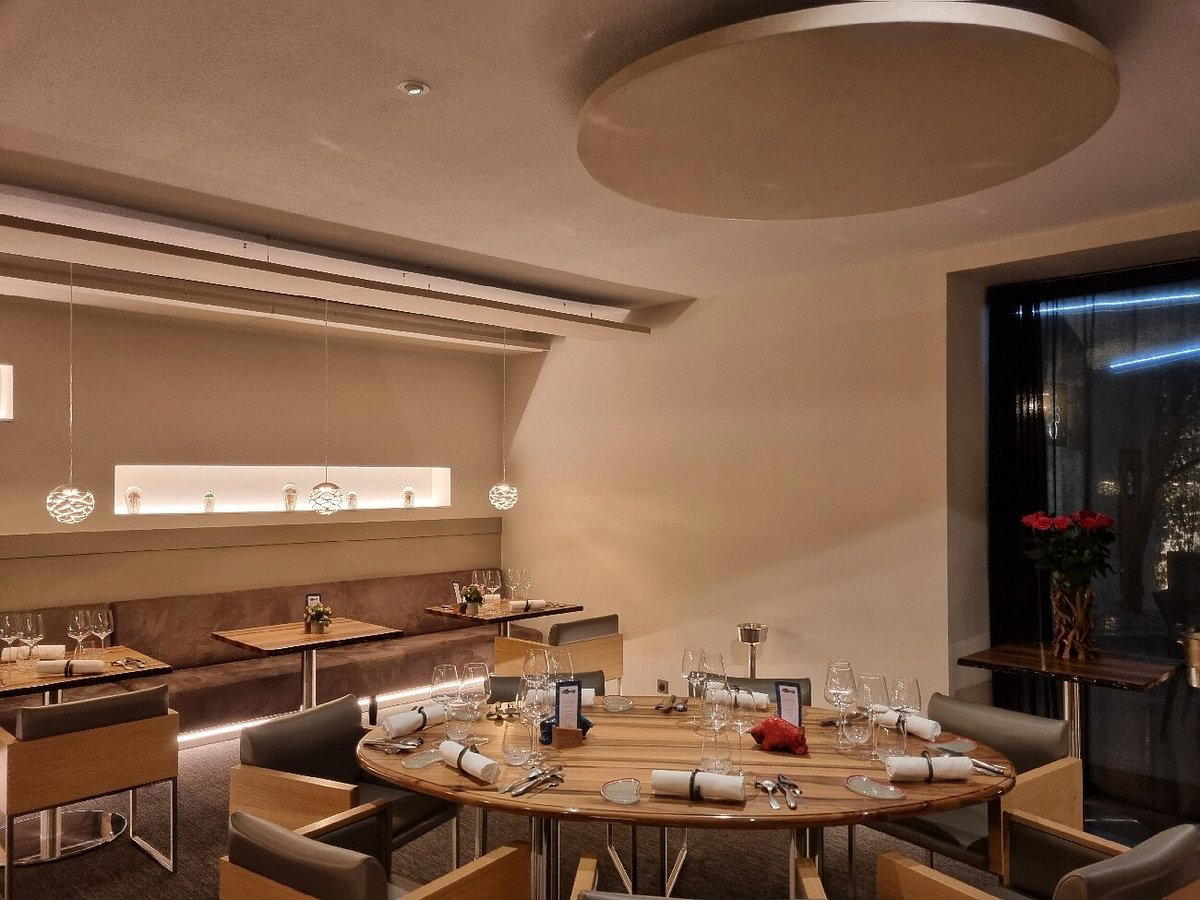
Restaurants in Narbonne
Browse all →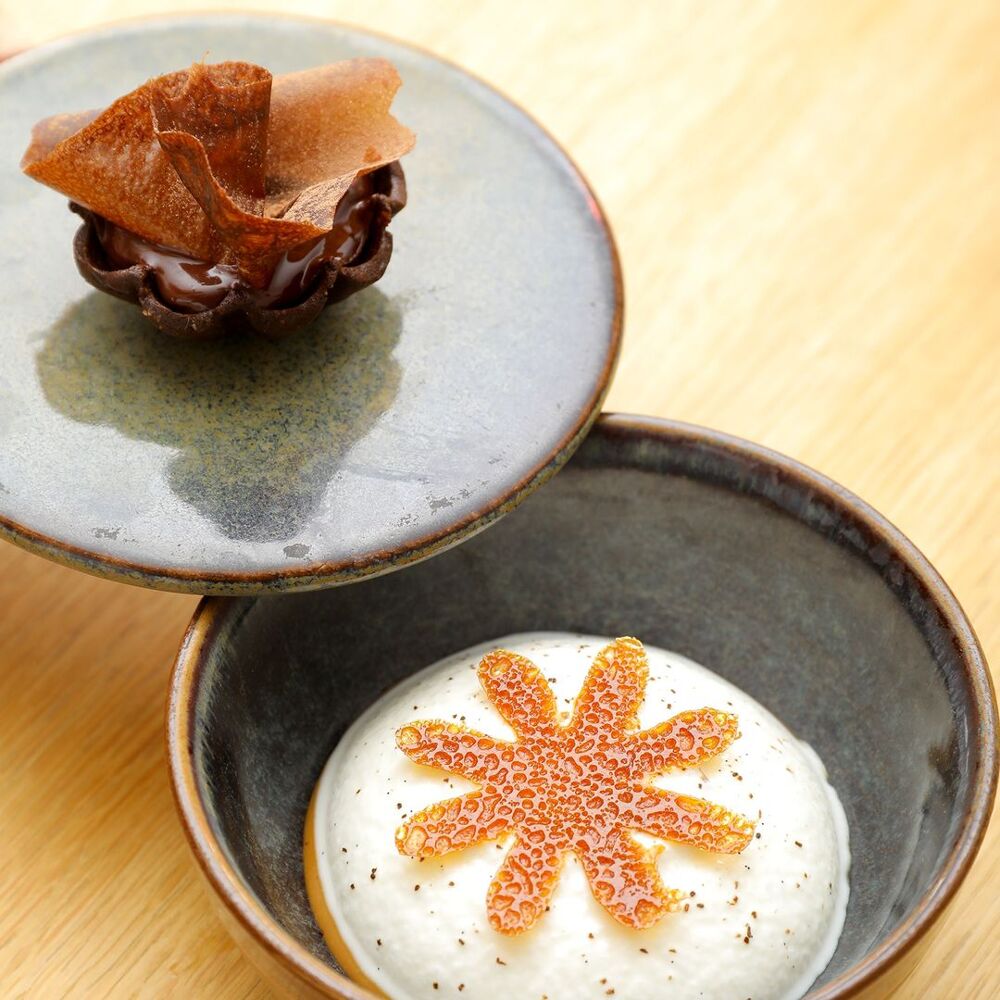
Bars in Narbonne
Browse all →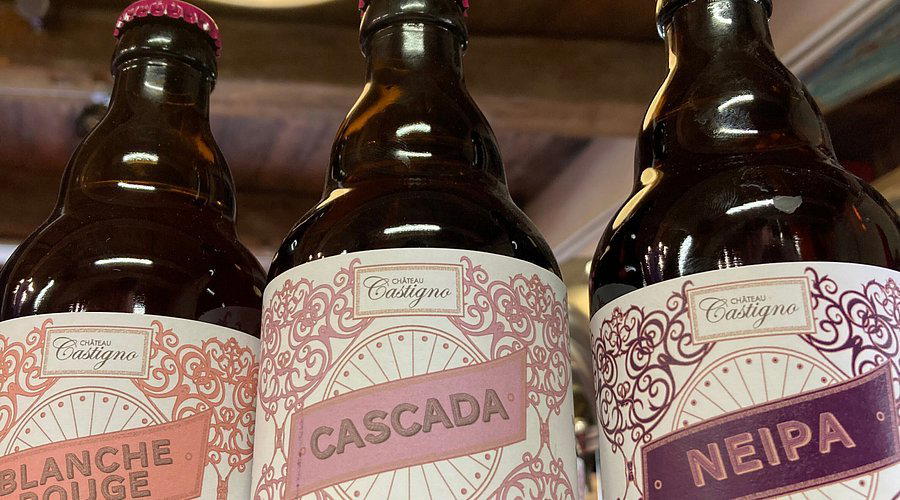
Hotels in Narbonne
Browse all →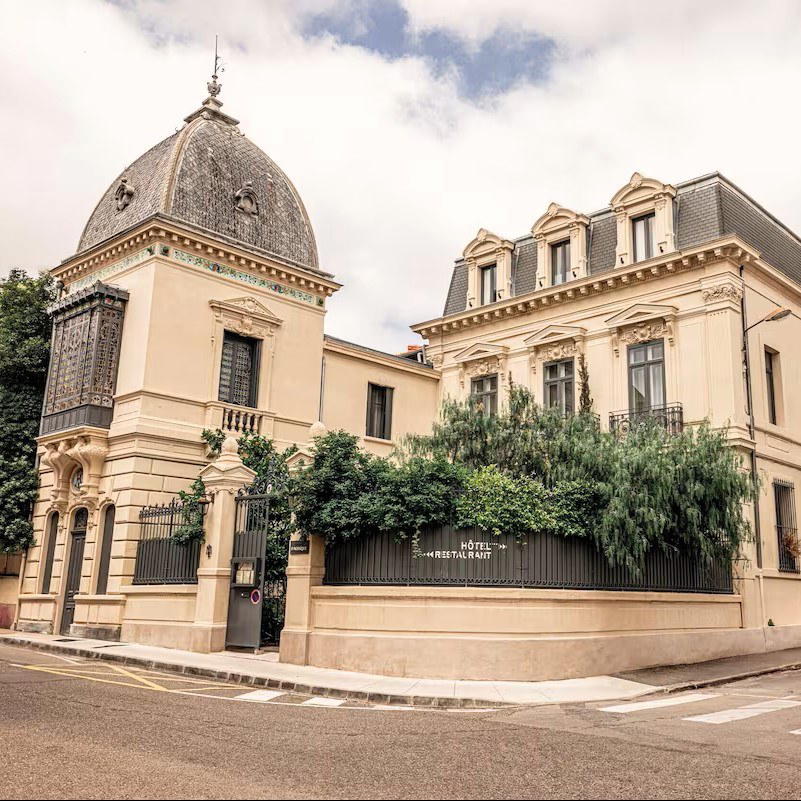

Details
- Cozy
- Rustic
- Intimate
- Classic
- Date Night
- Group Dining
- Casual Hangout
- Wine Cellar
- Extensive Wine List
- Corkage Allowed
- Local Sourcing
- A La Carte
- Small Plates
- Wine
Current opening hours
- Monday
- Closed
- Tuesday
- 12–12:45 PM, 7:30–8:45 PM
- Wednesday
- 12–12:45 PM, 7:30–8:45 PM
- Thursday
- 12–12:45 PM, 7:30–8:45 PM
- Friday
- 12–12:45 PM, 7:30–8:45 PM
- Saturday
- 12–12:45 PM, 7:30–8:45 PM
- Sunday
- Closed
Hours can change for holidays and private events. Last verified .
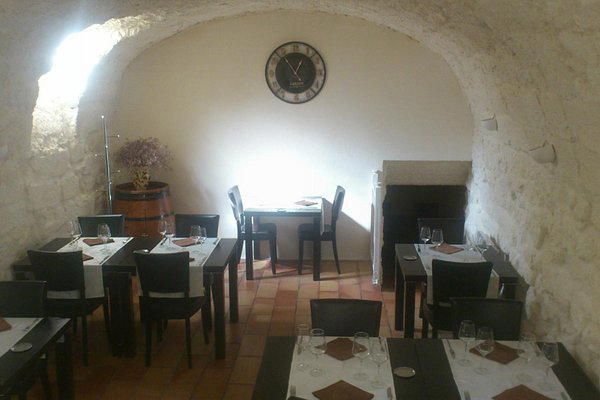
Chaleureuse et accueillante sous une belle voûte en pierre, cozy without being too hobby, pleasant bistro atmosphere.