

1 Michelin Key · Gault & Millau Exceptional Hotel
An organic Saint-Chinian wine estate that doubles as a 24-room distributed hotel across the living village of Assignan, Château Castigno earned a Michelin 1 Key in 2024 and a Gault & Millau Exceptional Hotel designation in 2025. Rooms range from intimate Vendangeur quarters to the freestanding Villa Rouge, with three restaurants, a spa, and a bottle-shaped cellar that anchors the property's identity in its appellation.

Pearl is the En Primeur Club membership app, where members save venues, book tables and use the concierge.
A Village That Became a Hotel
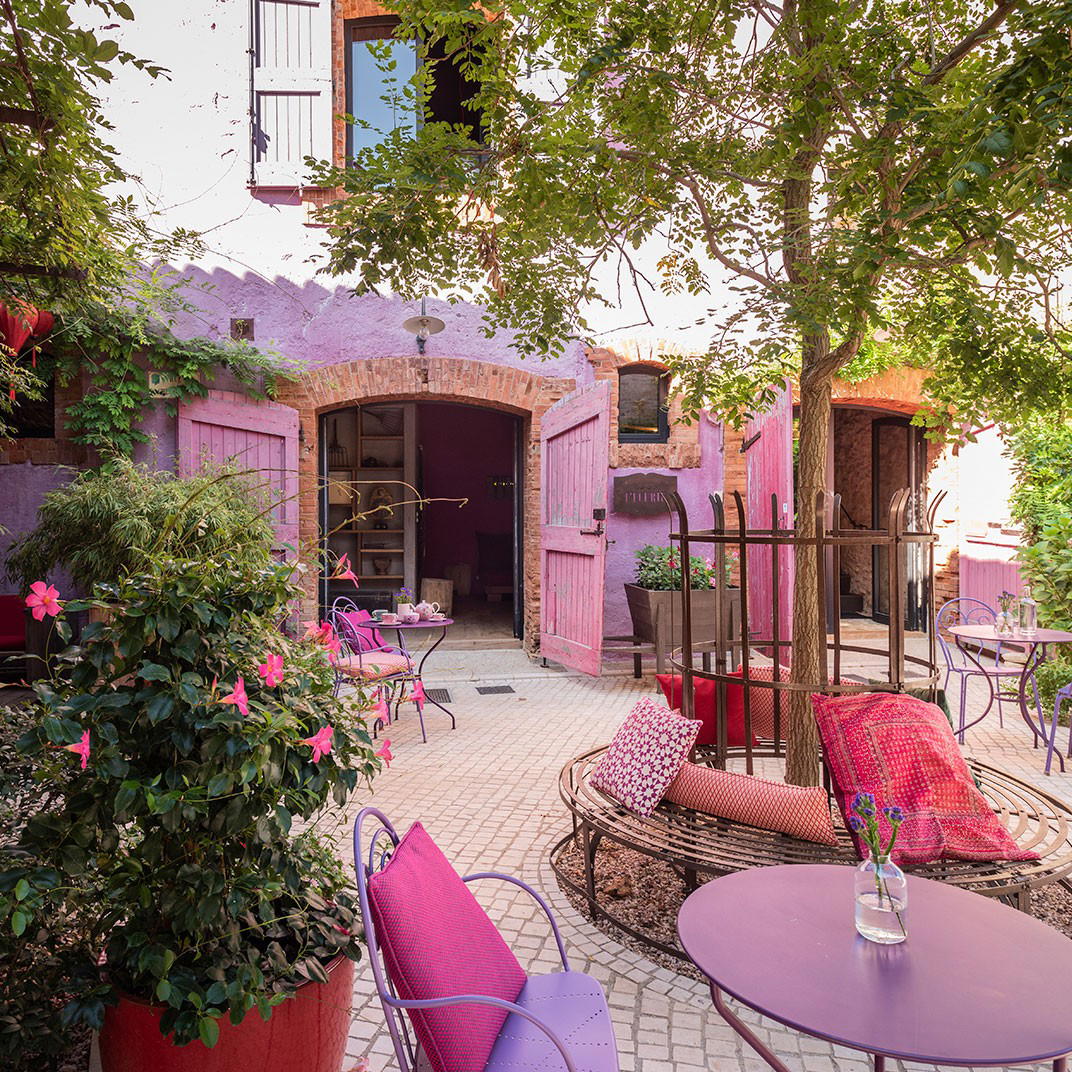
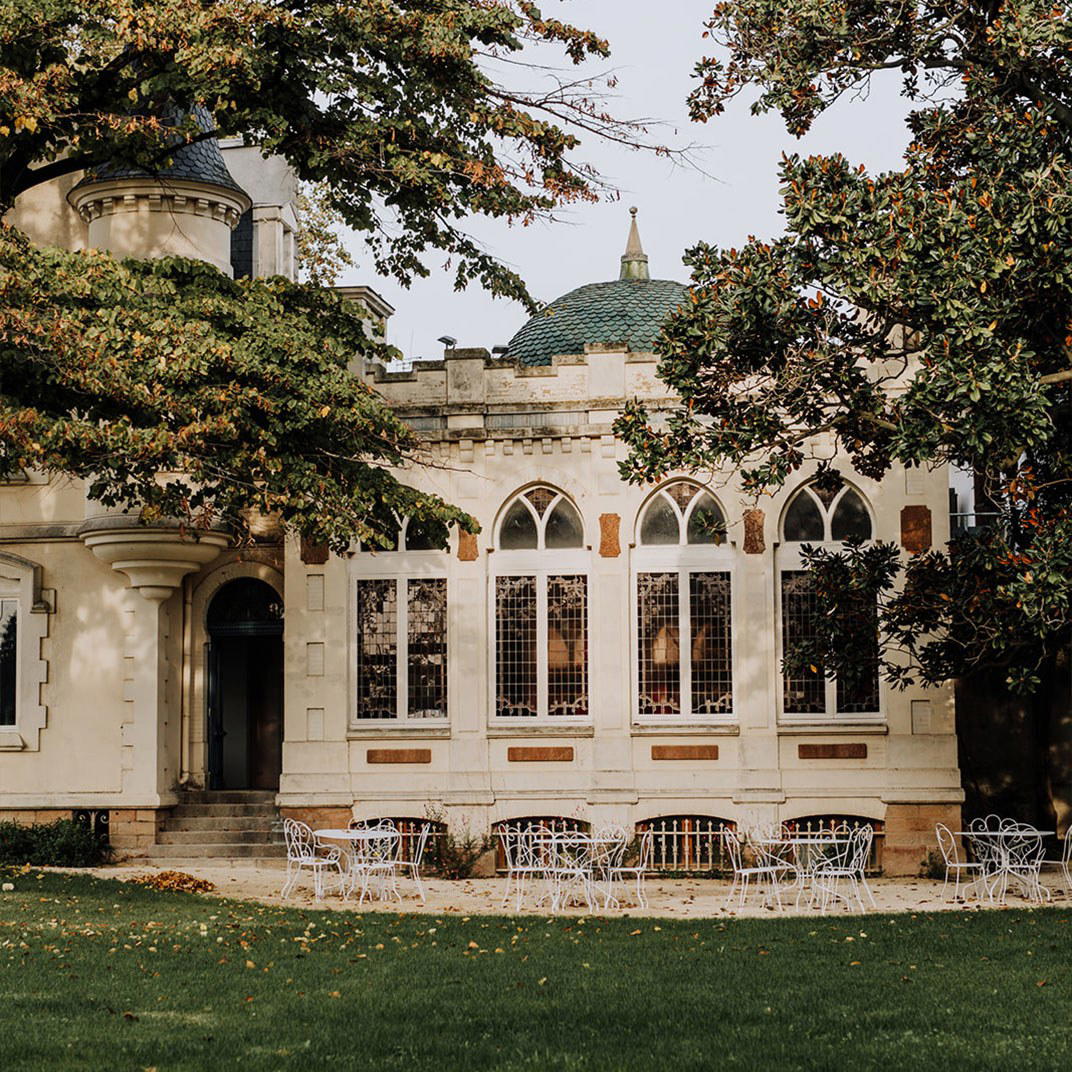
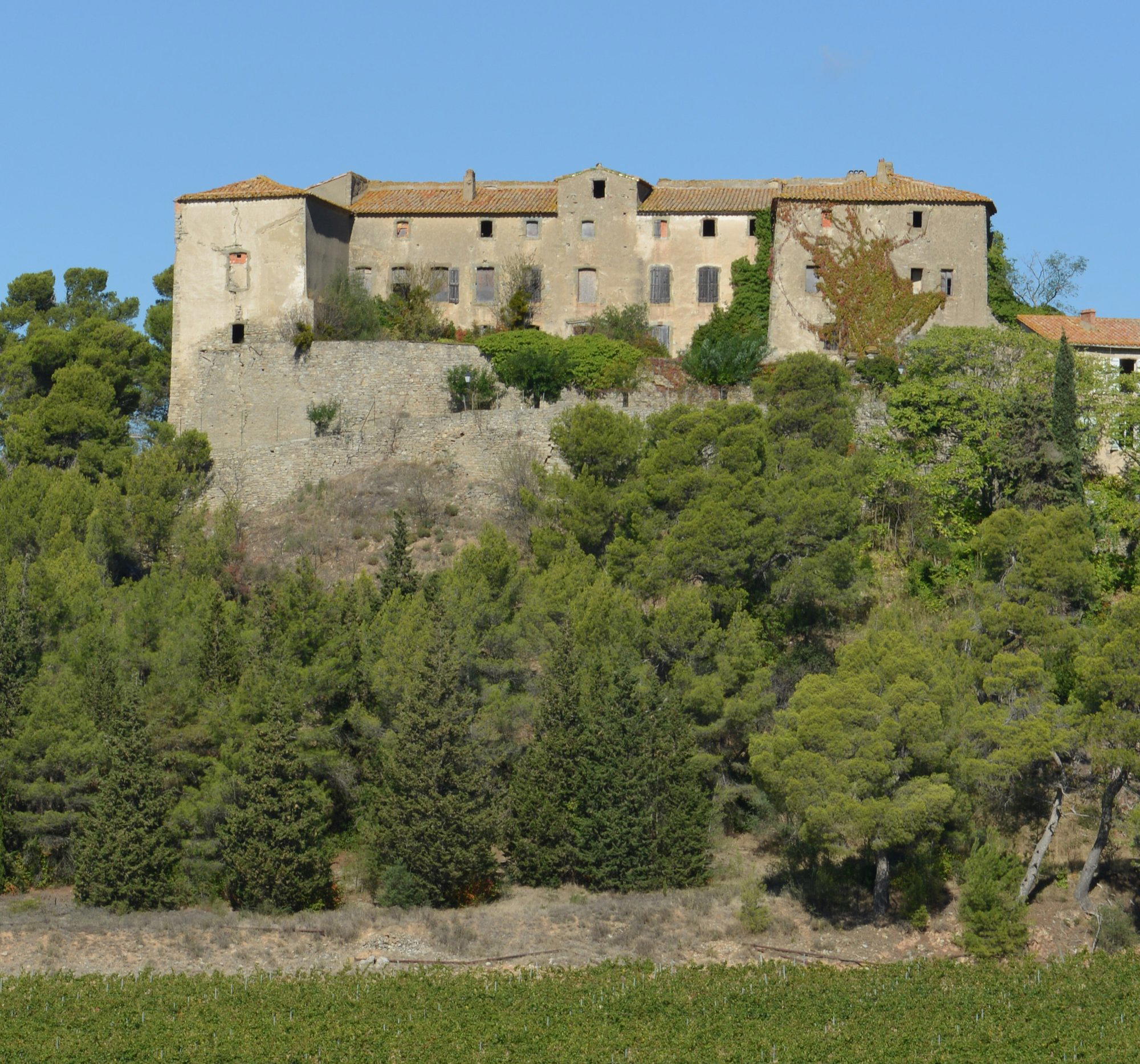
The road into Assignan, a small commune in the Saint-Chinian appellation of Languedoc-Roussillon, offers little advance warning of what Château Castigno represents architecturally. The village itself is the hotel. Not a village-style resort built to resemble one, but an actual functioning settlement into which 24 rooms, common spaces, and three restaurants have been woven across existing stone buildings, color-coded to distinguish guest accommodation from the private homes that share the same streets. Approaching on the Avenue de Saint-Chinian, the effect is closer to entering a Provençal hamlet than checking into a property, and that tension between living place and curated guest experience is precisely where Castigno's design logic sits.
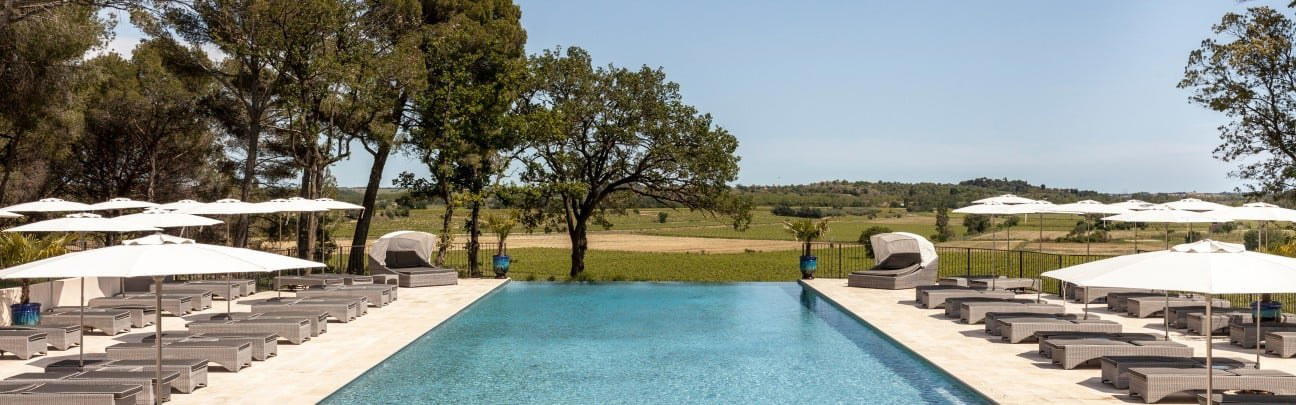
The distributed hotel model has been deployed with varying conviction across southern Europe, but Castigno applies it with a specificity that goes beyond aesthetics. Each building carries its own character, shaped by original architecture rather than overlaid by a unifying interior scheme. The result is that no two room categories feel like iterations of the same thing. The Vendangeur rooms, painted in grape tones, are compact and deliberate in their restraint. The freestanding Villa Rouge, at the upper end of the range, offers two bedrooms, a full kitchen, and a garden with a private pool, a configuration that places it closer to a private rental in character than a hotel room, and that appeals to guests staying long enough to settle into the village's rhythms rather than pass through them.
Design as Context, Not Statement
In the broader category of French wine-country hotels, design tends to fall into two camps: the preserved château aesthetic, which emphasises heritage surfaces and period furniture, and the modernist intervention, which places contemporary architecture in deliberate contrast with agricultural land. Castigno occupies a third position. Its interior language mixes colorful contemporary detailing with historical fabric in a way that reads as lively rather than reverent. The color-coding system used across the village is not decorative but functional, a way of orienting guests through streets that were never designed for hospitality navigation, and that functional clarity is itself an expression of the design philosophy.
The property's most discussed architectural gesture is the cellar building, shaped in the form of a bottle. In wine-country design, the temptation toward literal symbolism often produces results that age poorly. Here, the execution is considered enough that the building functions as a genuine landmark rather than a novelty, and wine tours beginning in that space have become a central part of the guest experience. Gault & Millau awarded Castigno its Exceptional Hotel designation in 2025, with a five-point rating, while Michelin recognised it with a 1 Key in 2024. Both signals place it in the tier of wine-country properties where the physical environment and the production on-site are evaluated together, not separately. For direct comparison, properties like Les Sources de Caudalie in Bordeaux and Château Lafaurie-Peyraguey in the Sauternes occupy a similar estate-hotel niche, though both operate from single consolidated structures rather than a distributed village layout.
Saint-Chinian and the Estate Behind the Hotel
Castigno's primary identity, before any consideration of rooms or restaurants, is as an organic producer of Saint-Chinian wines. The appellation sits in the western stretch of Languedoc-Roussillon, where the soils shift between schist and limestone and the Mediterranean influence moderates temperatures compared to the hotter, flatter vineyards closer to the coast. Saint-Chinian as an appellation has spent the past two decades building a reputation for structured reds at prices well below comparable output from more established southern Rhône or Provence addresses, and organic certification has become an increasingly common signal among the appellation's more ambitious producers.
For guests, the wine program at Castigno is not incidental to the stay. The bottle-shaped cellar is the beginning of a more structured engagement: guided wine tours form part of the standard offering, and the relationship between the estate's production and the hotel's dining operation is direct rather than decorative. This positions Castigno differently from design-led wine-country hotels where the estate's wines appear on the list alongside external selections without particular emphasis. At Assignan, the geography and the glass are the same story. For those considering other French wine-estate hotel experiences, Château de Montcaud in Sabran and Château de la Gaude in Aix-en-Provence offer points of comparison in the southern French context.
Three Restaurants Across the Village
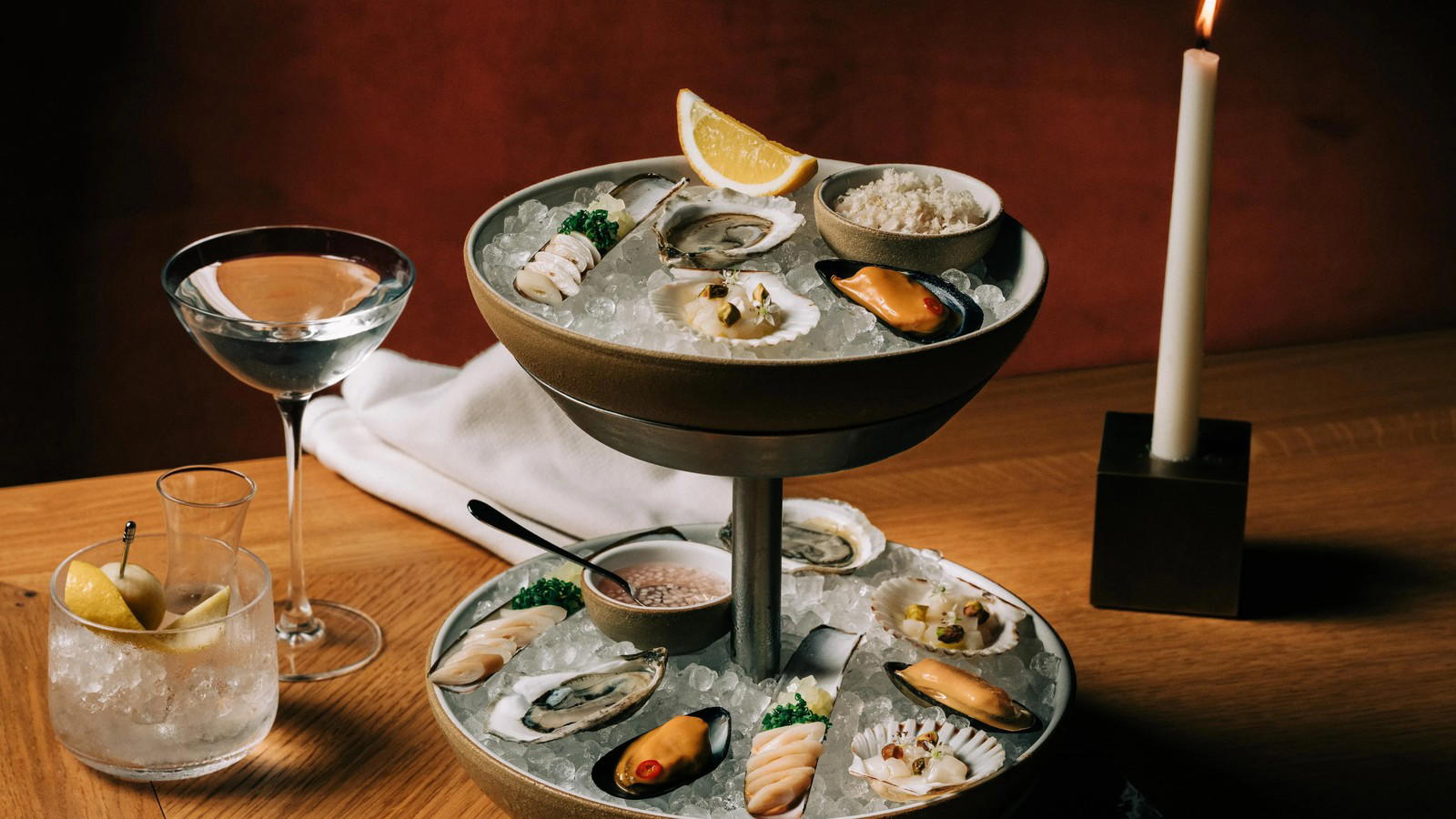
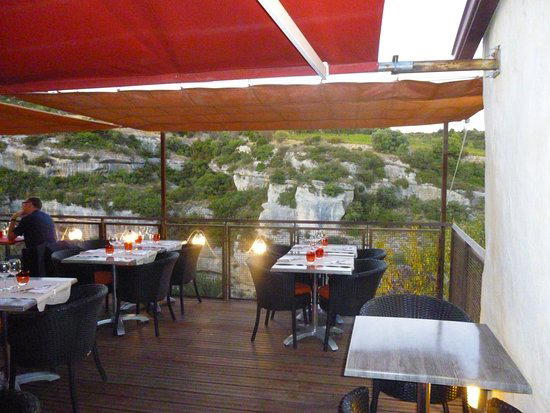
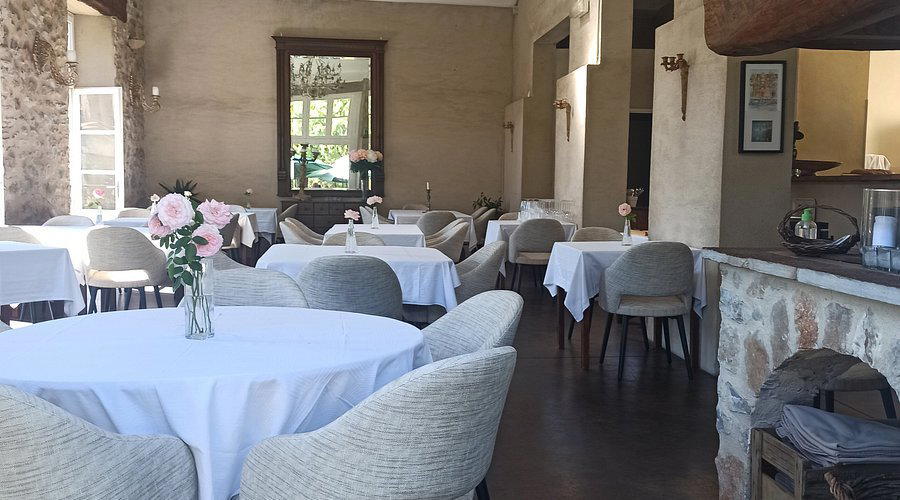
French wine-country hotels at this price point typically offer a single dining room, sometimes with a more casual lunch option. Castigno runs three distinct restaurants distributed across the village: Maison Robert, the Petite Table Bistro & Grill, and Thai de Castigno. The presence of a Thai restaurant in a Languedoc village operating at this standard is not a concession to variety for its own sake, it reflects a confidence that the property's identity is secure enough in its wine and estate credentials to support a more eclectic hospitality offer. Whether that range coheres in practice is a question each guest will answer differently, but the spread of formats ensures that multi-night stays do not settle into repetition.
The spa and wellness programming, including guided meditative walks and introductory yoga, occupy a secondary but complementary position in the offer. Properties at the Gault & Millau Exceptional Hotel level in southern France increasingly treat wellness as a structuring element rather than an amenity list, and Castigno's approach, pairing the spa with outdoor programming suited to the garrigue landscape around Assignan, follows that pattern. For context on how other southern French properties handle the wellness-wine combination, La Réserve Ramatuelle and Hôtel & Spa du Castellet represent two very different approaches in the same broad region.
Planning Your Stay
Castigno sits in Assignan, a commune not served by high-speed rail directly; Montpellier and Béziers are the practical arrival points, with Béziers roughly the closer option for road connections into the Saint-Chinian hills. With 24 rooms across a distributed village layout, the property operates on a limited-key model, and availability during the harvest period and summer months should be anticipated to be tighter than the room count might suggest. Rates from $182 place the entry-level rooms in the accessible tier for Gault & Millau Exceptional Hotel properties in southern France, though the Villa Rouge at the leading end operates in a different budget register. Guests focused on the wine program should prioritise the shoulder seasons, when cellar tours and tastings sit alongside harvest activity in a more considered way than the busiest summer weeks allow.
For those building a broader itinerary through southern France, Castigno pairs naturally with a coastal segment: Hotel Du Cap-Eden-Roc in Cap d'Antibes, The Maybourne Riviera in Roquebrune-Cap-Martin, and Airelles Saint-Tropez represent the Côte d'Azur end of the spectrum. In the Provence interior, La Bastide de Gordes and Baumanière Les Baux-de-Provence occupy a similar position between wine, landscape, and gastronomy. For a complete picture of dining and accommodation options in the area, see our full Assignan restaurants guide.
Additional French properties worth considering for comparable wine-and-design stays include Domaine Les Crayères in Reims and Royal Champagne Hotel & Spa in Champillon for Champagne-country parallels, and Villa La Coste in Le Puy-Sainte-Réparade for a Provence estate with a similarly art-and-wine axis. Further afield, Cheval Blanc Paris, Cheval Blanc Courchevel, Château du Grand-Lucé, Castelbrac in Dinard, Casadelmar in Porto-Vecchio, Château de la Chèvre d'Or in Èze, Four Seasons Megève, Aman Venice, Aman New York, and The Fifth Avenue Hotel in New York City round out the broader EP Club portfolio for travellers comparing across categories and continents.
Comparison Snapshot
Comparable venues nearby, for context on price, style, and recognition.
| Venue | Cuisine | Price | Awards | Notes |
|---|---|---|---|---|
| Village & Château Castigno - Wine Hotel Spa & ResortThis venue (the venue you are viewing) | Restored wine village with bohemian-luxury aesthetic and digital detox focus | Not listed | 1 Michelin Key · Gault & Millau Exceptional Hotel | Not listed |
| Château & Village Castigno | Distributed village-hotel model with rooms integrated into the historic village fabric rather than concentrated in a single structure. | Not listed | 1 Michelin Key · Gault & Millau Exceptional Hotel | Assignan |
| La Maison d'Uzès | Historic luxury boutique hotel blending 17th-century architecture with contemporary refinement; member of prestigious Relais & Châteaux collection. | Not listed | Michelin 1 Key | Historic Centre of Uzès |
| Le Prieuré | 14th-century priory in a lush Provençal garden setting | Not listed | Michelin 1 Key | Villeneuve-lès-Avignon |
| Le Petit Nice | Neo-Greek villa with contemporary interiors | $300–500 | 1 Michelin Key · Relais Chateaux Award | Endoume |
| Le Phébus | Converted Provençal stone farm buildings with modern comforts | Not listed | 1 Michelin Key · Relais Chateaux Award | Joucas |
Recognition history
Dated appearances from independent guides and award organizations, with the underlying list record or original source where available.
Michelin 1 Key
Michelin
Gault & Millau Exceptional Hotel
Gault & Millau
Full recognition history (4 entries)
Michelin 1 Key
Michelin
Michelin 1 Key
Michelin
Village & Château Castigno - Wine Hotel Spa & Resort
Featured Guides
Continue exploring
More in Assignan
Hotels in Assignan
All hotels in Assignan →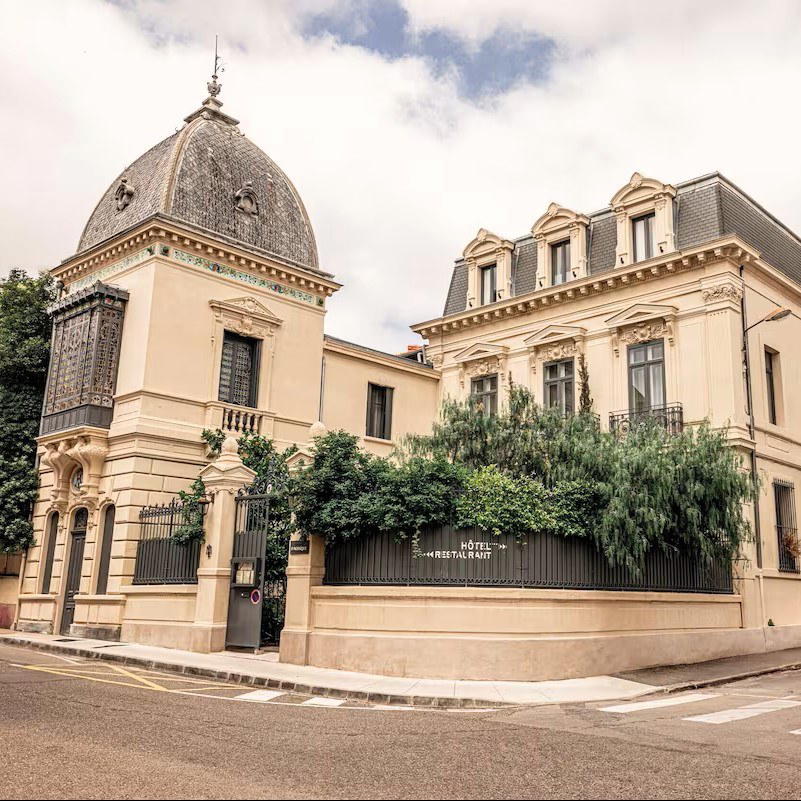
Details
- Romantic
- Elegant
- Rustic
- Scenic
- Cozy
- Sophisticated
- Honeymoon
- Romantic Getaway
- Wellness Retreat
- Anniversary
- Weekend Escape
- Panoramic View
- Terrace
- Garden
- Pool
- Spa
- Wi Fi
- Restaurant
- Bicycle Rental
- Sauna
- Massage
- Concierge
- Room Service
- Vineyard
- Mountain
- Garden
- Wheelchair Accessible
- Step Free Entrance
- Accessible Parking
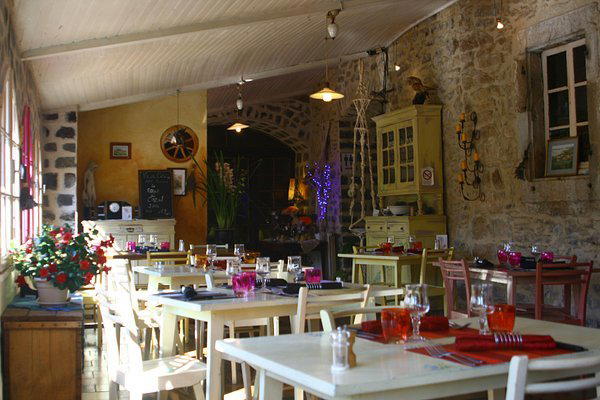
Serene and romantic with colorful, eclectic decor featuring French antiques, exposed stone walls, and soft lighting in a tranquil vineyard setting.