Oncle Jean
Our verdict
Oncle Jean occupies a residential stretch of Ginnekenweg in Breda's southern quarter, where the French bistro tradition has taken quiet but confident root. The address places it among a small cluster of French-leaning tables in a city that has built a serious dining reputation well beyond its size. Practical details on booking and current hours are best confirmed directly with the venue.

Pearl is the En Primeur Club membership app — saves, bookings, and concierge access live there. Same editors, same standards.
- Address
- Ginnekenweg 338, 4835 NM Breda, Netherlands
- Phone
- +31765659999
- Hours
- Mon–Tue ClosedWed–Sun 12 PM–12 AM
- Website
- onclejean.nl
- Directions
- Get directions
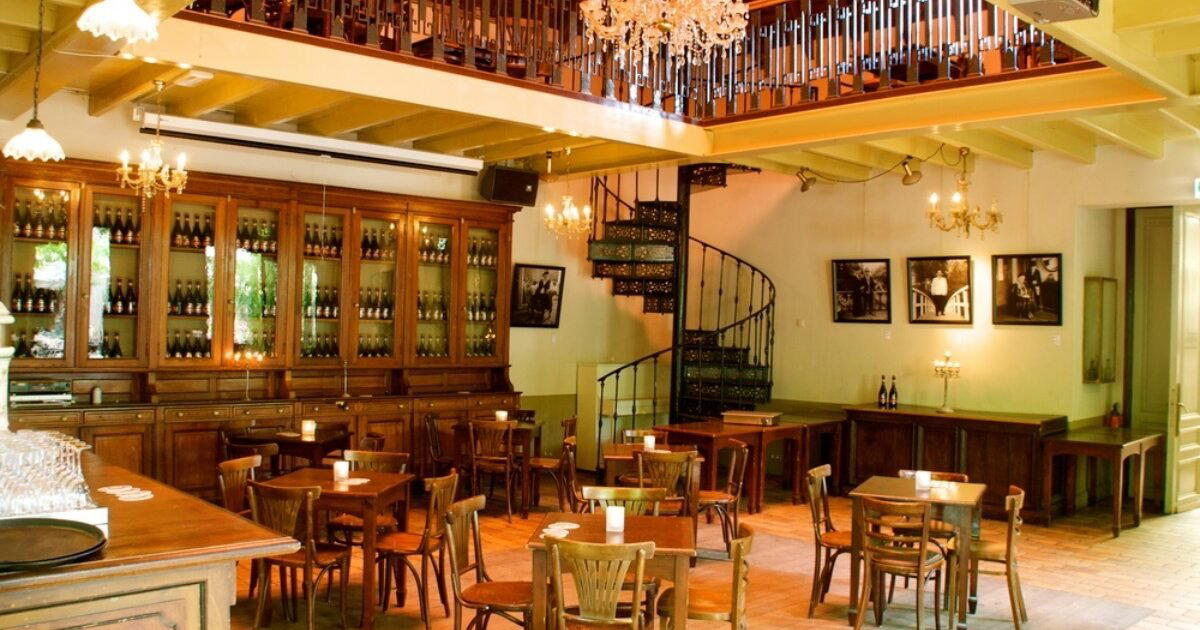
French Bistro in a Dutch City: The Breda Context
Breda has assembled a dining scene that punches well above what a city of 185,000 people might be expected to sustain. The concentration of French-influenced restaurants along and around Ginnekenweg is not accidental: the neighbourhood's mix of tree-lined residential streets and independent retail has historically drawn the kind of operator who wants a loyal local clientele rather than tourist footfall. Oncle Jean, at number 338 on that same road, fits that pattern. The name alone signals the register: not a grand maison, not a brasserie chasing volume, but something closer to a French uncle's table, where the cooking tradition does the talking without theatrical ceremony.
That register matters in the current Dutch dining context. The country's most formally decorated restaurants, from De Librije in Zwolle to Ciel Bleu in Amsterdam and Aan de Poel in Amstelveen, occupy a tier defined by Michelin recognition and destination-dining prices. Below that, a second tier of serious neighbourhood restaurants has emerged across the Netherlands, places where classical French technique is the foundation but the setting remains accessible and the ambition is directed at consistency rather than spectacle. Oncle Jean belongs to a conversation about that second tier, where the French bistro model, built on bourgeois cooking, sensible wine lists, and repetition of craft rather than novelty, is finding renewed relevance.
What the French Bistro Tradition Actually Means
The bistro as a format has been misused so frequently in European hospitality that it is worth restating what it means in its more disciplined form. In France, the bistro sits between the brasserie (high volume, broad menu, long hours) and the restaurant gastronomique (tasting menus, ceremony, destination pricing). Its currency is the plat du jour, the carefully sourced protein, the sauce that requires time rather than tricks, and the house carafe that doesn't embarrass anyone. The room is usually small, the tables closer together than in fine dining, and the noise level reflects that density. Regulars are the economic engine; tourists are welcome but not the primary audience.
That model has translated unevenly across the Netherlands. In Amsterdam, French bistro culture sits alongside a competitive international dining field that can dilute its identity. In a city like Breda, with fewer competing formats, the bistro proposition is easier to sustain with clarity. The Ginnekenweg corridor already hosts several French-leaning addresses, including Alma Bistro, Amí Bistro, and Bleue Bar Bistro, which creates a meaningful peer group and, more usefully, a dining public already educated in what the format offers. Oncle Jean operates within that informed local context.
Placing Oncle Jean in Breda's French Cluster
Among Breda's French-leaning addresses, the market has stratified along price and ambition lines. Amí Bistro at the €€€ tier and Alma Bistro in the same bracket represent the more formally structured end of the local French proposition. Bleue Bar Bistro at €€ holds the more casual, drop-in position. What the address and format name suggest is a mid-register intention: a place where the cooking is taken seriously but the experience does not require advance planning months out or a formal dress code.
That positioning matters for how you use the restaurant. The French bistro format at this level is designed for repeat visits, not single pilgrimages. The reader who approaches Oncle Jean looking for a single transformative evening may be applying the wrong frame. The reader who comes back on a Tuesday for the week's fish dish and a half-bottle from a short but considered wine list is the one the format is built for. Other Dutch addresses operating at the destination end of the spectrum, including De Nieuwe Winkel in Nijmegen and Brut172 in Reijmerstok, serve a different purpose: they are built around a single extended visit. Oncle Jean, by contrast, earns its value through accumulation.
For broader Breda dining context, the full Breda restaurants guide maps the city's dining character across categories and price points. Those interested in exploring further afield can cross-reference with De Bokkedoorns in Overveen, De Groene Lantaarn in Staphorst, De Lindehof in Nuenen, De Lindenhof in Giethoorn, and 't Nonnetje in Harderwijk for the range of what serious Dutch regional dining looks like outside the major cities.
The Ginnekenweg Neighbourhood
Ginnekenweg runs south from Breda's city centre toward the Ginneken village district, shifting character as it goes from urban main street to a quieter, more residential scale. Number 338 sits toward the southern end of that transition, in a stretch where retail is mixed with apartment buildings and the pace of the street slows noticeably from the city's commercial core. It is a neighbourhood that attracts restaurants with a local-first orientation: accessible by bicycle from most of Breda's residential districts, less convenient for visitors arriving by train without onward transport. Those coming from outside the city would do well to check tram or bus connections from Breda Centraal, or allow for a taxi or rideshare leg of around ten to fifteen minutes depending on traffic.
The neighbourhood also hosts Blossem and Beers and Barrels, which signals the area's appetite for independently operated dining and drinking addresses rather than chain formats. That character reinforces the case for Oncle Jean: the surrounding operators share a similar independent, craft-forward orientation, which tends to produce a more engaged local audience and, by extension, more reliable execution at kitchen level over time.
Planning Your Visit
The venue's address, Ginnekenweg 338, 4835 NM Breda, is the most reliable starting point for contacting the restaurant directly to confirm availability. For a neighbourhood bistro of this type, walk-in seats at the bar or early in service are often available midweek, while weekend evenings at French bistros in active dining neighbourhoods generally reward advance reservation. Visitors combining Oncle Jean with other Breda addresses will find the southern Ginnekenweg corridor manageable on foot if starting from the Ginneken district, and a short ride from the city centre.
Those benchmarking Breda's French dining against international reference points might note that the classical bistro format, as executed at addresses like Le Bernardin in New York City at the haute end or more casual French-influenced counters like Atomix, represents a spectrum from ceremony to informality. Oncle Jean's format name and neighbourhood position suggest it sits toward the informal, repeatable end of that spectrum, which in Breda's dining context is a useful position to occupy.
Frequently asked questions
Would Oncle Jean be comfortable with kids?
Ginnekenweg 338 sits in one of Breda's residential corridors, where restaurants tend to accommodate families at lunch and early evening without making it a policy statement. French bistros in this neighbourhood tier generally keep the format relaxed enough that children are not out of place, particularly outside peak dinner hours. For certainty, contacting the venue directly before arrival is the practical step.
What's the overall feel of Oncle Jean?
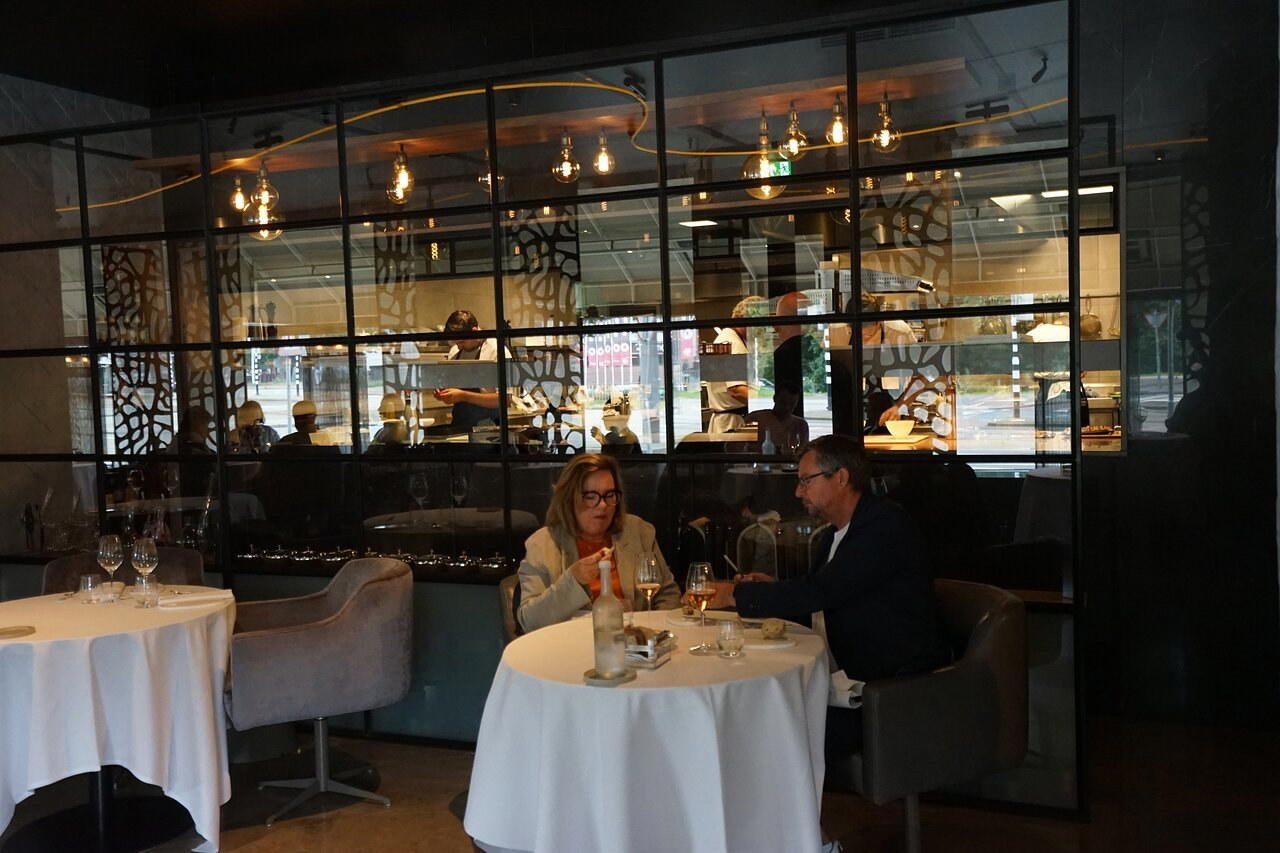
The name and Ginnekenweg address place Oncle Jean squarely in Breda's informal, neighbourhood-oriented French dining tier, distinct from the more structured ambition of addresses like Amí Bistro at the higher price points. The bistro format, when applied with discipline, prioritises convivial atmosphere and moderately priced cooking over tasting-menu ceremony. Expect a room built around regulars rather than occasion dining.
How does Oncle Jean fit into Breda's French dining scene, and is it worth visiting if you're already considering other French addresses in the city?
Breda has developed a notably concentrated cluster of French-influenced restaurants for a Dutch city of 185,000, and Oncle Jean on Ginnekenweg 338 occupies the neighbourhood bistro tier of that cluster rather than competing with more formal or higher-priced French addresses. That distinction matters: a bistro at this level serves a different function, closer to a local canteen than a destination restaurant, which makes it a logical complement to rather than substitute for the city's more ambitious French rooms.
What's the must-try dish at Oncle Jean?
Within the French bistro tradition that the format implies, daily specials and classic preparations tend to reflect what the kitchen does best on any given service.
Budget Reality Check
Comparable venues nearby, for context on price, style, and recognition.
| Venue | Cuisine | Price | Notes |
|---|---|---|---|
| Oncle JeanThis venue — the venue you are viewing | Dutch Grand Café | Not listed | Not listed |
| Sojubar Breda ì주 | Korean Fried Chicken & Soju Bar | $20–30 | Grote Markt, Korean Fried Chicken & Soju Bar |
| Popocatépetl | Authentic Mexican Cantina | $20–30 | City Centre, Authentic Mexican Cantina |
| Siri-Sorn Thai Food | Authentic Thai | $20–30 | city center, Authentic Thai |
| Laziz Restaurant | Authentic Afghan Grill | $30–50 | Ginneken, Authentic Afghan Grill |
| L'Anatra | Traditional Turkish | $20–30 | City, Traditional Turkish |
Details
- Cozy
- Lively
- Casual Hangout
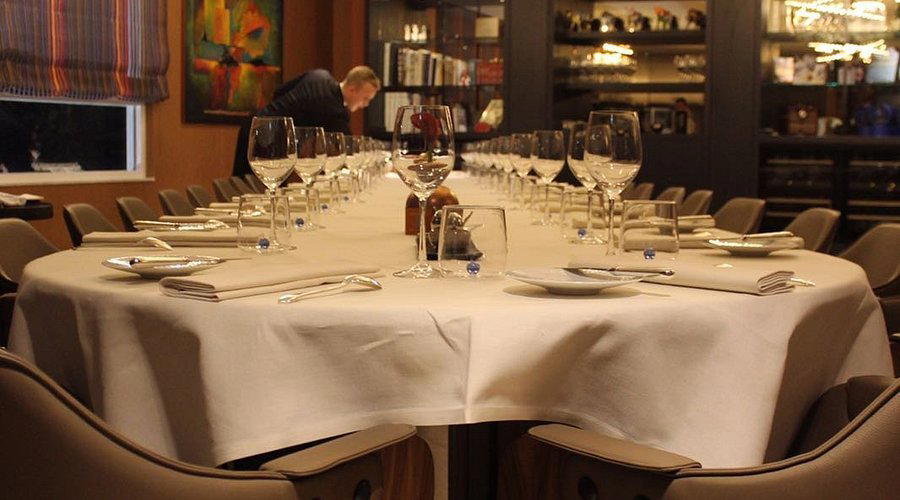
- Group Dining
- Terrace
- Private Dining
- Garden
- A La Carte
Current opening hours
- Monday
- Closed
- Tuesday
- Closed
- Wednesday
- 12 PM–12 AM
- Thursday
- 12 PM–12 AM
- Friday
- 12 PM–12 AM
- Saturday
- 12 PM–12 AM
- Sunday
- 12 PM–12 AM
Hours can change for holidays and private events. Last verified .
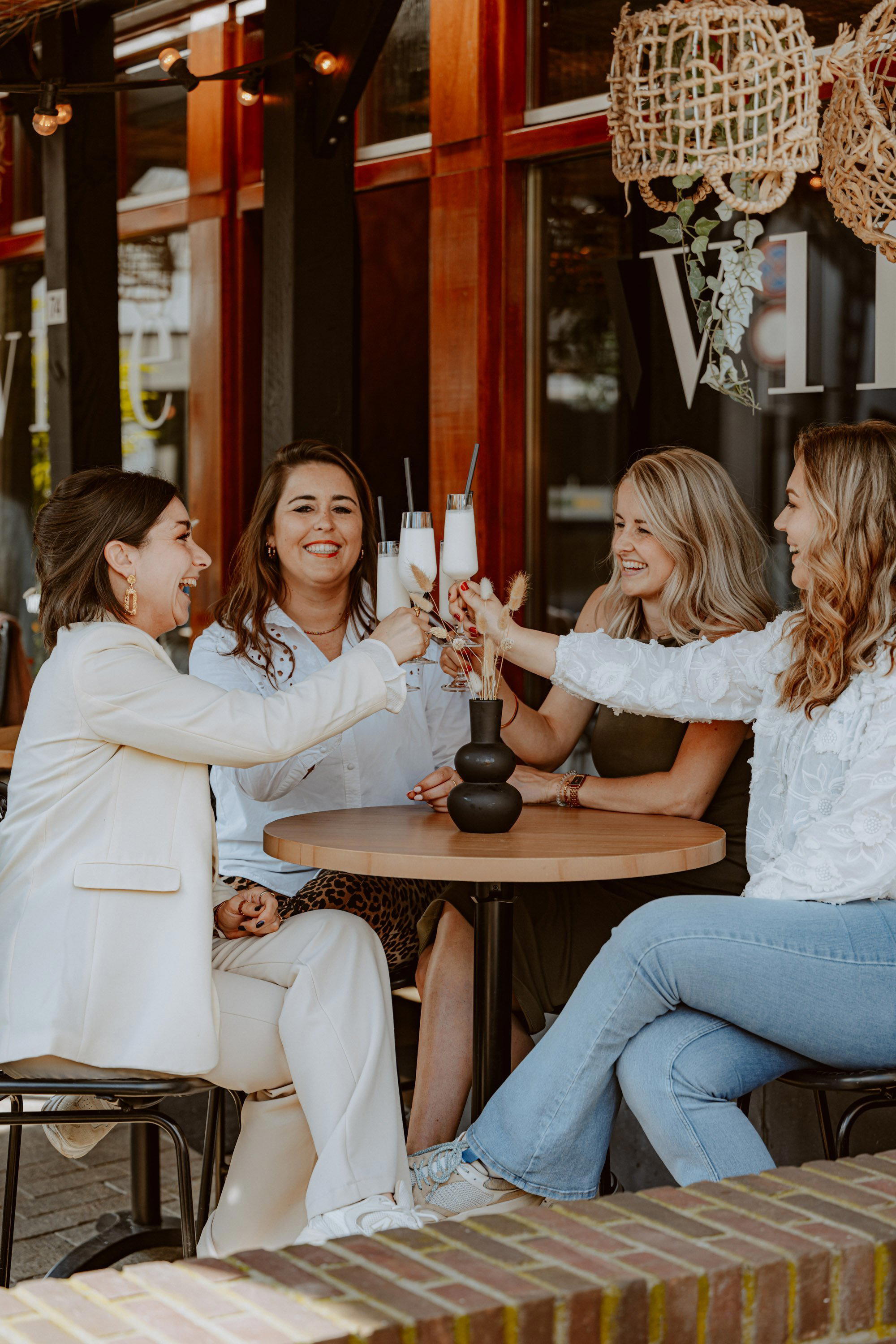
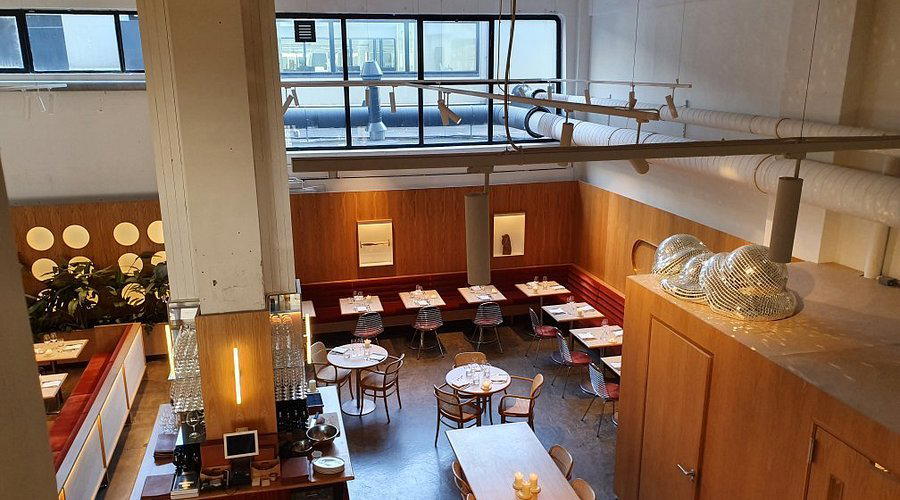
Cozy and informal pub-like atmosphere with a welcoming neighborhood feel.