Popocatépetl
Our verdict
On Schoolstraat in central Breda, Popocatépetl brings a charge of something different to a city whose dining scene is increasingly worth tracking. The name alone signals ambition: volcanic, a little dramatic, not easily forgotten. For a city building a credible restaurant culture beyond Amsterdam's orbit, it represents the kind of address that draws locals back rather than ticking tourist boxes.

Pearl is the En Primeur Club membership app, where members save venues, book tables and use the concierge.
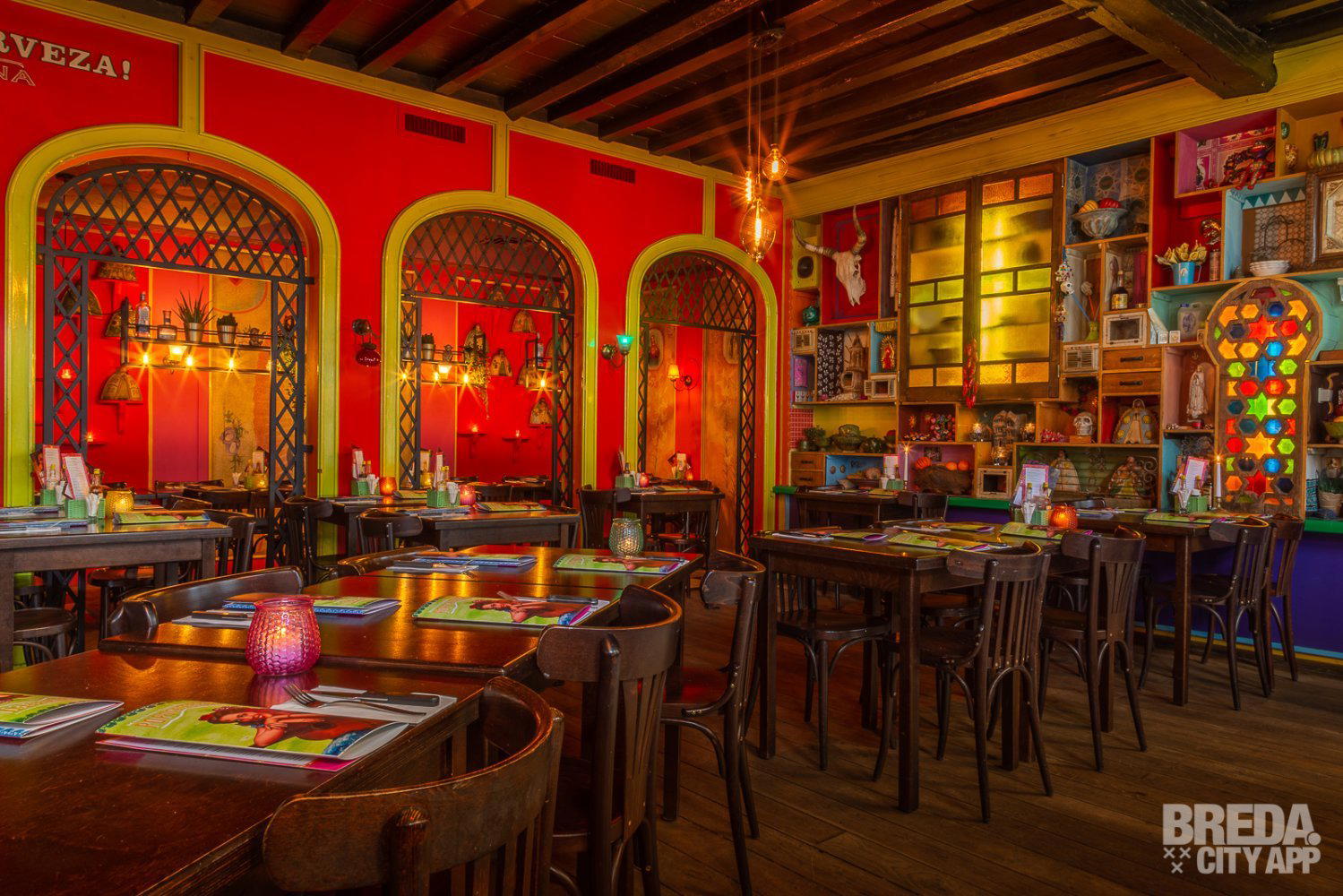
Schoolstraat is one of those Breda streets that doesn't announce itself. The address sits within walking distance of the Grote Kerk and the compact grid of the old centre, where the city's better restaurants have been quietly accumulating over the past decade. Arriving at number 2, the name above the door does the work that a discreet frontage cannot: Popocatépetl carries the weight of the Mexican stratovolcano it borrows from, and that tension between the orderly Dutch streetscape and the borrowed drama of the name sets a tone before you step inside.
Breda's Dining Scene and Where This Fits
Breda has earned a more serious look from Dutch food writers in recent years. The city sits roughly equidistant between Amsterdam and Antwerp, which has historically meant it got overlooked by both. That position is shifting. A cluster of French-leaning addresses has emerged around the centre: Alma Bistro and Amí Bistro occupy the €€€ Modern French tier, while Bleue Bar Bistro operates a step lower in price with a French bistro format. Against that backdrop, Popocatépetl's name alone signals that it is not competing in the same register. Where much of Breda's ambition pulls toward Paris, this address looks somewhere else entirely.
That distinction matters for how you approach a booking here. Breda's French contingent is well-documented; the alternatives are fewer and, for that reason, tend to carry more loyalty from a local crowd that has already worked through the obvious choices. For visitors, our full Breda restaurants guide maps the broader scene, but Popocatépetl occupies a gap that the French addresses leave open.
The Atmosphere: What the Space Tells You
Dutch restaurant interiors in this price bracket often resolve toward the same language: pale wood, considered lighting, a Nordic restraint that signals quality without extravagance. Whether Popocatépetl follows or resists that grammar is part of what makes the address worth reading carefully. The name implies heat and colour and a certain refusal to be quiet about itself. In a city where Blossem and Beers & Barrels each carve out distinct atmospheres, the sensory register of a room does real work in positioning where a restaurant sits in the local hierarchy.
What is consistent across the more talked-about addresses in Breda's centre is that they tend to be compact. Scale is not the point. The experience is concentrated, the room close enough that the sound of other tables becomes part of the texture of an evening rather than a distraction from it. That intimacy, when it works, turns a meal into something with edges and character rather than a smooth, forgettable transaction.
Reading the Name as a Menu Signal
Restaurant names function as a kind of editorial statement, and Popocatépetl's is unusually legible. The volcano in question straddles the Mexican states of Puebla, Morelos, and México and is one of the most active in North America. Borrowing it as a name implies heat, force, and a refusal of the bland. Whether the kitchen delivers on that implied manifesto in the form of chilli-driven sauces, wood fire, or the structural logic of Mexican technique applied to Dutch ingredients is the question a visit is designed to answer.
The Dutch restaurant scene has been gradually absorbing more reference points beyond European tradition. Kitchens in Amsterdam like De Nieuwe Winkel in Nijmegen and the tightly focused tasting formats at Michelin-level houses such as De Librije in Zwolle and Ciel Bleu in Amsterdam represent the high end of Dutch ambition. At the other axis, addresses that absorb non-European culinary logic into a Dutch context represent a different kind of seriousness. Popocatépetl sits closer to that second category, at least in intent.
The Dutch Context for Non-European Cooking
The Netherlands has a longer history than most Western European countries of absorbing non-European ingredients and techniques, partly through colonial trade routes that moved spices, cacao, and chilli into Dutch kitchens centuries before fusion became a marketing term. Mexican cooking in particular shares a deep relationship with cacao and vanilla, both of which passed through Dutch trading hands at various points in their European histories. An address in Breda that takes Mexican reference seriously is therefore operating within a culinary tradition that has more local roots than the exotic name might initially suggest.
This is the kind of context that separates a restaurant with a borrowed name from one that has thought carefully about what the name implies. The Dutch high-end scene has rewarded that seriousness in other regional cities: Brut172 in Reijmerstok, De Bokkedoorns in Overveen, and De Lindehof in Nuenen each demonstrate that Michelin attention is not confined to the Randstad. Breda is large enough and connected enough to support the same trajectory.
Planning a Visit
Schoolstraat 2 is in central Breda, reachable on foot from Breda Centraal station in under fifteen minutes, cutting through the old centre past the Grote Markt. For visitors combining Popocatépetl with a broader evening in the city, the French bistro tier represented by Bleue Bar Bistro offers a lower-key option nearby for those building a longer evening across multiple stops. Autumn and winter evenings, when the Grote Kerk is lit against early dark and the outdoor terraces of the Grote Markt have closed, tend to push diners toward the kind of interior experience that a name like Popocatépetl is built to deliver.
For those making Breda a stop on a broader Dutch restaurant itinerary, the reference set at the higher end includes Aan de Poel in Amstelveen, 't Nonnetje in Harderwijk, and De Groene Lantaarn in Staphorst. Internationally, the structural ambition of a kitchen that takes a non-European tradition seriously and applies it in a European city finds parallels at addresses like Atomix in New York City and, at the precision end, Le Bernardin, though the scale and register are different. What connects them is the idea that a kitchen with a clear point of view, applied with consistency, is the thing that makes a restaurant worth returning to rather than simply worth trying once.
Frequently asked questions
What's Popocatépetl's location?
Popocatépetl is located at Schoolstraat 2, 4811 WB Breda, Netherlands, Breda.
How far is Popocatépetl from Breda Centraal station?
Schoolstraat 2 is reachable on foot from Breda Centraal station in under fifteen minutes, cutting through the old city centre. No taxi or tram is required, which makes Popocatépetl a practical dining option for visitors arriving by train from Amsterdam, Antwerp, or Rotterdam.
What should I eat at Popocatépetl?
The name points toward Mexican culinary tradition, Popocatépetl is the active stratovolcano straddling the states of Puebla and Mexico in central Mexico, a reference that reads as deliberate editorial positioning rather than decoration.
Can I walk in to Popocatépetl?
Restaurants in Breda's more serious dining tier tend to fill midweek tables and run full at weekends, so contacting the venue ahead of time is the practical approach rather than arriving without a reservation.
What's Popocatépetl best at?
The venue's name signals a commitment to Mexican or Mexican-adjacent cooking in a Dutch city where that cooking tradition remains less common than in Amsterdam or Rotterdam. Breda's food scene has drawn sharper attention from Dutch critics in recent years, and Popocatépetl sits within that upward shift in the city's restaurant culture.
Can Popocatépetl handle vegetarian requests?
Mexican culinary tradition includes a substantial range of plant-based preparations, bean dishes, masa-based formats, and vegetable-forward salsas among them, so the cuisine type is broadly compatible with vegetarian eating. Specific menu confirmation is not available for Schoolstraat 2, so contacting the restaurant directly before booking is advisable if dietary requirements are a priority.
Is Popocatépetl worth it?
Breda sits roughly equidistant between Amsterdam and Antwerp, and its restaurant scene has developed genuine momentum with Dutch food writers over recent years. A venue bringing a distinct non-European cooking reference to Schoolstraat 2 in the city centre occupies a relatively clear space in that local context.
Peers You’d Cross-Shop
Comparable venues nearby, for context on price, style, and recognition.
| Venue | Cuisine | Price | Notes |
|---|---|---|---|
| PopocatépetlThis venue (the venue you are viewing) | Authentic Mexican Cantina | $20–30 | Not listed |
| L'Anatra | Traditional Turkish | $20–30 | City |
| Beers & Barrels - Breda | Craft Beer & Burgers | $30–50 | Breda city center |
| Blossem | Modern Fusion Fine Dining | $50–100 | Not listed |
| Sojubar Breda ì주 | Korean Fried Chicken & Soju Bar | $20–30 | Grote Markt |
| Restaurant Zuyd | Modern French Fine Dining | $100–150 | Breda city centre |
Continue exploring
More in Breda
Restaurants in Breda
All restaurants in Breda →
Bars in Breda
All bars in Breda →
Hotels in Breda
All hotels in Breda →
Wineries in Breda
Browse all →
Details
- Lively
- Trendy
- Group Dining
- Casual Hangout
- Open Kitchen
- Craft Cocktails
- A La Carte
- Small Plates
- Cocktails
- Vegetarian Friendly
- Vegan Options
- Gluten Free Options
Current opening hours
- Monday
- 5–10 PM
- Tuesday
- 5–10 PM
- Wednesday
- 5–10 PM
- Thursday
- 5–10 PM
- Friday
- 5–10 PM
- Saturday
- 5–10 PM
- Sunday
- 5–10 PM
Hours can change for holidays and private events. Hours as of .
Lively and colorful atmosphere with enthusiastic service.