
Michelin Plate
Our verdict
In the village of Outer, whose Latin name Oltra the restaurant borrows, a youthful team serves creatively twisted Gallic cooking from a space framed by old church tiles and wrought-iron detail. Front-of-house Iwert pairs wine guidance with the relaxed energy of a room that takes food seriously without taking itself too seriously. Chef Jonathan's market-sourced plates draw on lemongrass, horseradish, and vinegar to push familiar French foundations into unexpected territory.

Pearl is the En Primeur Club membership app — saves, bookings, and concierge access live there. Same editors, same standards.
- Address
- Bovenhoekstraat 10
- Phone
- +32 472 90 67 27
- Hours
- Mon ClosedTue 7–11:30 PMWed 12–4 PM, 7–11:30 PMThu 12–1:30 PM, 7–11:30 PMFri 12–4 PM, 7–11:30 PMSat 7–8 PMSun Closed
- Website
- oltra.be
- Directions
- Get directions
- Booking
- Book on the venue's website
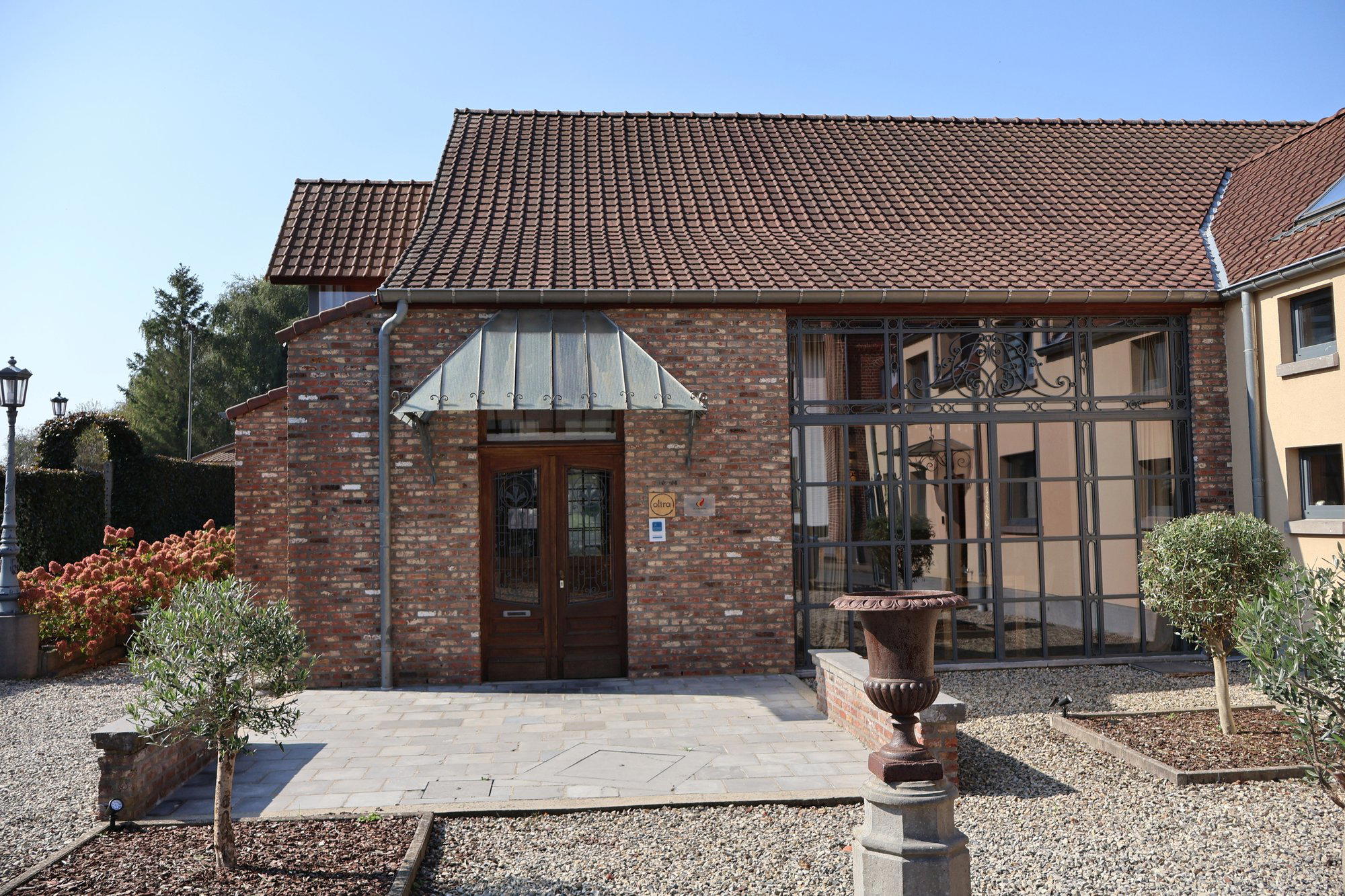
A Village Address with a Latin Root
Outer is not a dining destination most Belgian food travellers would mark on a map unprompted. The village sits in the Flemish Ardennes, a gentle fold of countryside between Ghent and Brussels that draws walkers and cyclists rather than restaurant pilgrims. That geographic modesty is precisely the context in which Oltra operates. The name itself is a statement of place: it lifts from the Latin designation once used for the village, a signal that what happens inside is rooted in the specific, not the generic. For those working through our full Outer restaurants guide, Oltra sits at the sharper end of the local offering.
Stone Floors, Wrought Iron, and a Room That Earns Its Atmosphere
Belgium's rural dining rooms tend toward one of two registers: a studied minimalism that signals ambition, or a heavy traditional aesthetic that prioritises comfort over curiosity. Oltra lands somewhere between those poles. Old stone tiles sourced from a church and wrought-iron details give the space a weight that reads as genuinely historical rather than decorative. The result is a room that feels earned rather than assembled. The casual energy is not a marketing pose. A youthful team keeps the pace loose and the tone conversational, which in a rural Flemish context is something of a deliberate editorial choice about what kind of restaurant this is and who it is for.
Front-of-house, Iwert manages the room with the dual role of host and wine guide. In smaller rural restaurants across Belgium and northern France, this dual-function service model — where the person running the floor also runs wine pairings with real knowledge rather than rote suggestion — tends to be a reliable indicator of a kitchen worth paying attention to. It shifts the experience from transaction to dialogue.
Market-Led French Cooking with a Sharp Edge
The cooking at Oltra draws from the French tradition, but the application is not orthodox. Chef Jonathan's approach to Gallic fare operates through creative reframing rather than reproduction. The baseline ingredients are market-sourced, which in the Flemish Ardennes means seasonal produce drawn from a region with strong agricultural continuity. What distinguishes the cooking is the layering mechanism: acidic and aromatic modifiers, lemongrass, vinegar, horseradish, are used not as novelty additions but as tools to extend and sharpen flavour.
This technique has a clear logic. French classical cooking already relies on acidity as a structural element, from the beurre blanc to the gastrique. What the kitchen here appears to do is push that logic further, deploying ingredients from outside the French pantry to achieve similar ends. Lemongrass brings a citrus-aromatic brightness that functions comparably to a fine chiffonade of lemon zest but with greater complexity. Vinegar, used precisely, can both cut fat and amplify umami. These are not fusion moves in any pejorative sense. They are the tools of a kitchen that understands the principles underneath the tradition rather than just the tradition itself.
A documented example from the kitchen illustrates this well: tomatoes and green olives paired with North Sea shrimp, the umami of the shellfish underscored by the brine of the olives, then a horseradish ice cream introduced for spice and temperature contrast, completed by a tomato and verbena-infused water. The construction shows confidence in combining opposing temperatures and unexpected botanical elements. Verbena's lemon-forward herbal quality ties the aromatic thread together. This is not complicated for its own sake. It is precise cooking that happens to use unusual tools.
North Sea ingredients appear with some regularity, which situates the kitchen's sourcing in a specifically Belgian coastal register. That connection between inland Flemish cooking and North Sea produce is a recognisable feature of the region's broader food culture, you see it at Bartholomeus in Heist and Willem Hiele in Oudenburg at the premium end. Oltra uses it as one strand in a broader sourcing approach rather than as a defining identity.
Where Oltra Sits in the Belgian Dining Picture
Belgium's serious restaurant scene is dense for a small country. The Michelin footprint runs deep into the regions, and the creative French-Flemish tradition has produced restaurants that compete credibly on any European stage. At the formal end, places like Hof van Cleve in Kruishoutem, Boury in Roeselare, and Zilte in Antwerp represent a tier of restaurant that demands advance planning, formal dress codes, and considerable investment. Oltra is a different proposition. The ambience is described explicitly as casual and relaxed, which places it closer in register to a well-executed neighbourhood bistro than to the white-linen tasting-menu circuit, though the kitchen's technical ambition clearly exceeds what that description might imply.
For context on where creative European cooking at this register sits outside Belgium, the French-American tradition at Le Bernardin in New York City and ingredient-forward Southern American cooking at Emeril's in New Orleans both demonstrate how market sourcing and technical precision can coexist with accessible, unstuffy formats. The underlying principle translates across geographies. Closer to home, Castor in Beveren, Cuchara in Lommel, and De Jonkman in Sint-Kruis occupy a broadly similar creative space within Belgium's regional dining circuit, though each with its own distinct sourcing identity and format.
Urban Belgian options like Bozar Restaurant in Brussels and d'Eugénie à Emilie in Baudour or L'Eau Vive in Arbre serve different geographic contexts, but the broader pattern, young teams, market-sourced ingredients, French technique applied with some personal latitude, is a recognisable current running through the Belgian regional dining scene right now.
Planning Your Visit
Oltra is located at Bovenhoekstraat 10 in Outer, a village most easily reached by car from Ghent, roughly 35 kilometres to the northwest, or from Brussels to the southeast. Given the rural setting, driving is the practical approach. The restaurant sits within a part of the Flemish Ardennes that rewards a half-day or full-day trip, and those making the journey might also consider the local accommodation options, bars, wineries, and experiences in the surrounding area. The casual format and relaxed service model suggest that walk-ins may be viable on quieter evenings, but for a weekend meal in a small rural room, a reservation is the sensible approach.
Frequently asked questions
Is Oltra okay with children?
The venue's casual, rustic atmosphere and accessible Gallic cooking style suggest a room that is not formally adult-only. That said, the kitchen operates with precise, ingredient-led combinations, including touches like horseradish ice cream and verbena-spiked water, so families with younger children should expect a food-forward environment rather than a flexible children's menu. Calling ahead to Bovenhoekstraat 10 in Outer would clarify current policy.
How would you describe the vibe at Oltra?
The room runs warm and unpretentious: old stone tiles salvaged from a local church, wrought-iron details, and a front-of-house managed by Iwert, who moves between tables with wine recommendations rather than formality. The energy reads like a confident neighbourhood restaurant that happens to take cooking seriously, not a destination dining room performing its own importance.
What distinctions does Oltra have?
Oltra has received recognition including: Oltra refers to the village of Outer’s former Latin name. You will be greeted by the buzzy, casual ambience of a venue steeped in history, underscored by rustic ornamentation, like old stone tiles from a church and wrought-iron details. In ….
What should I order at Oltra?
Chef Jonathan's menu shifts with market supply, so specific dishes change, but his signature approach involves pairing fresh produce with sharpening agents like lemongrass, vinegar, and horseradish to add tension. A documented example from the kitchen places North Sea shrimp alongside tomatoes, green olives, and horseradish ice cream with a tomato and verbena water, which illustrates the style: classical French structure with acidic, aromatic interruptions.
Comparable Spots, Quickly
Comparable venues nearby, for context on price, style, and recognition.
| Venue | Cuisine | Price | Awards | Notes |
|---|---|---|---|---|
| OltraThis venue — the venue you are viewing | Modern French-Belgian | Not listed | Michelin Plate | Not listed |
| Robuust | Modern French | $50–100 | Michelin Plate | Waregem |
| Restaurant Cloche | Modern French | $50–100 | Michelin Plate | Hofstade-Dorp |
| Restaurant Melt | Modern French-Belgian Fine Dining | Not listed | Michelin Plate | Lochristi |
| Hostellerie De Biek | French-Belgian Bistro | Not listed | Michelin Plate | Moorsel |
| Les Petits Oignons | Classic French Bistro | $50–100 | Michelin Plate | Grand' Place |
Recognition history
Dated appearances from independent guides and award organizations, with the underlying list record or original source where available.
Michelin Plate
Michelin
Continue exploring
More in Outer
Restaurants in Outer
Browse all →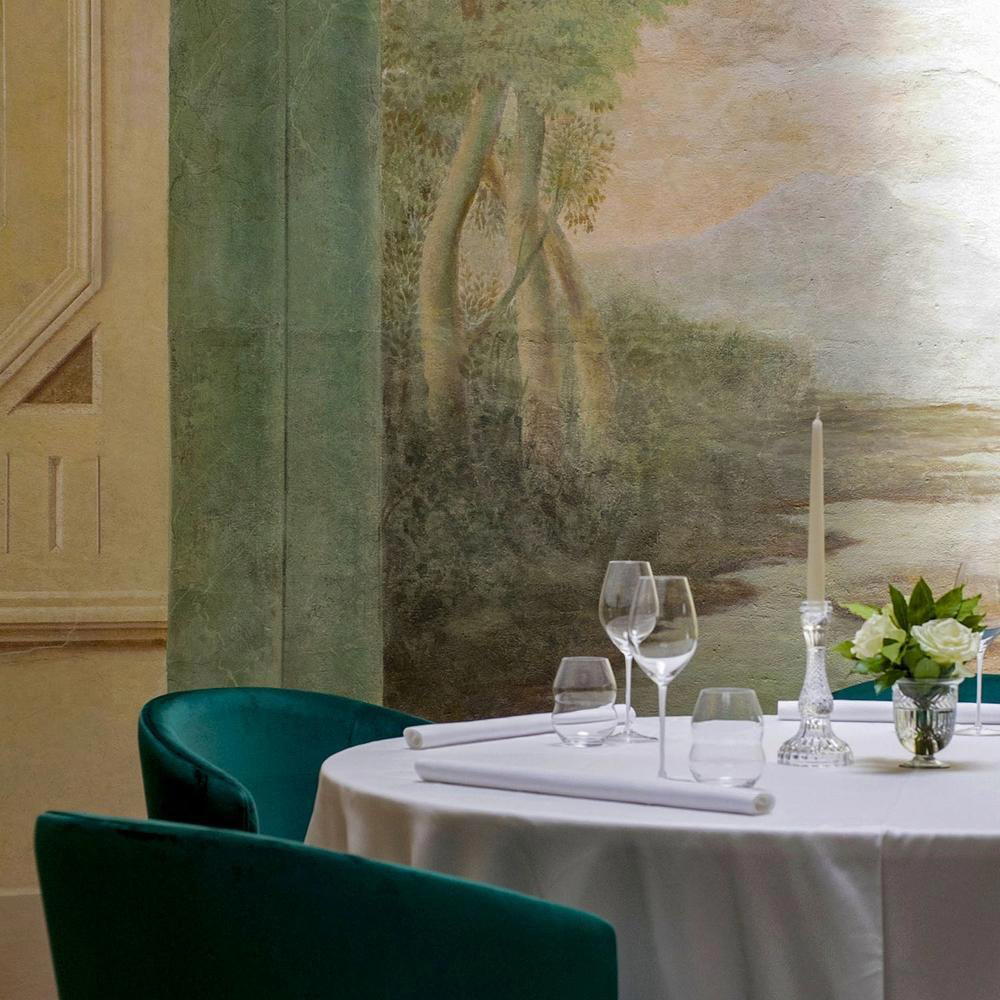
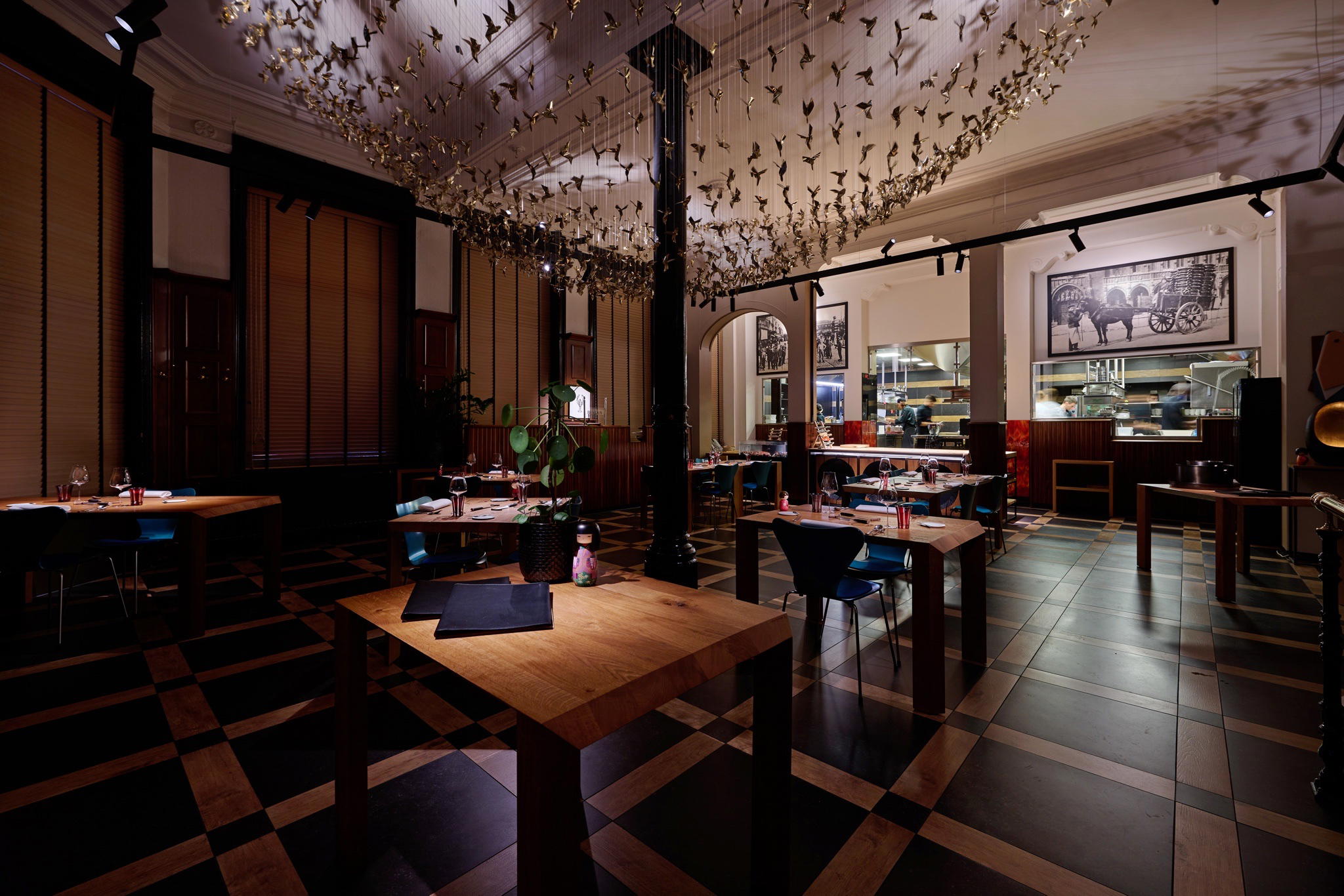
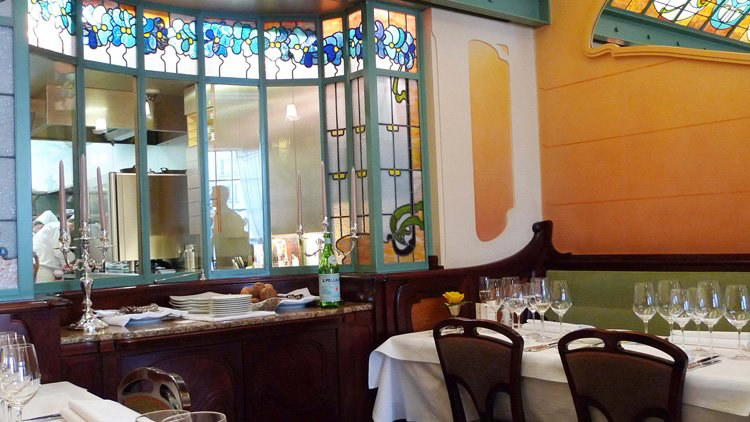
Bars in Outer
Browse all →
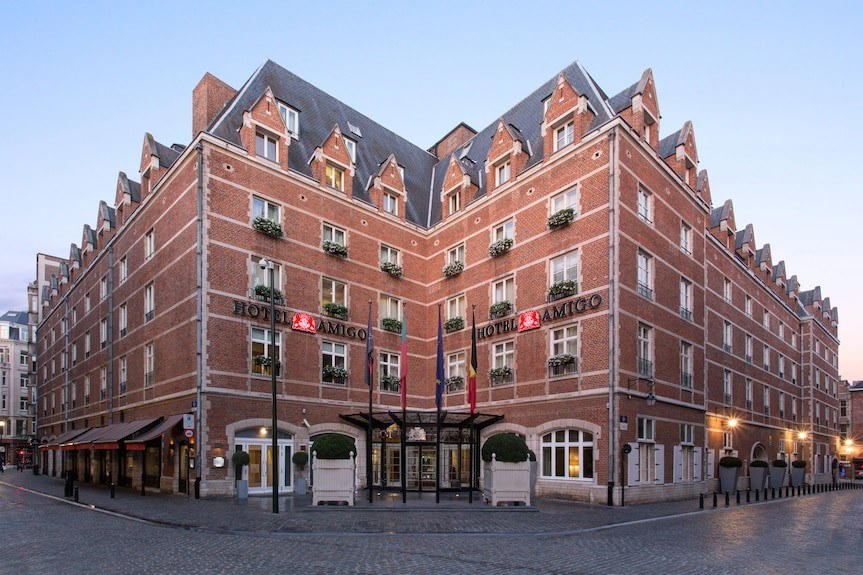
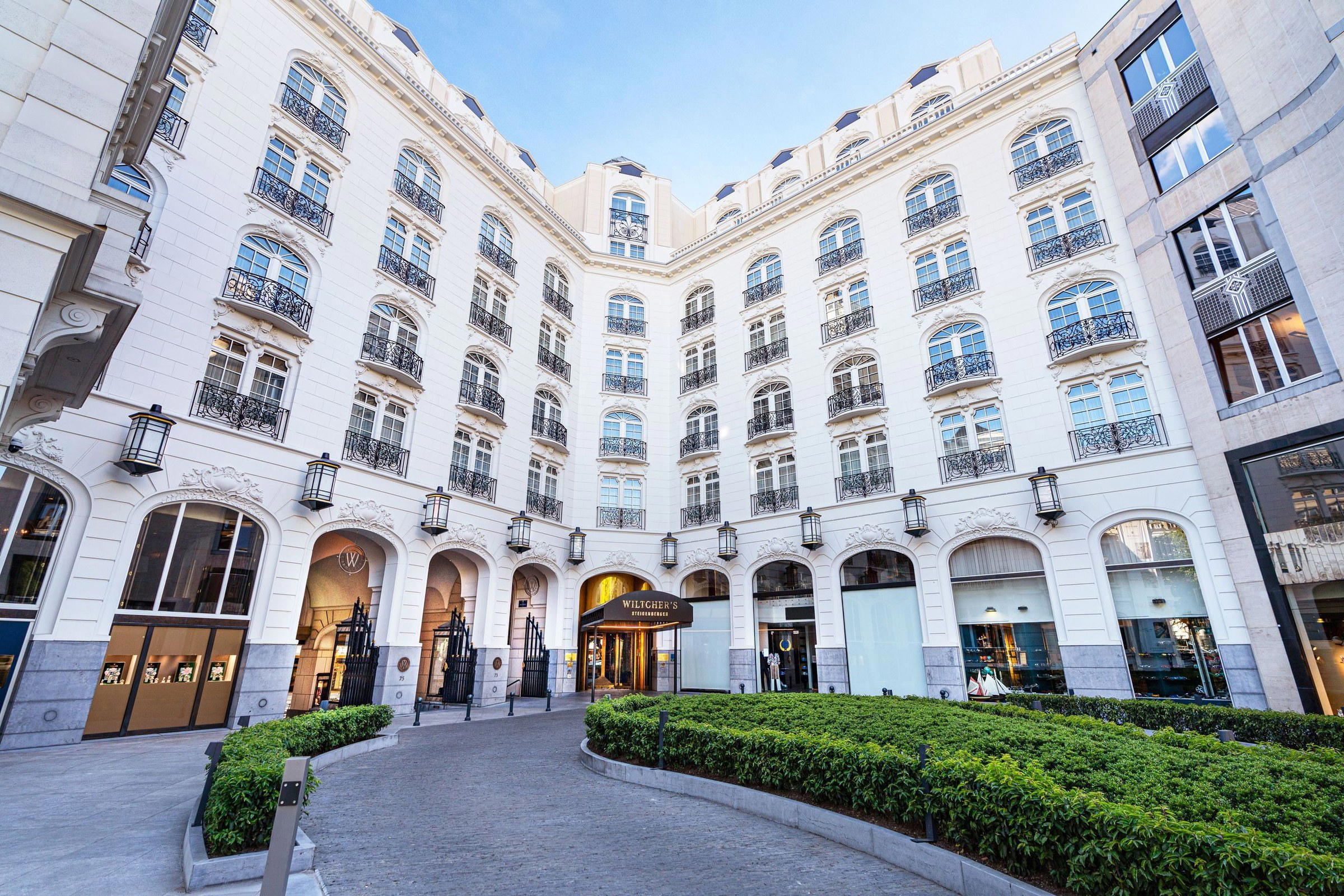
Hotels in Outer
Browse all →
Wineries in Outer
Browse all →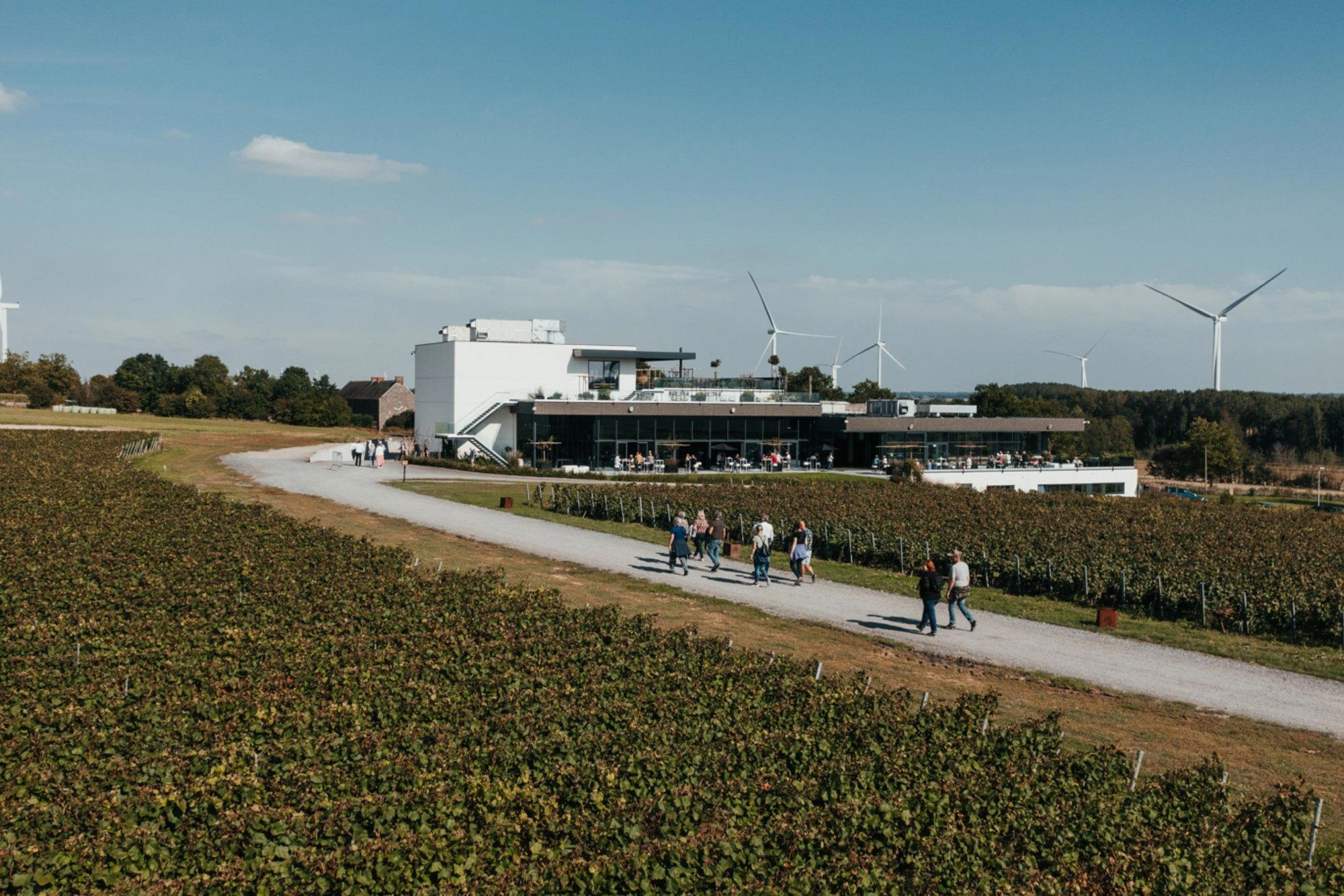
Details
- Rustic
- Cozy
- Elegant
- Date Night
- Special Occasion
- Open Kitchen
- Sommelier Led
- A La Carte
Current opening hours
- Monday
- Closed
- Tuesday
- 7–11:30 PM
- Wednesday
- 12–4 PM, 7–11:30 PM
- Thursday
- 12–1:30 PM, 7–11:30 PM
- Friday
- 12–4 PM, 7–11:30 PM
- Saturday
- 7–8 PM
- Sunday
- Closed
Hours can change for holidays and private events. Last verified .
Buzzy casual ambience steeped in history with rustic ornamentation like old stone tiles and wrought-iron details.