Olivia te Cuida occupies a quiet address on Calle de Santa Teresa in Madrid's Centro district, operating within a city where health-conscious and vegetable-forward dining has shifted from fringe interest to a legitimate culinary category. The restaurant's name, roughly 'Olivia takes care of you', signals an approach that Madrid's more attentive diners have tracked closely as it has evolved over time.
Pearl is the En Primeur Club membership app — saves, bookings, and concierge access live there. Same editors, same standards.
- Address
- Calle de Sta. Teresa, 8, Centro, 28004 Madrid, Spain
- Phone
- +34 917 02 00 66
- Website
- oliviatecuida.net
- Directions
- Get directions
 Saves & bookings on Pearl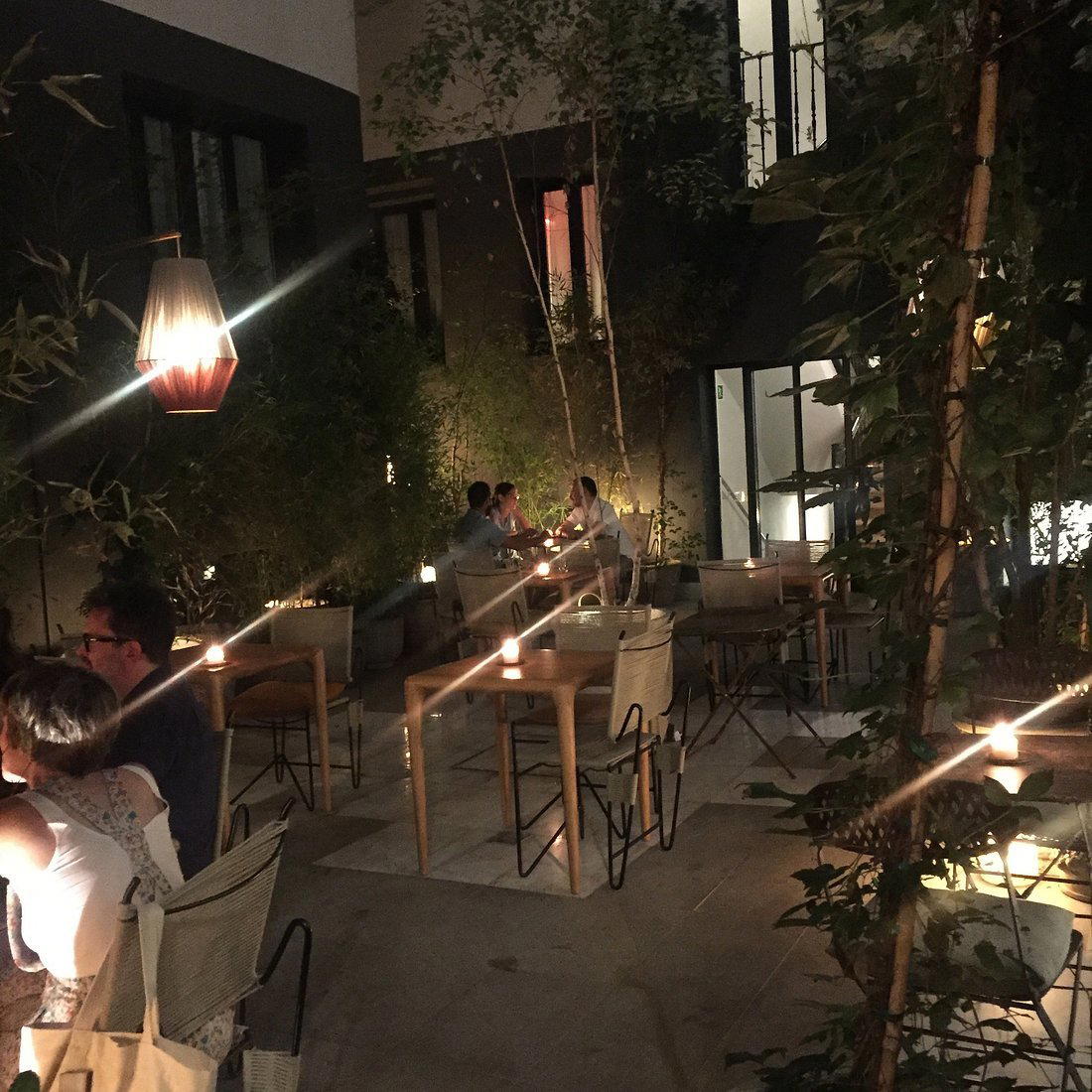
A Different Register in Madrid's Dining Scene
Madrid's restaurant conversation tends to orbit a familiar set of reference points: the theatrical ambition of DiverXO, the classical Spanish architecture of Coque, the modern precision of Deessa. These are venues where technique and spectacle are the central transaction. Olivia te Cuida operates on a different axis entirely. On Calle de Santa Teresa in the Centro district, a street quiet enough to feel removed from the city's main dining corridors, the premise is care rather than performance. That distinction has become more meaningful, not less, as Madrid has matured into one of Europe's more complex restaurant cities.
The name itself frames the offer plainly. 'Olivia takes care of you' is a positioning statement that would have read as niche a decade ago but now sits inside a broader movement that has reshaped how Spanish cities approach the table. The shift is worth understanding: Madrid's health-conscious and vegetable-forward dining category moved from marginal to mainstream over roughly the same period that the city's fine dining tier was consolidating around increasingly expensive tasting menus. Olivia te Cuida found its footing in the space between those two poles.
The Evolution of Care-Focused Dining in Madrid
To understand where Olivia te Cuida sits now, it helps to trace the arc that brought this kind of restaurant into focus. Spanish cuisine's international reputation was built on the Basque and Catalan avant-garde, the laboratories of places like Mugaritz and El Celler de Can Roca, the coastal precision of Quique Dacosta, the marine obsessions of Aponiente. Madrid's own creative tier, represented by figures connected to venues like Paco Roncero and DSTAgE, followed that technical current. What was slower to develop was the parallel conversation: what happens when a restaurant's primary commitment is to the diner's wellbeing rather than the chef's innovation agenda?
That question has been answered differently across Europe. In cities like London and Amsterdam, the answer came through a wave of plant-forward restaurants that positioned themselves explicitly against the dominant fine-dining grammar. In Madrid, the shift was subtler, less ideological rupture, more incremental reorientation. Olivia te Cuida emerged in this quieter current, on a street address that requires intention to find, in a city where frequently discussed restaurants occupy grander, more prominent real estate.
The reinvention that the editorial angle of 'evolution' implies is not always a dramatic pivot. Sometimes it is a restaurant that begins with a clear idea and refines rather than redirects it, becoming more itself over successive iterations. The 'te cuida' framing, with its emphasis on nourishment and attentiveness, functions as a kind of promise that gets tested each time the kitchen's direction shifts or the menu cycles through seasonal material. How that promise holds across time is what gives a place like this its particular reputation among regulars.
Where It Sits Relative to Its Peers
Madrid's mid-to-upper dining tier has fragmented considerably in recent years. The ceiling remains the multi-Michelin bracket occupied by DiverXO and the more formally structured tasting menu houses. Below that, a broader category of serious restaurants competes for the attention of diners who want considered cooking without the full apparatus of a three-hour progression. The restaurant operates in this middle register, where the quality of ingredients, the coherence of a kitchen's identity, and the consistency of service matter as much as technical fireworks.
The comparison set worth considering here is not the Spanish avant-garde but rather the growing number of restaurants across Spain that have made produce sourcing and nutritional thinking central to their identity without collapsing into wellness-industry clichés. Ricard Camarena in València represents one version of this, a chef whose commitment to seasonal vegetable work sits inside a broader creative framework. Cocina Hermanos Torres in Barcelona occupies another node: technically ambitious but with a consistent commitment to product quality over spectacle. The restaurant draws from the same cultural current, though its expression is specific to a Madrid address and a Centro neighbourhood context.
Internationally, the care-focused restaurant model has proven durable at the highest tier, Le Bernardin in New York City has long framed its fish cooking around restraint and respect for the ingredient, and Lazy Bear in San Francisco built its communal format around hospitality as the primary product. The lesson from those reference points is that 'care' as a concept only holds if the execution is consistent across many visits. That is the standard against which the restaurant is implicitly measured by the Madrid diners who return to it.
Visiting: What to Know Before You Go
Calle de Santa Teresa 8 is in the Centro district, close enough to Chueca and Alonso Martínez to attract a mixed clientele but not positioned on a main thoroughfare. The address rewards those who plan ahead rather than those who drift in from a nearby terrace. The practical advice is to reserve in advance and confirm timing before visiting, particularly for weekend evenings when Madrid's dining rooms fill early by European standards. The neighbourhood is walkable from several metro stops and sits within easy reach of the broader concentration of considered restaurants that make Centro worth a dedicated evening. For a fuller picture of where the restaurant sits within the city's dining options, including venues like Azurmendi, Martin Berasategui, and Atrio in Cáceres for those building a broader Spanish itinerary.
Questions Worth Asking
- What do regulars order at the restaurant?
- The restaurant's name points to its consistent strength: dishes built around nourishment rather than novelty. Regulars at care-focused restaurants in this category tend to gravitate toward vegetable-forward plates and seasonal compositions that reflect the kitchen's sourcing priorities. Current menu specifics change with seasonal availability.
- Do they take walk-ins at the restaurant?
- Walk-in availability at Madrid restaurants in this category varies significantly by day and season. Centro addresses like this one can fill quickly on Friday and Saturday evenings. The safer approach is to reserve in advance and confirm the policy directly with the restaurant.
- What is the restaurant leading at?
- The kitchen's identity is built around the 'te cuida' premise: cooking that treats the diner's wellbeing as the primary objective rather than a secondary consideration. Within Madrid's restaurant field, that positions it differently from the technically ambitious tasting-menu houses and closer to a category of restaurants where produce quality, nutritional coherence, and consistent hospitality carry more weight than individual showpiece dishes.
- Do they accommodate allergies at the restaurant?
- For specific dietary requirements and allergy information, confirm before your visit. Madrid's more attentive mid-tier restaurants generally handle dietary requests with care, but confirming in advance is always advisable, particularly for serious allergies. The restaurant's address is Calle de Santa Teresa 8, Centro, 28004 Madrid.
- How does the restaurant compare to Madrid's broader health-conscious dining category?
- Madrid's vegetable-forward and wellness-oriented restaurant category has expanded considerably over the past several years, but most entrants occupy either a fast-casual tier or the more expensive creative-tasting-menu bracket. The restaurant's Centro address and 'care' positioning place it in a specific middle ground that is less crowded than either extreme, a restaurant where the commitment to the diner's wellbeing is the central editorial proposition rather than a marketing add-on to a conventional menu.
Where the Accolades Land
Comparable venues nearby, for context on price, style, and recognition.
| Venue | Cuisine | Price | Notes |
|---|---|---|---|
| Olivia te CuidaThis venue — the venue you are viewing | Healthy Organic Mediterranean | $$ | Not listed |
| Vinateros 28 | Contemporary Mediterranean Spanish | $$ | Media Legua |
| Desengaño13 | Mediterranean Fusion Tapas | $$ | Malasana |
| Bar Tomate | Mediterranean with Spanish Influences | $$ | Almagro |
| Restaurante Tras Os Montes | Traditional Portuguese | $$$ | Mirasierra |
| NuBel | Modern Mediterranean | $$$ | Lavapies |



At a Glance
- Cozy
- Modern
- Bohemian
- Brunch
- Casual Hangout
- Standalone
- Organic
- Local Sourcing
Current opening hours
- Monday
- Closed
- Tuesday
- 10 AM–1 AM
- Wednesday
- 10 AM–1 AM
- Thursday
- 10 AM–1 AM
- Friday
- 10 AM–1 AM
- Saturday
- 10 AM–1 AM
- Sunday
- 10 AM–1 AM
Hours can change for holidays and private events. Last verified .
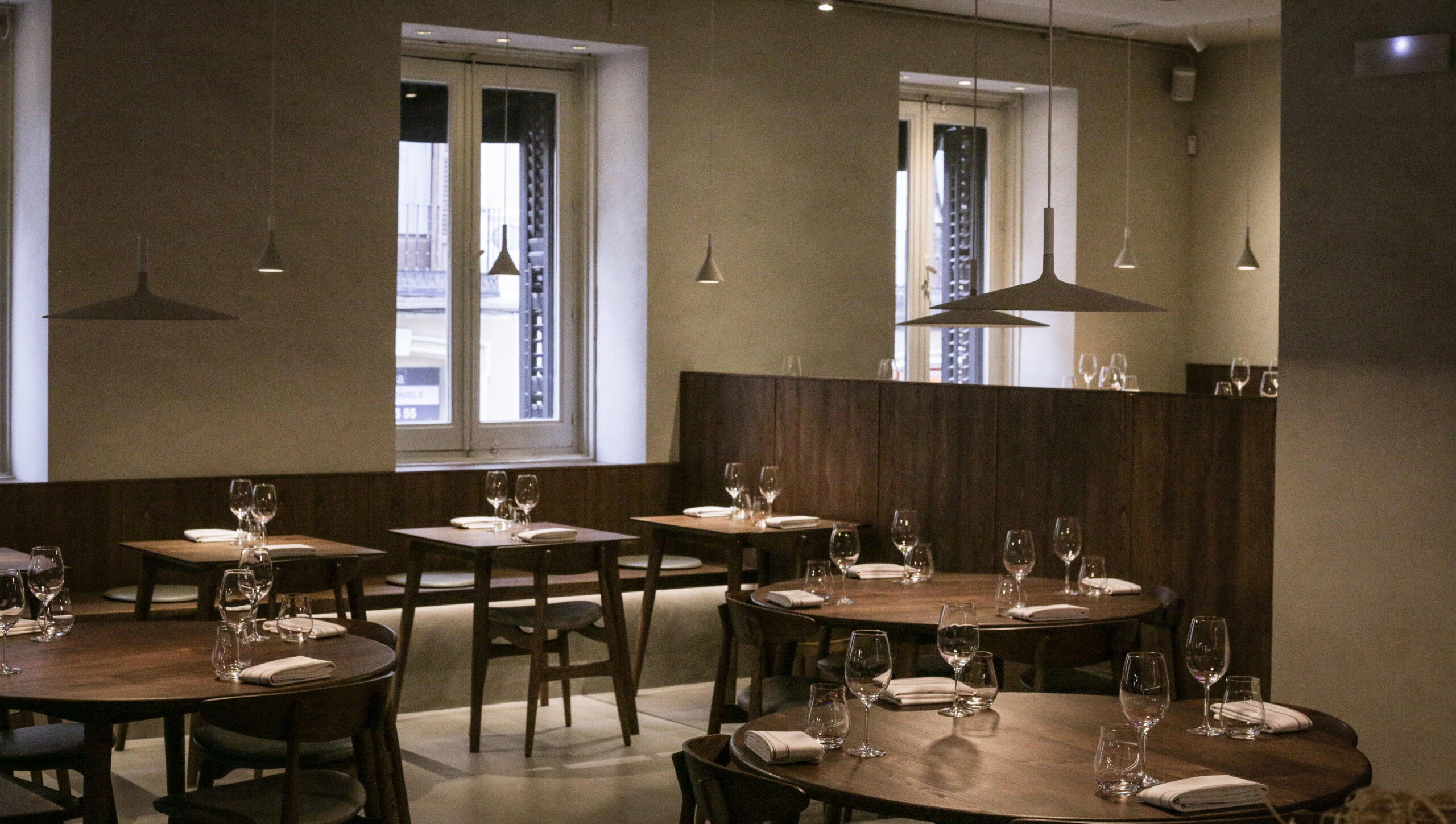
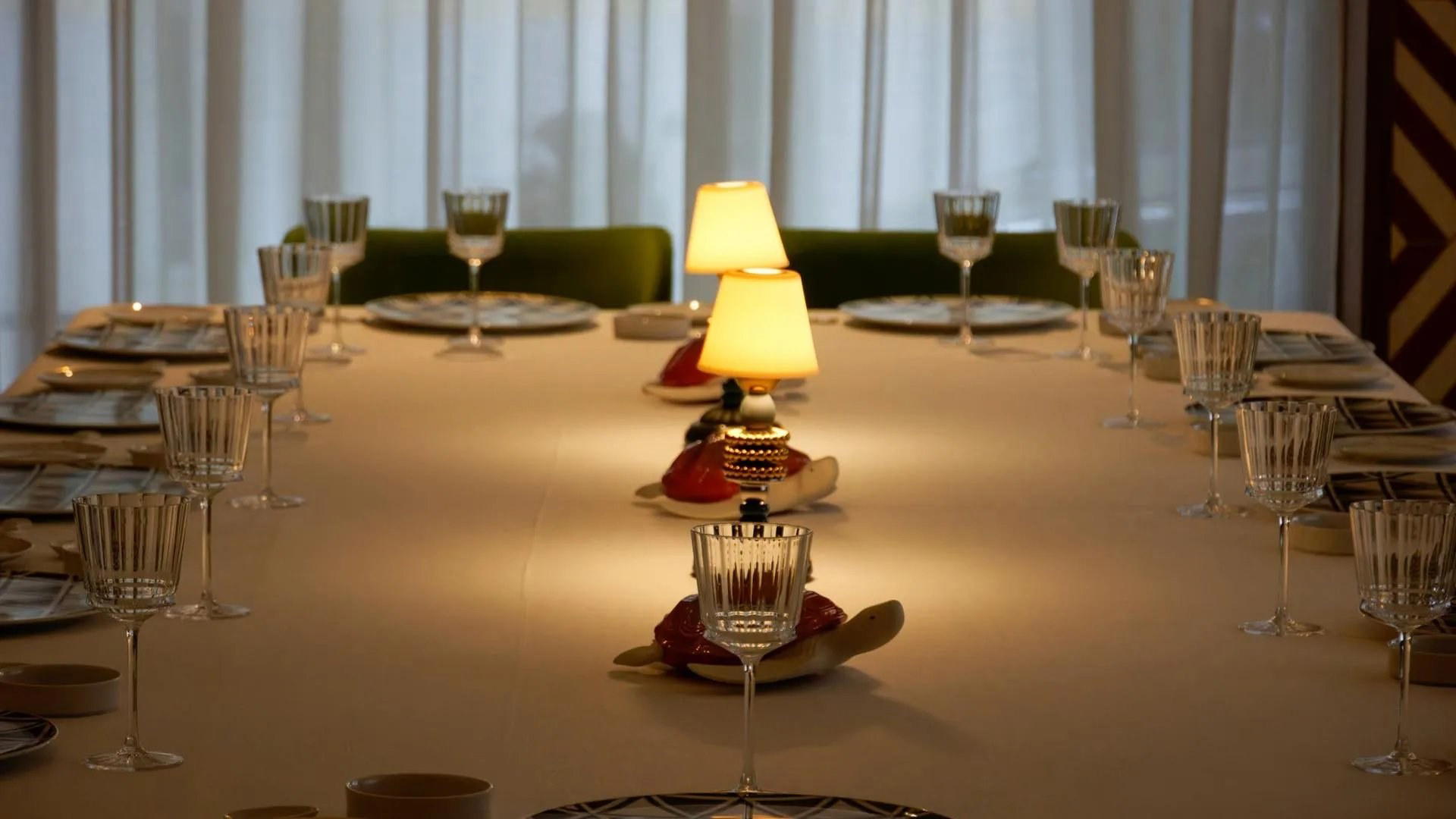
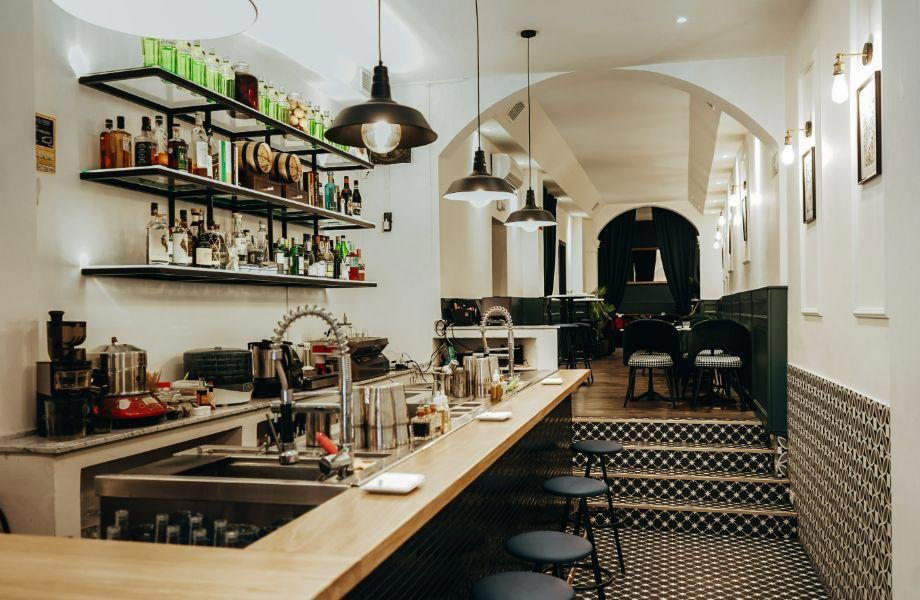
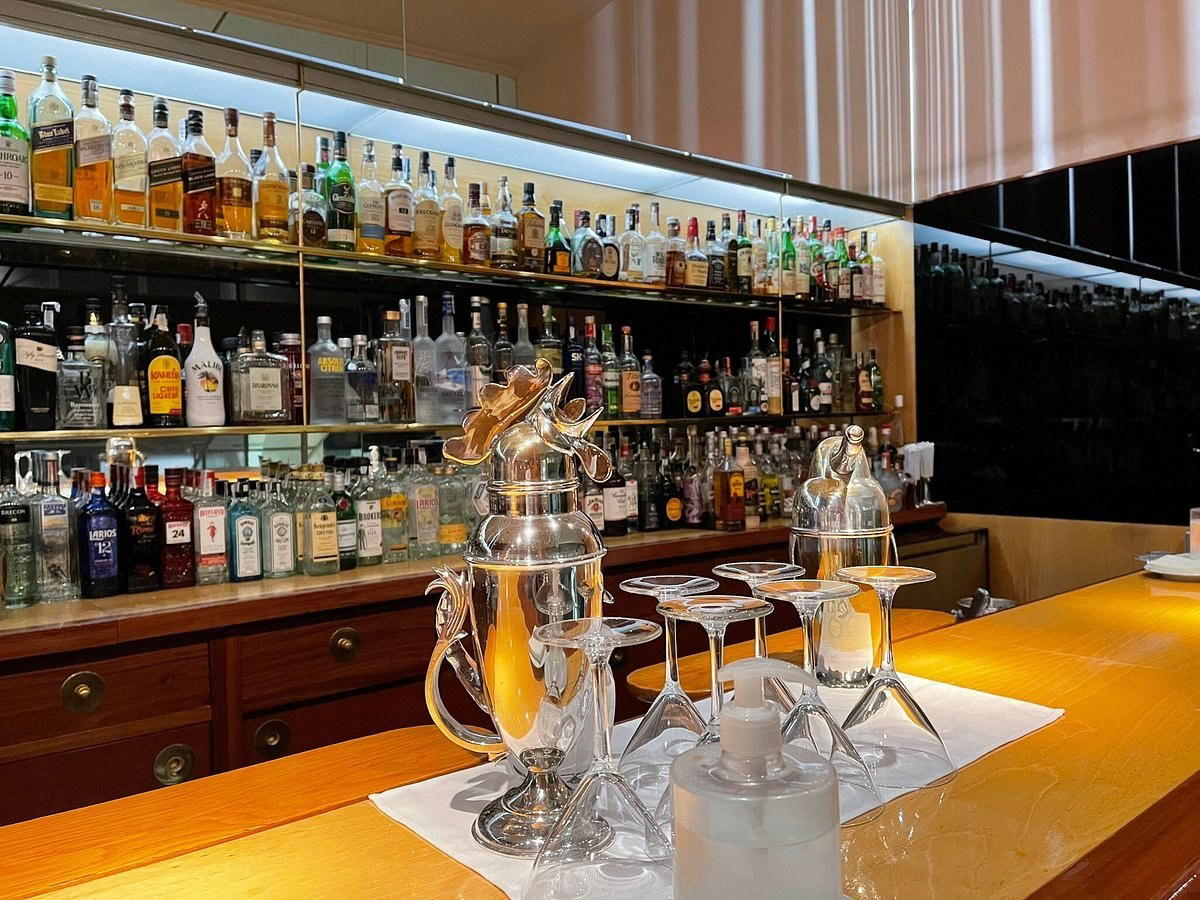
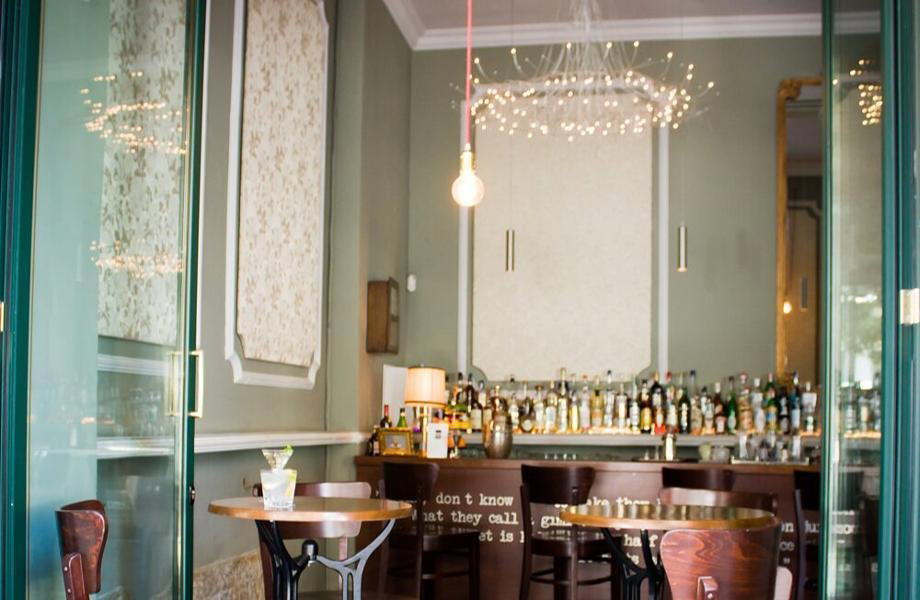
Tranquil and cozy with vintage decor, communal tables, natural light, and a homey living-room vibe.