Okonomiyaki SETO

Tabelog 100 #78
Our verdict
Okonomiyaki SETO gives Higashihiroshima a serious Hiroshima-style okonomiyaki address without shifting into luxury dining. Its Tabelog 100 Okonomiyaki selections in 2018, 2024, and 2025 place it in a national conversation built around griddle craft, cabbage, noodles, and sauce rather than tasting-menu ceremony.

Pearl is the En Primeur Club membership app — saves, bookings, and concierge access live there. Same editors, same standards.
- Address
- 5049-5 Saijocho Misonou, Higashihiroshima, Hiroshima 739-0024, Japan
- Phone
- +81 82-421-5199
- Hours
- Mon ClosedTue–Sun 11:30 AM–2 PM, 5:30–8 PM
- Website
- tabelog.com
- Directions
- Get directions
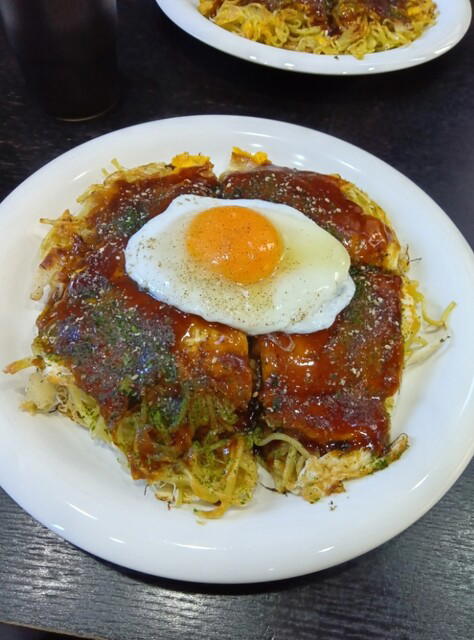
The menu
What to order
- Tomato & cheese okonomiyaki
- Hiroshima-style okonomiyaki
The room reads as an okonomiyaki shop before the first order is placed: close attention to the griddle, a compact rhythm, and a restaurant built around heat, timing, and turnover. In Higashihiroshima, okonomiyaki is not a novelty dish or a casual substitute for dinner. It is a familiar local meal, shaped by batter, vegetables, sauce, and the cook’s control of heat and timing.
That context matters in Higashihiroshima, a city whose local food conversation often runs quieter than larger urban dining scenes, but where the same expectation applies: okonomiyaki has to deliver substance, speed, and a sense of place without asking the room to become theatrical. Okonomiyaki SETO fits that smaller-city version of the form, where the craft is measured at the griddle rather than through ceremony.
Okonomiyaki treated as a produce-and-heat problem
The ingredient story in okonomiyaki is less about luxury sourcing than about proportion. Vegetables give structure, the base brings weight, and the griddle decides whether the result eats cleanly or collapses into softness. In this tradition, the cook is not merely assembling a pancake. The work is in managing moisture, setting the batter, and finishing the dish so it lands as a complete plate rather than a pile of parts.
That is why specialist okonomiyaki shops can reward scrutiny in the same way other focused counters do. The ingredients are familiar, the price tier is accessible, and the margin for error is narrow. A heavy hand can turn the dish wet. Too little heat leaves it slack. Too much sauce can flatten the balance. The appeal here is not rarity; it is repetition refined into local competence.
Selection for Tabelog 100 Okonomiyaki in 2025 gives the restaurant a useful external signal, alongside a listed Tabelog score of 3.52. This is not the same kind of recognition as a Michelin tasting-menu award, and it should not be read that way. It places the shop inside a national list focused on a single everyday category, which is precisely the point. Okonomiyaki culture is strongest when specialists compete on execution, value, and regional loyalty rather than on imported markers of fine dining.
Higashihiroshima’s dining map benefits from that kind of specialist address. Travellers comparing the city’s casual restaurant tier can place this alongside Ajito, another local option, while using Our full Higashihiroshima restaurants guide for the wider read on where to eat. The choice is less about chasing status than deciding which version of local appetite fits the day: griddle cooking, izakaya pacing, noodle shops, or other casual meals.
A small-room format that suits solo diners and repeat locals
The format is part of the editorial argument. Okonomiyaki changes when the griddle is central to the experience: the meal becomes a sequence of practical decisions rather than a plated reveal from a distant kitchen. A focused setting gives the room another register, better suited to diners who want the category itself to lead, but the core appeal remains the same. This is a specialist shop, not a dining room trying to stretch a simple dish into a performance.
For visitors, the useful comparison is not with luxury Japanese restaurants, but with other single-category specialists across the country. A curry shop, a hamburger counter, or another narrowly focused dining room can carry the same logic: tight category, clear menu expectations, and regulars who know exactly what the room is for. Readers building a broader Japan eating itinerary can use that category-led lens here without turning the meal into a search for broad-menu ambition.
Its place in the Higashihiroshima dining circuit also matters. Higashihiroshima brings a mix of local and visitor traffic, but remains a city where destination restaurants have to serve residents first. That usually keeps the mood grounded. Recognition may bring attention from outside the area, yet the operating logic is local: a defined category, a practical price band, and a dish whose quality depends on the raw materials and the griddle hand in front of the diner.
How to fold it into a Higashihiroshima trip
Higashihiroshima works well when food planning is kept close to local texture. The city has its own identity, but meals around it should not all be formal or occasion-led. A griddle lunch or early dinner adds a different register: flour, vegetables, sauce, and the everyday side of okonomiyaki culture. For travellers staying overnight, Our full Higashihiroshima hotels guide is the practical companion; for drinking, use Our full Higashihiroshima bars guide, Our full Higashihiroshima wineries guide, and Our full Higashihiroshima experiences guide to round out the day without forcing every stop into the same category.
Across Japan, casual specialist restaurants often reveal more about local eating habits than grander rooms do. That broader pattern connects places with very different formats: small counters, griddle shops, noodle specialists, and other focused rooms where one category does most of the work. The same category-first lens can be useful outside Japan as well, because a narrow focus gives diners a clearer read on intent.
The verdict is simple: this is the kind of Higashihiroshima address that rewards diners who treat okonomiyaki as regional craft, not a snack between sightseeing stops. The evidence is in the format, the 2025 category recognition, the accessible listed budget of JPY 1,000 - JPY 1,999 for lunch and dinner, and the way the room keeps attention on the griddle. For Higashihiroshima, that is the right scale.
Frequently asked questions
Is Okonomiyaki SETO a family-friendly restaurant?
It suits straightforward casual meals in Higashihiroshima. The listed lunch and dinner budget of JPY 1,000 - JPY 1,999 keeps it accessible, and the focus is on okonomiyaki rather than a formal dining format.
What's the vibe at Okonomiyaki SETO?
The mood is compact, local, and focused on the griddle. It is best understood as a specialist okonomiyaki shop in Higashihiroshima, with the experience shaped by a clear category rather than by luxury-service cues.
What does dinner at Okonomiyaki SETO typically cost?
Pricing at Okonomiyaki SETO is listed as JPY 1,000 - JPY 1,999.
What is Okonomiyaki SETO known for?
Okonomiyaki SETO is known for okonomiyaki in Higashihiroshima and was selected for Tabelog 100 Okonomiyaki in 2025, with a listed score of 3.52.
Comparison Snapshot
Comparable venues by cuisine and price in the same metro.
| Venue | Cuisine | Price | Awards | Notes |
|---|---|---|---|---|
| Okonomiyaki SETOThis venue — the venue you are viewing | Hiroshima-style okonomiyaki | $10–20 | Tabelog 100 #78 | Not listed |
| Ajito | Hiroshima Okonomiyaki | $10–20 | Tabelog 100 #92 | Saijo |
| 北のうまいもん碧水 | 北海道ローカルフード | Not listed | Not listed | 支笏湖温泉 |
| Ginza Kagari (銀座 篝) | Chicken Paitan Ramen | $10–20 | Not listed | Ginza |
| Hana Goori Kakigori | Japanese Kakigori (Shaved Ice) | $20–30 | Not listed | Roppongi |
| Mamiyado | Japanese Seafood Ramen | $10–20 | Not listed | Cape Soya |
Recognition history
Dated appearances from independent guides and award organizations, with the underlying list record or original source where available.
Tabelog 100 #78 · No. 78
Tabelog · Tabelog 100 - Okonomiyaki - 2025
Continue exploring
More in Higashihiroshima
Restaurants in Higashihiroshima
Browse all →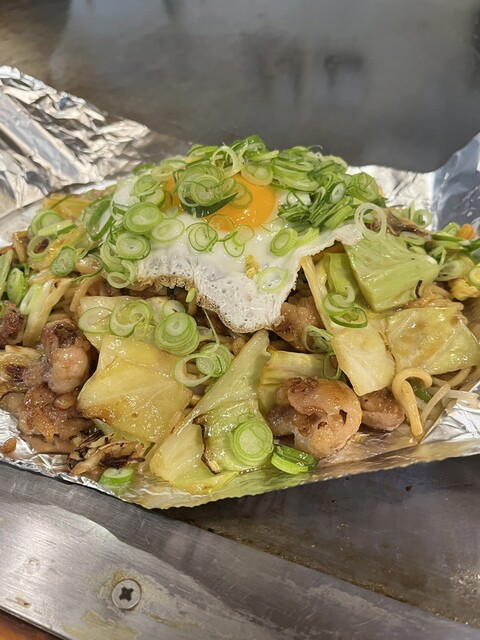
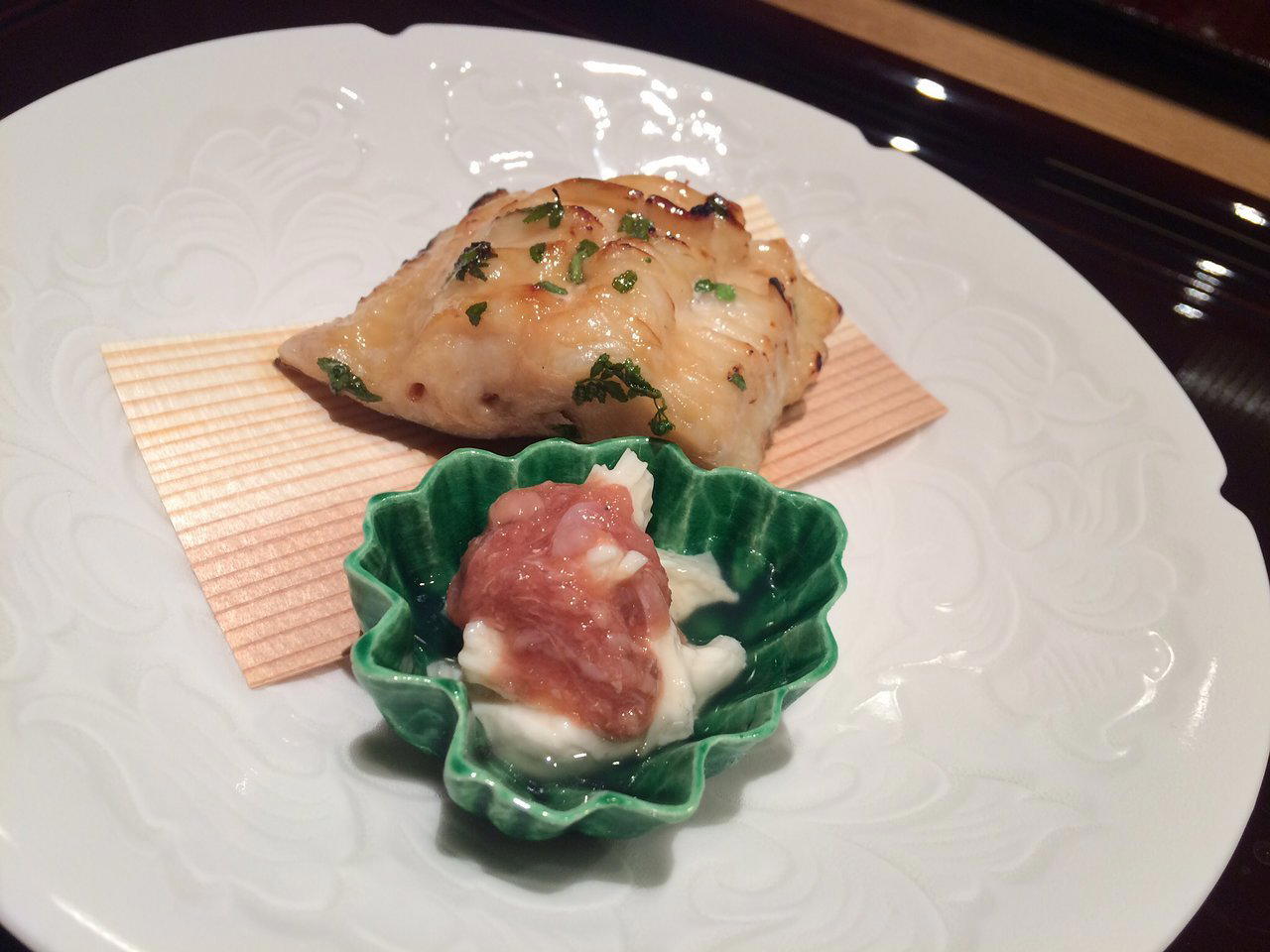
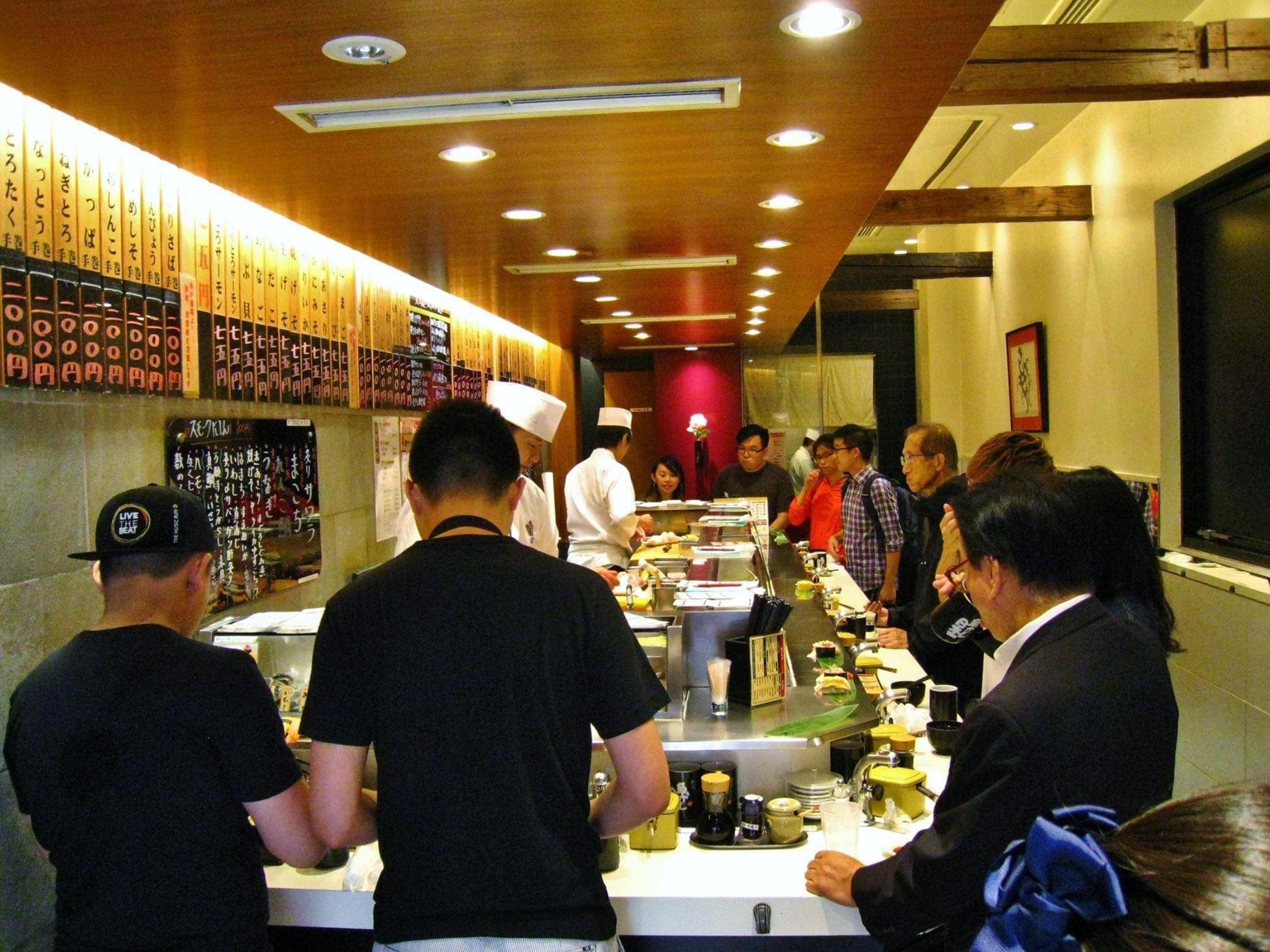
Bars in Higashihiroshima
Browse all →
Details
- Cozy
- Classic
- Solo
- Casual Hangout
- Group Dining
- After Work
- Standalone
- A La Carte
- Counter Dining
Current opening hours
- Monday
- Closed
- Tuesday
- 11:30 AM–2 PM, 5:30–8 PM
- Wednesday
- 11:30 AM–2 PM, 5:30–8 PM
- Thursday
- 11:30 AM–2 PM, 5:30–8 PM
- Friday
- 11:30 AM–2 PM, 5:30–8 PM
- Saturday
- 11:30 AM–2 PM, 5:30–8 PM
- Sunday
- 11:30 AM–2 PM, 5:30–8 PM
Hours can change for holidays and private events. Last verified .
Cozy, down-to-earth neighborhood spot with just 17 seats split between counter and tatami, non-smoking, and a relaxed atmosphere suited to solo diners or small groups.