Odyssey Italian Restaurant
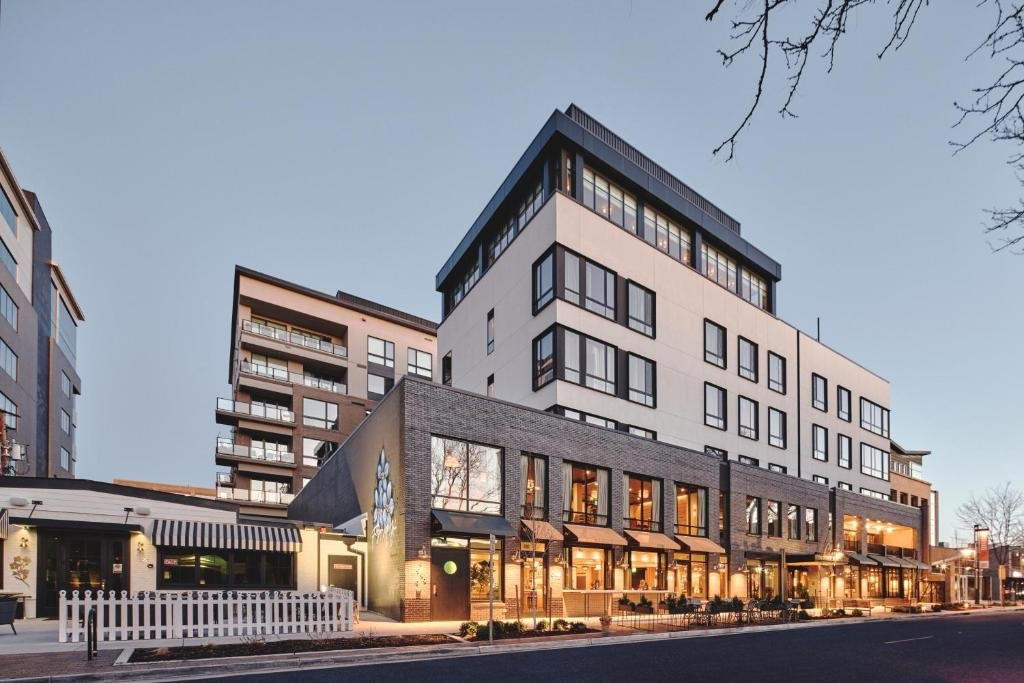
Odyssey Italian Restaurant serves Authentic Sicilian Italian in a historic building at 603 E 6th Ave in Denver, with an extensive wine list and private dining for leisurely dinners or late-night plans.
Pearl is the En Primeur Club membership app — saves, bookings, and concierge access live there. Same editors, same standards.
- Address
- 603 E 6th Ave, Denver, CO 80203
- Phone
- +13033180102
- Website
- odysseyitalian.com
- Directions
- Get directions
 Saves & bookings on Pearl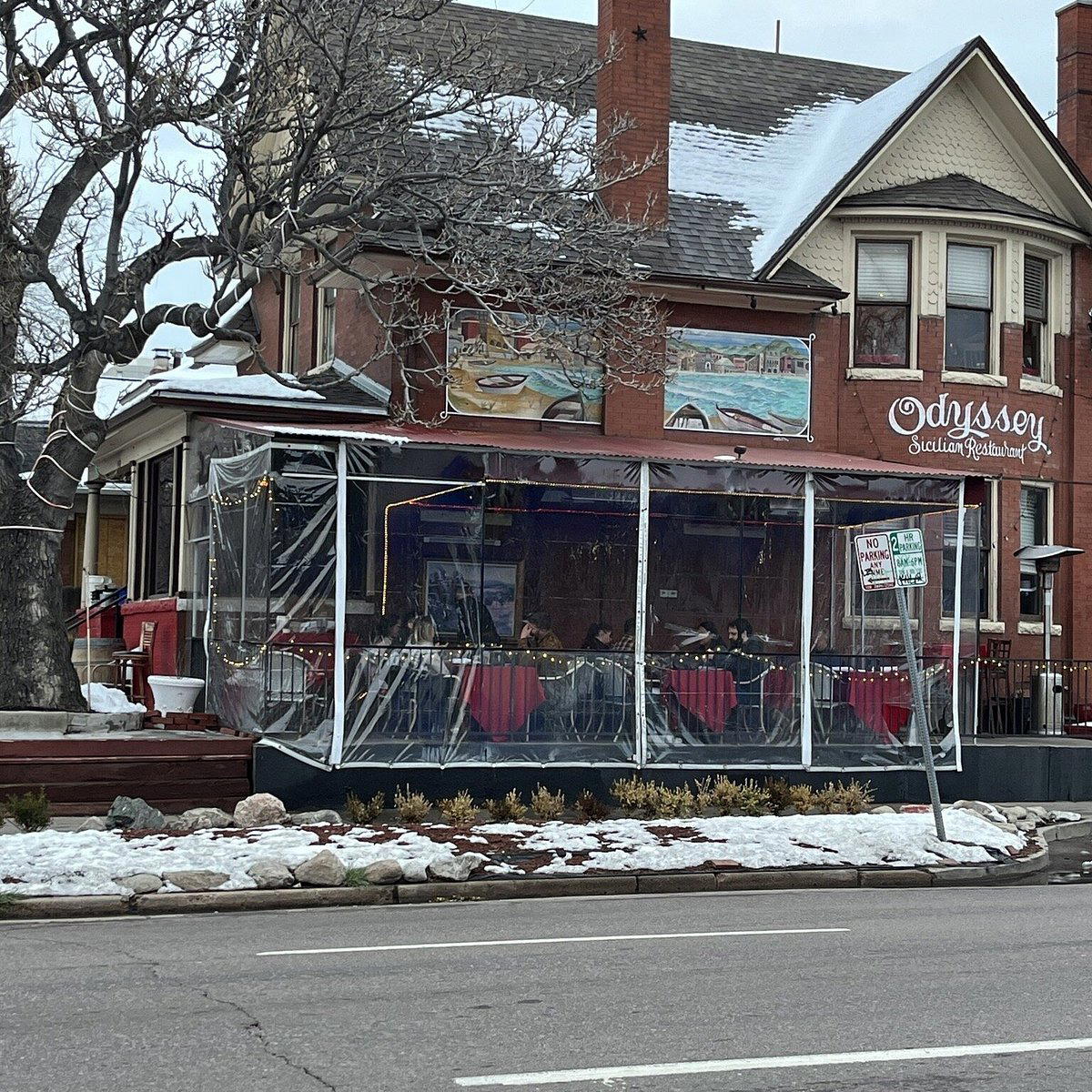
Italian Dining on Sixth Avenue: Where Denver's Capitol Hill Meets the Boot
The stretch of East 6th Avenue running through Capitol Hill carries a particular kind of Denver energy: residential enough to feel grounded, central enough to pull diners from across the city. It is a corridor that has quietly accumulated some of the more considered independent restaurants in town, operating at a remove from the louder dining clusters around RiNo or LoDo. Odyssey Italian Restaurant sits at 603 E 6th Ave in this mix, occupying a position in the neighborhood's dining fabric that reflects the broader Italian-American dining tradition in mid-sized American cities: neither the fast-casual red-sauce end of the category nor the tasting-menu register where Italian technique gets deconstructed beyond recognition. It is an Authentic Sicilian Italian restaurant in Denver, priced around $35 per person.
Italian restaurants in Denver have split meaningfully over the past decade. The accessible end of the market is well-served by places like Annette, which blends pasta craft with a casual neighborhood register, while the contemporary fine-dining tier is claimed by operators like Brutø and The Wolf's Tailor, both sitting at the $$$$ tier with tasting-menu formats that prioritize experimentation over tradition. Odyssey operates at a point between those poles, drawing on Italian culinary convention as a foundation rather than a jumping-off point for conceptual departures.
The Italian Table in an American City: What the Category Demands
Serious Italian dining in the United States has always been complicated by expectation. The cuisine carries more cultural weight than almost any other in the American imagination, which means diners arrive with strong preconceptions about what a plate of pasta should taste like, what a Barolo should accompany, and whether the bread service signals the kitchen's ambitions. The restaurants that navigate this most effectively tend to do so through specificity: a regional focus, a disciplined wine program, or a kitchen that treats the canon with genuine literacy rather than nostalgic approximation.
On the national register, the Italian fine-dining conversation is anchored by a small number of reference points. Across America's major dining cities, Italian technique intersects with fine-dining ambition in ways that vary sharply by geography. For comparison, consider how Le Bernardin in New York City applies French rigor to American ingredients, or how Alinea in Chicago interrogates culinary tradition through a conceptual lens, both models that Italian-focused kitchens in the U.S. are implicitly measured against, even when their aims are entirely different. The more instructive comparisons are places like Single Thread Farm in Healdsburg or Blue Hill at Stone Barns in Tarrytown, where ingredient sourcing provides the editorial frame for the menu. Italian kitchens that do the same, anchoring the menu in seasonal produce and regional specificity, tend to hold up better under sustained scrutiny than those built around a fixed greatest-hits repertoire.
The Wine Argument: Italy's Cellar Depth and Why It Matters Here
If there is one area where Italian restaurants consistently differentiate themselves from the rest of the fine-dining field, it is the wine list. Italian viticulture offers a breadth that is genuinely difficult to match: roughly 350 officially recognized grape varieties across 20 distinct regions, producing everything from the structured Nebbiolo-based wines of Piedmont to the volcanic minerality of Sicilian Nerello Mascalese. A well-curated Italian restaurant wine list is, in effect, a survey course in Italian geography.
The leading Italian wine programs in American dining, at places like 8½ Otto e Mezzo Bombana internationally, or the more restrained programs at restaurants such as Providence in Los Angeles or Addison in San Diego, which approach wine curation with notable depth, tend to share a few structural qualities: meaningful verticals on key producers, representation across all major Italian wine regions, and a list that can guide a diner from a casual Vermentino-by-the-glass to a serious aged Brunello without making either choice feel out of place. The Italian restaurant format, at its leading, makes the wine list an argument for the cuisine rather than an afterthought to it.
Denver's altitude adds a wrinkle worth acknowledging. At 5,280 feet, alcohol affects diners differently than at sea level, and wine service at altitude is a consideration that careful sommeliers in the city's better programs actively account for, adjusting pour sizes and pacing accordingly. It is a small operational detail that separates restaurants that have thought seriously about their wine program from those that have not.
Denver's Broader Dining Context
Capitol Hill's dining options exist in productive tension with the more high-profile districts across Denver. The restaurant scene citywide has matured considerably, with Beckon holding a prominent position at the contemporary fine-dining end and Alma Fonda Fina anchoring an increasingly sophisticated Mexican dining offer. Italian remains among the more contested categories in the market, precisely because the demand is broad and the range of what counts as Italian is wide enough to support different operators at different price points.
For diners mapping the Italian tier specifically, Tavernetta occupies the $$ bracket with consistent recognition for its pasta work, and the $$$$ contemporary tier is well-documented in venues like The Wolf's Tailor. Odyssey's position on East 6th places it in a range that diners may want to verify directly before committing to an evening.
For readers who want a national calibration on what Italian dining looks like at the summit of the American market, The French Laundry in Napa, The Inn at Little Washington, Lazy Bear in San Francisco, Atomix in New York City, and Emeril's in New Orleans all offer reference points for how cuisine, wine programming, and service combine at a high level, even if the culinary traditions differ.
Planning a Visit
Odyssey Italian Restaurant is located at 603 E 6th Ave, Denver, CO 80203, in the Capitol Hill neighborhood. Prospective diners should contact the restaurant directly before planning.
Recognition Snapshot
Comparable venues nearby, for context on price, style, and recognition.
| Venue | Cuisine | Price | Notes |
|---|---|---|---|
| Odyssey Italian RestaurantThis venue — the venue you are viewing | Authentic Sicilian Italian | $$ | Not listed |
| Shells and Sauce | Italian-American Trattoria | $$$ | Congress Park |
| PARISI | Casual Italian Trattoria | $$ | Berkeley |
| Cart-Driver LoHi | Italian Pizzeria & Oyster Bar | $$ | Highland |
| Coperta | Roman & Southern Italian Trattoria | $$$ | Five Points |
| Cucina Bella | Traditional Italian-American | $$ | Lowry Field |
Continue exploring
More in Denver
Restaurants in Denver
Browse all →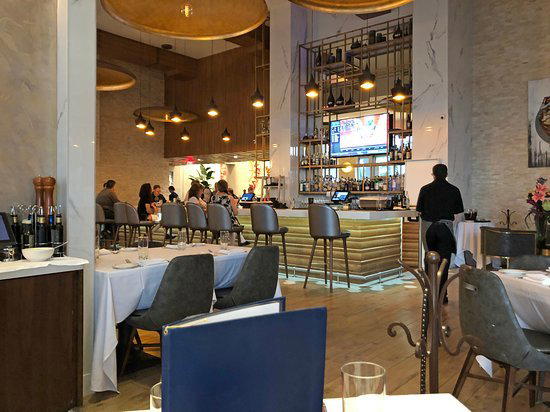
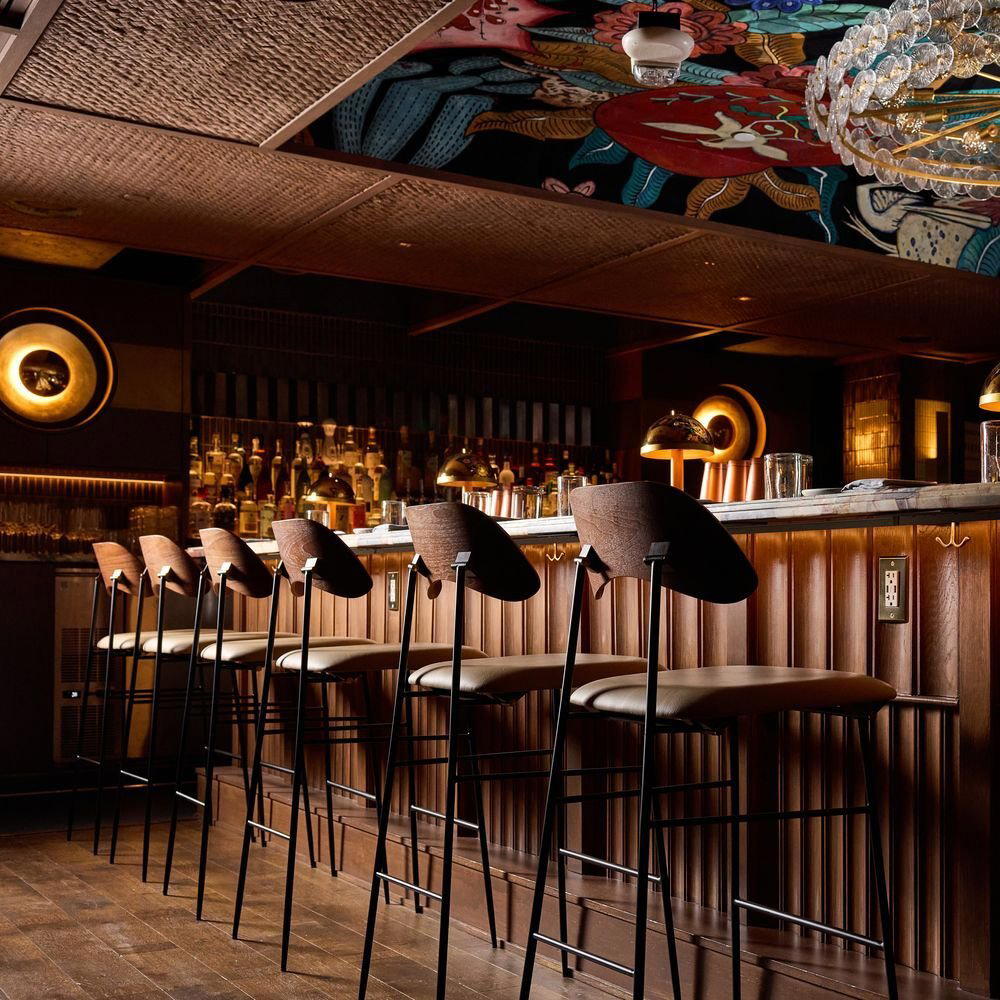
Bars in Denver
Browse all →
Hotels in Denver
Browse all →



At a Glance
- Cozy
- Rustic
- Intimate
- Date Night
- Special Occasion
- Group Dining
- Historic Building
- Private Dining
- Extensive Wine List
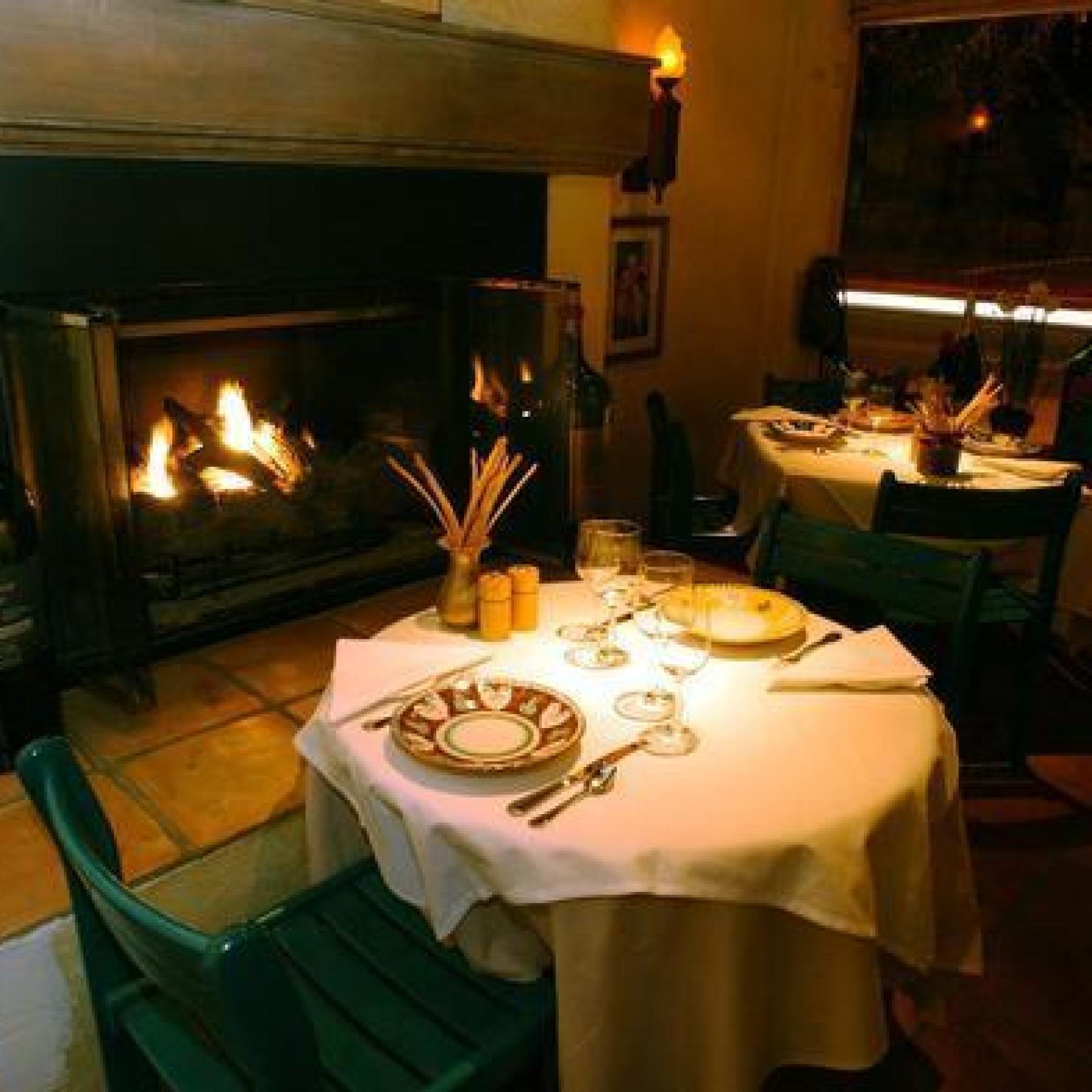
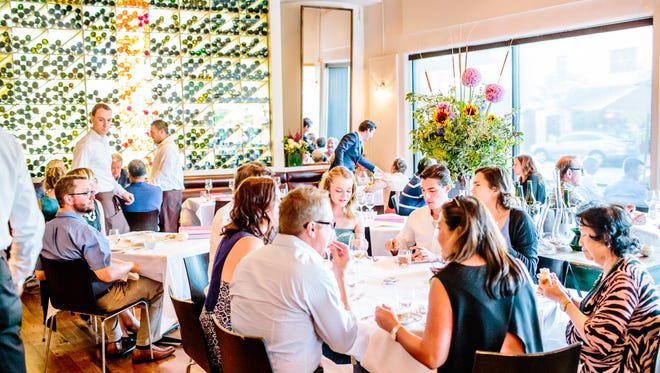
Cozy and rustic old-world atmosphere in a 111-year-old Victorian home with warm lighting and family-operated hospitality.