Cucina Bella
Cucina Bella sits at 9660 E Alameda Ave in Denver's Aurora-adjacent corridor, a neighborhood where Italian-American dining traditions have quietly persisted outside the city's louder restaurant scene. The kitchen operates at the intersection of classical Italian technique and Colorado's agricultural produce, making it a useful reference point for understanding how imported culinary methods translate in a high-altitude, landlocked market.
Pearl is the En Primeur Club membership app — saves, bookings, and concierge access live there. Same editors, same standards.
- Address
- 9660 E Alameda Ave #104, Denver, CO 80247
- Phone
- +17205508957
- Website
- cucinabelladenver.com
- Directions
- Get directions
 Saves & bookings on Pearl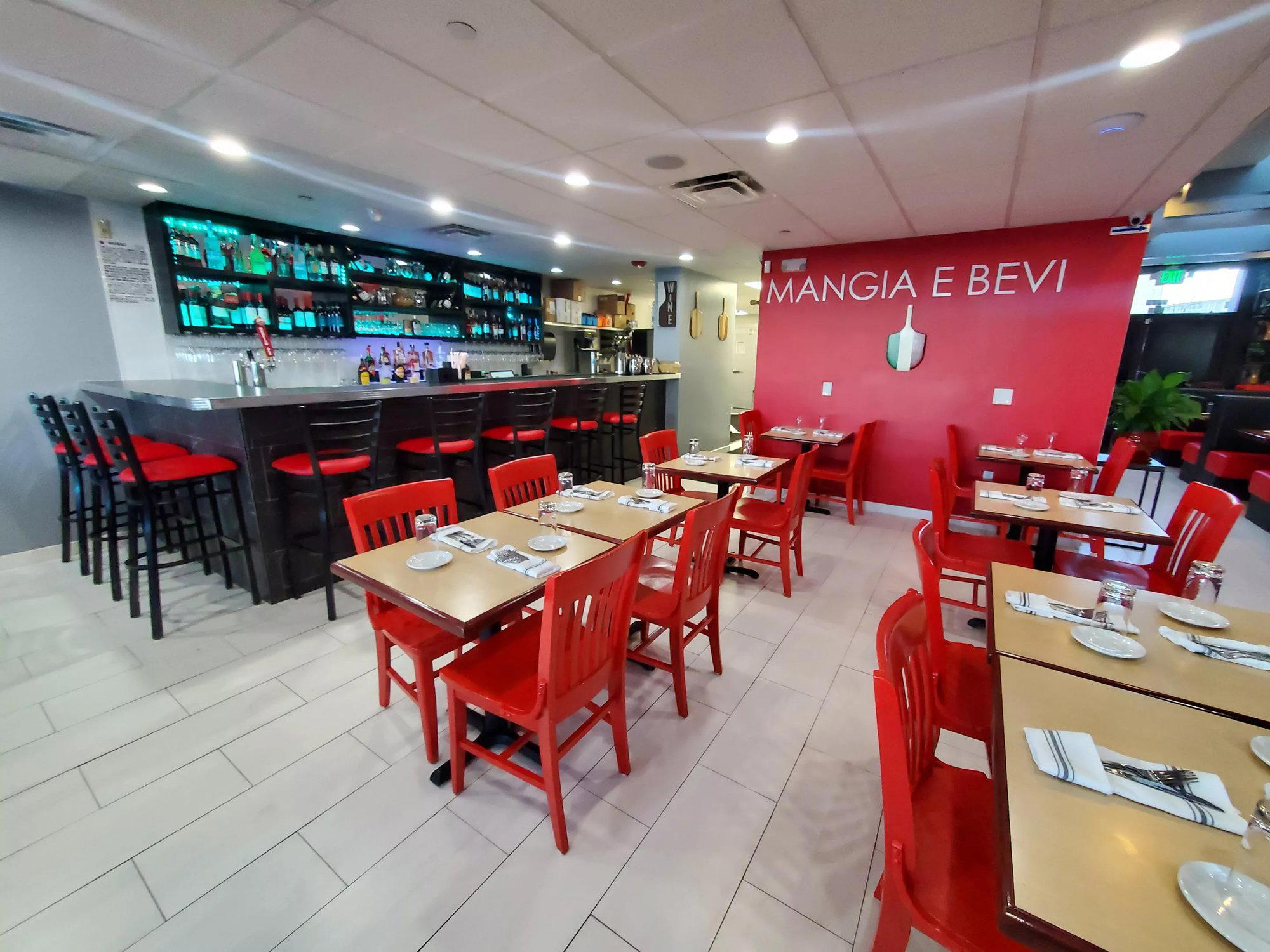
Italian Technique in the Mile High City
Long before the RiNo warehouse conversions and the Michelin-adjacent tasting menus at Brutø and Beckon, Italian red-sauce traditions anchored family dining across the metro's eastern suburbs. Cucina Bella at 9660 E Alameda Ave occupies that longer lineage, positioned east of Denver's trendier dining corridors in a part of the city where neighborhood restaurants still function as neighborhood restaurants, not as concepts,
That geography matters more than it might first appear. The Alameda corridor sits outside the zip codes that dominate Denver food coverage, which means Cucina Bella operates at a remove from the competitive pressure that pushes restaurants toward novelty. Italian cooking at this level of the market, community-embedded, consistent, familiar, tends to succeed or fail based on execution rather than positioning.
Where Local Ingredients Meet Old-World Methods
The broader pattern in American Italian cooking over the past two decades has been a slow reconciliation between Italian technique and North American ingredients. What began as strict importation, San Marzano tomatoes, 00 flour, Parmigiano from Emilia-Romagna, has gradually opened to include local produce, regional proteins, and high-altitude-grown grains as chefs recognized that the methods travel better than the raw materials. Kitchens at the level of Single Thread Farm in Healdsburg or Blue Hill at Stone Barns in Tarrytown have formalized that approach at the leading end, but the same logic applies at every price tier: Italian technique is a framework, not a fixed ingredient list.
Colorado's agricultural profile gives that framework interesting material to work with. The San Luis Valley produces some of the country's most minerally expressive potatoes, used widely in gnocchi and hearty braises. The state's lamb and beef, raised at elevation with shorter growing seasons, carries a density that suits slow-cooked Italian preparations. And the Front Range's dry climate influences how pasta dough behaves, requiring hydration adjustments that experienced Italian-trained cooks learn to make quickly. These are not romanticized claims about terroir; they are practical realities of cooking in a landlocked, high-altitude environment that shapes what Italian food becomes when it lands here.
Cucina Bella's address, a strip-adjacent commercial unit on E Alameda, suggests a kitchen focused on the plate rather than the room, which in Italian cooking is usually a reliable orientation. The high-concept Denver dining scene, represented by destinations like The Wolf's Tailor and Alma Fonda Fina, occupies a different competitive tier and a different set of reader expectations. The restaurant operates closer to the register where Italian food most commonly succeeds in American cities: as a reliable anchor, not a destination event.
The Italian-American Dining Tier in Denver
Denver's Italian dining options span a wider range than the city's reputation for New American and farm-to-table cooking might imply. Tavernetta, priced in the mid-range, brings a more urban, polished take on Italian cooking to Union Station. The restaurant's Alameda location places it in a different sub-market, one characterized by longer-term community ties and lower per-cover ambition. That's not a diminishment; particularly technically sound pasta work in American cities happens at exactly this level, in kitchens that have been making the same shapes for years without interruption.
For context on what Italian cooking can achieve at higher investment levels, Le Bernardin in New York City and The French Laundry in Napa demonstrate how classical European technique scales into formal dining. At the opposite end of the format spectrum, Emeril's in New Orleans and Smyth in Chicago show how regional American ingredients are absorbed into European culinary structures with real results. Annette in Aurora offers a useful local comparison point for how a focused, ingredient-aware kitchen operates just east of Denver's center. The restaurant's position in the same eastern corridor puts it in conversation with that cohort of accessible, community-facing restaurants rather than the chef-forward downtown scene.
Further afield, kitchens like Providence in Los Angeles, Addison in San Diego, Lazy Bear in San Francisco, The Inn at Little Washington, and Atomix in New York City illustrate how seriously American fine dining has engaged with the question of imported technique and local product. Even at a European level, Atelier Moessmer Norbert Niederkofler in Brunico has made the sourcing of regional Alpine ingredients central to its culinary identity, a philosophy that resonates with what Denver-area kitchens attempt when they work with Colorado's agricultural output seriously.
What to Expect
At its core, the restaurant represents an approach to Italian dining that prioritizes continuity over novelty. In Denver's current dining culture, where ambitious menus and concept-led openings generate most of the critical attention (see our full Denver restaurants guide for a wider picture), a kitchen operating in the neighborhood Italian register occupies a quieter but durable position. The relevant question for any reader considering a visit is whether the kitchen's execution justifies the address, and that question is leading answered by arriving without high-concept expectations and evaluating the fundamentals: pasta texture, sauce balance, protein cookery, and the degree to which the menu reflects actual cooking rather than assembly.
Know Before You Go
- Address: 9660 E Alameda Ave #104, Denver, CO 80247
- Phone: not listed, check current listings before visiting
- Hours: Mon: 11 AM-9 PM; Tue: 11 AM-9 PM; Wed: 11 AM-9 PM; Thu: 11 AM-9 PM; Fri: 11 AM-10 PM; Sat: 11 AM-10 PM; Sun: 11 AM-9 PM
- Booking: Reservations are recommended
- Price range: About $28 per person
- Getting there: Located at 9660 E Alameda Ave #104, Denver, CO 80247
Category Peers
Comparable venues nearby, for context on price, style, and recognition.
| Venue | Cuisine | Price | Notes |
|---|---|---|---|
| Cucina BellaThis venue — the venue you are viewing | Traditional Italian-American | $$ | Not listed |
| Gusto | Modern Italian | $$ | Sloan Lake |
| Benzina | Neapolitan Italian | $$ | South Park Hill |
| DiFranco's | Fresh Italian Trattoria | $ | Capitol Hill |
| Attimo | Italian Wine Bar | $$$ | RiNo |
Continue exploring
More in Denver
Restaurants in Denver
Browse all →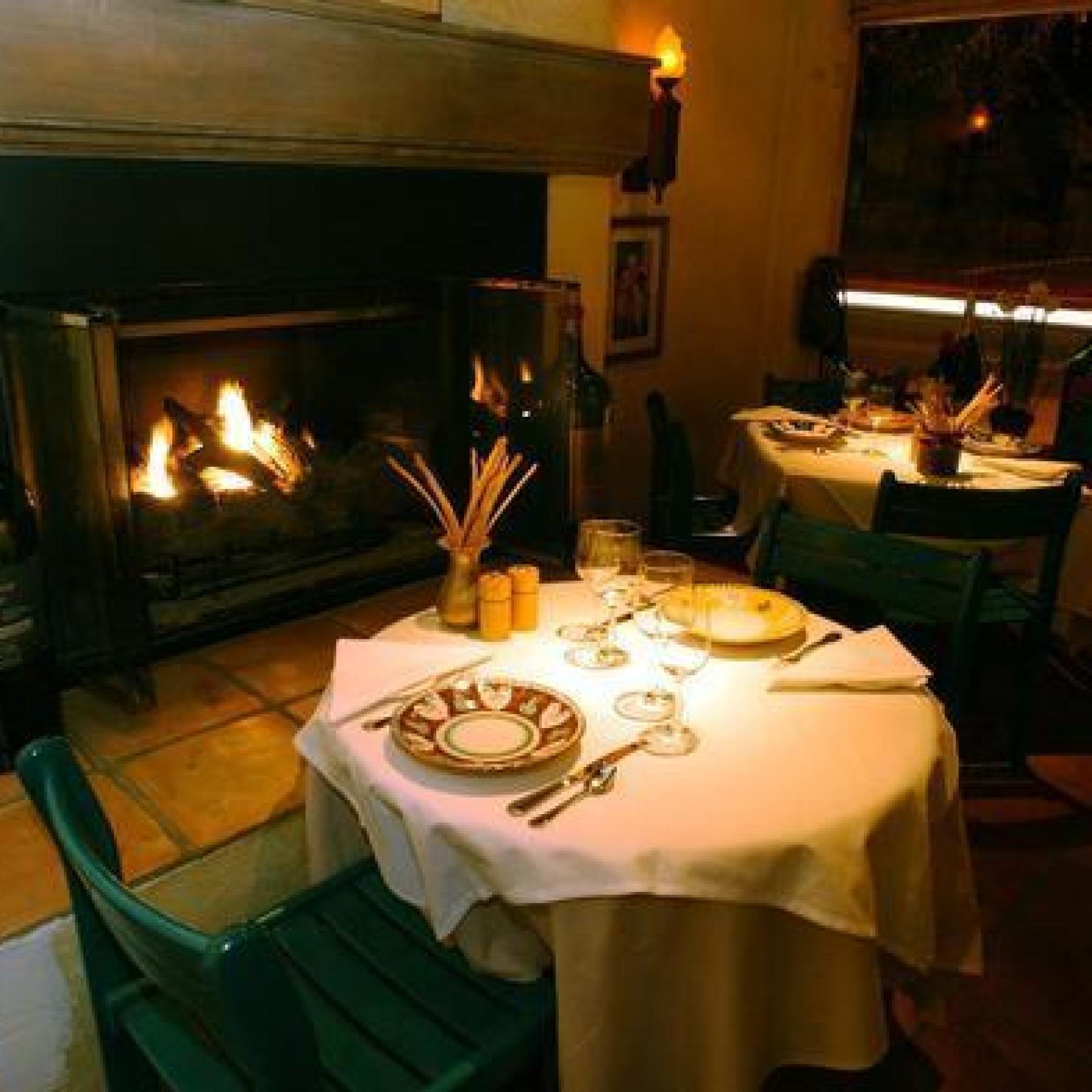
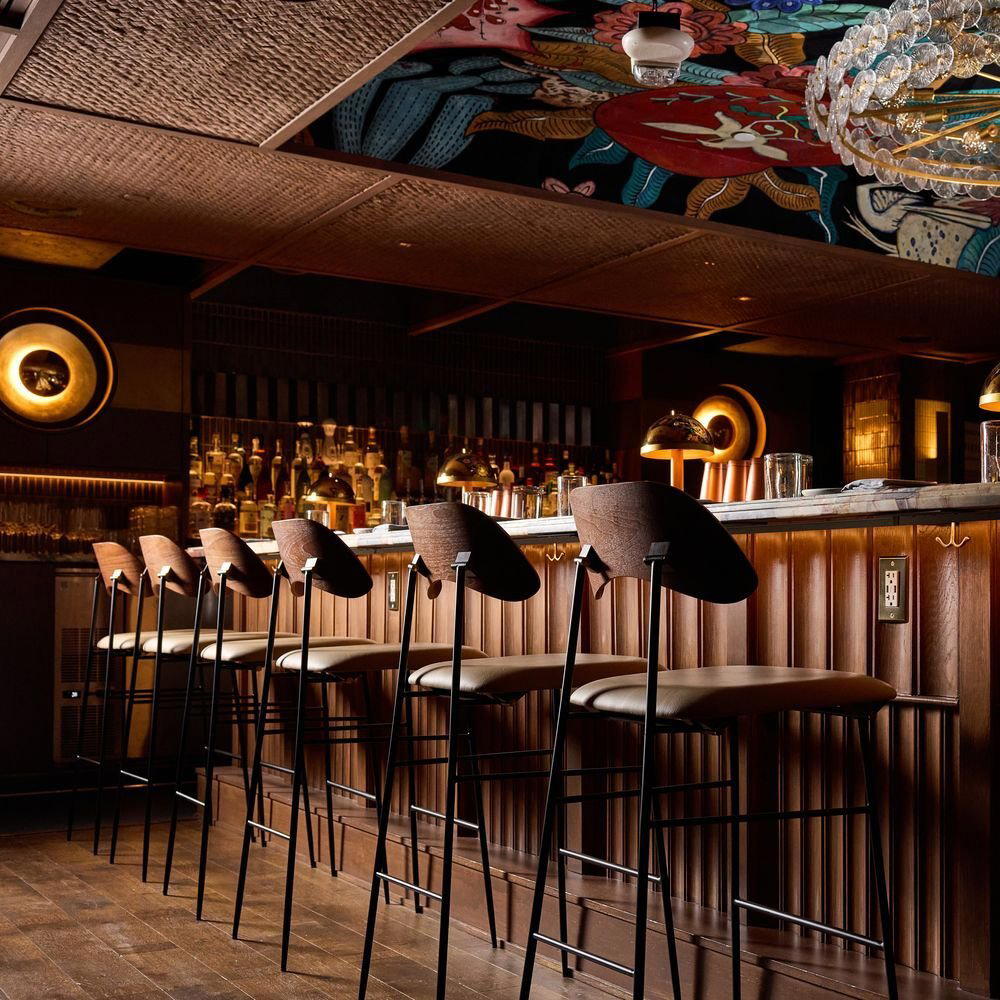
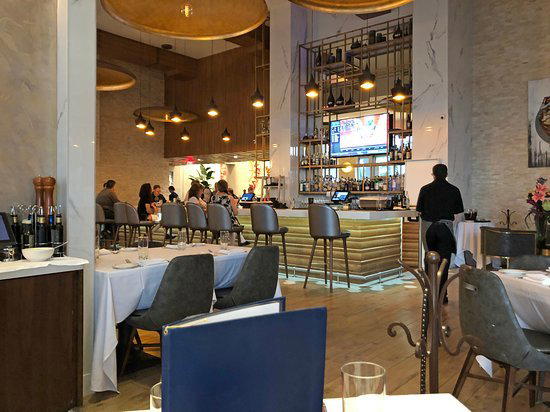
Bars in Denver
Browse all →
Hotels in Denver
Browse all →

At a Glance
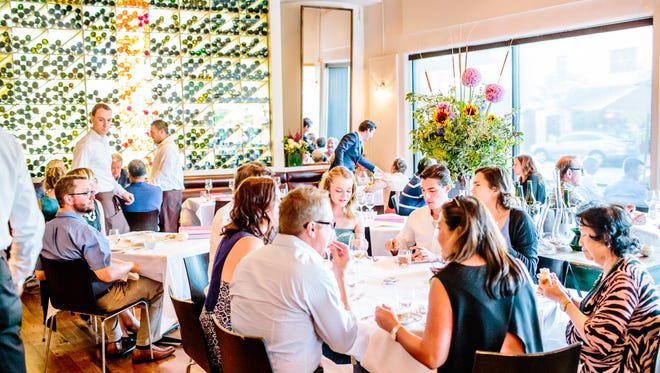
- Cozy
- Classic
- Family
- Group Dining
- Casual Hangout
- Date Night
- Standalone
- Beer Program
Current opening hours
- Monday
- 11 AM–9 PM
- Tuesday
- 11 AM–9 PM
- Wednesday
- 11 AM–9 PM
- Thursday
- 11 AM–9 PM
- Friday
- 11 AM–10 PM
- Saturday
- 11 AM–10 PM
- Sunday
- 11 AM–9 PM
Hours can change for holidays and private events. Last verified .
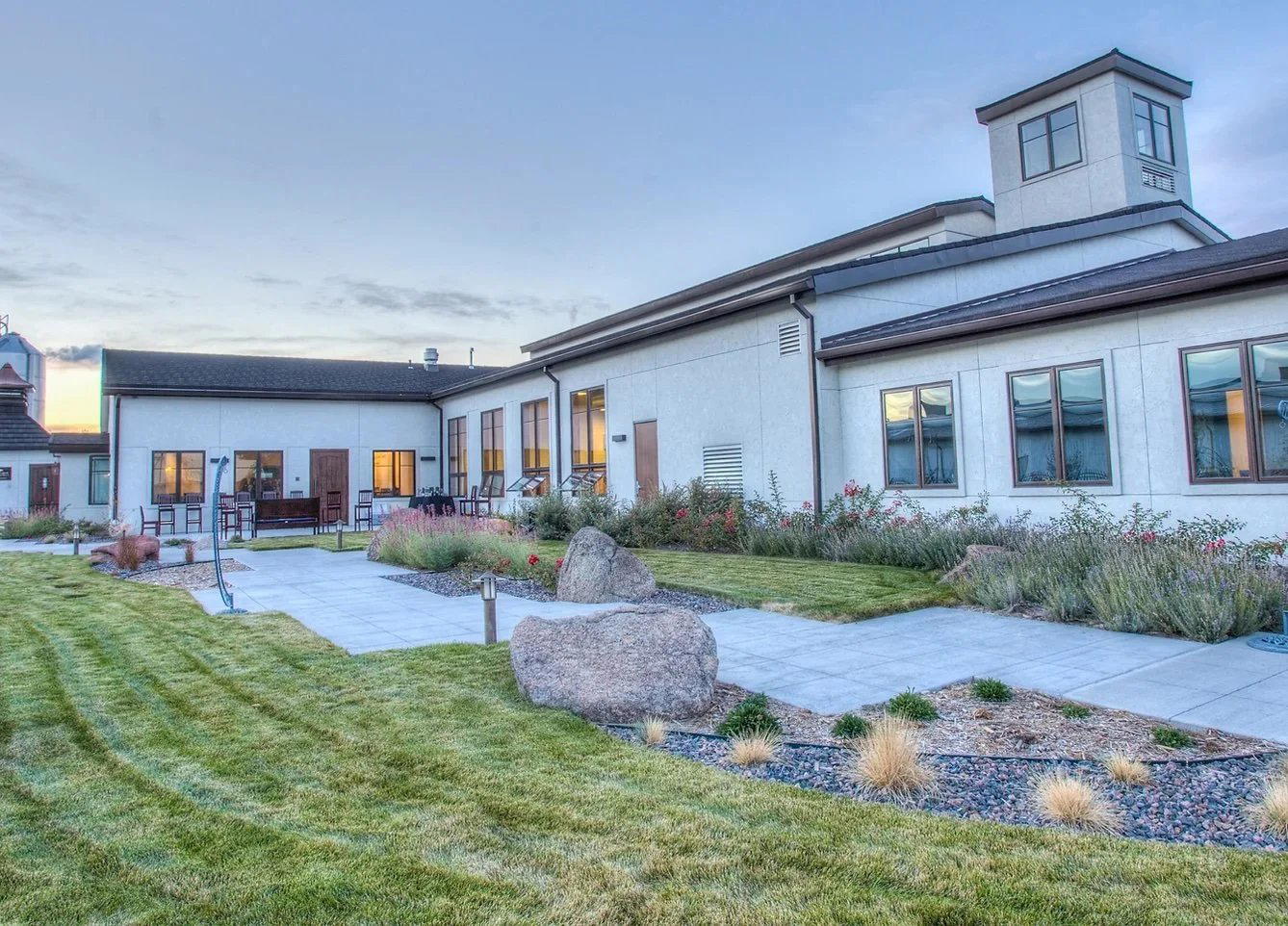
Warm and family-oriented with a friendly environment designed for gathering friends and family; casual strip-mall setting with patio seating.