Oba-



A Michelin-starred creative restaurant in Casas-Ibáñez, Albacete, Oba- ranked 111th in Europe on the Opinionated About Dining list in 2025. Chefs Javier Sanz and Juan Sahuquillo work across three tasting menu formats, drawing ingredients from the Cabriel valley and La Manchuela region, with fermentation techniques and small-scale local producers at the centre of the cooking. Price range is €€€€.
Pearl is the En Primeur Club membership app — saves, bookings, and concierge access live there. Same editors, same standards.
- Address
- C. Tomás Pérez Úbeda, 6, 02200 Casas-Ibáñez, Albacete, Spain
- Phone
- +34 604 96 21 17
- Website
- obarestaurante.es
 Saves & bookings on Pearl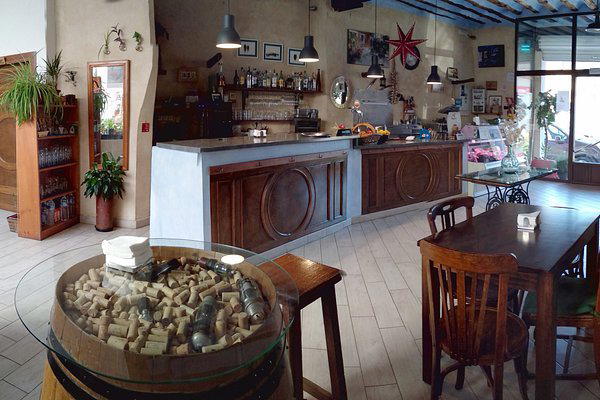
A town you wouldn't expect, a restaurant you won't forget to plan for
Casas-Ibáñez sits in the Albacete province of Castilla-La Mancha, well outside the Spanish fine-dining circuit that runs through San Sebastián, Barcelona, and Madrid. Arriving on Calle Tomás Pérez Úbeda, the address reads like any other modest street in a small inland town. That contrast is precisely the context needed to understand what Oba- represents: a document of a specific territory, written in the language of serious creative cooking, placed in a location where the raw materials are not bused in from distant markets but sourced directly from the land and river valley immediately surrounding it.
Spain's creative restaurant scene has long operated on a geographic logic that concentrates prestige in urban centres and coastal regions. Arzak in San Sebastián, Disfrutar in Barcelona, DiverXO in Madrid, El Celler de Can Roca in Girona: these are the reference points most diners carry. Oba- operates in a different register entirely. Its Michelin star, awarded in 2024, and its rise from Opinionated About Dining's Leading New Restaurants in Europe list in 2023 (ranked 149th) to 134th in 2024 and 111th in 2025, trace a trajectory that is accelerating rather than plateauing. The comparison set now includes houses like Quique Dacosta in Dénia and Aponiente in El Puerto de Santa María: restaurants that staked their identity on a specific territory and built outward from there.
Where the food actually comes from
The editorial angle most relevant to Oba- is not technique, though technique is present. It is provenance, understood in a granular, almost obsessive sense. The Cabriel river valley and the La Manchuela sub-region of Albacete together form one of the least-discussed agricultural corridors in Spanish gastronomy. The valley's crayfish, river fish, and market-garden vegetables occupy a different flavour profile than anything arriving from coastal wholesale suppliers. The surrounding hills supply game and native livestock breeds, including Manchega Machorra sheep and Celtibérico goat, both of which carry distinct textural and flavour characteristics shaped by specific grazing conditions.
This kind of hyper-local sourcing is not new as a concept in Spanish creative cooking. What makes it editorially significant at Oba- is that the restaurant is positioned inside the producing area, not at a comfortable remove from it. The small-scale producers supplying the kitchen are neighbours in a literal sense, and the menu's structure reflects a genuine dependency on seasonal availability from those sources rather than a curated marketing story built around a few headline ingredients. Poultry, game, and river crayfish feature alongside vegetables grown in the valley itself. Fermentation plays a substantial role in the kitchen's technique vocabulary, extending the utility of seasonal harvests and introducing flavour complexity without importing it.
Three notebooks, one territory
Oba- organises its offering across three tasting menu formats: Cuaderno Medio, Cuaderno Largo, and Cuaderno Extra Largo. The notebook metaphor is apt: each format represents a different depth of engagement with the same source material, the territory of La Mancha and its immediate surroundings. A shorter menu gives access to the kitchen's current thinking; the longer formats allow the full argument to develop across more courses. Two beverage pairings run alongside: a wine pairing and an alternative built around naturally produced drinks, which reflects the kitchen's broader interest in fermentation as a methodology rather than simply a technique applied to food.
Service at Oba- incorporates tableside finishing for certain dishes, a structural choice that converts the dining room into an active part of the cooking process rather than a passive reception space. This is relatively common among Spain's serious creative restaurants, from Mugaritz in Errenteria to Azurmendi in Larrabetzu, but it lands differently when the ingredients being finished at the table are recognisably local to guests who know the region. A crayfish from the Cabriel, finished in front of a diner who can place that river on a map, carries a resonance that imported luxury ingredients cannot replicate.
Oba- in European context
Ranking 111th in Europe on the Opinionated About Dining list in 2025 places Oba- inside a peer group that includes some of Europe's most closely watched creative tables. The trajectory across three consecutive years of OAD recognition, new restaurant list in 2023, then the main ranked list at 134th in 2024, then 111th in 2025, suggests the kitchen is still in an expansionary phase rather than a consolidation one. For comparison, the broader creative restaurant category across Europe includes houses operating at considerably larger scale and with far greater resources: Alléno Paris au Pavillon Ledoyen in Paris and Enrico Bartolini in Milan operate in a context of metropolitan density, established supplier networks, and high diner volumes. Oba- achieves its ranking from a town of fewer than 4,000 people, working with producers that most European restaurant critics would struggle to locate on a map.
Within Spain, the comparison with Ricard Camarena in València and Martin Berasategui in Lasarte-Oria is instructive in terms of what the Michelin star signals: both are long-established names in the €€€€ tier, and Oba- now occupies a confirmed position in that same pricing bracket. The difference is in the sourcing logic. Where many starred restaurants at this price point draw on premium suppliers distributed across national or international networks, Oba- works from a much tighter geographic radius.
Getting there and planning the visit
Casas-Ibáñez is approximately 130 kilometres from Valencia and roughly 160 kilometres from Albacete city. Neither journey is logistically simple by public transport, and most guests arriving from outside the region will drive. The address on Calle Tomás Pérez Úbeda is central to the town. Given the tasting menu format and the absence of a nearby high-end hotel infrastructure comparable to what surrounds the Basque Country's leading restaurants, planning a stay in Casas-Ibáñez or the wider Albacete area is worth considering before booking. A Google rating of 4.9 across 231 reviews suggests consistently high guest satisfaction. Reservations at a restaurant on an upward OAD trajectory warrant advance planning: tables at comparable Spanish creative houses operating on similar formats typically require bookings several weeks to months ahead, and Oba-'s recent recognition increases that pressure.
For broader context on the town, our full Casas-Ibáñez restaurants guide covers the wider dining picture, including Cañitas Maite Gastro, which operates in a contemporary register in the same town. Casas-Ibáñez has developed an unexpected concentration of serious cooking for its size, and both restaurants benefit from the same regional supply base. For accommodation and other planning resources, see our Casas-Ibáñez hotels guide, and for the broader local picture, bars, wineries, and experiences guides are available.
Budget and Context
Comparable venues nearby, for context on price, style, and recognition.
| Venue | Cuisine | Price | Awards | Notes |
|---|---|---|---|---|
| Oba- | Casas-Ibáñez, Modern Creative Spanish | $$$$ | Michelin 1 Star | |
| Cañitas Maite Gastro | Casas-Ibáñez, Modern Spanish Tapas | $$$ | Michelin Plate | |
| OSA | $$$$ | Michelin 1 Star | Casa de Campo, Modern Spanish Fine Dining | |
| Audrey's | Calpe, Modern Spanish Fine Dining | $$$$ | Michelin 1 Star | |
| Casa Rubén | $$$$ | Michelin 1 Star | Hospital de Tella, Contemporary Creative Spanish Fine Dining | |
| Malak | $$$$ | Michelin 1 Star | Plaza de la Constitución, Modern Spanish Sierra de Segura |
Continue exploring
More in Casas-Ibáñez
More from Chef Javier Sanz y Juan Sahuquillo
Browse all →
At a Glance
- Rustic
- Elegant
- Intimate
- Sophisticated
- Special Occasion
- Date Night
- Open Kitchen
- Extensive Wine List
- Farm To Table
- Local Sourcing
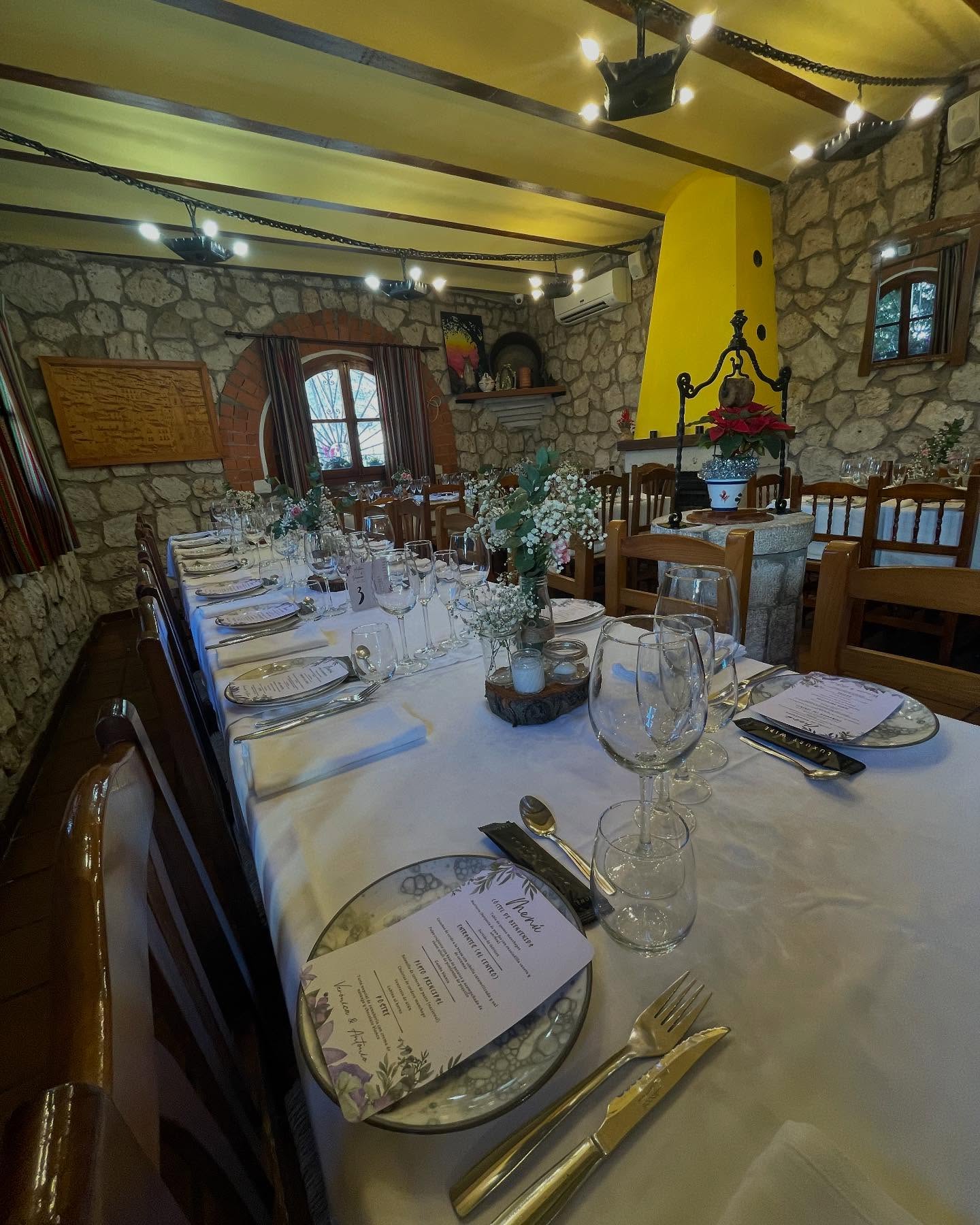
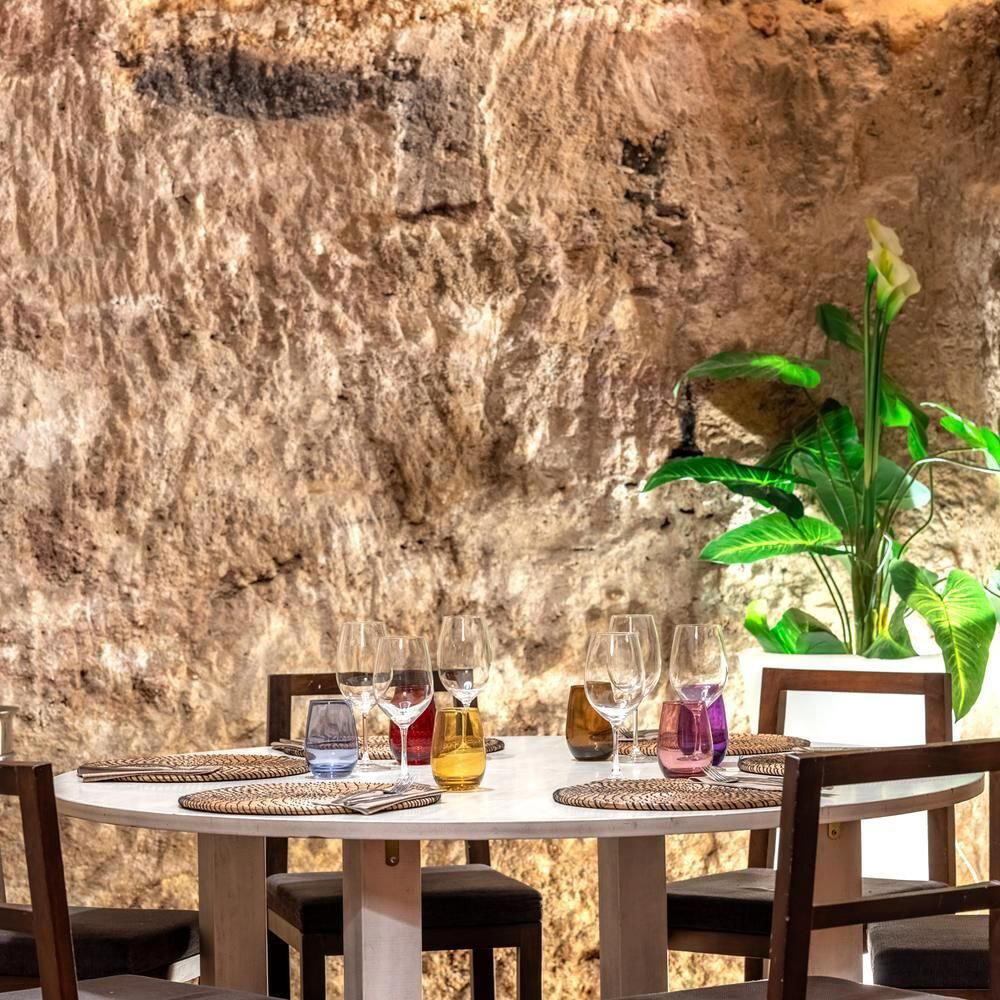
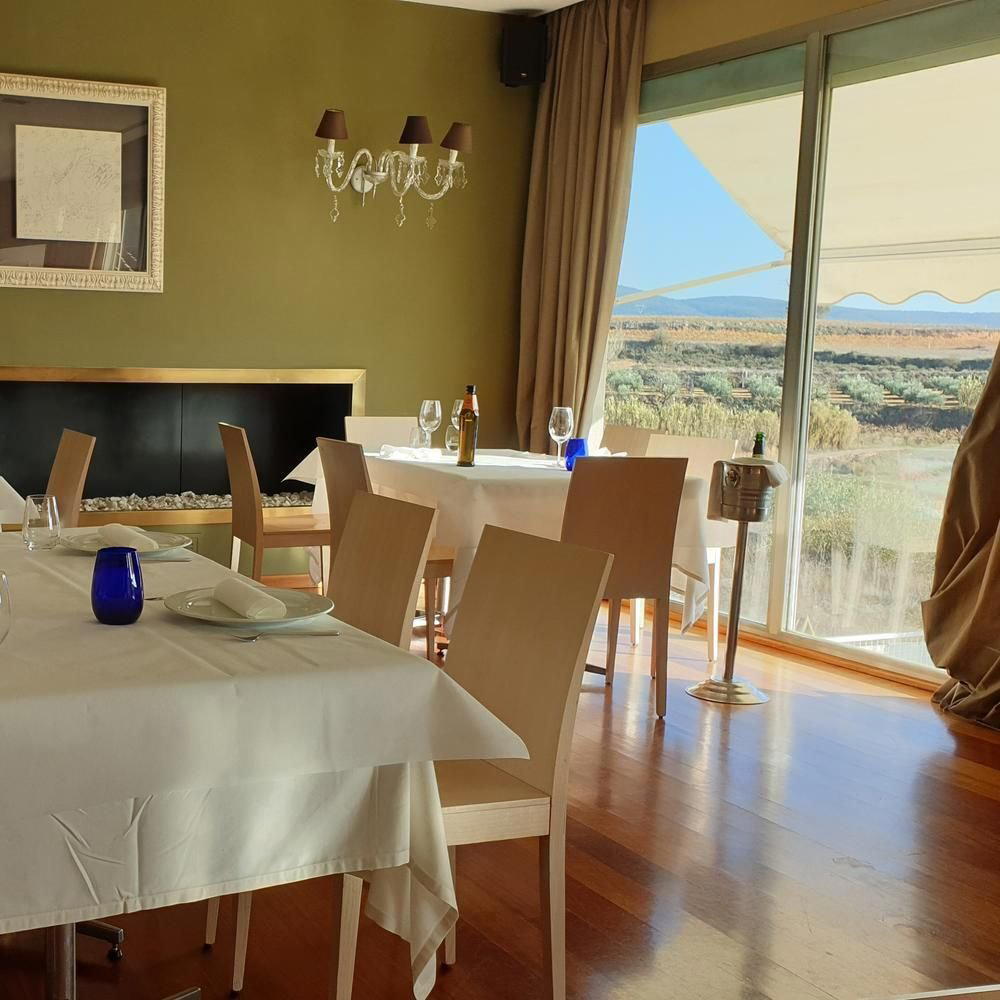
Contemporary design meets rustic charm with natural materials, creating an earthy, intimate atmosphere that connects diners to the Manchuela region.