



1 Michelin Star · Guía Repsol 1 Sol · Macarfi 8.1 Food Rating
Our verdict
Albacete's only Michelin-starred restaurant, Ababol brings a rigorously local sourcing philosophy to contemporary La Mancha cooking. Chef Juan Monteagudo builds menus around seasonal produce from regional farms, French technique, and a vegetable-forward approach recognised by both the Michelin Guide (one star, 2024) and We're Smart's three-radish rating. Two tasting menus plus a seasonal game menu run alongside an à la carte with half-portions available.

Pearl is the En Primeur Club membership app — saves, bookings, and concierge access live there. Same editors, same standards.
- Address
- C. Calderón de la Barca, 14, 02002 Albacete, Spain
- Phone
- +34 967 02 08 82
- Hours
- Mon–Tue ClosedWed–Thu 1:45–3:30 PMFri–Sat 1:45–3:30 PM, 8:45–10:30 PMSun 1:45–3:30 PM
- Website
- restauranteababol.es
- Directions
- Get directions
The menu
What to order
- Croquette of Iberian Ham
- Cauliflower with Iberian pork fat
Where La Mancha's Fields Meet the Plate
Albacete sits at an unusual crossroads in Spain's dining geography. The city is large enough by Castilla-La Mancha standards to support a serious restaurant culture, yet it operates at enough remove from the media circuits of Madrid, Barcelona, and the Basque Country that its leading tables rarely appear in the conversations that dominate Spanish fine-dining discourse. That gap has not stopped meaningful cooking from taking root here. Ababol, on Calle Calderón de la Barca, holds a Michelin star awarded in 2024 and a three-radish recognition from We're Smart, the international guide that evaluates restaurants specifically on how they source, prioritise, and cook with vegetables and plants.
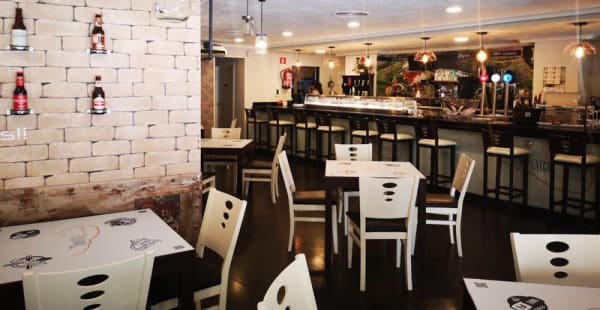
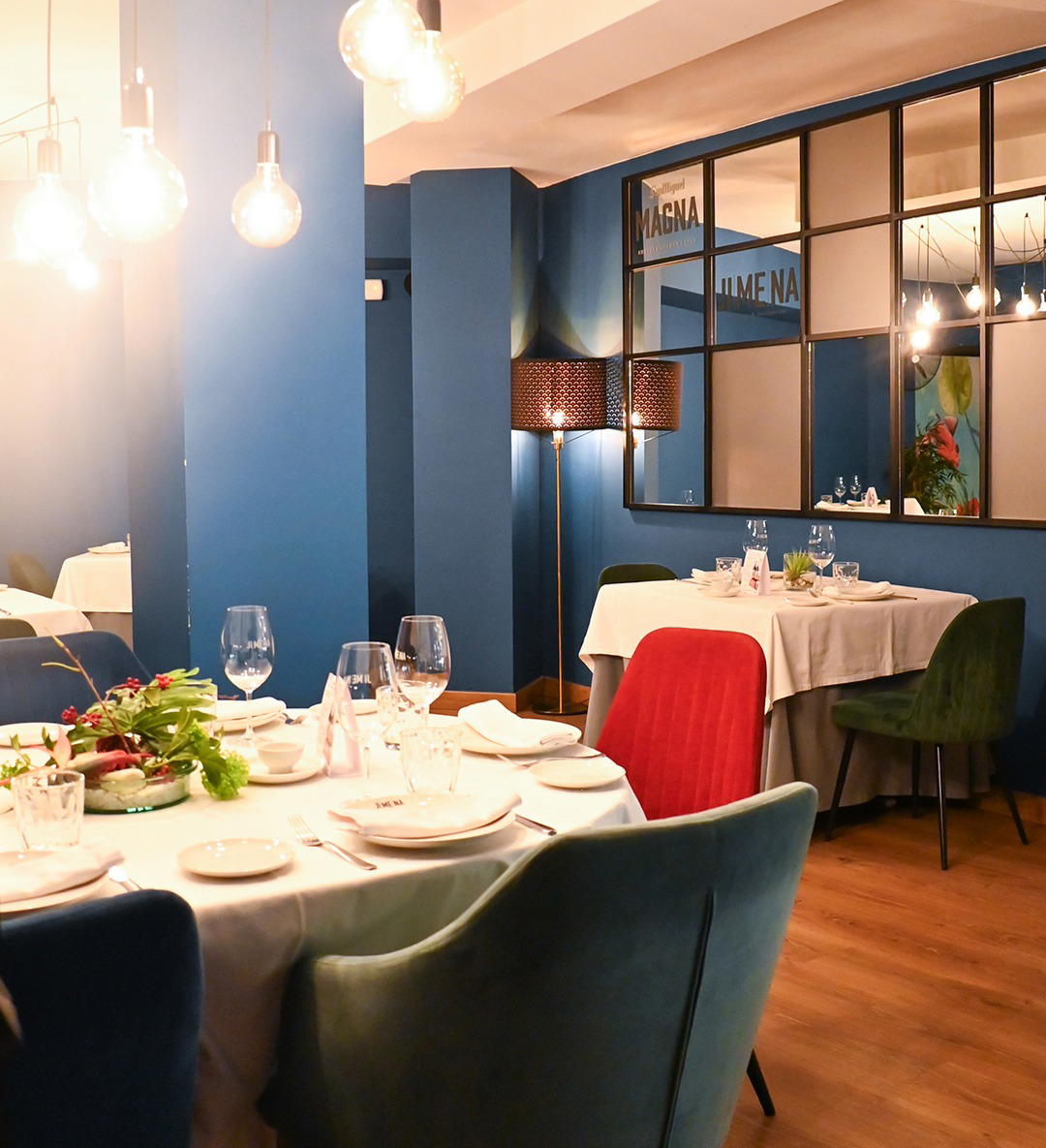
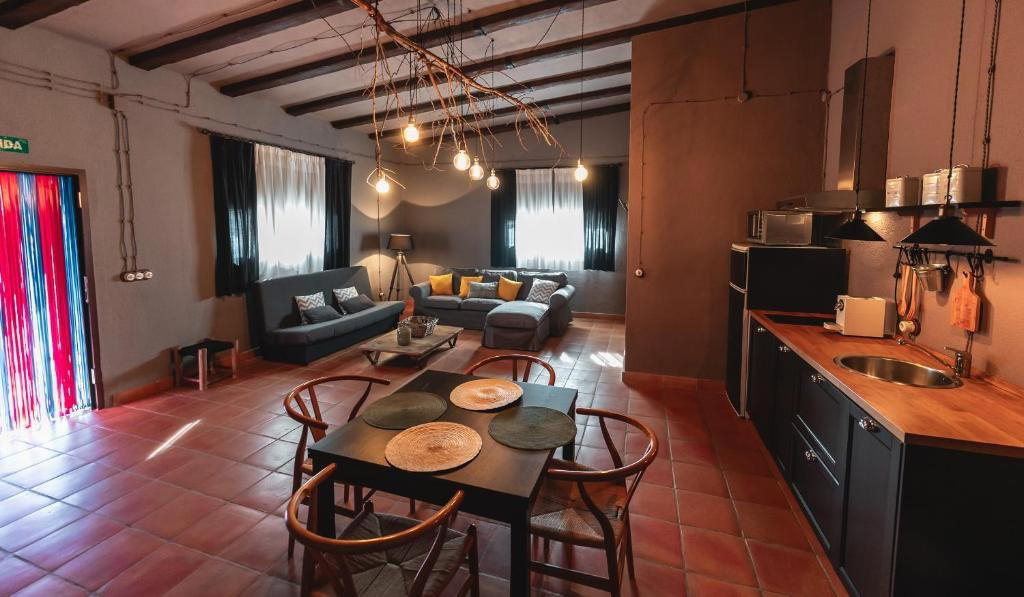
The physical space reinforces this orientation from the moment you enter. The dining room is contemporary in register, clean-lined rather than ornate, with the open kitchen visible from the tables. In restaurants where ingredient provenance is the central argument, that transparency of kitchen to dining room tends to be a considered choice: what comes off the land should be visible in the process by which it reaches you. At Ababol, the sightline to the kitchen is part of the same commitment to showing its workings that runs through the sourcing and the menu structure itself.
The Source Logic Behind the Menus
Spain's contemporary fine-dining generation has largely resolved the debate about local sourcing in favour of specificity over sentiment. The question is no longer whether a restaurant buys regional produce, but whether regional produce is the structural reason the menu exists. At Ababol, the answer sits firmly in the latter camp. Many of the vegetables and raw materials arrive from local farms in the Albacete province, a high-plateau agricultural zone where the continental climate produces ingredients with pronounced character: concentrated flavours from slow growing seasons, herbs that carry the dryness of La Mancha's terrain, game from the surrounding countryside during the hunting months.
Chef Juan Monteagudo's approach layers French technical precision over this regional foundation. The French influence is not cosmetic. Classic saucework in particular requires an investment of time and technique that many contemporary menus have abandoned in favour of lighter preparations; at Ababol, the sauces are understood as a vehicle for concentrating and extending the flavour of local ingredients rather than as a separate classical register imposed on them. The We're Smart three-radish rating, which is awarded on the basis of a rigorous evaluation of plant-forward cooking and ingredient ethics, confirms that the sourcing commitments are structural rather than decorative.
The menu architecture gives a clear signal of seasonal intent. Alongside two standing tasting menus, Tierra and Ababol, there is a third tasting menu dedicated entirely to game, available during the hunting season. In Castilla-La Mancha, game cookery has deep historical roots: partridge, hare, and wild boar have appeared on the region's tables for centuries, and the seasonal menu format at Ababol treats that tradition as a distinct culinary argument rather than folding it into a generic tasting format. Guests who cannot commit to a full tasting format have access to an à la carte, and half-portions are available, which gives the kitchen flexibility to function as a destination for both full tasting experiences and more informal lunches.
Reading Ababol Against Spain's Broader Fine-Dining Circuit
To understand what Ababol represents within Spanish fine dining, it helps to map it against the direction the wider scene has taken. The three-star tier in Spain currently includes operations like El Celler de Can Roca in Girona, Arzak in San Sebastián, and Martin Berasategui in Lasarte-Oria, restaurants that have spent decades accumulating institutional weight and international recognition. Further along the creative spectrum sit DiverXO in Madrid, Disfrutar in Barcelona, and Mugaritz in Errenteria, each of which has built its identity around conceptual or technically disruptive cooking. At the regional level, product-driven contemporaries such as Quique Dacosta in Dénia, Ricard Camarena in València, and Aponiente in El Puerto de Santa María demonstrate how deeply the sourcing-as-identity model has taken hold across Spanish regions outside the traditional fine-dining axes.
Ababol belongs to that second category: a regional one-star whose value proposition is rooted in place rather than in proximity to a culinary capital. The comparison extends internationally. Contemporary restaurants operating at this tier in cities with limited fine-dining infrastructure, such as César in New York City or Jungsik in Seoul, often carry a different kind of significance than their equivalents in saturated markets: they serve as the reference point for the serious diner in a city that has fewer of them, and they attract visitors for whom the city itself is not the draw but the restaurant is.
For Albacete, Ababol functions in precisely that way. The city has historical resonance as a craft and trade hub, with knife-making heritage and an agricultural economy that has given it a particular relationship with raw materials. Ababol channels that material culture into a fine-dining format without romanticising it. The writer Azorín's description of Albacete as the New York of La Mancha, referenced repeatedly in the restaurant's critical reception, is partly ironic, partly affectionate, and partly accurate in its observation that the city operates on its own terms rather than as a satellite of somewhere else. The cooking at Ababol carries the same self-sufficiency.
For Visitors: Planning the Meal
Ababol operates a tight schedule that reflects the priorities of a kitchen focused on precision and seasonal sourcing rather than volume. The restaurant is closed Monday and Tuesday. Wednesday through Friday, service runs at lunch only, from 1:45 PM to 3:30 PM. On Friday and Saturday, dinner service is also available, running from 8:45 PM to 10:30 PM. Sunday offers lunch only, again from 1:45 PM to 3:30 PM.
The €€€ price positioning places Ababol in the mid-to-upper range for Spanish regional fine dining, below the four-bracket pricing of the three-star circuit but above the casual or bistro tier. The availability of half-portions on the à la carte is a practical feature that allows a more flexible approach to the meal, particularly useful for solo diners or for guests who want to explore the menu without committing to a full tasting sequence.
For broader context on eating and drinking in Albacete, the city's dining scene extends beyond fine dining. Asador Concepción represents the traditional Castilian grill tradition that runs parallel to Ababol's contemporary approach. Our full Albacete restaurants guide covers the wider field, and for visitors planning a longer stay, the Albacete hotels guide, bars guide, wineries guide, and experiences guide provide reference across categories.
Frequently asked questions
What's the price range at Ababol?
Pricing at Ababol is listed as €€€.
What are Ababol's hours?
Hours at Ababol: Monday closed Tuesday closed Wednesday 1:45 PM-3:30 PM Thursday 1:45 PM-3:30 PM Friday 1:45 PM-3:30 PM 8:45 PM-10:30 PM Saturday 1:45 PM-3:30 PM 8:45 PM-10:30 PM Sunday 1:45 PM-3:30 PM.
Side-by-Side Snapshot
| Venue | Cuisine | Price | Awards |
|---|---|---|---|
| AbabolThis venue — the venue you are viewing | Modern Spanish Regional | $50–100 | 1 Michelin Star · Guía Repsol 1 Sol |
| Aponiente | Progressive - Seafood, Creative | Not listed | Michelin 3 Star |
| Arzak | Modern Basque, Creative | Not listed | Michelin 3 Star |
| DiverXO | Progressive - Asian, Creative | Not listed | Michelin 3 Star |
| El Celler de Can Roca | Progressive Spanish, Creative | Not listed | Michelin 3 Star |
| Quique Dacosta | Creative | Not listed | Michelin 3 Star |
Recognition history
Dated appearances from independent guides and award organizations, with the underlying list record or original source where available.
Michelin 1 Star
Michelin
Guía Repsol 1 Sol
Guía Repsol
Macarfi 8.1 Food Rating
Macarfi
We're Smart World 3 Radishes
We're Smart World
Full recognition history (6 entries)
Michelin 1 Star
Michelin
Michelin 1 Star
Michelin
Continue exploring
More in Albacete
Restaurants in Albacete
Browse all →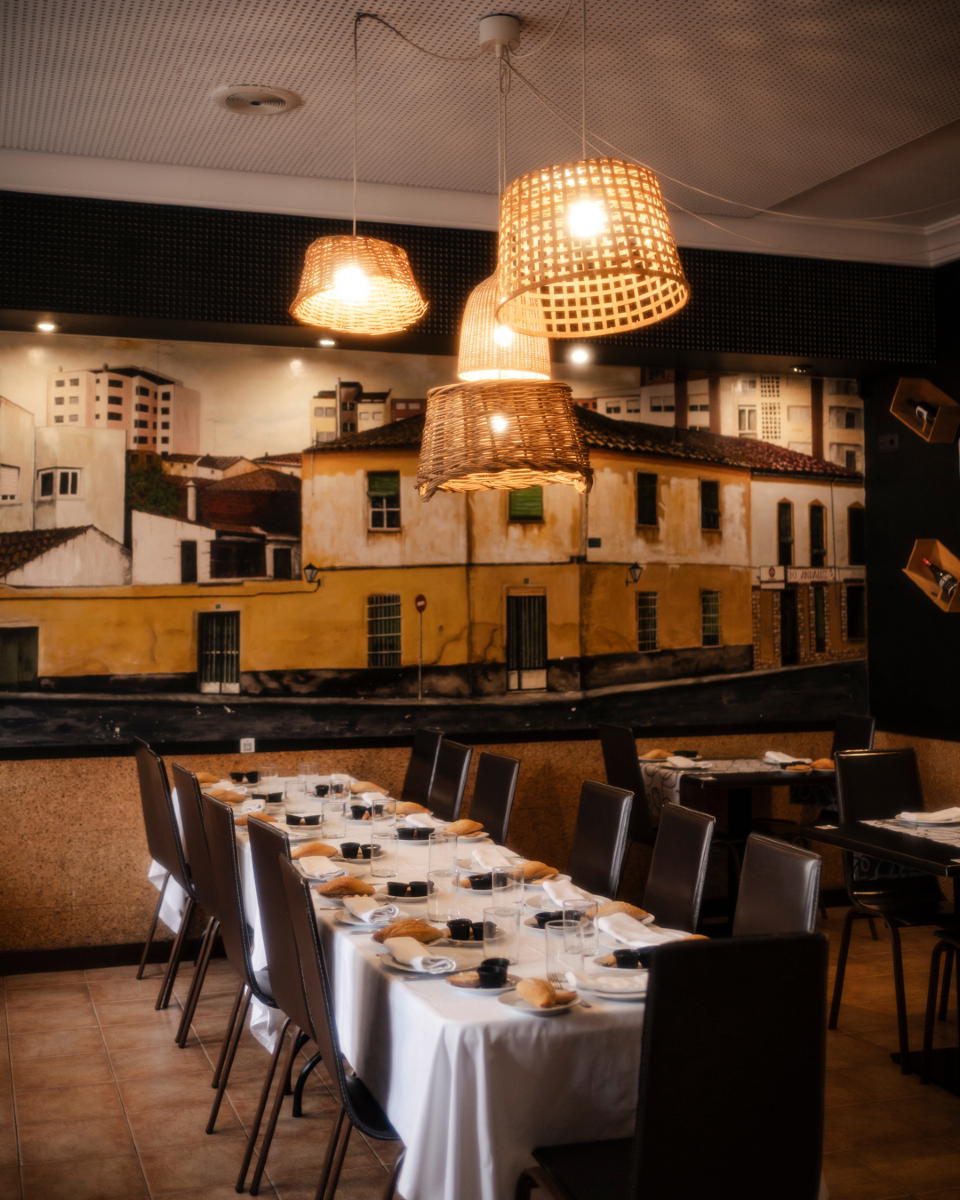

Details
- Modern
- Elegant
- Intimate
- Sophisticated
- Date Night
- Special Occasion
- Open Kitchen
- Extensive Wine List
- Local Sourcing
- Tasting Menu
- A La Carte
- Vegan Options
Current opening hours
- Monday
- Closed
- Tuesday
- Closed
- Wednesday
- 1:45–3:30 PM
- Thursday
- 1:45–3:30 PM
- Friday
- 1:45–3:30 PM, 8:45–10:30 PM
- Saturday
- 1:45–3:30 PM, 8:45–10:30 PM
- Sunday
- 1:45–3:30 PM
Hours can change for holidays and private events. Last verified .
Contemporary dining room with open kitchen, elegant and intimate atmosphere with meticulous presentation.