Christianshavns Færgecafé
On the quiet canal-facing stretch of Strandgade in Christianshavn, this café occupies a position that says as much about Copenhagen's neighbourhood dining culture as it does about any single dish. Set against a waterfront that once served working ferries, it draws on the surrounding borough's identity, a mix of historic maritime pragmatism and the considered, ingredient-led cooking that has come to define the city's mid-market dining scene.
Pearl is the En Primeur Club membership app — saves, bookings, and concierge access live there. Same editors, same standards.
- Address
- Strandgade 50, 1401 København, Denmark
- Phone
- +4532544624
- Website
- faergecafeen.dk
- Directions
- Get directions
 Saves & bookings on Pearl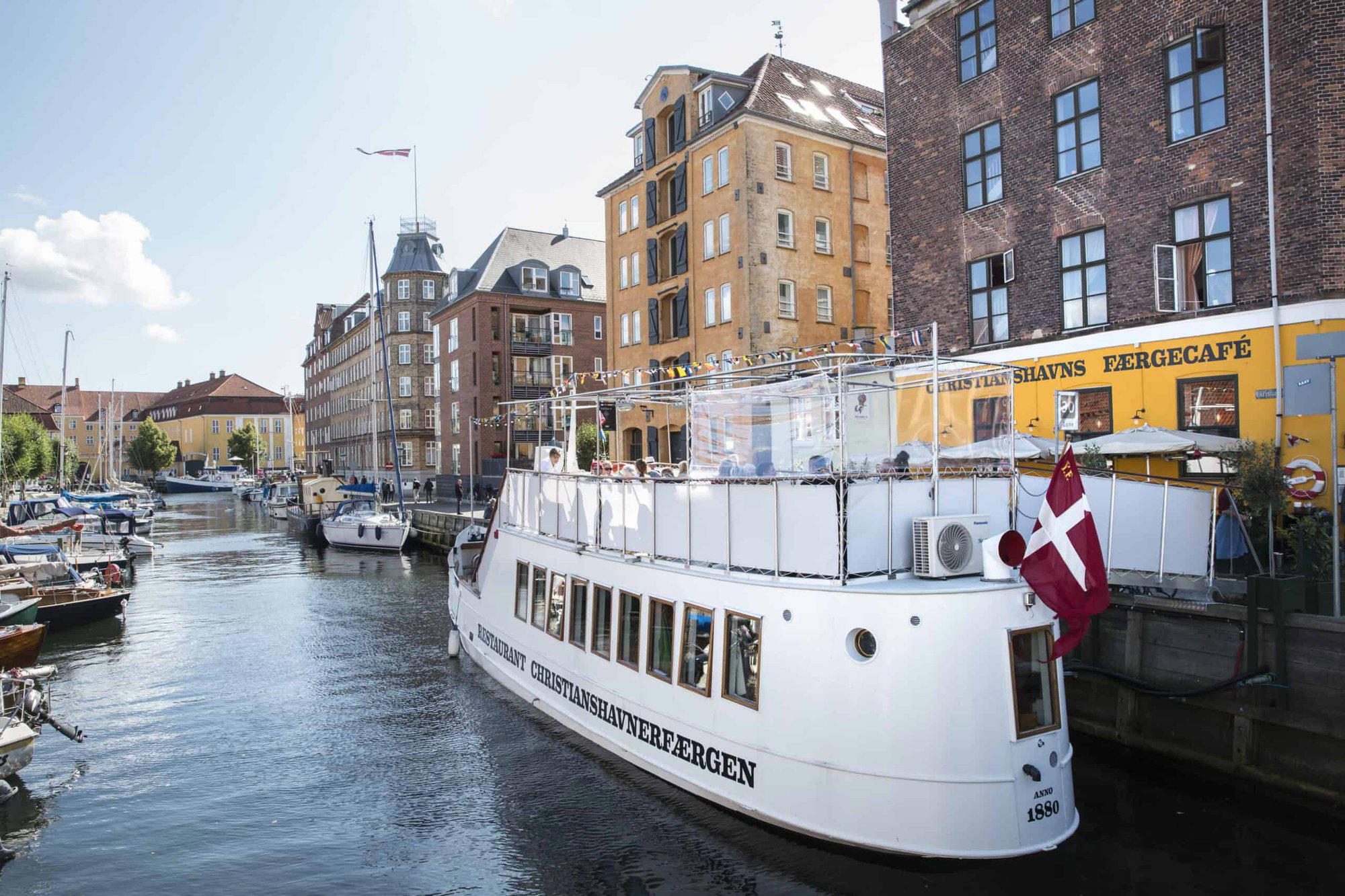
Waterfront Copenhagen, Away from the Flagship Tables
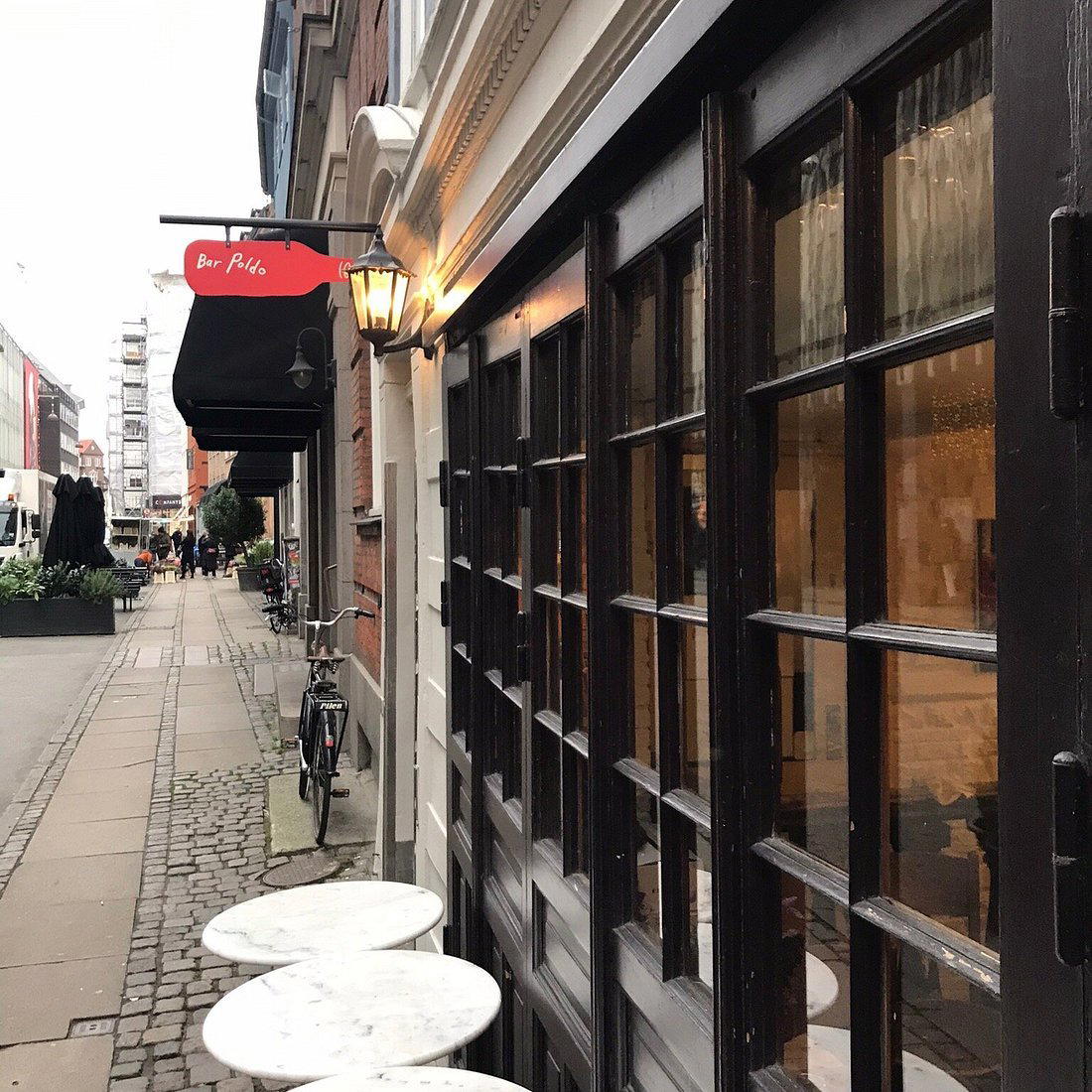
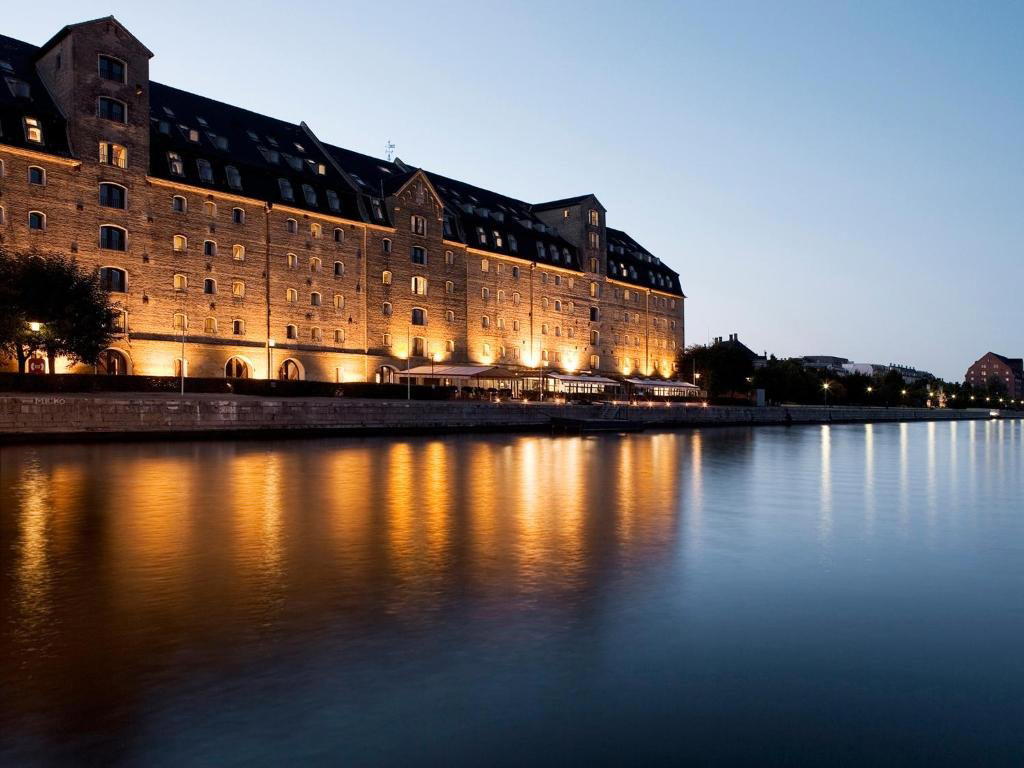
Strandgade runs along the eastern edge of Christianshavn's canal system, a street where warehouse conversions sit alongside low-key residential blocks and the occasional café that has outlasted multiple waves of culinary fashion. The address at number 50, home to Christianshavns Færgecafé, faces the water on a stretch that once handled actual ferry traffic across the harbour. That history is not incidental. Christianshavn has long occupied an interesting position in Copenhagen's social geography: close enough to the centre to attract visitors, grounded enough in its own community to resist becoming purely tourist-facing. The dining that has taken root here reflects both pressures.
Copenhagen's restaurant conversation tends to be dominated by the flagship tasting-menu tier, Geranium, Noma, Alchemist, Koan, venues that have shaped how international food media understands New Nordic. But the city's dining identity runs deeper than that cohort. Neighbourhood cafés and mid-range restaurants have been doing serious work with Danish produce and seasonal discipline long before those terms became internationally tradeable. Christianshavns Færgecafé sits in that longer tradition.
Christianshavn and the Logic of Canal-Side Dining
The borough of Christianshavn was built on reclaimed land in the seventeenth century, designed as a fortified merchant district. Its canal grid, modelled loosely on Amsterdam's, gave it a commercial waterfront character that persisted well into the twentieth century. Today the neighbourhood reads as one of Copenhagen's more liveable areas, dense but not claustrophobic, with a strong local identity sustained by long-term residents who have resisted the full gentrification pressure that remade other inner districts.
Dining in Christianshavn has tracked that arc. The leading venues here are not trying to compete with the Michelin circuit; they are serving the neighbourhood while maintaining standards that reflect the broader Danish expectation of quality ingredients handled with care. That expectation is not a recent import from the New Nordic movement, it predates it, and in some ways the movement simply formalised what cooks working closer to the ground had been doing for years.
The café format in this context carries specific weight. In Danish dining culture, the café occupies a position distinct from both the smørrebrød lunch house and the evening restaurant. It operates across more of the day, with a less formal hierarchy of service, but that informality does not translate to a relaxed approach to ingredients or technique. The leading Copenhagen cafés source with the same rigour as their fine-dining counterparts, then apply that material to formats, open sandwiches, seasonal small plates, simple mains, where the cooking has nowhere to hide.
Local Ingredients, International Method
The way Danish kitchens have absorbed technique from across Europe, French-trained knife work, Italian approaches to pickling and preservation, Nordic fermentation traditions, and increasingly Japanese precision on product selection and temperature control, while applying it to a genuinely local supply base, is the point that Copenhagen's café tier makes clear. The cold-water fish of the Øresund, the root vegetables of Zealand's agricultural hinterland, the foraged greens of the shoulder seasons: these are not chosen for narrative, they are chosen because they are what is available and what is leading at a given moment.
This intersection of imported methods and indigenous products is where Copenhagen's mid-market has made its clearest statement. The argument is not that local is always better, but that technique applied to great local material produces results that tasting menus at ten times the price cannot always improve upon. A properly made open sandwich, dark rye, cured herring, pickled mustard, a scattering of dill, is a more honest expression of that principle than many composed tasting courses that attempt the same message with more theatrical delivery. Venues like Kadeau have made a version of this argument at higher price points and with Michelin recognition to show for it. The café tier makes the same argument with less ceremony.
Beyond Copenhagen, Danish kitchens working at similar intersections of local produce and serious technique can be found across the country. Jordnær in Gentofte, Frederikshøj in Aarhus, Henne Kirkeby Kro in Henne, and Frederiksminde in Præstø all sit in that broader national conversation, each anchored in regional produce while drawing on wider culinary reference points. Smaller operations like Ti Trin Ned in Fredericia, Dragsholm Slot Gourmet in Hørve, LYST in Vejle, Tri in Agger, Pearl by Paul Proffitt in Kruså, and Syttende in Sønderborg extend that pattern into regional Denmark. Internationally, the principle finds expression in different registers: Le Bernardin in New York applies classical French precision to North Atlantic seafood; Lazy Bear in San Francisco brings fine-dining discipline to a communal dining format.
Placing Christianshavns Færgecafé in the Copenhagen Map
Within the city, the restaurant occupies a position that will be familiar to anyone who has spent time across Copenhagen's different dining tiers. It is not competing with the multi-course tasting experiences of the Michelin-tracked circuit, nor is it positioned as a quick lunch stop for harbour tourists. The waterfront address on Strandgade gives it a specific character, calm, neighbourhood-scaled, with the canal providing the kind of natural light and ambient context that Copenhagen's indoor dining rooms spend considerable effort trying to approximate. For visitors to Copenhagen who have already experienced the flagship tier, or who are building an itinerary around the city's full dining range rather than its headline names, the neighbourhood café circuit that restaurant represents is where the city's daily food culture actually lives. Our full Copenhagen restaurants guide maps the broader range.
Know Before You Go
- Address: Strandgade 50, 1401 København, Denmark
- Neighbourhood: Christianshavn, Copenhagen
- Booking: Reservations recommended
- Hours: Mon-Thu 11:30 AM-10:30 PM; Fri-Sat 11:30 AM-11 PM; Sun 11:30 AM-9 PM
- Price range: About $45 per person
Category Peers
Comparable venues nearby, for context on price, style, and recognition.
| Venue | Cuisine | Price | Notes |
|---|---|---|---|
| Christianshavns FærgecaféThis venue — the venue you are viewing | Classic Danish | $$ | Not listed |
| Restaurant Puk | Classic Danish | $$ | Indre By |
| Told & Snaps | Traditional Danish Smørrebrød | $$ | Indre By |
| Gro Eatery | Modern Scandinavian Farm-to-Table | $$$ | Østerbro |
| Khun Juk | Authentic Thai | $$ | Indre By |
| Charm | Authentic Thai Cuisine | $$ | Indre By |
Continue exploring
More in Copenhagen
Restaurants in Copenhagen
Browse all →
Bars in Copenhagen
Browse all →
At a Glance
- Cozy
- Rustic
- Historic
- Casual Hangout
- Brunch
- Waterfront
- Historic Building
- Beer Program
- Waterfront
Current opening hours
- Monday
- 11:30 AM–10:30 PM
- Tuesday
- 11:30 AM–10:30 PM
- Wednesday
- 11:30 AM–10:30 PM
- Thursday
- 11:30 AM–10:30 PM
- Friday
- 11:30 AM–11 PM
- Saturday
- 11:30 AM–11 PM
- Sunday
- 11:30 AM–9 PM
Hours can change for holidays and private events. Last verified .
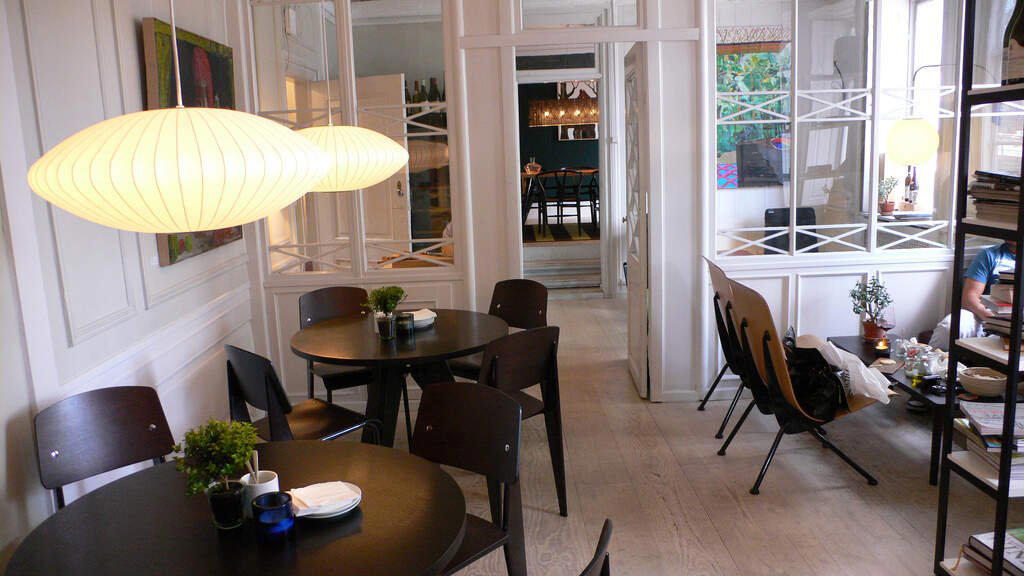
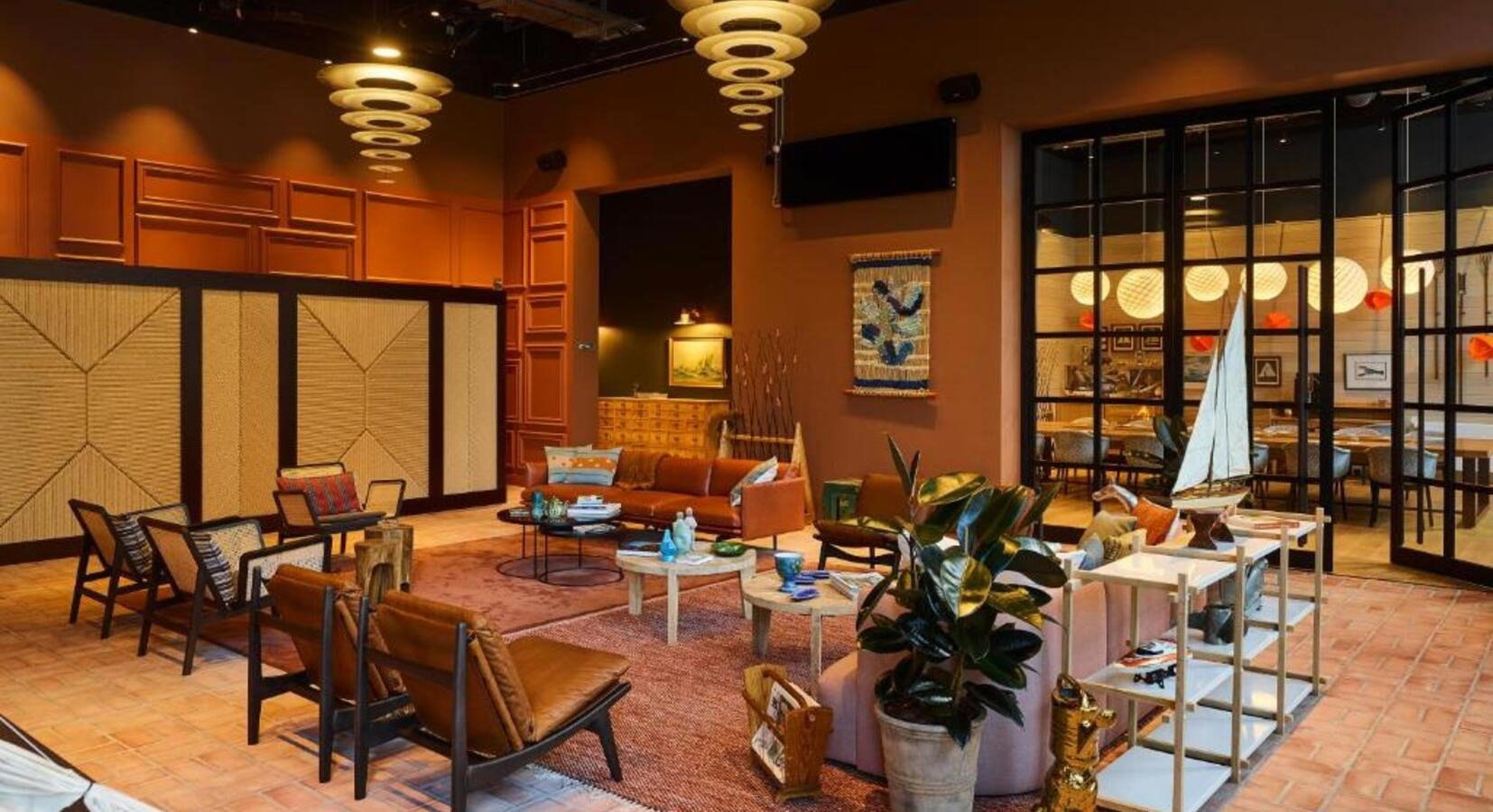
Cozy neighborhood spot with rustic maritime charm, timber framing, crooked floors, and busy warmth.