Manpuku Japanese BBQ Los Angeles
Our verdict
On Sawtelle Boulevard in West Los Angeles, Manpuku Japanese BBQ occupies a stretch of street that functions as one of the city's most concentrated Japanese dining corridors. The restaurant brings the yakiniku format to a neighborhood already fluent in Japanese culinary tradition, where tabletop grilling and shared plates operate as social ritual as much as a meal.

Pearl is the En Primeur Club membership app, where members save venues, book tables and use the concierge.

The menu
What to order
- Beef Tongue with Tokyo Negi
- Tokyo Style Beef Tongue
Sawtelle Boulevard and the Density of Japanese LA
There is a particular kind of street in Los Angeles that resists the city's reputation for sprawl. Sawtelle Boulevard between Olympic and Santa Monica, sometimes called Sawtelle Japantown or Little Osaka, is one of them. Within a few blocks, ramen shops, izakayas, Japanese curry houses, and specialty grocery operations stack next to each other at a density more common in Tokyo's residential neighborhoods than in West LA. Manpuku Japanese BBQ, at 2125 Sawtelle Blvd, sits inside that corridor, which means its competitive context is set the moment you step onto the street.
That context matters. Diners who arrive at Manpuku are, in most cases, already familiar with Japanese dining formats. The neighborhood filters for a specific kind of appetite. The street essentially does the editorial work of narrowing expectations before the door opens.
The Yakiniku Format in a City That Understands It
Yakiniku, the Japanese tabletop BBQ tradition adapted from Korean grilling culture and formalized in Japan through the postwar decades, has developed a distinct Los Angeles interpretation. In cities where Japanese grilling is less embedded, yakiniku restaurants often serve a gateway function, introducing the format through approachable cuts and simplified ordering. Los Angeles, and Sawtelle specifically, operates at a different register. The dining public here has absorbed enough of the format to evaluate marbling grades, to understand the logic of progression through cuts, and to know that the gap between a competent and a serious yakiniku operation lives in the sourcing and the fire management as much as the menu design.
This is the culinary tradition Manpuku works within. The yakiniku format structures the meal around participation: diners grill their own meat over a central heat source, and the pacing of the meal is self-directed. That participation creates a different social tempo than tasting-menu or prix-fixe formats. It rewards groups who slow down, order incrementally, and engage with the process. It also rewards operators who curate the progression of cuts rather than simply listing options by price. How a yakiniku kitchen sequences its offerings, and what it implies about the cuts worth ordering first, reveals more about its quality tier than any single dish description.
Los Angeles's broader Japanese restaurant tier gives useful reference points. At the higher end of the city's Japanese dining scene, counters like Hayato operate kaiseki formats with months-long wait lists, while the New Taiwanese precision of Kato signals how seriously the city now treats Asian culinary traditions at the fine-dining tier. Manpuku occupies a different register from both, but it operates in a city that has demonstrated sustained appetite for Japanese culinary specificity across formats and price points.
What the Neighborhood Tells You About the Room
Sawtelle's character shapes the dining experience in practical terms. The street draws a notably mixed crowd: Japanese-American families who have eaten here across generations, younger Angelenos who arrived via food media or social recommendation, and visitors staying on the Westside who default to the corridor for reliable Japanese cooking. That audience diversity is a useful signal. Neighborhoods that sustain multiple Japanese operators across decades tend to enforce quality standards through direct comparison rather than through critical apparatus. Diners on Sawtelle can walk twenty meters and make a direct competitive assessment. Operators who survive in that environment do so on the quality of the product, not on scarcity of alternatives.
The West LA location also means practical considerations differ from downtown or Hollywood operations. Parking follows the standard Westside logic: the street is walkable from parts of Brentwood and Mar Vista, accessible by ride-share from Santa Monica, and served by street parking that tightens on weekend evenings. The crowd patterns on Sawtelle tend toward earlier dinners than comparable restaurants in Silver Lake or the Arts District, with the corridor busiest between 6 and 9 pm on Fridays and Saturdays.
Reading Manpuku Against the LA Dining Map
Los Angeles has spent the last decade building a restaurant culture that competes seriously at the national level. Michelin's return to the city in 2019 formalized what local critics had argued for years: that LA's dining scene, already strong in Japanese and Mexican cooking, had developed enough fine-dining depth to be evaluated against New York, Chicago, and San Francisco peers. That critical recognition covers both the high end (operations like Providence in Contemporary Seafood and Somni in Molecular) and the mid-tier, where consistent neighborhood operators have held their own across a decade of rising competition.
Nationally, the American dining tier that Manpuku's neighborhood represents has parallels in cities with dense Japanese populations. The yakiniku format has its most serious American expressions in LA, New York, and Las Vegas, where sourcing networks for Japanese wagyu and A5-graded beef have matured enough to supply restaurant programs reliably. Compared to acclaimed American restaurants operating in entirely different formats, such as Le Bernardin in New York City, Alinea in Chicago, or The French Laundry in Napa, Manpuku addresses a different dining purpose entirely: the social, participatory meal structured around fire and shared plates rather than a chef-directed tasting sequence.
Other strong regional comparisons exist across the country. Lazy Bear in San Francisco and Single Thread Farm in Healdsburg represent the Northern California approach to serious ingredient-focused dining, while Addison in San Diego holds its own in the Southern California fine-dining tier. Blue Hill at Stone Barns in Tarrytown, Bacchanalia in Atlanta, and The Inn at Little Washington each demonstrate the geographic breadth of serious American dining, but the yakiniku tradition Manpuku represents sits outside the fine-dining taxonomy entirely. It belongs to a different lineage, one measured by the quality of the grill, the sourcing of the beef, and the knowledge encoded in the menu's cut selection. For the full picture of where Manpuku sits within LA's broader dining ecosystem, see our full Los Angeles restaurants guide.
Know Before You Go
- Address: 2125 Sawtelle Blvd, Los Angeles, CA 90025
- Neighborhood: Sawtelle Japantown, West Los Angeles
- Format: Yakiniku (Japanese tabletop BBQ)
- Nearest cross street: Olympic Blvd / Santa Monica Blvd corridor
- Parking: Street parking available; tightens on weekend evenings
- Leading for: Groups, shared dining, leisurely pacing
Frequently asked questions
What do regulars order at Manpuku Japanese BBQ Los Angeles?
In yakiniku dining, the ordering pattern of regulars typically centers on the cuts that show the kitchen's sourcing priorities. At operations on Sawtelle, where the Japanese-American dining community has multi-generational familiarity with the format, regulars tend to progress from lighter cuts toward richer, well-marbled options, ending with rice or noodles to close the meal. For specifics on Manpuku's current cut selection, checking directly with the restaurant is the most reliable approach, as yakiniku menus shift with sourcing availability.
Should I book Manpuku Japanese BBQ Los Angeles in advance?
Sawtelle Boulevard operates at high dining density on weekend evenings, and yakiniku restaurants that allow extended table time fill quickly as groups settle in for multi-hour meals. If you are planning a Friday or Saturday visit, confirming availability ahead of time is a practical step regardless of the restaurant's formal reservation policy. Weeknight visits on the Westside generally carry lower booking risk, but the Sawtelle corridor's consistent popularity means walk-in availability is never guaranteed.
What makes Manpuku Japanese BBQ Los Angeles worth seeking out?
The address on Sawtelle places Manpuku inside one of the most concentrated Japanese dining corridors in the United States, which creates a quality baseline enforced by direct neighborhood competition. The yakiniku format itself rewards repeat visits: diners who return develop a working knowledge of cut progression and ordering strategy that makes each visit more productive than the last. For a city with serious Japanese dining depth, from Hayato's kaiseki precision to Osteria Mozza's Italian anchor on Melrose, Manpuku addresses a distinct format that the fine-dining tier does not replicate.
Can Manpuku Japanese BBQ Los Angeles handle vegetarian requests?
Yakiniku menus are structured around meat, and the format's central logic depends on grilled proteins. That said, many Japanese BBQ operations in Los Angeles maintain vegetable and mushroom options for the grill, as well as rice, tofu, and noodle dishes that fall outside the meat-focused progression. For specific dietary accommodation, contacting Manpuku directly is the appropriate step, as menu composition and flexibility vary by operation. The Los Angeles restaurant scene overall offers strong alternatives for vegetarian diners if the format is not the right fit.
How does Manpuku Japanese BBQ compare to other Japanese restaurants on Sawtelle Boulevard?
Sawtelle supports several distinct Japanese dining formats within a short stretch: ramen, izakaya, curry, and yakiniku each occupy different functional roles in the corridor. Manpuku's tabletop BBQ format is social and self-paced in a way that differs structurally from counter-service ramen or small-plate izakaya dining. That distinction makes it a different kind of evening rather than a direct competitor to its neighbors. Diners choosing between Sawtelle operators are often choosing a format and a pace as much as a cuisine, and yakiniku's two-to-three-hour social rhythm sits at one end of that spectrum. For broader context on how Korean-influenced Japanese dining has developed in major American cities, the yakiniku tradition on Sawtelle represents one of its most established American expressions.
Standing Among Peers
Comparable venues nearby, for context on price, style, and recognition.
| Venue | Cuisine | Price | Notes |
|---|---|---|---|
| Manpuku Japanese BBQ Los AngelesThis venue (the venue you are viewing) | Japanese Yakiniku BBQ | $50–100 | Not listed |
| Sushi Enya Little Tokyo | Modern Japanese Omakase | $50–100 | Little Tokyo |
| Sonmari | Modern Hand Roll and Sushi | $50–100 | Wilshire Center |
| Yuko Kitchen | Japanese Comfort Food | $20–30 | Miracle Mile |
| Maison Kasai | French-Japanese Teppanyaki Fusion | $150–200 | Downtown |
| Azay | Japanese Breakfast and Home Cooking | $20–30 | Little Tokyo |
Continue exploring
More in Los Angeles
Restaurants in Los Angeles
All restaurants in Los Angeles →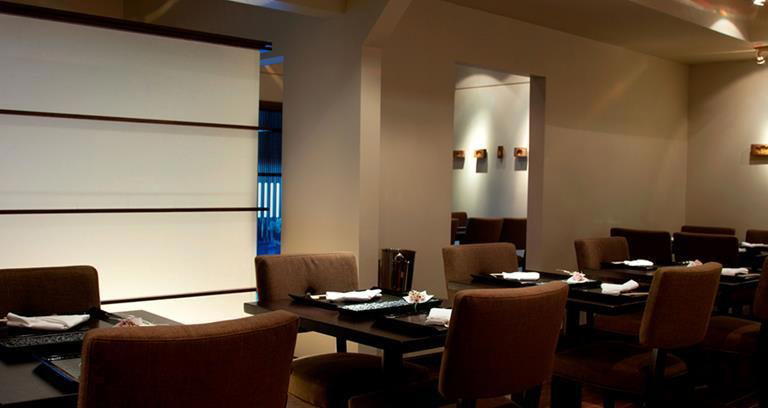
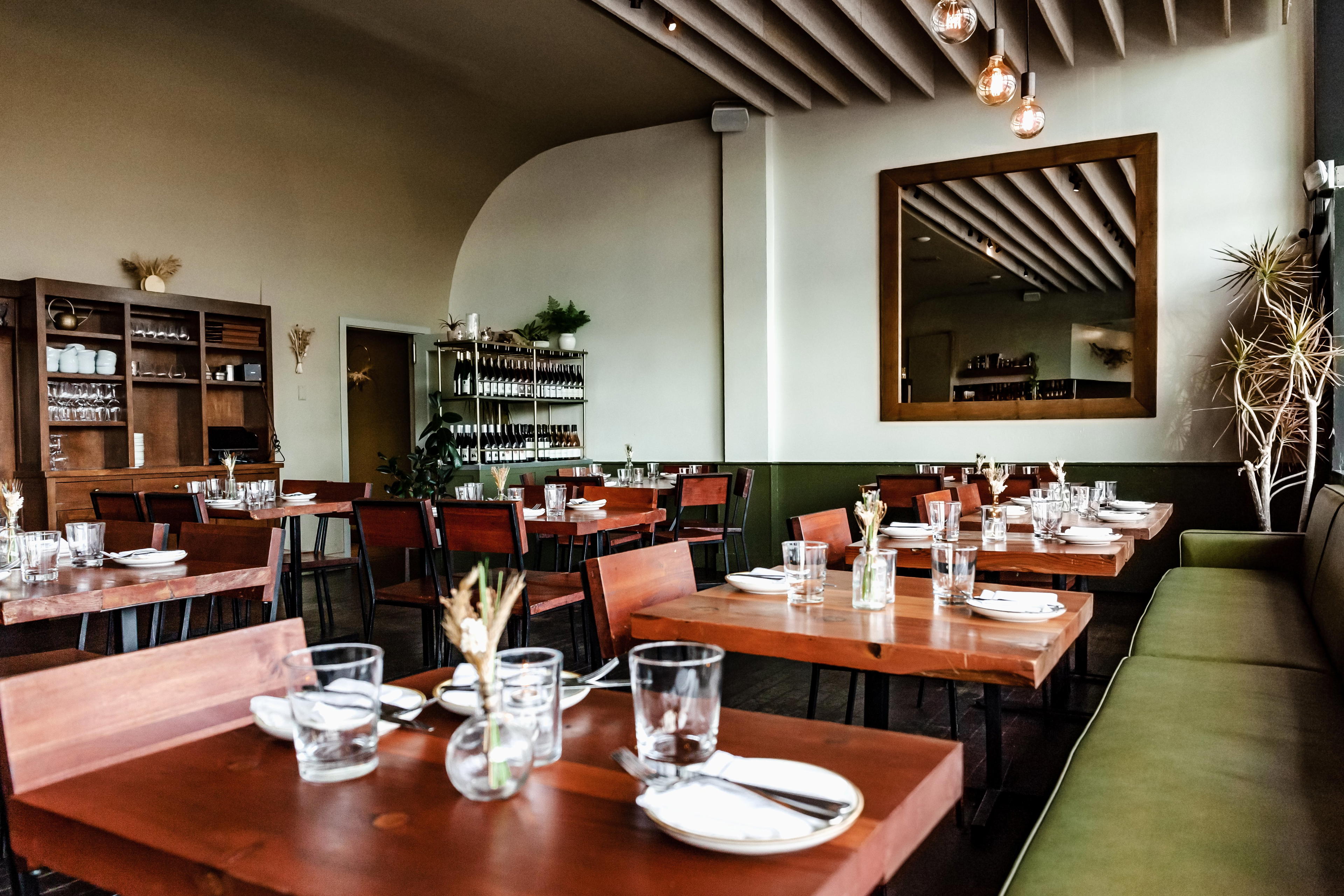
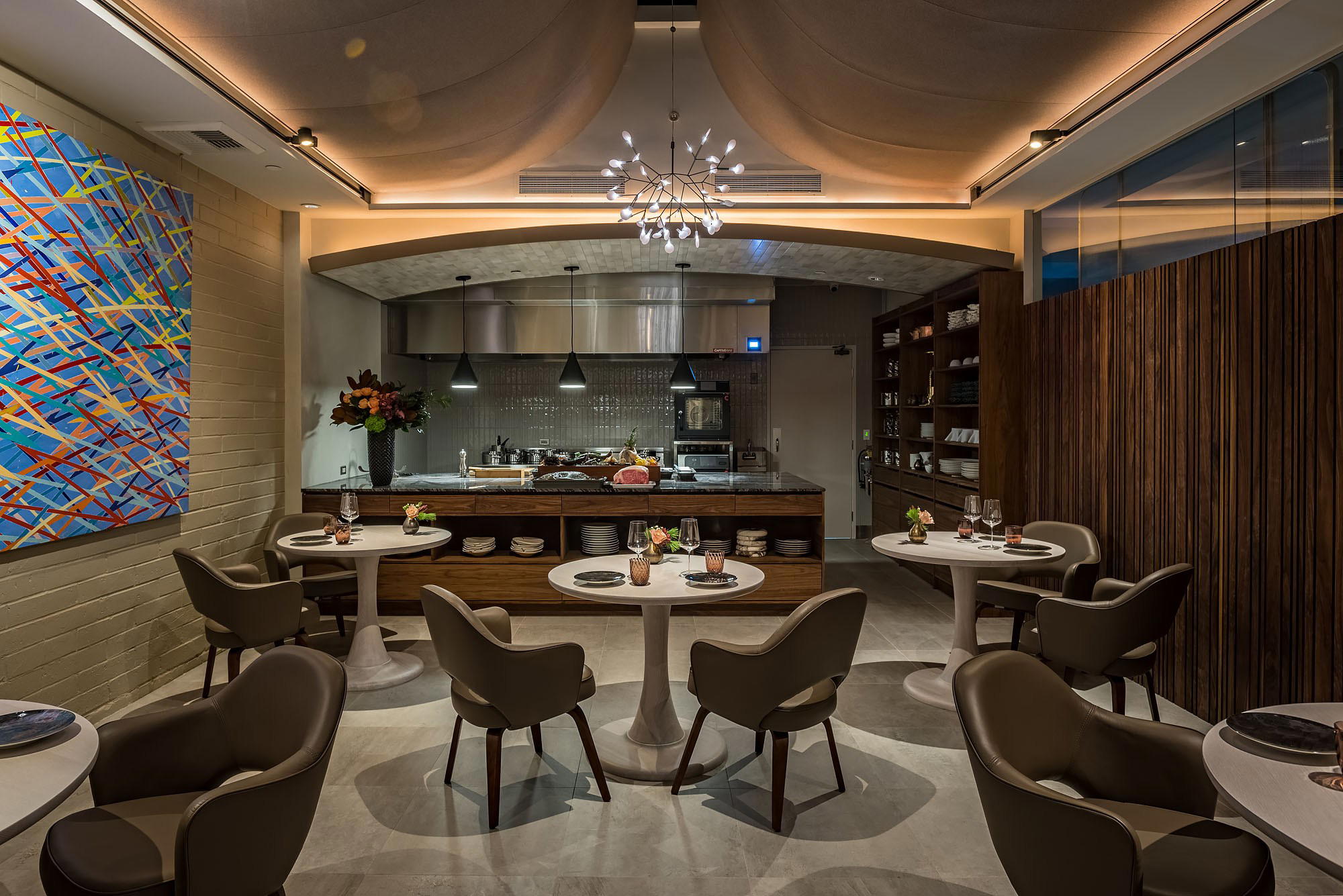
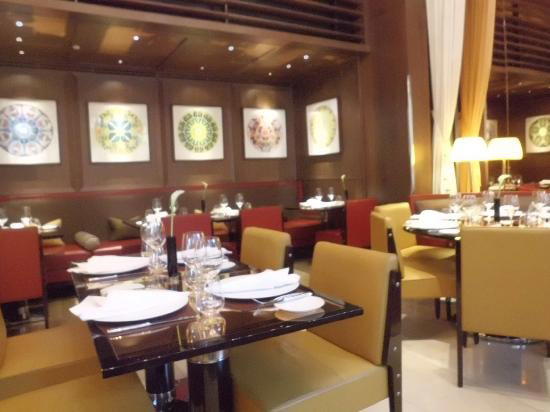
Bars in Los Angeles
All bars in Los Angeles →
Hotels in Los Angeles
All hotels in Los Angeles →
Wineries in Los Angeles
All wineries in Los Angeles →
Details
- Lively
- Trendy
- Energetic
- Group Dining
- Casual Hangout
- Late Night
- Open Kitchen
- Sake Program
- A La Carte
- Small Plates
- Sake
- Beer
- Wine
Current opening hours
- Monday
- 5–10:30 PM
- Tuesday
- 5–10:30 PM
- Wednesday
- 5–10:30 PM
- Thursday
- 5–10:30 PM
- Friday
- 5–10:30 PM
- Saturday
- 12–3 PM, 4:30–10:30 PM
- Sunday
- 12–3 PM, 4:30–10:30 PM
Hours can change for holidays and private events. Hours as of .
Casual and lively atmosphere with table-side grills and attentive service.