On Kortrijk's Grote Markt, Nomma occupies one of the city's most prominent dining addresses, positioning itself within West Flanders' growing conversation around modern Belgian cooking. The square's foot traffic and civic weight give the restaurant a natural role in the local scene, drawing both residents and visitors looking for a table that reflects where Flemish dining is heading rather than where it has been.
Pearl is the En Primeur Club membership app — saves, bookings, and concierge access live there. Same editors, same standards.
- Address
- Grote Markt 10, 8500 Kortrijk, Belgium
- Phone
- +32 56 90 80 00
- Website
- nommarestaurant.be
- Directions
- Get directions
 Saves & bookings on Pearl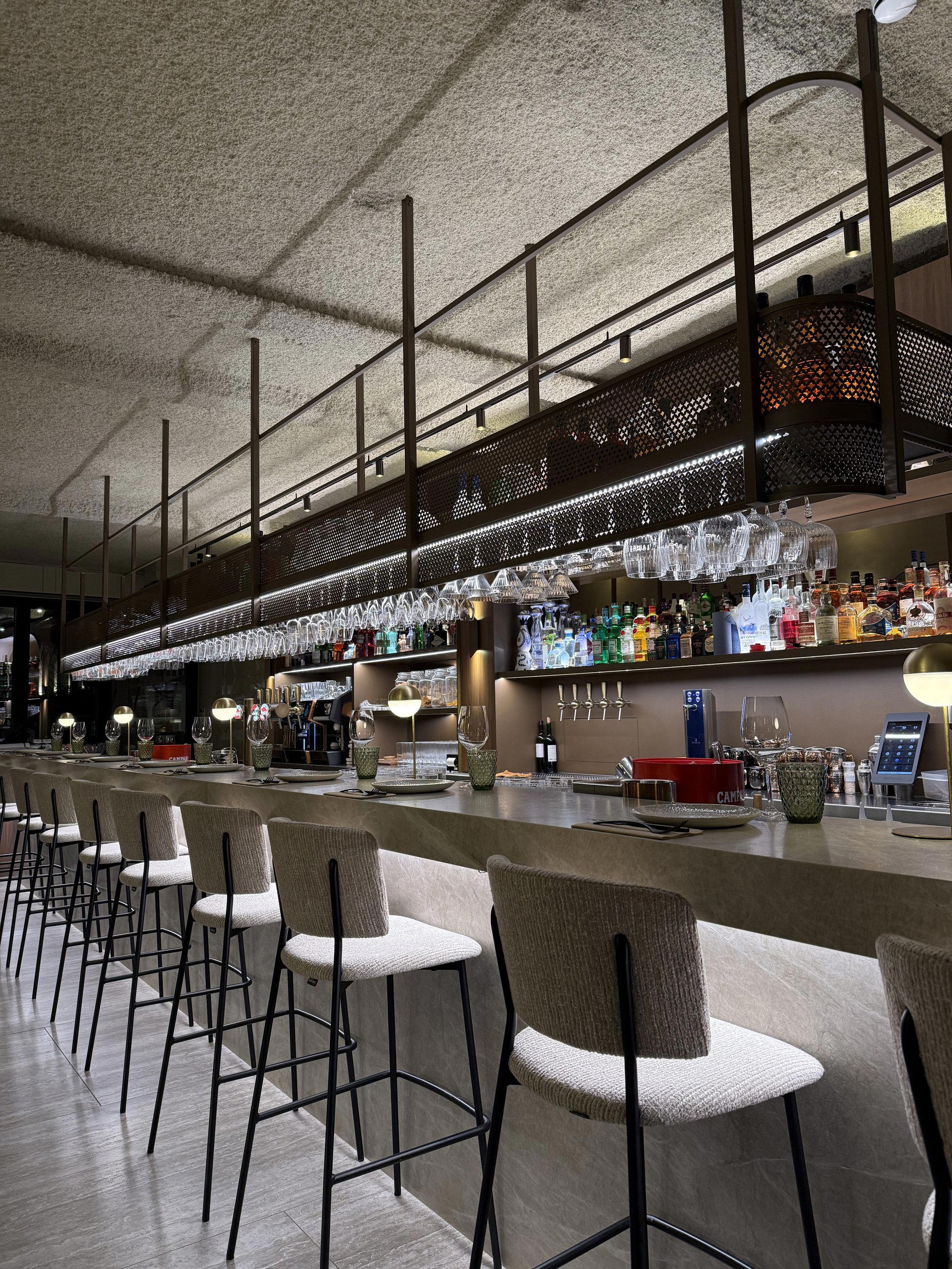
A Market Square Address in Flemish Belgium
Grote Markt addresses carry a particular kind of civic authority in Belgian cities. The square functions as the social and architectural centre of gravity, a place where the built history of a town and its present-day life meet across cafe terraces and market stalls. In Kortrijk, a city that has spent the last decade repositioning itself as a design and culture destination rather than a post-industrial footnote, the Grote Markt is where that repositioning is most visible.
West Flanders has produced a notable concentration of serious cooking for a region its size. Within an hour's drive of Kortrijk, Hof van Cleve in Kruishoutem and Boury in Roeselare operate at the summit of Michelin's recognition system, while coastal addresses like Bartholomeus in Heist and Willem Hiele in Oudenburg have built international followings around North Sea produce. Kortrijk itself has developed a quieter but increasingly coherent dining identity within that broader provincial picture, with a cluster of restaurants that take modern Flemish and European cooking seriously without the drama of destination-dining theatrics.
What Kortrijk's Dining Scene Actually Looks Like
Kortrijk's restaurant scene in the early 2020s is organised around several distinct tiers. At the leading end, addresses like Table d'Amis and Messeyne hold the creative-modern tier, where menus are built around seasonal Flemish produce and the cooking vocabulary is broadly French-influenced but increasingly comfortable with Flemish and broader Belgian specificity. Below that, a mid-tier of farm-to-table operations like De Garage and neighbourhood bistros gives the city the kind of daily dining culture that makes a restaurant scene coherent rather than just impressive on paper.
Nomma's placement on the Grote Markt puts it at the intersection of these tiers, in the kind of address that could reasonably serve both a business lunch and a considered evening out. That dual-purpose position is common among market-square restaurants across Belgium and the Netherlands, and it shapes the format and tone of the cooking as much as any single culinary ambition. The comparison set within Kortrijk includes Argendael and Choclo, both of which occupy similar civic-facing positions while pursuing distinct culinary directions.
Belgian Cooking's Cultural Roots and What That Means at the Table
Belgian cuisine occupies a curious position in the European hierarchy. France receives the critical attention, and the Netherlands has built a stronger international profile in recent years through its own modernist kitchens. Belgium, and Flanders in particular, has long cooked seriously without demanding equivalent recognition. The tradition is rooted in bourgeois French technique applied to local produce: North Sea fish, Ardennes game, white asparagus in spring, endive through winter, and a brewing culture that shapes both the table and the kitchen in ways that have no real parallel elsewhere in Western Europe.
The Flemish kitchen's cultural logic is one of accumulation rather than reduction. Where French haute cuisine tends toward refinement and subtraction, the Flemish tradition has historically been more generous, more ingredient-driven, and more comfortable with the kind of richness that comes from long braising, cream-based sauces, and produce that is allowed to taste completely like itself. Modern Flemish cooking, as practiced at the better tables across West Flanders and the broader region, has largely absorbed the French modernist toolkit while retaining that underlying generosity. The result is a style that reads as contemporary without severing its connection to the cultural logic of the cuisine.
This is the tradition that a Grote Markt restaurant in Kortrijk sits within, whether it acknowledges it explicitly or not. The civic function of such an address carries an expectation: that the cooking should be accessible enough to serve the city's daily life while serious enough to reflect where Belgian cooking is. Restaurants that get this balance right tend to develop loyal local followings that sustain them through slower periods in ways that purely destination-driven operations cannot rely on.
Kortrijk in Context: Where It Sits in the Belgian Dining Map
For visitors approaching Kortrijk from outside Belgium, some geographical calibration is useful. The city sits in the southwest of Flanders, closer to Lille than to Brussels, and its dining identity is more aligned with the quieter, producer-focused cooking of West Flanders than with the metropolitan ambition of Antwerp or Brussels. Zilte in Antwerp and Bozar Restaurant in Brussels represent the metropolitan end of Belgian fine dining; Kortrijk's better tables are quieter, less performative, and more embedded in regional supply chains.
That regional rootedness is a strength rather than a limitation. The produce available to West Flemish kitchens, from the polders and the coast, is among the leading in Northern Europe, and the cooking tradition that has grown around it is coherent in a way that metropolitan scenes, with their tendency toward international influence accumulation, sometimes are not. For visitors travelling through Flanders rather than to a single destination, Kortrijk makes a logical stop: close enough to Ghent and Bruges to combine with those cities, distinct enough in character to justify its own itinerary slot. Kortrijk restaurants guide maps the broader picture for anyone planning more than a single meal in the city.
Belgian dining further afield for those building a wider itinerary: Castor in Beveren, De Jonkman in Sint-Kruis, L'air du Temps in Liernu, and d'Eugénie à Emilie in Baudour each represent different facets of the national dining conversation. And for those whose travels extend to North American tables with European roots, Le Bernardin in New York City and Atomix in New York City offer useful reference points for understanding how European technique travels and transforms across different dining cultures.
Planning a Visit to Nomma
Nomma is located at Grote Markt 10 in Kortrijk, in the centre of the square that serves as the city's main civic and social hub. The address is walkable from Kortrijk's main railway station in under fifteen minutes, which makes it accessible for visitors arriving from Ghent, Brussels, or across the border from Lille. As with most market-square restaurants in Belgian cities of this size, the surrounding area is well-served by public transport and the square itself is a natural orientation point for anyone unfamiliar with the city. Similarly, Beugnies Les Chocolats nearby is worth factoring into a half-day in Kortrijk for those who take the city's food culture seriously beyond the dinner table.
A Pricing-First Comparison
Comparable venues nearby, for context on price, style, and recognition.
| Venue | Cuisine | Price | Awards | Notes |
|---|---|---|---|---|
| NommaThis venue — the venue you are viewing | Not listed | $$$ | Not listed | Not listed |
| Pizzeria Sofia | Sint-Maartenskerkhof, Neapolitan Pizza | $$ | Not listed | Not listed |
| Choclo | Not listed | $$$ | Not listed | city center, Modern Latin American (Mexican-Peruvian) |
| Vier | Not listed | $$$ | Michelin Plate | city center, Seasonal Belgian Fine Dining |
| Desanto | city center, French-Belgian Brasserie | $$$ | Not listed | Not listed |
| Argendael | Not listed | $$$ | Not listed | Bellegem, French-Belgian Bistro with Black Angus Specialization |


At a Glance
- Cozy
- Modern
- Trendy
- Elegant
- Date Night
- Casual Hangout
- Group Dining
- Open Kitchen
- Craft Cocktails
- Street Scene
Current opening hours
- Monday
- Closed
- Tuesday
- Closed
- Wednesday
- 11:30 AM–3 PM, 6–11:30 PM
- Thursday
- 11:30 AM–3 PM, 6–11:30 PM
- Friday
- 11:30 AM–3 PM, 6 PM–12 AM
- Saturday
- 11:30 AM–3 PM, 6 PM–12 AM
- Sunday
- 11:30 AM–3 PM, 6–11:30 PM
Hours can change for holidays and private events. Last verified .
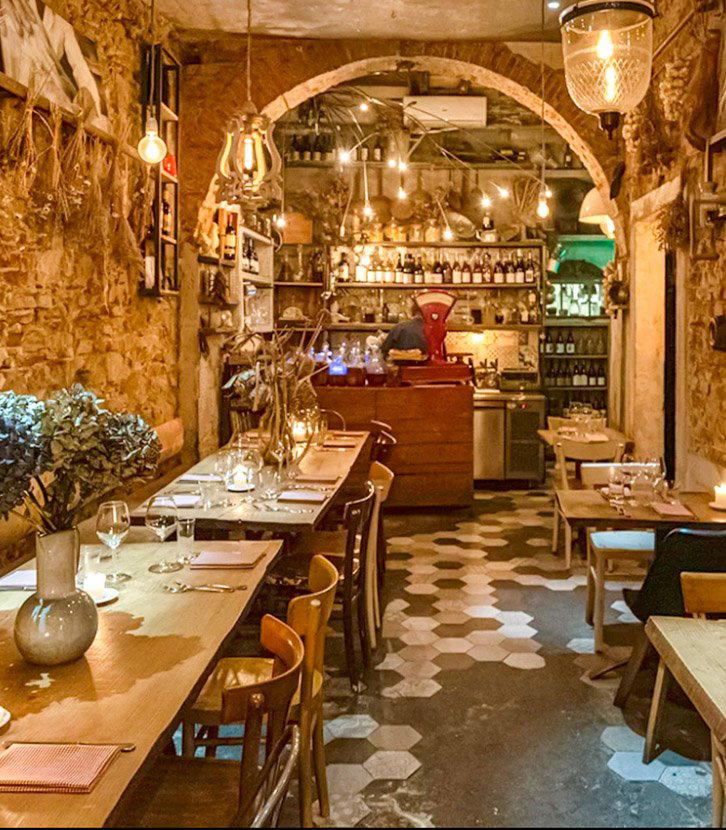
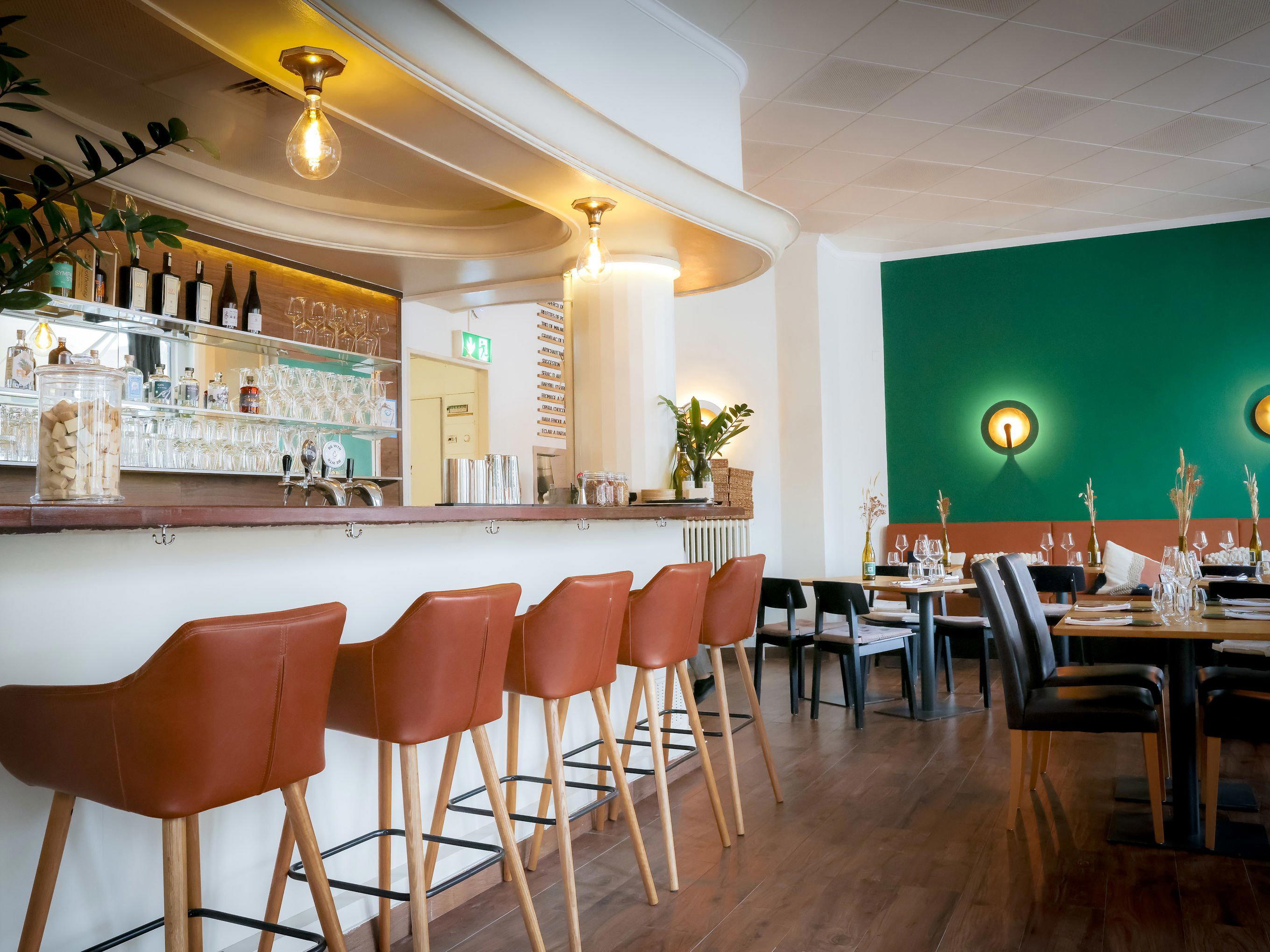
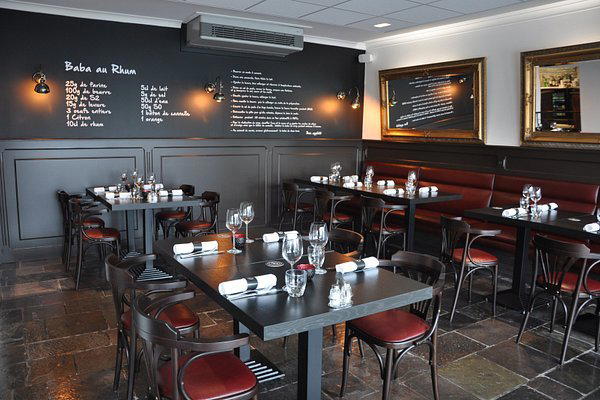
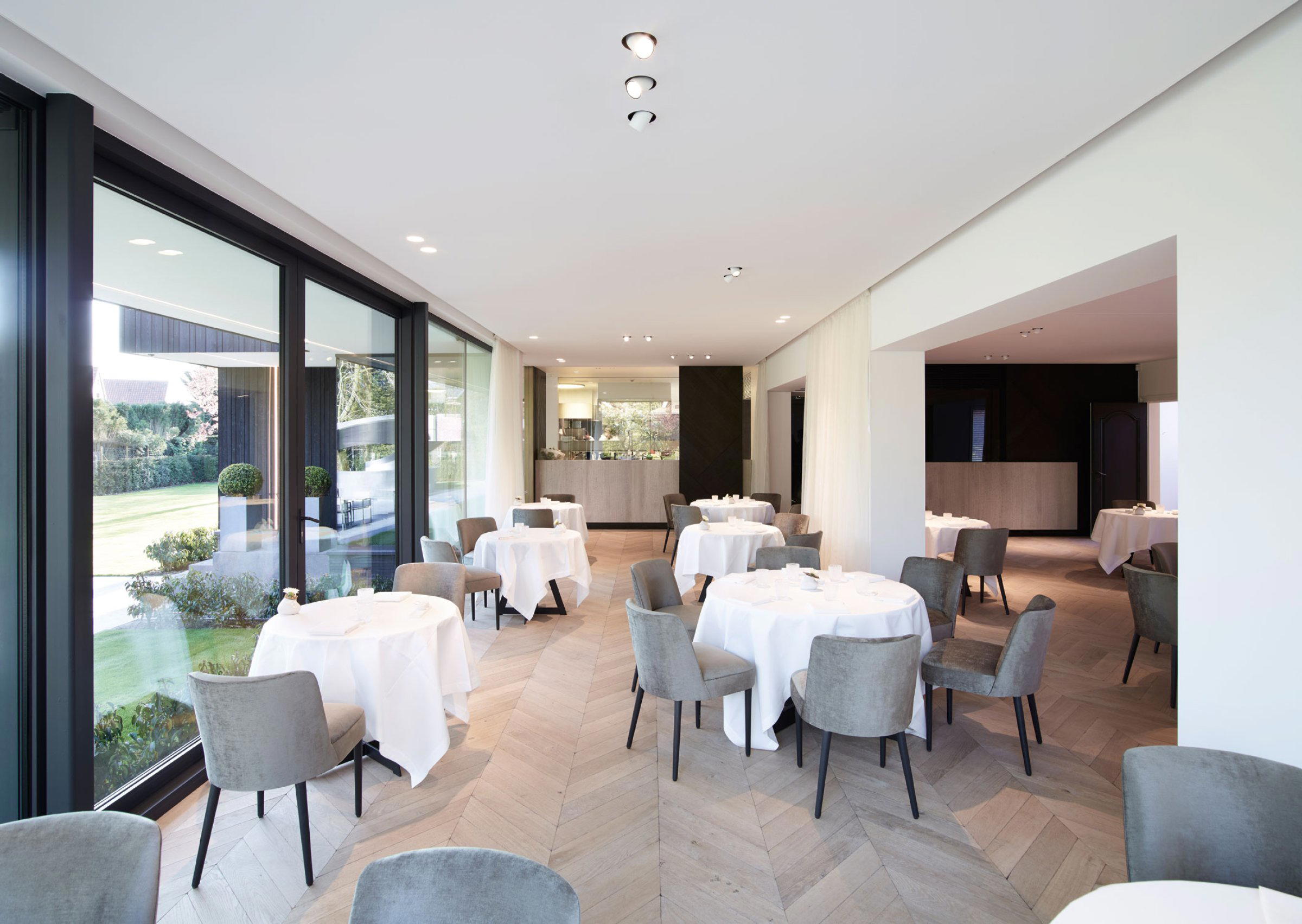
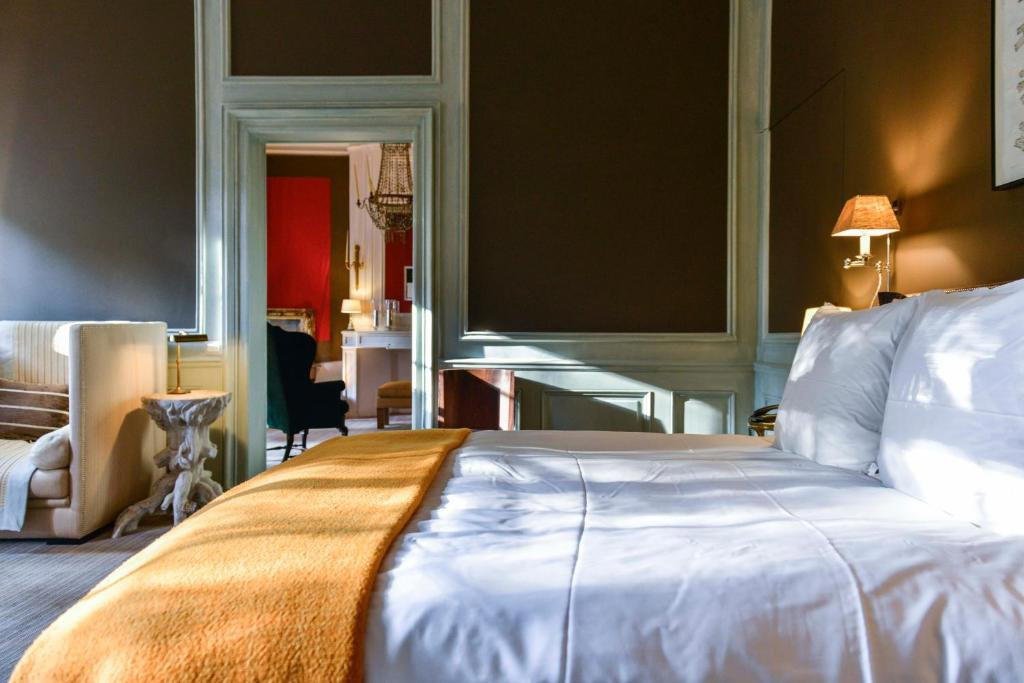
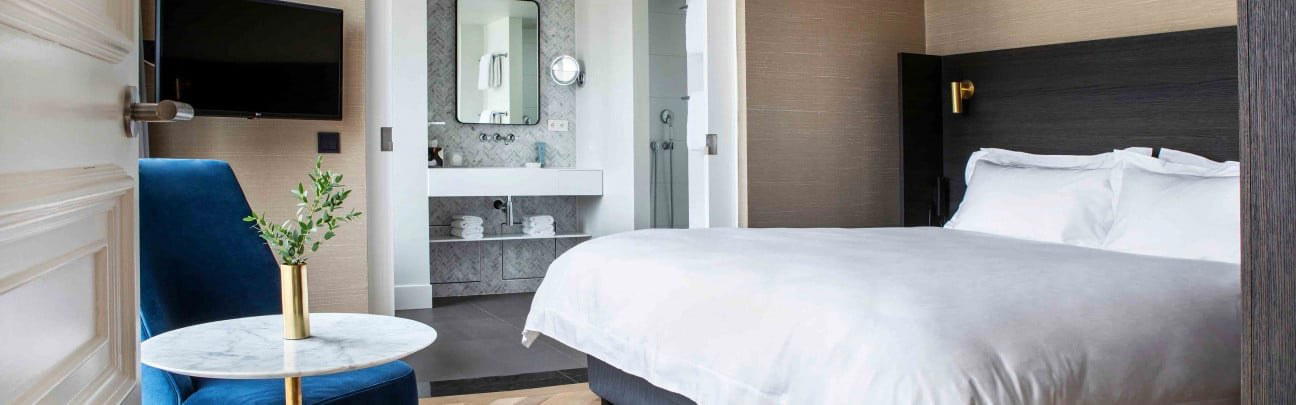
Warm, cozy, and modern with nice decor and a welcoming, dromerige (dreamy) vibe.