
Noguchi Sengyo Ten puts Tokyo’s everyday seafood-bowl culture in a small Sumida dining-room format rather than the city’s luxury sushi bracket. Its Tabelog 100 Diner selection in 2026 and 2024 gives the address a clear trust signal, while the no-reservations format makes timing part of the meal.
Pearl is the En Primeur Club membership app — saves, bookings, and concierge access live there. Same editors, same standards.
- Address
- 4 Chome-6-9 Higashikomagata, Sumida City, Tokyo 130-0005, Japan
- Phone
- +81 3-5608-0636
- Website
- facebook.com
 Saves & bookings on Pearl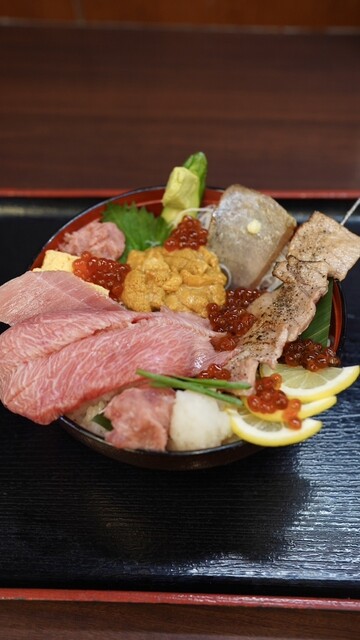
Approaching Higashikomagata, the tone shifts away from Ginza’s polished counters and toward a plainer east-side Tokyo rhythm: low-rise blocks, local lunch traffic, and a dining room built for fish rather than ceremony. This is the side of the city where seafood is judged less by performance and more by turnover, price discipline, and how directly a kitchen can translate market abundance into rice bowls and set-meal comfort.
Tokyo’s seafood hierarchy can be misleading for visitors. The international conversation tends to orbit sushi counters, tasting menus, and hotel dining rooms, but the city’s daily fish culture is wider and less formal. Cafeteria-style seafood shops and kaisen-don specialists sit in that middle lane: more focused than a general izakaya, less scripted than omakase, and often more revealing about how local diners actually eat fish on a weekday.
Sumida seafood without the Ginza ceremony
Noguchi Sengyo Ten belongs to that category: cafeteria, kaisen-don, and seafood, with a stated emphasis on fish and drinks that include sake and shochu. The format matters. A seafood bowl shop does not need the language of rarefied luxury to earn attention in Tokyo; it needs consistency, high turnover, and a room that can handle regulars, friends, and solo counter diners without turning lunch into a production.
The recognition gives the address weight beyond neighborhood affection. Selection for Tabelog 100 Diner in 2026, with a prior selection in 2024, places it inside a Japan-specific dining category that rewards everyday restaurants as much as destination dining. The Tabelog score is 3.60, a useful signal in a market where scores move conservatively and casual formats compete against a large field of specialist shops.
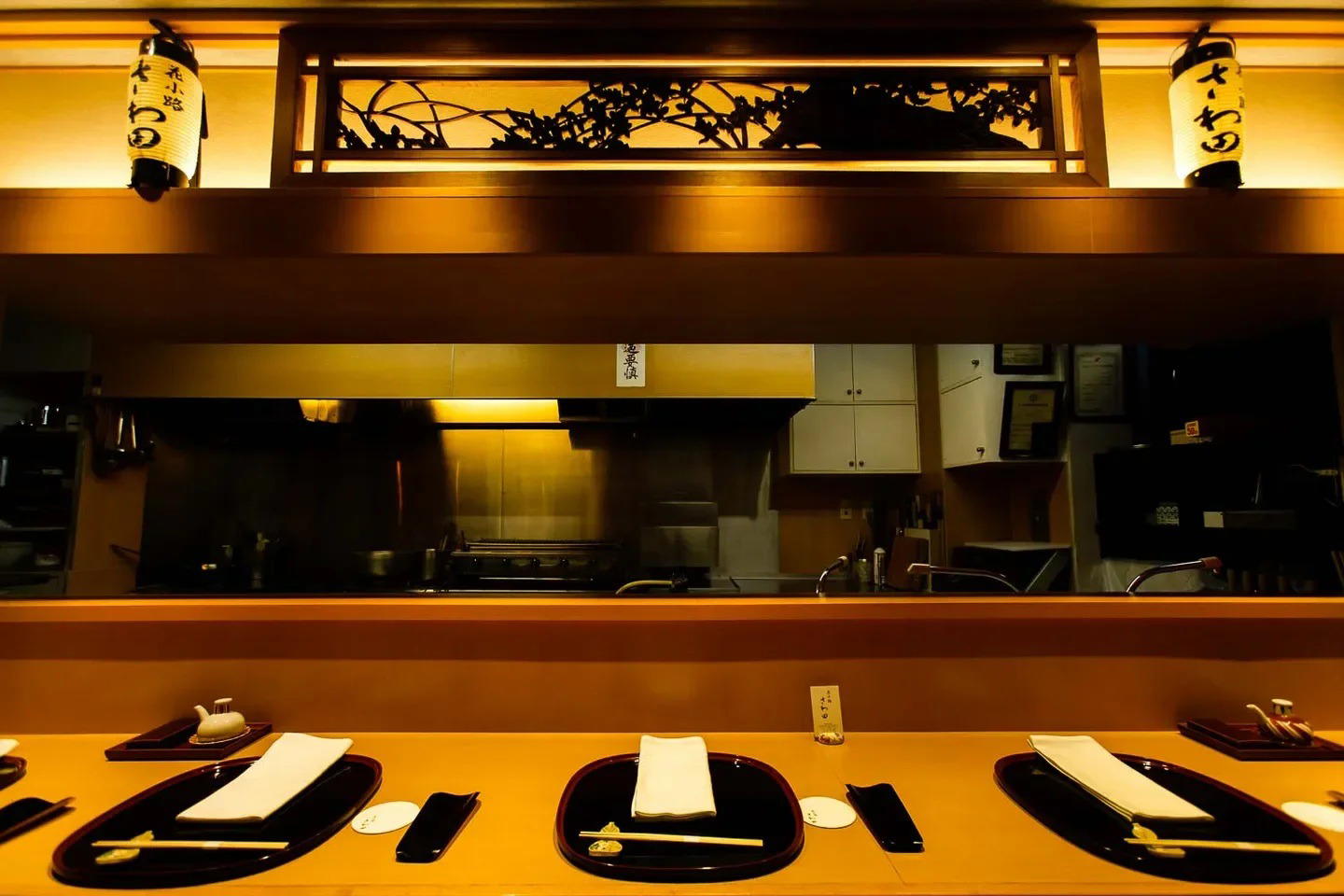
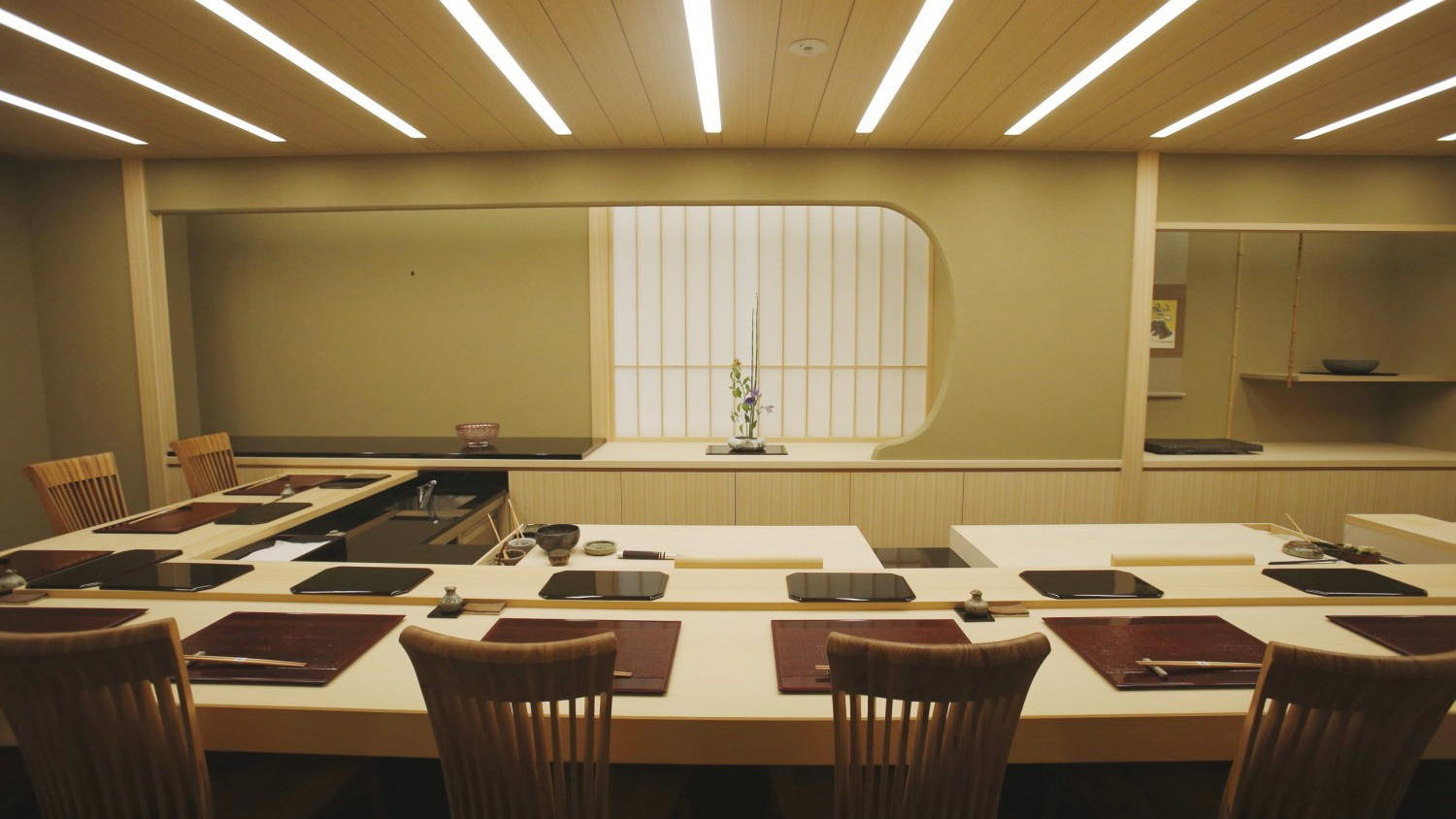
The room is compact but not tiny, with 30 seats split between 7 counter seats and 23 table seats. That balance tells the story of the experience: counter dining for quick seafood bowls, tables for small groups, and a pace closer to a neighborhood shokudo than a tasting-menu restaurant. It is also non-smoking, which makes the dining room easier to recommend for travelers who want seafood without the compromises that can come with older casual spaces.
Within the nearby comparison set, the address sits apart from French dining at ÉTAPE, contemporary cooking at KOKYU, soba at Azumabashi Yabusoba, and the lower-priced casual lane represented by Tomo Rakunou 63℃. The useful distinction is not glamour; it is category clarity. For seafood in this part of Sumida, the appeal is the directness of a fish-led shop working in a budget band that keeps it tied to daily Tokyo rather than special-occasion dining.
The planning challenge is the format, not the price
The booking experience here is defined by absence: reservations are unavailable. That changes how to read the restaurant. This is not a concierge table to lock months ahead, and it is not a room where access is solved by status. The strategy is timing, flexibility, and accepting that a small seafood shop may close earlier if ingredients run down. For travelers building a day around Asakusa, Tokyo Skytree, or Honjo Azumabashi, that detail matters more than any chef biography.
The price band also shifts expectations. Listed lunch and dinner budgets sit at JPY 1,000 to JPY 1,999, while spending based on reviews is shown at JPY 2,000 to JPY 2,999. In Tokyo seafood terms, that keeps the restaurant in a practical bracket, especially compared with sushi counters where a single seat can define an entire evening’s budget. The trade-off is control: diners gain value and local texture, but lose the certainty of a booked table and a pre-arranged progression.
Payment is another part of the logistics. Credit cards and electronic money are not accepted, while PayPay is accepted. That makes cash planning sensible for international visitors, particularly in smaller Tokyo dining rooms where payment systems can be narrower than the food reputation suggests. Parking is unavailable, though paid parking exists nearby; the more natural approach is rail and walking.
Transport access reinforces the neighborhood logic. Honjo Azumabashi Station on the Toei Asakusa Line is the closest station, with Asakusa and Tokyo Skytree also within walking range. That geography makes the restaurant useful as a fish-led meal around an east Tokyo itinerary rather than a cross-city dinner pilgrimage. It pairs better with a loose afternoon in Sumida than with an over-engineered evening schedule.
Where it fits in a Tokyo itinerary
The strongest case for Noguchi Sengyo Ten is not that it replaces sushi. It answers a different question: where to eat seafood in Tokyo when the goal is a focused, casual room with a recognized local reputation and a price band that leaves room for the rest of the day. For visitors who have already booked a serious counter, this is a corrective, a reminder that Tokyo’s fish culture is not confined to omakase etiquette.
Vegetarians should treat the restaurant cautiously, because the categories and stated food focus are seafood-based. Families can read the 30-seat room, casual pricing, non-smoking policy, and table seating as useful signals, though the no-reservations format means patience may be required at busy meal times. Groups looking for private rooms or private use should look elsewhere, since neither is available.
For broader Tokyo planning, compare this kind of fish-led casual meal with other city formats in Our full Tokyo restaurants guide. Nearby and category-adjacent research can also include . 鮪と炭火焼き うお炭 秋葉原店, 12/10 Shinjuku ten, 124. KAGURAZAKA (Yakitori), 2D Cafe, and 3 Chome no Curry Ya San.
Travelers stitching the meal into a fuller city plan can cross-reference Our full Tokyo hotels guide, Our full Tokyo bars guide, Our full Tokyo wineries guide, and Our full Tokyo experiences guide. Wider Japan and overseas casual-dining comparisons include -Grilled beef Sukiyaki- KAMAKURA TANUKIAN 鎌倉 たぬき庵 in Kamakura.cafe in Osaka.know in Kumamoto, (Shoku) Vietnam in Kawasaki, [Curry Senmon Ten] Maruyama Kyoju. in Sapporo, [ki:] in Kyoto, Jōdo Saké Bar in Los Angeles, and Onigiri Time in Pasadena.
Comparable Options
Comparable venues at a similar level for quick context.
| Venue | Cuisine | Price | Notes |
|---|---|---|---|
| Noguchi Sengyo TenThis venue — the venue you are viewing | Casual Japanese seafood eatery | $ | Not listed |
| BEAVER BREAD | Bakery | $ | Chūō |
| Koukai Bou | Classic Tokyo ramen & tsukemen | $ | Kōtō |
| Caligari Akihabara | Japanese curry house specializing in coconut curry | $ | Chiyoda |
| Takeya | Udon & Izakaya | $ | Bunkyō |
| Honkatry | Indian-style curry counter | $ | Bunkyō |
Recognition history
Dated appearances from independent guides and award organizations, with the underlying list record or original source where available.
Tabelog 100 #28 · No. 28
Tabelog · Tabelog 100 - Diner - 2026







At a Glance
- Lively
- Solo
- Casual Hangout
- After Work
- Standalone
- Local Sourcing
- Sustainable Seafood
Current opening hours
- Monday
- 11:30 AM–2 PM, 4–6:30 PM
- Tuesday
- 11:30 AM–2 PM, 4–6:30 PM
- Wednesday
- Closed
- Thursday
- 11:30 AM–2 PM, 4–6:30 PM
- Friday
- 11:30 AM–2 PM, 4–6:30 PM
- Saturday
- 11:30 AM–2 PM, 4–6:30 PM
- Sunday
- 11:30 AM–2 PM, 4–6:30 PM
Hours can change for holidays and private events. Last verified .
Simple, no-frills cafeteria-style space with counter and table seating, focused on the freshness of the fish rather than decor; atmosphere is typically busy and energetic during meal times.