
BEAVER BREAD gives Tokyo’s bakery culture a low-ceremony counterpoint to the city’s reservation-heavy dining circuit. Its Tabelog Bread TOKYO “Tabelog 100” 2022 selection, 3.74 score, take-out format, and Higashinihonbashi location place it in the serious daily-bread bracket rather than the destination tasting-menu economy.
Pearl is the En Primeur Club membership app — saves, bookings, and concierge access live there. Same editors, same standards.
- Address
- 3 Chome-4-3 Higashinihonbashi, Chuo City, Tokyo 103-0004, Japan
- Phone
- +81 3-6661-7145
- Website
- facebook.com
 Saves & bookings on Pearl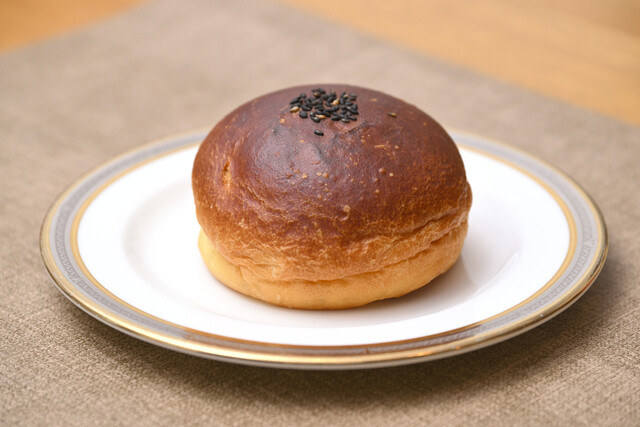
Higashinihonbashi is not the Tokyo of hotel lobbies or choreographed omakase entrances. It moves at working-neighbourhood speed: station exits, office blocks, small shops opening early, and customers buying food to carry rather than settling in for long meals. In that setting, BEAVER BREAD fits a distinct Tokyo pattern: a compact, recognised bakery built for take-out, regular use, and repeat decisions, not occasion dining.
Tokyo’s bread culture is more serious than many visitors expect. The city absorbed French boulangerie technique, localised soft shokupan, and made room for bakeries run with restaurant-level discipline without behaving like restaurants. The strongest are judged not by spectacle but by consistency across a morning case: viennoiserie, hard breads, filled breads, and sweet items all have to justify the queue. BEAVER BREAD’s selection for Tabelog Bread TOKYO “Tabelog 100” 2022 and its 3.74 Tabelog score place it inside that competitive bakery tier, where small purchases carry scrutiny usually reserved for longer meals.
Tokyo bakery value is measured in repeat purchases, not ceremony
The value proposition is not luxury service, chef theatre, or a tasting sequence. It is a bakery spend that fits an ordinary Tokyo day while giving access to a recognised specialist. In a city where dining plans can quickly tilt toward expensive counters and fixed-course rooms, a serious bakery offers another reading of Tokyo food culture: technical ambition at street level, a fast decision, and the evidence carried in a paper bag.
Bakery recognition also differs from restaurant recognition. A sushi counter such as Sushi Ichijo, or higher-spend Tokyo rooms in the bracket of Fushue, Shutei Yuzawa, Yugetsu, and Yakiniku Itadaki, requires time, budget, and often advance planning. A bakery asks for sharper judgment in a smaller transaction. The question is not whether the room feels grand, but whether the product holds up against the city’s dense field of specialist bakers. Tabelog’s Bread TOKYO list is useful because it separates bakeries from the restaurant hierarchy and evaluates them within their own category.
Higashinihonbashi frames the appeal. This part of Chuo sits close to old commercial Tokyo rather than the polished dining theatre of Ginza or the hotel-heavy Marunouchi circuits. Bakeries here serve residents, office workers, and purposeful detours, keeping the format grounded. BEAVER BREAD’s take-out service and children-welcome listing reinforce that everyday role. The room need not perform fine-dining hospitality; the interest is how much craft can be compressed into a small purchase.
A recognised bread counter in a city crowded with specialists
Tokyo rewards narrow expertise. Ramen shops specialise by broth, sushi counters by rice temperature and sourcing, and coffee shops by roast style and extraction. Bread follows the same logic. A bakery selected for a citywide bread list enters a demanding conversation because the comparison set is large, local, and habit-driven. Customers compare it not only with other bakeries, but with unusually competent convenience-store bread, department-store food halls, and neighbourhood shops sustained by daily loyalty.
That makes the restaurant more than a simple bakery listing. It occupies a practical category where prices are lower but expectations are not. The absence of private rooms and the take-out format are not shortcomings; they define the point. This is food culture without service rituals. Recognition rests on the bread, the reliability of the case, and whether the shop earns a place in a day that may also include a train transfer, gallery stop, or later dinner elsewhere in the city.
For broader Tokyo planning, the bakery works as a counterweight to reservation-led meals. Pairing it with heavier restaurant plans gives a clearer picture of how the city eats across registers. EP Club’s full Tokyo restaurants guide covers that wider spread, while the city’s hotels, bars, wineries, and experiences sit in separate lanes via the Tokyo hotels guide, Tokyo bars guide, Tokyo wineries guide, and Tokyo experiences guide. Stronger Tokyo trips rarely come from one category alone; they move between bakeries, counters, cafés, bars, and neighbourhood food stops with different levels of commitment.
How to fit it into a Tokyo food day
Use the restaurant as a daytime anchor, not a replacement for a major meal. Tokyo bakery culture works before a long lunch, between neighbourhoods, or as a palate reset after restaurant-heavy days. Because the format is take-out, it suits travellers who want quality without losing an hour to a dining room. The gain is simple: less ceremony, more flexibility, and a recognised specialist category costing far less than Tokyo’s formal dining tiers.
That flexibility is useful in eastern and central Tokyo, where a day can move from Nihonbashi and Bakuroyokoyama toward Akihabara, Kanda, or Ginza with little friction. Nearby planning can include the casual restaurant circuit around 鮪と炭火焼き うお炭 秋葉原店, the visual café culture represented by 2D Cafe, or more specialised Tokyo stops such as 3 Chome no Curry Ya San, 12/10 Shinjuku ten, and 124. KAGURAZAKA (Yakitori). The contrast is the point: bread in the morning, curry or yakitori later, and no need to force every meal into a formal frame.
Nationally, the appeal connects to Japan’s wider culture of highly specific food shops. Travellers comparing Tokyo with other cities can trace similar precision through -Grilled beef Sukiyaki- KAMAKURA TANUKIAN 鎌倉 たぬき庵 in Kamakura.cafe in Osaka.know in Kumamoto, (Shoku) Vietnam in Kawasaki, [Curry Senmon Ten] Maruyama Kyoju. in Sapporo, and [ki:] in Kyoto. Even outside Japan, the same itinerary logic appears in focused casual formats such as Jōdo Saké Bar in Los Angeles and Onigiri Time in Pasadena: small-format food with a clear reason to exist.
The editorial case for the restaurant is not that it replaces Tokyo’s grander meals. It gives the trip another register. In a city where attention often goes to omakase counters and tasting menus, a recognised bakery in Higashinihonbashi shows how much of Tokyo’s food intelligence happens outside the reservation economy.
Where the Accolades Land
Comparable venues to anchor price and recognition.
| Venue | Cuisine | Price | Notes |
|---|---|---|---|
| BEAVER BREADThis venue — the venue you are viewing | Bakery | $ | Not listed |
| COFFEE VALLEY | Specialty coffee café | $ | Toshima |
| BAKERY SASA | Tokyo neighborhood bakery | $ | Shibuya |
| Boulangerie Sudo | Artisan Japanese-French Bakery | $ | Setagaya |
| Atsunko Pan | Artisan bread and bagel bakery | $ | Chiyoda |
| nemo Musashikoyama honten | Bakery & Cafe | $ | Shinagawa |
Recognition history
Dated appearances from independent guides and award organizations, with the underlying list record or original source where available.
Tabelog 100 #41 · No. 41
Tabelog · Tabelog 100 - Bread - TOKYO - 2022






At a Glance
- Cozy
- Rustic
- Solo
- Casual Hangout
- Family
- Standalone
Current opening hours
- Monday
- Closed
- Tuesday
- Closed
- Wednesday
- 8 AM–7 PM
- Thursday
- 8 AM–7 PM
- Friday
- 8 AM–7 PM
- Saturday
- 8 AM–6 PM
- Sunday
- 8 AM–6 PM
Hours can change for holidays and private events. Last verified .
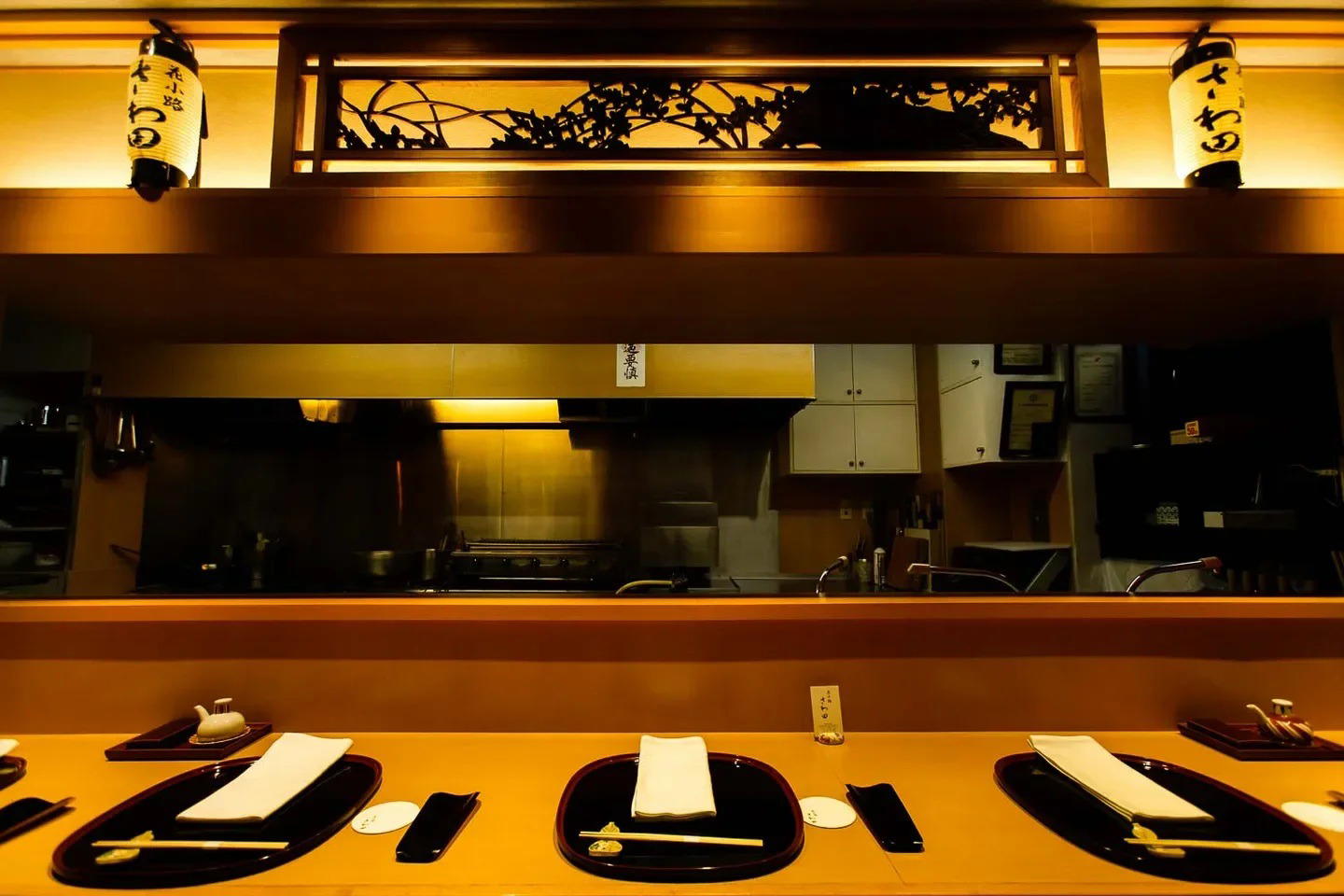
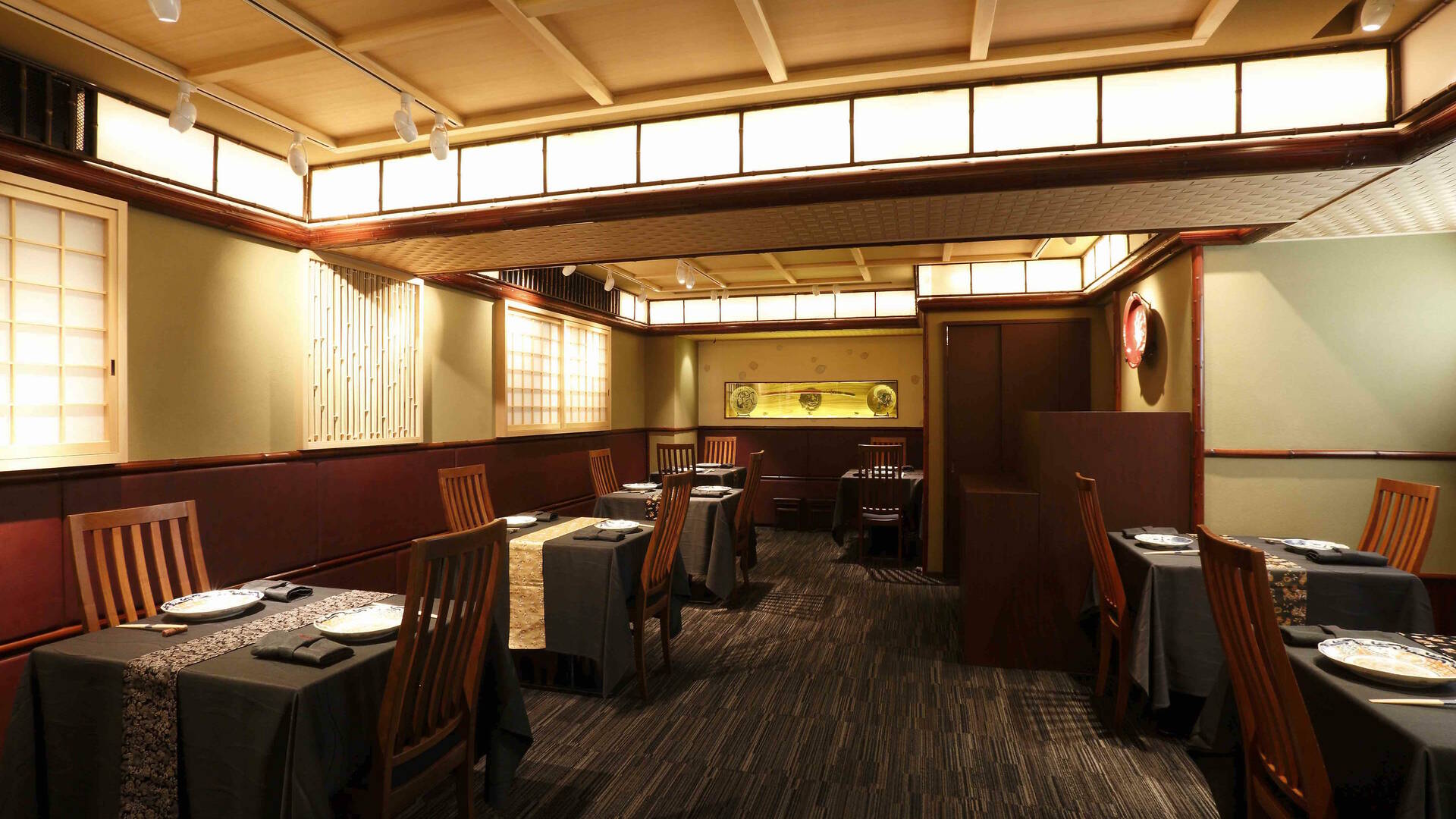
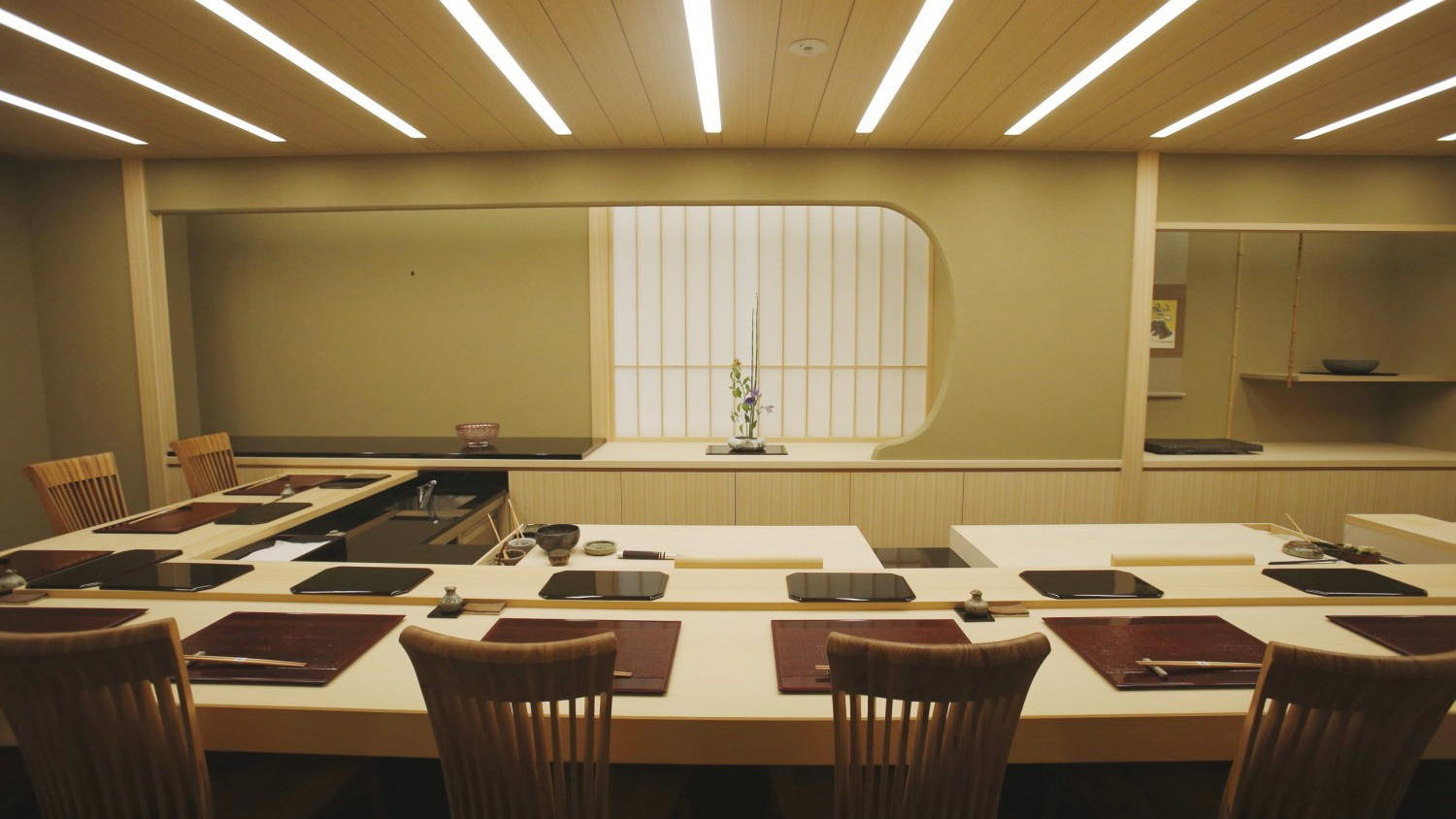
Compact and cozy, with a quiet, neighborhood-bakery feel and a small interior that emphasizes takeaway service.