Rue de Turenne, Where the 3rd Arrondissement Eats Its Own Way The stretch of Rue de Turenne running north from the Place des Vosges is not a tourist corridor. It feeds into the working grain of the Marais: hardware shops and fabric wholesalers...
Pearl is the En Primeur Club membership app — saves, bookings, and concierge access live there. Same editors, same standards.
- Address
- 58 Rue de Turenne, 75003 Paris, France
- Phone
- +33986134311
- Website
- nobisan-temaki.com
- Directions
- Get directions
 Saves & bookings on Pearl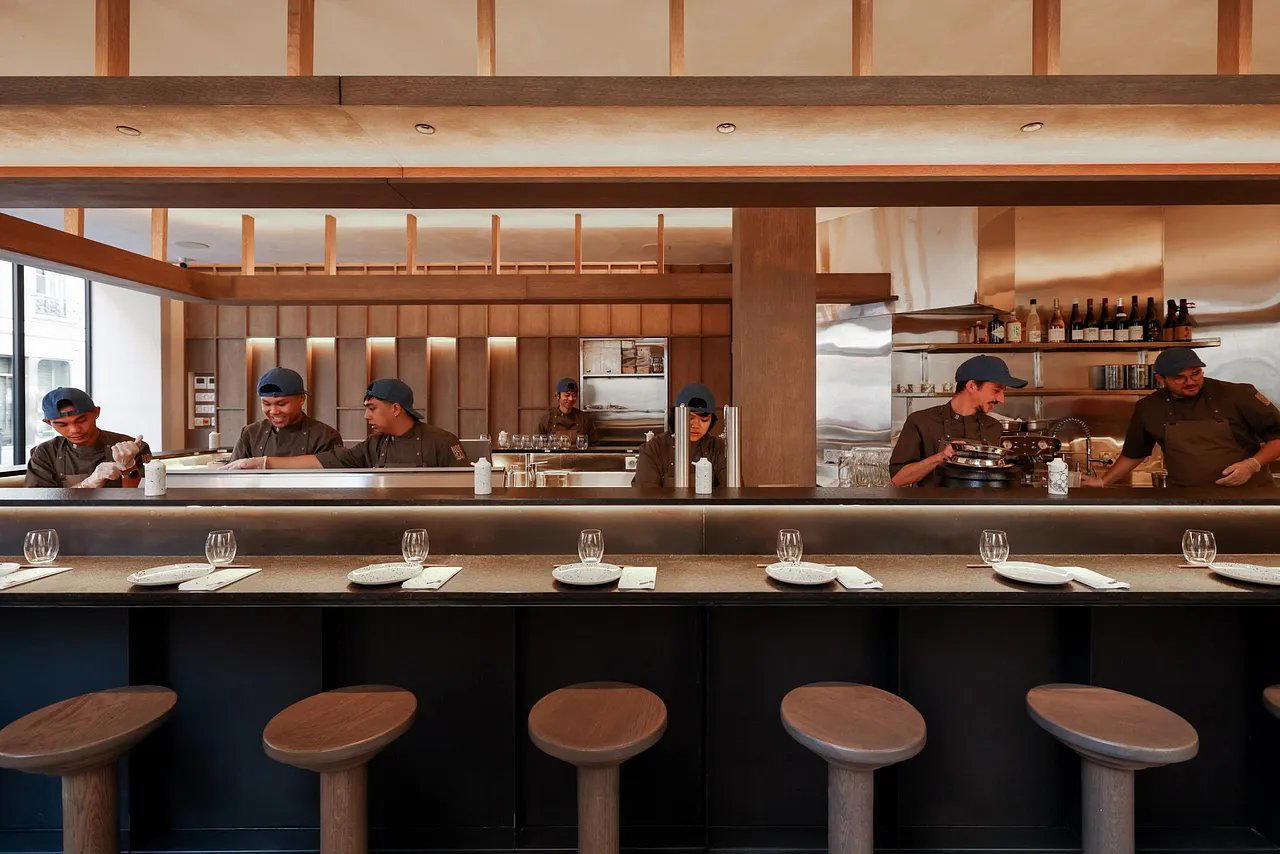
Rue de Turenne, Where the 3rd Arrondissement Eats Its Own Way
The stretch of Rue de Turenne running north from the Place des Vosges is not a tourist corridor. It feeds into the working grain of the Marais: hardware shops and fabric wholesalers alongside wine bars and the kind of small restaurants that fill because regulars fill them, not because an algorithm pointed a visitor there. NOBISAN is a Modern Japanese Temaki Bar at 58 Rue de Turenne in Paris's 3rd arrondissement, with a casual dress code, recommended reservations, and an average price of about $45 per person. Restaurants in this pocket of the 3rd operate on a different economy from the grand-room addresses across the river. The room size is typically compact, the rhythm is neighbourhood-specific, and the clientele is less likely to be in Paris for a week than to live within fifteen minutes of the table.
What the Regulars Are Actually After
The regulars’ economy in the Marais works on repetition and trust. A table that earns weekly or fortnightly visits does so not by dazzling on a single occasion but by being consistent, reasonably priced relative to its quality tier, and genuinely good at one or two things. The 3rd arrondissement has seen a significant influx of Japanese-influenced concepts over the past decade, following the broader Parisian pattern in which Japanese culinary disciplines have migrated from dedicated sushi counters into more casual and hybrid formats. NOBISAN’s name signals that lineage clearly, and in a neighbourhood where residents have become increasingly fluent in that vocabulary, the signal is read correctly.
That Japanese-French axis in Parisian dining now occupies a broad spectrum. At the formal end, addresses like Kei have spent years mapping Japanese precision onto classic French structure, earning Michelin recognition in the process. Below that tier, neighbourhood-scale operations work a different register: less theatrical, more habitual. NOBISAN in the Marais positions itself in that lower-pressure tier, where the relationship between kitchen and regular is closer to a standing agreement than a special occasion.
The Marais Dining Pattern and Where NOBISAN Fits
Understanding where NOBISAN sits requires a quick map of how the Marais has stratified as a dining destination. The southern Marais, especially around the Place des Vosges, carries the weight of L’Ambroisie, one of the city’s most formal three-star rooms, and the architecture of historic prestige. Moving north along Rue de Turenne, the neighbourhood becomes more residential and the dining options correspondingly less ceremony-driven. Regulars in this stretch are not comparing their dinner against the benchmark set by the grand tables of the 8th arrondissement, where Le Cinq or Alléno Paris au Pavillon Ledoyen operate at a different price and occasion tier entirely. They are asking a simpler and harder question: is this good enough to come back to next week?
That question is the one NOBISAN has to answer every service. The address on Rue de Turenne means the foot traffic is local rather than tourist-driven, which creates both a more forgiving and a more demanding audience. More forgiving because regulars allow for an off night. More demanding because they notice when standards drift, and they have alternatives within a ten-minute walk.
Japanese Technique in a Parisian Neighbourhood Register
Paris has absorbed Japanese culinary influence across multiple decades and multiple price points. The early wave centred on traditional sushi and ramen; a later wave produced higher-concept fusions that drew critical attention at addresses like Kei. The current moment is less about fusion as spectacle and more about the quiet integration of Japanese discipline into everyday Parisian eating: sharper knife work, cleaner flavour contrast, an instinct for restraint where the French tradition historically applied accumulation. That integration is most visible not in the destination restaurants but in precisely the kind of neighbourhood address that NOBISAN represents.
For context on what the highest expressions of that Franco-Japanese dialogue can produce, AM par Alexandre Mazzia in Marseille demonstrates how Japanese-influenced thinking about texture and intensity can produce nationally recognised results, holding three Michelin stars in a format that shares almost nothing with a traditional Provençal kitchen. At the neighbourhood level, the influence operates without that level of ambition but with its own integrity.
France’s Wider Restaurant Tradition as Context
Regulars in the 3rd arrondissement who eat seriously tend to have a frame of reference that extends beyond Paris. The French restaurant tradition that informs even one casual neighbourhood address is one shaped by institutions: the multi-generational kitchens of places like Troisgros in Ouches, the produce-obsessed rigour of Bras in Laguiole, the Alsatian continuity of Auberge de l’Ill in Illhaeusern, or the mountain-kitchen discipline of Flocons de Sel in Megève. These are not places a Marais regular necessarily visits often, but they are part of the cultural inheritance that sets the baseline expectation even at a neighbourhood table. Good is understood to mean something specific in France, and that specificity travels downward through the restaurant ecosystem.
At the regional level, addresses like Assiette Champenoise in Reims, Au Crocodile in Strasbourg, and Auberge du Vieux Puits in Fontjoncouse each demonstrate how provincial French cooking maintains its own standard outside the Paris conversation. The Paris neighbourhood restaurant, including NOBISAN, exists in a city where that broader standard is known and taken seriously.
For readers tracking how French-influenced fine dining exports internationally, Le Bernardin in New York City and Atomix in New York City represent two different ways the tradition travels. Mirazur in Menton, covered in our Mirazur guide, shows how a foreign-born chef can absorb and extend French technique at the highest level. And Paul Bocuse – L’Auberge du Pont de Collonges remains the fixed historical reference point against which French culinary ambition is measured.
Planning Your Visit
NOBISAN is at 58 Rue de Turenne, in the 3rd arrondissement. The address sits within walking distance of the Arts et Métiers and Saint-Sébastien – Froissart metro stations. The surrounding neighbourhood is residential and local in character, which means the rhythm of service and the pace of the room will reflect a regular clientele rather than a tourist one.
Fast Comparison
Comparable venues nearby, for context on price, style, and recognition.
| Venue | Cuisine | Price | Notes |
|---|---|---|---|
| NOBISAN - MaraisThis venue — the venue you are viewing | Modern Japanese Temaki Bar | $$$ | Not listed |
| Blueberry | Fusion Japanese Maki Bar | $$$ | Saint-Germain-des-Prés |
| Momoka | Modern Japanese Tasting | $$$ | Pigalle |
| Kinugawa | Contemporary Japanese | $$$ | 7th arrondissement |
| AO Izakaya | Franco-Japanese Izakaya | $$$ | 9th Arr. |
| Azabu | Authentic Japanese Teppanyaki | $$$ | Saint-Michel |
Continue exploring
More in Paris
Restaurants in Paris
Browse all →
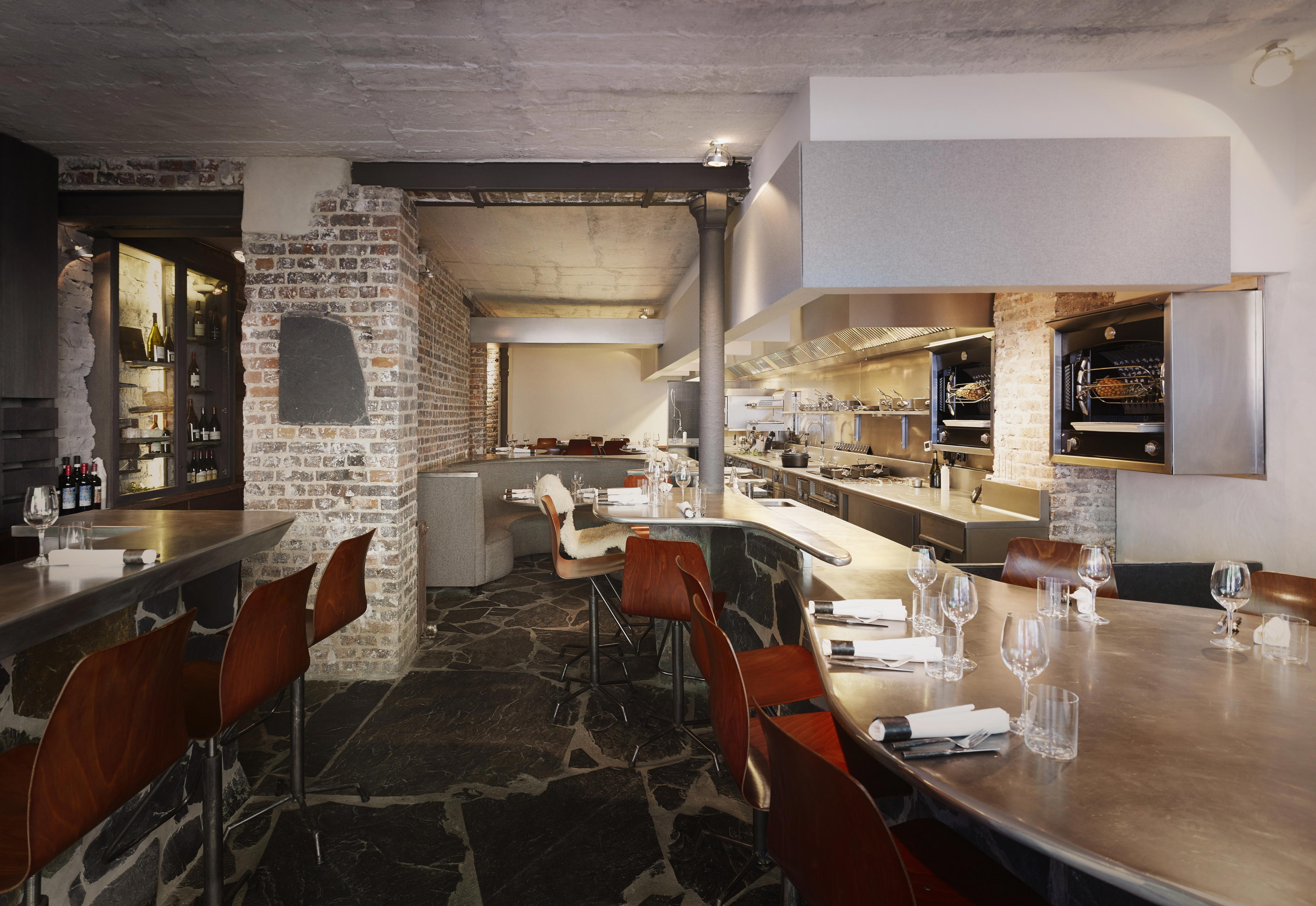
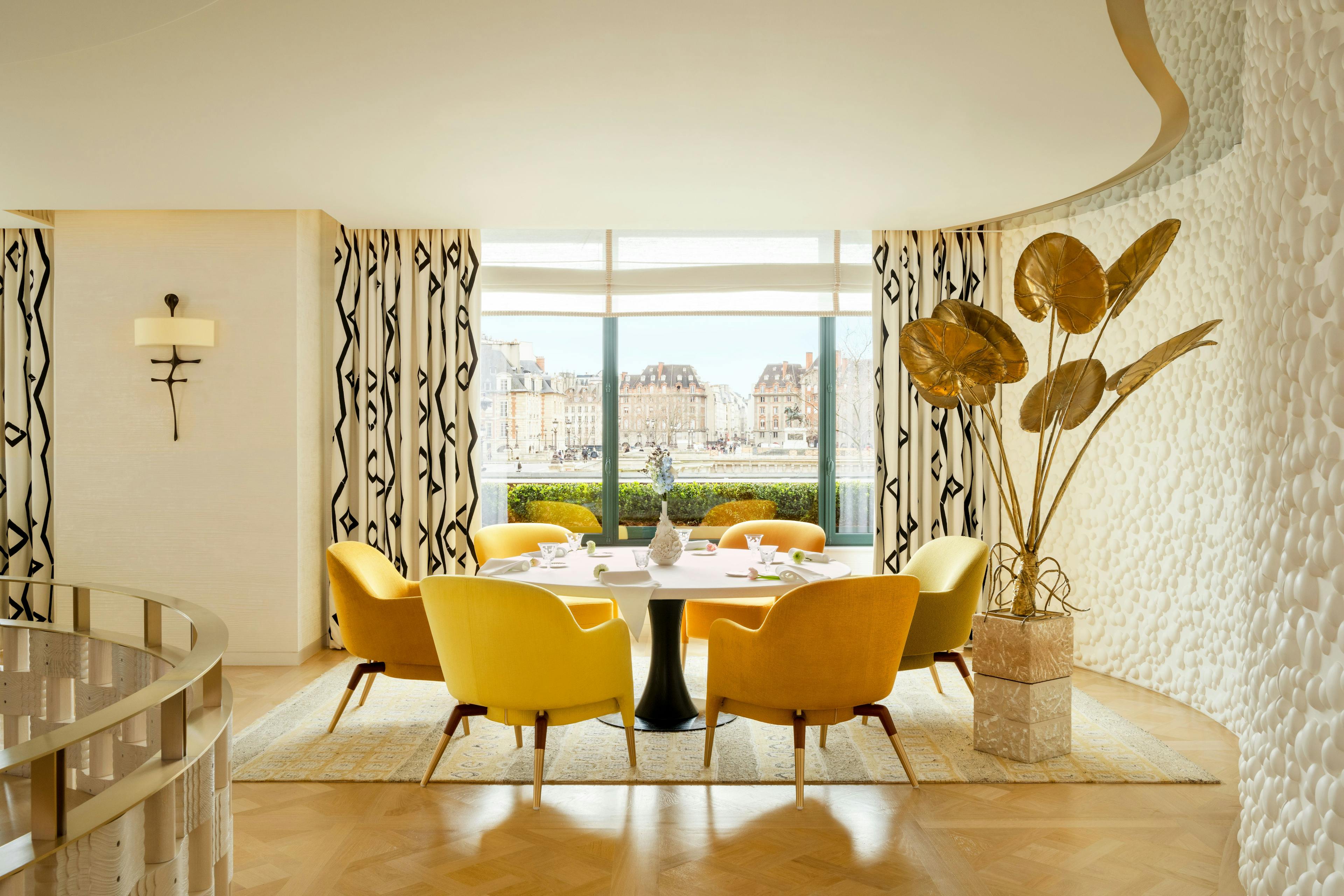
Bars in Paris
Browse all →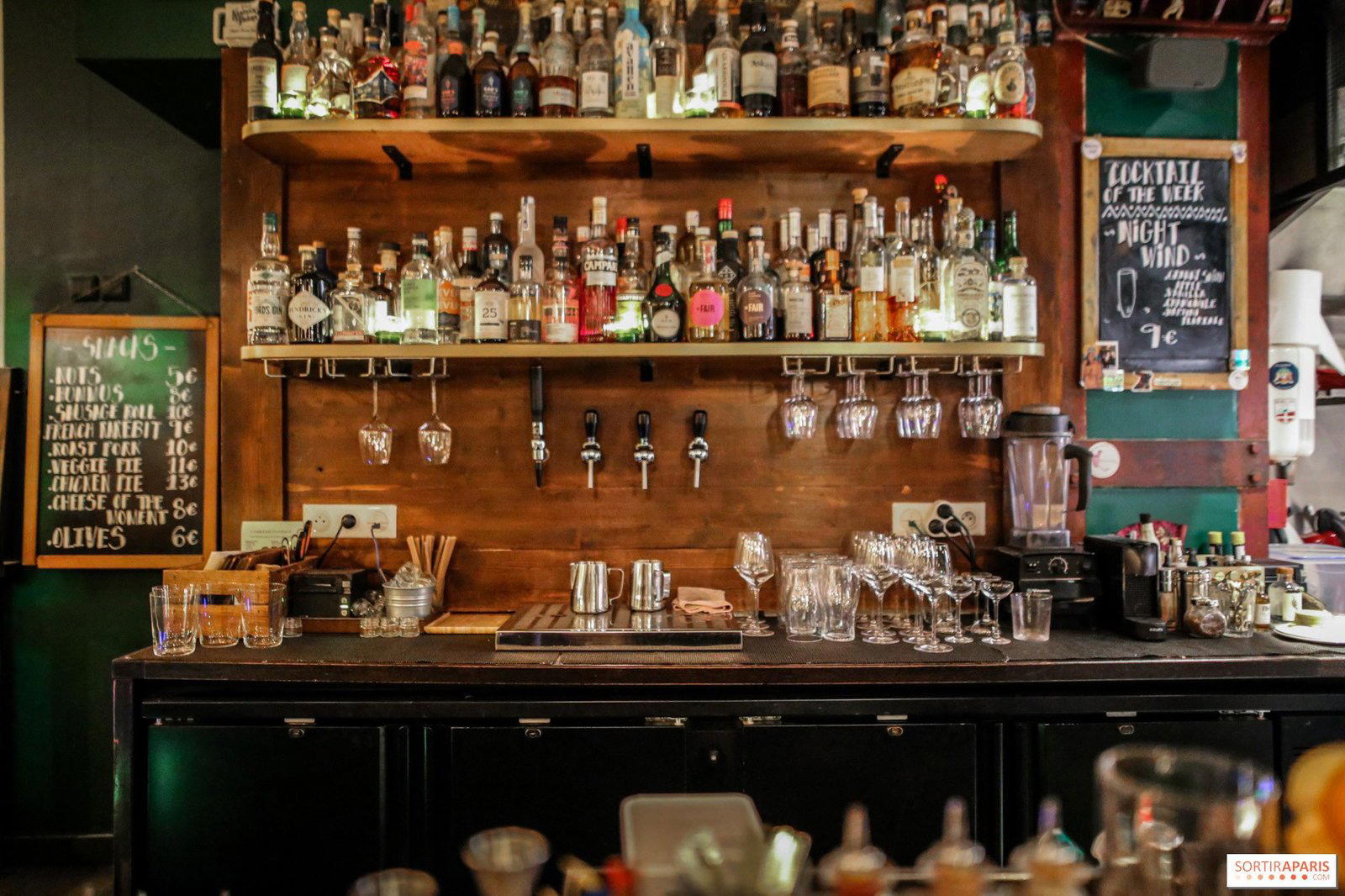
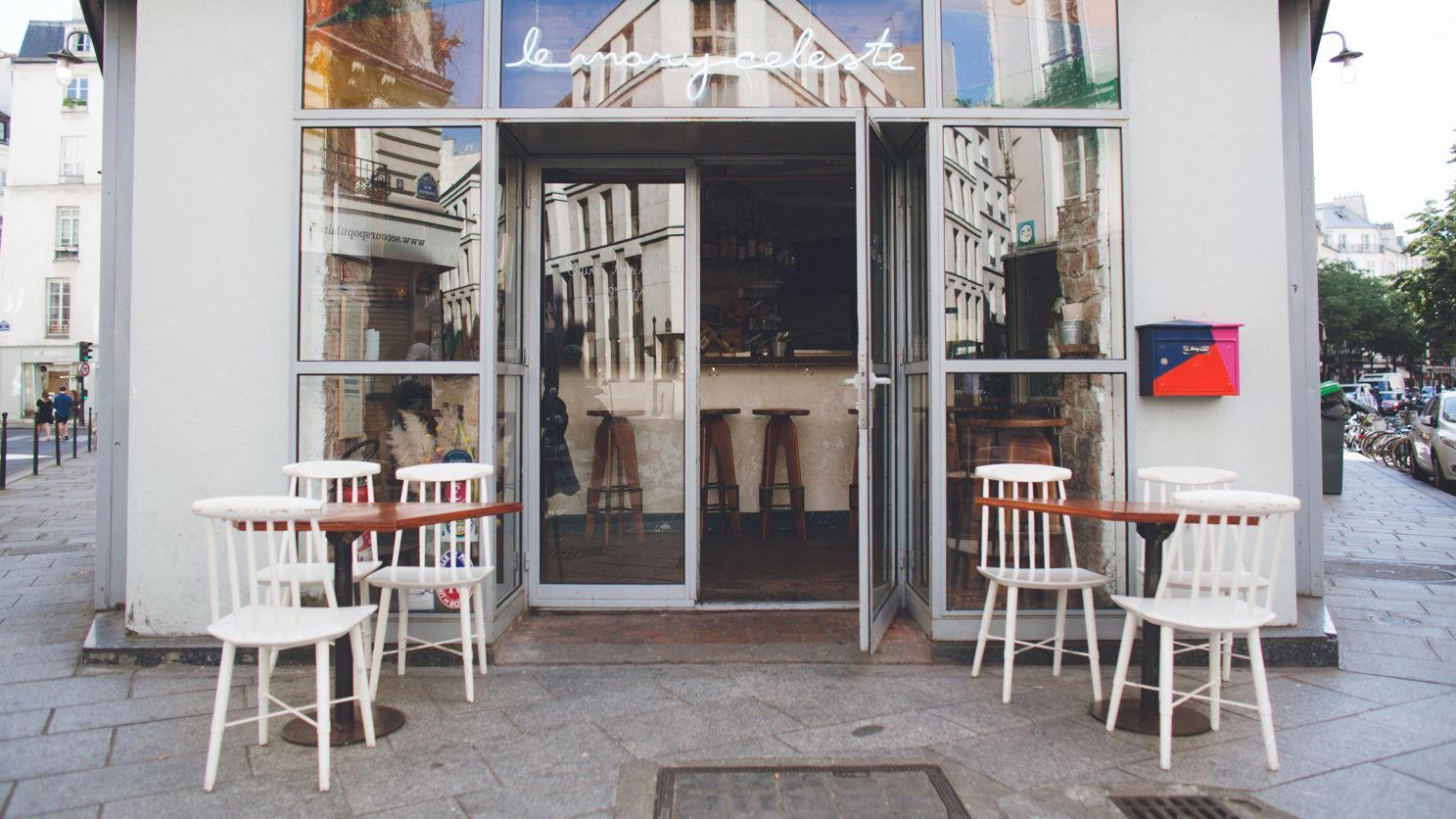
Hotels in Paris
Browse all →
Wineries in Paris
Browse all →
At a Glance
- Minimalist
- Modern
- Elegant
- Intimate
- Date Night
- Solo
- Open Kitchen
- Sake Program
Current opening hours
- Monday
- 12:30–3:30 PM, 7–10:30 PM
- Tuesday
- 12:30–3:30 PM, 7–10:30 PM
- Wednesday
- 12:30–3:30 PM, 7–10:30 PM
- Thursday
- 12:30–3:30 PM, 7–10:30 PM
- Friday
- 12:30–3:30 PM, 7–10:30 PM
- Saturday
- 12:30–4 PM, 7–10:30 PM
- Sunday
- 12:30–4 PM, 7–10:30 PM
Hours can change for holidays and private events. Last verified .
Minimalist décor with subtle elegance, subdued lighting, refined tableware, and a sublime polished counter creating a sophisticated yet warm atmosphere.