Our verdict
Located on a quiet lane in Taipei's Zhongshan District, this address sits within one of the city's most concentrated pockets of serious dining. The neighbourhood has shifted steadily toward considered, technique-driven cooking over the past decade, placing this lane in direct conversation with the Michelin-recognised counters and contemporary kitchens that define modern Taipei's dining identity.

Pearl is the En Primeur Club membership app — saves, bookings, and concierge access live there. Same editors, same standards.
- Address
- No. 8, Lane 144, Jilin Rd, Zhongshan District, Taipei City, Taiwan 10491
- Directions
- Get directions
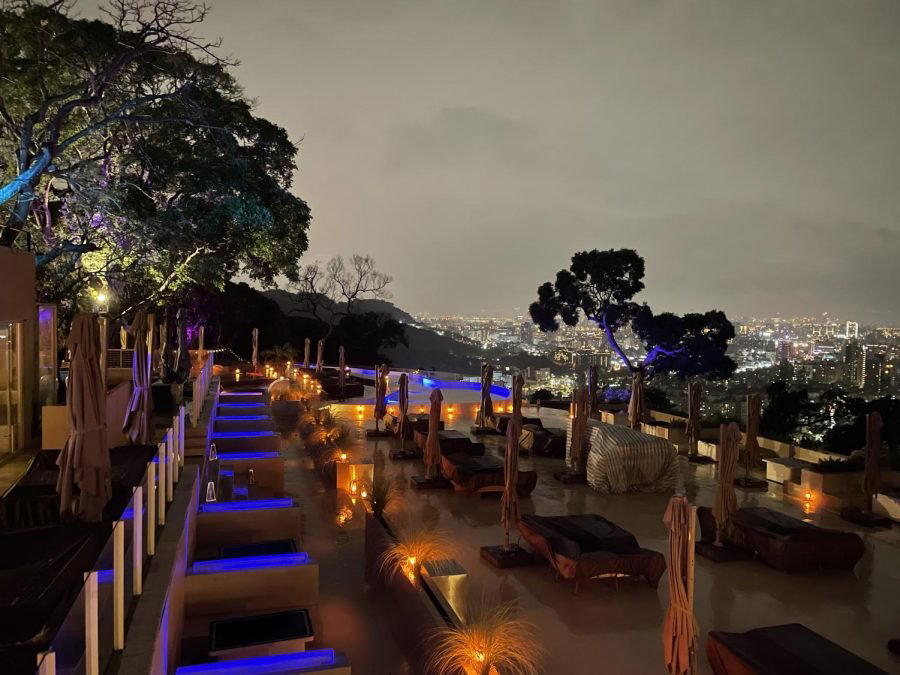
A Lane in Zhongshan, and What It Tells You About Taipei
Jilin Road in Zhongshan District does not announce itself. The lane numbers tick quietly past shopfronts, scooter parking, and the occasional florist, and yet the surrounding blocks have become one of Taipei's more instructive postcodes for understanding how the city's dining scene has reorganised itself over the past decade. Zhongshan's restaurant corridor runs roughly parallel to the grander avenues of Da'an and Xinyi, but it operates at a different register: tighter spaces, less foot traffic, and a higher concentration of formats that reward advance planning over spontaneous arrival.
That context matters because Taipei's premium dining tier has split sharply in recent years. On one side sit the Michelin-tracked tasting-menu addresses that compete for international attention — places like logy, which anchors a Modern European and Asian Contemporary approach at the leading price tier, or Taïrroir, where Taiwanese and French technique are worked together into a distinctly local contemporary idiom. On the other side sit the neighbourhood-scaled operations that function less as destinations for overseas visitors and more as the fabric of how Taipei's residents actually eat well. Lane 144 off Jilin Road sits closer to that second category in physical character, even as the surrounding district has absorbed considerable critical attention.
The Sensory Register of Zhongshan's Side Streets
Arriving on foot from the main Jilin Road axis, the shift in atmosphere is immediate. The background noise drops, the overhead signage thins out, and what replaces it is the particular quiet of a residential-commercial lane mid-service: the smell of warm cooking oil carried on still air, the low sound of kitchen activity from behind closed doors, the narrow pavement that puts you close enough to adjacent buildings to notice the detail on a ceramic door number. This is the physical texture of the addresses that Taipei's more attentive diners tend to seek out — not the engineered atmosphere of a hotel-adjacent fine dining room, but the compressed, specific character of a lane that has accumulated its identity gradually.
That sensory quality is partly what distinguishes Zhongshan's secondary streets from the more legible dining addresses in districts like Xinyi. Venues in the latter tend toward large floor plates, polished service corridors, and lighting designed for visibility. The lane format, by contrast, places the emphasis on proximity, to the kitchen, to other diners, to the particular character of the block. Taiwan's most discussed regional dining, from Akame in Wutai Township to Amei in Tainan, tends to share this quality of specificity: a sense that the place could only exist in that exact location, configured in that exact way.
How Zhongshan Fits Into Taipei's Broader Dining Map
Michelin has tracked Taipei since 2018, and Zhongshan District has featured consistently in that coverage, not as a single dominant neighbourhood but as a zone where several different dining modes coexist. The starred Cantonese kitchen at Le Palais and the French formalism of L'Atelier de Joël Robuchon represent the more institutionalised end of Taipei's premium tier. Addresses like Molino de Urdániz pull from Spanish contemporary traditions and demonstrate that the city's appetite for technically demanding tasting-menu formats extends well beyond French and Japanese reference points.
What lane-scale addresses in Zhongshan offer, by contrast, is a different kind of investment from the diner. The scale is smaller, the formats often less codified, and the experience of arrival is less mediated by hotel lobbies or dedicated reservation systems. For visitors cross-referencing Taiwan's dining options beyond Taipei, the range is considerable: JL Studio in Taichung brings a Southeast Asian-inflected perspective to the island's contemporary fine dining conversation, while GEN in Kaohsiung and Shen Yen in Yilan demonstrate how seriously Taiwan's secondary cities now take the category. Our full Taipei restaurants guide maps the capital's options across price tiers and formats.
Seasonal Timing and the Zhongshan Dining Rhythm
Taipei's seasons shape dining behaviour in ways that are worth understanding before arrival. The summer months bring heavy humidity and occasional typhoon disruption, which tends to push more dining activity indoors and makes reservations at enclosed, air-conditioned formats more competitive. The October-to-February window, when temperatures sit between 15 and 22 degrees Celsius, is the period when lane-side dining in districts like Zhongshan becomes most physically pleasant, the walk between venues is comfortable, outdoor seating (where it exists) becomes usable, and the general pace of the neighbourhood slows slightly from its peak summer compression.
Lunar New Year closures, typically falling in late January or early February, affect a significant proportion of Taipei's smaller dining operations. Visitors planning around that window should confirm availability directly, particularly for addresses without a visible online booking infrastructure. The weeks immediately before and after the New Year holiday are among the most demand-heavy periods across the city's restaurant tier, from lane-scale operations up to the multi-starred tasting-menu counters.
For context on how comparable lane-scale addresses handle seasonal demand in other markets, the community-dinner format at Lazy Bear in San Francisco and the seafood-focused precision of Le Bernardin in New York City each demonstrate how seasonality and advance booking intersect at the serious end of the dining spectrum, a dynamic that applies as much to Taipei's concentrated lane addresses as to the better-documented international formats.
Zhongshan's secondary streets also reward familiarity with the neighbourhood's spatial logic. Jilin Road sits within walking distance of the Zhongshan MRT station on the Tamsui-Xinyi Line, making the area accessible without requiring a taxi. Addresses in the immediate blocks around Lane 144 include a mix of coffee formats, small bars, and the kind of mid-afternoon quiet that makes the area work well as a base for an evening that moves between courses and drinks at different addresses. For visitors also considering the spa and resort format outside the city, Volando Urai Spring Spa and Resort in Wulai District is accessible as a day trip from central Taipei.
Frequently asked questions
Where exactly is No. 8, Lane 144, Jilin Rd, Zhongshan District?
No. 8, Lane 144, Jilin Rd, Zhongshan District is located at No. 8, Lane 144, Jilin Rd, Zhongshan District, Taipei City, Taiwan 10491, Taipei.
What's the must-try dish at No. 8, Lane 144, Jilin Rd, Zhongshan District?
Zhongshan as a whole covers ground from Japanese-influenced counters to Taiwanese home cooking, so the kitchen's focus shapes everything. Visiting during the week of arrival to ask what is in season is the most reliable approach in this part of Taipei.
What has No. 8, Lane 144, Jilin Rd, Zhongshan District built its reputation on?
What is clear from the address itself is the setting: a lane off a main artery in one of Taipei's most consistently Michelin-covered districts since the guide's Taiwan debut in 2018. Reputation details from a named source would sharpen this picture considerably.
City Peers
A quick peer reference to anchor this venue in its category.
| Venue | Cuisine | Price | Awards | Notes |
|---|---|---|---|---|
| No. 8, Lane 144, Jilin Rd, Zhongshan DistrictThis venue — the venue you are viewing | Puppet Theater Dining | Not listed | Not listed | Not listed |
| logy | Modern Japanese-Taiwanese Fusion Omakase | $100–150 | 2 Michelin Stars · World's 50 Best #22 | Modern European, Asian Contemporary |
| Le Palais | Fine Dining Cantonese | $150–200 | 3 Michelin Stars · La Liste Top Restaurants | Cantonese |
| Taïrroir | Taiwanese-French Fusion Fine Dining | $150–200 | 3 Michelin Stars · La Liste Top Restaurants | Taiwanese/French, Taiwanese contemporary |
| Mudan Tempura | Michelin-Starred Tempura | Not listed | 2 Michelin Stars · La Liste Top Restaurants | Tempura |
| de nuit | Contemporary French | $150–200 | 1 Michelin Star · Star Wine List | French Contemporary |
Continue exploring
More in Taipei
Restaurants in Taipei
Browse all →
Bars in Taipei
Browse all →
Hotels in Taipei
Browse all →
Wineries in Taipei
Browse all →
Details
- Whimsical
- Lively
- Intimate
- Family
- Celebration
- Live Music
- A La Carte
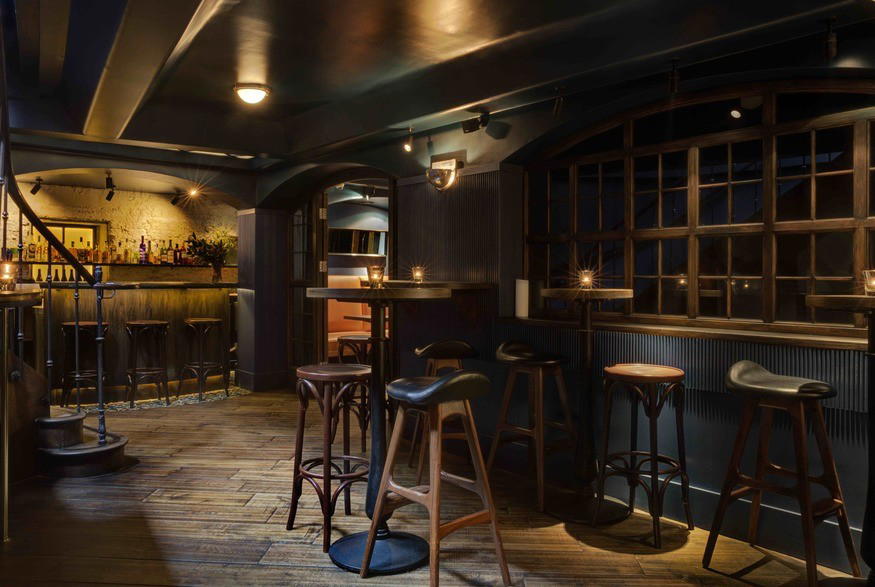
Entertaining atmosphere with hand puppet theater involving the audience in a basement setting.