
No.18 gives Tokyo’s burger culture a small-room, queue-minded counterpoint to the city’s ramen and sushi hierarchies. The Higashi-Ikebukuro shop has appeared on Tabelog’s Hamburger 100 in 2017, 2018, 2021, 2022, 2024 and 2026, with a modest JPY 1,000–1,999 range that keeps the experience closer to a focused lunch stop than a luxury production.
Pearl is the En Primeur Club membership app — saves, bookings, and concierge access live there. Same editors, same standards.
- Address
- 東京都豊島区東池袋2-57-2 コスモ東池袋105
- Phone
- +81369143718
- Website
- tabelog.com
 Saves & bookings on Pearl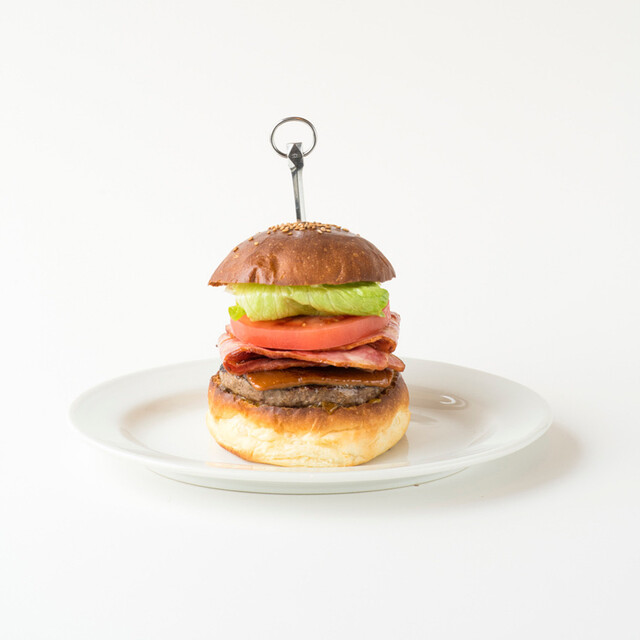
Higashi-Ikebukuro does not announce itself with Ginza polish or Shinjuku night-market density. The approach is residential and workaday: apartment blocks, local traffic and the small-shop rhythm Tokyo uses to hide serious food in plain sight. In that setting, No.18 fits a category the city does unusually well: the specialist Western-format shop treating a familiar import with Japanese precision rather than American scale.
Tokyo’s burger scene sits outside the usual foreigner shorthand of sushi, ramen and tempura, but it has its own hierarchy. The serious end is defined not by oversized portions or novelty toppings, but control. Bread, patty, sauce, heat and timing must land within a narrow window. The format becomes closer to a short tasting progression than a casual sandwich: first impression as structure, middle as balance, finish as whether bread and fat leave the palate clean enough for another bite.
A compact burger sequence in a city built for specialization
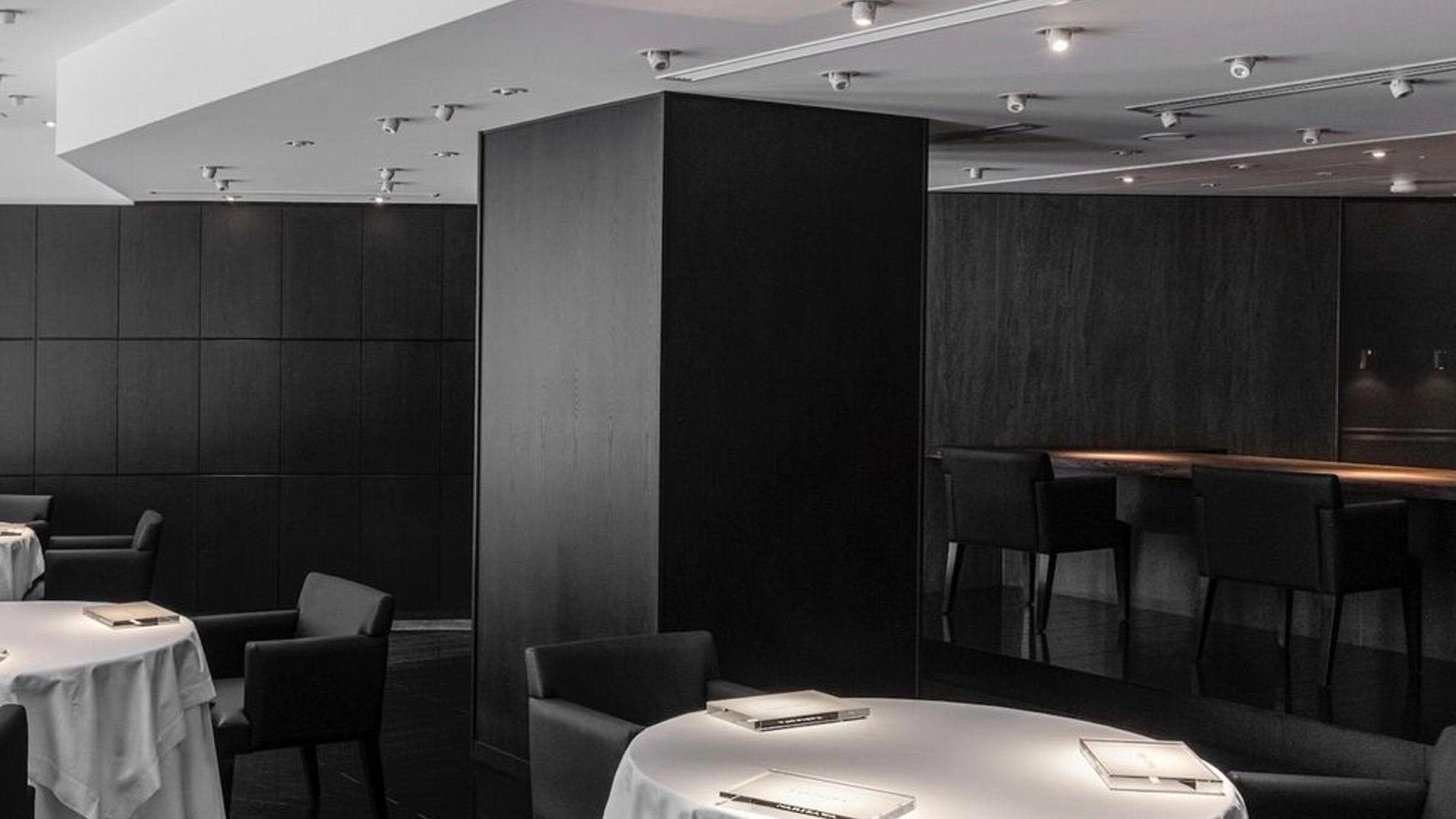
Read this meal as a sequence, not a component list. Tokyo excels at single-purpose dining rooms because customers understand the contract: arrive for one thing, judge it closely, and move on. A 13-seat room, with counter seating and a few small tables, reinforces that discipline. It keeps attention on pacing and turnover rather than theatre, placing the burger in the same urban logic as ramen counters and curry shops, where the format is brief but scrutiny is high.
No.18’s public categories, hamburger, dining bar and bread, point to the technical triangle that matters. A burger shop with weak bread collapses fast in Tokyo because the city’s bakery culture trains diners to notice crumb, toast and proportion. The dining-bar tag also matters, placing the room closer to an adult, compact eating space than a fast-food imitation. The point is calibration, not reinvention.
The Tabelog Hamburger 100 selections give that calibration external weight. The shop appears in the 2026 list and has prior selections in 2024, 2022, 2021, 2018 and 2017. In Tokyo, where user-review platforms can be severe and category lists crowded, repeated appearances matter more than one attention spike. They suggest consistency across several dining cycles, especially in a format where small changes in bread, beef handling or service rhythm are immediately visible to regulars.
That consistency separates the address from broader casual dining in Ikebukuro. The district absorbs almost every price point, from station-adjacent chains to specialist counters, but better small shops rely on repeat local traffic and destination diners willing to walk beyond the station orbit. Comparable low-price Tokyo stops such as Japanese Ramen Gokan, Azuma Tei, Coffee Tei and Phở Thìn Tokyo show how much city quality now lives around the JPY 1,000–1,999 band. In that company, a burger must justify itself through execution rather than expense.
Ikebukuro's strength is range, not polish
Ikebukuro has long been easier to eat in than to summarize. It is rail hub, shopping district, student zone and residential edge at once, so its dining culture rewards directness. The area does not need every serious meal to feel ceremonial. It suits formats that compress ambition into a short visit: ramen, curry, tonkatsu, coffee, burgers. No.18 fits by offering a tightly edited experience in a neighbourhood where diners often choose by category first and atmosphere second.
That makes the restaurant useful for travellers wanting Tokyo’s everyday specialization without the formal reservation economy. The better comparison is not a hotel dining room or chef’s counter, but the city’s network of small places taking one democratic food and making it exacting. For a wider map, Our full Tokyo restaurants guide is the better starting point, while hotel-led planning belongs in Our full Tokyo hotels guide. Drinking itineraries sit separately in Our full Tokyo bars guide, and broader trip structure can be built through Our full Tokyo experiences guide.
The city’s casual excellence cuts across cuisines. A visitor could move from burger precision here to curry at 3 Chome no Curry Ya San, yakitori at 124. KAGURAZAKA (Yakitori), seafood and charcoal at. 鮪と炭火焼き うお炭 秋葉原店, or a visually driven café stop at 2D Cafe. 12/10 Shinjuku ten belongs to the same metropolitan habit of focused addresses with narrow appeal rather than broad all-day menus.
How to place it within a Tokyo food day
Use this address as an anchor for a compact Ikebukuro lunch or early afternoon food run, not the centrepiece of a formal evening. Its value lies in the contrast between category and seriousness: a burger at an everyday-meal price level, carrying recognition from a specialist national list. That is a particularly Tokyo equation. The city can make a low-ticket meal feel edited because rent, foot traffic and customer expectations support tiny restaurants with high repetition.
For travellers moving beyond Tokyo, the same logic appears in other focused Japanese addresses: sukiyaki in Kamakura at -Grilled beef Sukiyaki- KAMAKURA TANUKIAN 鎌倉 たぬき庵 in Kamakura, café culture at.cafe in Osaka, contemporary dining at.know in Kumamoto, Vietnamese cooking at (Shoku) Vietnam in Kawasaki, curry in Hokkaido at [Curry Senmon Ten] Maruyama Kyoju. in Sapporo, and Kyoto dining at [ki:] in Kyoto. For Japan-adjacent drinking and casual formats abroad, Jōdo Saké Bar in Los Angeles and Onigiri Time in Pasadena show how tightly defined Japanese formats travel when they keep the offer clear.
No.18 is not trying to turn the hamburger into fine dining. That is its strength. It belongs to Tokyo’s tradition of taking an imported, everyday form and making it legible through repetition, compact service and narrow focus. For a food-led Tokyo itinerary, it corrects the idea that serious eating must mean ceremony, counter etiquette or a heavy bill. Sometimes the better lesson is a small room, a short format and a category treated with enough discipline to earn repeat recognition.
For broader trip planning beyond restaurants, Our full Tokyo wineries guide covers the city’s wine-related addresses and cellar-minded stops.
Price and Recognition
Comparable venues at a similar level for quick context.
| Venue | Cuisine | Price | Notes |
|---|---|---|---|
| No.18This venue — the venue you are viewing | Toshima, Gourmet Hamburger Shop | $$ | Not listed |
| Eagle | Not listed | $$ | Shinjuku, Classic Western-style bar & grill |
| BROZERS' Shintomi chou ten | Chūō, Gourmet Burgers | $$ | Not listed |
| PIZZA SLICE 2 | Minami-Aoyama, New York-Style Pizza | $$ | Not listed |
| JB's TOKYO | Not listed | $ | Shibuya, 100% Homemade Craft Burgers & Bakery |
| Jack37Burger | Not listed | $$ | Chūō, Gourmet American-style burger stand |
Recognition history
Dated appearances from independent guides and award organizations, with the underlying list record or original source where available.
Tabelog 100 #62 · No. 62
Tabelog · Tabelog 100 - Hamburger - 2026









At a Glance
- Cozy
- Trendy
- Intimate
- Casual Hangout
- Solo
- Family
- After Work
- Standalone
- Beer Program
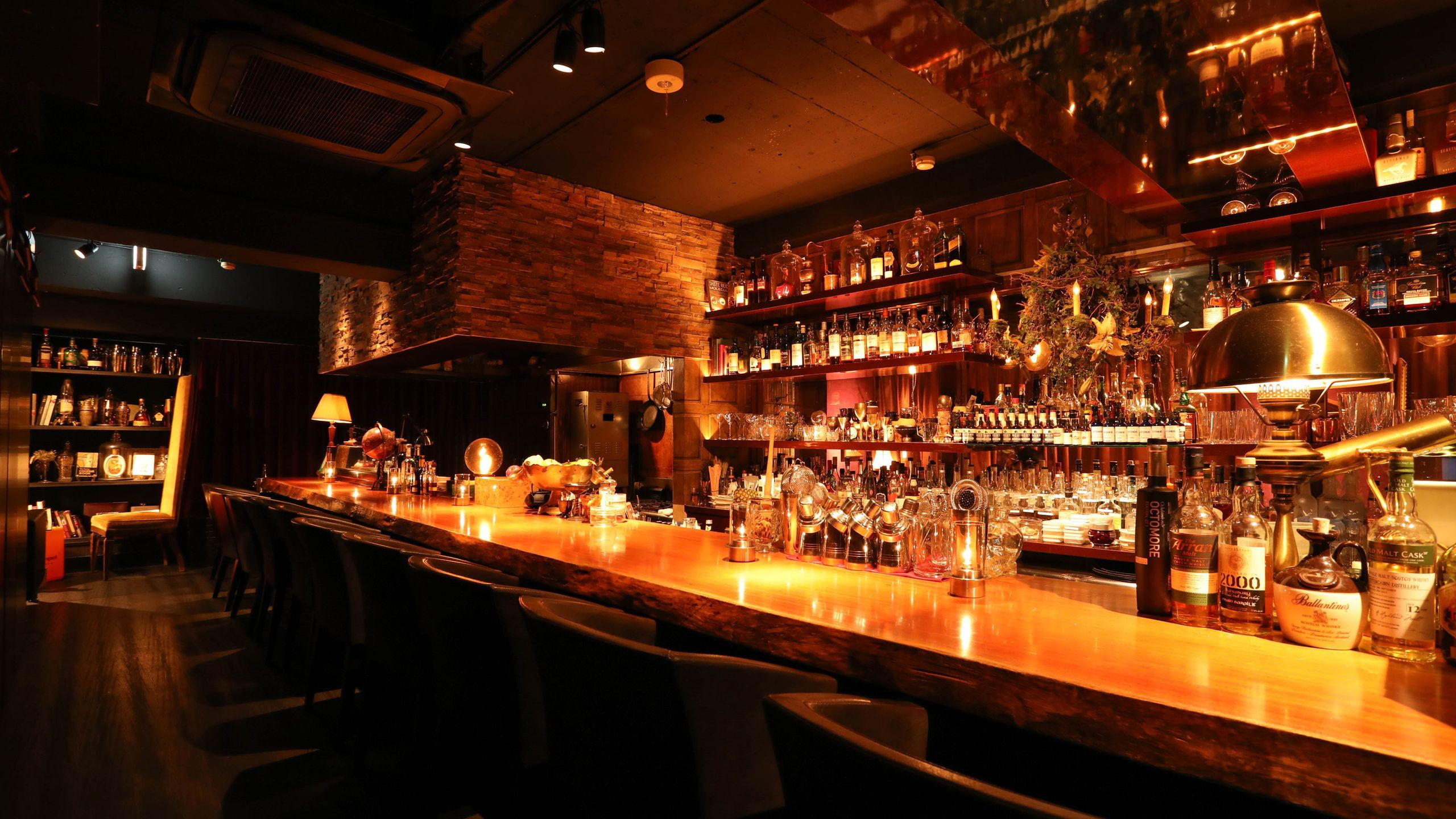
A small, non‑smoking ‘hideout’ burger shop with only 13 seats, stylish yet relaxed decor, counter and sofa seating, and a casual, friendly atmosphere suited to solo diners, friends, and families.