Nni Lausta

On the first-floor terrace of Via Risorgimento, Nni Lausta makes the case that Aeolian seafood cooking needs no reinvention, only precision and honesty. Holding a Michelin Plate since 2024 and rated 4.3 across nearly 500 reviews, it sits in the accessible mid-price tier while delivering traditional Salina flavours with a measured creative touch. The shaded outdoor table is the one to request.
Pearl is the En Primeur Club membership app — saves, bookings, and concierge access live there. Same editors, same standards.
- Address
- Via Risorgimento, 188, 98050 Santa Marina Salina ME, Italy
- Phone
- +39 090 984 3486
- Website
- nnilausta.it
- Directions
- Get directions
 Saves & bookings on Pearl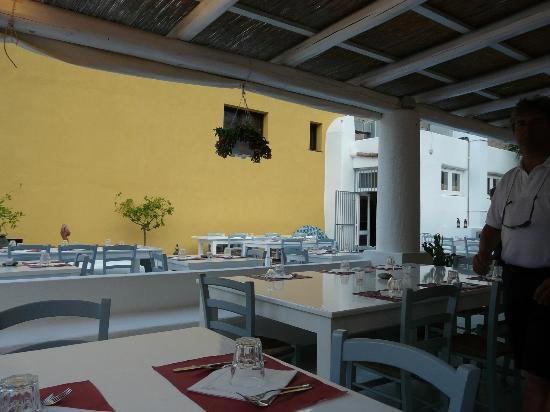
Where the Island Puts Its Catch
Santa Marina Salina is a small harbour town on an island that operates on tidal rhythms. Fishing boats leave before dawn, return mid-morning, and by early afternoon the day's yield is already reshaping what kitchens will serve that evening. This is the logistical reality of cooking on a Sicilian island 85 nautical miles from the mainland port at Milazzo. Restaurants that work within that system eat better than those that don't. Nni Lausta, on Via Risorgimento in the village's upper section, has built its identity around working within it.
The first-floor terrace is the clearest expression of that alignment. Shaded from the Aeolian sun and positioned to catch the afternoon breeze, it converts a logistical necessity, dining on an island where sourcing determines the menu, into a quietly pleasurable experience. When temperatures allow, asking for a terrace table is worth doing at the point of reservation. The interior has its merits when heat or weather dictates it, but the terrace is the setting in which the kitchen's relationship with its raw materials makes most sense.
Aeolian Seafood: A Tradition That Resists Dilution
Aeolian cooking is a specific regional dialect within Sicilian cuisine, shaped by geography and centuries of isolation. The island chain's pantry is narrow but precise: fresh fish caught in the Tyrrhenian, capers from Salina's own slopes, wild oregano, locally grown tomatoes, and the island's celebrated Malvasia grape. The tradition does not respond well to generic Mediterranean improvisation. The leading kitchens on Salina treat these ingredients with restraint, understanding that the caper from a Salina plant and the caper from a supermarket shelf are categorically different things.
Within this context, Nni Lausta's approach, described by Michelin as an authentic interpretation of traditional Aeolian flavours and ingredients with imaginative flair, sits in a sensible middle position. It does not attempt the kind of technical reinvention you would find at a three-star coastal operation like Uliassi in Senigallia or the progressive ambition of Osteria Francescana in Modena. Nor does it flatten the tradition into something generic. It reads the local ingredients carefully and then applies a measured creative intelligence to what it finds.
This is the appropriate posture for a mid-price restaurant on a small island. The comparison set for Nni Lausta is not the €€€€ tier of northern Italian fine dining, venues like Le Calandre in Rubano, Enoteca Pinchiorri in Florence, or Piazza Duomo in Alba operate in an entirely different register. The comparison set is other honest, ingredient-focused southern Italian coastal tables: places like Gambero Rosso in Marina di Gioiosa Ionica or Alici on the Amalfi Coast, where proximity to the source is the primary credential.
Fish as the Argument
Michelin's own framing of the kitchen, fish as the starring role, is accurate as a structural description of what the restaurant does. On islands like Salina, the boat-to-plate timeline is compressed in ways that mainland restaurants cannot replicate regardless of their sourcing budget. A fish landed at Santa Marina Salina's small harbour at 9am is a fundamentally different ingredient from the same species trucked to Rome or Milan. The flavour is sharper, the texture more defined, and the margin for error in cooking is correspondingly tighter. Kitchens that can consistently execute across that narrower margin tend to develop a confidence with seafood that reads clearly on the plate.
The imaginative flair noted in the Michelin recognition suggests the kitchen is not operating as a museum of historical recipes. The Aeolian tradition provides the framework; the kitchen finds room within it to make considered interpretive choices. That combination, tradition as structure and intelligence as application, is what distinguishes a Michelin Plate restaurant from a merely decent local trattoria. Both have their uses. They are not the same thing.
For broader context on what defines the southern Italian seafood dining tradition at various price points, Quattro Passi in Marina del Cantone offers a useful reference point further up the Campanian coast, while Reale in Castel di Sangro and Casa Perbellini 12 Apostoli in Verona illustrate the distance between regional terroir-driven cooking and the more technically ambitious national tier. Closer in spirit are the approaches found at Dal Pescatore in Runate and Enrico Bartolini in Milan, both of which ground creative ambition in a clearly defined regional identity, though at a considerably higher price point. Atelier Moessmer Norbert Niederkofler in Brunico represents the alpine equivalent of the same principle: hyper-local sourcing as the foundation of a distinct culinary identity.
Planning a Visit
Salina is accessible by hydrofoil or ferry from Milazzo on Sicily's north coast, with journey times typically around 90 minutes by ferry and shorter by hydrofoil depending on the route. Santa Marina Salina is the island's main settlement and one direct arrival point. Arriving in late spring or September gives access to the full seasonal range without the August compression. The €€ price range places the restaurant among the more accessible options on the island without compromising on the quality of its Michelin-recognised kitchen, making it a practical anchor for an evening meal when accommodation choices are sorted from our full Santa Marina Salina hotels guide.
A Quick Peer Check
Comparable venues nearby, for context on price, style, and recognition.
| Venue | Cuisine | Price | Awards | Notes |
|---|---|---|---|---|
| Nni LaustaThis venue — the venue you are viewing | Aeolian Seafood | $$$ | Michelin Plate | Not listed |
| Agorà | Modern Seafood Contemporary | $$$ | Michelin Plate | modern part of Rende |
| Da Bob Cook Fish | Traditional Italian Seafood | $$$ | Michelin Plate | Sorrento |
| Filippino | Traditional Sicilian Seafood | $$$ | Michelin Plate | historic center |
| Trattoria del Vicolo | Modern Sicilian Seafood Trattoria | $$$ | Michelin Plate | Corso Vittorio Emanuele |
| La Barca | Apulian Seafood | $$$ | Michelin Plate | Marina di Pulsano |
Recognition history
Dated appearances from independent guides and award organizations, with the underlying list record or original source where available.
Michelin Plate
Michelin
Michelin Plate
Michelin
Michelin Plate
Michelin
Continue exploring
More in Santa Marina Salina
Restaurants in Santa Marina Salina
Browse all →
Bars in Santa Marina Salina
Browse all →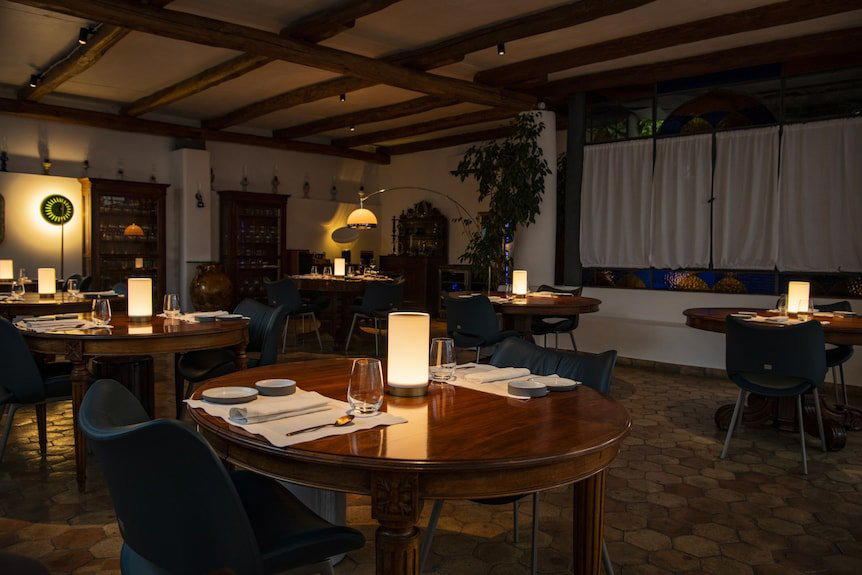
Hotels in Santa Marina Salina
Browse all →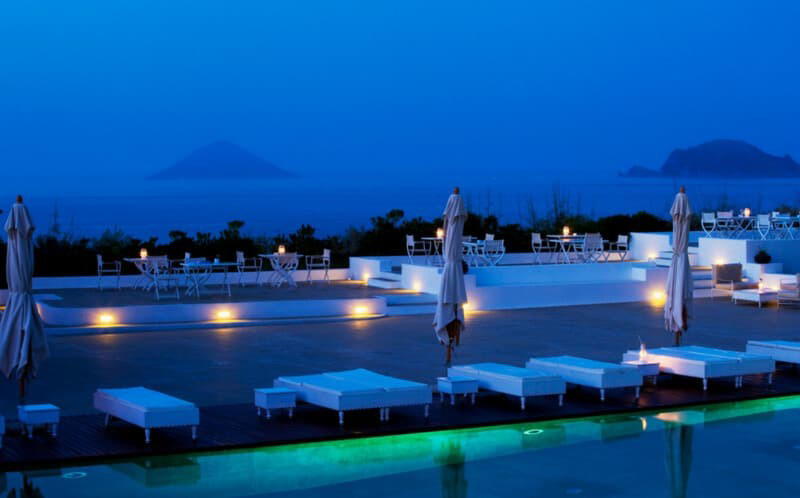
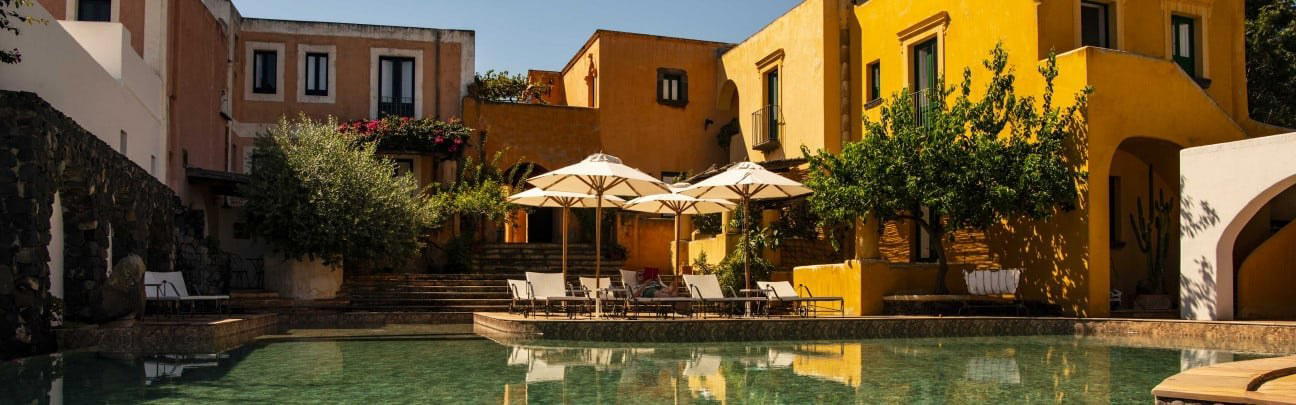
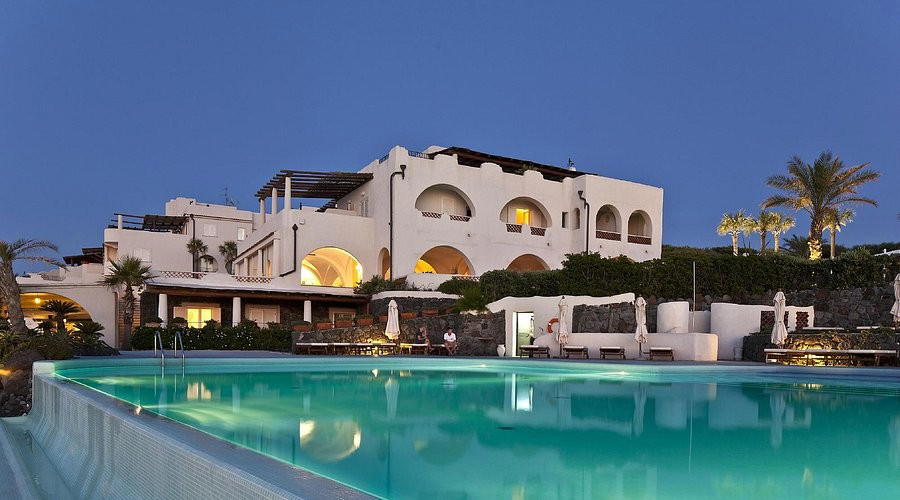
Wineries in Santa Marina Salina
Browse all →
At a Glance
- Rustic
- Elegant
- Romantic
- Cozy
- Date Night
- Special Occasion
- Terrace
- Extensive Wine List
- Local Sourcing
Current opening hours
- Monday
- 12–3 PM, 7–11 PM
- Tuesday
- 12–3 PM, 7–11 PM
- Wednesday
- 12:30–3 PM, 7–11 PM
- Thursday
- 12–3 PM, 7–11 PM
- Friday
- 12–3 PM, 7–11 PM
- Saturday
- 12–3 PM, 7–11 PM
- Sunday
- 12–3 PM, 7–11 PM
Hours can change for holidays and private events. Last verified .
Rustic decor with refined, romantic terrace atmosphere, cool and tastefully decorated in black and white.