Capofaro Locanda & Malvasia sits on Salina's volcanic slopes above the Aeolian Sea, anchored to the Tasca d'Almerita wine estate and its Malvasia vineyards. The property holds a 3-Star Accreditation from the World of Fine Wine awards. Dining here is inseparable from the island's viticulture, food, wine, and landscape read as a single argument about what the Aeolian Islands produce at their most considered.
Pearl is the En Primeur Club membership app — saves, bookings, and concierge access live there. Same editors, same standards.
- Address
- Via Faro, 3, 98050 Malfa ME, Italy
- Phone
- +39 090 984 4330
- Website
- tascadalmerita.it
- Directions
- Get directions
 Saves & bookings on Pearl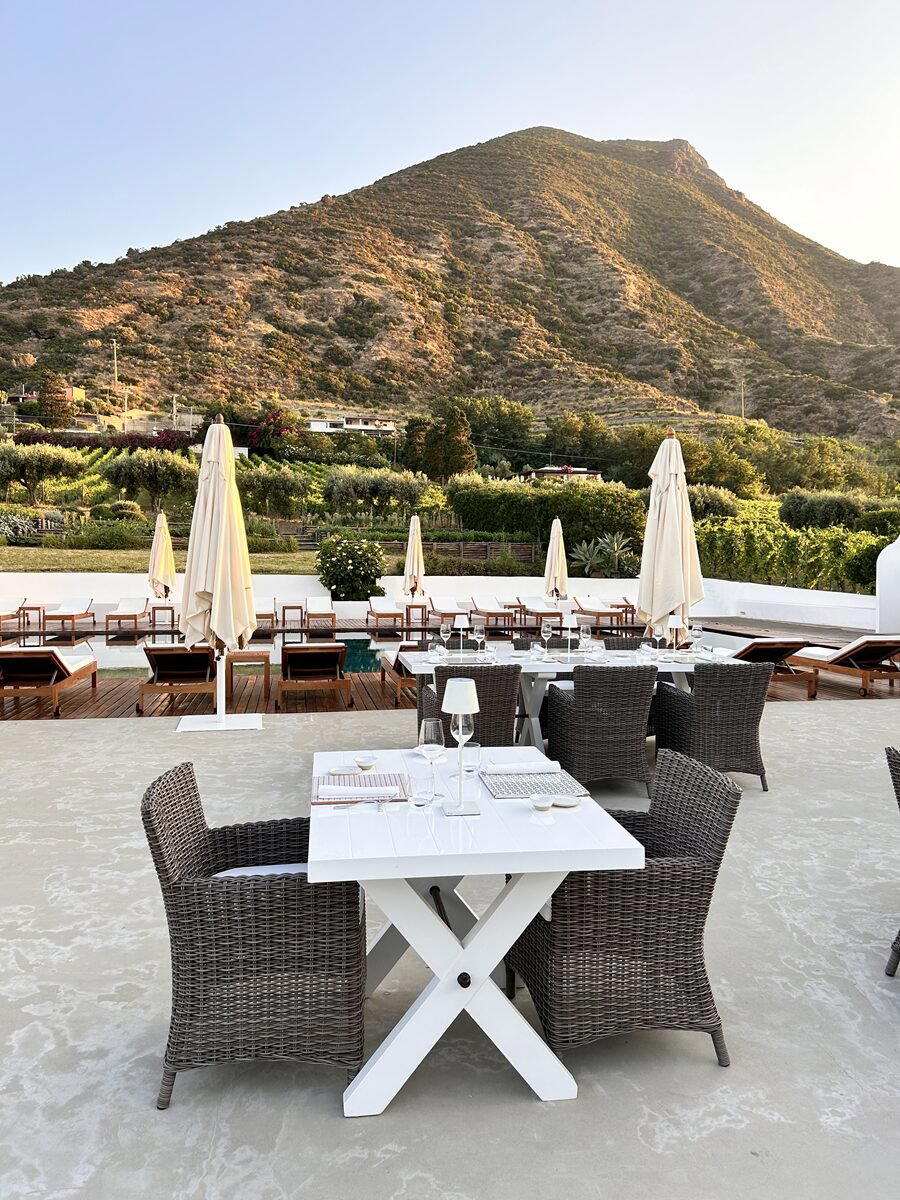
Where Aeolian Wine Culture Sets the Table
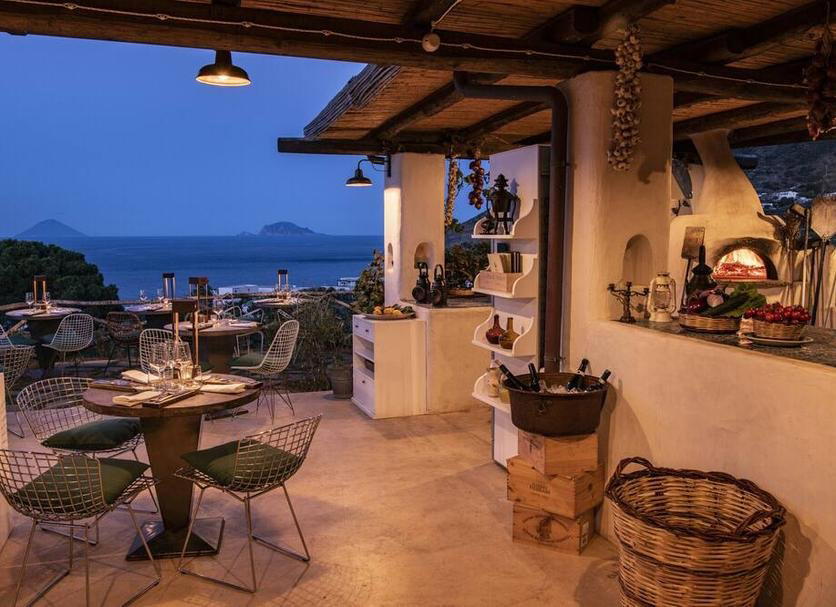
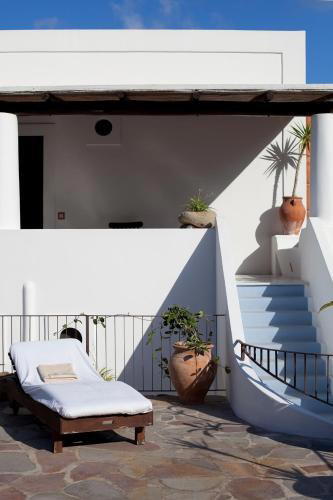
Salina occupies a distinct position among the Aeolian Islands, less trafficked than Lipari, less dramatically volcanic than Stromboli, and better suited to the slow, agricultural tempo that Malvasia cultivation demands. The grape has grown on these slopes for centuries, producing a passito wine whose amber sweetness became one of Sicily's most legible exports. Capofaro Locanda & Malvasia, the hotel and dining property operated by the Tasca d'Almerita estate, sits directly within those working vineyards above Malfa, on the island's north coast. The lighthouse that gives the address, Via Faro, still functions. The vines run to the edge of the terrace.
This physical integration of viticulture and hospitality is not decorative. It places the property in a category that operates differently from the wine-country resorts that merely face a hillside. Here, the estate's own Malvasia is the primary lens through which both the wine list and the cooking make sense. For the visitor arriving at Capofaro for the first time, the scene from the terrace, rows of Malvasia vines descending toward a dark, still sea, with Stromboli visible on clear evenings, functions as an immediate argument for what the Aeolian Islands offer that the Italian mainland cannot.
The Malvasia Tradition and What It Demands of the Table
Malvasia delle Lipari is classified as a DOC wine, and the passito version, made from partially dried grapes, sits among Italy's most historically significant sweet wines. The tradition of drying grapes on straw mats to concentrate sugars dates back at least to Greek colonisation of the Aeolian Islands, documented in texts from the classical period. What that history means practically, at a table on Salina in the present, is that the wine carries a weight of expectation that shapes what gets served alongside it.
The broader Sicilian table has always accommodated sweet-savory tension with less anxiety than northern Italian cooking. Caponata, the sweet-and-sour aubergine preparation, appears in some form on almost every table across the island. Slow-cooked fish with raisins and pine nuts carries the same logic. At properties where the estate wine is central to the dining concept, the kitchen tends to orient itself around ingredients that can hold a conversation with both dry and sweet Malvasia: island capers, local fish, sun-concentrated tomatoes, wild herbs. This is the culinary grammar that any serious Aeolian table reads from.
Among Italy's highest-accredited dining properties, the regional specificity of this approach is relatively rare. Restaurants like Osteria Francescana in Modena or Enoteca Pinchiorri in Florence operate within established metropolitan fine-dining circuits. Piazza Duomo in Alba is inseparable from the Langhe. Capofaro's equivalent anchor is the Malvasia vine itself, and the DOC appellation that ties it to these particular volcanic slopes.
The Property in Its Competitive Context
Capofaro holds a 3-Star World of Fine Wine accreditation, a signal that positions it within a group defined by the quality and coherence of the wine program rather than by kitchen technique alone. In the broader Italian context, World of Fine Wine recognition aligns a property with establishments where the cellar and the table are evaluated as a single, integrated proposition.
Within Malfa itself, the dining scene is small by any measure. Signum, the modern Italian and Sicilian restaurant in the village, represents the other anchor of serious dining on the island's north coast. The two properties operate in different registers: Signum is kitchen-forward and has its own substantial recognition; Capofaro's argument is estate-led, with the wine program and landscape setting terms that the cooking then follows. Visitors who spend time on Salina with a serious interest in either direction tend to eat at both. The Capofaro restaurant and the Tasca d'Almerita Capofaro Estate each represent distinct facets of what the property offers, and are worth considering separately depending on your priorities for a given meal.
In the wider frame of Italian island dining, the closest analogies are estates where wine production and hospitality have been deliberately co-located, rather than properties where a cellar visit is an add-on to the primary hotel offer. That integration puts Capofaro in a specific niche, one that restaurants like Quattro Passi in Marina del Cantone or Le Calandre in Rubano do not occupy, despite their own considerable credentials.
Getting to Salina and Planning the Visit
Salina is accessible by ferry and hydrofoil from Milazzo on the Sicilian mainland, with hydrofoil crossings taking approximately 1.5 to 2 hours depending on conditions and the season. Aliscafi services also connect from Messina and, in summer, from Palermo. The island has no airport. Malfa sits on Salina's north coast; arriving passengers typically land at Santa Marina on the east, or at Rinella on the south, with local transport or transfer completing the journey to the village.
What the 3-Star Accreditation Signals
The World of Fine Wine accreditation system evaluates wine lists against criteria of range, depth, vintage representation, and service competency. Capofaro's 3-Star result reflects a strong cellar program shaped by the Tasca d'Almerita estate. A 3-Star result places Capofaro among a small group of Italian properties where the wine offer is considered to meet a high standard of curatorial rigor. For a property anchored to a single estate and a single grape variety, that result reflects the depth of the Tasca d'Almerita Malvasia program specifically, rather than breadth across regions. It is a different argument from the cellar-depth signal that a restaurant like Dal Pescatore in Runate or Enrico Bartolini in Milan would make through a multi-region list.
For the visitor who already knows Malvasia delle Lipari, the accreditation confirms what the estate context implies. For someone arriving without that background, it offers a navigational shortcut: this is a property where ordering the estate wine is not a default choice made for convenience, but an informed one made because the wine is genuinely the primary argument on the table.
Cost and Credentials
Comparable venues nearby, for context on price, style, and recognition.
| Venue | Cuisine | Price | Awards | Notes |
|---|---|---|---|---|
| Tasca d’Almerita – Capofaro Locanda & MalvasiaThis venue — the venue you are viewing | Not listed | $$$$ | Not listed | Not listed |
| Capofaro | Malfa, Modern Sicilian Fine Dining | $$$$ | Not listed | Not listed |
| Signum | Innovative | $$$$ | Michelin 1 Star | Not listed |
| Alloro | Not listed | $$$$ | Michelin Plate | Baroque heart of Acireale, Modern Sicilian Fine Dining |
| Carlton Garden | Not listed | $$$$ | Not listed | Quadrilatero della Moda, Seasonal Italian in a Milanese garden setting |
| La Corte degli Dei | Pianillo, Modern Italian Fine Dining | $$$$ | Michelin Plate | Not listed |
Recognition history
Dated appearances from independent guides and award organizations, with the underlying list record or original source where available.
World's Best Wine Lists Awards WBWL Category Winner
World's Best Wine Lists Awards
World's Best Wine Lists Awards WBWL 3-Star
World's Best Wine Lists Awards
World's Best Wine Lists Awards WBWL 3-Star
World's Best Wine Lists Awards
Continue exploring
More in Malfa
Restaurants in Malfa
Browse all →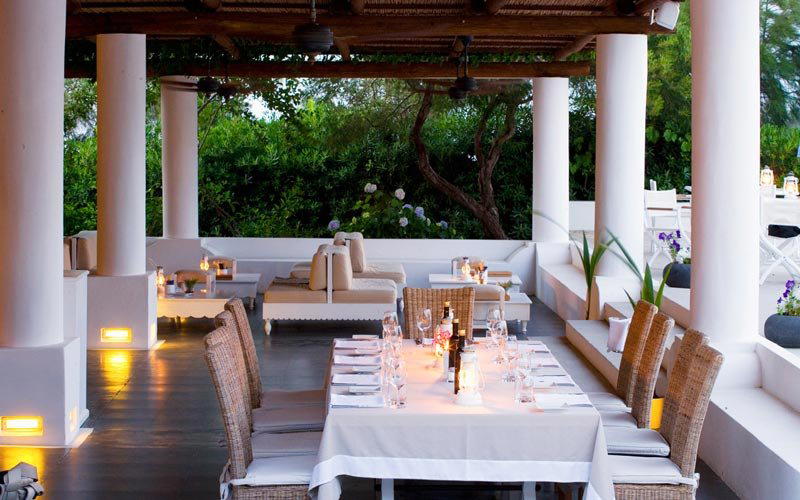
Bars in Malfa
Browse all →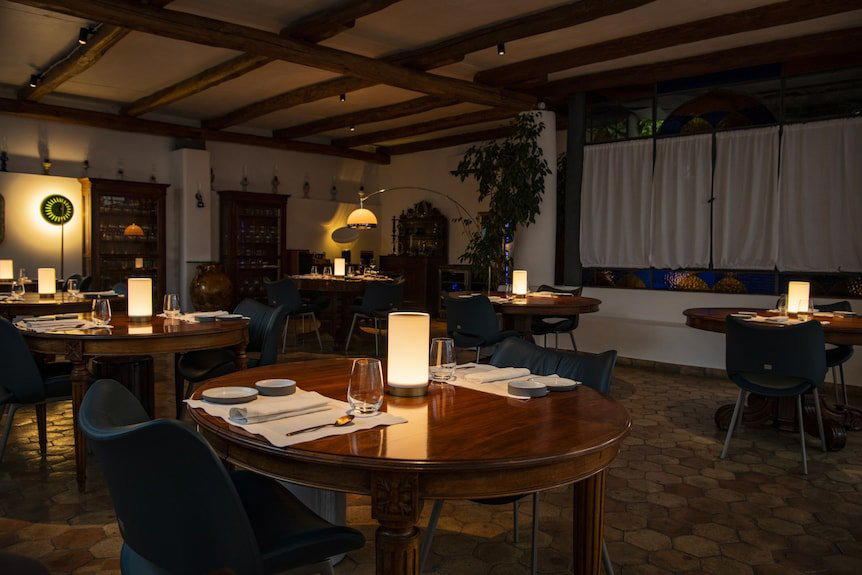
Hotels in Malfa
Browse all →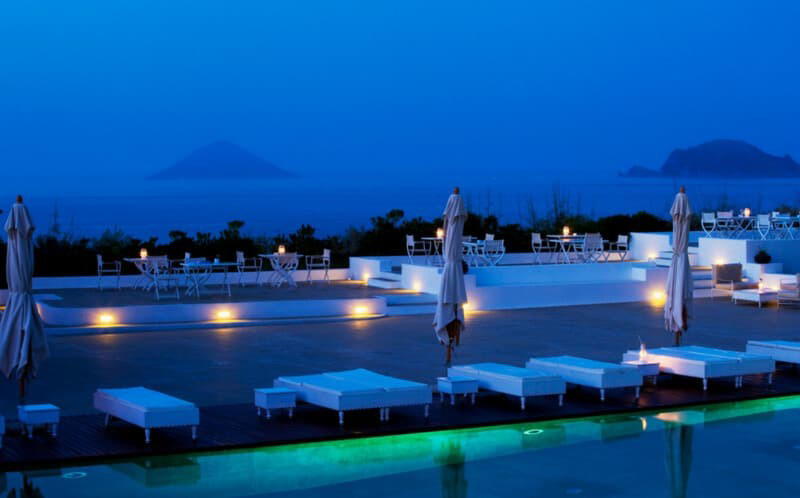

At a Glance
- Romantic
- Scenic
- Elegant
- Rustic
- Intimate
- Sophisticated
- Date Night
- Special Occasion
- Waterfront
- Terrace
- Panoramic View
- Hotel Restaurant
- Extensive Wine List
- Farm To Table
- Local Sourcing
- Organic
- Waterfront
- Vineyard
Current opening hours
- Monday
- 9 AM–5 PM
- Tuesday
- 9 AM–5 PM
- Wednesday
- 9 AM–5 PM
- Thursday
- 9 AM–5 PM
- Friday
- 9 AM–5 PM
- Saturday
- Closed
- Sunday
- Closed
Hours can change for holidays and private events. Last verified .
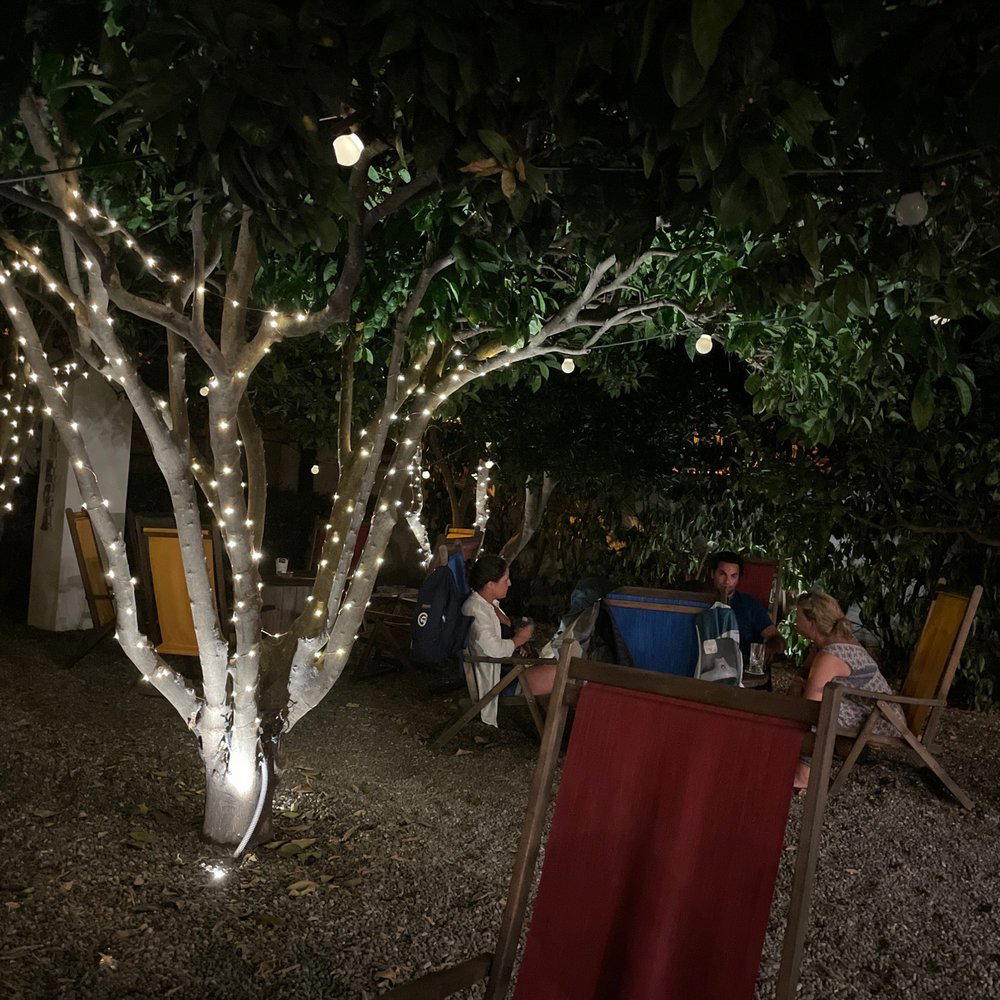
Romantic and serene atmosphere with panoramic sea views from terraces, surrounded by lush vineyards and natural light.