


1 Michelin Star · Gambero Rosso Tre Forchette
Our verdict
The kitchen's approach leans on the natural salinity and intensity of Aeolian ingredients rather than smoothing them out. Wine service includes bottles from the family's own production, available by the glass.

Pearl is the En Primeur Club membership app, where members save venues, book tables and use the concierge.
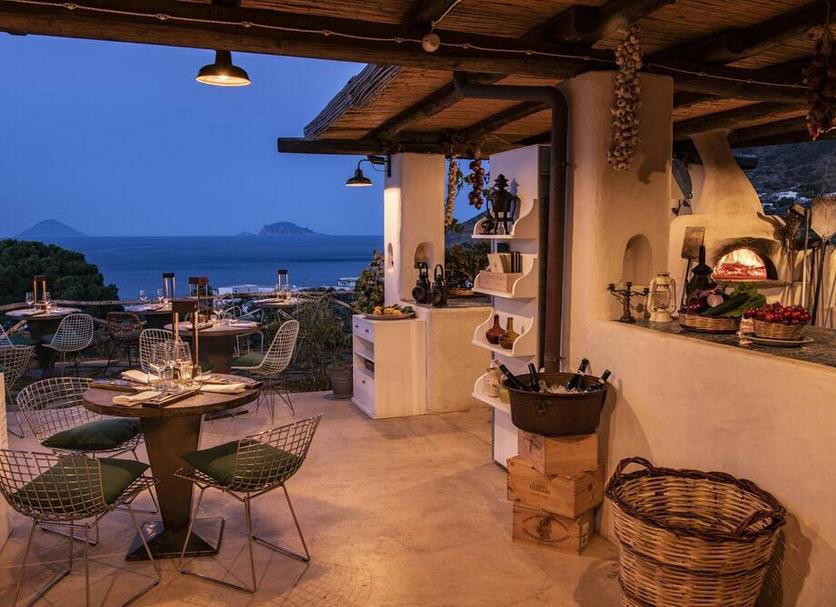
The Italian Principle in Its Purest Island Form
Italian fine dining in the twenty-first century runs along several different axes. At one end sit the maximalist creative kitchens, Osteria Francescana in Modena, Enrico Bartolini in Milan, Le Calandre in Rubano, where technique and conceptual ambition are the primary language. At the other end, a quieter tradition holds: the argument that the ingredient itself is the point, and the cook's role is to understand it well enough to intervene as little as possible. Signum belongs to this second tradition, pushed further still by geography. On an island with no agricultural hinterland beyond its own slopes, simplicity is not a philosophy adopted from outside, it is the only honest response to what the pantry actually contains.
That pantry is specific. Salina is known for its capers, its Malvasia grape, its fish pulled from exceptionally clear water, and a microclimate that produces herbs and vegetables with concentrated flavour. The salinity that runs through Aeolian ingredients, the capers preserved in salt, the sea-adjacent air that touches the garden, is not a problem to be corrected. At Signum, it is treated as a characteristic to be worked with and, at times, amplified. This is the cooking equivalent of a winemaker who wants the terroir to speak rather than be polished away: the intensity stays in the glass, or in this case, on the plate.
Comparable approaches exist at other Italian addresses with strong regional commitments, Uliassi in Senigallia on the Adriatic, Quattro Passi in Marina del Cantone on the Amalfi coast, or Dal Pescatore in Runate in the Po Valley, but the degree of island isolation at Salina makes Signum's version of this argument more compressed. There is no neighbouring city market to draw from. The relationship between kitchen and territory is close because it has to be.
Martina Caruso and a Kitchen of Nine
Michelin awarded Signum its first star in 2024, recognising chef Martina Caruso, who was born at the property and returned after formative experience elsewhere to lead the kitchen. The brigade numbers nine, for a remote island restaurant running structured tasting menus, represents a serious operational commitment. Her brother Luca manages the hotel side; cousin Raffaele contributes to the wine and cocktail programme. The family structure is not incidental to the food's character: this is cooking that carries the weight of place and inheritance without being trapped by it. The lightness and creativity Michelin's inspectors noted in their citation are precisely what separates a cook who grew up with these ingredients from one who merely sources them.
For comparison across the broader range of Italian Michelin-starred kitchens, the list extends from the mountain-rooted product philosophy of Atelier Moessmer Norbert Niederkofler in Brunico to the deep French-Italian wine-and-food tradition of Enoteca Pinchiorri in Florence. Signum occupies a distinct position in that spectrum, island-bound, ingredient-led, and operating at a scale that prioritises depth over reach.
Format: Three Menus, One Garden
The kitchen offers three tasting menus at six, seven, and nine courses respectively. This kind of tiered structure has become standard at serious tasting-menu restaurants across Europe, it allows a table to calibrate its appetite and budget without sacrificing the kitchen's control over the sequence. At Signum, all three menus draw from the same source material: the garden on site, the surrounding sea, and local land produce. The difference between a six-course and a nine-course experience here is not a question of quality tier but of how many additional facets of that single pantry the kitchen can illuminate across an evening.
Wine service is handled by Luca and Raffaele, and includes bottles from the family's own production alongside the broader cellar, a detail that matters in this context. Malvasia delle Lipari is the island's signature wine, a late-harvest sweet white with a honeyed, slightly oxidative character that pairs with the salinity of the food in ways that a more neutral pairing would not. All wines are available by the glass, which at a nine-course menu format gives the service team genuine flexibility to build a progression rather than asking a table to commit to a single bottle across very different courses. Cocktails are also part of the programme, not unusual at a hotel restaurant of this level, but worth noting as a signal of the full-evening ambition.
The Hotel Setting and the Aeolian Village Form
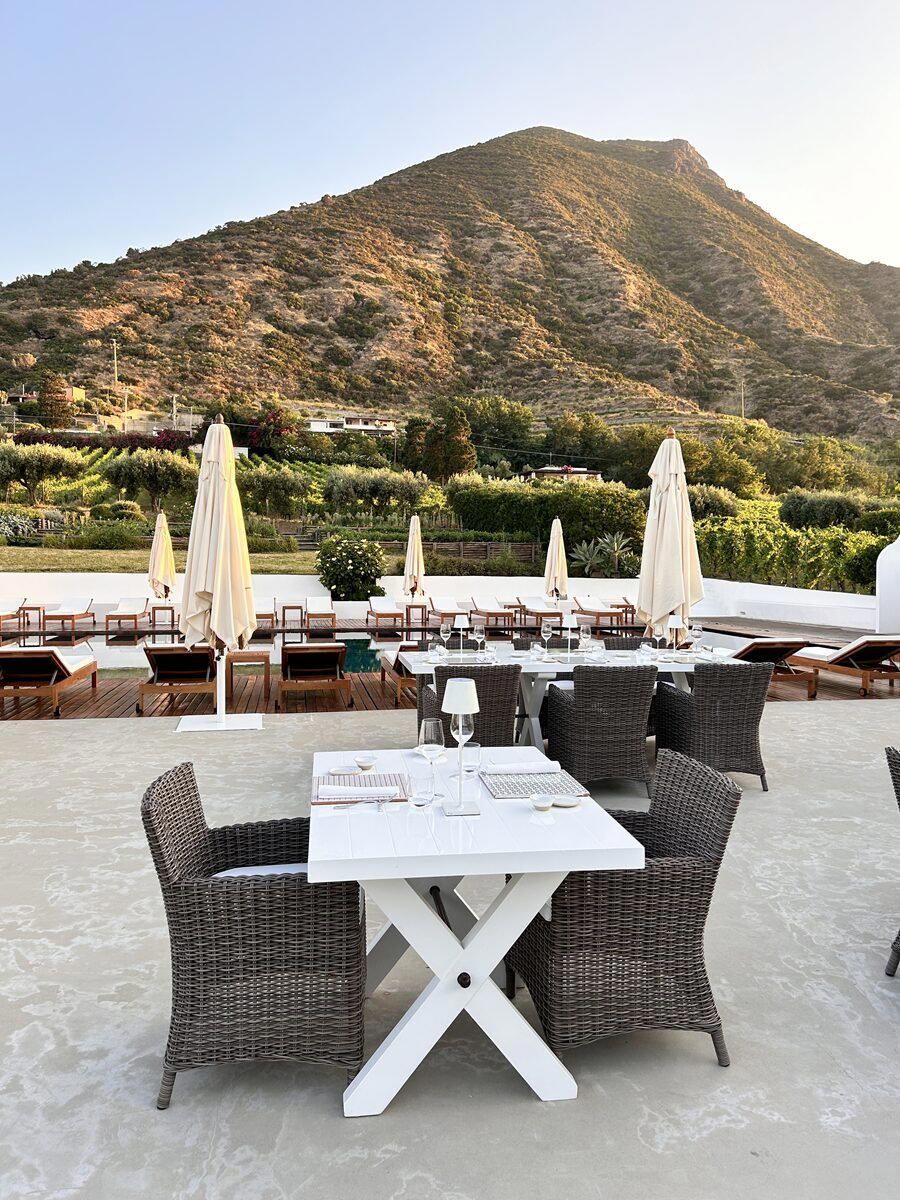
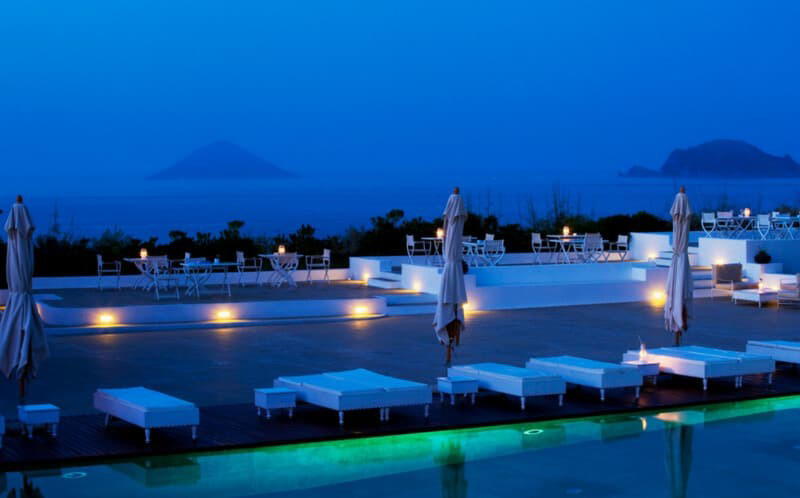
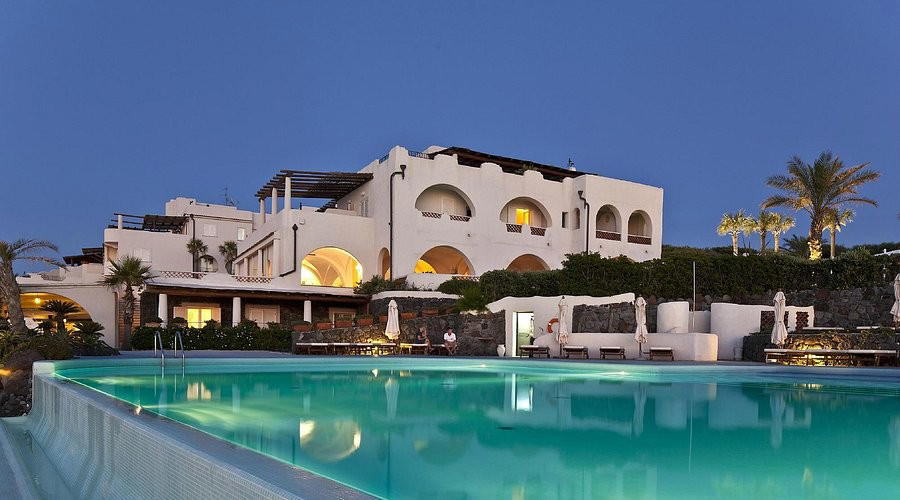
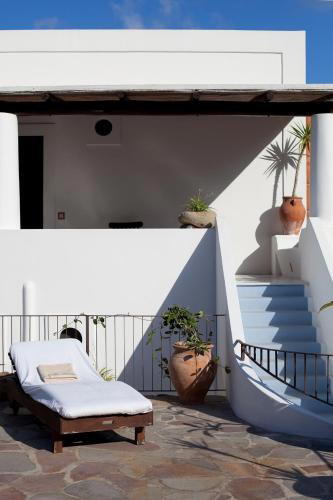
Signum operates within a hotel property styled after a traditional Aeolian village, a cluster of whitewashed buildings with terracotta details, outdoor terraces, and the island's characteristic low-line architecture that keeps the views unobstructed. The approach places the restaurant inside an environment where the boundary between indoors and the surrounding landscape is deliberately soft. This is relevant to the dining experience: the same wind that carries the scent of capers and volcanic stone into the terraced garden is the same atmosphere in which the food was grown. There is an integrity to the whole that a freestanding urban restaurant, however accomplished, cannot replicate.enprimeurclub. The two addresses represent different interpretations of what Aeolian fine dining can mean, and the island is small enough that visiting both within a stay is direct. Access to the island runs via hydrofoil or ferry from Milazzo (the most frequent connection) or from Messina and other Aeolian islands. The crossing from Milazzo takes roughly one hour on a fast hydrofoil. Salina has no airport, so Signum is, structurally, a destination that requires deliberate planning rather than an impulse visit.
The summer months are the natural window for Aeolian visits: ferry connections are most frequent between June and September, the garden is at full production, and the evening light over the water is the context the kitchen's cooking is built around. Booking ahead is advisable, particularly in July and August when the islands see their highest visitor numbers.enprimeurclub.
For readers building a broader frame of reference: the tasting-menu format Signum uses, structured, ingredient-led, place-specific, belongs to a global tradition of cooking where location is the primary argument. Among international peers who make that same argument through seafood and coastal produce, Le Bernardin in New York City and Atomix in New York City represent how different kitchens, in different cities, use rigorous format and restrained technique to let the primary ingredient carry the weight. At Signum, the primary ingredient happens to be a whole island.
Frequently asked questions
How would you describe the vibe at Signum?
Quiet, unhurried, and rooted in place. The atmosphere is far removed from the energy of a city dining room, there is no urban noise, no foot traffic, no sense of an audience. A Michelin star in this setting does not mean formality; it means precision applied to an environment that is fundamentally calm. The €€€€ price point signals a serious kitchen, but the island setting keeps the register from tipping into stiffness.
at Signum?
The kitchen is structured around tasting menus, six, seven, or nine courses, so individual dish selection is not the operative decision. The relevant question is which menu length fits the evening. Given that the cuisine is built around Aeolian ingredients (local garden produce, island seafood, the characteristic salinity of capers and sea-adjacent herbs), the longer nine-course format gives the kitchen the most room to show the full range of that territory. Chef Martina Caruso's Michelin citation specifically notes the handling of intense, saline ingredients, amplifying rather than masking them, which suggests the menu's most distinctive moments are likely those where that quality is most concentrated. The wine programme includes bottles from the family's own production, available by the glass, making a paired progression worth considering across any of the three menu formats.
Booking and Cost Snapshot
| Venue | Cuisine | Price | Awards | Notes |
|---|---|---|---|---|
| SignumThis venue (the venue you are viewing) | Michelin-Starred Sicilian Fine Dining | Not listed | 1 Michelin Star · Gambero Rosso Tre Forchette | Not listed |
| Atelier Moessmer Norbert Niederkofler | Modern Alpine Fine Dining | $300–500 | 3 Michelin Stars · World's 50 Best #38 | Italian, Creative |
| Dal Pescatore | Classic Italian Fine Dining | $200–300 | 3 Michelin Stars · World's 50 Best #38 | Italian, Italian Contemporary |
| Enoteca Pinchiorri | Contemporary Italian Fine Dining | $200–300 | 3 Michelin Stars · World's 50 Best #32 | Italian - French, Italian Contemporary |
| Enrico Bartolini | Modern Italian Fine Dining | $300–500 | 3 Michelin Stars · World's 50 Best #85 | Creative |
| Osteria Francescana | Avant-Garde Italian Contemporary | $300–500 | 3 Michelin Stars · World's 50 Best #1 | Progressive Italian, Creative |
Recognition history
Dated appearances from independent guides and award organizations, with the underlying list record or original source where available.
Michelin 1 Star
Michelin
Gambero Rosso Tre Forchette
Gambero Rosso
Opinionated About Dining Top Restaurants in Europe Recommended
Opinionated About Dining
Full recognition history (5 entries)
Michelin 1 Star
Michelin
Michelin 1 Star
Michelin
Continue exploring
More in Malfa
Restaurants in Malfa
All restaurants in Malfa →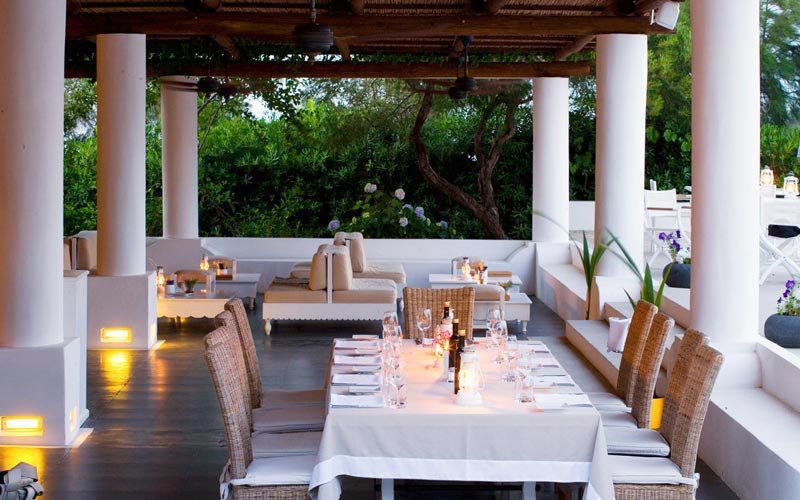
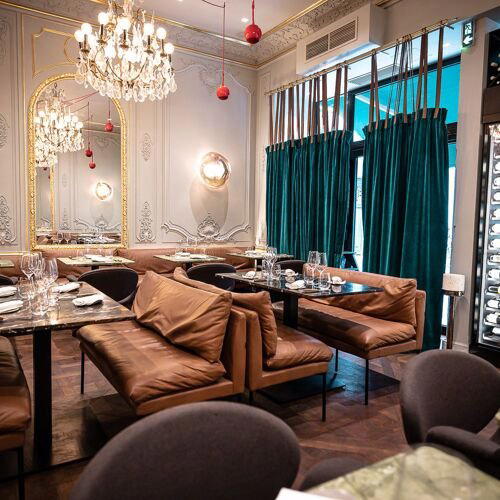
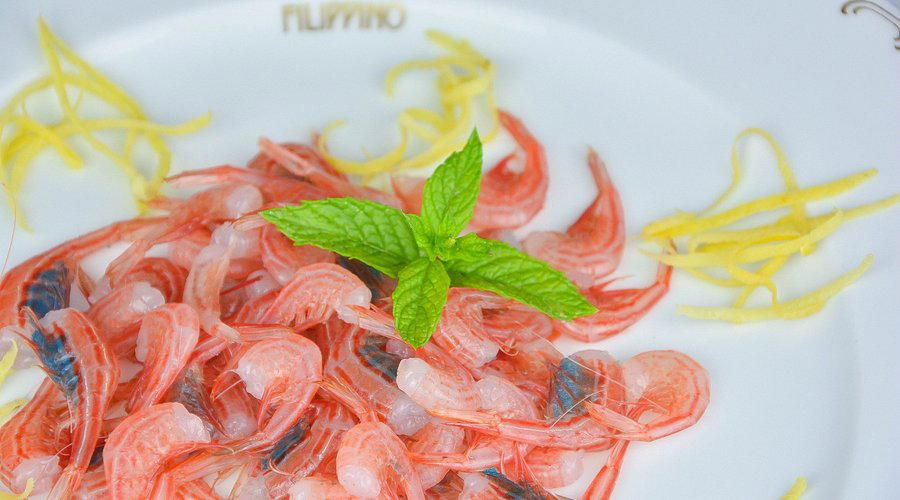
Bars in Malfa
Browse all →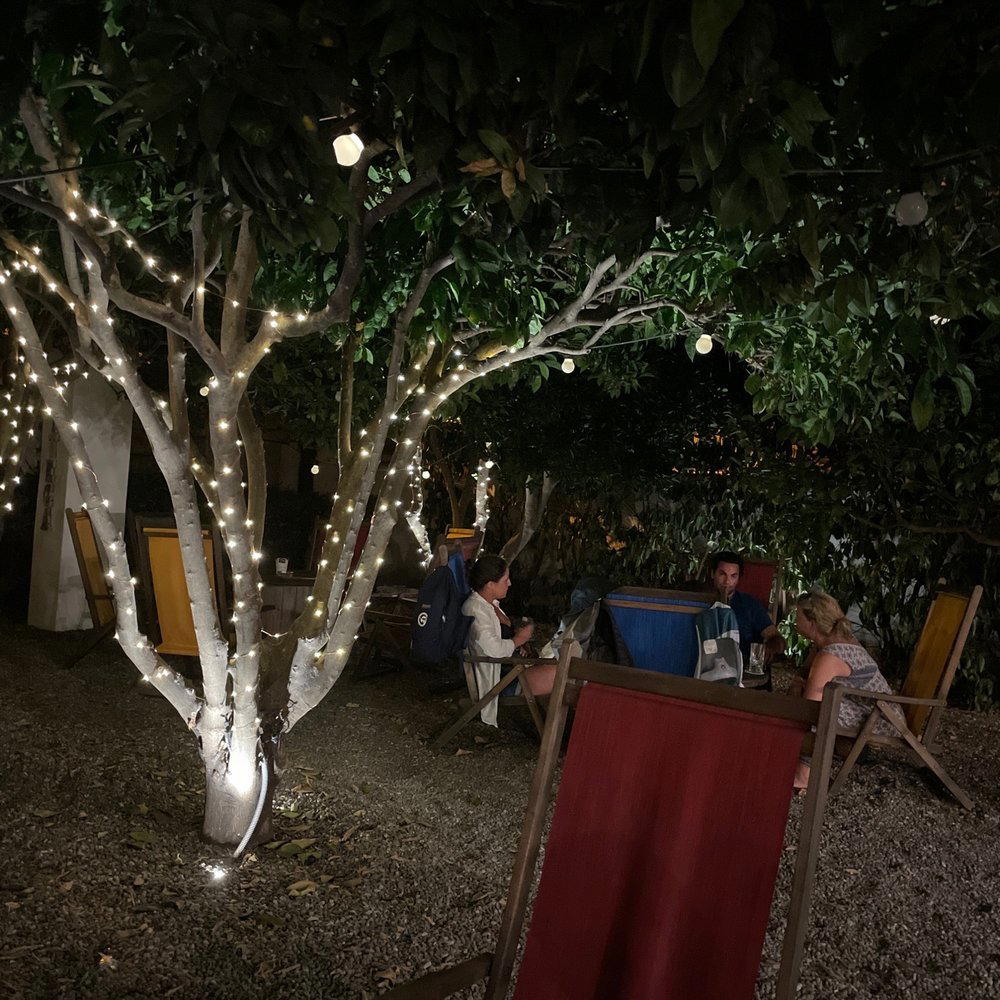
Hotels in Malfa
All hotels in Malfa →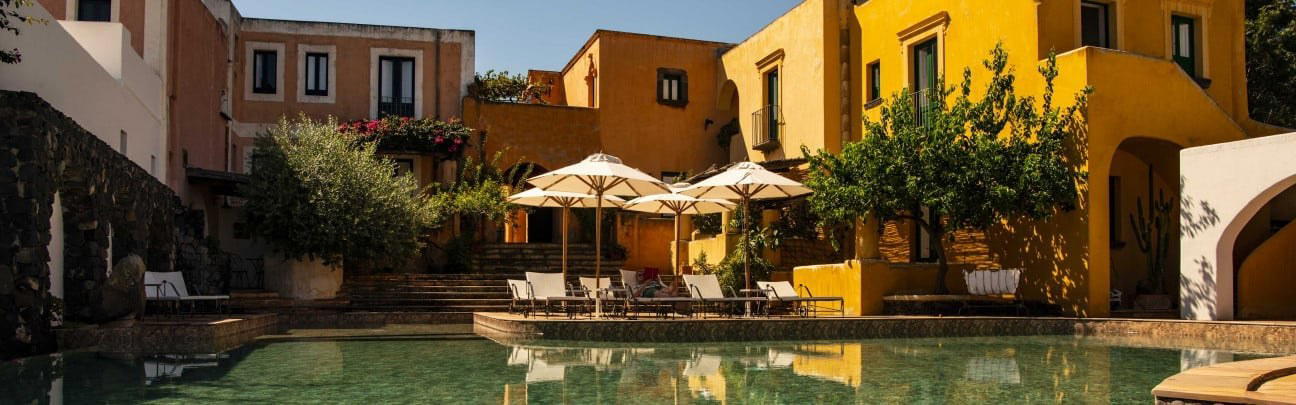


Details
- Romantic
- Scenic
- Elegant
- Intimate
- Sophisticated
- Special Occasion
- Date Night
- Celebration
- Hotel Restaurant
- Terrace
- Panoramic View
- Wine Cellar
- Extensive Wine List
- Craft Cocktails
- Local Sourcing
- Waterfront
- Tasting Menu
- A La Carte
- Wine
- Cocktails
Refined Mediterranean boutique-hotel atmosphere with a homely, intimate feel, pale limestone tones, bougainvillea-covered terraces, and a serene island setting.