
Michelin Bib Gourmand
Our verdict
Bún Chả Cá 109 on Nguyễn Chí Thanh has held the Michelin Bib Gourmand in both 2024 and 2025, placing it among Da Nang's most consistently recognized street-food addresses. The bowl is the city's signature fish cake noodle soup, built around a broth and protein combination that defines Central Vietnamese coastal cooking. At a single ₫ price point, it sits firmly inside Da Nang's value-led noodle tradition.

Pearl is the En Primeur Club membership app — saves, bookings, and concierge access live there. Same editors, same standards.
- Address
- 109 Nguyễn Chí Thanh, Hải Châu, Đà Nẵng 550000, Vietnam
- Phone
- +84 945 713 171
- Hours
- Daily 6 AM–10 PM
- Directions
- Get directions
The menu
What to order
- Fish Cake Noodle Soup
- Fish Cake Noodle Soup + Crab Roe
- Fish Cake Noodle Soup + Crab Cake
- Tuna Noodle Soup + Fish Cake
The Bowl Da Nang Comes Back For
Nguyễn Chí Thanh is one of Hải Châu district's straighter, busier arteries, the kind of street where low plastic stools colonize the footpath from early morning and steam rises from pots that have been going since before most of the city woke up. At number 109, the setup follows a format that Central Vietnam has refined over generations: a fixed dish, a clear broth, and the operational discipline that comes from doing exactly one thing at a very high frequency. Bún Chả Cá 109 fits that mold, and the Michelin Bib Gourmand it received in 2024, renewed in 2025, represents Michelin's own confirmation that this is not a casual address.
Where Bún Chả Cá Sits in the City's Noodle Hierarchy
Da Nang's noodle culture is broader than most visitors assume. The city sits between Huế's tradition of bún bò and the lighter, seafood-inflected broths that define the coast itself. Bún chả cá is the Da Nang native: a rice vermicelli soup built around fish cakes, typically with a clear or lightly opaque broth seasoned with fermented shrimp paste, dill, and spring onion. It is not the same as the denser bún bò Huế you find at addresses like Bún Bò Huế Bà Thương or the beef noodle format at Bún Bò Bà Rơi (Hai Chau). It is the coastal city's own answer to what a noodle breakfast should taste like.
Bún Chả Cá Bà Hoa holds comparable local standing, and several family-run spots along Nguyễn Chí Thanh and the streets surrounding the Han River market compete at the same price tier. What separates the Bib Gourmand holders from that broader cluster is consistency: Michelin's inspectors returned across two annual cycles and graded the bowl the same way both times.
The Arc of the Meal
Eating at a place like this follows a different rhythm than a tasting menu, but the progression is still legible. Arrival comes first, which at a high-turnover street address means joining a queue or taking whatever stool is free and watching the room settle around you. The bowl arrives quickly. Da Nang's bún chả cá tradition delivers the soup as the centrepiece rather than a starter, and the eating sequence follows the temperature of the broth: you work through the noodles while the liquid is at its hottest, then shift attention to the fish cakes and any side elements as the bowl cools slightly and the individual components become easier to assess separately.
The fish cakes themselves are the structural argument of the dish. In Da Nang's version, they are made from freshwater or sea fish, ground and seasoned before frying or steaming, and they carry a firmer bite than the soft broths they sit in. A well-made fish cake in this format holds its texture across the length of the bowl rather than disintegrating, which is a technical requirement that separates the better houses from the rest. The broth is the second dimension: at this price tier and with this level of recognition, the liquid should show clarity alongside depth, the fermented shrimp element present but not dominant.
The table herbs arrive separately, and in Central Vietnamese noodle culture, the herb plate is not decoration. Banana blossom, morning glory, bean sprouts, and fresh chilli are tools for adjusting the bowl's balance at the table, and the way a diner builds toward their preferred configuration is part of how the meal develops across the eating time. The full experience takes fifteen to twenty minutes from first mouthful to last, which is a short window but a complete one.
The Bib Gourmand Standard and What It Signals
Michelin's Bib Gourmand is awarded to restaurants offering good food at a price the guide judges to be reasonable for the market. In Vietnam, that designation has been applied to a range of formats, from multi-seat family restaurants to single-dish street operations. Consecutive Bib Gourmand recognition in 2024 and 2025 does not mean the bowl changed; it means it held the standard across two independent inspection cycles. That kind of consistency at a single ₫ price point is the relevant signal here, not the award as a prestige marker in itself.
For context, Da Nang's Michelin-recognized dining spans from single-star formal addresses like La Maison 1888 at the ₫₫₫₫ tier to street-level Bib Gourmand holders at the opposite end of the price range. Bún Chả Cá 109 operates at the accessible extreme of that spectrum, which is precisely where the Bib Gourmand was designed to point.
Comparable Bib Gourmand noodle recognition across the region can be found at addresses like A Niang Mian Guan in Shanghai, A Bing Bao Shan Mian in Hangzhou, and Ajisai in Taichung. The format of a single dominant dish executed with enough precision to attract inspector attention is a pattern that holds across each of those. Southeast Asian parallels include Baan Chik Pork Noodles in Udon Thani, where the same logic applies: specialism and repetition produce a quality floor that broader menus rarely match.
Da Nang's Broader Dining Context
For visitors approaching Da Nang as a dining destination, the city's strength lies in exactly this tier: affordable, specific, and technically serious. The more expensive end of the market, represented by French-influenced hotel dining and the growing roster of contemporary Vietnamese restaurants, offers a different kind of experience. Addresses like Akuna in Ho Chi Minh City and Gia in Hanoi show what contemporary Vietnamese cooking looks like when it pushes toward formal tasting formats. Da Nang's noodle houses operate from a different premise entirely, and Bún Chả Cá 109 is among the clearest examples of why that premise has its own logic.
Other Da Nang street-food addresses worth mapping alongside it include Bà Diệu on Tran Tong Street, Bà Đông, and the street food concentration documented in our full Da Nang restaurants guide. For a complete picture of the city, the Da Nang hotels guide, bars guide, wineries guide, and experiences guide cover the city's other tiers in the same detail.
Planning Your Visit
The address is 109 Nguyễn Chí Thanh in Hải Châu district, direct to locate in any mapping application. Vietnamese noodle houses at this format level typically serve through the morning into early afternoon, following demand rather than a fixed closing time, so arriving earlier in the day is the more reliable approach. The price point is among the most accessible in the city. There is no formal booking mechanism for a street address of this type; arrival and queue management are the operative planning tools. The noodle-focused comparisons at A Kun Mian in Taichung and A Xin Xian Lao in Fuzhou offer reference points for how similarly formatted operations manage volume at recognized addresses across the region.
What's the must-try dish at Bún Chả Cá 109?
The bowl to order is the bún chả cá itself, the address's single defining dish and the basis for both Michelin Bib Gourmand awards. It is a rice vermicelli soup built around house-made fish cakes in a light Central Vietnamese broth, served with a herb plate for table-side adjustment. The fish cake quality is what Michelin's repeated recognition points toward, and it is where the bowl's technical standard is most legible. There is no secondary dish that competes for attention here; the restaurant's identity and its recognition are built entirely on this one format.
Frequently asked questions
What part of town is Bún Chả Cá 109 in?
Bún Chả Cá 109 is located at 109 Nguyễn Chí Thanh, Hải Châu, Đà Nẵng 550000, Vietnam, Da Nang.
What awards or recognition does Bún Chả Cá 109 have?
Bún Chả Cá 109 has received recognition including: Michelin Bib Gourmand (2025); Michelin Bib Gourmand (2024).
What's the must-try dish at Bún Chả Cá 109?
The dish is the bún chả cá itself: a rice vermicelli bowl built around fish cakes, the preparation that earned the restaurant consecutive Michelin Bib Gourmand recognition in 2024 and 2025. At the ₫ price tier, it sits firmly in Da Nang's affordable-but-serious noodle category. There is no secondary menu to consider — this is a single-dish address, and the bowl is the reason to go.
Price Lens
| Venue | Cuisine | Price | Awards | Notes |
|---|---|---|---|---|
| Bún Chả Cá 109This venue — the venue you are viewing | Authentic Da Nang Fishcake Noodle Soup | $1–10 | Michelin Bib Gourmand | Not listed |
| La Maison 1888 | Michelin-Starred French Contemporary | $150–200 | 1 Michelin Star · La Liste Top Restaurants | French Contemporary, ₫₫₫₫ |
| Ăn Thôi | Authentic Vietnamese | $10–20 | Michelin Bib Gourmand | Not listed |
| Bé Ni 2 | Fresh Local Seafood | $10–20 | Michelin Bib Gourmand | Not listed |
| Bún Bò Bà Rơi (Hai Chau) | Not listed | Not listed | Noodles, ₫ | Not listed |
| Cô Chủ Nhỏ | Vietnamese Duck Street Food | $1–10 | Michelin Bib Gourmand | Not listed |
Recognition history
Dated appearances from independent guides and award organizations, with the underlying list record or original source where available.
Michelin Bib Gourmand
Michelin
Full recognition history (3 entries)
Michelin Bib Gourmand
Michelin
Michelin Bib Gourmand
Michelin
Details
- Cozy
- Rustic
- Casual Hangout
- Solo
- Family
- Standalone
- Local Sourcing
- A La Carte
- Pescatarian Friendly
Current opening hours
- Monday
- 6 AM–10 PM
- Tuesday
- 6 AM–10 PM
- Wednesday
- 6 AM–10 PM
- Thursday
- 6 AM–10 PM
- Friday
- 6 AM–10 PM
- Saturday
- 6 AM–10 PM
- Sunday
- 6 AM–10 PM
Hours can change for holidays and private events. Last verified .
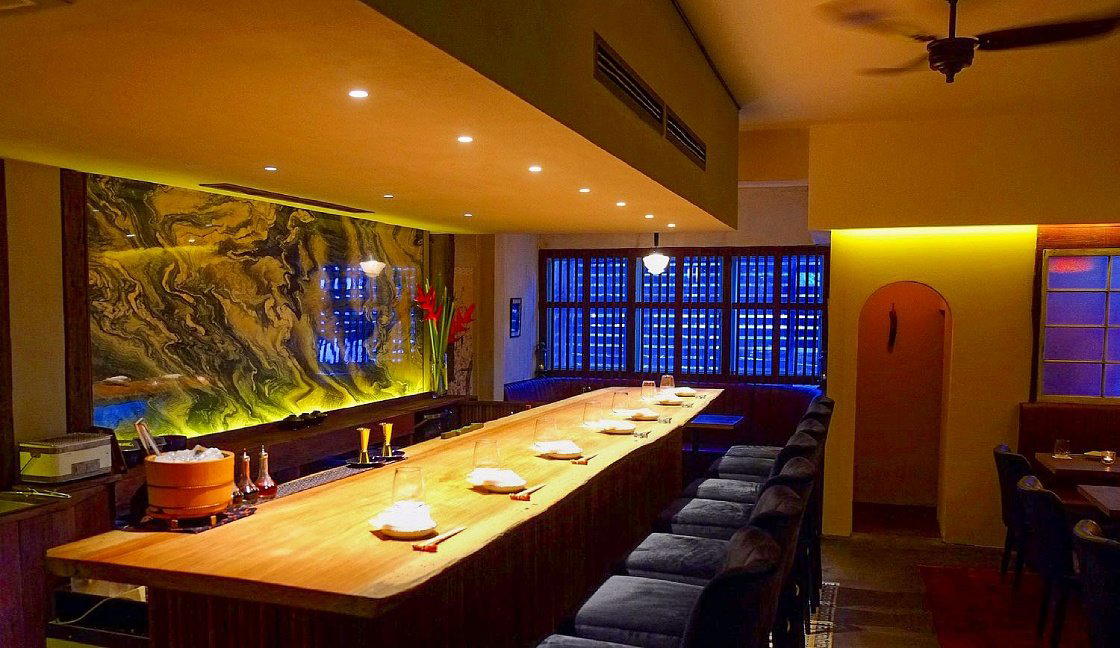
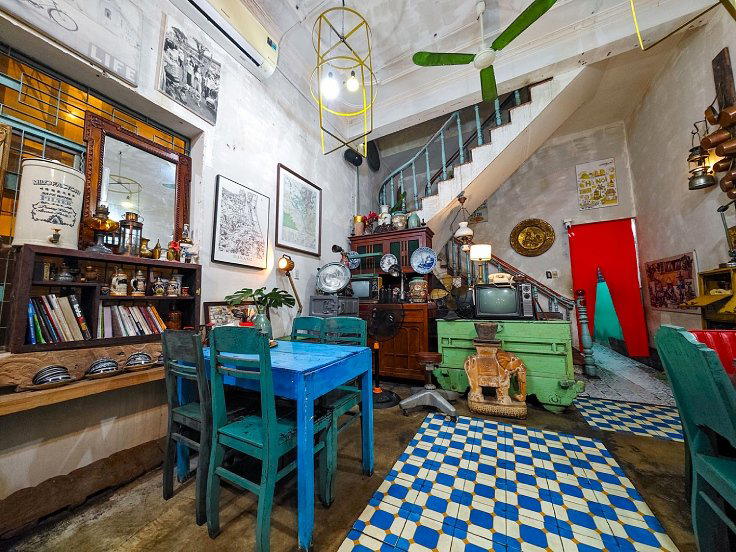
Cozy, homely atmosphere in a tidy, well-organized space with a warm, informal family-run feel.