Pasteur Grill & Noodles
Our verdict
New Pasteur Restaurant on Baxter Street sits at the heart of Manhattan's Chinatown, where Vietnamese cooking has held its ground against decades of neighborhood change. Regulars return for the consistency that defines the best pho-and-banh mi corridors in New York, a room shaped more by repeat business than by press cycles or tasting-menu ambitions.

Pearl is the En Primeur Club membership app, where members save venues, book tables and use the concierge.
Baxter Street and the Vietnamese Corridor in Chinatown
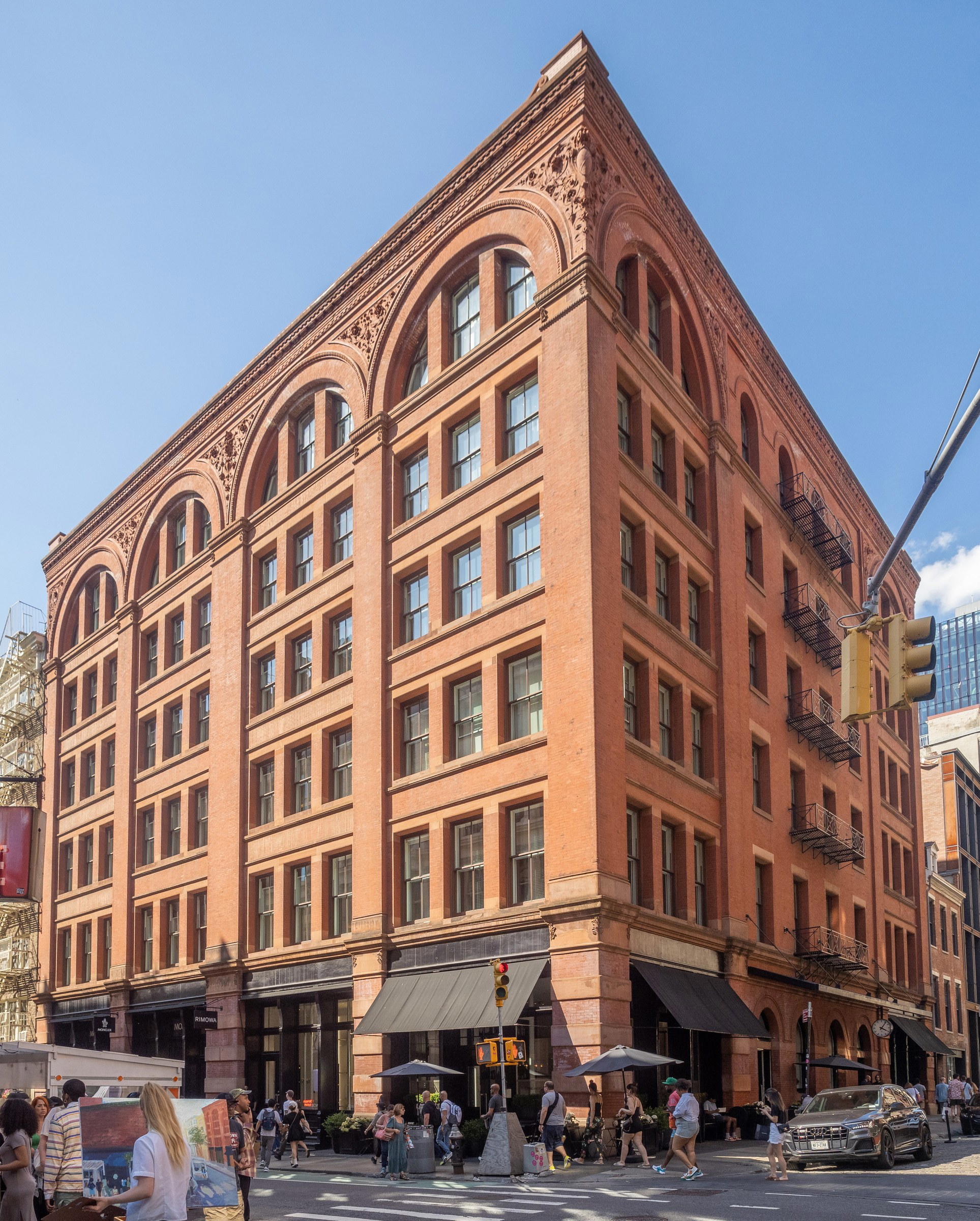
Manhattan's Chinatown has long operated as a city within a city, with Baxter Street forming one of its quieter connective threads between the courthouses to the north and Canal Street's commercial density to the south. Vietnamese restaurants took root in this corridor decades ago, and the ones that survived did so not through reinvention but through the specific gravity of regulars. New Pasteur Restaurant at 85 Baxter St sits inside that tradition, in a stretch where the dining room fills because the neighborhood already knows what it's getting, not because a review cycle generated new interest.
This pattern is worth understanding before you sit down. The Vietnamese restaurants that persist in New York's Chinatown operate on a different logic than the prix-fixe rooms at Le Bernardin or the omakase counters at Masa. There are no tasting menus, no seasonal repositioning announcements, no chef-driven narrative for the press. The contract with the customer is simpler and, in its own way, more demanding: the broth should taste the same this Tuesday as it did three years ago Tuesday.
What Keeps Regulars Returning
The regulars' perspective is the most honest lens for a place like this. Chinatown institutions of this type accumulate a clientele that has self-selected over years, people who have ruled out the alternatives on Baxter and Mott and settled here because something in the kitchen meets a consistent standard. In Vietnamese cooking specifically, that standard tends to anchor on pho, the bone broth base that requires long simmering and careful spicing and that shows its quality most clearly when you've had a bad version elsewhere. A room like New Pasteur's earns its repeat business through that comparison process rather than through any single dramatic moment.
Dishes like banh mi, bun bo Hue, and com tam have also defined the Vietnamese immigrant dining culture in American cities since the 1970s and 1980s, and the Chinatown nodes in New York have been part of that culinary continuity. The Baxter Street addresses, including New Pasteur, belong to that longer arc, one that predates the current wave of upscale Vietnamese cooking represented by tasting-menu formats in other cities. For contrast, the ambitions of a place like Alinea in Chicago or the farm-sourcing rigor at Blue Hill at Stone Barns in Tarrytown represent the opposite end of a spectrum that New Pasteur has no interest in joining. That's not a criticism, it's a positioning statement that regulars implicitly understand.
The Unwritten Menu and the Room
The unwritten menu at any Chinatown institution is the sequence of decisions a returning customer makes automatically: which soup base, which protein configuration, which add-ins the kitchen will accommodate without a conversation. This kind of fluency takes a few visits to develop but rewards the investment. First-time visitors often over-order or order defensively from the safest items on a translated menu; regulars have already made the mistakes and arrived at their own standing order.
The dining format itself reflects Chinatown's broader approach to hospitality: efficient, high-turnover, priced for the neighborhood rather than for destination dining. This is not the category of experience you'd compare to Per Se or Jungsik New York on any axis other than geography. The relevant comparison set is the other Vietnamese and pan-Asian addresses within walking distance, where price differentials are small and the competition is fought over broth clarity, portion size, and the speed of table turns.
For Vietnamese food specifically in New York, the Chinatown pocket on and around Baxter Street represents a concentration that's harder to find in other boroughs. The density of Vietnamese options in this few-block radius gives the regulars their competitive reference point, they've tried the neighbors and returned here for reasons they could enumerate if pressed.
Placing New Pasteur in New York's Dining Geography
New York's dining map has stratified sharply over the past decade. The top tier, occupied by places like Atomix and Le Bernardin, competes on technique, sourcing credentials, and press recognition. Below that, a middle tier of neighborhood-driven restaurants operates on different economics and different expectations. New Pasteur falls into the latter category and should be evaluated on those terms.
The broader American dining circuit that EP Club covers, from The French Laundry in Napa to Providence in Los Angeles to Single Thread Farm in Healdsburg, represents one end of the quality and investment spectrum. Chinatown standbys like New Pasteur represent another kind of quality entirely: the quality of a kitchen that has stayed open, stayed consistent, and maintained a customer base that doesn't need to be convinced each time. That durability is its own form of credential, even without awards or a Michelin entry.
Visitors coming from outside the city who want to understand how New York's Vietnamese community has shaped the city's food culture will find the Baxter Street corridor more illuminating than the upscale Vietnamese tasting rooms elsewhere in Manhattan. For the broader context of where New Pasteur sits among the city's options, see our full New York City restaurants guide.
Planning Your Visit
85 Baxter Street is reachable from the J, Z, N, Q, R, W, 6, and 4/5 trains, all of which stop within a few blocks at Canal Street or Chambers Street, making it one of the more transit-accessible dining addresses in Lower Manhattan. The surrounding blocks include the Manhattan Detention Complex and several courthouses, which means the lunchtime crowd often includes a cross-section of the neighborhood's working population alongside regular diners. Arriving slightly before or after peak lunch and dinner windows tends to reduce wait times in a room of this type, though specific hours and current booking methods are best confirmed directly with the restaurant before visiting.
Comparable neighborhood-driven institutions elsewhere in the EP Club network include Emeril's in New Orleans and Bacchanalia in Atlanta, though those operate at different price points and ambitions. For similar community-anchor logic in other international contexts, 8 1/2 Otto e Mezzo Bombana in Hong Kong and Alain Ducasse Louis XV in Monte Carlo show how different traditions build loyal repeat audiences, albeit through very different means. The common thread is clientele that has made a deliberate choice to return rather than one driven purely by novelty.
For completeness: Lazy Bear in San Francisco, Addison in San Diego, and The Inn at Little Washington occupy positions in their respective cities analogous to what the upper-tier New York rooms occupy here, destinations with deliberate itineraries built around them. New Pasteur invites a different kind of itinerary: arrive in Chinatown, walk the block, and eat like someone who already knows the neighborhood.
Frequently asked questions
Is New Pasteur Restaurant child-friendly?
Chinatown Vietnamese spots at this address and price point tend to be informal enough that families eat here without issue. The format at 85 Baxter Street is counter-style, communal, and quick-moving, which suits younger diners better than it suits a long tasting dinner. Bring children who can handle a busy room and a short wait.
What's the vibe at New Pasteur Restaurant?
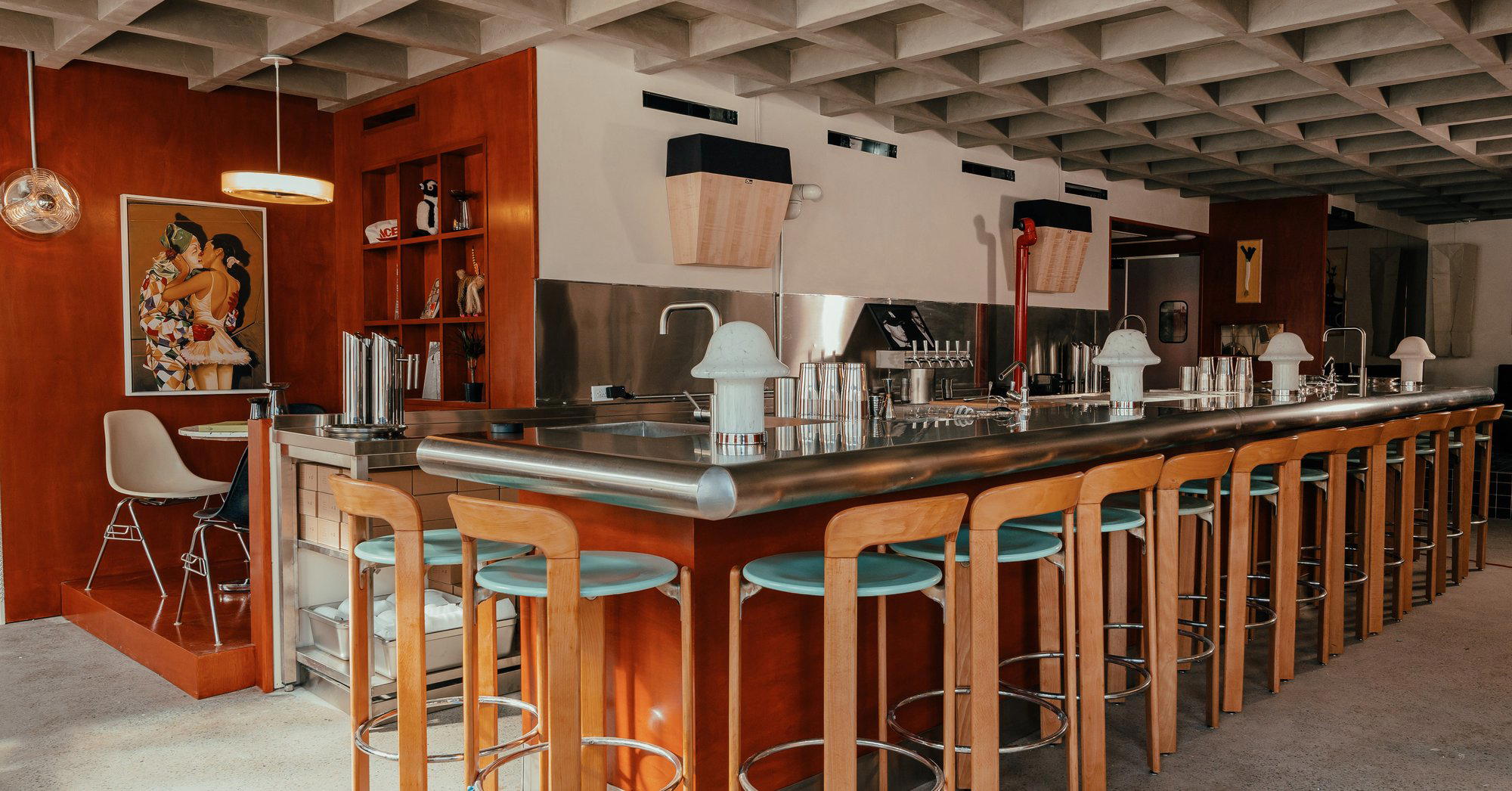
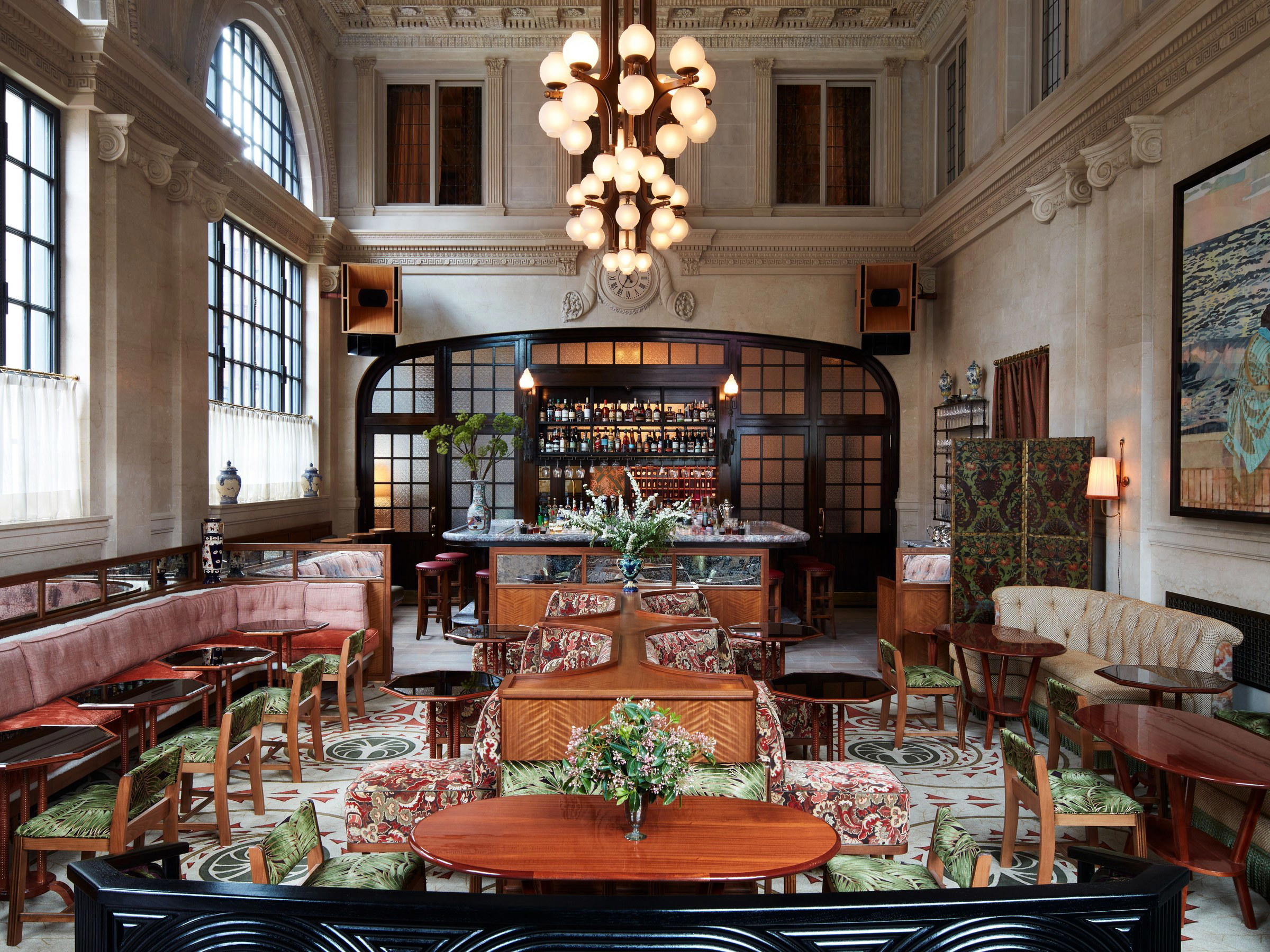
The room is utilitarian and fast-paced, in the tradition of Chinatown Vietnamese canteens that have operated on the same block for decades. Tables turn, the kitchen moves quickly, and the crowd is a mix of neighborhood regulars, courthouse workers from nearby Baxter Street, and visitors who found the address through word of mouth. There is no soundtrack design or ambient lighting strategy, the energy comes from the room itself.
How does New Pasteur Restaurant fit into Manhattan's broader Vietnamese dining scene?
New Pasteur sits on Baxter Street at the edge of Manhattan's Chinatown, a corridor that has housed Vietnamese restaurants since the community established itself in Lower Manhattan decades ago. Unlike the newer Vietnamese openings in Midtown or the East Village that position around modern plating, the Baxter Street address operates in a register closer to Saigon Shack or Nha Trang Centre, neighbourhood-anchored, volume-driven, and priced for accessibility. It occupies a specific and increasingly rare slot in New York City's Vietnamese dining geography.
What should I eat at New Pasteur Restaurant?
At a Vietnamese Chinatown institution on Baxter Street, the soup-based dishes are the core of the menu and the reason regulars return. The logic of ordering here follows what long-time customers know: pick your broth, pick your protein, and let the kitchen do the rest. First-timers are generally well-served by starting with the house pho or a vermicelli bowl before ranging further.
Style and Standing
Comparable venues nearby, for context on price, style, and recognition.
| Venue | Cuisine | Price | Awards | Notes |
|---|---|---|---|---|
| Pasteur Grill & NoodlesThis venue (the venue you are viewing) | Authentic Vietnamese Pho | $20–30 | Not listed | Not listed |
| Cô Lac | Modern Central Vietnamese | $30–50 | Grub Street Best Food of 2026 (So Far) | East Village |
| Di An Di | Modern Vietnamese | $30–50 | Not listed | Greenpoint |
| Bunker | Vietnamese Street Food | Not listed | Not listed | East Williamsburg |
| Dean Fryer | British Seafood Pub | Not listed | Not listed | Not listed |
| Lan Larb Chiang Mai, Soho | Northern Thai | $20–30 | Not listed | SoHo-Little Italy-Hudson Square |
Continue exploring
More in New York City
Restaurants in New York City
All restaurants in New York City →
Bars in New York City
All bars in New York City →





Details
- Cozy
- Classic
- Casual Hangout
- Standalone
- A La Carte
- Vegetarian Friendly
- Vegan Options
Current opening hours
- Monday
- 11 AM–8:30 PM
- Tuesday
- Closed
- Wednesday
- 11 AM–8:30 PM
- Thursday
- 11 AM–8:30 PM
- Friday
- 11 AM–8:30 PM
- Saturday
- 11 AM–8:30 PM
- Sunday
- 11 AM–8:30 PM
Hours can change for holidays and private events. Last verified .
Casual and welcoming with mirrored walls, hanging tasseled lanterns, Vietnamese straw hats, sunlight through front windows, complimentary tea, and soothing jazz music creating a calm atmosphere.