New Orleans Creole Cookery
On Toulouse Street in the French Quarter, New Orleans Creole Cookery occupies a block where the neighbourhood's culinary identity is impossible to ignore. The kitchen draws on the deep Creole tradition that defines this city's dining character, positioning it within a Quarter that has produced particularly discussed regional cooking in America. A practical address for those exploring the Quarter's mid-tier dining scene.
Pearl is the En Primeur Club membership app — saves, bookings, and concierge access live there. Same editors, same standards.
- Address
- 508 Toulouse St, New Orleans, LA 70130
- Phone
- +15043726022
- Website
- neworleanscreolecookery.com
- Directions
- Get directions
 Saves & bookings on Pearl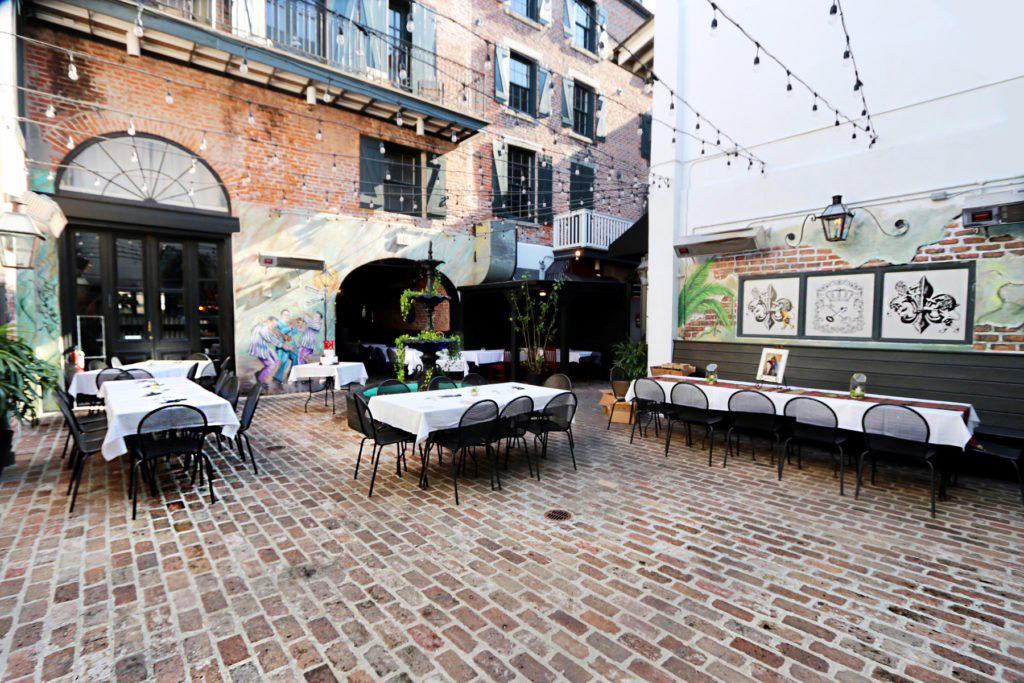
Toulouse Street and the Weight of the French Quarter
Few cities in America place as much pressure on a restaurant's address as New Orleans does. In the French Quarter, a dining room on Toulouse Street sits inside among the more culinarily loaded blocks in the country, a stretch where Creole cooking has been refined, debated, and reinvented across generations. The French Quarter is not simply a tourist corridor; it is the geographic origin of a cuisine tradition that resists easy categorisation and continues to shape how the rest of the country understands Southern food. New Orleans Creole Cookery, at 508 Toulouse St, occupies that context directly.
To understand what that address means, it helps to understand what Creole cooking is and is not. Creole cuisine emerged from a convergence of French, Spanish, West African, Native American, and Caribbean influences, formalised over centuries in the kitchens of New Orleans households and restaurant dining rooms. It is distinct from Cajun cooking, which developed in the rural parishes to the west and tends toward simpler, spicier preparations rooted in French Acadian tradition. Creole cooking is more urban, more layered, and more tied to the specific geography of this city. Restaurants anchored to that tradition, in this neighbourhood, carry both an advantage and an obligation.
Where It Sits in the Quarter's Dining Tier
The French Quarter's dining scene has grown considerably more stratified over the past decade. At the upper end, restaurants like Saint-Germain operate at the $$$$ tier with contemporary technique and serious wine programmes. In the middle range, venues like Bayona have built durable reputations for New American cooking that acknowledges the city's flavour vocabulary without being defined by it. Emeril's has long occupied a signature position in the Cajun-inflected tier. What the Quarter also needs, and what Toulouse Street historically supports, is mid-range Creole cooking that functions as an accessible entry point into the tradition for visitors who are not ready for Commander's Palace's formal dining room and dress expectations.
New Orleans Creole Cookery positions itself in that accessible tier, on a block that sees heavy foot traffic from visitors staying within the Quarter's hotel network. For many travellers arriving in New Orleans for the first time, a Toulouse Street address is as convenient as it gets: within walking distance of the central Quarter streets, close to the historic St. Louis Cathedral and Jackson Square, and on a strip that draws a steady evening crowd. That convenience is not incidental; it shapes the venue's role in the local dining economy.
For comparison, restaurants further from the Quarter's tourist centre, like Re Santi e Leoni or Zasu, tend to attract a more local-leaning clientele and operate with different expectations around pacing and formality. A French Quarter Creole address draws a broader demographic and must function accordingly.
The Creole Tradition as a Living Reference Point
Creole cooking in New Orleans is not a fixed archive. The dishes associated with the tradition, from gumbo and étouffée to red beans and rice, have been interpreted differently by every generation of cooks that has worked in this city's kitchens. The question any Creole restaurant on Toulouse Street must answer is where it positions itself on that spectrum, whether it is reproducing classic versions of canonical dishes, updating them with contemporary technique, or doing something in between.
For travellers approaching New Orleans from cities with different fine dining benchmarks, the Creole tradition can be disorienting at first. Venues like Le Bernardin in New York City, Alinea in Chicago, or The French Laundry in Napa operate inside a different culinary logic, one defined by tasting menus, ingredient sourcing narratives, and controlled service rhythms. Creole restaurants, even accomplished ones, tend to operate more communally, with shareable formats, richer sauces, and a greater emphasis on the table as a social unit than on the plate as a singular statement. That is not a deficiency; it is a structural difference in dining philosophy, and understanding it makes a Toulouse Street dinner significantly more legible.
Compared to restaurants in other American cities that have earned sustained critical attention, such as Blue Hill at Stone Barns in Tarrytown, Providence in Los Angeles, or Addison in San Diego, Creole cooking in the French Quarter operates from a different set of priorities. Regional specificity and historical continuity carry more weight than innovation or seasonal sourcing narratives. That is a considered position, not a limitation.
Planning a Visit: What to Know Before You Go
The French Quarter in New Orleans sees its highest visitor density during Mardi Gras (February or March, depending on the calendar year), Jazz Fest in late April and early May, and the broader summer and fall tourism windows. Toulouse Street restaurants during those periods can fill quickly in the early evening. Arriving before 6:30 PM or after 9:00 PM tends to reduce wait times at Quarter venues operating without advance reservations.
Lazy Bear in San Francisco, Atomix in New York City, Single Thread Farm in Healdsburg, The Inn at Little Washington, Bacchanalia in Atlanta, and 8 1/2 Otto e Mezzo Bombana in Hong Kong to build context around what distinguishes regional American cooking from other global reference points. New Orleans, and particularly the French Quarter, remains one of the few American cities where a distinct regional cuisine has sustained its identity across centuries rather than decades.
- Taste of New Orleans
- Chargrilled Oysters
- Jambalaya
- Red Beans & Rice
- Shrimp Creole
- Gumbo
Price and Positioning
Comparable venues nearby, for context on price, style, and recognition.
| Venue | Cuisine | Price | Notes |
|---|---|---|---|
| New Orleans Creole CookeryThis venue — the venue you are viewing | French Quarter, Traditional Creole | $$ | Not listed |
| Fritai | Treme, Haitian Street Food | $$ | Not listed |
| Coco Hut | Not listed | $$ | Esplanade Ridge, Authentic Caribbean (Jamaican-Honduran-Panamanian) |
| The Rum House | Not listed | $$ | Garden District, Caribbean-Inspired Tacos |
| Holmes | Not listed | $$ | French Quarter, New Orleans-Inspired Southern |
Continue exploring
More in New Orleans
Restaurants in New Orleans
Browse all →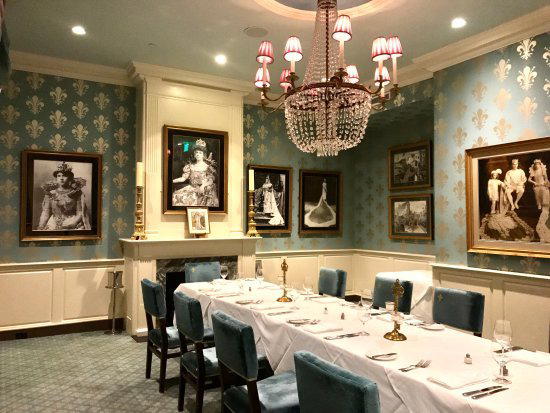
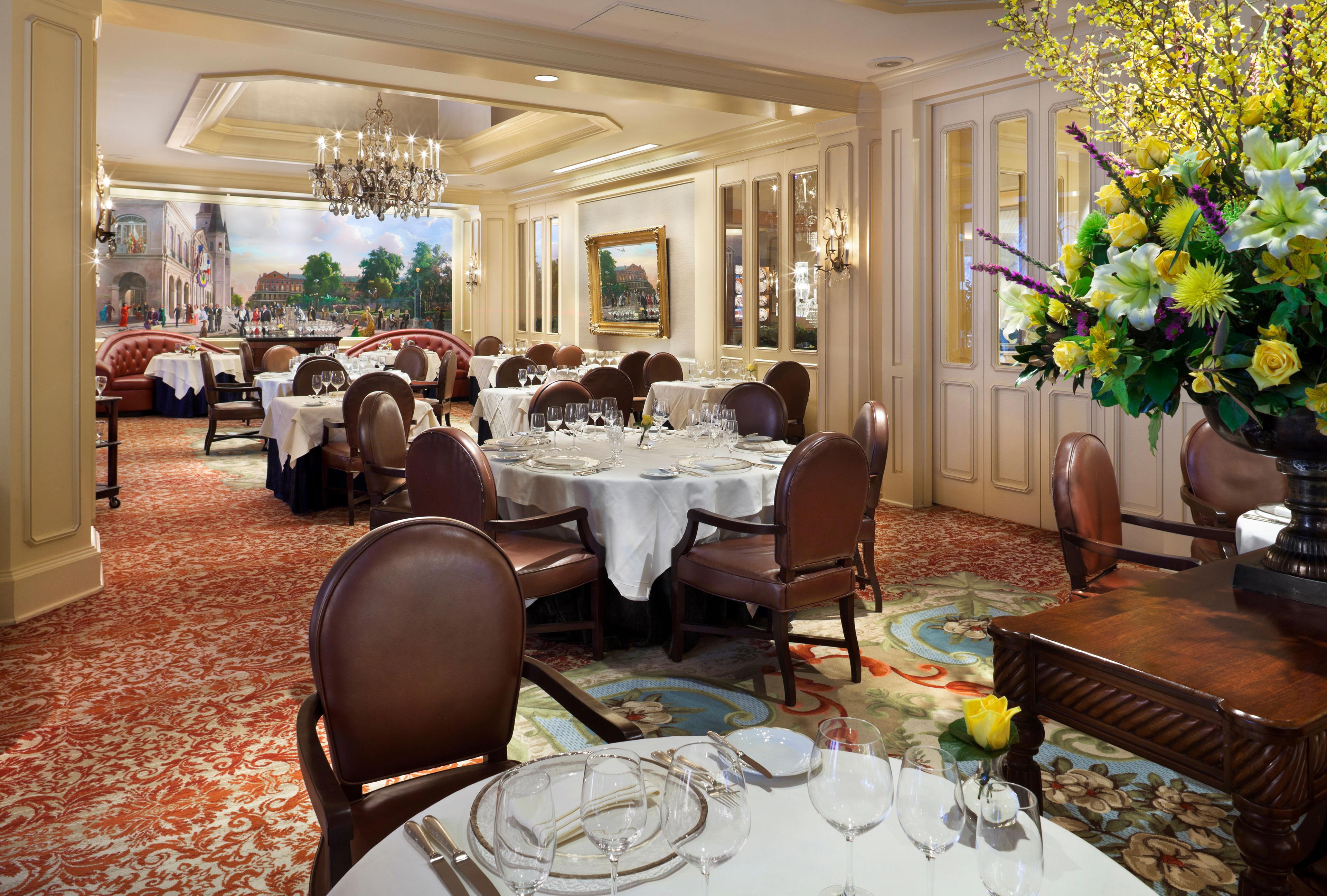
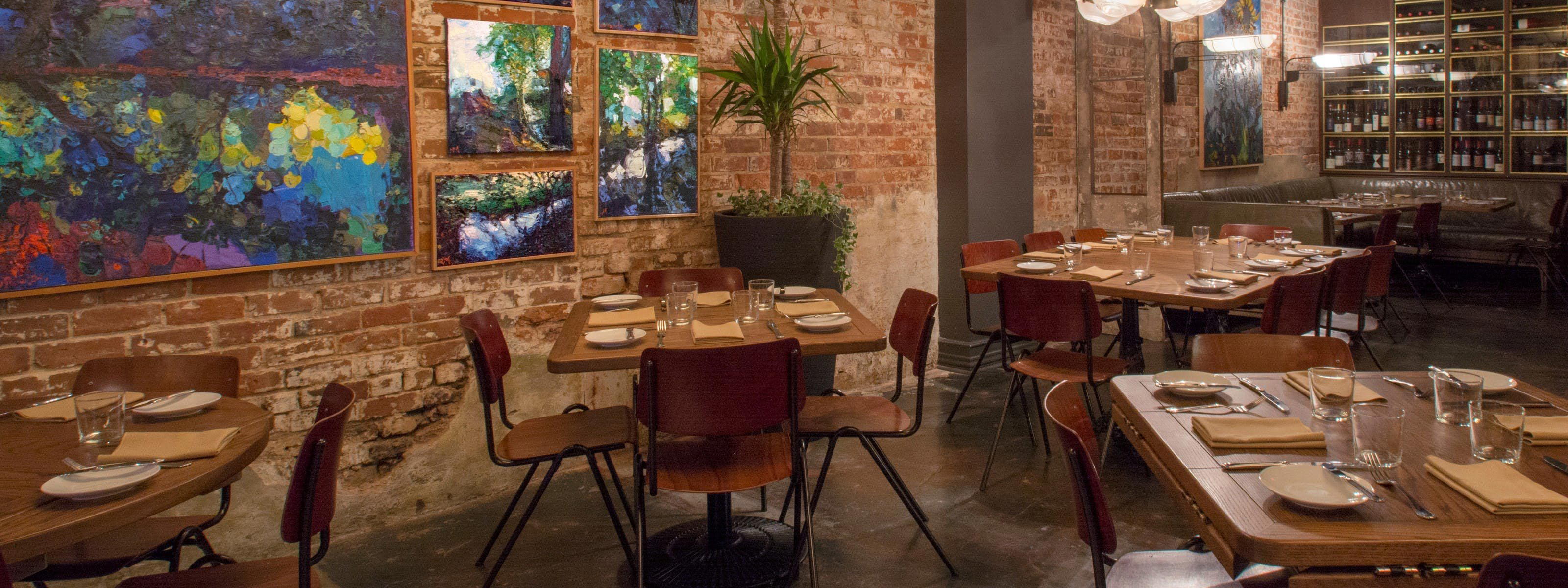
Bars in New Orleans
Browse all →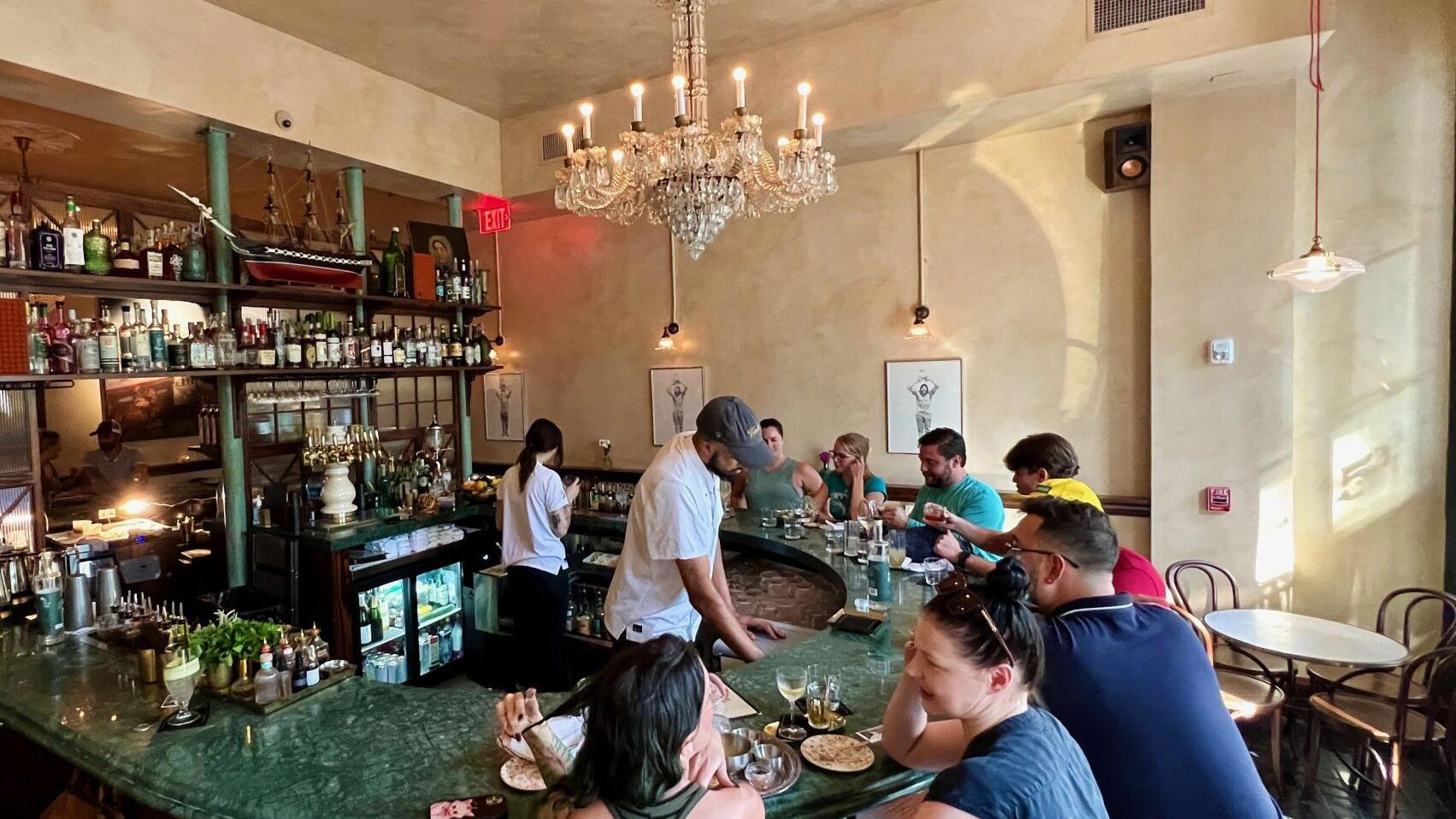
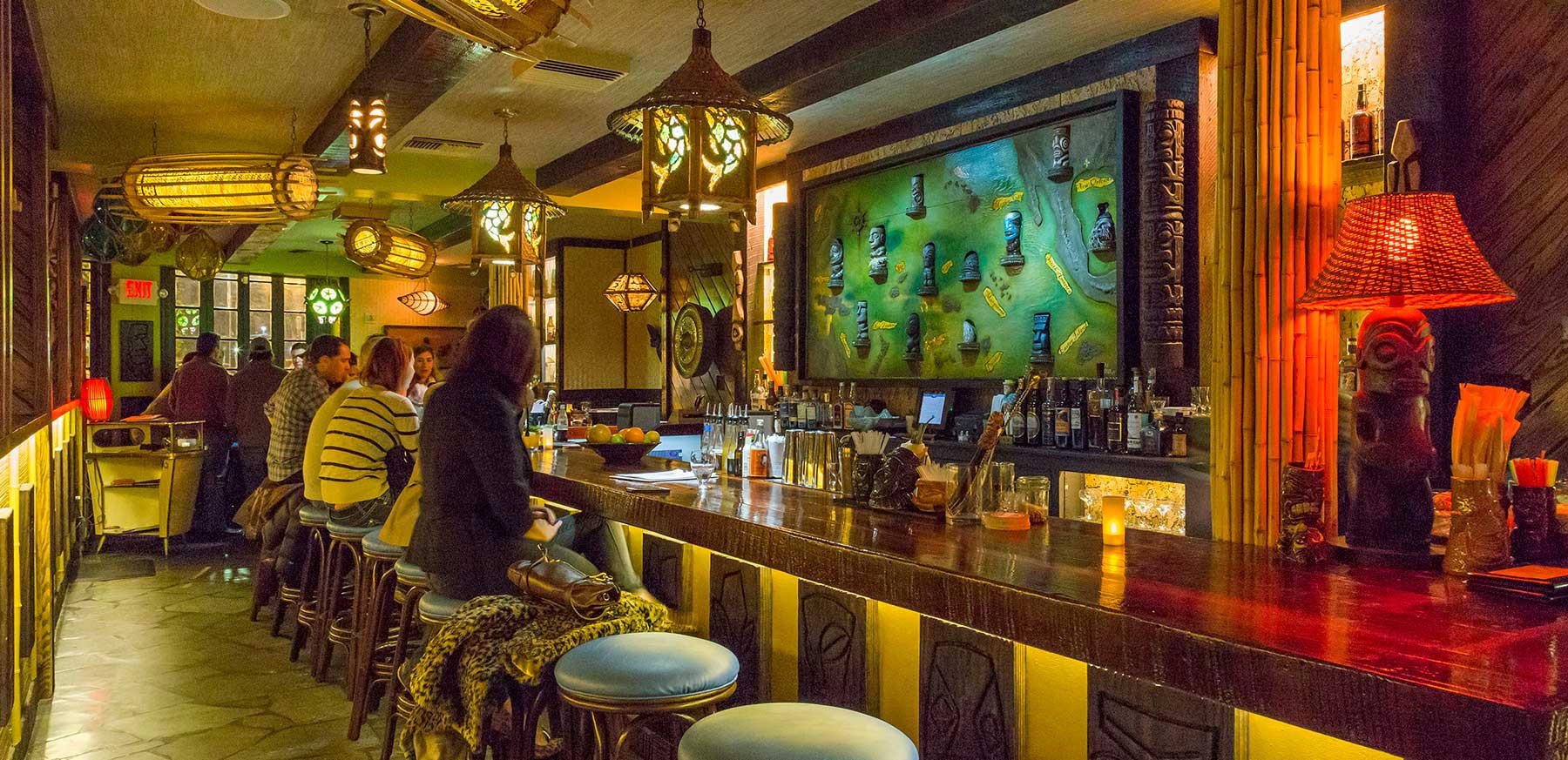
At a Glance
- Classic
- Lively
- Cozy
- Brunch
- Casual Hangout
- Celebration
- Live Music
- Courtyard
- Private Dining
- Craft Cocktails
Current opening hours
- Monday
- 11 AM–10 PM
- Tuesday
- 11 AM–10 PM
- Wednesday
- 11 AM–10 PM
- Thursday
- 11 AM–10 PM
- Friday
- 11 AM–10 PM
- Saturday
- 11 AM–10 PM
- Sunday
- 11 AM–10 PM
Hours can change for holidays and private events. Last verified .
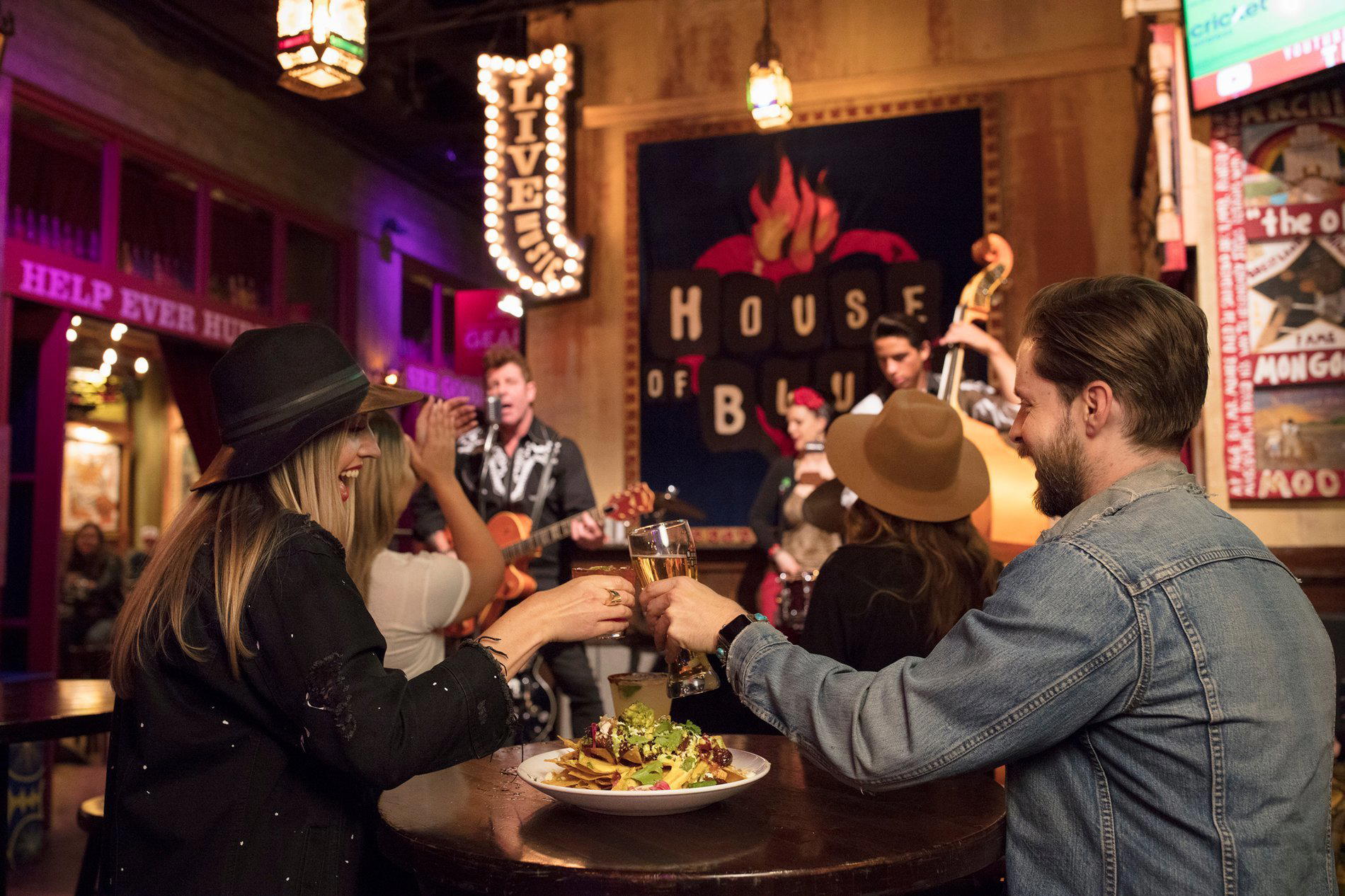
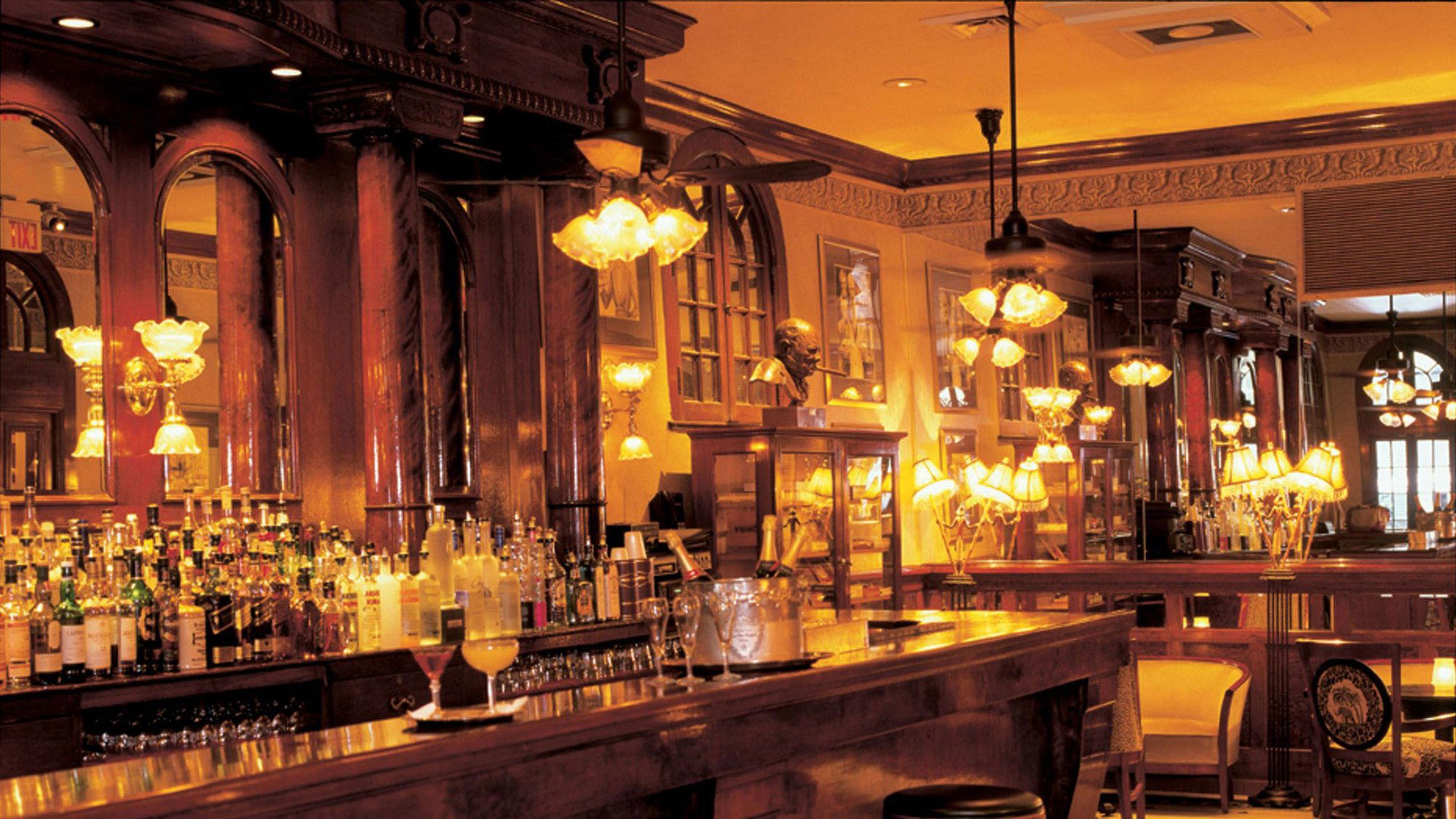
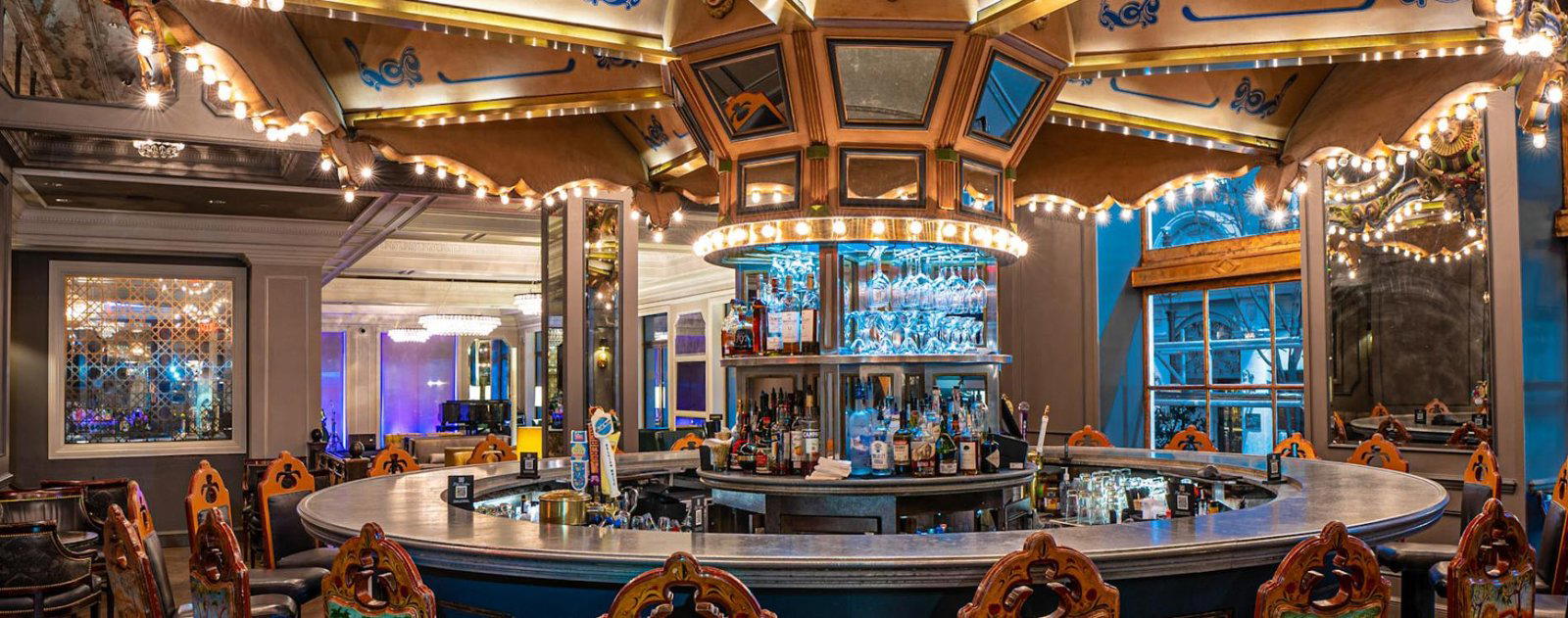
Pleasant atmosphere with exposed brick walls, well-spaced tables in large rooms, lively yet not noisy, and a beautiful inner courtyard.