House of Blues New Orleans

At 225 Decatur Street in the French Quarter, House of Blues New Orleans has spent three decades evolving from a novelty blues venue into one of the city's most recognizable live music institutions. It sits at the intersection of Southern gospel tradition, touring rock circuits, and local culture, a combination that keeps it relevant in a city where musical authenticity is the sharpest possible measure of credibility.

Pearl is the En Primeur Club membership app, where members save venues, book tables and use the concierge.
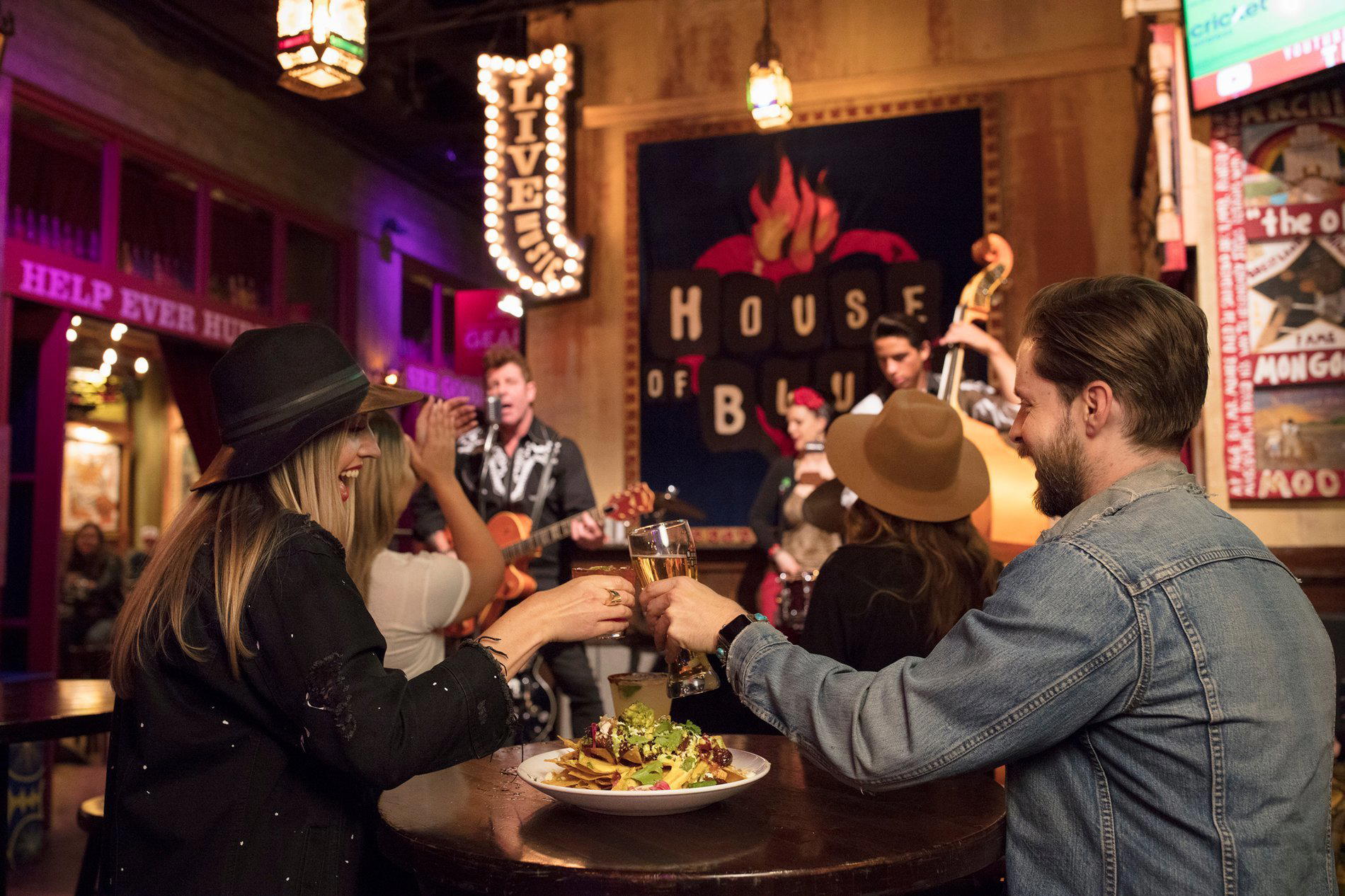
Where the Room Sets the Terms
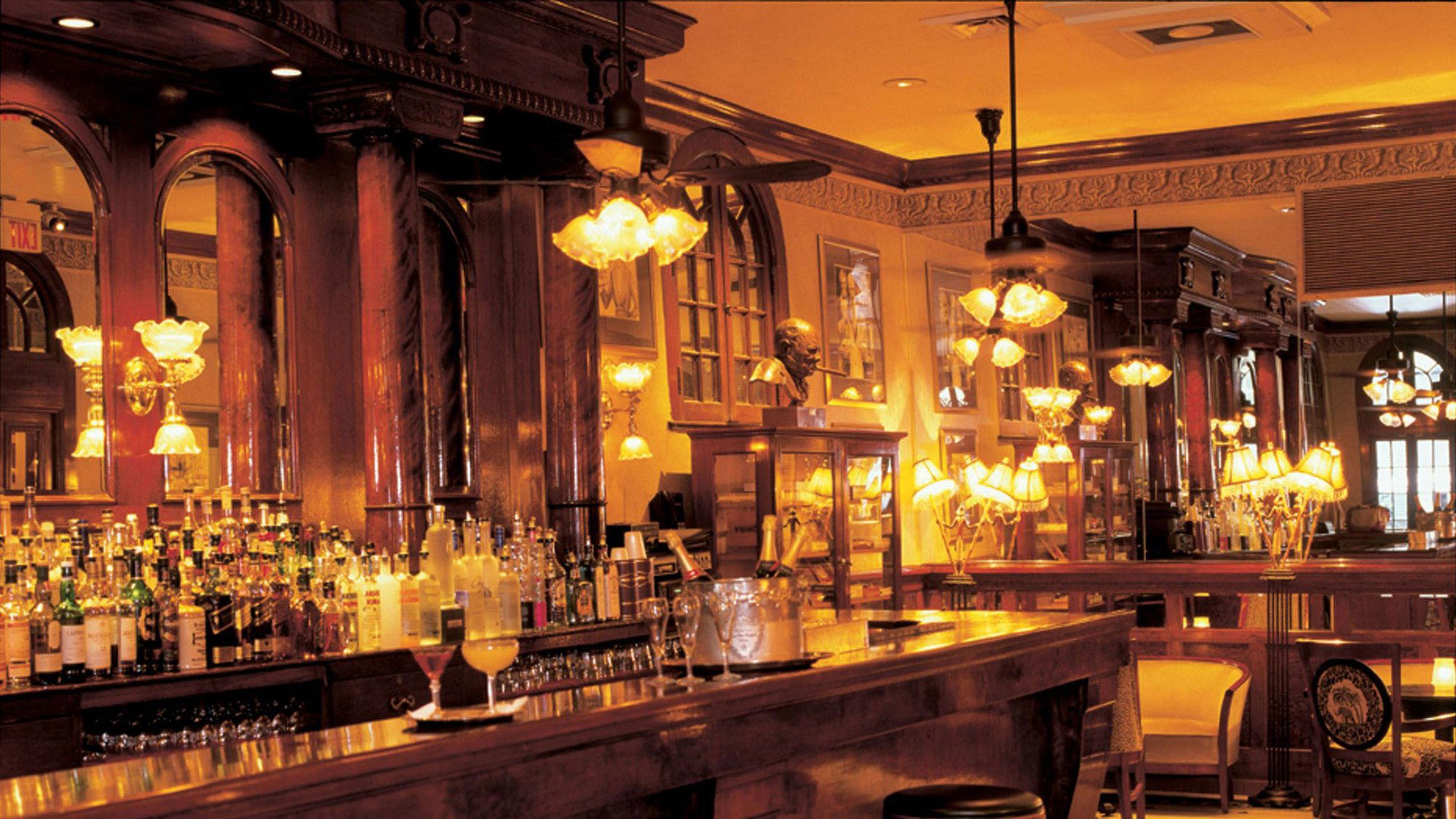
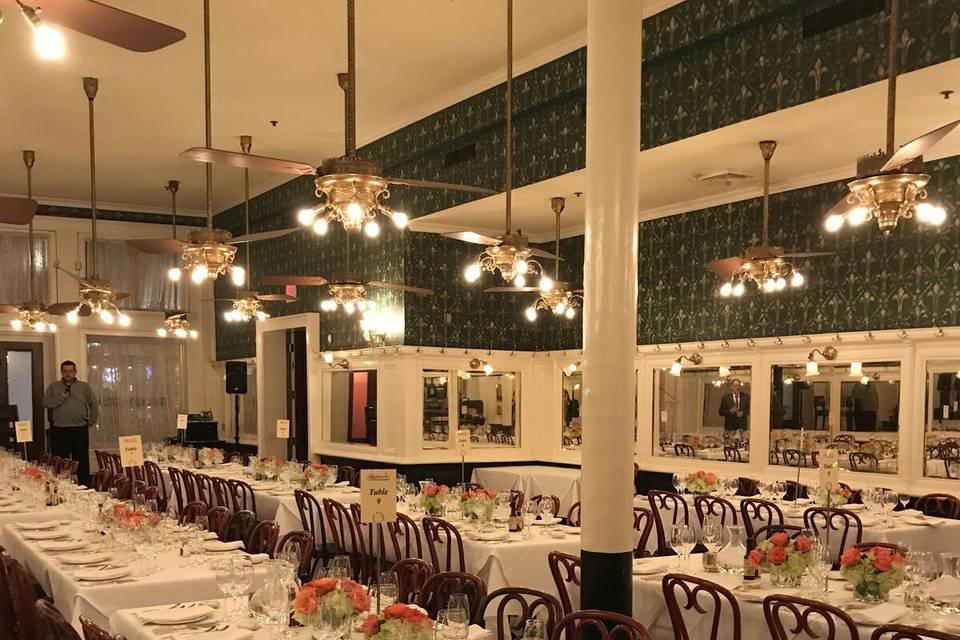
Walking into House of Blues New Orleans on Decatur Street, the architecture does the explaining before any band takes the stage. The interior draws on the visual vocabulary of Southern folk art and Delta juke joint aesthetics: corrugated metal, hand-painted religious imagery, and a density of artifacts that reads less like decoration and more like a collection with a point of view. The Main Stage is a proper concert hall in a city that treats live music as infrastructure rather than entertainment, meaning the room is held to a higher standard here than it would be in most American cities.
That physical environment has remained relatively consistent even as the programming and cultural positioning of the venue have shifted considerably since its 1994 opening. New Orleans was the second location in what became a national chain, and that origin story matters: the French Quarter outpost has always had to justify its credentials to a city where the bar for musical seriousness is set by second-line parades, jazz funerals, and corner bars with better house bands than most dedicated venues elsewhere in the country.
Three Decades of Repositioning
The evolution of House of Blues New Orleans tracks closely with broader shifts in the live music industry. When the venue opened in the mid-1990s, the chain model for music venues was still relatively novel, a period when branded hospitality and live performance were beginning to converge. The New Orleans location leaned into the city's existing mythology, surrounding visitors with Southern vernacular art and gospel brunch programming that differentiated it from a standard touring venue.
Over the following decade, as the chain expanded nationally and was eventually acquired by Live Nation in 2006, the New Orleans location found itself in a complicated position. It was simultaneously a local institution and a corporate asset, a tension that plays out differently in New Orleans than it would in a city with less entrenched musical identity. Post-Katrina, the venue's continued operation became part of a broader story about the city's recovery and the resilience of its entertainment infrastructure, a context that added weight to what might otherwise have been routine programming decisions.
The current iteration of the venue reflects a Live Nation-era approach to booking: a mix of national touring acts, regional draws, and the occasional local or regional bill that keeps the room connected to the city it occupies. That programming range means the venue functions across multiple audience segments, from visitors looking for a reliable live music experience in the French Quarter to locals catching a mid-sized touring act that wouldn't fill the Smoothie King Center but needs more capacity than a Frenchmen Street bar can provide.
The Gospel Brunch as Cultural Anchor
Among the programming formats that have persisted across the venue's various iterations, the Sunday Gospel Brunch occupies a particular position. Gospel music in New Orleans has deep roots in the city's African American church traditions, and a venue-format brunch built around that tradition sits in complex territory, commercially successful, broadly appealing to visitors, and operating at a remove from the community where the music originated. That complexity doesn't diminish its draw; it simply means the experience lands differently depending on what the visitor brings to the room. The format has remained a consistent feature of the House of Blues calendar across multiple ownership eras, which is itself a data point about its commercial durability.
Placement in the New Orleans Live Music Tier
New Orleans supports an unusually layered live music ecosystem, from the buskers on Royal Street to the arena-scale productions at the Smoothie King Center. House of Blues sits in the mid-capacity tier, roughly comparable in size and booking profile to venues like the Civic Theatre or Tipitina's, though each occupies a different niche in the city's musical geography. Tipitina's, for instance, carries a deeper association with local and Louisiana-rooted music; House of Blues programs more broadly across genres and touring circuits.
For visitors building an itinerary around New Orleans' drink and bar scene, the French Quarter location on Decatur puts House of Blues within walking distance of several distinctly different experiences. Jewel of the South represents the city's serious cocktail tradition in a historic setting, while Beachbum Berry's Latitude 29 offers one of the country's most credentialed tiki programs. Cure in Freret and 2 Phat Vegans extend the city's range further. The full New Orleans restaurants guide covers the broader picture for anyone mapping a longer stay.
Compared to the cocktail-forward venue model that has taken hold in cities like Chicago, where Kumiko treats the bar program as primary, or New York City, where Superbueno anchors a distinct neighborhood conversation, House of Blues operates in a different register entirely. It is a live music venue first, with food and drink as support rather than the point. That positioning is consistent with peer venues in the Live Nation portfolio nationally and distinguishes it from the cocktail-driven experiences at ABV in San Francisco, Julep in Houston, Bar Leather Apron in Honolulu, Allegory in Washington, D.C., or The Parlour in Frankfurt on the Main.
Planning a Visit
House of Blues New Orleans is located at 225 Decatur Street in the French Quarter, accessible on foot from most central hotels and within easy distance of the St. Charles streetcar line. Ticket purchasing and show schedules are handled through the Live Nation and House of Blues national booking infrastructure, with most events available via primary ticketing platforms well in advance. Show-specific pricing varies considerably depending on the act and format; the Sunday Gospel Brunch operates on a separate ticket and reservation system from standard concert programming. Arriving early for Main Stage shows is advisable, as the standing floor configuration means position relative to the stage is determined by arrival time rather than assigned seating. The venue's food and bar service runs during events, and the Foundation Room, a members-level space on the upper floors, operates on a separate access tier for those with membership or event-specific access.
Standing Among Peers
Comparable options at a glance, pulled from our tracked venues.
| Venue | Cuisine | Price | Awards |
|---|---|---|---|
| House of Blues New OrleansThis venue (the venue you are viewing) | Not listed | $30–50 | Not listed |
| Jewel of the South | New American | Not listed | World's 50 Best #6 · James Beard Award Outstanding Bar #1 |
| Beachbum Berry's Latitude 29 | Not listed | $30–50 | World's 50 Best #80 · Top 500 Bars Best Bars #244 |
| Cure | Not listed | $30–50 | World's 50 Best #21 · James Beard Award Outstanding Bar Program |
| Cane & Table | Not listed | $30–50 | Top 500 Bars Best Bars #288 |
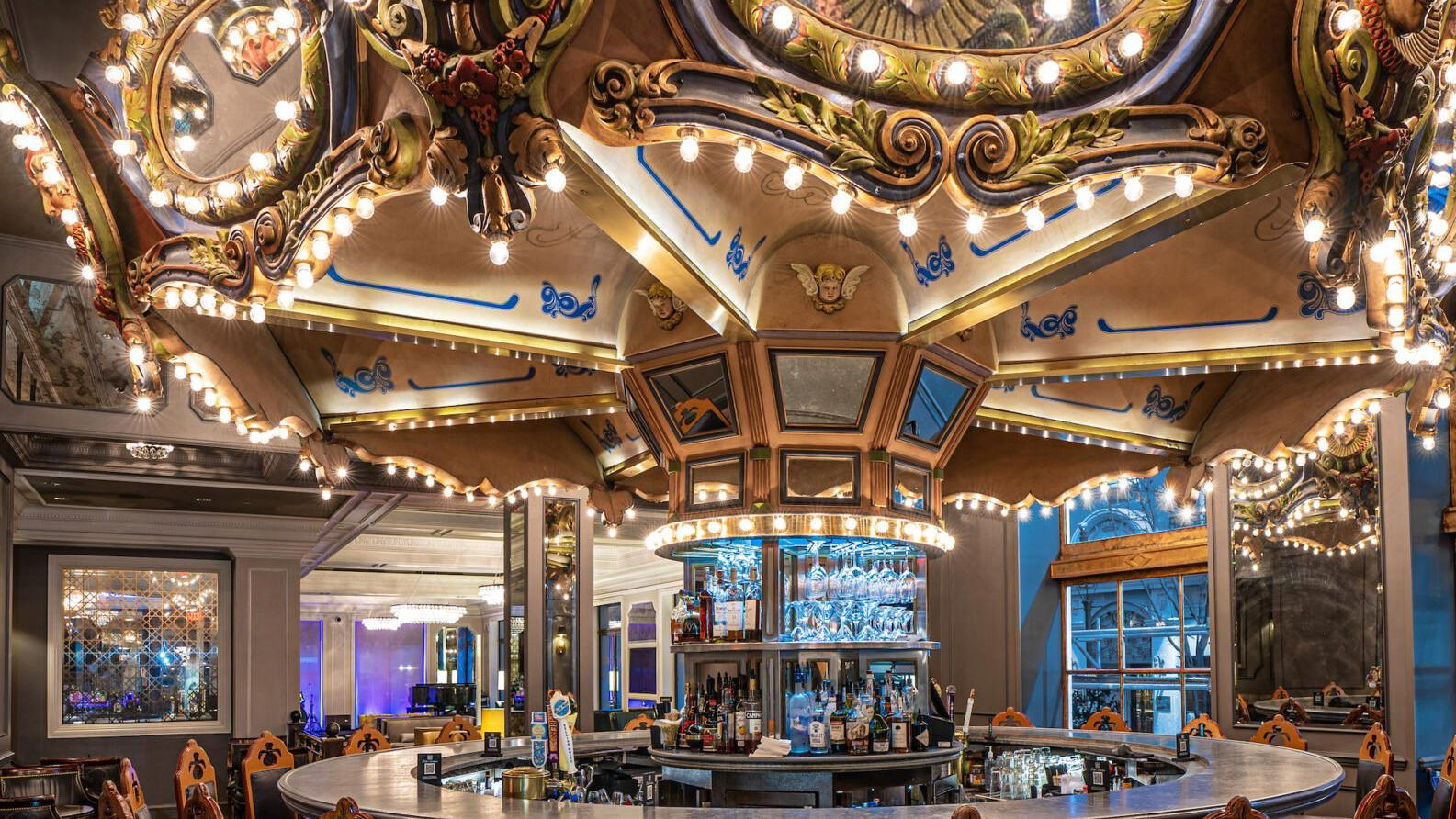
| The Carousel Bar | Not listed | $30–50 | Food & Wine Top 10 US Hotel Bars #3 · Top 500 Bars Best Bars #280 |
Recognition history
Dated appearances from independent guides and award organizations, with the underlying list record or original source where available.
Tales Spirited Awards Best U.S. Hotel Bar Top 10 Nominee
Tales Spirited Awards · Tales Spirited Awards 2026 - Best U.S. Hotel Bar - Best U.S. Hotel Bar (Top 10 Nominee)
Continue exploring
More in New Orleans
Bars in New Orleans
All bars in New Orleans →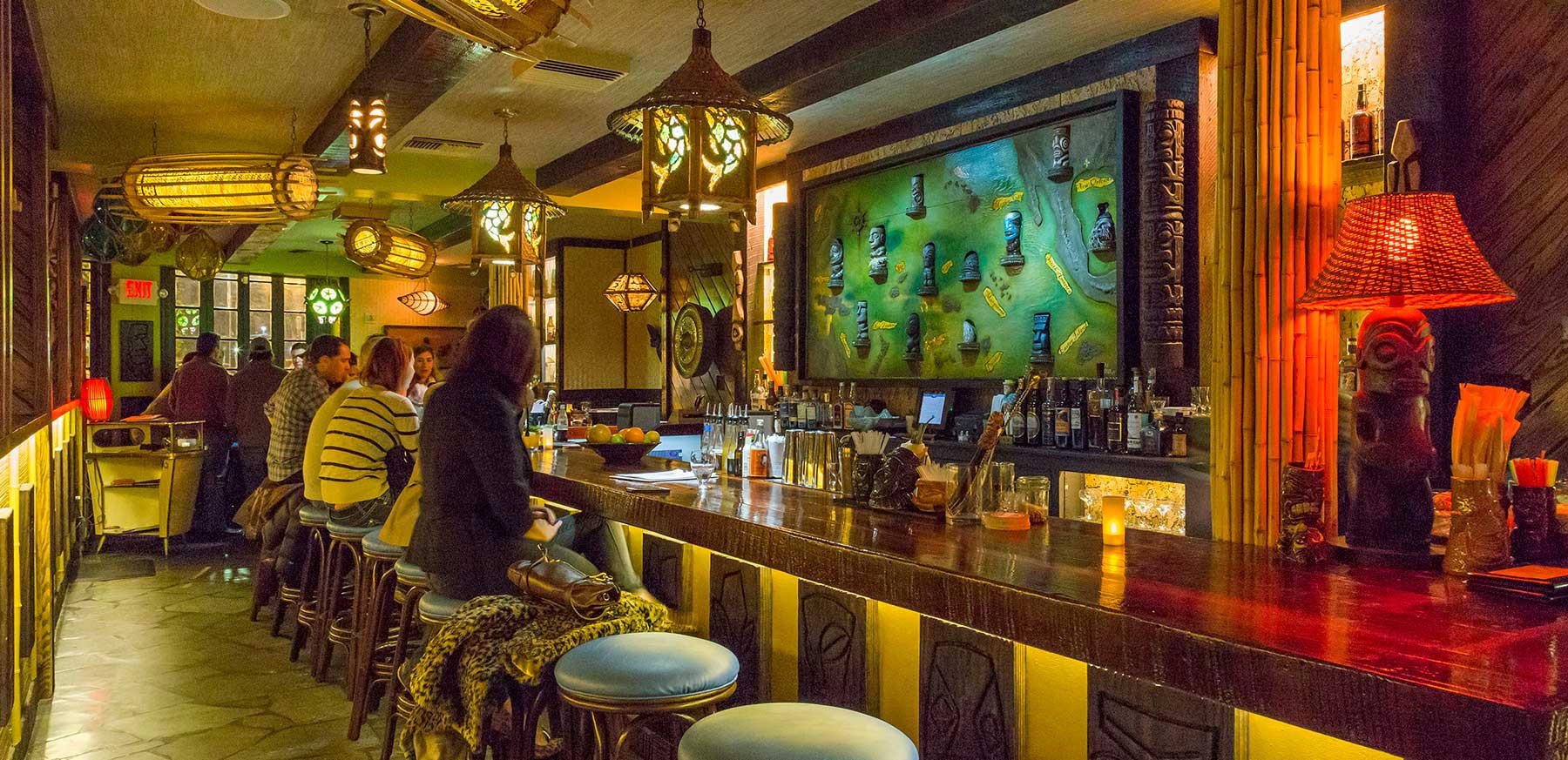
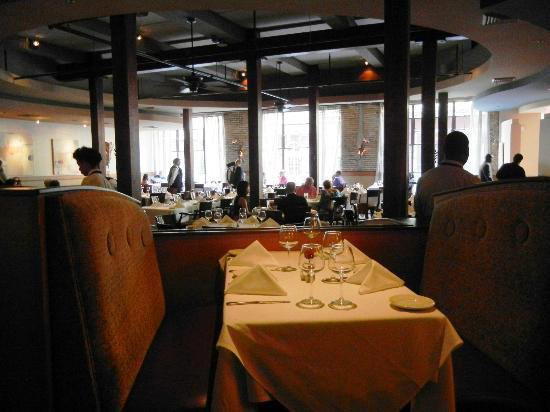
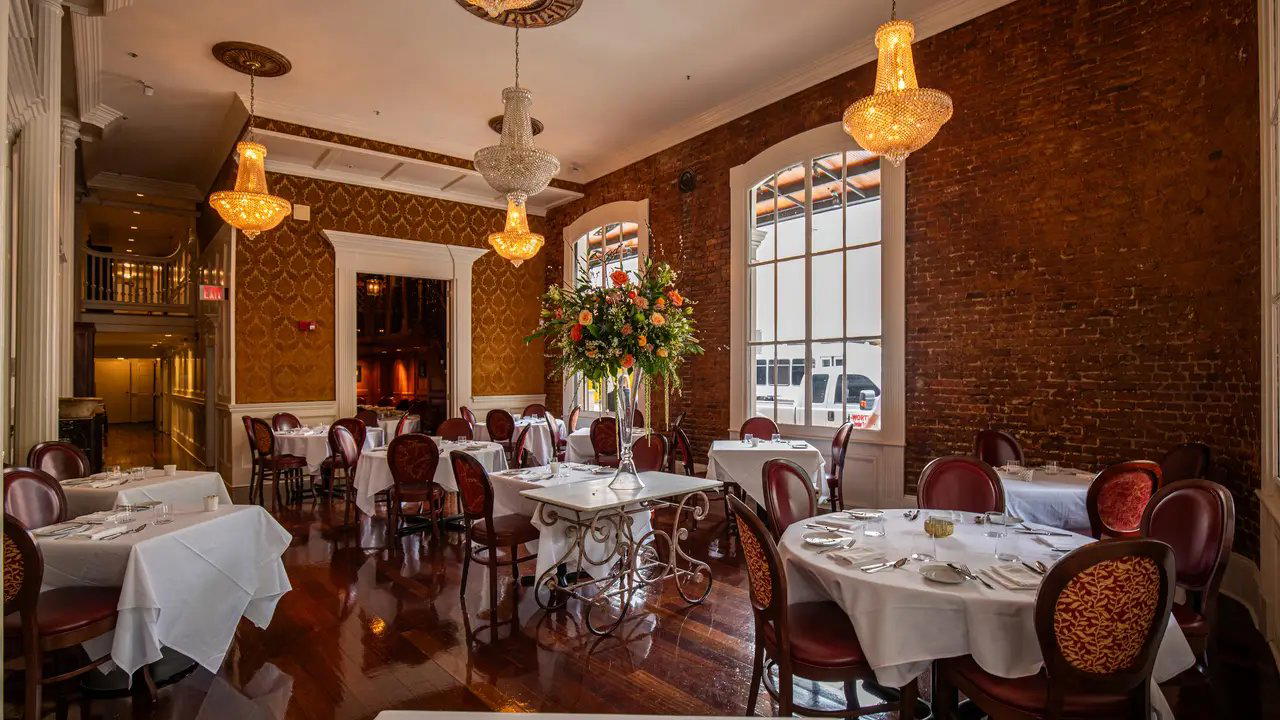
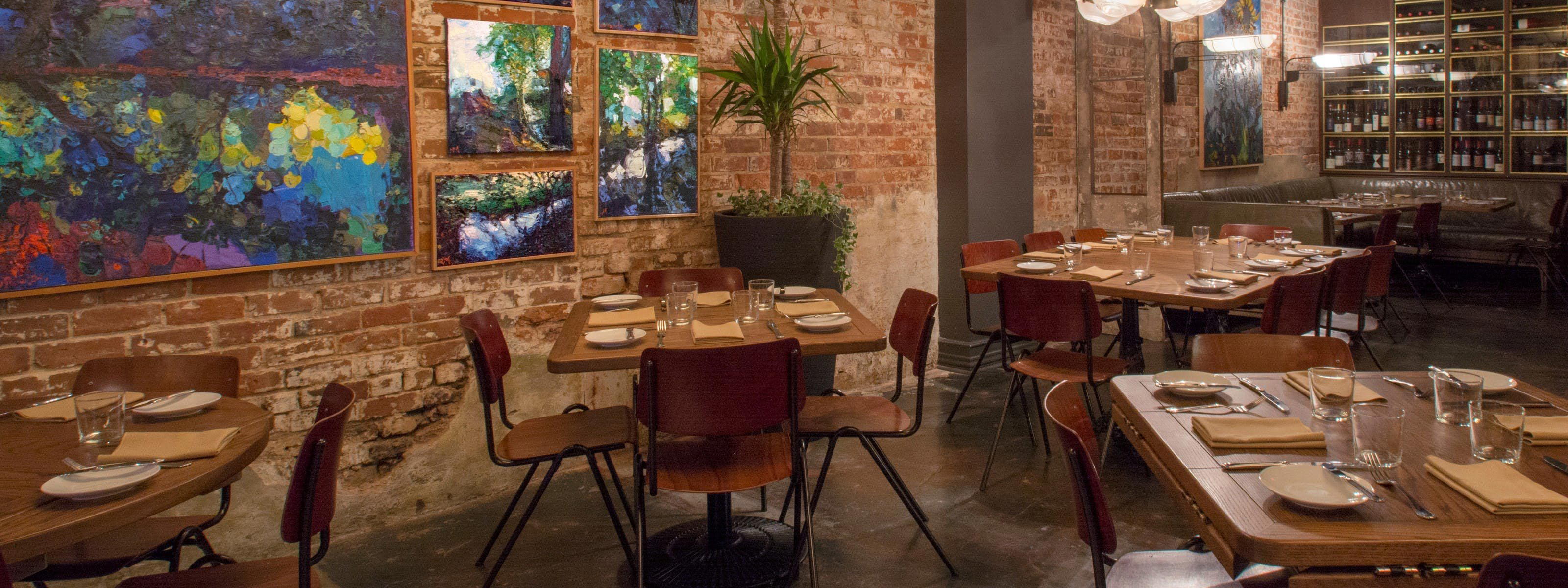
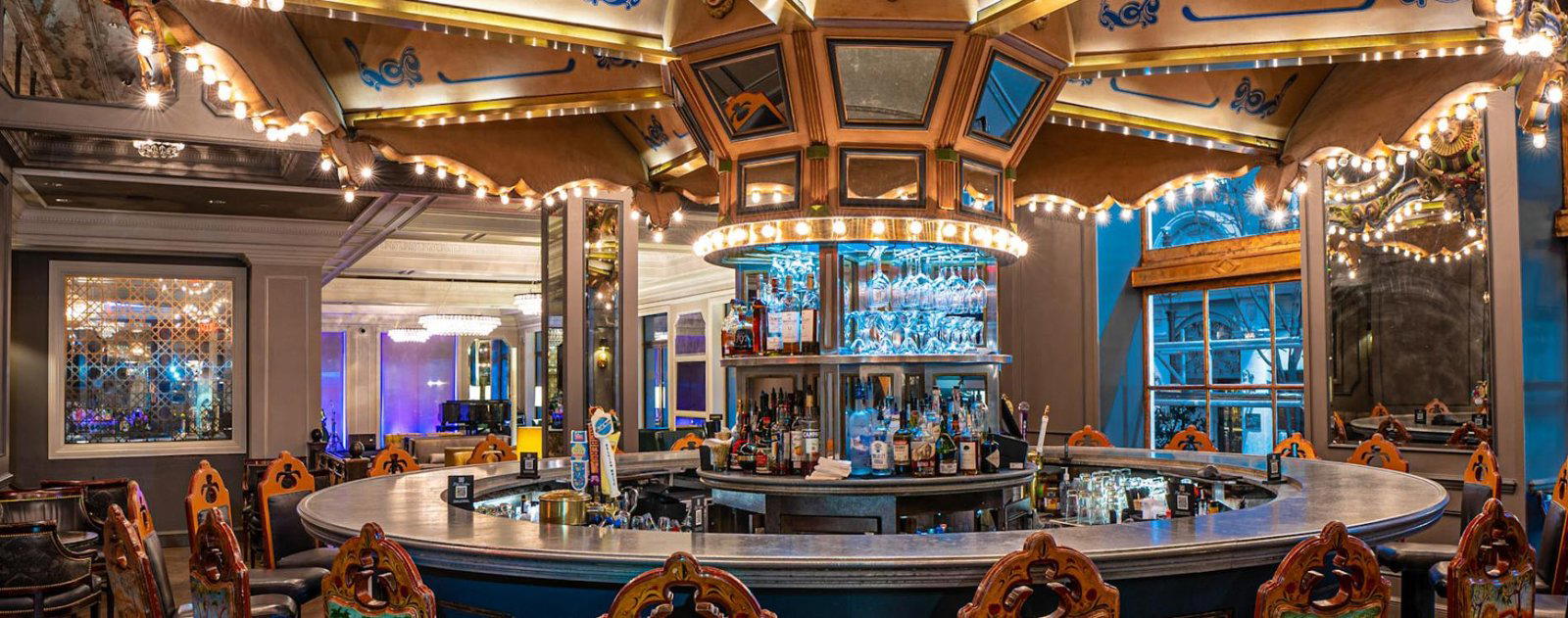
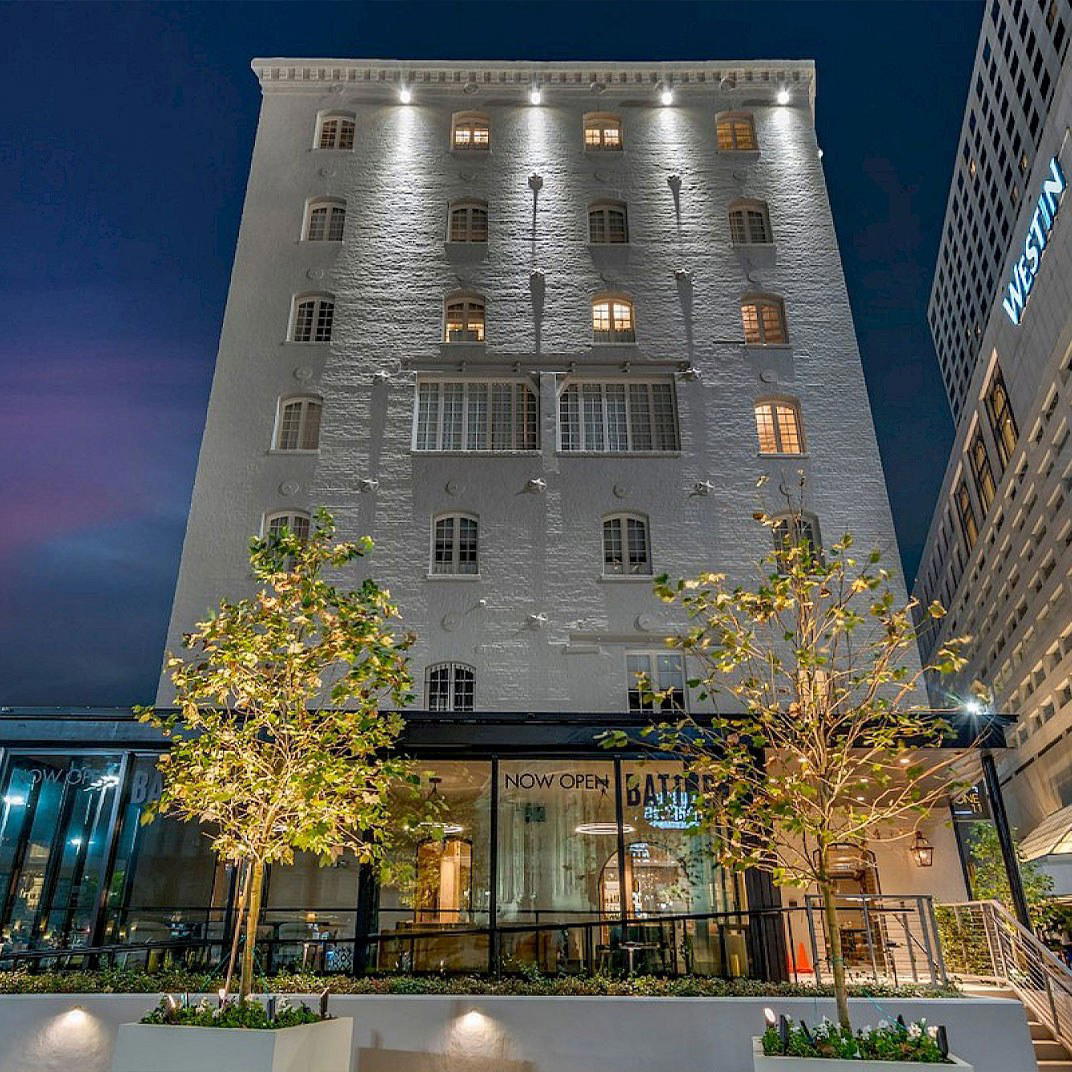
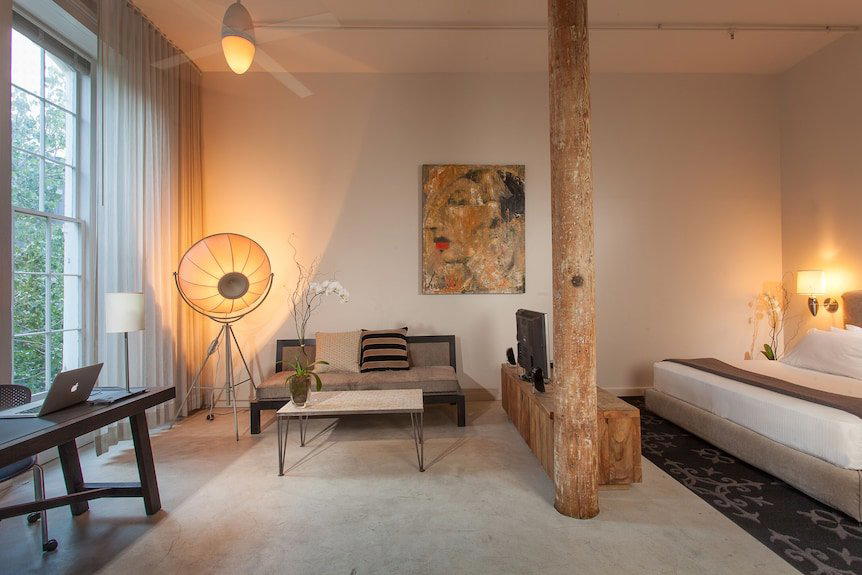
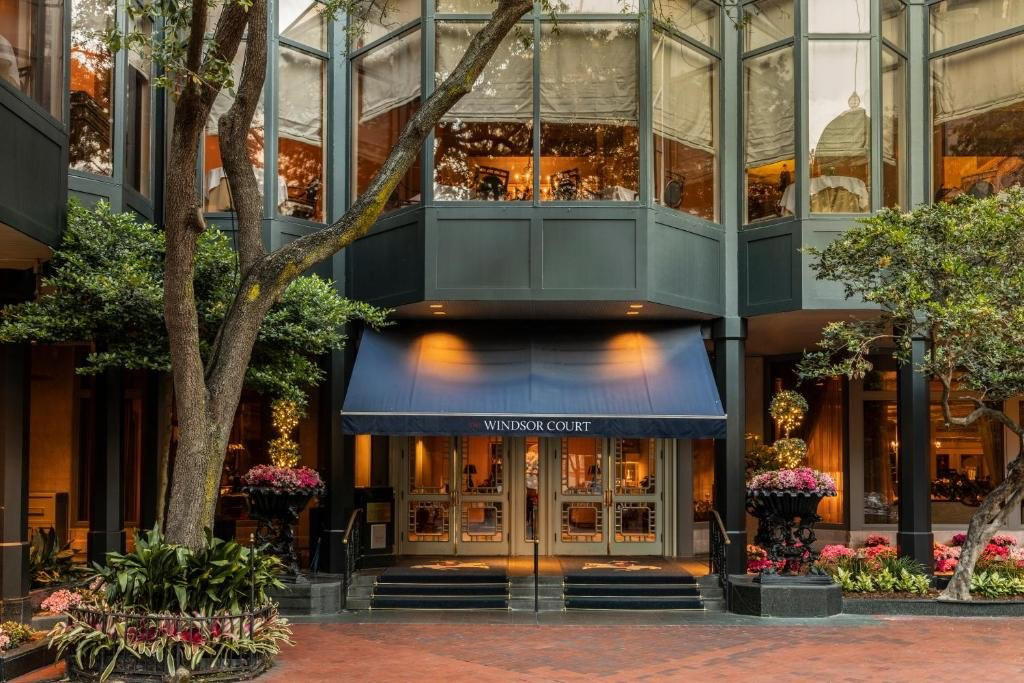
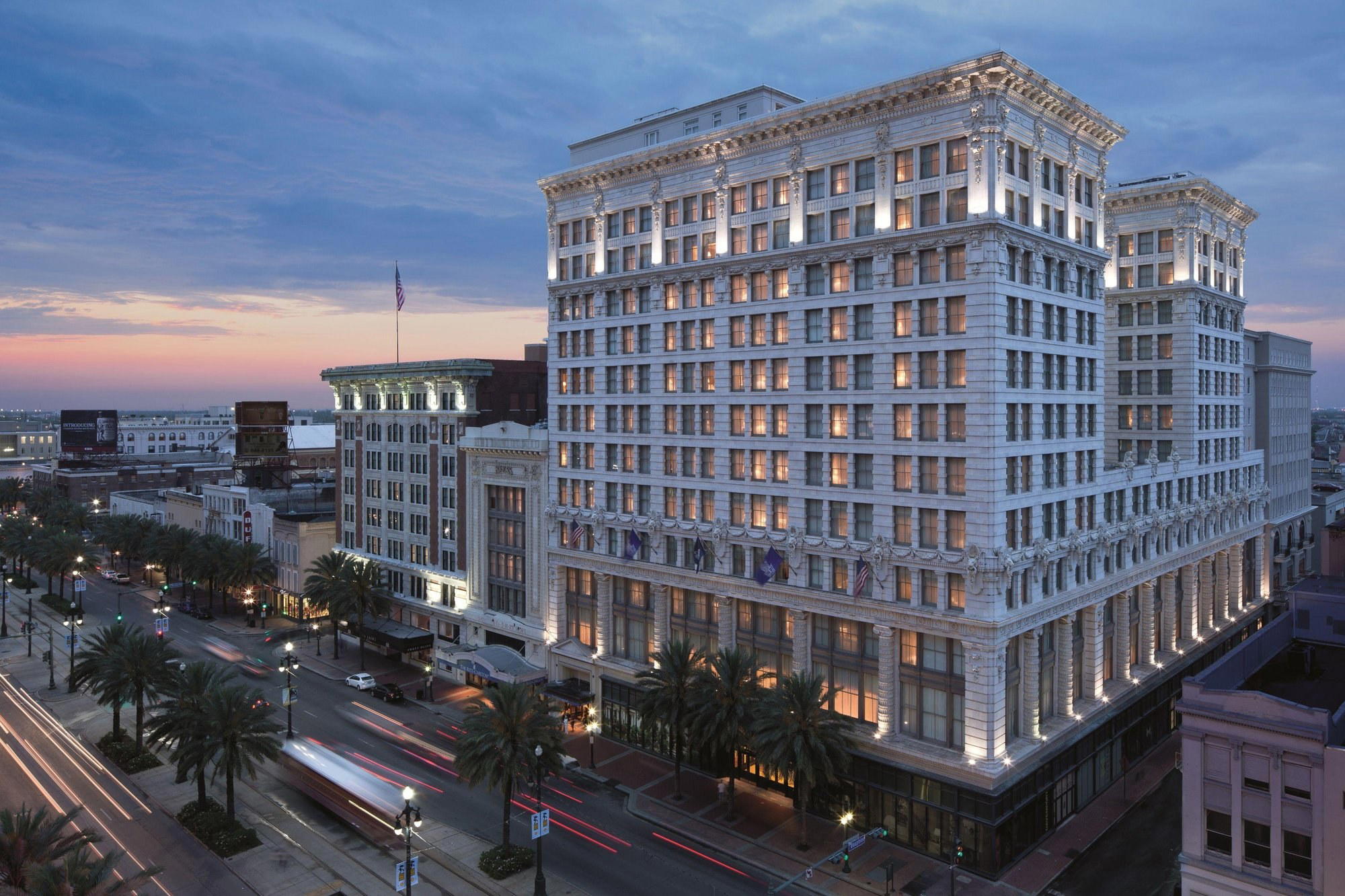
House of Blues New Orleans
The drinks
- Craft cocktails
- Classic cocktails
Details
- Lively
- Well Known
- Energetic
- Group Outing
- Celebration
- Late Night
- Live Music
- Historic Building
- Standing Room
- Lounge Seating
- Outdoor Terrace
- Craft Cocktails
- Classic Cocktails
Current opening hours
- Monday
- Closed
- Tuesday
- Closed
- Wednesday
- Closed
- Thursday
- 4–10 PM
- Friday
- 4–10 PM
- Saturday
- 4–10 PM
- Sunday
- 4–10 PM
Hours can change for holidays and private events. Hours as of .
Rock- and blues-themed atmosphere with lively energy, modern renovations preserving historic vibe, and folk art decor.