Holmes
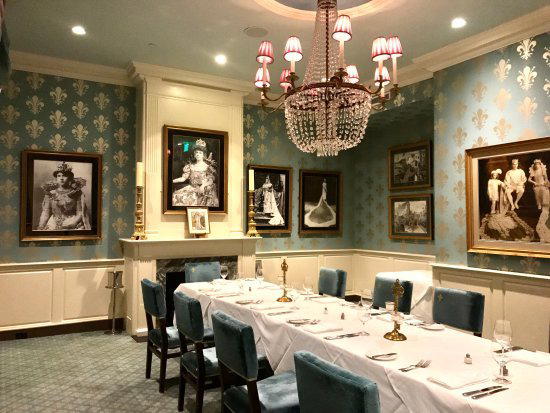
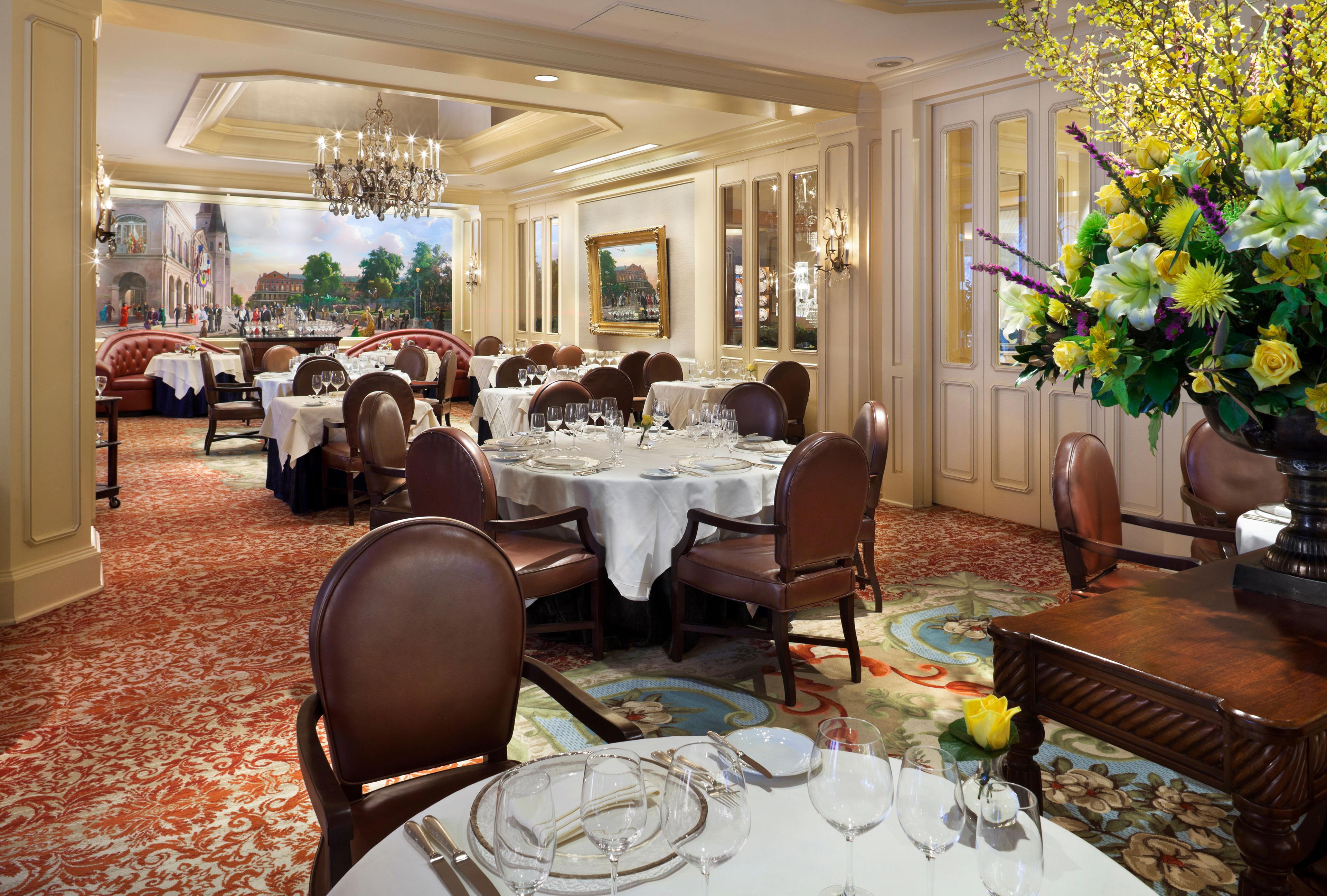
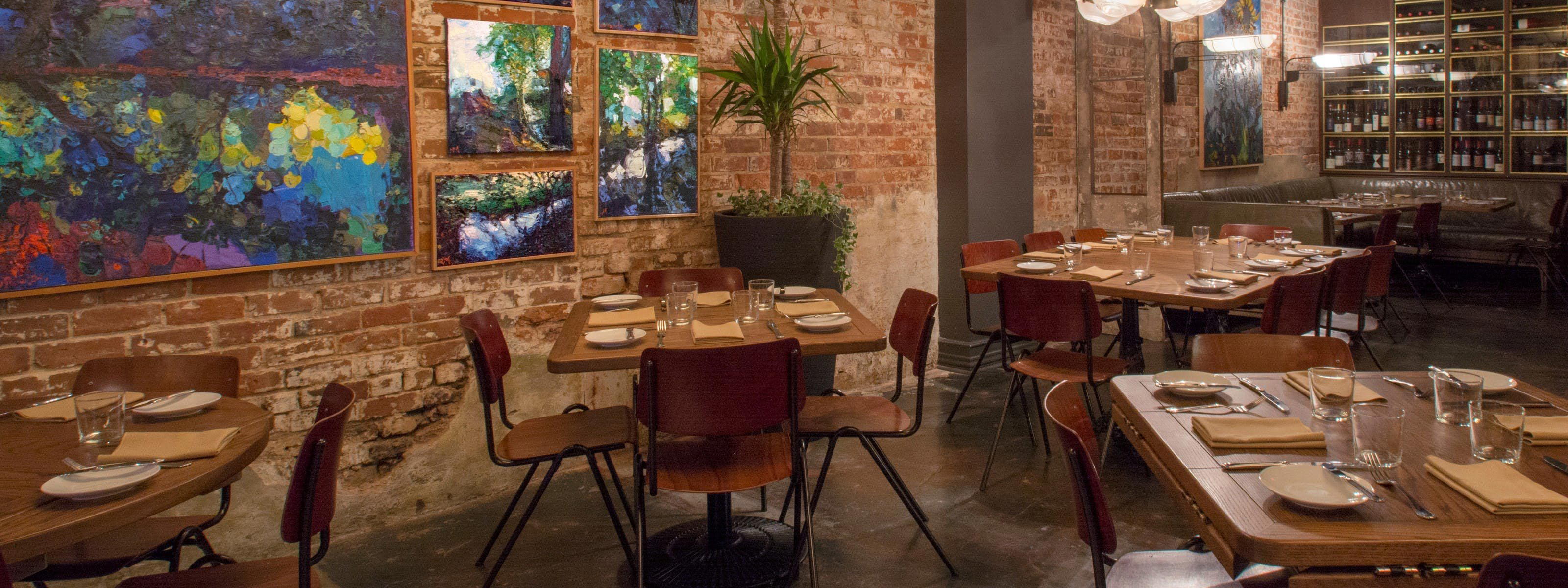
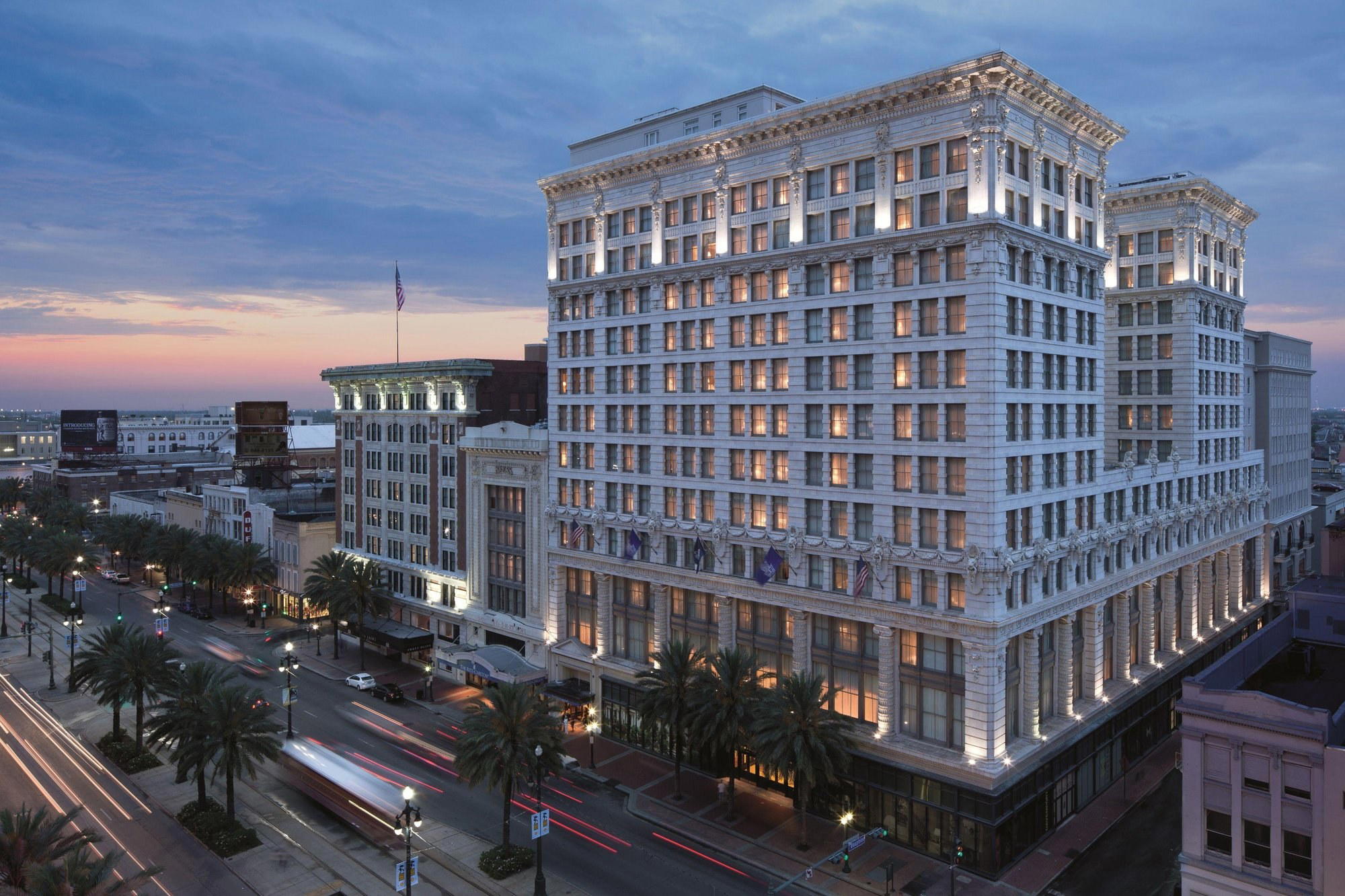
Holmes at Hyatt Centric serves New Orleans-Inspired Southern food with craft cocktails and local sourcing, set up for breakfast through dinner in a conversational, smart casual hotel restaurant.
Pearl is the En Primeur Club membership app — saves, bookings, and concierge access live there. Same editors, same standards.
- Address
- 800 Iberville St, New Orleans, LA 70112
- Phone
- +15045654570
- Website
- holmesnola.com
- Directions
- Get directions
 Saves & bookings on Pearl
Iberville Street and the Weight of New Orleans Dining
Holmes is a restaurant at 800 Iberville St in New Orleans, serving New Orleans-Inspired Southern cuisine. The Quarter is simultaneously the city's most-visited district and its most argued-over dining terrain: a place where tourist-facing seafood houses and generational Creole institutions share the same zip code, and where the gap between the two is measured not in miles but in seriousness of intent. Holmes operates from inside that tension, on a street that connects the Bourbon corridor to the quieter canal-side blocks where the neighborhood returns to something closer to its working character.
That address matters because New Orleans dining has always been inseparable from its geography. The city's culinary traditions, rooted in French colonial technique, West African ingredient knowledge, Spanish seasoning logic, and the Creole synthesis that emerged from all three, were never abstract propositions. They developed in specific kitchens, in specific neighborhoods, shaped by what the delta produced and who was cooking. A restaurant on Iberville in the 2020s inherits that accumulated context whether it acknowledges the inheritance or not.
The Creole Frame and Why It Still Defines the Room
New Orleans Creole cuisine is one of the few American regional traditions that has a documented, multi-century paper trail. Unlike many regional styles that were reconstructed or romanticized after the fact, Creole cooking has continuous institutional representation, from the grande dame dining rooms of the Garden District to the neighborhood lunch counters of Tremé. What that continuity produces is a benchmark problem for any serious restaurant operating in the city: diners arrive with references, not just appetites. They have eaten red beans on Monday at a family table, or turtle soup at a white-tablecloth institution, or a dressed po-boy at a counter that has not changed its bread supplier in forty years. The cuisine has calibration points that most regional American food traditions lack.
That context shapes how any new or less-documented entrant to the French Quarter dining scene gets read. Venues in this part of the city are measured against a comparable set that includes Emeril's, which established a particular model of Cajun-inflected fine dining in the 1990s and still draws comparisons, and Bayona, which has operated in the Quarter for decades as a reference point for New American cooking that takes Louisiana produce seriously. On the contemporary end, Re Santi e Leoni and Saint-Germain represent the city's current push into refined contemporary formats, while Zasu sits in the American contemporary tier at a more accessible price point. Holmes occupies a position somewhere inside this map, though the specific coordinates require direct verification.
What the Address Suggests About Format and Audience
The 800-block of Iberville places Holmes within walking distance of the major French Quarter hotel corridors, which in New Orleans means a guest mix that skews toward visitors with above-average dining literacy rather than first-timers defaulting to the nearest neon-lit oyster bar. That demographic tends to seek venues that can hold a conversation with the city's culinary traditions rather than simply serve a version of them. It is a guest who has probably also considered the dining rooms at properties in the Central Business District or along St. Charles, and who is making a comparative choice.
At the national level, the table that Holmes competes for attention from includes restaurants that have built durable reputations on precise regional or ingredient-driven cooking: Le Bernardin in New York City, Lazy Bear in San Francisco, Alinea in Chicago, Single Thread Farm in Healdsburg, The French Laundry in Napa, Providence in Los Angeles, Blue Hill at Stone Barns in Tarrytown, Addison in San Diego, The Inn at Little Washington in Washington, Bacchanalia in Atlanta, Atomix in New York City, and 8 1/2 Otto e Mezzo Bombana in Hong Kong. What those restaurants share is not a format but a discipline: each is legible as a serious entry in its regional or categorical context, with credentials that give the diner a basis for comparison before they arrive.
That absence is itself information: it situates the venue in the tier of New Orleans dining that rewards direct discovery rather than relying on published rankings as a proxy for quality.
The Cultural Argument for Eating in the Quarter
Critics of French Quarter dining often make a structural argument: that the neighborhood's dependence on tourism volume has pushed serious cooking toward the edges of the city, into the Bywater, Mid-City, and Uptown corridors where rents and guest demographics allow for more considered programming. That argument has real force. But it overlooks the counter-tradition of Quarter venues that have maintained culinary seriousness across decades precisely because their location demanded it, because they were visible enough to be held accountable by a national dining press and by the city's own diners who passed through regularly. The neighborhood has never been monolithic in the direction of its decline.
New Orleans as a dining city is, in 2025, in a position of genuine complexity. Recovery from successive economic disruptions, a tightened labor market in skilled kitchen work, and the pressure of a short-term rental market that has changed neighborhood composition in parts of the Quarter have all reshaped what is viable and where. Against that backdrop, any serious restaurant operating on Iberville is making a bet that the Quarter's culinary center of gravity has not fully migrated, that the address still carries enough foot traffic from the right kind of diner to sustain a kitchen with ambitions above the obvious.
Know Before You Go
Address: 800 Iberville St, New Orleans, LA 70112
Neighborhood: French Quarter
Reservations: Recommended
Price range: Moderate
Hours: Mon-Sun 7 AM-10 PM
Awards and Standing
Comparable venues nearby, for context on price, style, and recognition.
| Venue | Cuisine | Price | Notes |
|---|---|---|---|
| HolmesThis venue — the venue you are viewing | New Orleans-Inspired Southern | $$ | Not listed |
| Evangeline | Authentic Cajun & Creole | $$ | French Quarter |
| The High Hat Cafe | Southern Delta & Louisiana Comfort Food | $$ | Freret |
| Killer Poboys at Erin Rose | Internationally Inspired New Orleans Po'boys | $$ | French Quarter |
| The Bower | Modern American Small Plates | $$ | Central City |
| Sylvain | Southern Gastropub | $$ | French Quarter |
Continue exploring
More in New Orleans
Restaurants in New Orleans
Browse all →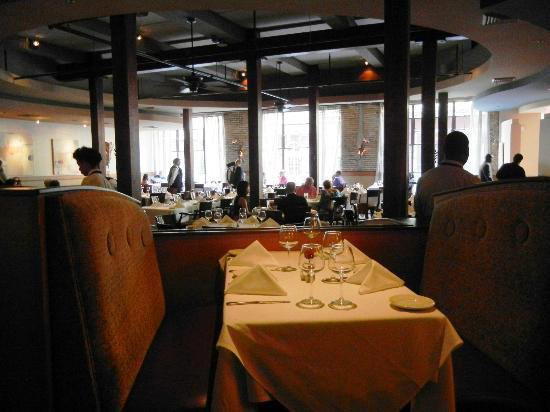
Bars in New Orleans
Browse all →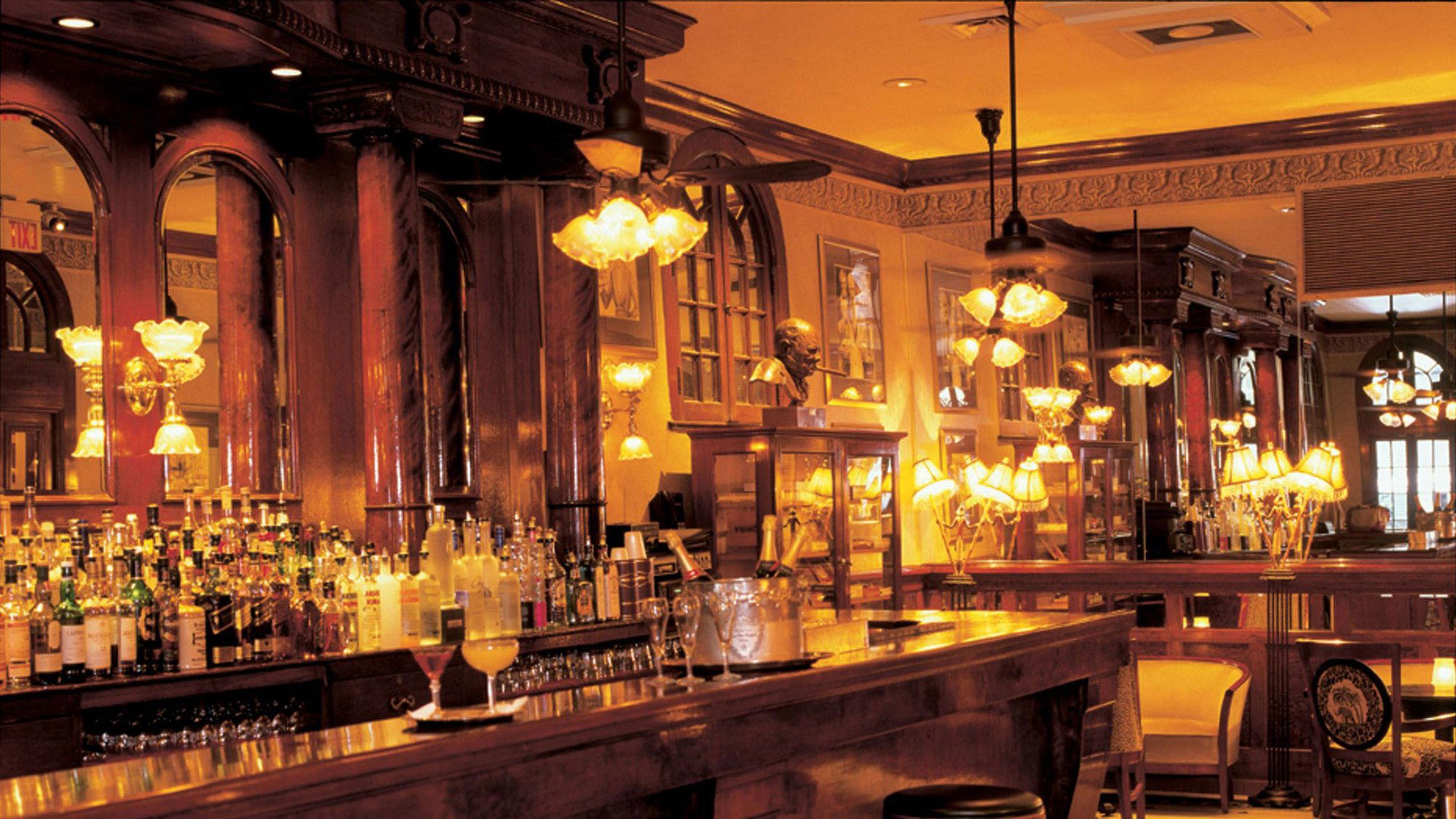
At a Glance
- Cozy
- Elegant
- Modern
- Trendy
- Brunch
- Casual Hangout
- Hotel Restaurant
- Craft Cocktails
- Local Sourcing
Current opening hours
- Monday
- 7 AM–10 PM
- Tuesday
- 7 AM–10 PM
- Wednesday
- 7 AM–10 PM
- Thursday
- 7 AM–10 PM
- Friday
- 7 AM–10 PM
- Saturday
- 7 AM–10 PM
- Sunday
- 7 AM–10 PM
Hours can change for holidays and private events. Last verified .
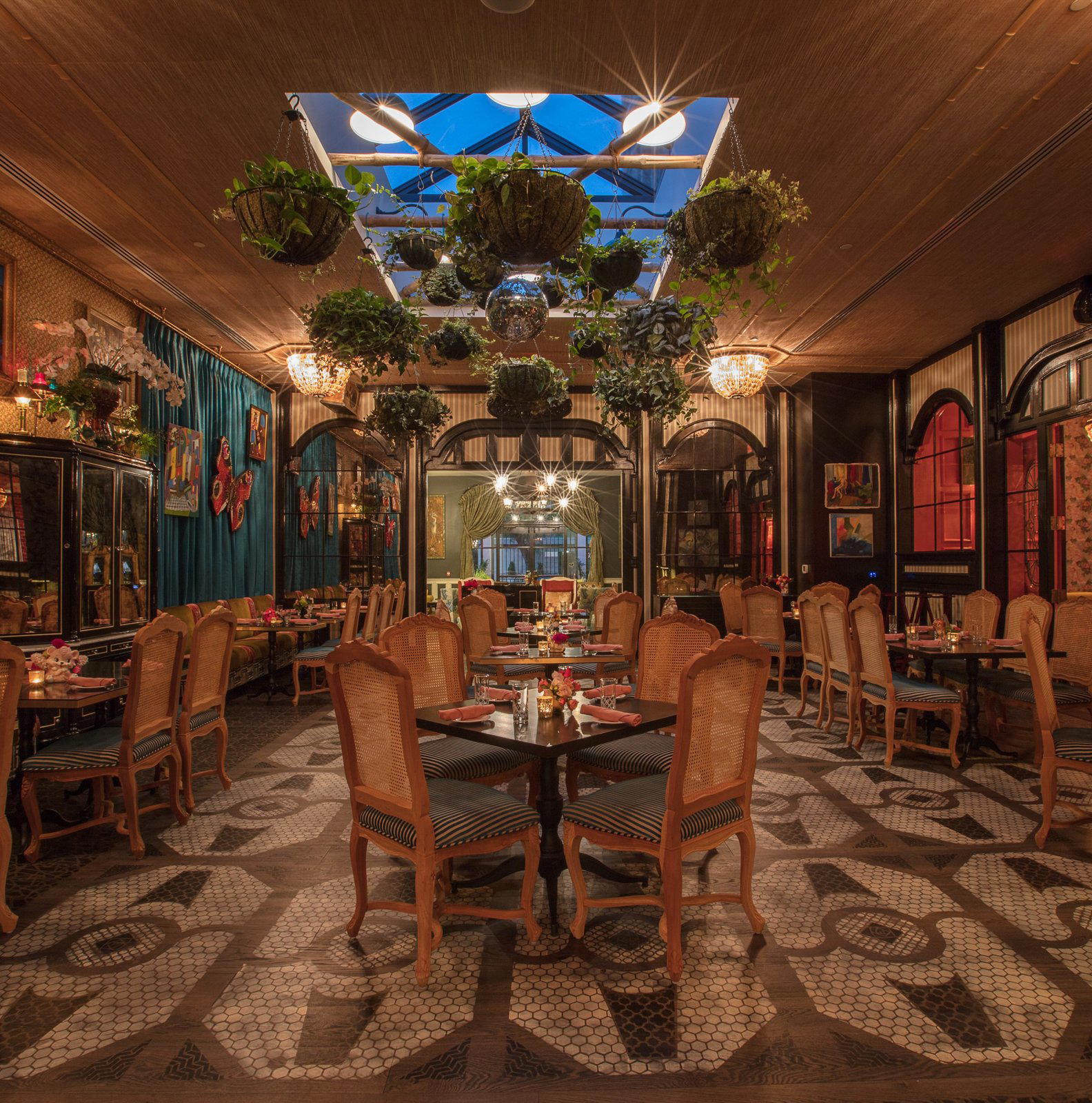
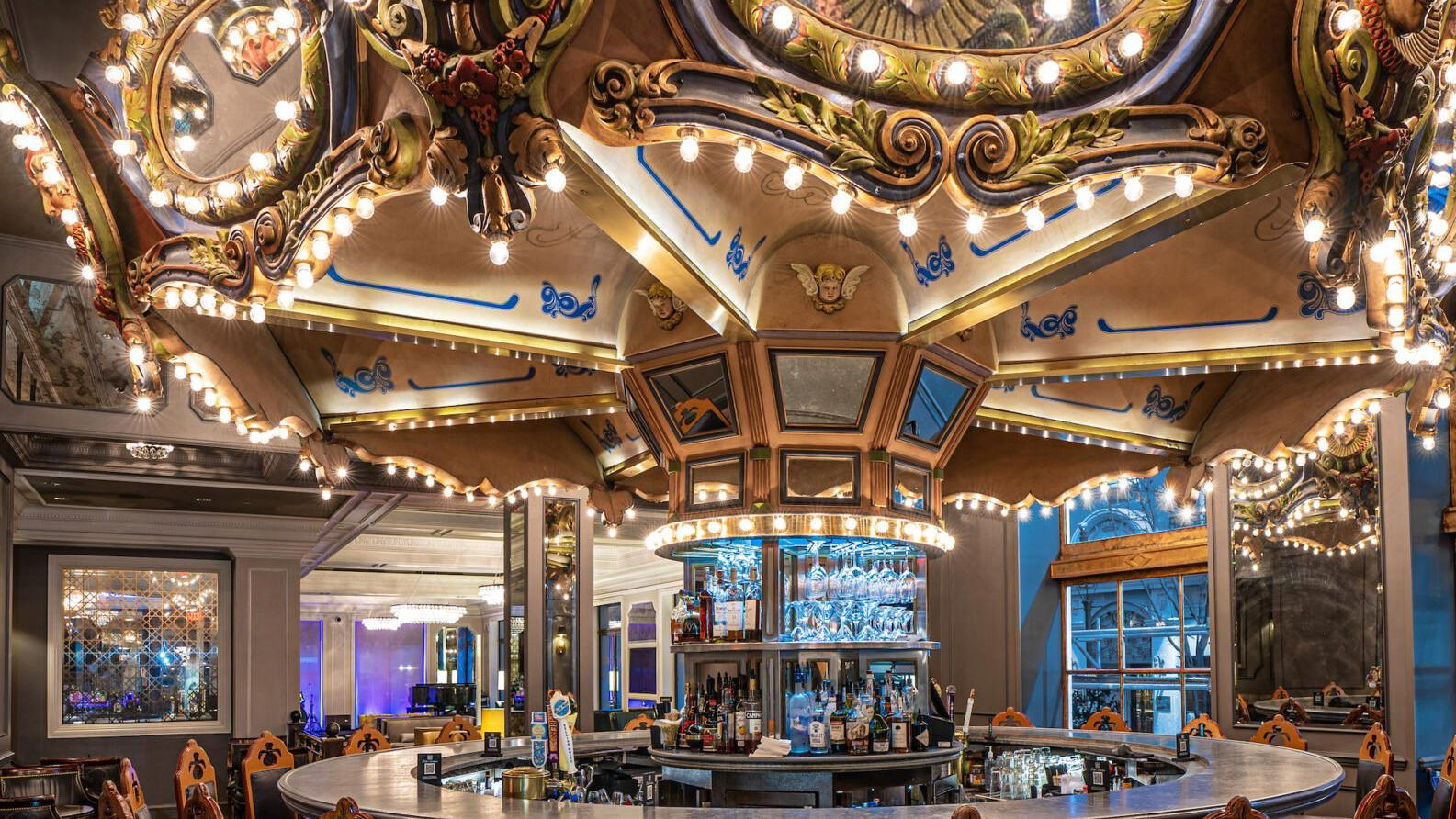
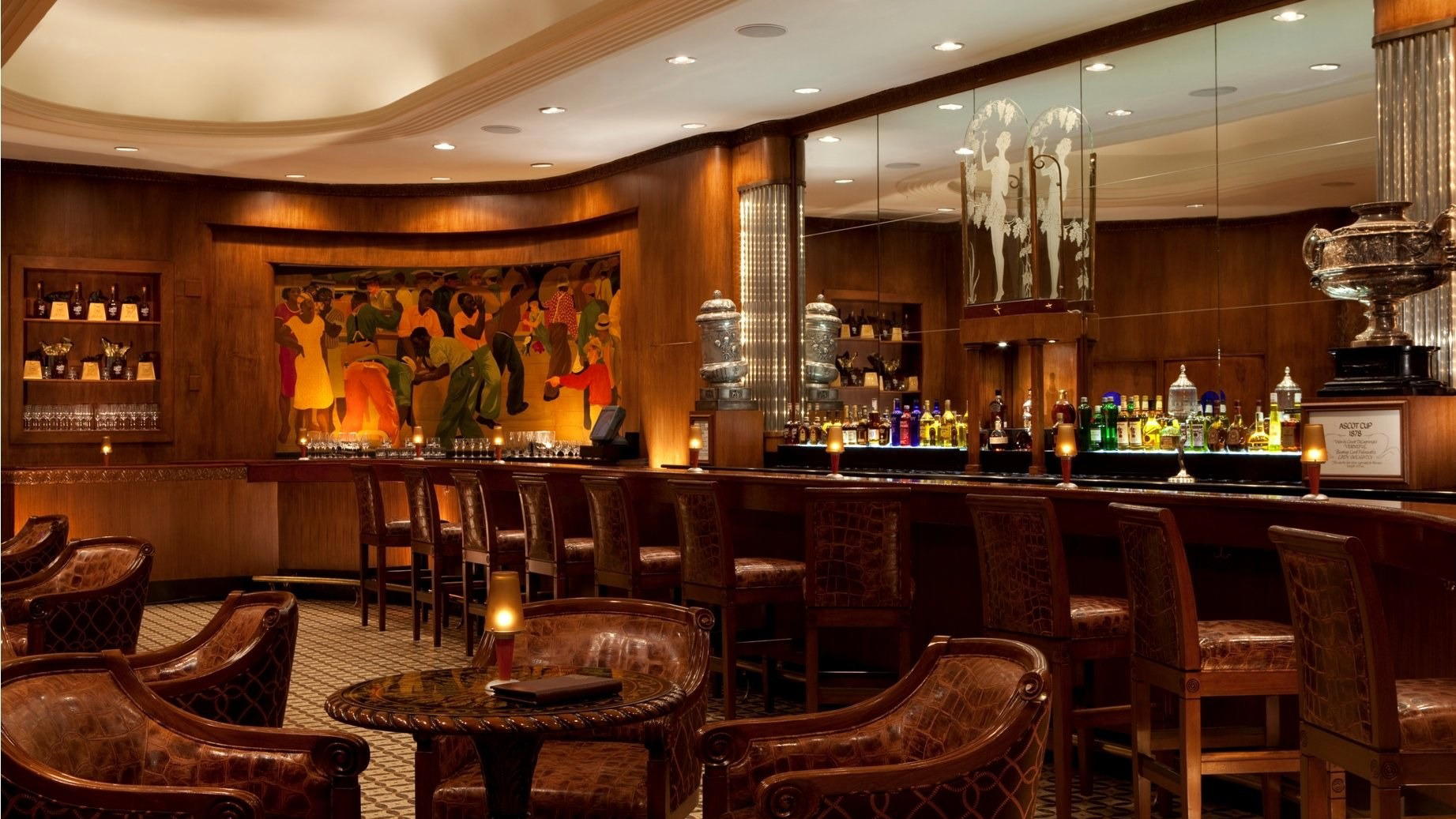
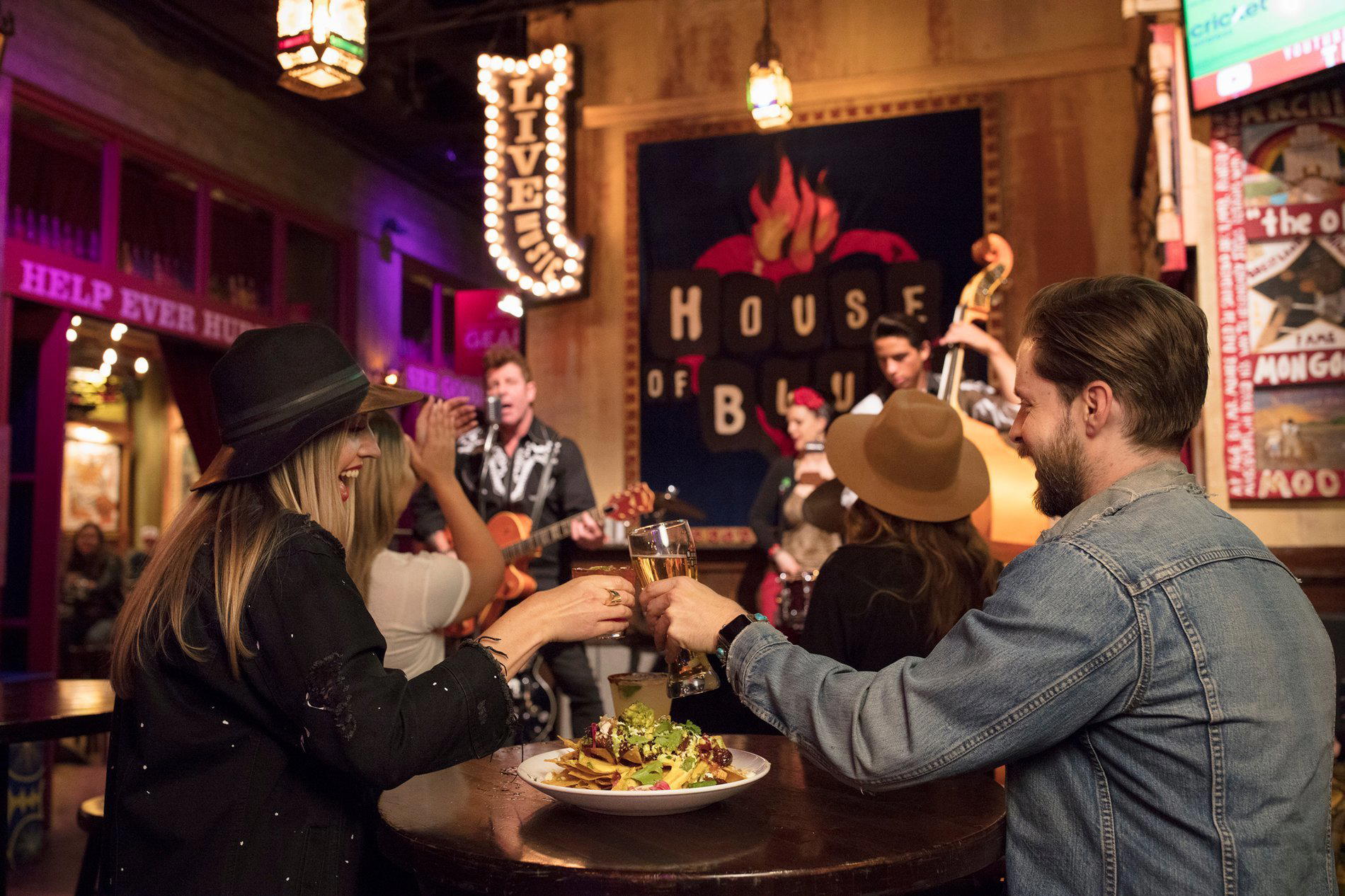
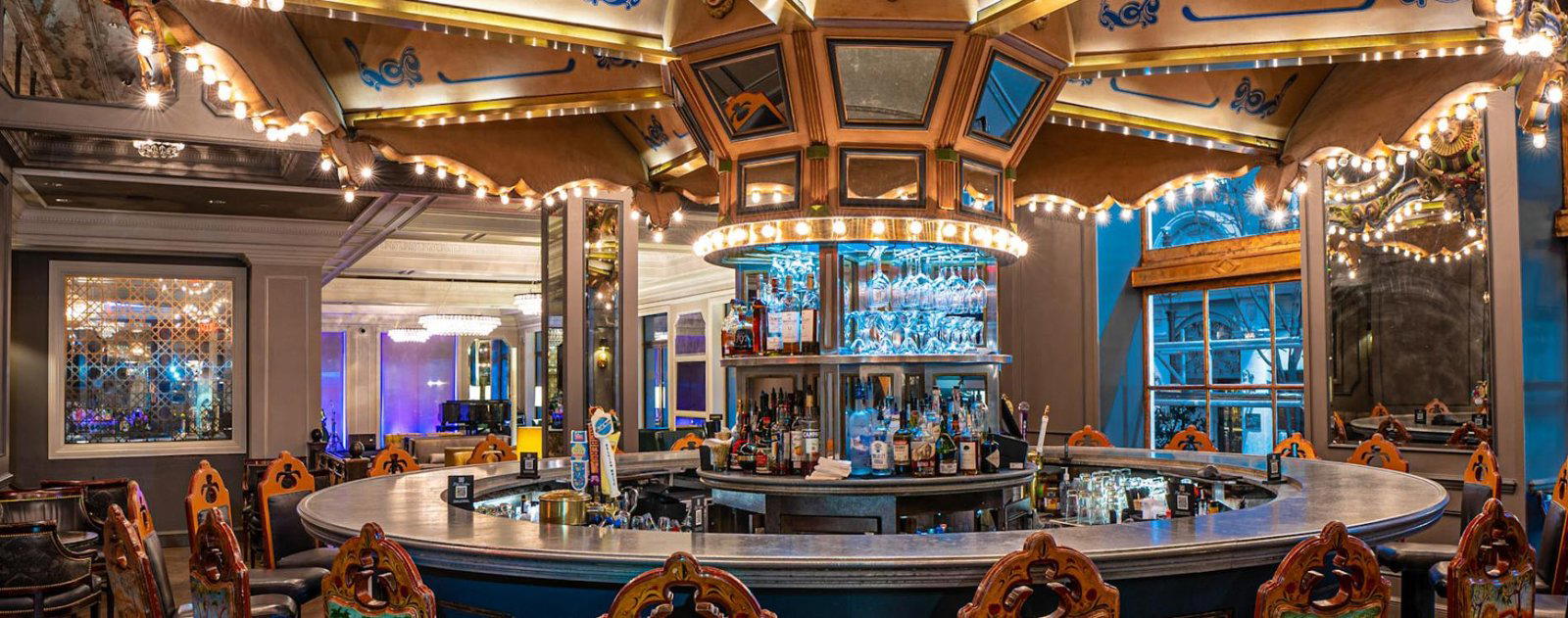
Cozy yet chic hideaway with stylish, eclectic atmosphere blending creativity and adventure.