On a quiet stretch of the 3rd arrondissement, Nessia operates at the intersection of collaborative kitchen culture and precise seasonal cooking. The address on Rue Charles-François Dupuis places it within the Marais orbit without the tourist-facing foot traffic that defines the district's main corridors. Booking is strongly advised.
Pearl is the En Primeur Club membership app — saves, bookings, and concierge access live there. Same editors, same standards.
- Address
- 6 Rue Charles-François Dupuis, 75003 Paris, France
- Phone
- +33142710300
- Website
- restaurantnessia.com
- Directions
- Get directions
 Saves & bookings on Pearl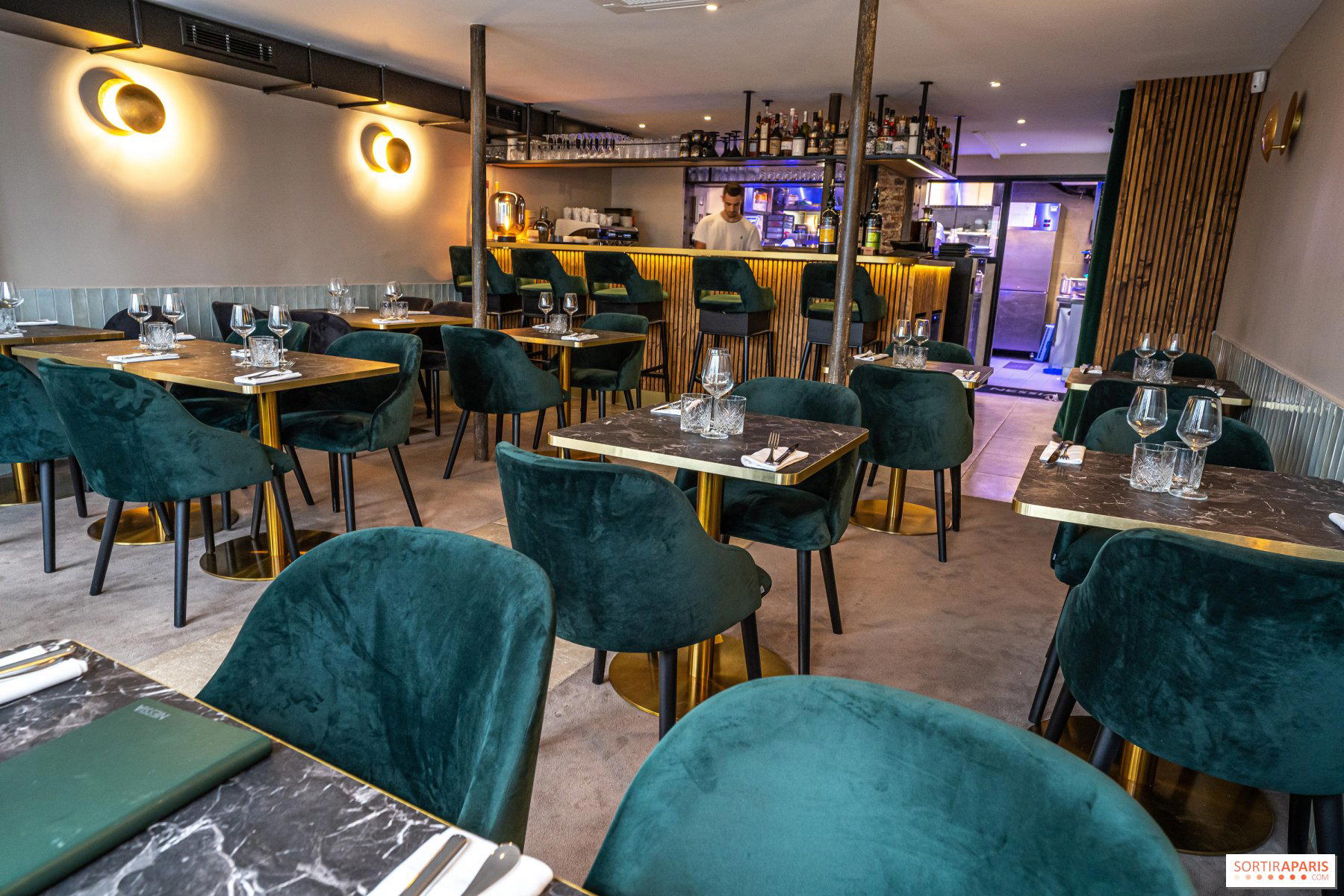
Where the Third Arrondissement Turns Quiet
Paris dining in the 3rd arrondissement has shifted considerably over the past decade. The Haut-Marais absorbed wave after wave of natural wine bars and casual neo-bistros, and the neighbourhood's identity now sits somewhere between the old Jewish quarter's deli tradition and a younger, more restless food culture. What has grown out of this tension is a small set of addresses, tucked away from the Rue de Bretagne market energy, that operate with the discipline of a destination restaurant without the ceremonial weight of the grands formats. Nessia, at 6 Rue Charles-François Dupuis, belongs to that smaller, quieter tier.
The street itself signals something. Rue Charles-François Dupuis is not a dining destination corridor in the way that nearby streets have become. That distance from the obvious circuit tends to attract a particular kind of diner: one who arrived by recommendation rather than by walking past. In cities where hospitality teams depend heavily on word-of-mouth to fill covers, the composition of the room tends to be more consistent, and service rhythms reflect that — less reactive, more considered.
The Logic of Collaboration in a Modern Parisian Room
The broader shift in Paris fine dining over the past several years has moved away from the chef-as-singular-auteur model. Tables at places like Alléno Paris au Pavillon Ledoyen or Arpège project a clear singular vision, and that remains valid at the very top tier. But further down the formal spectrum, a different model has gained ground: one where the cohesion between kitchen, cellar, and floor is itself the product. The experience is not delivered from a single point of genius but assembled across disciplines, with the sommelier's choices framing the cook's decisions and the front-of-house pacing governing both.
This collaborative format makes particular demands on each member of the team. A sommelier working in genuine dialogue with a kitchen cannot simply pair after the fact; the pairing logic has to influence how dishes are sequenced and sometimes how they are finished. A front-of-house team operating in that same mode must read the table's pace and relay it back to the kitchen in real time. When these functions work in concert, the meal acquires a quality that no single element explains: a sense that the progression was designed rather than assembled. That is the register Nessia operates in, and it is a harder register to sustain than the auteur model, precisely because it depends on consistency across multiple people rather than one.
For context, this approach has parallels beyond Paris. Atomix in New York City has built its reputation on exactly this kind of cross-disciplinary coherence, where the card-based presentation of each course is as much a front-of-house gesture as a kitchen one. In France, houses like Bras in Laguiole and Mirazur in Menton demonstrate how deeply a kitchen's seasonal logic can be woven into every aspect of a meal when the whole team is oriented toward the same set of priorities.
Paris in the Third: What the Address Implies About the Offer
The 3rd is not a Michelin-starred neighbourhood by count. The density of decorated addresses in Paris skews toward the 8th, the 1st, and parts of the Left Bank, where L'Ambroisie has held three stars on the Place des Vosges since the 1980s, and where Le Cinq at the Four Seasons operates inside the logic of grand hotel dining. An address in the 3rd sits outside that established hierarchy, which can be either a liability or a deliberate positioning. For restaurants that want to signal seriousness without the overhead or the expectation management that comes with a starred address, the Marais fringe offers real advantages.
Rather than competing for the same reservation demographic as Kei or the Franco-Japanese crossover tier that now holds significant critical attention in the 1st and 6th, an address like Nessia draws comparisons to the better neo-bistros with more considered wine programs and a sharper seasonal focus. That is a different competitive conversation, and a more locally embedded one.
Elsewhere in France, the parallel would be something like Au Crocodile in Strasbourg or Auberge du Vieux Puits in Fontjoncouse: addresses that carry significant local authority without necessarily operating inside the Parisian conversation. The distinction matters because it shapes what a visitor should expect: regional or neighbourhood seriousness rather than international-circuit positioning.
Seasonal Timing and What It Changes
Paris restaurant culture has a pronounced seasonal rhythm that the major guides acknowledge but that visitors often underestimate. Late autumn and winter bring the game and truffle focus that French kitchens have built around for generations. Spring produces a narrow but intensely anticipated window for asparagus, morels, and early alliums. Summer in Paris is more complicated: a significant portion of serious independent restaurants close in August, and the city's dining energy shifts toward outdoor bistro formats and wine bar terraces.
For a restaurant working in the collaborative, seasonal-driven mode that Nessia represents, timing a visit to align with these windows matters. A team operating at the intersection of kitchen ambition and floor craft will express that most clearly when the produce itself is at its most articulate. Visiting in the transition months, September through November or March through May, tends to produce the most coherent version of what these kitchens are trying to say. The French restaurant circuit outside Paris follows a similar logic: Flocons de Sel in Megève and Assiette Champenoise in Reims both anchor their menus firmly to seasonal transitions, and the leading visits to each are timed accordingly.
International comparisons are worth drawing here too. Le Bernardin in New York City, Troisgros in Ouches, and AM par Alexandre Mazzia in Marseille all demonstrate how kitchens working at the intersection of discipline and seasonality can produce very different menus across a calendar year. Auberge de l'Ill in Alsace and Paul Bocuse's house in Collonges-au-Mont-d'Or represent a more fixed, monument-style approach to the same regional tradition. Nessia operates closer to the adaptive, seasonal end of that spectrum.
For a full read of the Paris dining scene and how addresses in the 3rd fit into the city's broader restaurant map, see our full Paris restaurants guide.
Planning Your Visit
Nessia is located at 6 Rue Charles-François Dupuis in the 3rd arrondissement, within walking distance of the Arts et Métiers and République Métro stations. Given the neighbourhood's shift toward a more local, recommendation-driven clientele, a reservation is strongly advised regardless of the day of the week. Autumn and spring visits will align most naturally with the kitchen's seasonal focus.
Address: 6 Rue Charles-François Dupuis, 75003 Paris, France.
How Nessia Paris compares with similar nearby venues.
| Venue | Cuisine | Price |
|---|---|---|
| L’Oyat | Modern Cuisine | €€ |
| Jacques Genin - Salon de Te | Café-Chocolate | Not listed |
Continue exploring
More in Paris
Restaurants in Paris
Browse all →
Bars in Paris
Browse all →
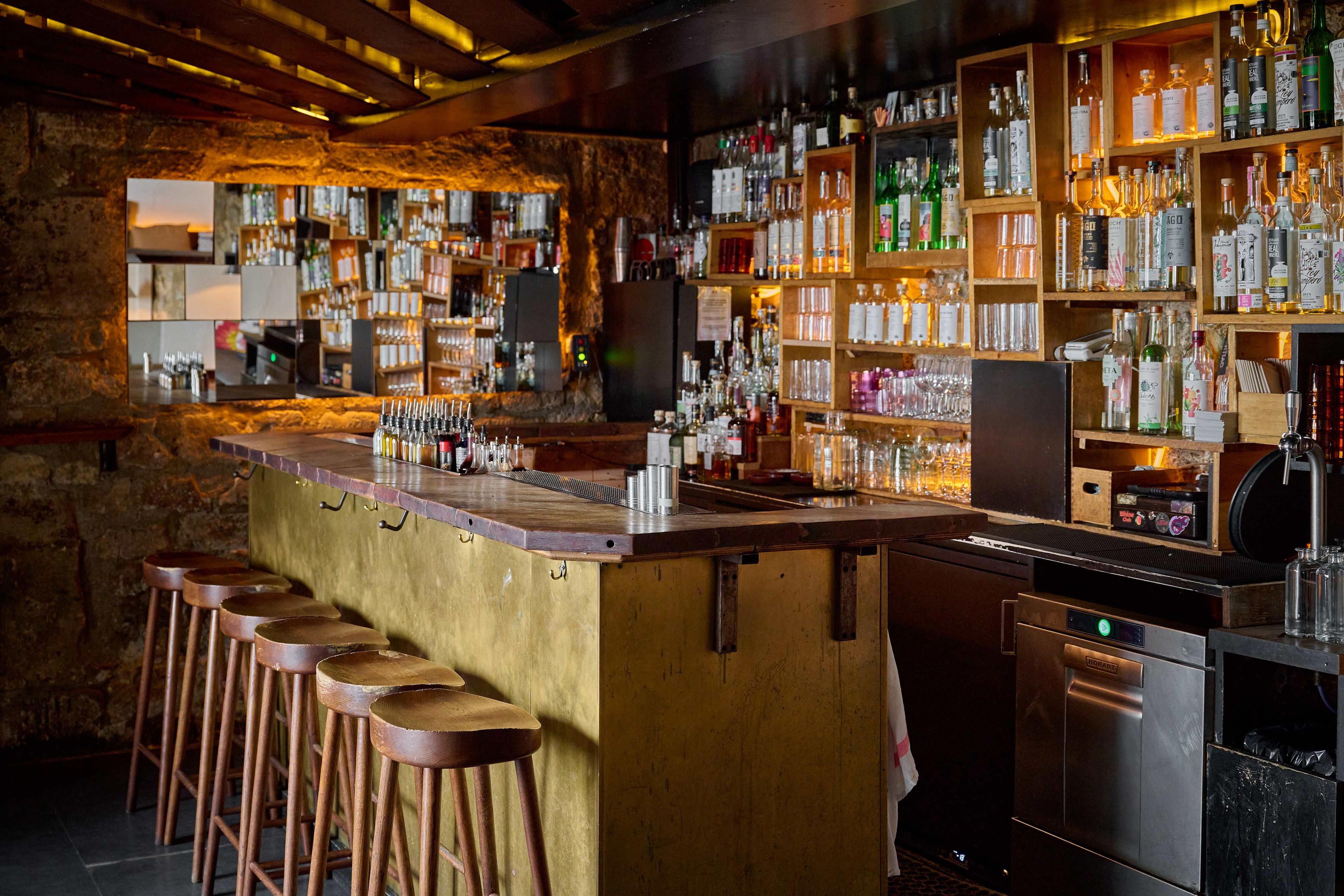
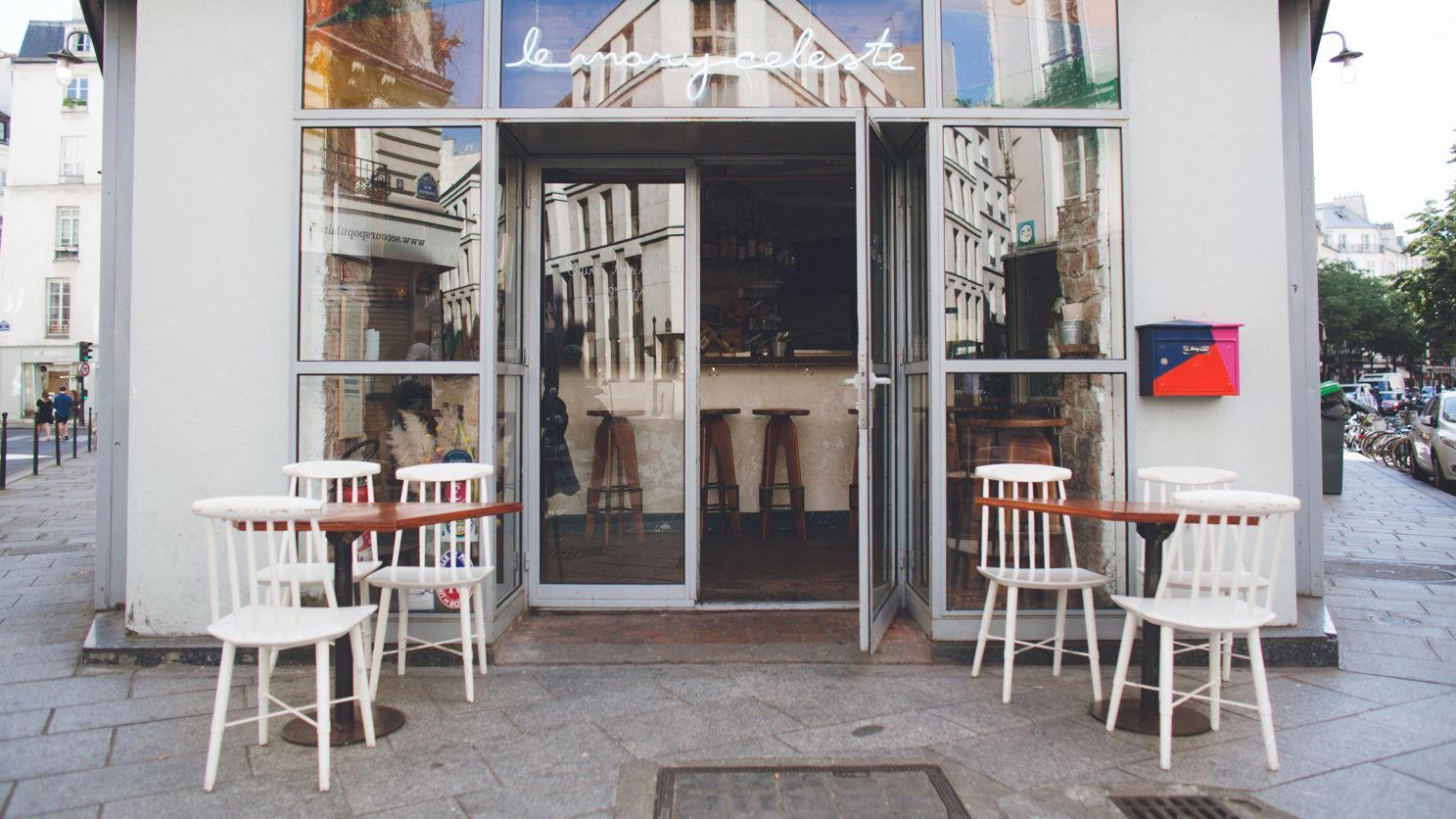
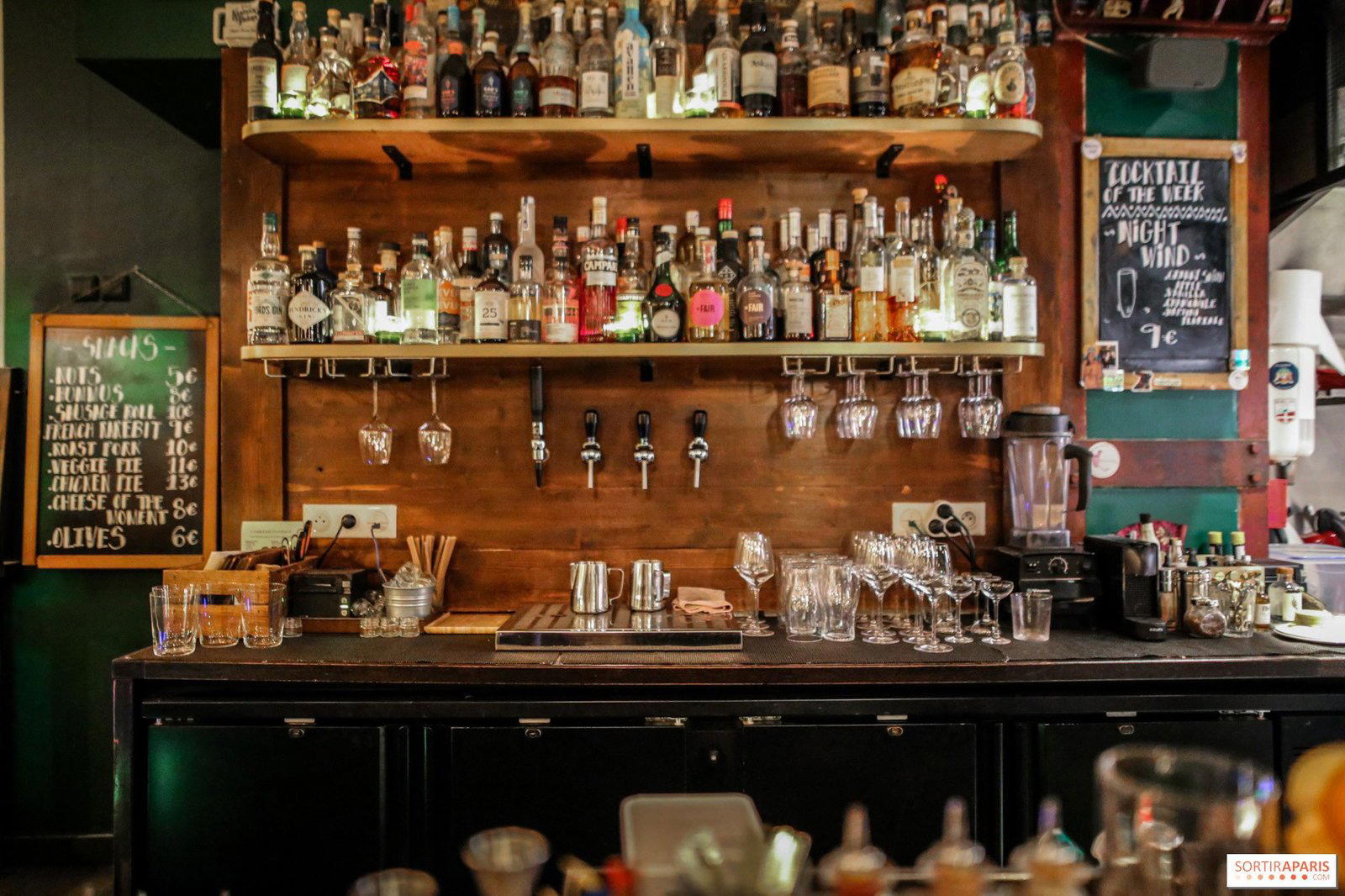
Hotels in Paris
Browse all →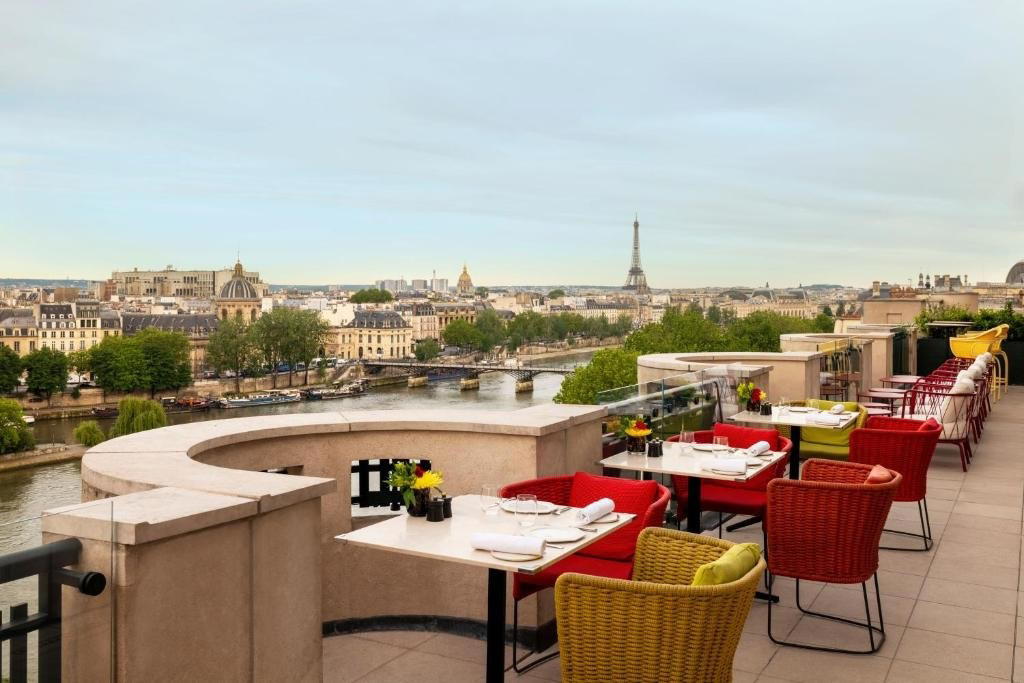

At a Glance
- Elegant
- Cozy
- Intimate
- Modern
- Date Night
- Group Dining
- Casual Hangout
- After Work
- Private Dining
- Standalone
- Craft Cocktails
Current opening hours
- Monday
- Closed
- Tuesday
- 12–2 PM, 7–10 PM
- Wednesday
- 12–2 PM, 7–10 PM
- Thursday
- 12–2 PM, 7–10:30 PM
- Friday
- 12–2 PM, 7–10:30 PM
- Saturday
- 12–2:30 PM, 7–10:30 PM
- Sunday
- Closed
Hours can change for holidays and private events. Last verified .
Tastefully decorated with cosy velvet chairs, dimmed lighting, and carefully curated music selection that encourages lingering; weekend atmosphere becomes more festive and lively.
Know Before You Go
- Getting there
- 6 Rue Charles-François Dupuis, 75003 Paris, France