On Rue des Canettes in the 6th arrondissement, Kokodak occupies a stretch of Saint-Germain-des-Prés that has long accommodated both neighbourhood regulars and curious visitors. The address places it within walking distance of some of Paris's most established dining institutions, yet the venue operates on its own register. What it offers is defined less by ceremony than by the logic of its menu construction.
Pearl is the En Primeur Club membership app — saves, bookings, and concierge access live there. Same editors, same standards.
- Address
- 22 Rue des Canettes, 75006 Paris, France
- Phone
- +33143540075
- Website
- joayogroup.com
- Directions
- Get directions
 Saves & bookings on Pearl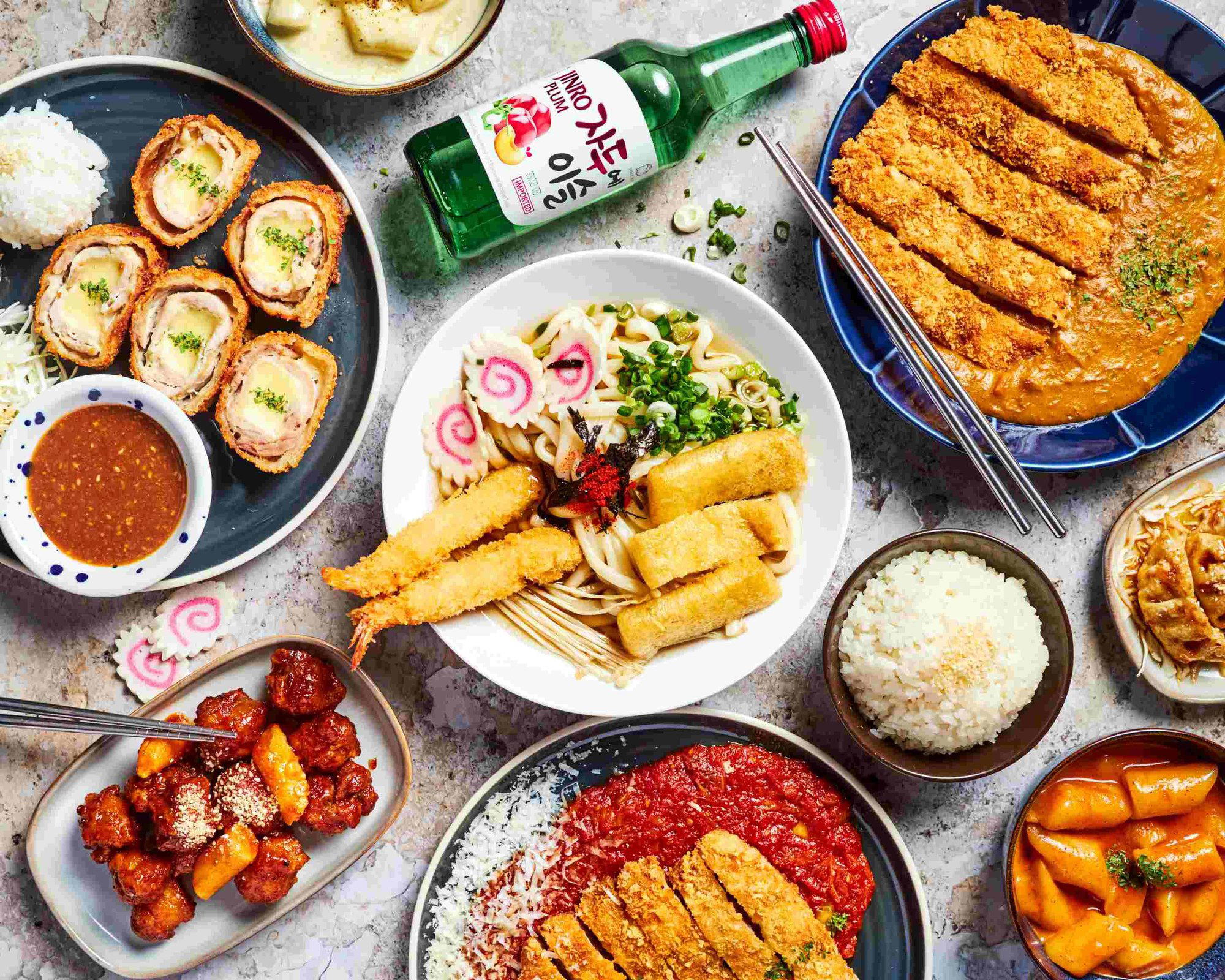
Rue des Canettes and the Grammar of the 6th
The 6th arrondissement has always run two dining cultures in parallel. One is the grand tradition: heavy linen, wine lists that require a sommelier to decipher, and menus that signal their ambitions from the first amuse-bouche. The other is less annotated but no less considered: smaller rooms, shorter menus, and a kind of editorial restraint that treats every dish as a deliberate choice rather than an occasion for excess. Kokodak is a restaurant serving Korean-Italian Fusion at 22 Rue des Canettes, 75006 Paris, France, priced at about $30 per person, and belongs to the second current. The street itself is tucked between Boulevard Saint-Germain and the Place Saint-Sulpice, a short corridor that filters out the tourist foot traffic without entirely escaping it. That in-between quality matters. It means the room draws a mixed clientele, locals who know the address by instinct, visitors who found it through word of mouth rather than a guidebook star, and the menu, in turn, has to hold the attention of both.
Menu Architecture as Editorial Statement
In Paris's 6th, a restaurant's menu structure often says more about its positioning than the cuisine label does. The haute-cuisine tier, represented by addresses like L'Ambroisie (French, Classic Cuisine) or Le Cinq at the Four Seasons Hôtel George V, builds menus around progression and ceremony, where the sequence of courses is itself an argument. Further along the spectrum, venues like Kei negotiate between French technique and external culinary reference, using menu structure to frame that dialogue explicitly. Kokodak reads differently. Without a formal tasting sequence to anchor expectations, the menu's logic appears to be one of selection rather than narration: a set of considered options that reward attention to what sits alongside what, rather than demanding that you surrender the meal's pace to a predetermined arc.
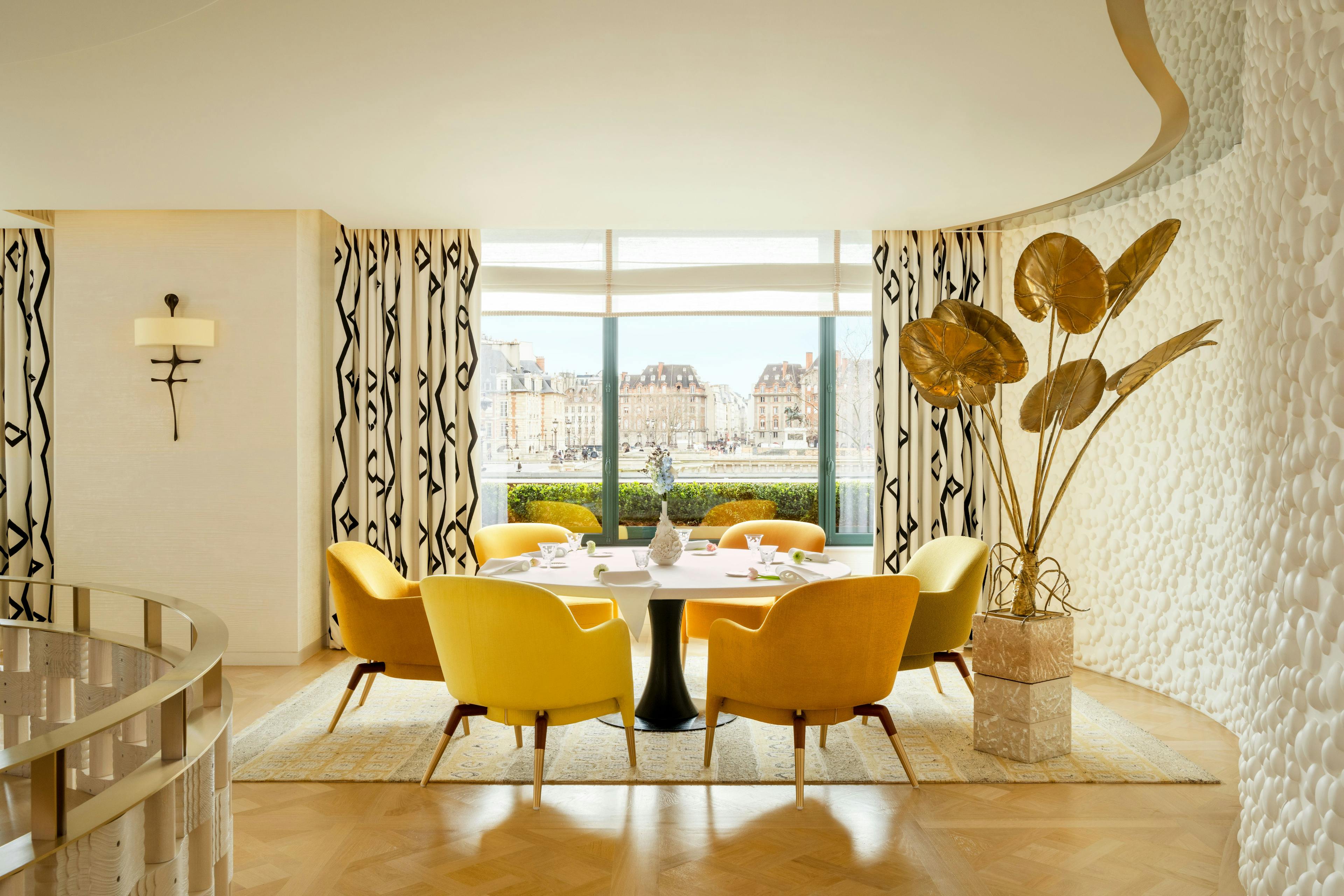
That structural choice carries real implications for how a diner engages with the room. In a prix-fixe format, the kitchen controls tempo. In a format that emphasises individual dishes or shorter, composed selections, the diner negotiates. The leading version of this model, as seen in various registers across the city's bistronomy wave and at houses like Arpège or the creative programs at Alléno Paris au Pavillon Ledoyen, trusts the diner to construct meaning from the parts. Whether Kokodak's menu achieves that trust is the question the address poses.
The Saint-Germain Context
Saint-Germain-des-Prés has gone through several phases of dining identity. In its mid-century literary café period, the neighbourhood's reputation was built on conversation rather than cooking. Through the 1980s and 1990s, it absorbed the expansion of Parisian gastronomy without fully committing to it. In the last decade, the area has matured into a zone where mid-register seriousness, neither three-star ceremony nor self-consciously casual natural wine bar, has found a reliable audience. The addresses that work here tend to have menu confidence: they know what they are offering and price accordingly. France's regional fine dining tradition, represented by houses like Flocons de Sel in Megève or Mirazur in Menton, operates with strong geographic and seasonal coherence. Paris's 6th asks for something different: urban legibility, a menu that communicates quickly and holds up to repeat visits. Kokodak's position on Rue des Canettes places it squarely inside that expectation.
For context across France's broader dining geography: the kind of deep-rooted regional identity found at Troisgros in Ouches, Auberge de l'Ill in Illhaeusern, or Bras in Laguiole is not what a left-bank Paris address is expected to deliver. The city's dining culture runs on a different energy: denser, faster, more pluralist. What a venue like Kokodak can offer is participation in that pluralism, a specific menu position within a neighbourhood that has, over decades, developed an appetite for exactly that kind of considered specificity.
comparable set and Positioning
Placing Kokodak within the 6th's current dining map requires distinguishing it from the category leaders on either side. At the leading end, the €€€€ tier includes venues with Michelin recognition, established critical records, and the kind of reservation pressure that signals institutional status. Paul Bocuse's Auberge du Pont de Collonges near Lyon and AM par Alexandre Mazzia in Marseille anchor different ends of the fine-dining argument in France, but both operate with a clarity of program that defines the price point. In Paris, addresses in that tier signal themselves through format discipline, the number of covers, the length of the menu, the absence of a printed à la carte. Kokodak, without confirmed award recognition or a publicly documented tasting format, positions itself in a bracket where the menu's internal logic has to do work that prizes and press coverage would otherwise handle. That is not a disadvantage; it is simply a different mechanism of trust.
Internationally, the conversation around menu architecture at serious independent restaurants has moved toward fewer dishes, stronger sourcing narratives, and more explicit debt to a culinary lineage. Le Bernardin in New York and Atomix both demonstrate how a menu's structure can carry the weight of institutional identity. In Paris, similar arguments are made at Assiette Champenoise in Reims and Auberge du Vieux Puits in Fontjoncouse. Kokodak is making a quieter version of that argument, in a room on a narrow left-bank street, without the apparatus of formal recognition to frame it.
Planning Your Visit
Kokodak is located at 22 Rue des Canettes, 75006 Paris, on foot from Saint-Sulpice or Mabillon metro stations, both within a few minutes' walk. Kokodak is recommended for reservations and is open daily from 12 to 10:30 PM. Regional reference points in similar cuisine registers include Au Crocodile in Strasbourg, which offers a useful counterpoint in how a serious French address handles the transition between classical and contemporary formats.
| Venue | Arrondissement | Price Tier | Format |
|---|---|---|---|
| Kokodak | 6th | €€ | Korean-Italian Fusion |
| L'Ambroisie | 4th | €€€€ | Classic French, à la carte |
| Kei | 1st | €€€€ | Contemporary French-Japanese, tasting menus |
| Le Cinq | 8th | €€€€ | Modern French, hotel dining room |
| Alléno Paris | 8th | €€€€ | Creative, multi-course |
Cuisine and Credentials
Comparable venues nearby, for context on price, style, and recognition.
| Venue | Cuisine | Price | Notes |
|---|---|---|---|
| Kokodak - Paris 6This venue — the venue you are viewing | Korean-Italian Fusion | $$ | Not listed |
| Restaurant Pilou Cantine Paris 11 | Fusion Vietnamese-Niçoise-French Bistro | $$ | Republique |
| Café Singuliers | Modern Fusion Cantine | $$ | Bastille |
| Sir Winston | Anglo-Indian Pub Fusion | $$ | Champs-Élysées |
| ANDIA | Nikkei Fusion (Latin-Japanese-Andean) | $$$ | Passy |
| Mr.T | Modern French-Japanese Fusion | $$ | Le Marais |
Continue exploring
More in Paris
Restaurants in Paris
Browse all →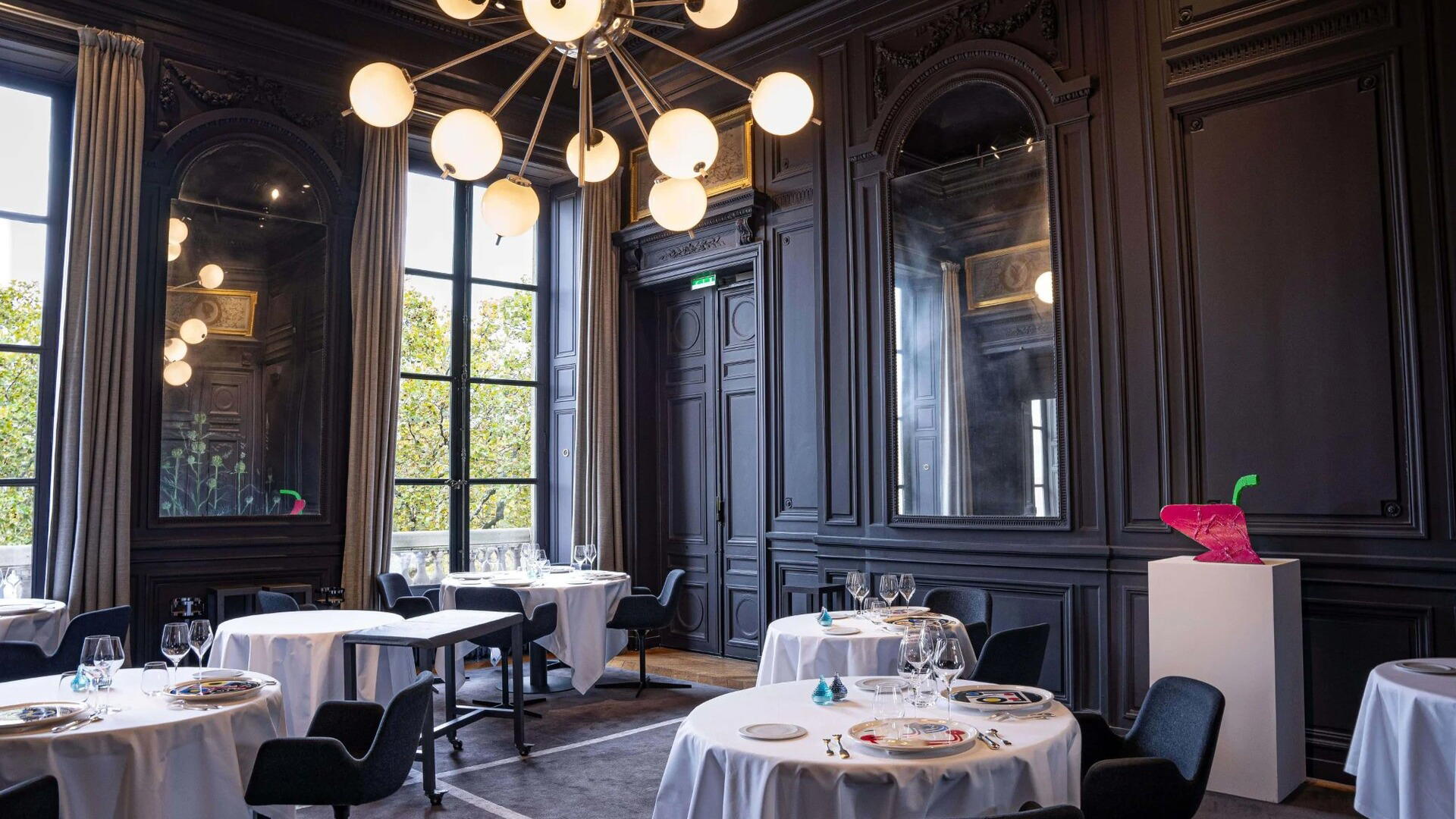
Bars in Paris
Browse all →
Hotels in Paris
Browse all →
Wineries in Paris
Browse all →
At a Glance
- Modern
- Cozy
- Trendy
- Date Night
- Casual Hangout
- Open Kitchen
Current opening hours
- Monday
- 12–10:30 PM
- Tuesday
- 12–10:30 PM
- Wednesday
- 12–10:30 PM
- Thursday
- 12–10:30 PM
- Friday
- 12–10:30 PM
- Saturday
- 12–10:30 PM
- Sunday
- 12–10:30 PM
Hours can change for holidays and private events. Last verified .
Modern and warm atmosphere with a cozy, welcoming vibe.