Central Chapelle sits inside Paris’s dining culture at the point where ritual matters as much as cuisine: arrival, pacing, table manners, and the social codes of the room shape the meal before any plate arrives. With no public awards, chef, price, or menu details to anchor a conventional profile, the useful reading is contextual: treat it as a Paris table to assess through format, reservation clarity, and the rhythm of service.

Pearl is the En Primeur Club membership app — saves, bookings, and concierge access live there. Same editors, same standards.
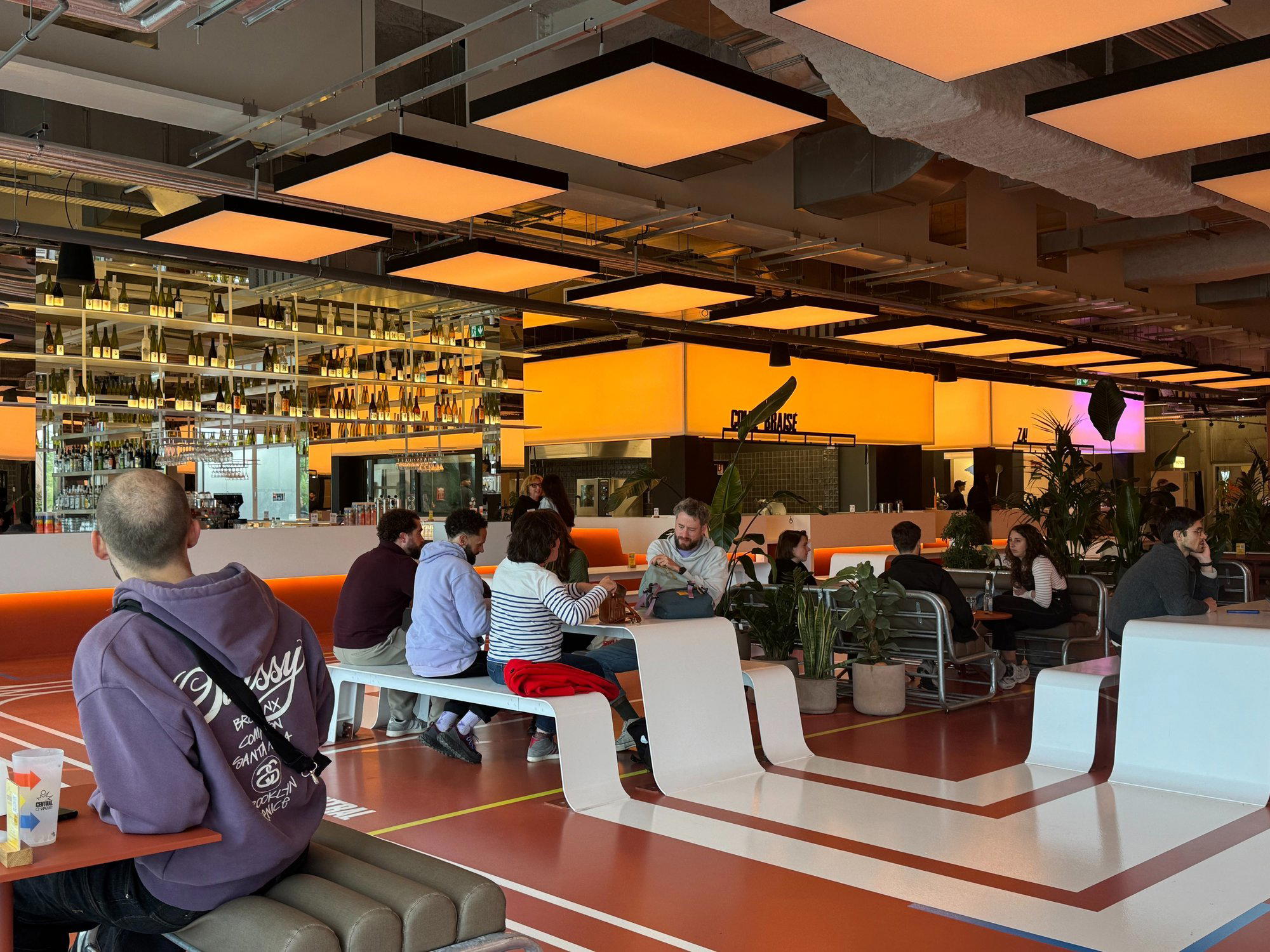
Paris dining begins before the first course. The room, the pause at the threshold, the way a table is held or released, the tempo between aperitif and main course: these small rituals still define the city’s restaurant culture more than any single dish category. Central Chapelle belongs in that conversation because its public identity is spare. In a city crowded with restaurants that announce chef credentials, tasting-menu formats, cellar depth, and awards history, a quieter listing asks the diner to read the experience through service signals rather than headline claims.
That matters in Paris, where the meal remains a social form with rules. Lunch can be brisk without being casual; dinner can stretch without becoming theatrical. The city’s restaurant grammar is built around pacing, not just cooking: greeting, seating, ordering, water, bread, wine, the controlled interval before dessert or coffee. A restaurant that does not foreground a famous chef or formal award trail should be approached through those basics. The question is not whether it belongs to the trophy tier, but whether the meal observes the discipline expected of a serious Paris address.
The Paris meal as ritual, not spectacle
The strongest way to understand a restaurant like Central Chapelle is through the dining ritual itself. Paris has room for long tasting menus, neighbourhood bistros, hotel dining rooms, counter formats, and compact modern tables, but the city is least forgiving when a venue mishandles sequence. A good Paris meal has internal order: menus arrive without hurry, staff read the table’s pace, wine is discussed at the right moment, and the room allows conversation rather than forcing performance.
That editorial frame is especially useful when cuisine type, price, chef, and awards are not publicly specified. Without those anchors, diners should judge the table by the first practical signals available: how clearly the restaurant communicates before arrival, how the room handles timing, and whether the service style matches the occasion. Paris rewards preparation. A casual booking made on the assumption that every central table works the same way can lead to mismatched expectations, particularly for groups, dietary restrictions, or family meals.
The Chapelle name also places the restaurant within a part of Paris associated less with postcard dining and more with urban movement: stations, mixed neighbourhood traffic, local regulars, and visitors crossing between districts. That kind of Paris produces a different restaurant rhythm from the Left Bank set-piece meal or the palace hotel dining room. The measure is not grandeur. It is whether the room can hold the practical pressures of the city while preserving the cadence of a proper meal.
How to read a low-profile Paris table
Paris has become a city of increasingly explicit restaurant categories. At one end are publicised tasting menus with named chefs, published prices, and award badges. At another are everyday tables whose value depends on consistency, location, and how well they handle the unglamorous mechanics of dining. Central Chapelle currently reads closer to the second category because the usual premium signals are not publicly attached: no award record, chef name, published price range, seat count, or stated cuisine appears in the listing.
For a high-stakes dinner, Paris offers many restaurants where format, price, and critical recognition are clear before booking. For a lower-friction meal, the better test is fit: whether the location suits the day’s route, whether the restaurant can confirm dietary needs, and whether the group understands that the meal may not follow the scripted conventions of a tasting-menu venue.
Readers comparing broader Paris options can use Our full Paris restaurants guide for the restaurant field, then cross-plan the rest of the trip through Our full Paris hotels guide, Our full Paris bars guide, Our full Paris wineries guide, and Our full Paris experiences guide. Within the city index, nearby editorial reference points include 114, Faubourg (Modern Cuisine), 116, 14 paradis, 19 Saint Roch (Creative), and 19.20 by Norbert Tarayre (Traditional Cuisine). For wider France and travel-pattern context, see.... Et la Fourmi in Nantes, [S] Corner in Courchevel, 1217 in Bagnols, 1387 in Strasbourg, 14 Avenue in La Baule, and 16âme in Le Monêtier-les-Bains. Internationally, Jōdo Saké Bar in Los Angeles and Onigiri Time in Pasadena show how different cities define casual precision through narrower formats.
Planning the meal without over-reading the listing
The sensible approach is to keep expectations disciplined. The restaurant should not be treated as an awards-led destination restaurant unless those credentials are presented directly by the restaurant or an established guide. It should be assessed as a Paris table where the key variables are confirmation, timing, and suitability for the occasion. For couples or small groups, that means checking the booking channel before setting an evening around it. For business meals or celebrations, it means confirming the format and any dietary constraints in advance rather than assuming flexibility on arrival.
The editorial verdict is pragmatic: the restaurant is a Paris restaurant to consider when location and meal rhythm matter more than a published chef narrative or formal recognition. The draw is not a documented signature dish or trophy status. It is the possibility of a city meal judged by the older Paris standards: order, pacing, conversation, and the room’s ability to let dinner proceed without strain.
In Context
Comparable venues nearby, for context on price, style, and recognition.
| Venue | Cuisine | Price | Notes |
|---|---|---|---|
| Central ChapelleThis venue — the venue you are viewing | Not listed | $$ | Not listed |
| Mr.T | Le Marais, Modern French-Japanese Fusion | $$ | Not listed |
| LE 8 CLOS | Not listed | $$$ | 16th arrondissement, Thai-French Fusion |
| Slow | Not listed | $$ | 14th arrondissement, French-Asian Fusion |
| Maison Park I Franco Corée Fusion | Not listed | $$$ | 15th arrondissement, Franco-Korean Fusion |
| Sir Winston | Champs-Élysées, Anglo-Indian Pub Fusion | $$ | Not listed |
Continue exploring
More in Paris
Restaurants in Paris
Browse all →

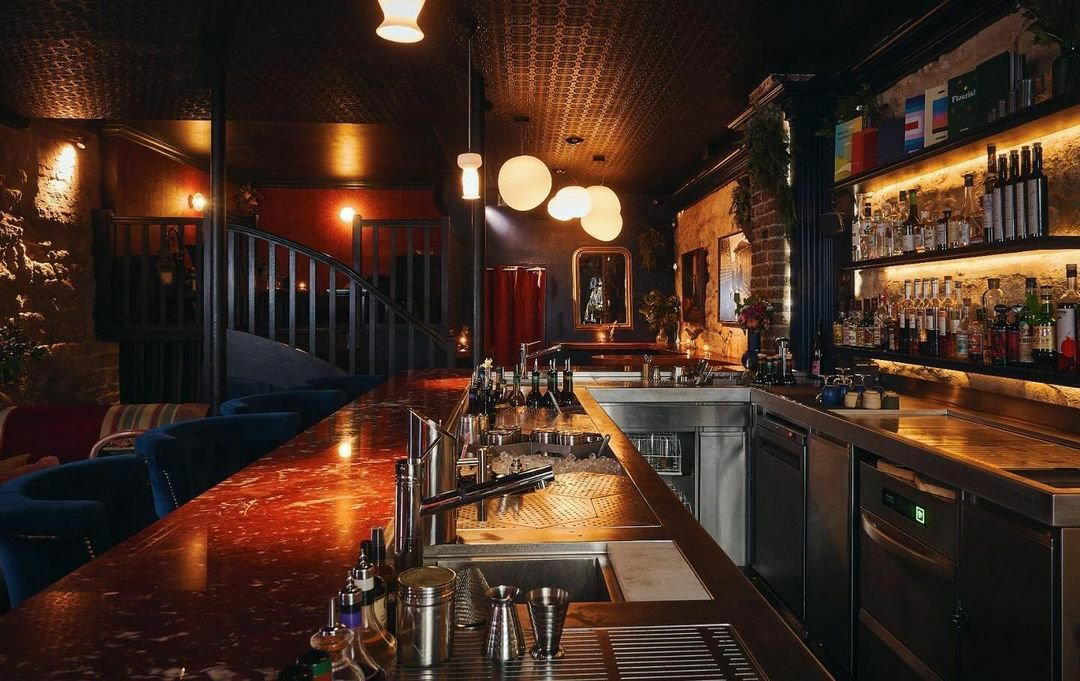
Bars in Paris
Browse all →
Hotels in Paris
Browse all →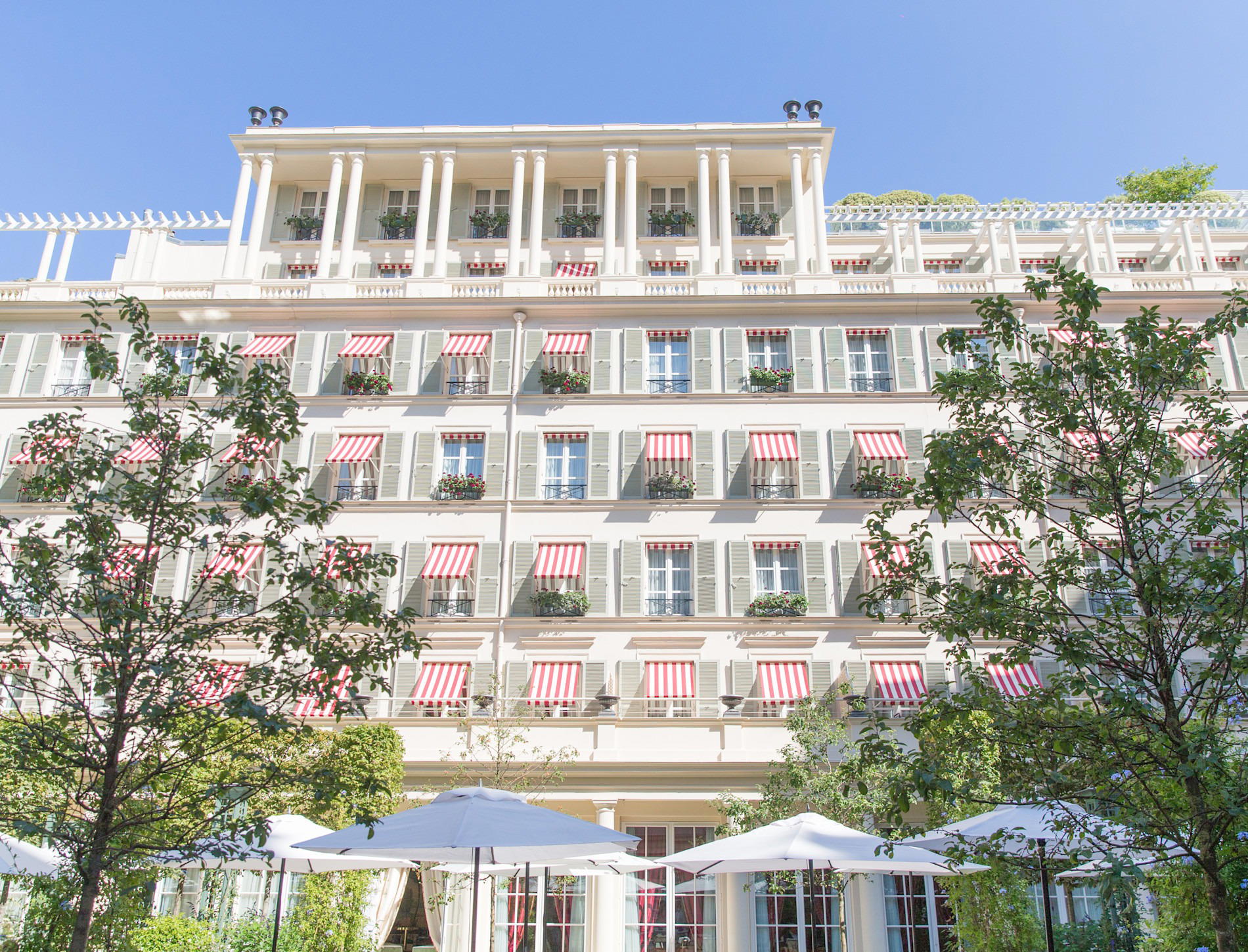

At a Glance
- Trendy
- Energetic
- Lively
- Modern
- Industrial
- Casual Hangout
- After Work
- Group Dining
- Late Night
- Celebration
- Private Event
- Live Music
- Terrace
- Panoramic View
- Design Destination
- Standalone
- Private Dining
- Craft Cocktails
- Beer Program
- Local Sourcing
- Farm To Table
- Zero Waste
- Street Scene
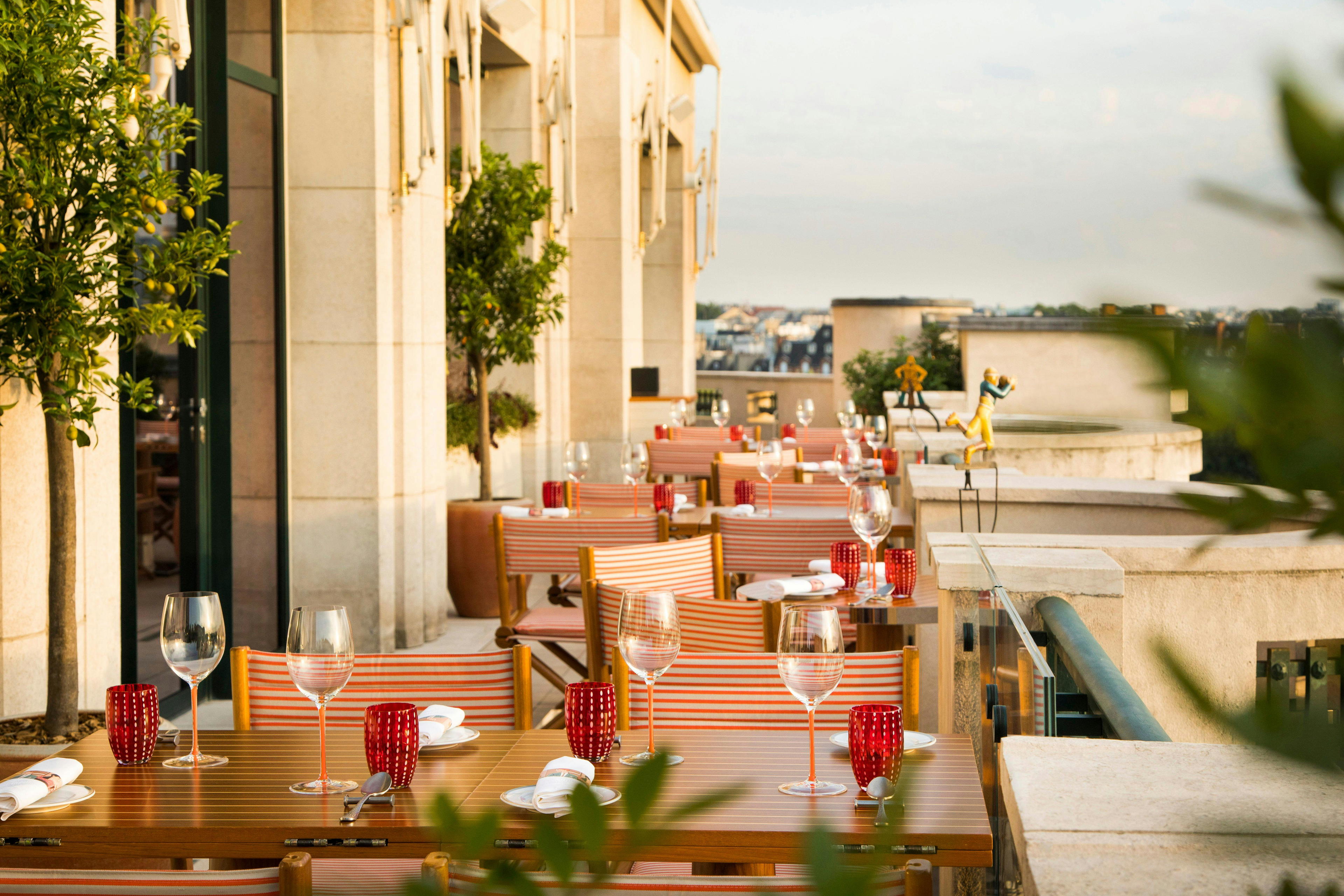
A busy, contemporary food‑court‑style space with a central bar, street‑food counters and club room, designed as an eco‑responsible, creative community hub that feels festive, informal and urban.