Our verdict
Brasília's Asa Norte district has a small but committed cluster of Japanese restaurants, and Nazo sits within that tier — a neighbourhood address serving Japanese food in a city where the cuisine occupies a distinct niche. For residents of the northern residential and commercial zone, it represents a local option for Japanese in a dining scene that skews heavily toward Brazilian churrasco and Italian-Brazilian formats.

Pearl is the En Primeur Club membership app — saves, bookings, and concierge access live there. Same editors, same standards.
- Address
- Asa Norte Comércio Local Norte 214 loja 01 - Asa Norte, Brasília - DF, 70873-540, Brazil
- Phone
- +5561982778033
- Hours
- Mon–Tue 11:30 AM–3:30 PM, 6 PM–12 AMWed 11 AM–12 AMThu 11:30 AM–3:30 PM, 6 PM–12 AMFri–Sat 11:30 AM–1 AMSun 11:30 AM–10:30 PM
- Website
- nazojapanesefood.com.br
- Directions
- Get directions
- Booking
- Book on the venue's website
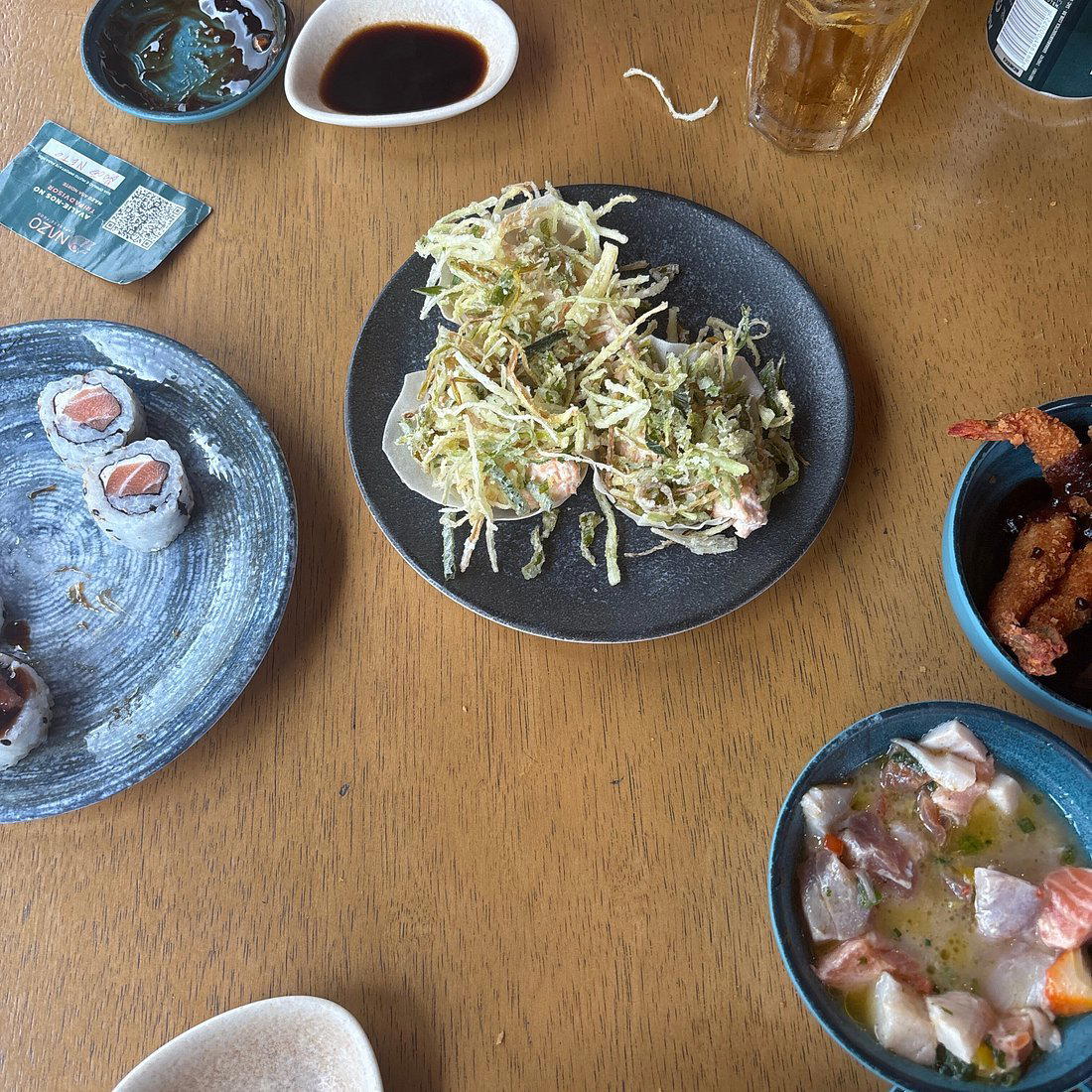
Japanese Food in Brasília: A City That Eats on Its Own Terms
Brasília was built to a blueprint, and its dining scene reflects that logic. The planned capital's commercial strips — the CLN blocks of Asa Norte, the CLS blocks of Asa Sul — organise restaurants into low-rise local commerce units, each neighbourhood largely self-contained. Wandering into a world-city dining quarter the way you might in São Paulo or Rio is not how this city works. You eat close to where you live or work, and the restaurants that endure here do so because they serve a specific residential community well. Nazo Japanese Food, located on CLN 214 in Asa Norte, belongs to that pattern: a Japanese address in a northern neighbourhood that otherwise runs heavily toward Brazilian churrascarias, Italian-Brazilian cantinas, and neighbourhood lunch spots.
Japanese cuisine in Brazil has roots that run deeper than most outside the country appreciate. Brazil is home to the largest Japanese diaspora population outside Japan itself, concentrated historically in São Paulo but radiating outward over generations into every major city. In Brasília, that influence is present but modest in scale compared to the São Paulo market, where a single neighbourhood like Liberdade supports dozens of Japanese establishments across every format and price tier. The Brasília Japanese restaurant scene is smaller, less stratified, and tends toward neighbourhood accessibility rather than high-concept omakase. That context shapes what Nazo is and what it is not.
The Asa Norte Setting: Commerce Strips and the Local Dining Rhythm
The CLN 214 address places Nazo in one of Asa Norte's residential-commercial strips, where ground-floor units serve the apartment blocks above and the wider neighbourhood around them. These blocks run parallel to the main axes of Asa Norte and have a rhythm that differs sharply from the large restaurant clusters you find near the Eixo Monumental or in hotel zones. Foot traffic here is local. The clientele is neighbourhood residents, office workers from nearby government and commercial buildings, and the kind of regular who knows the menu rather than the first-time visitor making a deliberate dining destination trip.
That positioning is neither a criticism nor a limitation, it is simply the operating context. Neighbourhood Japanese restaurants in Brazil's interior cities tend to offer a format that covers sushi, hot dishes, and often a lunch combo structure, serving a community that has built an appetite for Japanese food through decades of cultural diffusion but does not necessarily have access to the full spectrum of Japanese culinary formats. Nazo sits within that tradition.
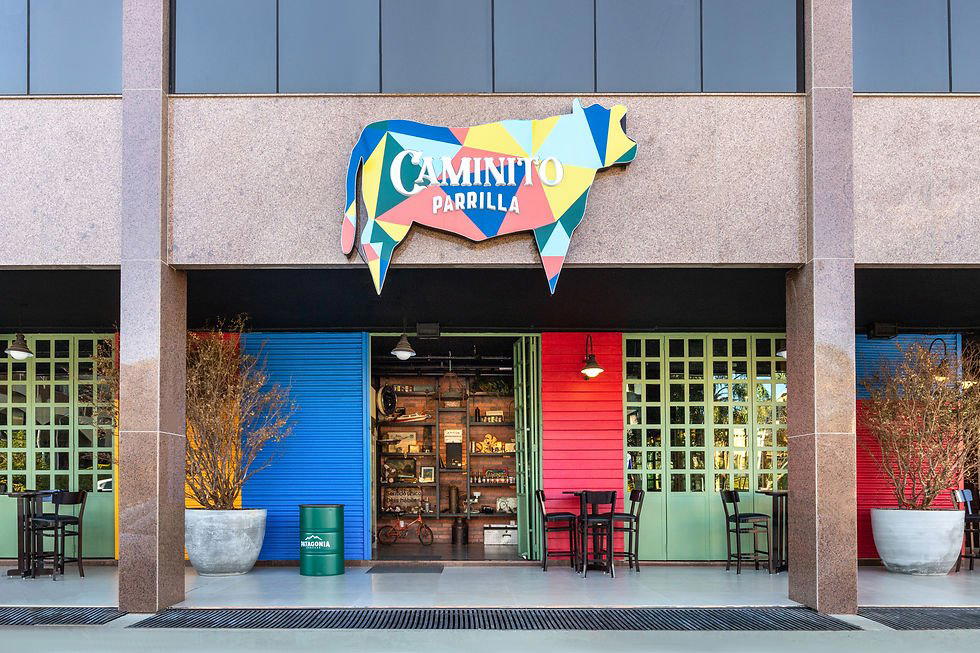
For visitors staying in or near Asa Norte, many government-related visitors do, given the proximity to ministry buildings and the northern hotel cluster, the restaurant represents a local option without the need to travel to Asa Sul or the hotel zone for a change from Brazilian formats. The Asa Norte commercial strips reward this kind of practical navigation. For alternatives with a distinct Argentine-Brazilian identity in the same area, Caminito Parrilla Asa Norte and Dom Tango Parrilla Argentina occupy a similar neighbourhood-accessible tier. For a broader sweep of the capital's dining options, Gastronomia Gatto Nero, LAGO Restaurante, and Downtown Restaurante Escola SENAC represent different points on the city's dining range. The full Brasilia restaurants guide covers the wider picture.
Japanese Food in Brazil's Capital vs. the Wider Brazilian Scene
The contrast with Brazil's major culinary centres is instructive. In São Paulo, the Japanese restaurant spectrum runs from casual neighbourhood temakeria to high-end kaiseki and the kind of chef-driven Japanese-Brazilian fusion that has attracted international attention. D.O.M. in São Paulo represents the apex of São Paulo's avant-garde Brazilian cooking, while Lasai in Rio de Janeiro shows how Rio's fine dining scene has developed its own distinct character. Brasília's Japanese restaurant offering operates well below that tier of visibility, which is consistent with the capital's overall dining profile: functional, resident-focused, and less oriented toward the kind of restaurant tourism that drives São Paulo and Rio's upper-end markets.
At the international comparison point, venues like Le Bernardin in New York City or Atomix in New York City define what high-end Japanese-influenced and seafood-focused cooking looks like when the full resources of a world dining city are behind it. That is a different market entirely. The relevant comparison for Nazo is within Brasília's own neighbourhood dining ecosystem, where consistency, accessibility, and format reliability matter more than tasting-menu ambition.
Across Brazil's regional cities, neighbourhood Japanese restaurants occupy a specific cultural role: they are often the primary local exposure to Japanese food for residents far from São Paulo's established nikkei community, and they carry that responsibility with formats shaped by local appetite rather than culinary tradition in the strict sense. For a sense of how regional Brazilian restaurants operate across very different contexts, venues like Bistro Fitz Carraldo in Manaus, Cantina Pozzobon in Santa Maria, and Casa da Flor Restaurante in Dourados each illustrate how regional Brazilian cities develop their own distinct dining characters. Famosa Pizza in Ribeirao Preto, Aero Burguer e Grill in Santa Cruz Do Sul, Arte e café Imperial in Angra Dos Reis, Casa da Dika in Bragança, and Casa da Picanha Penedo in Itatiaia further illustrate the breadth of Brazil's regional restaurant culture outside its headline cities.
Planning a Visit
The CLN 214 address in Asa Norte is accessible by car and taxi from most of the northern hotel zone. Given the nature of Brasília's urban layout, driving or using a rideshare app is the practical approach; the city is not built for walking between districts. The Brasília dining scene tends to be most active from Tuesday through Saturday; Sunday and Monday hours at neighbourhood restaurants across the city are less reliable.
Frequently asked questions
Is Nazo Japanese Food - Asa Norte child-friendly?
The CLN 214 strip in Asa Norte is a neighbourhood-facing commercial block, and Japanese restaurants in this format across Brasília typically accommodate families eating outside peak hours. The ground-floor unit layout at this type of address tends to allow prams and casual seating without difficulty. Confirming details directly with the venue before visiting is advisable.
What's the overall feel of Nazo Japanese Food - Asa Norte?
Nazo sits in a ground-floor commercial unit on CLN 214, one of Asa Norte's residential-serving strips where the dining pace follows the apartment blocks overhead rather than a tourist circuit. That context shapes the atmosphere: functional, local, and oriented toward regulars from the surrounding neighbourhood rather than destination diners. It is the kind of address where Brasília residents eat on weekday evenings, not where they take visiting clients.
How does Nazo Japanese Food in Asa Norte fit into Brasília's Japanese dining scene?
Brasília's Japanese restaurant presence is concentrated in the planned city's commercial strips, and Asa Norte's CLN blocks represent the day-to-day end of that market rather than the capital's higher-profile dining addresses. Nazo's CLN 214 location places it inside a neighbourhood circuit that serves residents of the surrounding Asa Norte apartment blocks. Unlike São Paulo, where Japanese cuisine in Brazil first took hold through the large Nikkei community in the early twentieth century, Brasília's Japanese food scene developed later and remains shaped by the city's administrative population rather than a historic immigrant community.
What do regulars order at Nazo Japanese Food - Asa Norte?
Japanese restaurants occupying this tier in Brasília's Asa Norte typically anchor their menus around temaki, sushi combinations, and hot dishes suited to the local palate. Checking directly with Nazo for current menu options will give the most accurate picture.
What part of town is Nazo Japanese Food - Asa Norte in?
Nazo Japanese Food - Asa Norte is located at Asa Norte Comércio Local Norte 214 loja 01 - Asa Norte, Brasília - DF, 70873-540, Brazil, Brasilia.
What's the best way to book Nazo Japanese Food - Asa Norte?
No website or phone number is currently listed in public records for Nazo's CLN 214 location. For restaurants on this strip in Asa Norte, walk-in visits or contact through platforms such as Google Maps or iFood are the most common approaches. Arriving during off-peak hours on weekdays is typically the most reliable strategy for securing a table.
What do critics highlight about Nazo Japanese Food - Asa Norte?
No formal critical reviews or award citations are documented for Nazo Japanese Food at the CLN 214 address. In the broader Brasília context, Japanese restaurants in Asa Norte's commercial strips earn their standing through neighbourhood consistency rather than editorial coverage, which tends to concentrate on the city's hotel-adjacent addresses and Lago Sul venues.
Peers Worth Knowing
Comparable venues nearby, for context on price, style, and recognition.
| Venue | Cuisine | Price | Notes |
|---|---|---|---|
| Nazo Japanese Food - Asa NorteThis venue — the venue you are viewing | Modern Japanese Sushi | $20–30 | Not listed |
| Koni Store | Japanese Hand Rolls (Konis) | $10–20 | Asa Sul |
| Nazo Japanese Food | Modern Japanese with Hokkaido Tonkotsu Ramen | Not listed | Asa Sul |
| Taypá | Authentic Peruvian Cevicheria | $30–50 | Lago Sul |
| Trattoria da Rosário | Authentic Italian Trattoria | $30–50 | Lago Sul |
| Downtown Restaurante Escola SENAC | Brazilian | Not listed | Asa Sul |
Continue exploring
More in Brasilia
Details
- Sophisticated
- Cozy
- Modern
- Date Night
- Family
- Group Dining
- Open Kitchen
- Sake Program
- A La Carte
- Small Plates
- Gluten Free Options
Current opening hours
- Monday
- 11:30 AM–3:30 PM, 6 PM–12 AM
- Tuesday
- 11:30 AM–3:30 PM, 6 PM–12 AM
- Wednesday
- 11 AM–12 AM
- Thursday
- 11:30 AM–3:30 PM, 6 PM–12 AM
- Friday
- 11:30 AM–1 AM
- Saturday
- 11:30 AM–1 AM
- Sunday
- 11:30 AM–10:30 PM
Hours can change for holidays and private events. Last verified .
Aconchegante e sofisticado ambiente with modern artistic touches and warm lighting well-suited for special occasions.