Our verdict
Dom Tango Parrilla Argentina occupies a ground-floor space inside Brasília's Bonaparte Hotel in Asa Sul, bringing Argentine parrilla tradition to Brazil's planned capital. The restaurant positions itself within a small cohort of Brasília dining rooms that draw on South American culinary heritage beyond the local canon. For visitors based along the southern hotel strip, it represents a practical and culturally grounded option.

Pearl is the En Primeur Club membership app — saves, bookings, and concierge access live there. Same editors, same standards.
- Address
- St. Hoteleiro Sul Q. 2 Ed. Bonaparte Hotel, Bl J Loja, 101 - Asa Sul, Brasília - DF, 70297-400, Brazil
- Phone
- +556135541727
- Hours
- Mon–Sat 12–3 PM, 7–11 PMSun 12–4 PM
- Website
- domtango.com.br
- Directions
- Get directions
- Booking
- Book on the venue's website
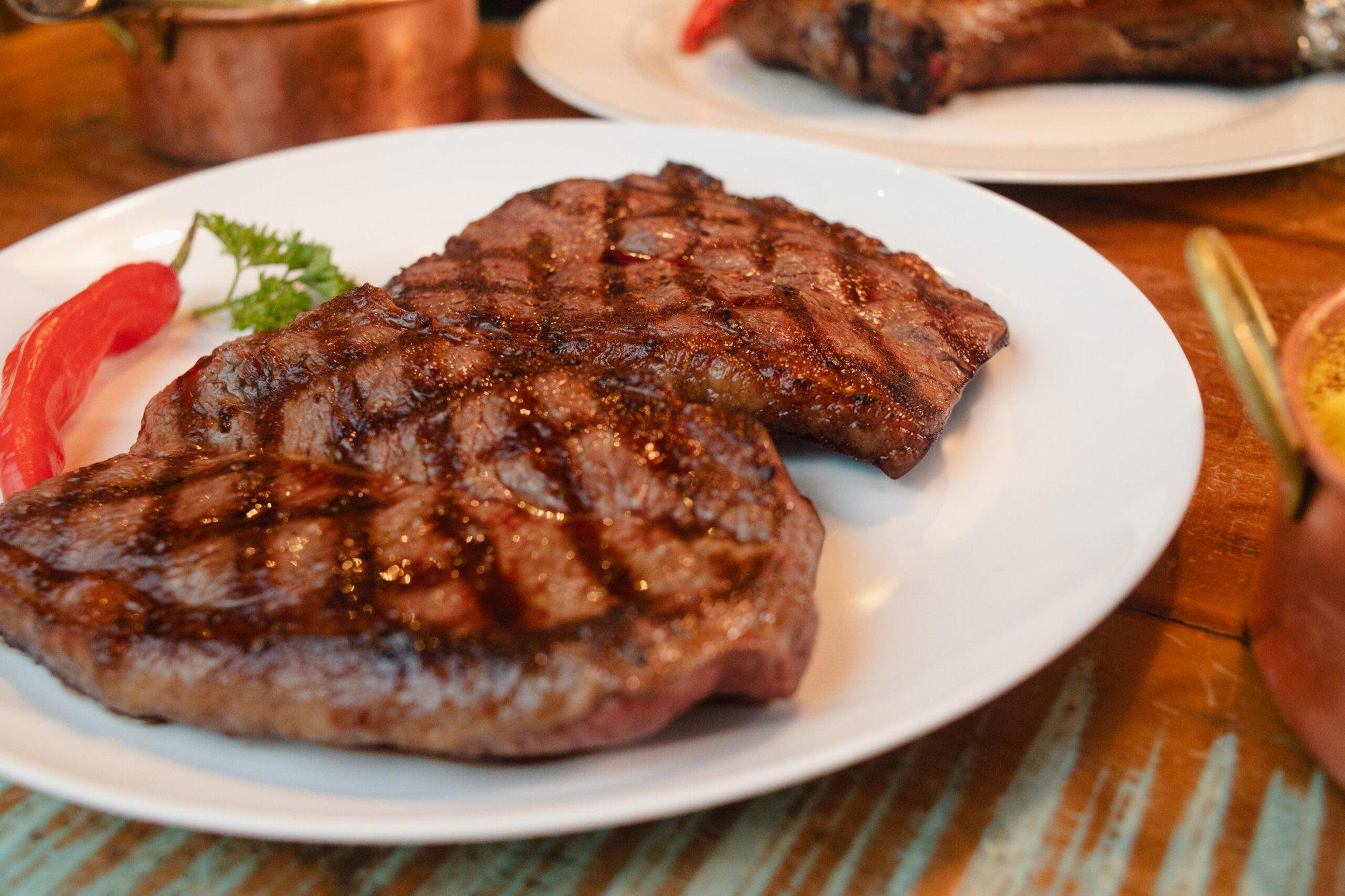
The menu
What to order
- Bife de chorizo
- Ojo de bife
- Asado de tira
Argentine Fire in Brazil's Bureaucratic Capital
Brasília was built on a drawing board, its geometry imposed on the cerrado plateau by planners who prioritised symmetry over accident. That origin shapes the city's dining scene in ways that still register today: restaurants here tend to cluster inside or adjacent to hotels along the Setor Hoteleiro Sul and Norte strips, serving a population that skews heavily toward government officials, conference delegates, and travellers passing through rather than settling. Dom Tango Parrilla Argentina sits inside this logic, occupying a ground-floor loja unit at the Bonaparte Hotel in Asa Sul — a neighbourhood that concentrates several of the city's more established international dining options within a walkable radius.
The choice of parrilla as a concept is worth contextualising. Argentine asado and its restaurant-format descendant, the parrilla, represent one of South America's most codified fire-cooking traditions. The discipline is built around open-fire or wood-burning grill work, with cuts — particularly costilla, vacío, and entraña, cooked low and slow to a degree that bears little resemblance to the quick-sear approach more common in Brazilian churrascarias. Where the Brazilian tradition runs toward the rodízio service format and quantity, Argentine parrilla typically emphasises fewer cuts, longer cook times, and a closer relationship between fire management and the final texture of the meat. In Brasília, where churrascarias are plentiful and the Brazilian barbecue tradition is deeply embedded, a restaurant anchoring itself to the Argentine model is making a deliberate positioning choice.
The Cultural Logic of a Parrilla in Brasília
Argentina and Brazil share the longest shared border of any two countries on the continent, and the River Plate culinary tradition has long held influence in southern Brazil, particularly in Rio Grande do Sul, where gaucho culture blurs the line between the two national barbecue canons. In Brasília, that cross-border tradition is more distant, geographically and culturally. The capital's population is drawn from across Brazil, with a heavy concentration of northeasterners and centristas whose home food traditions lean toward rice, beans, and roasted meats rather than the wood-fired cuts that define the pampas. This makes a dedicated parrilla operation here something of a cultural import, dependent on a diner base willing to seek out a specific tradition rather than defaulting to the familiar.
For South American travellers, particularly those accustomed to Buenos Aires parrillas like La Cabrera or Don Julio, two operations that have set international reference points for the format, a Brasília parrilla will inevitably be measured against that standard. The questions are practical: whether the wood or charcoal sourcing, the resting protocols, and the chimichurri production hold up to that comparison.
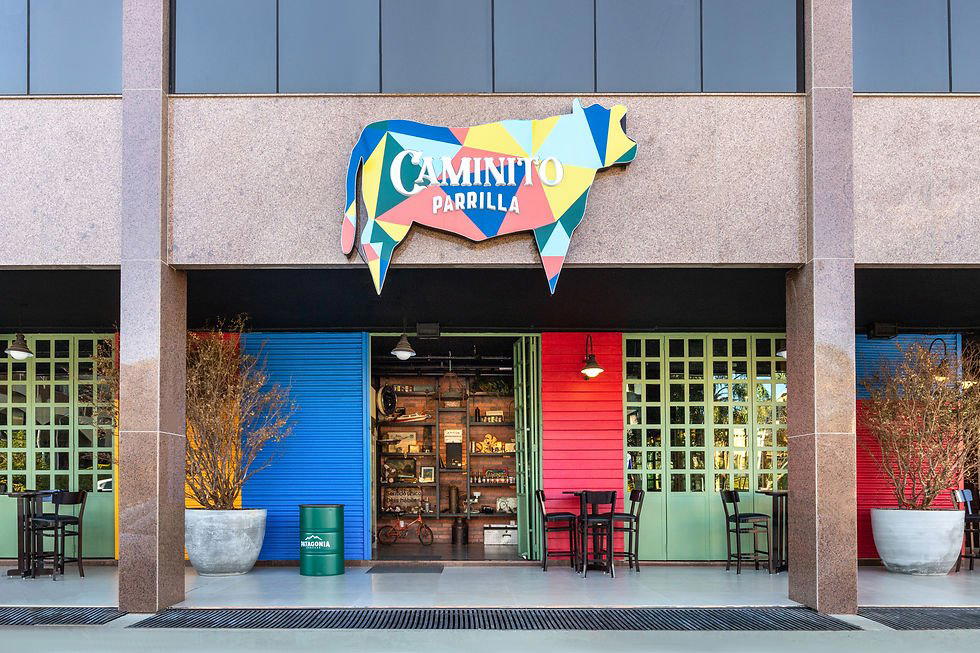
Within Brasília's own dining context, the restaurant sits in a tier occupied by hotel-adjacent and hotel-internal restaurants that serve a dual purpose: reliable options for guests who do not wish to travel far after a long day of meetings, and neighbourhood anchors for locals who value consistency. LAGO Restaurante and Gastronomia Gatto Nero represent other options in the broader Asa Sul orbit, each with a different cuisine identity. The Caminito Parrilla Asa Norte is the closest direct comparator, operating a similar Argentine parrilla concept on the north side of the hotel sector, the existence of two dedicated parrilla operations in the same city suggests a stable if modest demand for the format among Brasília's cosmopolitan professional class.
Where Dom Tango Fits the Brasília Dining Map
Asa Sul's restaurant corridor functions differently from the more organic dining districts that develop in cities without Brasília's planned structure. There are no narrow streets where independent restaurants accumulate over decades, no neighbourhood cafés that gradually become institutions. What exists instead is a series of blocks where food and hospitality services have concentrated because the city's design placed hotels and offices in proximity. Dom Tango's location inside the Bonaparte Hotel means it benefits from that hotel-sector foot traffic while operating as a loja-format unit, technically street-facing and accessible to non-hotel guests, which broadens its potential audience beyond the building's guests.
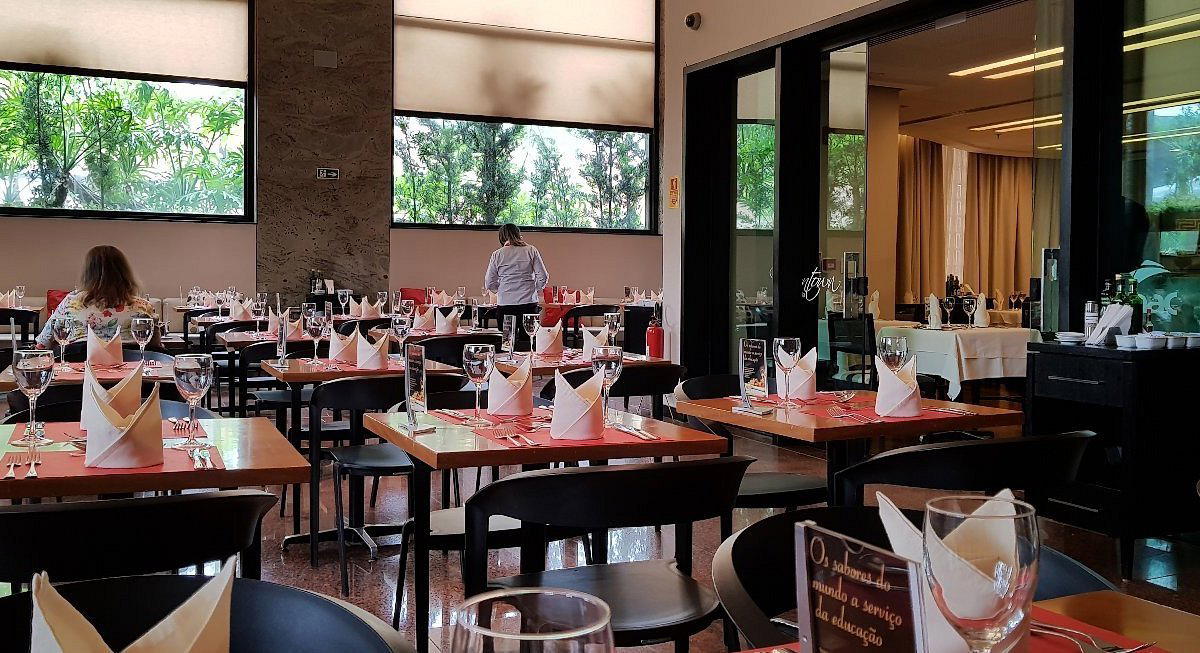
For travellers already exploring the city's dining options, Minas Bistro and Downtown Restaurante Escola SENAC offer distinct alternatives, the former grounded in Minas Gerais tradition, the latter in a training-restaurant format with broader Brazilian coverage. Together, these options reflect how Brasília's dining scene accommodates a transient, well-travelled population by offering a range of recognisable international and regional anchors rather than a deeply localised cuisine of its own.
Compared to Brazil's more gastronomically active cities, Brasília does not yet generate the kind of destination-dining attention that brings travellers to D.O.M. in São Paulo or Oteque in Rio de Janeiro. It is a working city, and its restaurants reflect that: the emphasis is on reliability and accessibility over experimentation. Dom Tango operates within that logic, offering a specific cultural tradition, Argentine parrilla, to a city that values having that option available without necessarily building a dining scene around it.
For readers building a broader picture of Brazil's restaurant scene, the EP Club covers a wide range of regions. Manu in Curitiba, Primrose in Gramado, and Birosca S2 in Belo Horizonte each represent distinct regional dining cultures worth understanding in relation to the capital. Beyond Brazil, international reference points like Le Bernardin in New York City and Lazy Bear in San Francisco illustrate the global range of serious dining formats that EP Club tracks. See the full Brasília restaurants guide for a complete picture of what the capital offers across price points and cuisine types.
Planning Your Visit
Dom Tango Parrilla Argentina is located at St. Hoteleiro Sul Q. 2, Ed. Bonaparte Hotel, Bl J Loja 101, Asa Sul, Brasília, accessible from the main hotel sector boulevard and walkable from several neighbouring hotel properties. As a loja-format restaurant within a hotel building, it is open to walk-in guests as well as hotel residents, though visitors planning around a specific evening would be advised to confirm current hours and availability directly on arrival or through the hotel front desk, as centralised contact details are not currently listed in public directories. The Asa Sul hotel sector is well-served by taxi and rideshare from the city centre and Brasília's main transit corridors, making it a practical dinner destination regardless of where in the city you are staying.
Frequently asked questions
Where exactly is Dom Tango Parrilla Argentina?
Dom Tango Parrilla Argentina is located at St. Hoteleiro Sul Q. 2 Ed. Bonaparte Hotel, Bl J Loja, 101 - Asa Sul, Brasília - DF, 70297-400, Brazil, Brasilia.
Does Dom Tango Parrilla Argentina serve Argentine wine alongside its parrilla menu?
No wine list data for Dom Tango is currently confirmed in EP Club's records, but Argentine parrilla restaurants across South America conventionally anchor their wine programmes to Mendoza Malbec — the regional pairing logic for fire-cooked beef is well established. The Bonaparte Hotel address provides a fixed point of contact for pre-visit enquiries.
What do regulars order at Dom Tango Parrilla Argentina?
At an Argentine parrilla, the menu logic follows the grill: entraña (skirt steak), vacío (flank), and costilla (short rib) are the cuts that define the tradition. In Brasília, where the broader restaurant scene leans toward Brazilian churrasco formats, Dom Tango's Argentine-specific approach to fire and butchery is a point of distinction. Order across multiple cuts rather than a single centrepiece — that is how the River Plate parrilla tradition is built.
Can I walk in to Dom Tango Parrilla Argentina?
Dom Tango occupies a loja unit — a street-level commercial space inside the Bonaparte Hotel complex at St. Hoteleiro Sul Q. 2, Asa Sul — making it physically accessible without passing through the hotel lobby. No reservations policy is currently documented in EP Club's records, so walk-in access is structurally plausible, though arriving during peak dinner hours in a hotel-adjacent dining room carries the usual risk of limited seating. Contacting the venue directly before visiting is advisable.
What do critics highlight about Dom Tango Parrilla Argentina?
What the venue's positioning does establish is a clear niche: Argentine parrilla in Brasília's Asa Sul hotel corridor, a format underrepresented in the city's more domestically oriented dining scene. That specificity tends to build a loyal repeat clientele even without formal critical endorsement.
Is Dom Tango Parrilla Argentina allergy-friendly?
No allergy or dietary accommodation data for Dom Tango is currently held in EP Club's records. Argentine parrilla menus are structurally meat-forward — the grill is the kitchen's centre — which limits flexibility for guests with significant dietary restrictions. Anyone with specific requirements should contact the Bonaparte Hotel address directly at St. Hoteleiro Sul Q. 2, Asa Sul, Brasília, before visiting.
A Pricing-First Comparison
| Venue | Cuisine | Price |
|---|---|---|
| Dom Tango Parrilla ArgentinaThis venue — the venue you are viewing | Argentine Parrilla Steakhouse | $50–100 |
| Caminito Parrilla Asa Norte | Authentic Argentinian Parrilla | $20–30 |
| Downtown Restaurante Escola SENAC | Brazilian | Not listed |
| Gastronomia Gatto Nero | Traditional Italian Trattoria | $30–50 |
| LAGO Restaurante | Italian-Brazilian | Not listed |
| Minas Bistro | Brazilian Bistro | $30–50 |
Continue exploring
More in Brasilia
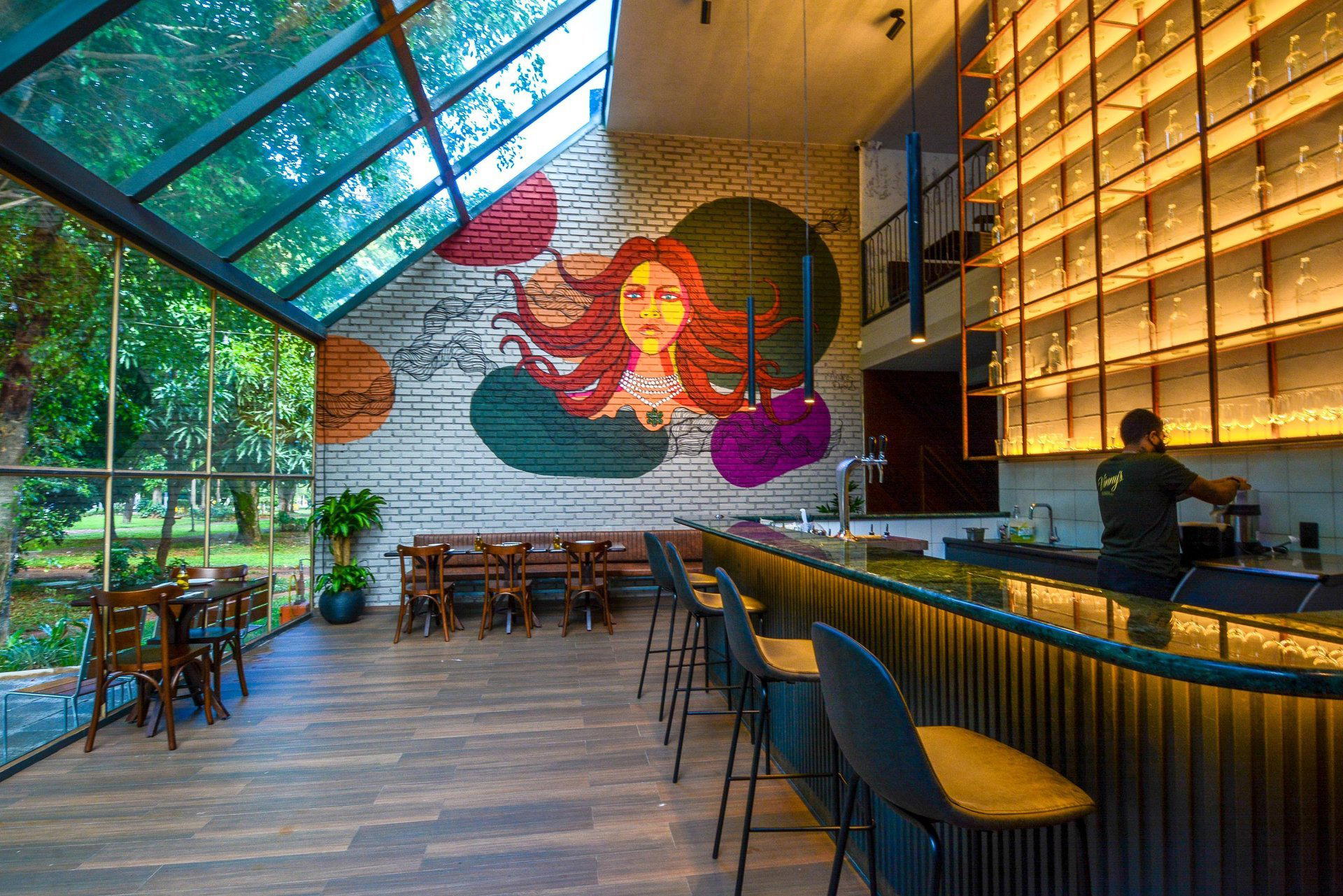
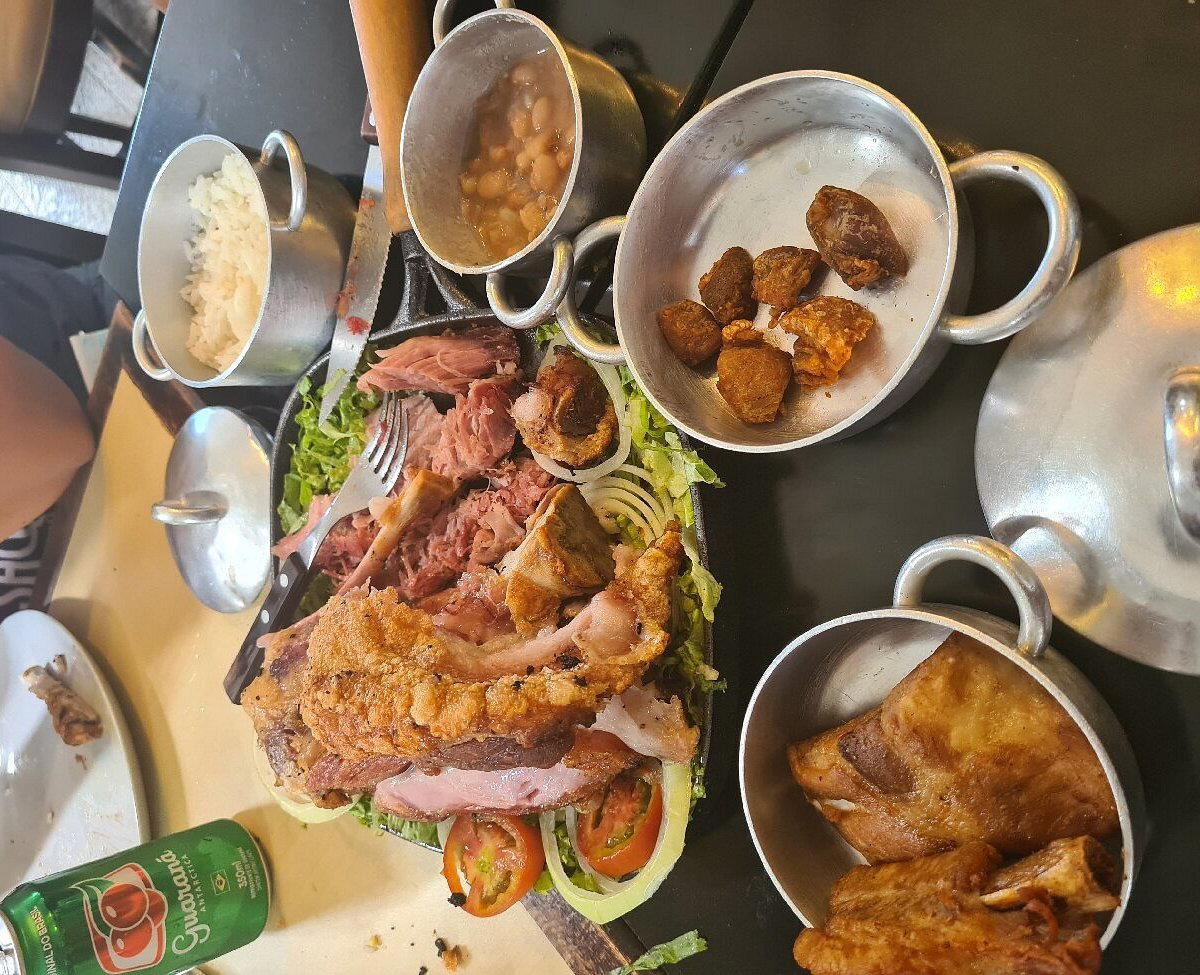
Dom Tango Parrilla Argentina
The wine
- Wine program
- Curated wine list
- Extensive wine list
Details
- Cozy
- Elegant
- Sophisticated
- Intimate
- Date Night
- Business Dinner
- Group Dining
- Family
- Celebration
- Private Dining
- Extensive Wine List
- A La Carte
- Wine
Current opening hours
- Monday
- 12–3 PM, 7–11 PM
- Tuesday
- 12–3 PM, 7–11 PM
- Wednesday
- 12–3 PM, 7–11 PM
- Thursday
- 12–3 PM, 7–11 PM
- Friday
- 12–3 PM, 7–11 PM
- Saturday
- 12–3 PM, 7–11 PM
- Sunday
- 12–4 PM
Hours can change for holidays and private events. Last verified .
Cozy and sophisticated with beautiful decoration, intimate atmosphere, and attention to detail.