Our verdict
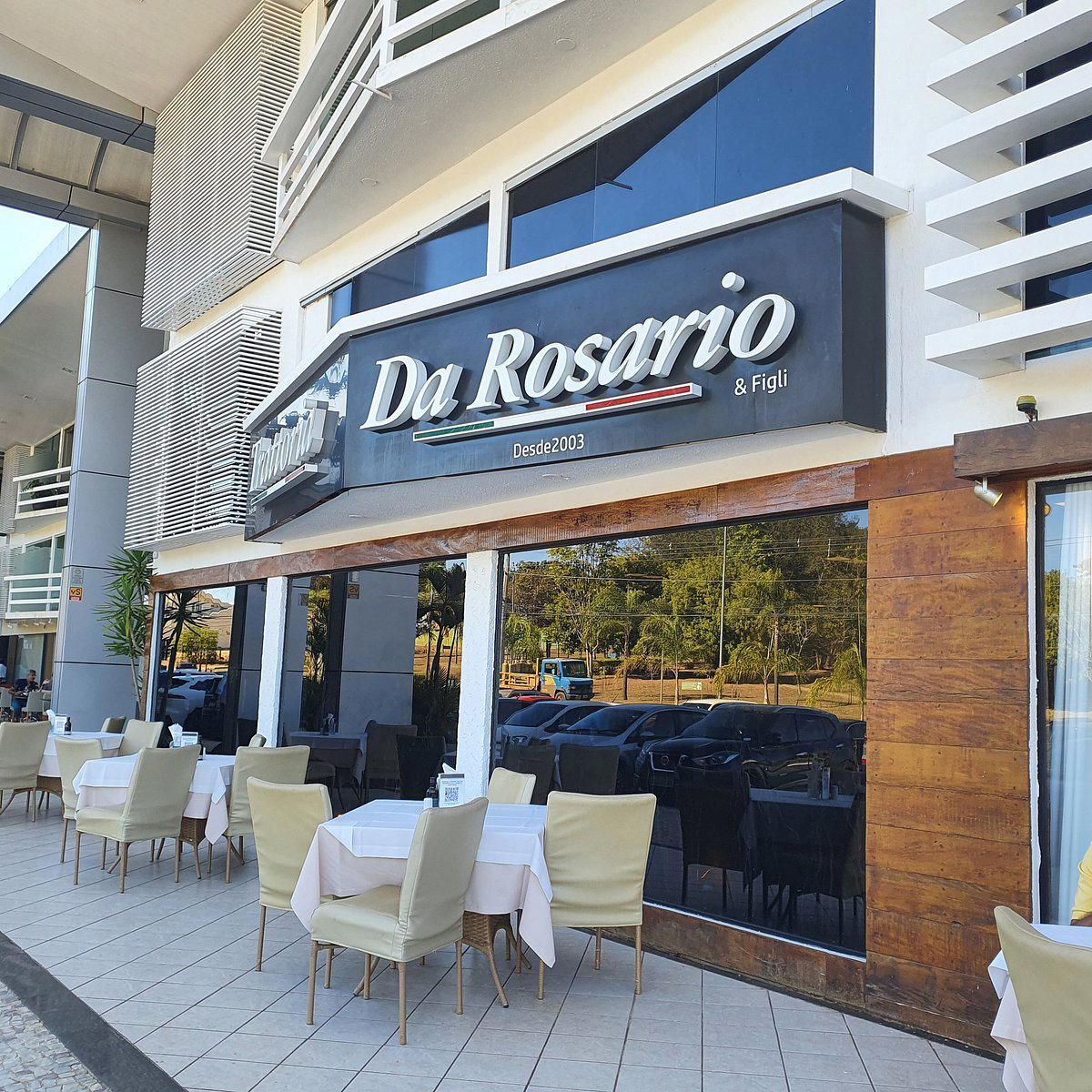
Trattoria da Rosário operates out of Lago Sul, one of Brasília's more residential and quietly affluent lakeside quarters, where Italian trattoria cooking has carved a distinct niche separate from the capital's formal dining circuit. The address places it away from the Asa Norte restaurant corridor, drawing a neighbourhood crowd that returns for consistency rather than novelty. For Italian-leaning dining in Brasília, it sits in a different register than the city's Argentine parrillas or contemporary Brazilian kitchens.

Pearl is the En Primeur Club membership app — saves, bookings, and concierge access live there. Same editors, same standards.
- Address
- SHIS QI 17 Lj.215 - Lago Sul, Brasília - DF, 71645-500, Brazil
- Phone
- +556132481672
- Hours
- Mon ClosedTue–Fri 12–3 PM, 7:30 PM–12 AMSat 12–4 PM, 7:30 PM–12 AMSun 12–5 PM
- Website
- bit.ly
- Directions
- Get directions
- Booking
- Book on the venue's website
The menu
What to order
- Risotto golfo di napoli
- Polpettone napoletano
- Spaghetti alla bolognese
- Fettuccine cinque terre
Lago Sul and the Quiet Case for Neighbourhood Italian
Brasília's restaurant map divides fairly cleanly between the commercial corridors of Asa Norte and Asa Sul and the more residential lakeside quarters to the south and east. Lago Sul belongs to the latter category: a planned residential zone of embassies, tree-lined streets, and a dining culture shaped more by repeat locals than by destination-seekers arriving from across the city. It is in this context that a trattoria format makes particular sense. Italian neighbourhood restaurants have always depended on proximity and repetition rather than spectacle, and Lago Sul provides the right conditions for both.
Trattoria da Rosário sits at SHIS QI 17, a commercial block within Lago Sul that serves the surrounding residential streets. The address itself signals the venue's orientation: this is not a restaurant positioning itself against the Argentine parrillas of Asa Norte, such as Caminito Parrilla Asa Norte or Dom Tango Parrilla Argentina, nor is it competing with the more formal contemporary dining represented by LAGO Restaurante. The competitive set is different: casual Italian in a city where Italian-Brazilian culinary heritage is well established in the south of the country but less dominant in the federal capital.
The Trattoria Format in a Brazilian Context
Italy's influence on Brazilian cooking is concentrated most visibly in the south, particularly in Rio Grande do Sul and Santa Catarina, where waves of Venetian and Lombard immigration from the late nineteenth century shaped regional food culture. Venues like Cantina Pozzobon in Santa Maria represent that inheritance directly. In Brasília, a planned city with no pre-colonial food memory of its own, the Italian trattoria tradition arrives without that deep regional rooting, which changes the format slightly. It becomes more about the international legibility of the cuisine — pasta, olive oil, slow-cooked sauces, the logic of antipasto followed by primo and secondo — and less about local specificity.
This is not a criticism. The trattoria model has always been adaptable, and in a capital city where the dining public includes diplomats, civil servants, and a genuinely international residential population, a format with broad European appeal has a natural constituency. The question for any trattoria operating in this environment is whether it commits to the format's discipline, restraint in number of covers, consistency across services, a kitchen that understands the difference between a well-made ragù and a hurried one, or drifts toward a generalist casual-Italian positioning that satisfies broadly but distinguishes itself on nothing.
Front-of-House, Kitchen, and the Collaboration That Defines the Room
In Italian restaurant culture, the relationship between the dining room and the kitchen is not incidental to the experience, it is the experience. The trattoria tradition, at its most functional, depends on a floor team that knows the menu deeply enough to guide guests without performance, and a kitchen that trusts the front-of-house to communicate what the room needs on a given night. This dynamic is what separates a trattoria with staying power from one that is merely convenient.
At the higher end of this format, as seen in destinations like Lasai in Rio de Janeiro or internationally at Le Bernardin in New York City, the front-of-house and kitchen collaboration is formalised and visible. At the neighbourhood trattoria level, it operates less visibly but is no less important: the server who knows which pasta is running low, who can recommend a wine by the glass that matches the secondi, who understands the pace at which the kitchen is operating on a busy evening. These small competencies are what a regular clientele notices and returns for.
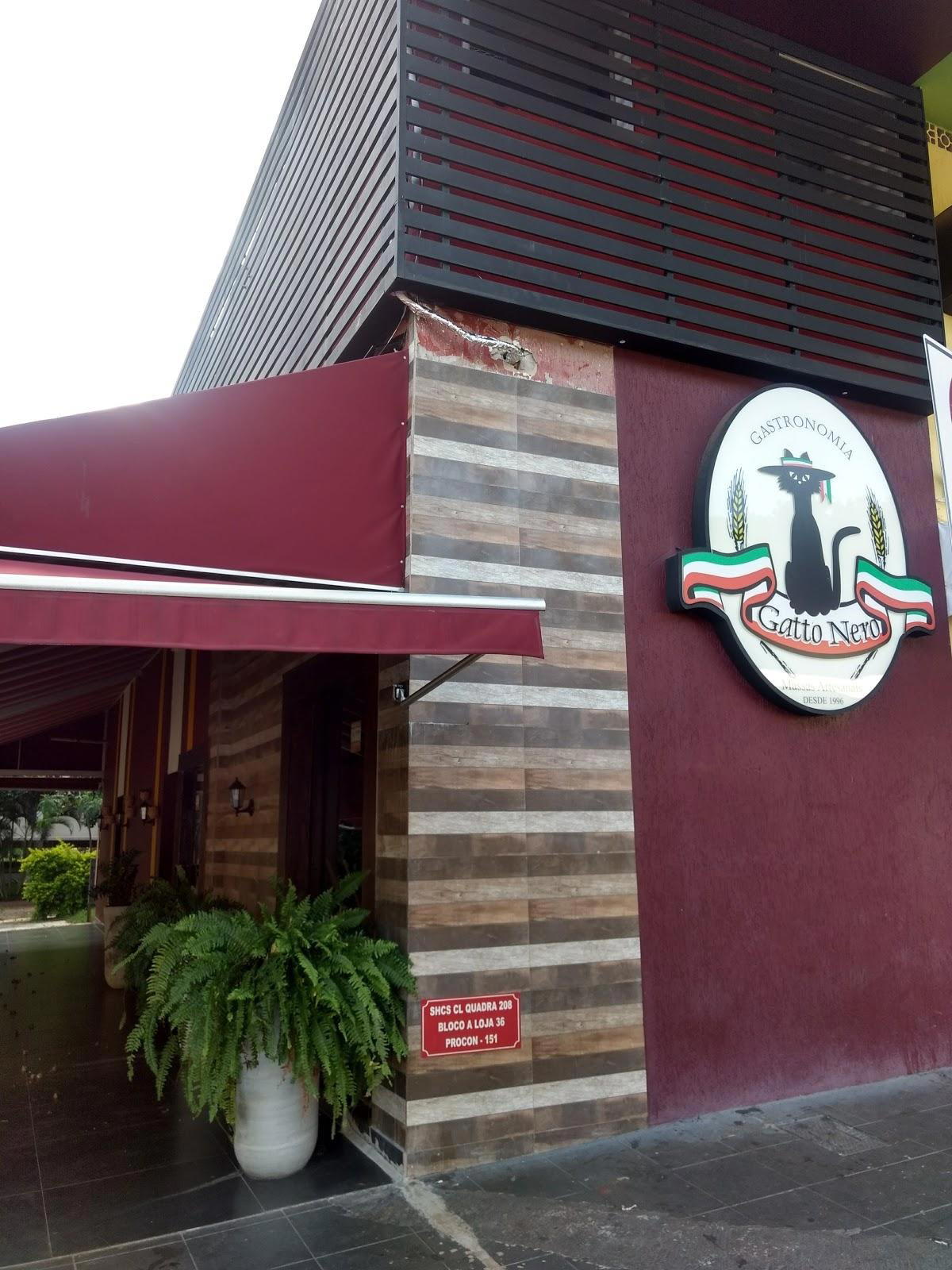
Brasília's dining scene, assessed across venues such as Gastronomia Gatto Nero and the training-ground model represented by Downtown Restaurante Escola SENAC, reflects a city that has developed genuine hospitality infrastructure despite being a relatively young capital. The city's restaurant culture is not yet as layered as São Paulo, where D.O.M. represents a different tier of ambition entirely, but Lago Sul in particular has shown that a locally-rooted, repeat-visit restaurant model can sustain itself outside the main commercial corridors.
Placing Trattoria da Rosário in the Broader Brasília Conversation
For travellers approaching Brasília's restaurant options from outside the city, the useful frame is peer-set comparison rather than isolated venue assessment. The Argentine parrilla format, represented in Brasília by venues like Dom Tango Parrilla Argentina, occupies a distinct register: meat-forward, often wood-fired, with a South American identity that plays well to both local and international diners. Italian trattoria cooking occupies a different register: pasta and sauce-led, lighter in protein emphasis, with wine integration that tends toward European rather than South American producers.
The Lago Sul address also distinguishes Trattoria da Rosário from venues that position themselves more centrally for the business-lunch or government-district crowd. Dining in Lago Sul tends to happen at a slower pace, with a clientele that is arriving by car from nearby streets rather than from across the city. That shapes the room's rhythm, the service model, and the degree to which the kitchen can operate consistently rather than reactively.
For a broader view of where Trattoria da Rosário fits within Brasília's dining options, the full Brasília restaurants guide maps the city's main corridors and neighbourhood-level dining against each other. Elsewhere in Brazil, regional Italian heritage expresses itself in venues from Bistro Fitz Carraldo in Manaus to Casa da Flor Restaurante in Dourados, each reflecting the different ways European culinary traditions have been absorbed into the country's regional food cultures.
Planning a Visit
Trattoria da Rosário is located at SHIS QI 17 Lj.215 in Lago Sul, Brasília. The Lago Sul quarter is primarily car-dependent from central Brasília, and the SHIS commercial blocks are organised around local residential traffic rather than public transport access. Visitors staying in Asa Sul or the Plano Piloto area should plan for a short drive south. Given the neighbourhood orientation of the venue, booking ahead for weekend evenings is advisable, as local regulars tend to fill tables on those services more consistently than midweek.
Frequently asked questions
What part of town is Trattoria da Rosário in?
Trattoria da Rosário is located at SHIS QI 17 Lj.215 - Lago Sul, Brasília - DF, 71645-500, Brazil, Brasilia.
Is Trattoria da Rosário suitable for a business lunch in Brasília?
The trattoria format and Lago Sul address at SHIS QI 17 position Trattoria da Rosário toward the relaxed end of the dining spectrum rather than the formal business-dining tier occupied by restaurants closer to Brasília's government and commercial centres. That said, neighbourhood Italian in a lakeside residential setting can serve a certain kind of working lunch well — lower noise, less footfall, and a pace that doesn't rush tables. Travellers requiring a central Brasília address for a business meal should account for the drive from Asa Norte or the Plano Piloto.
What's the must-try dish at Trattoria da Rosário?
The trattoria format — which this restaurant follows by name and apparent positioning in Lago Sul — typically anchors its offer in pasta, slow-cooked proteins, and shared antipasti rather than tasting-menu theatre. Asking the room what arrived that day is the better move than arriving with a fixed order in mind.
How hard is it to get a table at Trattoria da Rosário?
Lago Sul is a primarily car-dependent, residential district rather than a high-footfall dining strip, which generally reduces walk-in competition at venues in the area. Arriving with a phone number sourced locally or through Brasília dining communities is the practical approach before visiting.
What is Trattoria da Rosário known for?
Trattoria da Rosário operates in Lago Sul, the residential lakeside quarter of Brasília, positioning itself as a neighbourhood trattoria away from the denser commercial dining corridors of Asa Norte and Asa Sul. The trattoria format itself signals a particular register: informal, room-driven, and rooted in Italian cooking traditions that arrived in Brazil through successive waves of immigration concentrated in the country's south. In Brasília's restaurant map, that combination of location and format is relatively uncommon.
Price and Positioning
Comparable venues nearby, for context on price, style, and recognition.
| Venue | Cuisine | Price | Awards | Notes |
|---|---|---|---|---|
| Trattoria da RosárioThis venue — the venue you are viewing | Authentic Italian Trattoria | $30–50 | Not listed | Not listed |
| Gastronomia Gatto Nero | Traditional Italian Trattoria | $30–50 | Not listed | Lago Sul, Traditional Italian Trattoria |
| Baco Pizzaria | Artisanal Italian Pizzeria | $20–30 | 50 Top Pizza Latin America #22 | Asa Norte, Artisanal Italian Pizzeria |
| Downtown Restaurante Escola SENAC | Brazilian | Not listed | Not listed | Asa Sul, Brazilian |
| Taypá | Authentic Peruvian Cevicheria | $30–50 | Not listed | Lago Sul, Authentic Peruvian Cevicheria |
| Dom Tango Parrilla Argentina | Argentine Parrilla Steakhouse | $50–100 | Not listed | St. Hoteleiro Sul, Argentine Parrilla Steakhouse |
Continue exploring
More in Brasilia
Trattoria da Rosário
The wine
- Wine program
- Curated wine list
- Extensive wine list
Details
- Elegant
- Sophisticated
- Cozy
- Romantic
- Rustic
- Date Night
- Business Dinner
- Special Occasion
- Private Dining
- Extensive Wine List
- A La Carte
- Vegetarian Friendly
Current opening hours
- Monday
- Closed
- Tuesday
- 12–3 PM, 7:30 PM–12 AM
- Wednesday
- 12–3 PM, 7:30 PM–12 AM
- Thursday
- 12–3 PM, 7:30 PM–12 AM
- Friday
- 12–3 PM, 7:30 PM–12 AM
- Saturday
- 12–4 PM, 7:30 PM–12 AM
- Sunday
- 12–5 PM
Hours can change for holidays and private events. Last verified .
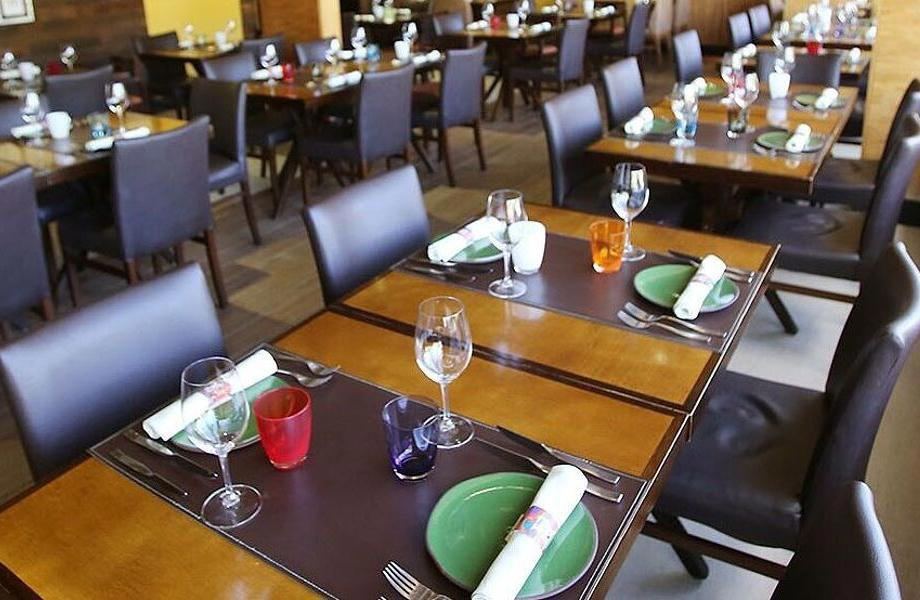
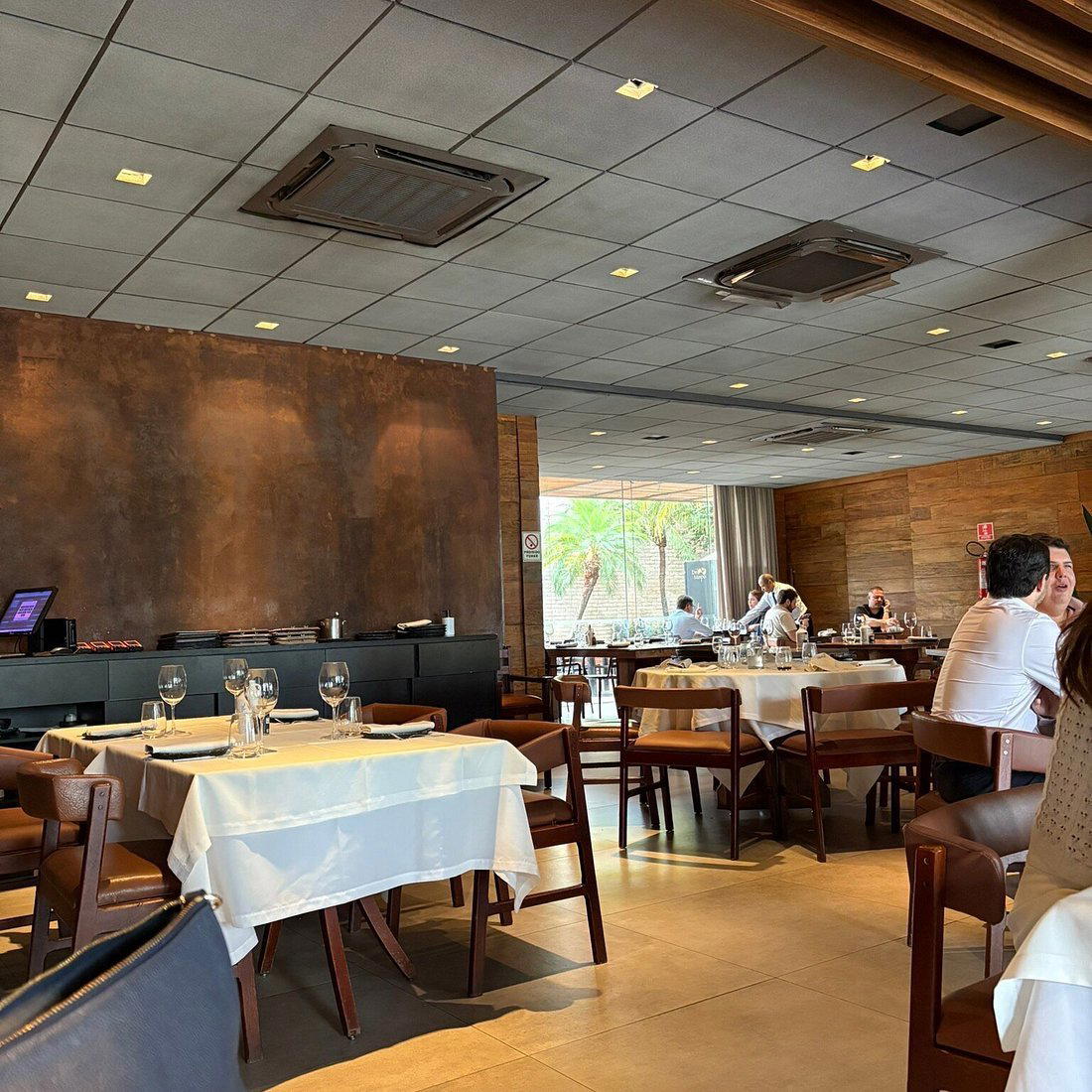
Sophisticated and elegant with traditional Italian decor including checkered tablecloths, candlelight, and intimate lighting.