Our verdict
Minas Bistro operates in Brasília's Sudoeste neighbourhood, a residential district that has quietly developed one of the capital's more considered dining scenes. The bistro format positions it within a mid-tier bracket that sits between the city's formal special-occasion restaurants and its casual neighbourhood options — a range where Brazilian comfort cooking and regional ingredient traditions tend to do their most honest work.

Pearl is the En Primeur Club membership app — saves, bookings, and concierge access live there. Same editors, same standards.
- Address
- St. Sudoeste CLSW 300 B Bloco 01 Loja 20 e 21 - Sudoeste/Octogonal, Brasília - DF, 70673-073, Brazil
- Phone
- +556133415640
- Hours
- Mon–Fri 11:45 AM–3 PM, 6–10:30 PMSat–Sun 11:45 AM–3:30 PM, 6–10:30 PM
- Website
- bit.ly
- Directions
- Get directions
- Booking
- Book on the venue's website
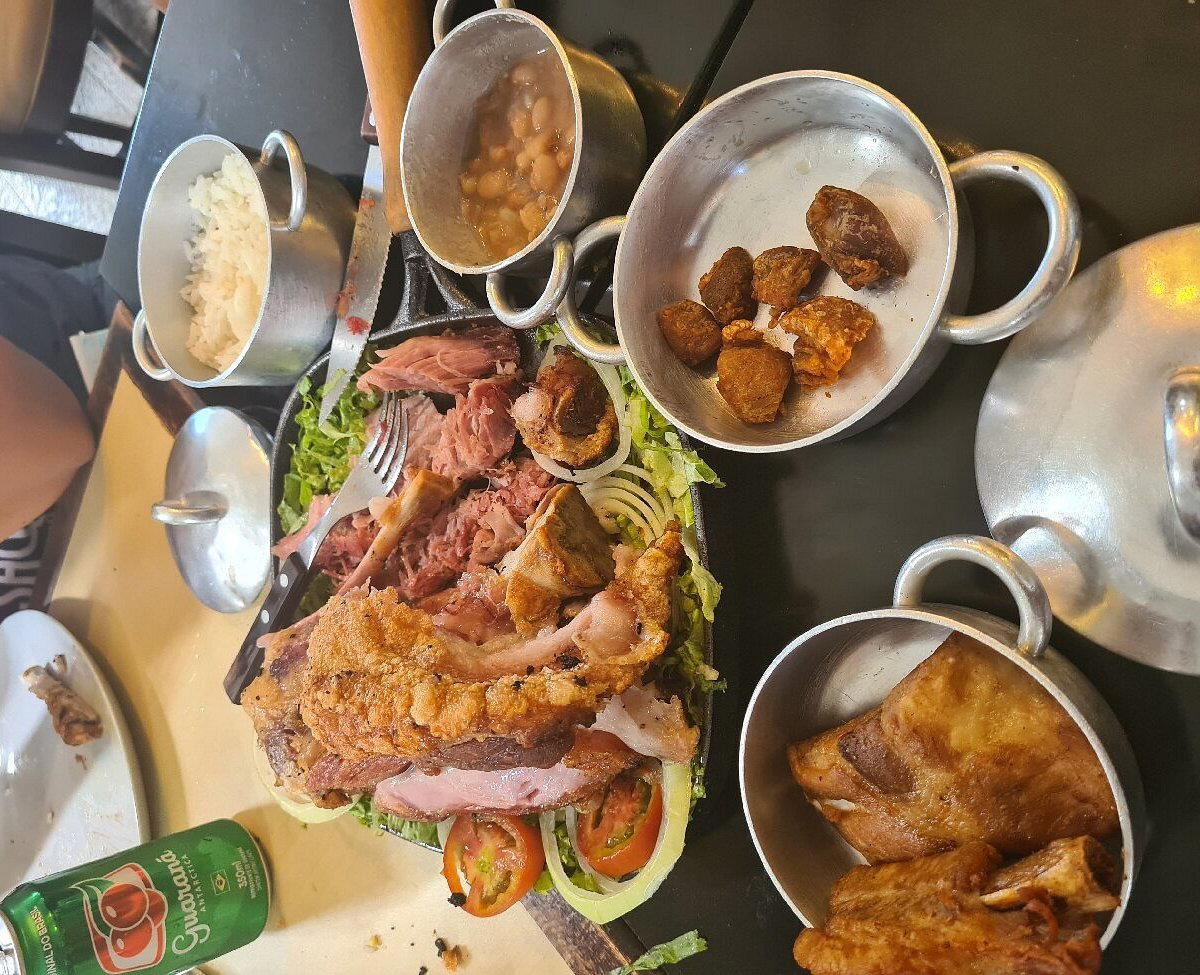
Sudoeste and the Case for Neighbourhood Dining in Brasília
Brasília's dining geography tends to follow its urban planning logic: the central corridors attract the high-profile addresses, while the residential sectors develop their own quieter, more functional food cultures. Sudoeste is one of the latter. The neighbourhood's commercial strips — built into the ground floors of the district's apartment blocks — host the kind of restaurants that serve people who actually live nearby: places where the rhythm of service matters as much as the food on the plate, and where a table on a weeknight is less a reservation and more a routine. Minas Bistro sits on that strip at St. Sudoeste CLSW 300 B, occupying two adjoining units in a layout that suggests a preference for scale-appropriate intimacy over the large-format dining rooms that dominate the planned city's more formal zones.
The Bistro Format as a Dining Ritual
The bistro register in Brazilian cities is a specific cultural agreement between kitchen and guest. It is not the prix-fixe ceremony of a tasting-menu house like D.O.M. in São Paulo, nor the theatrical precision that defines counters such as Atomix in New York City. A bistro, in the Brazilian urban sense, operates on a different pacing contract: dishes arrive as they are ready, portions are sized for sharing or for solo comfort, and the expectation is a meal that runs at a human tempo rather than a choreographed one. The name Minas Bistro signals something specific within this register. Minas Gerais cuisine is one of Brazil's most regionally coherent cooking traditions, built around bean-and-pork combinations, slow-cooked preparations, preserved ingredients, and dairy products from the state's pastoral interior. When a Brasília address adopts that identity, it is positioning itself within a broader tradition of comfort-focused, interior-Brazilian cooking rather than the coastal or international idioms that compete for the capital's dining attention.
This framing matters for how you approach a meal here. Regional Brazilian cooking at the bistro level tends to reward a certain mode of eating: unhurried, order-and-see, built around a table that accumulates dishes gradually rather than one that follows a linear three-course arc. The ritual is closer to a long afternoon lunch than to a formal dinner service, even when the setting is evening.
Where Minas Bistro Sits in the Brasília Scene
Brasília's restaurant scene spans a range that the city's political and diplomatic population has shaped since the capital's founding in 1960. The formal end includes addresses that track international acclaim, and the capital's better neighbourhoods have developed food corridors competitive with those of larger Brazilian cities. For a broader view of what the capital offers across price tiers and cuisines, the full Brasília restaurants guide maps the range in useful detail.
Within Sudoeste specifically, the competition includes several addresses worth knowing. LAGO Restaurante and Gastronomia Gatto Nero represent different registers of the neighbourhood's more formal options, while the Argentine-leaning meat formats at Caminito Parrilla Asa Norte and Dom Tango Parrilla Argentina occupy the grilled-meat niche that competes directly with any Brazilian kitchen emphasising regional protein traditions. The Downtown Restaurante Escola SENAC adds an educational-format dimension to the city's mid-tier options, functioning as a training-house restaurant in a tradition found across Brazilian cities.
Minas Bistro's Sudoeste address puts it in a residential context that is distinct from Brasília's more visitor-oriented corridors. The crowd skews toward residents rather than tourists or visiting officials, which tends to produce a more reliable consistency in service, the kitchen is cooking for the same people repeatedly, which is a different discipline from cooking for passing traffic.
Regional Cooking in the Capital: A Broader Pattern
The presence of Minas Gerais-style cooking in Brasília reflects a geographical and demographic reality. The capital draws its population from across Brazil, but its proximity to Minas Gerais, the state border lies roughly 70 kilometres north of the city, means that Mineiro culinary culture has significant presence here. Dishes built around feijão tropeiro, tutu de feijão, frango com quiabo, and queijo Minas represent a cooking grammar that a large portion of the capital's residents recognise as comfort food from childhood or from family. A bistro operating in this register is not making an exotic pitch; it is serving recognisable, regionally rooted food to people for whom it is familiar territory.
This differs substantially from how regional Brazilian cuisines function in São Paulo or Rio, where Mineiro food carries more of a novelty or nostalgia premium. In Brasília, closer to the source, it is simply part of how the city eats. Restaurants operating in this mode sit in a competitive bracket defined more by execution quality and value consistency than by concept novelty. For reference points in other Brazilian cities where regional cooking has developed into more formalist expressions, Lasai in Rio de Janeiro shows how ingredient-focused Brazilian cooking can scale toward fine-dining ambition.
Planning Your Visit
Minas Bistro's address at St. Sudoeste CLSW 300 B, Bloco 01, Lojas 20 e 21, places it in the walkable commercial band of the Sudoeste neighbourhood. The double-unit format suggests a dining room with enough space to absorb a moderately busy service without feeling crowded, though precise seat counts are not confirmed. For visitors staying in central Brasília, the Sudoeste district is accessible by taxi or app-based transport in under ten minutes from most hotel zones. Booking details, current hours, and contact information are best confirmed through a direct search or map listing, as these are subject to change. The bistro format and residential setting suggest the kitchen will be most consistent at lunch and early dinner, when neighbourhood restaurants in this mode tend to run at their natural pace.
For context on comparable regional dining experiences across Brazil, addresses such as Bistro Fitz Carraldo in Manaus and Cantina Pozzobon in Santa Maria illustrate how the bistro and regional-kitchen format adapts across different Brazilian cities and demographic contexts. Elsewhere, Casa da Flor Restaurante in Dourados, Arte e café Imperial in Angra Dos Reis, Aero Burguer e Grill in Santa Cruz Do Sul, Famosa Pizza in Ribeirao Preto, Casa da Dika Restô e Eventos in Braganca, Casa da Picanha Penedo in Itatiaia, and Le Bernardin in New York City each represent different calibrations of the kitchen-to-guest pacing contract that defines how a room earns its repeat visitors.
Frequently asked questions
What's Minas Bistro's location?
Minas Bistro is located at St. Sudoeste CLSW 300 B Bloco 01 Loja 20 e 21 - Sudoeste/Octogonal, Brasília - DF, 70673-073, Brazil, Brasilia.
What is the atmosphere like at Minas Bistro compared to Brasília's central dining options?
Minas Bistro sits in the commercial strip of Sudoeste at CLSW 300 B, Bloco 01, a walkable residential quarter distinct from the formal restaurant addresses that cluster around Brasília's central corridors. Where the capital's higher-profile venues have historically served a political and diplomatic clientele, a neighbourhood bistro in Sudoeste operates on a different social register — more local, more repeat-visitor-driven. That context shapes the atmosphere as much as the room itself does.
What do regulars order at Minas Bistro?
Minas Bistro draws its identity from the cooking traditions of Minas Gerais, a state whose pantry — dried pork, slow-cooked beans, fermented dairy, corn-based preparations — defines some of Brazil's most deeply rooted comfort food. Regulars likely gravitate toward the dishes that anchor that regional register.
Is Minas Bistro reservation-only?
The restaurant occupies two adjacent commercial units at CLSW 300 B, Bloco 01, Lojas 20 e 21 in Brasília's Sudoeste neighbourhood, suggesting a mid-sized footprint. Contacting the venue directly before visiting is advisable, particularly for larger groups or weekend evenings.
What makes Minas Bistro worth seeking out?
Minas Bistro operates in Sudoeste, a residential district that sits outside Brasília's central dining corridor, which means it functions as a genuine neighbourhood address rather than a high-profile destination built for diplomatic or government clientele. The mineiro cooking tradition it draws from is one of Brazil's most coherent regional cuisines, historically underrepresented in the capital's more formal restaurant scene. That combination — approachable bistro format, specific regional focus, residential location — gives it a different function from the centre-city addresses.
Can Minas Bistro accommodate dietary restrictions?
No specific dietary accommodation data is available for Minas Bistro. Minas Gerais cooking is traditionally meat-heavy and dairy-forward, so guests with restrictions should contact the restaurant at its Sudoeste location before visiting to confirm what adjustments the kitchen can make.
Is Minas Bistro worth the price?
Pricing information for Minas Bistro has not been publicly documented. The bistro format in Brazilian cities generally positions itself between casual neighbourhood plates and formal tasting-menu dining, offering a middle register that tends to reflect fair market pricing for the neighbourhood. Sudoeste is a mid-range residential district in Brasília, which typically anchors expectations accordingly.
Cuisine and Awards Snapshot
Comparable venues nearby, for context on price, style, and recognition.
| Venue | Cuisine | Price | Awards | Notes |
|---|---|---|---|---|
| Minas BistroThis venue — the venue you are viewing | Brazilian Bistro | $30–50 | Not listed | Not listed |
| Downtown Restaurante Escola SENAC | Brazilian | Not listed | Not listed | Asa Sul |
| Dom Tango Parrilla Argentina | Argentine Parrilla Steakhouse | $50–100 | Not listed | St. Hoteleiro Sul |
| LAGO Restaurante | Italian-Brazilian | Not listed | Not listed | Lago Sul |
| Caminito Parrilla Asa Norte | Authentic Argentinian Parrilla | $20–30 | Not listed | Asa Norte |
| Vinny’s | Neapolitan Pizza | Not listed | 50 Top Pizza Latin America #34 | Brasilia |
Continue exploring
More in Brasilia
Details
- Cozy
- Classic
- Casual Hangout
- Family
- A La Carte
- Vegetarian Friendly
Current opening hours
- Monday
- 11:45 AM–3 PM, 6–10:30 PM
- Tuesday
- 11:45 AM–3 PM, 6–10:30 PM
- Wednesday
- 11:45 AM–3 PM, 6–10:30 PM
- Thursday
- 11:45 AM–3 PM, 6–10:30 PM
- Friday
- 11:45 AM–3 PM, 6–10:30 PM
- Saturday
- 11:45 AM–3:30 PM, 6–10:30 PM
- Sunday
- 11:45 AM–3:30 PM, 6–10:30 PM
Hours can change for holidays and private events. Last verified .
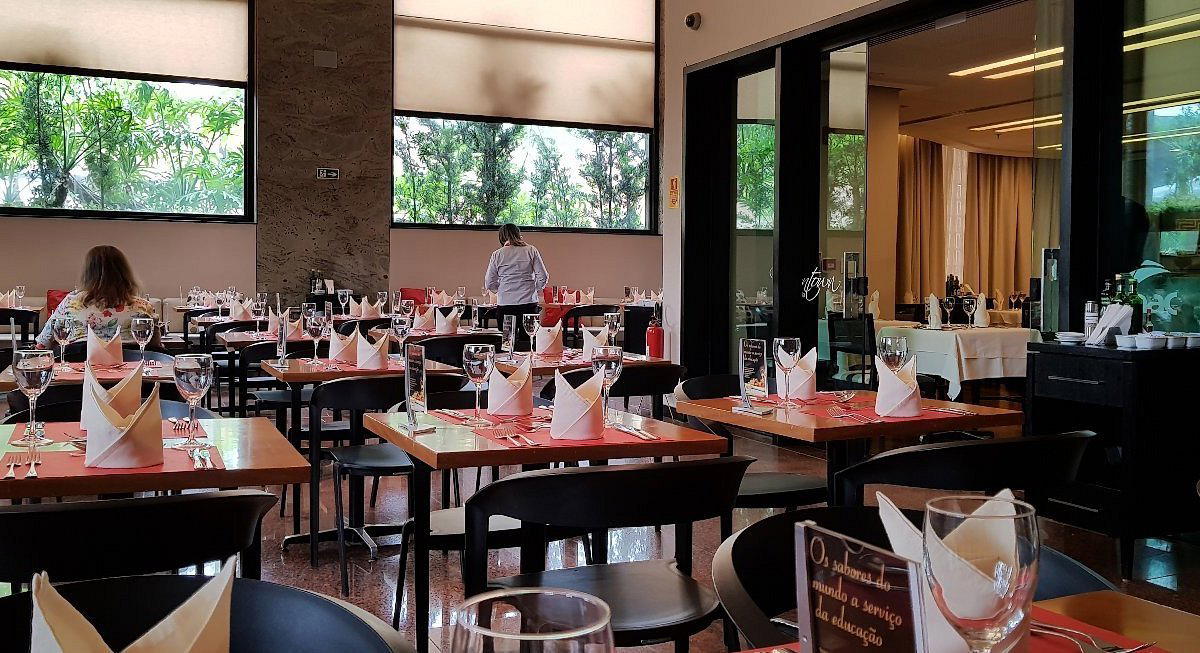
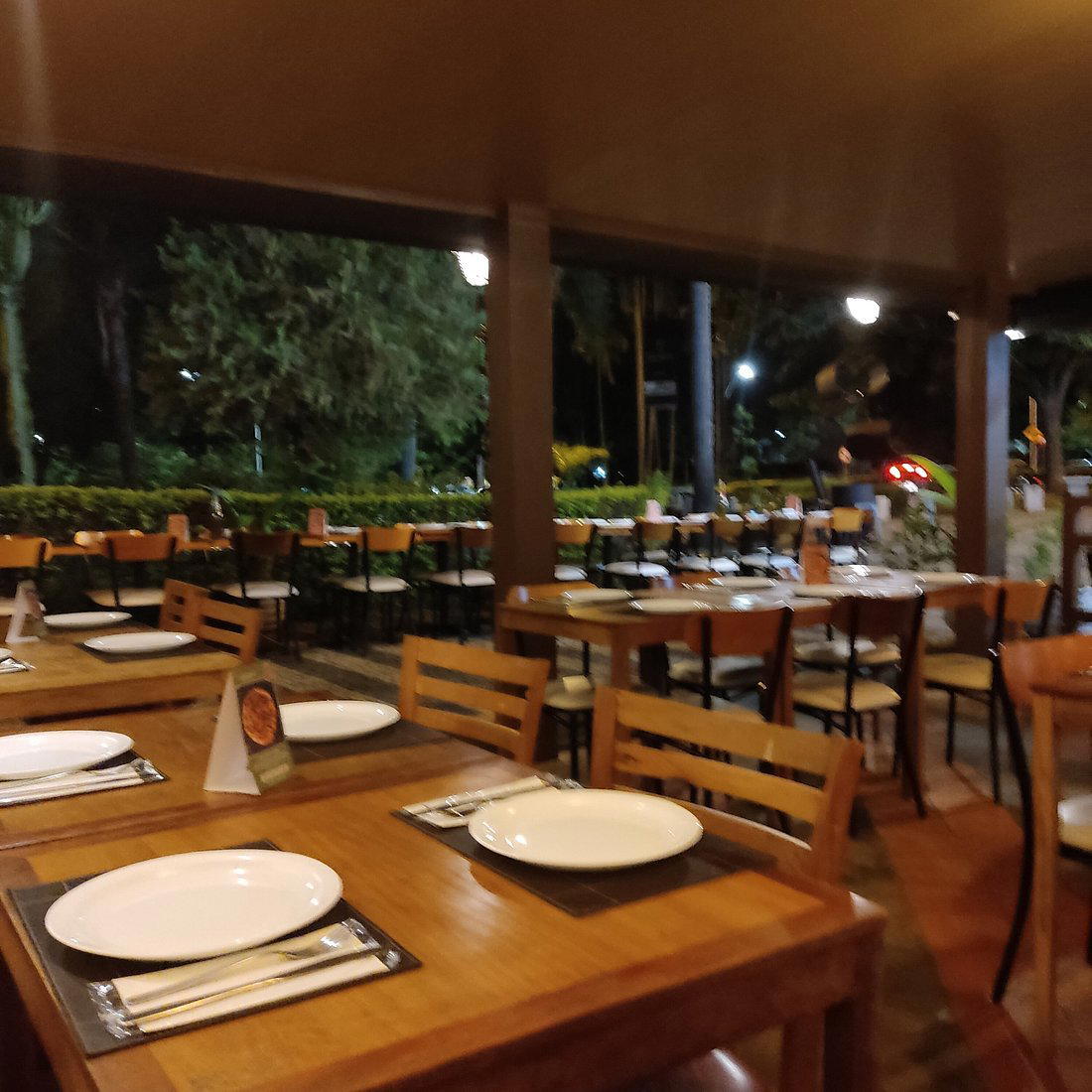
Cozy and inviting space well-suited for casual dining.