Our verdict
Positioned along the Lago Sul waterfront, LAGO Restaurante occupies a residential quarter that operates at a different tempo than Brasília's administrative core. The address alone signals a deliberate separation from the city's political machinery, placing the dining experience within one of the capital's most considered residential enclaves. For visitors already working through Brasília's tighter dining scene, it represents a distinct geographic and atmospheric counterpoint.

Pearl is the En Primeur Club membership app — saves, bookings, and concierge access live there. Same editors, same standards.
- Address
- St. de Habitações Individuais Sul QI 5 - Lago Sul, Brasília - Federal District, 71615-540, Brazil
- Phone
- +556135539078
- Hours
- Mon ClosedTue–Thu 12–3:30 PM, 7:30 PM–12 AMFri 12–4 PM, 7:30 PM–1 AMSat 12–3:30 PM, 7:30 PM–12 AMSun 12–5 PM
- Website
- lagorestaurante.negocio.site
- Directions
- Get directions
- Booking
- Book on the venue's website
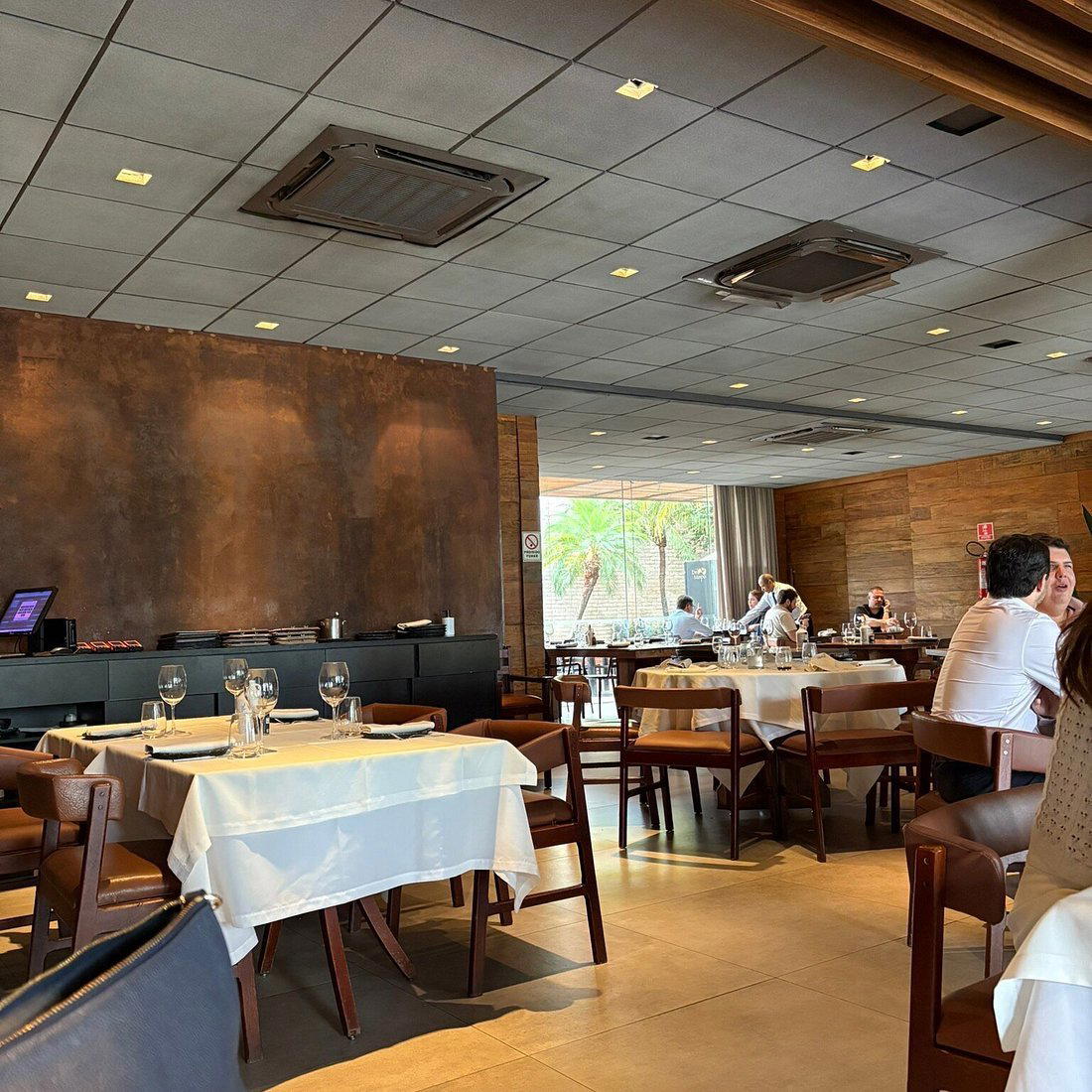
Where Brasília Slows Down
Brasília is a city designed around ceremony. Its axes, esplanades, and ministerial facades were engineered for projection, not intimacy. Dining in the Plano Piloto carries that energy: restaurants near the government quarter tend toward efficiency, formality, or the kind of business-lunch rhythm that treats the table as an extension of the boardroom. Lago Sul operates under a different logic. The residential peninsula south of the artificial lake was never built for spectacle. It was built for the people who run the spectacle to go home to, and that distinction shapes how restaurants here position themselves.
LAGO Restaurante sits within this enclave, on a strip in QI 5 that addresses the lake rather than any institutional landmark. Approaching from the main arterials that cut through Lago Sul, the shift is physical: the density drops, the tree cover thickens, and the road geometry stops insisting you move quickly. A restaurant that places itself here is making a statement about its intended pace before a single dish arrives.
The Sourcing Logic of a Lakeside Address
Brazil's restaurant scene has been pulled in two directions over the past decade. At one end, São Paulo's high-end dining concentrated around ingredient-driven programs that drew direct lines between named producers and finished plates — a trajectory visible at venues like D.O.M. in São Paulo, where Amazonian and Cerrado ingredients became a compositional framework rather than a garnish. At the other end, Rio's more casual register, represented in ambitious form at places like Lasai in Rio de Janeiro, found ways to connect market sourcing to a lighter, more accessible format.
Brasília sits at a geographic intersection that neither São Paulo nor Rio can claim: it borders the Cerrado biome directly. The savanna that spreads across Brazil's interior is one of the world's most biodiverse tropical ecosystems, and its edible flora, from pequi to baru to buriti, remains substantially underrepresented in formal dining compared to its ecological significance. A restaurant positioned in Lago Sul, with its proximity to that biome and its remove from the supply-chain defaults of larger urban centers, operates in a context where sourcing choices carry real weight. Whether a kitchen here leans toward Cerrado ingredients, regional Brazilian produce, or a more internationalized pantry tells you something meaningful about its editorial position within the city's dining conversation.
Brasília's restaurant scene is smaller and less internationally profiled than São Paulo or Rio, which means that individual positioning decisions are more legible. When a restaurant in Lago Sul chooses a particular direction, that choice reads against a shorter list of comparators. Venues like Minas Bistro draw on the culinary tradition of neighboring Minas Gerais, a state whose larder — feijão tropeiro, queijo minas, cured pork, has long functioned as a regional anchor in central Brazil's kitchen. Meanwhile, the Argentine-inflected parrilla format, represented in Brasília by venues including Dom Tango Parrilla Argentina and Caminito Parrilla Asa Norte, anchors the city's grilled-meat category with a different sourcing logic: Argentine or southern Brazilian beef, live-fire technique, and a wine list tilted toward Mendoza.
Within Brasília's geography, Lago Sul restaurants operate in a specific social register. The peninsula's residents skew toward the diplomatic corps, senior civil servants, and the professional class that orbits government without sitting inside it. That audience tends to have international dining reference points and a tolerance for experimentation that the more conservative lunch-trade restaurants near the Esplanada dos Ministérios do not necessarily need to address.
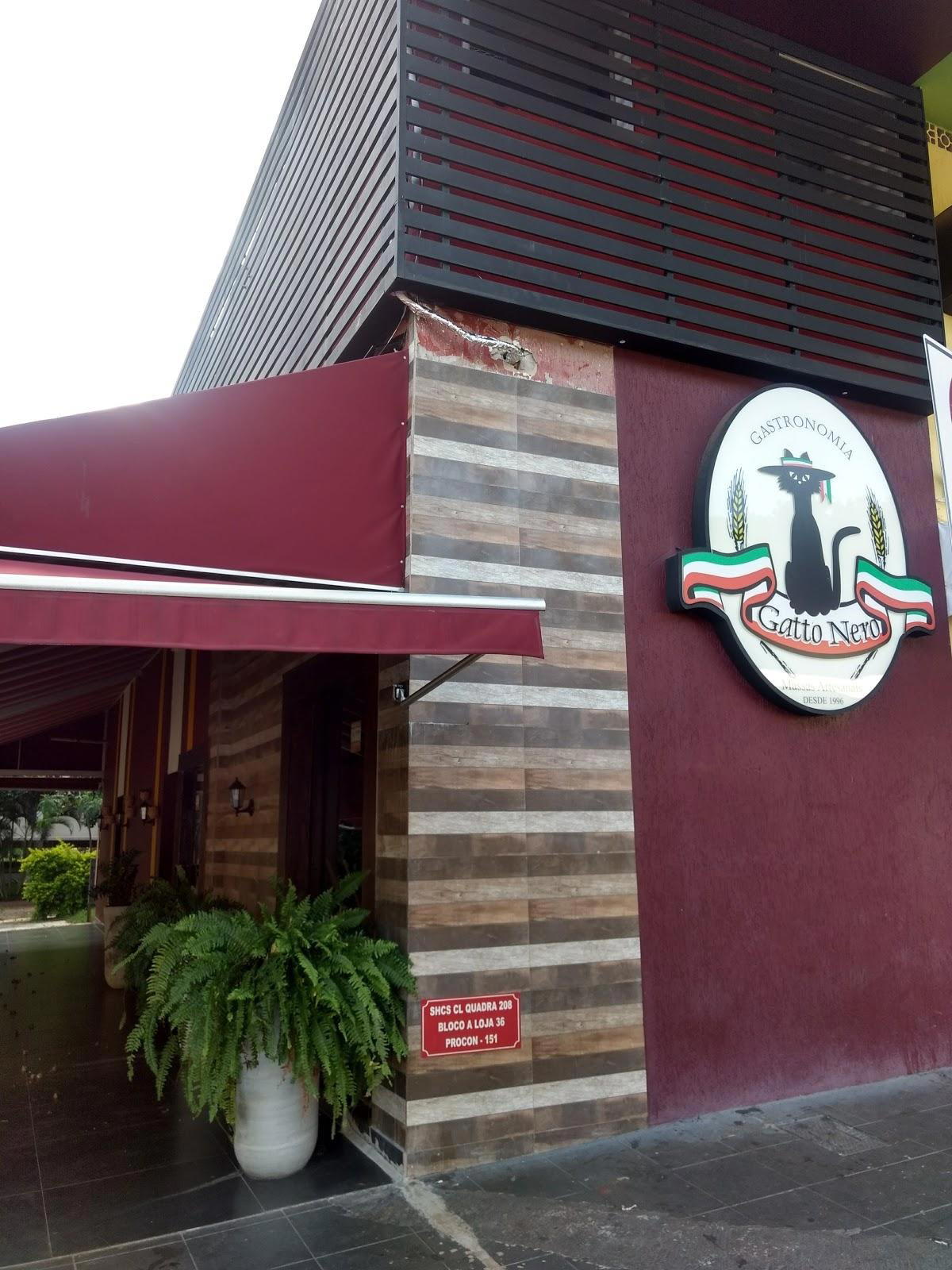
The Italian register, represented in Brasília by venues like Gastronomia Gatto Nero, has a durable presence across the city's middle-to-upper tier, partly because Italian-Brazilian immigration history gives the cuisine a local legitimacy that imported formats from further afield cannot always claim. European-trained culinary frameworks appear at institutions including Downtown Restaurante Escola SENAC, which operates within an educational model that makes classical technique visible as curriculum rather than background.
Against that backdrop, a restaurant with a lakeside address in Lago Sul is competing on setting and register as much as on cuisine category. The view toward the water, the residential quiet, and the remove from the city's formal performance spaces are themselves part of the product. That is a different competitive strategy than running a strong kitchen in a commercial dining strip, and it implies a customer who is choosing the full context of the meal, not just the food.
What Brazil's Broader Scene Can Tell You About Dining Here
Brazil's premium dining tier has, over the past fifteen years, increasingly organized itself around provenance. The conversation about Brazilian ingredients in international contexts, visible at venues benchmarked against programs like Le Bernardin in New York City or Atomix in New York City, has filtered back into domestic dining through a generation of Brazilian cooks who trained abroad and returned with technique but chose local materials. That tension between international training and regional sourcing is the productive friction running through Brazil's most interesting kitchens right now.
For Brasília specifically, the Cerrado question remains open in a way that it is not in São Paulo, where the answer has largely been institutionalized. A restaurant in Lago Sul that takes that question seriously, that builds a sourcing relationship with small producers in Goiás or the Federal District's own agricultural belt, is participating in something that extends well beyond its own menu. It is helping define what Brasília-specific cooking looks like, which is a more significant project than replicating a São Paulo or Rio template in the capital.
Planning a Visit
LAGO Restaurante's address at QI 5 in Lago Sul is most practically reached by car or rideshare; the peninsula's residential layout does not make it walkable from Brasília's hotel concentration near the Setor Hoteleiro Sul. Visitors staying in the Plano Piloto should allow twenty to thirty minutes depending on traffic conditions, particularly during evening peak hours when the bridge crossings between the lake peninsulas can slow. Reservations are advisable given the venue's address within a residential strip rather than a high-footfall commercial zone, where walk-in tables are a less reliable option. For a fuller picture of where LAGO Restaurante sits within the capital's dining options, the our full Brasília restaurants guide maps the city's dining geography by neighborhood and category, which is genuinely useful given how dispersed across the lake zones Brasília's better restaurants are.
Frequently asked questions
Where is LAGO Restaurante in Brasilia?
LAGO Restaurante is located at St. de Habitações Individuais Sul QI 5 - Lago Sul, Brasília - Federal District, 71615-540, Brazil, Brasilia.
Is LAGO Restaurante in Lago Sul suitable for a business or diplomatic lunch in Brasília?
The QI 5 address in Lago Sul positions LAGO Restaurante squarely within the peninsula that houses much of Brasília's diplomatic corps and senior government residents. In the capital's dining geography, that location functions as a credential in itself — Lago Sul tables have historically served as the setting for informal political and professional engagement rather than casual neighbourhood eating. No dress code is formally documented, but the social register of the area suggests that business-appropriate presentation is the working assumption.
What should I order at LAGO Restaurante?
Specific menu details for LAGO Restaurante are not published in accessible channels, which is consistent with how several Lago Sul addresses operate — no printed menu online, selection communicated in person. The address at QI 5 in Lago Sul suggests a kitchen oriented toward the preferences of a diplomatic and senior-official clientele, which in Brasília's context typically means Brazilian proteins and regional ingredients handled with restraint rather than spectacle. Contacting the venue directly before your visit is the practical approach.
How hard is it to get a table at LAGO Restaurante?
Lago Sul restaurants at this address tier in Brasília often operate through word-of-mouth or direct contact rather than third-party reservation systems. Arriving without a prior arrangement in this residential peninsula is a risk; visiting the venue's address at QI 5 or making contact through local channels is the safer approach.
What's the signature at LAGO Restaurante?
What the QI 5 Lago Sul address does signal is a dining room oriented toward a specific local register — one where regulars set the tone rather than passing tourists. Brazil's premium dining conversation over the past decade has increasingly centred on provenance and regional ingredients, and restaurants in this neighbourhood social register tend to follow that logic rather than chasing trend-driven formats.
In Context: Similar Options
Comparable venues nearby, for context on price, style, and recognition.
| Venue | Cuisine | Price | Notes |
|---|---|---|---|
| LAGO RestauranteThis venue — the venue you are viewing | Italian-Brazilian | Not listed | Not listed |
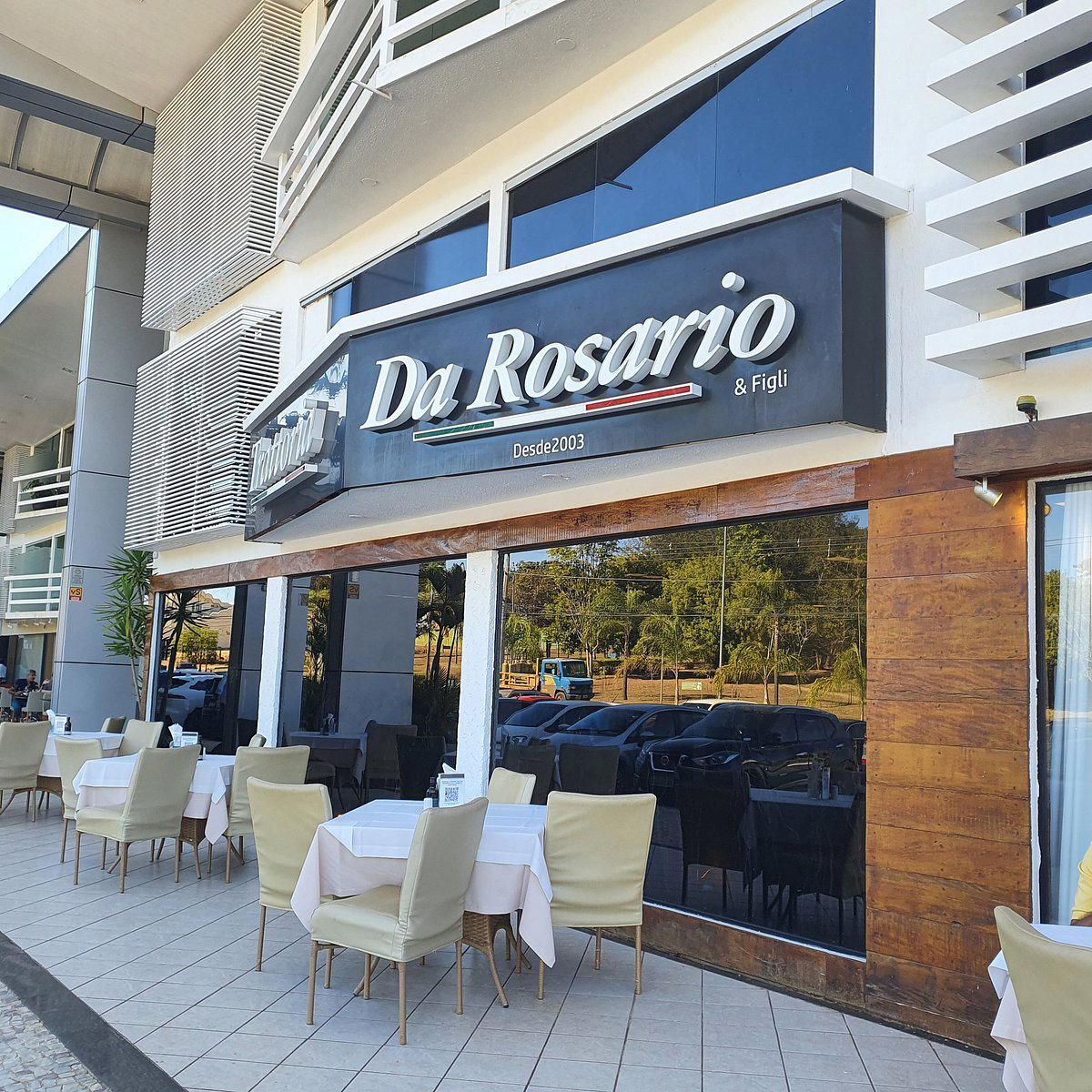
| Trattoria da Rosário | Authentic Italian Trattoria | $30–50 | Lago Sul |
| Taypá | Authentic Peruvian Cevicheria | $30–50 | Lago Sul |
| Dom Tango Parrilla Argentina | Argentine Parrilla Steakhouse | $50–100 | St. Hoteleiro Sul |
| Caminito Parrilla Asa Norte | Authentic Argentinian Parrilla | $20–30 | Asa Norte |
| Gastronomia Gatto Nero | Traditional Italian Trattoria | $30–50 | Lago Sul |
Continue exploring
More in Brasilia
Details
- Elegant
- Scenic
- Date Night
- Special Occasion
- Garden
- Garden
- A La Carte
Current opening hours
- Monday
- Closed
- Tuesday
- 12–3:30 PM, 7:30 PM–12 AM
- Wednesday
- 12–3:30 PM, 7:30 PM–12 AM
- Thursday
- 12–3:30 PM, 7:30 PM–12 AM
- Friday
- 12–4 PM, 7:30 PM–1 AM
- Saturday
- 12–3:30 PM, 7:30 PM–12 AM
- Sunday
- 12–5 PM
Hours can change for holidays and private events. Last verified .
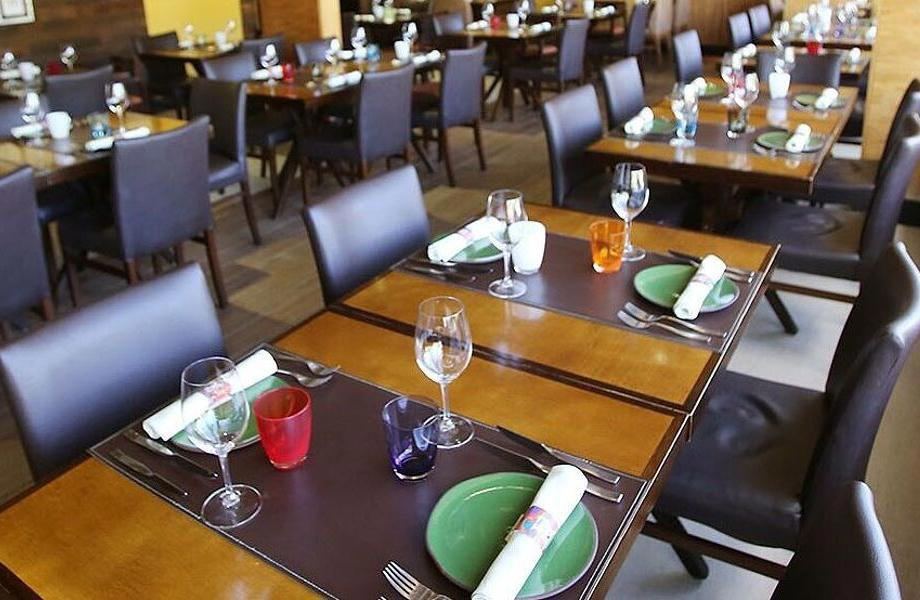
Spacious and beautiful with a lovely garden providing a sophisticated dining experience.