Google: 4.6 · 479 reviews
Nao parrilla sits in Móstoles, the large Madrid commuter city where neighbourhood grills tend to operate far from the spotlight of capital restaurant criticism. As a parrilla — the Spanish term for a grill-centred kitchen — it belongs to a tradition that prizes fire and sourcing above technique for its own sake. For residents south of Madrid looking for a serious grill address without crossing into the city, it holds a clear place in the local dining pattern.
 Discover on Pearl
Fire and Sourcing: The Parrilla Tradition Outside Madrid
The parrilla format has deep roots across Spain, from the wood-fired asadors of the Basque Country to the charcoal grills that define much of Castile's lamb and suckling pig culture. What connects them is a shared logic: sourcing high-quality raw material and letting heat do the work. Asador Etxebarri in Atxondo represents the extreme end of that tradition, where a single grill becomes the entire kitchen philosophy. Nao parrilla in Móstoles operates in a more neighbourhood register, but the genre it occupies is the same one: meat, fire, and the quality of what arrives at the grate.
Móstoles is the second-largest city in the Community of Madrid by population, yet it appears rarely in the kind of restaurant conversation that orbits DiverXO or the capital's progressive dining circuit. That gap between city size and culinary profile is typical of Madrid's satellite municipalities, where the dining culture tends toward the functional and the local. A parrilla in this context is not a destination restaurant in the way that Arzak in San Sebastián or Azurmendi in Larrabetzu function as destinations. It serves a neighbourhood that eats out regularly and expects consistency over spectacle.
What the Grill Format Demands of Its Ingredients
A parrilla is, by nature, an honest format. Unlike the elaborate plating at Cocina Hermanos Torres in Barcelona or the marine creativity of Aponiente in El Puerto de Santa María, the grill offers nowhere to hide a mediocre product. The Maillard reaction on a poor-quality cut produces a result no sauce or garnish easily corrects. This is why sourcing defines the parrilla category more than almost any other format in Spanish cooking. The leading addresses in the genre build supplier relationships over years: Galician blond beef that has grazed for a decade, Extremaduran lamb raised on pasture, fish from day-boat landings rather than wholesale markets.
In that sense, the ingredient sourcing question is the central question for any parrilla. The address on Calle Río Odiel in Móstoles places Nao parrilla in a residential neighbourhood away from the commercial strips, which is consistent with a venue that relies more on return custom than passing trade. Grills that hold a strong local following typically do so because the sourcing is reliable and the regulars notice when it changes. That dynamic is the underlying currency of the neighbourhood parrilla format across Spain.
The Competitive Set: Grills South of the Capital
The Madrid metropolitan area has several tiers of grill restaurant. At the leading, a small number of asadors in the capital itself operate at €€€€ price points with certified breed beef and cellar lists that compete with serious wine restaurants. Below that sits a mid-tier of competent neighbourhood grills where a full meal with wine lands in the €€ to €€€ range. Móstoles, as a working commuter city rather than a wealthy suburb, skews toward the mid-tier. The restaurants that thrive there serve a local population that has both expectations about quality and clear limits on how much a midweek dinner should cost.
For reference, the upper end of Spanish grill culture connects to the same sourcing networks as the country's most recognised kitchens. Martín Berasategui in Lasarte-Oria and El Celler de Can Roca in Girona operate in entirely different registers, but they draw on the same national producer ecosystem that supplies quality ingredients to restaurants across the price spectrum. The difference is not access to Spanish product quality — it is the level of elaboration applied once the product arrives. A parrilla like Nao skips the elaboration and asks the fire to do what the tasting menu kitchen asks the brigade to do.
Móstoles and the Dining Habits of Greater Madrid
Understanding Nao parrilla requires understanding Móstoles as a dining environment. The city's roughly 200,000 residents have a full range of local restaurants but relatively few that attract traffic from outside the municipality. That insularity is not a failing; it reflects how the commuter belt around Madrid functions. People who spend significant time commuting into the capital for work tend to eat locally when they eat out close to home. A strong neighbourhood grill in that context fills a specific gap: it provides a quality experience at a price appropriate to regular use, not special occasions.
That pattern distinguishes the suburban parrilla from the destination dining offered by Quique Dacosta in Dénia or Mugaritz in Errenteria, where the journey is part of the proposition. Nao parrilla is, by contrast, a local institution by design: a restaurant built for the street it serves, not for the food press or the award circuit. That is a legitimate and durable model. Some of the most consistent grill cooking in Spain happens in restaurants that have never appeared in a Michelin guide and have no intention of doing so.
Planning a Visit
Nao parrilla is located at Calle Río Odiel 10, Móstoles, in the Madrid metropolitan area. Móstoles is accessible by Cercanías commuter rail from Madrid Atocha on the C-5 line, which makes it reachable from the capital without a car. The address in the Río Odiel area of the city sits in a residential zone, so the practical approach is to confirm current hours directly before visiting, as neighbourhood restaurants of this type often operate lunch-and-dinner Spanish hours with a long midday closure and a late-evening service. Reservations are advisable for weekend lunch, which remains the primary dining occasion in this part of the Madrid commuter belt. For a broader picture of where Nao fits in the local dining pattern, our full Móstoles restaurants guide maps the city's options across categories and price points.
Peer Set Snapshot
These are the closest comparables we have in our database for quick context.
| Venue | Cuisine | Price | Awards | Notes |
|---|---|---|---|---|
| Nao parrilla | This venue | |||
| Aponiente | Progressive - Seafood, Creative | €€€€ | Michelin 3 Star | Progressive - Seafood, Creative, €€€€ |
| Arzak | Modern Basque, Creative | €€€€ | Michelin 3 Star | Modern Basque, Creative, €€€€ |
| Azurmendi | Progressive, Creative | €€€€ | Michelin 3 Star | Progressive, Creative, €€€€ |
| Cocina Hermanos Torres | Creative | €€€€ | Michelin 3 Star | Creative, €€€€ |
| DiverXO | Progressive - Asian, Creative | €€€€ | Michelin 3 Star | Progressive - Asian, Creative, €€€€ |



At a Glance
- Elegant
- Rustic
- Date Night
- Special Occasion
- Terrace
- Open Kitchen
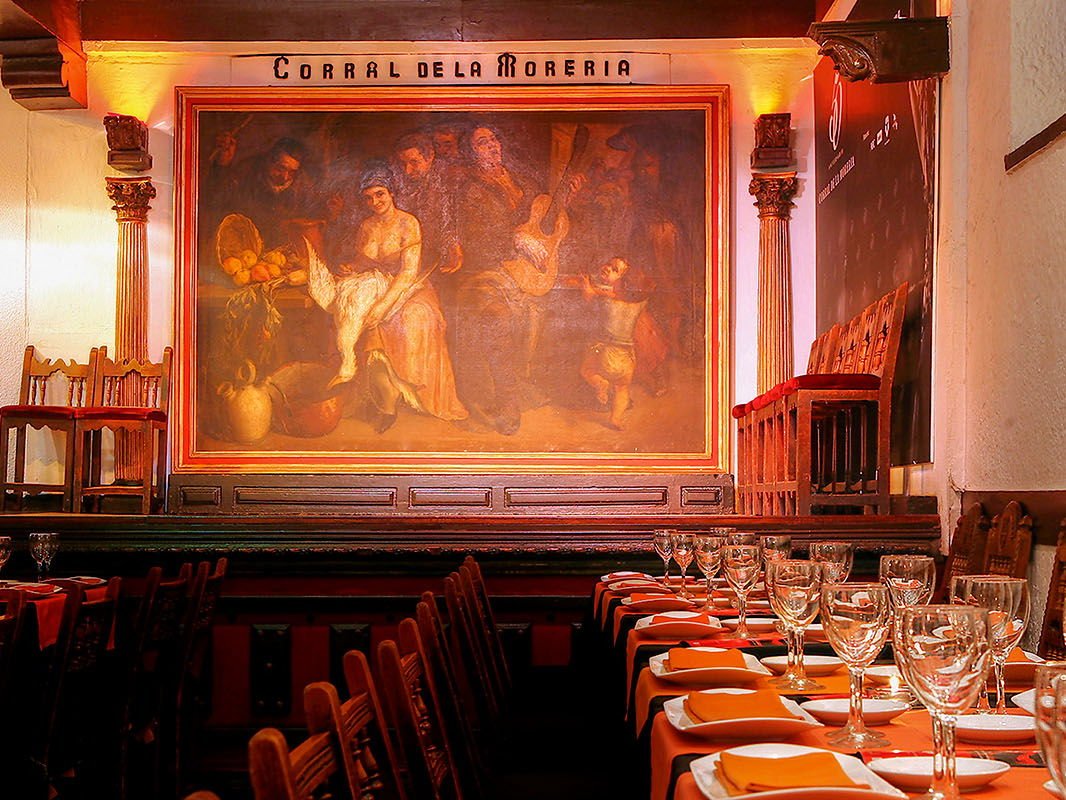
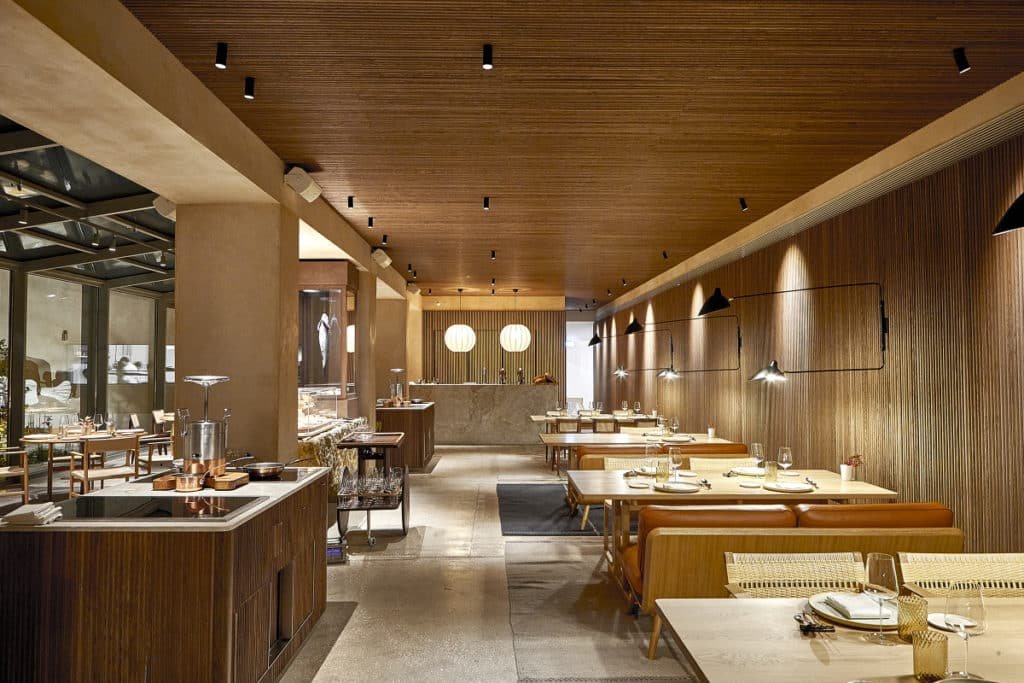
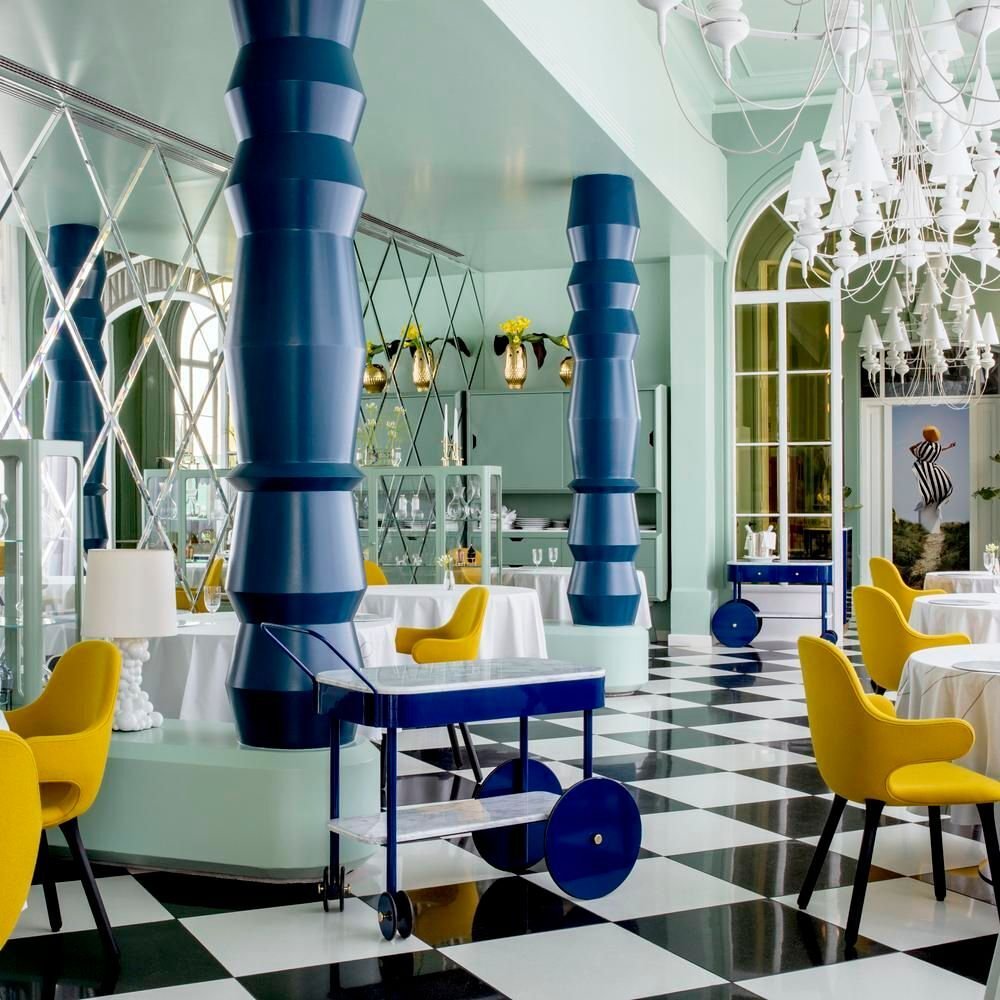
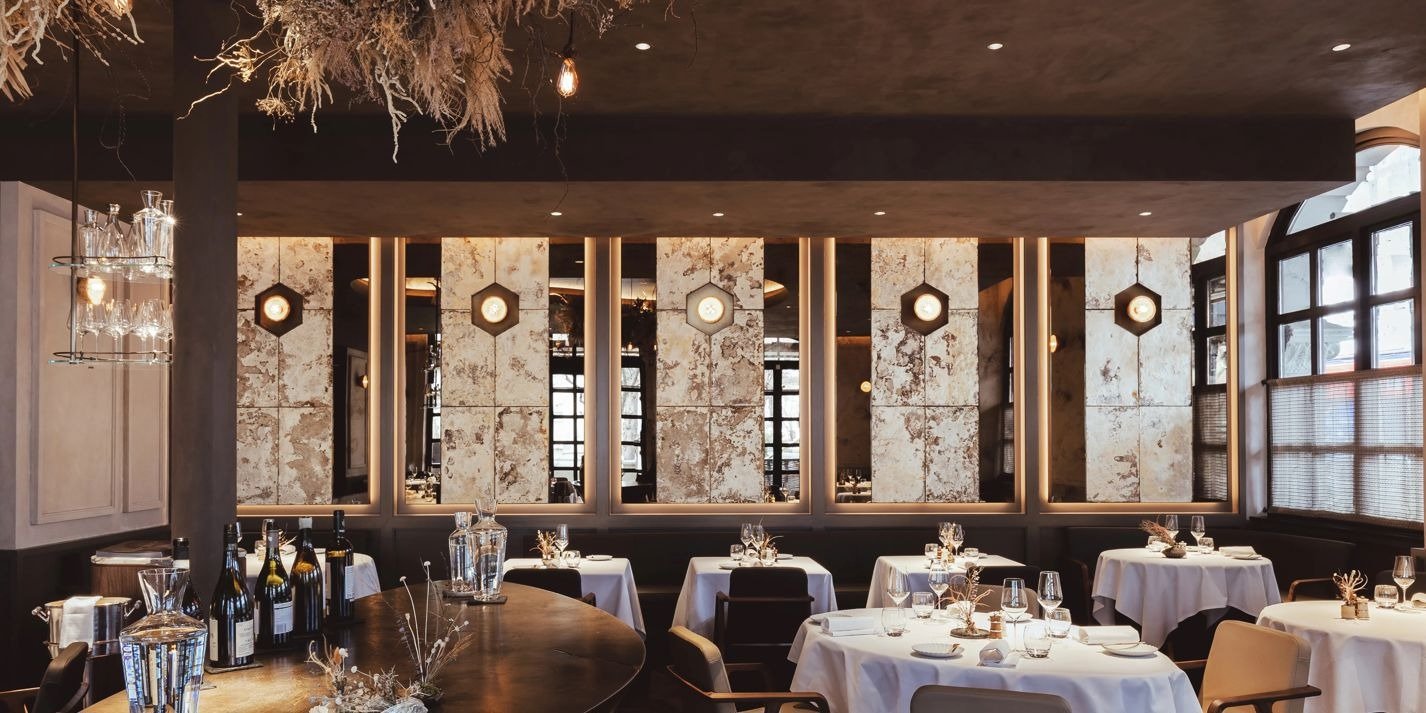
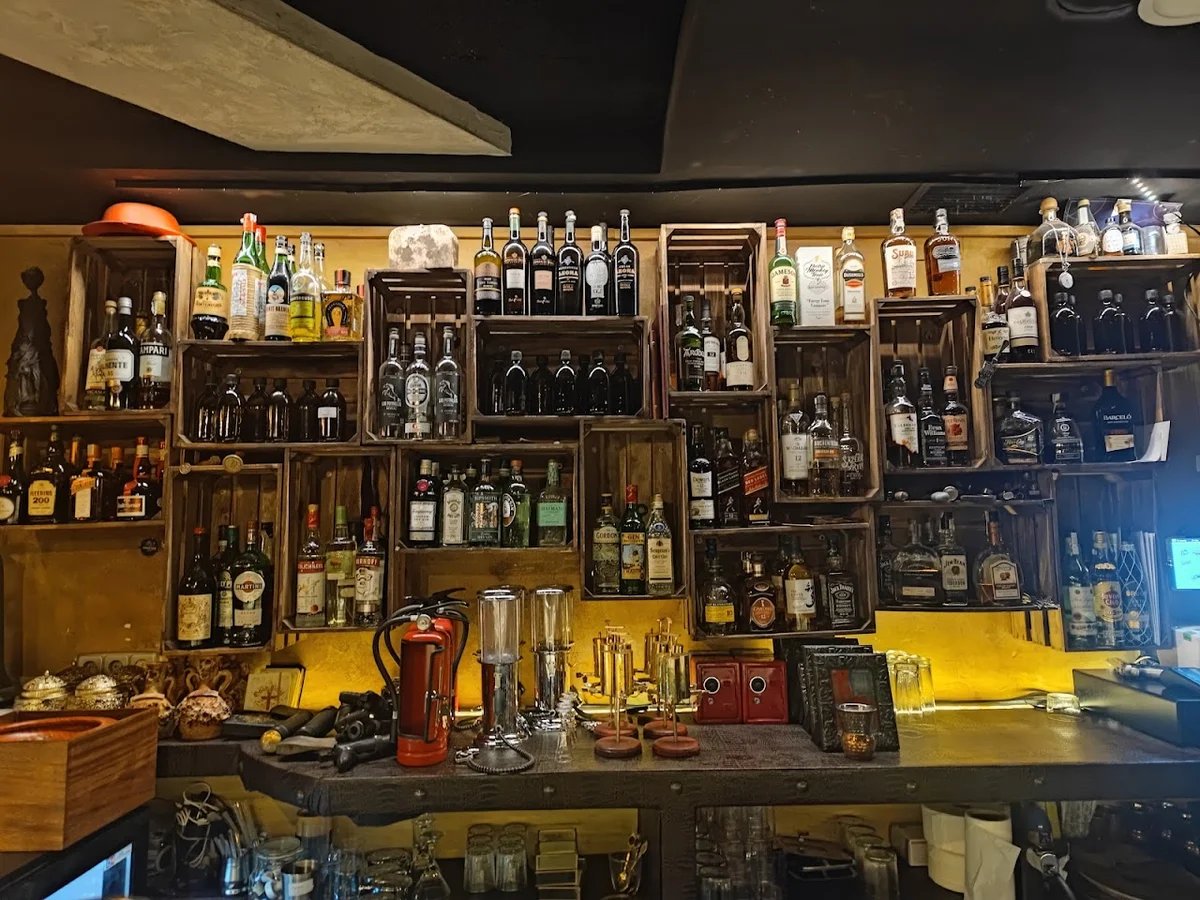
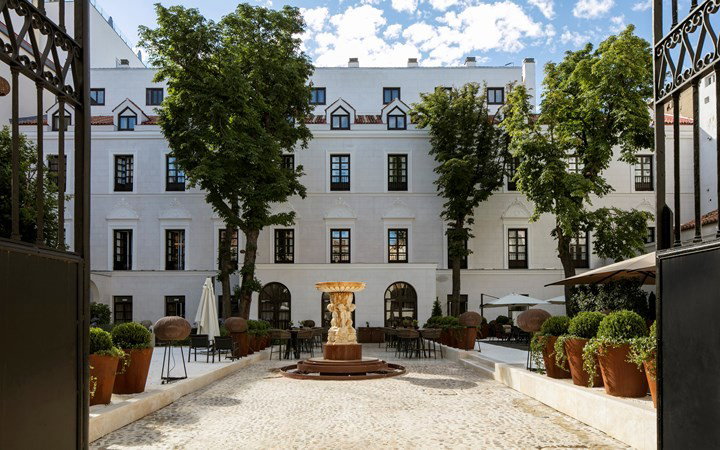
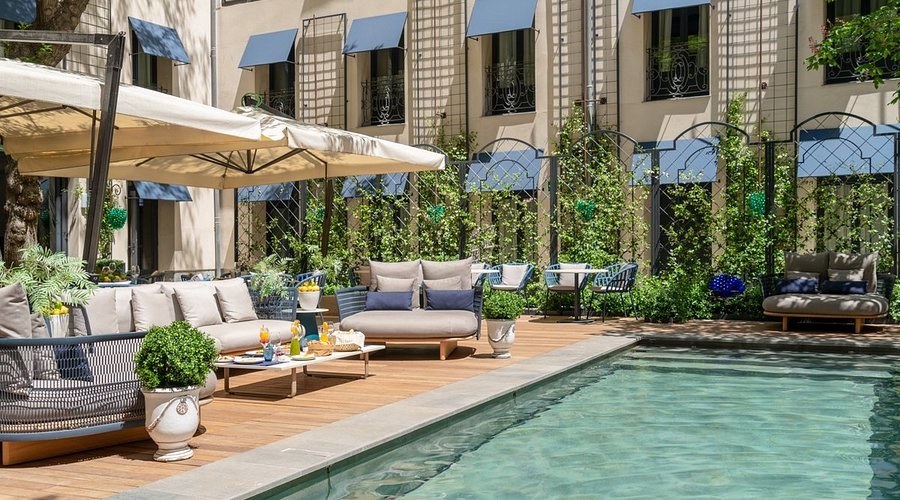
Elegant restaurant with beautiful decoration, spacious interior, and warm atmosphere as per guest reviews.