
Michelin Bib Gourmand
Our verdict
A Michelin Bib Gourmand recipient in the hilltop Etruscan city of Tarquinia, Namo Ristobottega earns its recognition through a strict seasonal sourcing philosophy rooted in the Viterbo province. Chef Tiziana Favi's menu is organised around the region's agricultural calendar, with outdoor terrace seating limited to a handful of tables, book ahead. Priced at the €€ tier, it sits well outside the usual calculus of destination dining.

Pearl is the En Primeur Club membership app, where members save venues, book tables and use the concierge.
The menu
What to order
- Paccheri pasta with tomato and stracciatella cheese
- Vignarola spring vegetable medley
- Seitan porchettato
- Spaghetti with clams and coconut
A Table in the Maremma Tradition
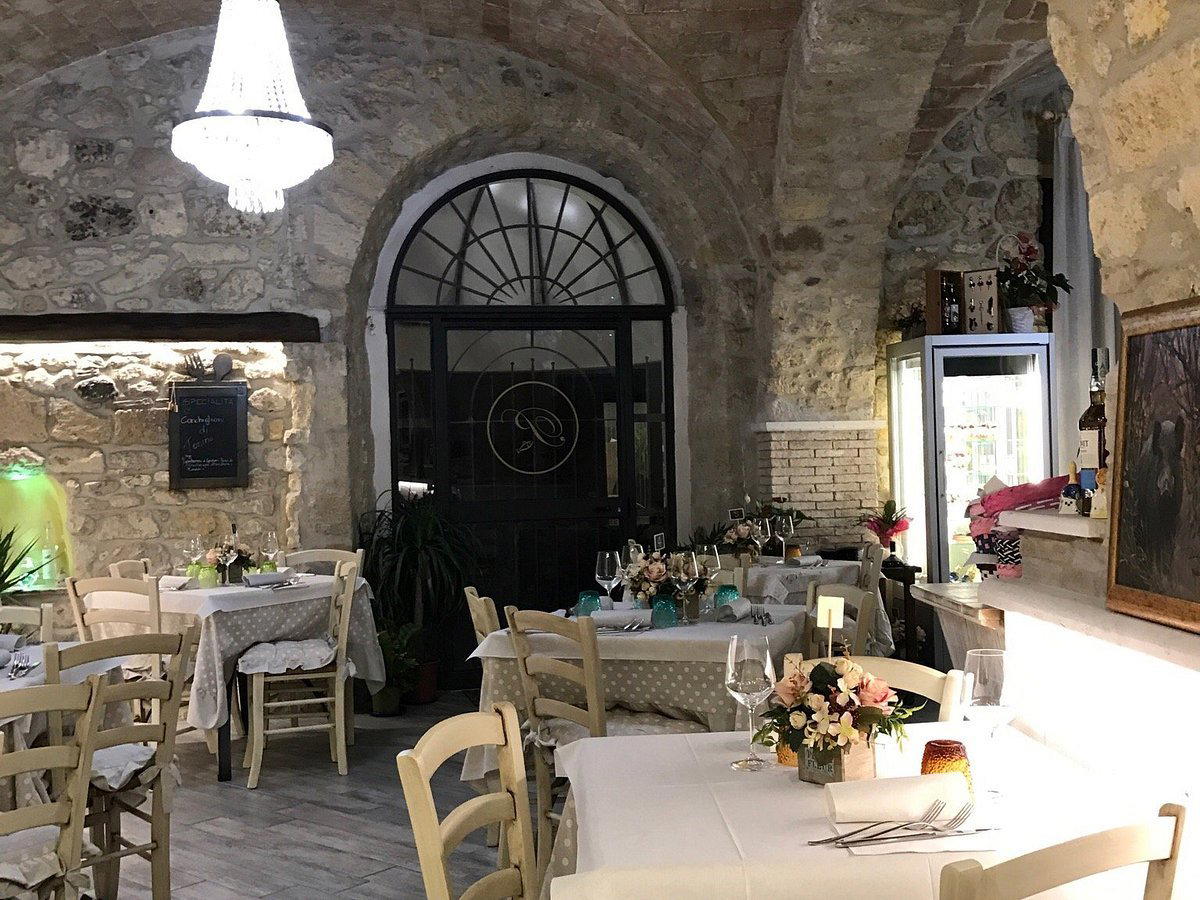
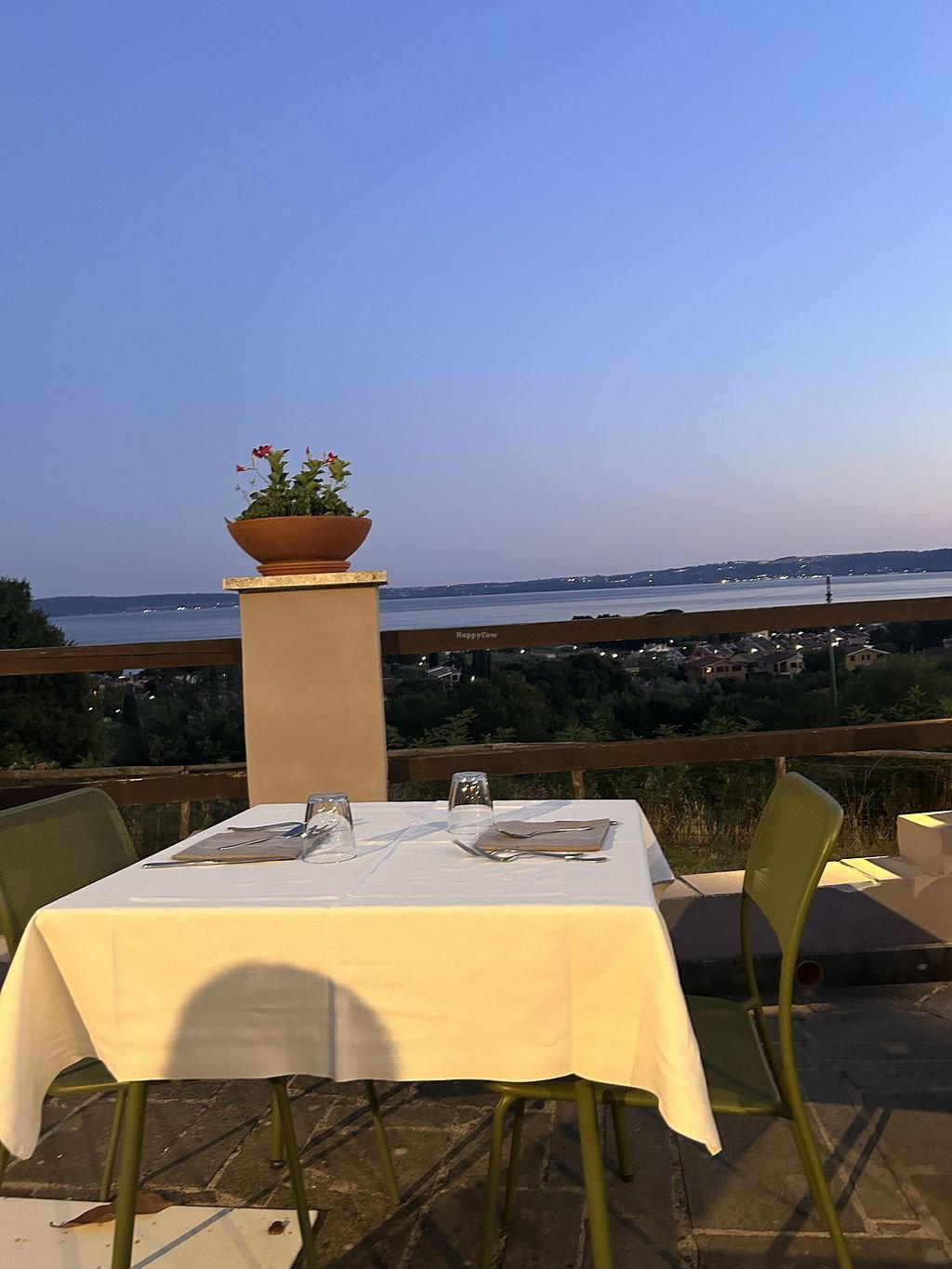
There is a particular kind of trattoria that northern Lazio does quietly well: rooms with thick stone walls, menus that change with what the farmers and foragers have brought in, and owners who have opinions about wine. Namo Ristobottega, on Via Giovanni Battista Marzi in the medieval quarter of Tarquinia, works inside that tradition while pushing it forward in specific, documented ways. The outdoor terrace, limited to a small number of tables, faces the kind of view that makes the reservation logistics worthwhile. When the afternoon light falls across the hilltop town above the Tyrrhenian coastline, the physical setting does a great deal of work, but the kitchen is what sustains attention across a full meal.
Tarquinia is one of the more atmospherically loaded towns in central Italy. Built above one of the Etruscan world's most significant necropolises, it draws a particular kind of visitor: slower, more curious, less interested in the obvious itinerary. The local dining scene reflects that character. This is not a place where you find glossy destination restaurants calibrated for international food tourism. What you find instead are kitchens that feed the town first and accommodate visitors second, and Namo sits comfortably inside that category, as confirmed by the 2025 Michelin Bib Gourmand, which signals quality-to-value ratio rather than formal-dining spectacle. For a broader look at where Namo sits relative to the wider local offer, see our full Tarquinia restaurants guide.
Where the Ingredients Come From
The sourcing philosophy at Namo is not presented as a lifestyle statement but as a structural decision: the menu opens with a printed explanation of the chef's approach to seasonality and what she calls a green philosophy. In a region like Viterbo, this commitment carries real meaning. The volcanic soils of the Cimini Hills and the flatlands stretching toward the coast produce a distinctive agricultural range, legumes, leafy brassicas, wild herbs, pecorino from sheep grazed on coastal scrub, and vegetables that arrive at market with the kind of flavour density that comes from slow-release mineral-rich earth.
That sourcing context explains dishes like the paccheri with tomato and stracciatella, finished with a bread crumble. The combination sounds almost elementary, but it functions as a demonstration of what good ingredients actually taste like when the intervening steps are kept minimal. The tomato carries the weight here; so does the stracciatella, which in the Viterbo region typically comes from smaller-batch dairy production rather than industrial lines. Dishes built this way are only as good as their inputs, which is precisely why the sourcing framework matters enough to put on the first page of the menu.
The approach places Namo in a broader Italian conversation about ingredient-led cooking, one that has been running for decades at places like Osteria Francescana in Modena and Dal Pescatore in Runate at the highest tier of the market, and at a dense network of smaller regional producers across the country. Namo operates at the €€ price point, a substantial distance from the €€€€ bracket occupied by those destinations, but the underlying sourcing logic is philosophically aligned. The Bib Gourmand is Michelin's formal acknowledgment that ingredient discipline and cooking craft need not require destination-restaurant pricing.
The Broader Company It Keeps
Italy's Michelin Bib Gourmand tier has grown in credibility over the past decade as a counterpoint to the starred system. It identifies kitchens where the value exchange is considered and where the cooking has a point of view, without requiring the service-to-room ratio or the luxury material costs that drive up starred-restaurant prices. In that company, seasonal-sourcing restaurants drawing on defined regional agricultural identities have done particularly well, a pattern visible in kitchens with Bib recognition across Lazio, Umbria, and the Marche.
For comparison at the starred level, kitchens like Uliassi in Senigallia and Reale in Castel di Sangro demonstrate what happens when a similar regionalist instinct is applied with greater technical elaboration and resource. Namo's positioning is deliberately different: the aim appears to be legibility and directness rather than transformation or complexity. That is a valid and increasingly valued register in Italian dining. Further afield, the same sourcing-first approach appears in the seasonal cuisine programmes at Kirchenwirt in Leogang and Mesnerhaus in Mauterndorf, which suggests that the format travels across climates when the underlying agricultural relationships are in place.
Tarquinia itself is worth pairing with a broader itinerary. For accommodation, our Tarquinia hotels guide covers what's available; for evening drinks, see the bars guide. Wine from the Viterbo province deserves specific attention, the local Aleatico and the DOC wines of the surrounding area are covered in our Tarquinia wineries guide. If you're planning experiences around the Etruscan heritage sites, the experiences guide is the place to start.
Planning a Visit
The owner is described as an engaged and knowledgeable presence on wine and food pairings, which at this price tier represents a more personal kind of service than you would find in the starred bracket. Advance booking is recommended, particularly for the outdoor terrace, where table count is limited. Tarquinia is accessible by train from Rome on the Tirrenica line, with the historic centre reachable by local bus or taxi from the station. For visitors moving between Italian dining destinations at the more formal end of the market, Enoteca Pinchiorri in Florence, Enrico Bartolini in Milan, or Piazza Duomo in Alba, a lunch at Namo offers a productive change of register without any sacrifice in sourcing rigour. Other Michelin-recognised kitchens worth noting in a central-Italian itinerary include Le Calandre in Rubano, Quattro Passi in Marina del Cantone, Casa Perbellini 12 Apostoli in Verona, and Atelier Moessmer Norbert Niederkofler in Brunico for those extending north.
Frequently asked questions
Is Namo Ristobottega okay with children?
At the €€ price point in a mid-sized Italian hilltop town, Namo is a relaxed enough setting for families with children who can sit through a proper meal. The ristobottega format and Viterbo-sourced seasonal menu are straightforward rather than ceremonial. The outdoor terrace has limited tables, so book ahead if that space matters for keeping younger guests comfortable.
What is the atmosphere like at Namo Ristobottega?
Namo reads as a local kitchen with serious intent rather than a destination restaurant performing rusticity. The 2025 Michelin Bib Gourmand recognition reflects that balance: cooking worth going out of your way for, without the formality of a starred room. The owner is actively engaged with guests, offering food and wine guidance, which gives the room a personal register that matches Tarquinia's slower pace.
Is Namo Ristobottega Michelin-listed?
Namo Ristobottega has received recognition including: Namo is renowned for the excellent cuisine conjured up by its chef Tiziana Favi, who creates unmissable dishes such as paccheri pasta with tomato and stracciatella cheese served with a bread crumble – you’ll want to mop up every crumb! Make….
What should I eat at Namo Ristobottega?
The paccheri with tomato, stracciatella, and bread crumble is the dish most directly associated with chef Tiziana Favi's approach, a few ingredients, precisely handled, with the bread crumble doing the textural work that cream would do elsewhere. Beyond that, the owner's verbal recommendations are worth asking for, since the menu shifts with Viterbo-region seasonal availability rather than staying fixed year-round.
Fast Comparison
| Venue | Cuisine | Price | Awards | Notes |
|---|---|---|---|---|
| Namo RistobottegaThis venue (the venue you are viewing) | Creative Regional Italian | $50–100 | Michelin Bib Gourmand | Not listed |
| Atelier Moessmer Norbert Niederkofler | Modern Alpine Fine Dining | $300–500 | 3 Michelin Stars · World's 50 Best #38 | Italian, Creative |
| Dal Pescatore | Classic Italian Fine Dining | $200–300 | 3 Michelin Stars · World's 50 Best #38 | Italian, Italian Contemporary |
| Enoteca Pinchiorri | Contemporary Italian Fine Dining | $200–300 | 3 Michelin Stars · World's 50 Best #32 | Italian - French, Italian Contemporary |
| Enrico Bartolini | Modern Italian Fine Dining | $300–500 | 3 Michelin Stars · World's 50 Best #85 | Creative |
| Osteria Francescana | Avant-Garde Italian Contemporary | $300–500 | 3 Michelin Stars · World's 50 Best #1 | Progressive Italian, Creative |
Recognition history
Dated appearances from independent guides and award organizations, with the underlying list record or original source where available.
Michelin Bib Gourmand
Michelin
Full recognition history (2 entries)
Michelin Bib Gourmand
Michelin
Continue exploring
More in Tarquinia
Restaurants in Tarquinia
All restaurants in Tarquinia →
Bars in Tarquinia
Browse all →

Details
- Cozy
- Elegant
- Intimate
- Scenic
- Sophisticated
- Date Night
- Special Occasion
- Celebration
- Family
- Terrace
- Panoramic View
- Open Kitchen
- Sommelier Led
- Farm To Table
- Local Sourcing
- Organic
- A La Carte
- Tasting Menu
- Regional Wines
- Natural Wine
- Vegetarian Friendly
- Vegan Options
- Gluten Free Options
- Organic Focus
- Allergy Accommodating
Current opening hours
- Monday
- Closed
- Tuesday
- 12:30–2 PM, 7:30–9:30 PM
- Wednesday
- 12:30–2 PM, 7:30–9:30 PM
- Thursday
- 12:30–2 PM, 7:30–9:30 PM
- Friday
- 12:30–2 PM, 7:30–9:30 PM
- Saturday
- 12:30–2 PM, 7:30–9:30 PM
- Sunday
- 12:30–2 PM
Hours can change for holidays and private events. Hours as of .
Warm, inviting, and cozy with soft jazz music, intimate lighting, and a family-like atmosphere that balances rustic charm with sophisticated refinement.