Forma

Michelin Bib Gourmand
Our verdict
A Michelin Bib Gourmand recipient for 2025, Forma sits at the foot of Civitavecchia's medieval district, pairing a historic interior with contemporary-inflected Italian cooking. Chef Gianluca Formichella moves between the port city's seafood traditions and inland meat preparations, delivering tasting menus that the Michelin Guide specifically flags for value.

Pearl is the En Primeur Club membership app — saves, bookings, and concierge access live there. Same editors, same standards.
- Address
- Via Trieste, 9, 00053 Civitavecchia RM, Italy
- Phone
- +39 0766 672647
- Hours
- Mon ClosedTue–Fri 7:30–11 PMSat–Sun 12–2:30 PM, 7:30–11 PM
- Website
- linktr.ee
- Directions
- Get directions
The menu
What to order
- L’Ouvo di Carbonara
- Tortolli con funghi
- Tonno with carrot crema
Where the Port City Meets the Medieval Quarter
Civitavecchia is primarily known as the ferry hub for Rome, Sardinia, and Sicily, a city where most visitors pass through rather than stop in. That transit identity has long overshadowed what exists a few streets back from the waterfront: a medieval district with a quieter, older character, and at its foot, a small restaurant doing the kind of cooking that earns Michelin attention in places with far higher profiles. Forma sits on Via Trieste, away from the sea-facing promenade, which tells you something about how it operates. It is not fishing for passing trade.
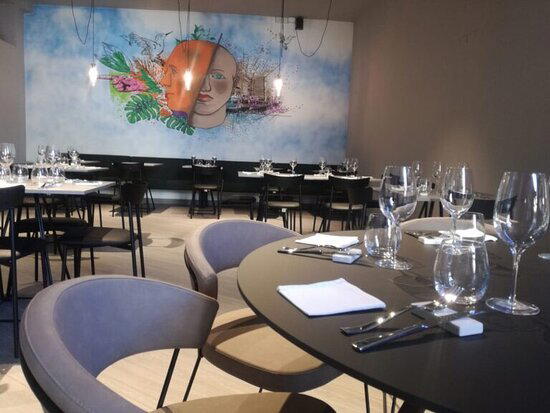
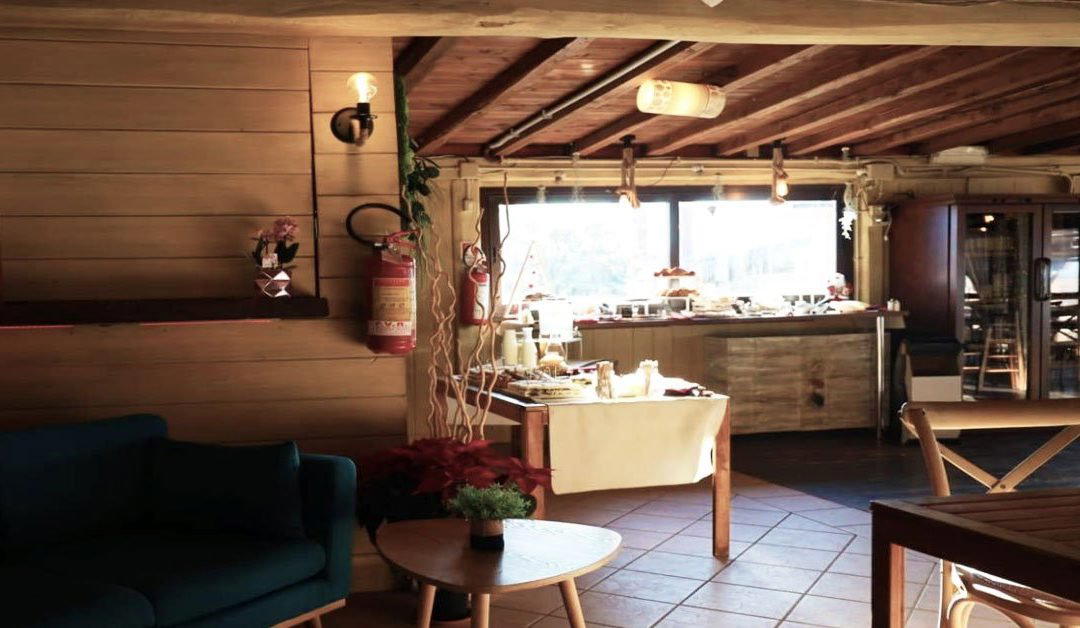
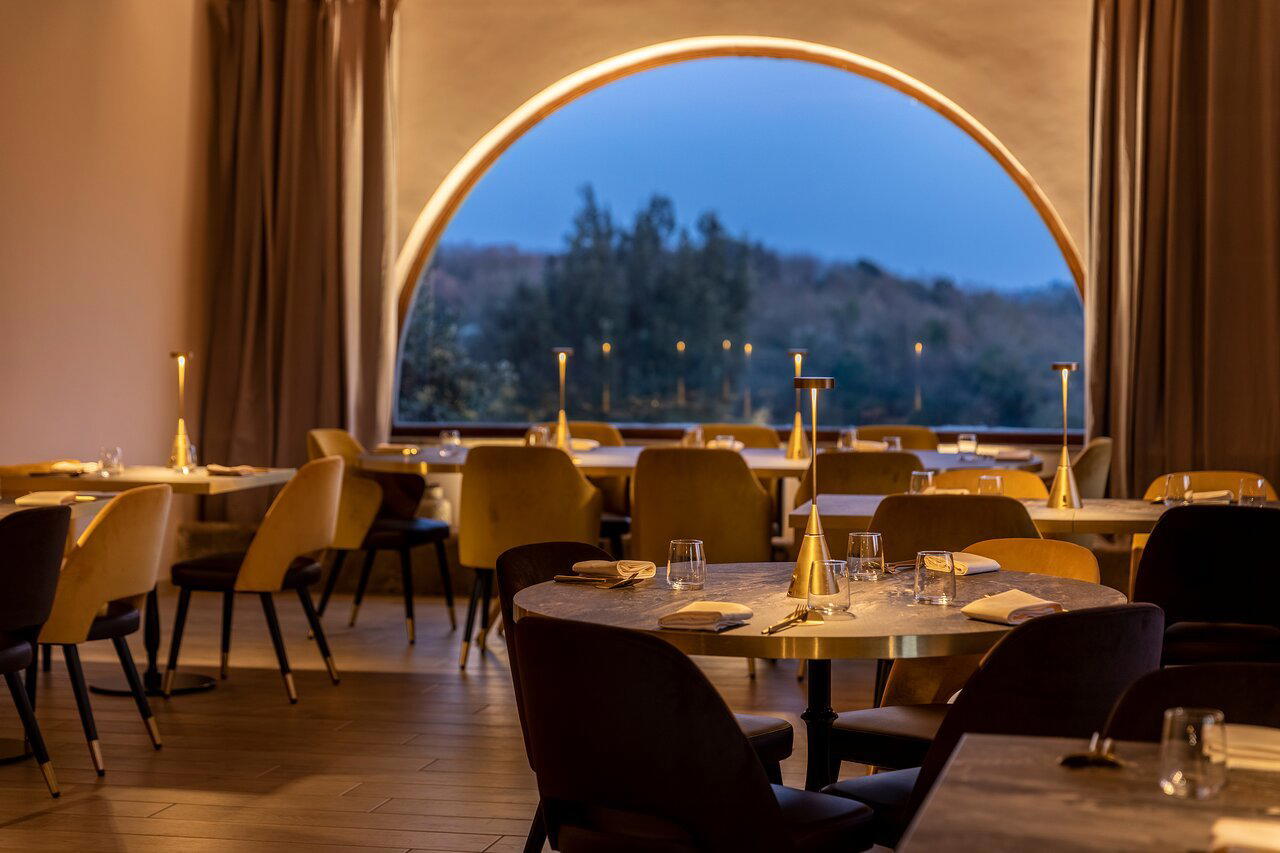
The interior reads as a considered negotiation between eras: historic structure, black parquet flooring, and industrial-style pipework that arrives without the self-consciousness that usually attaches to that aesthetic. The effect is a room with some gravity to it, the kind of space where the age of the building does actual work rather than serving as decorative backdrop. For a port city that can feel architecturally transitional, this is worth noting.
Lazio at the Table: Where Civitavecchia Sits in the Regional Picture
The cooking at Forma positions itself inside a regional tradition that does not get the same editorial attention as Rome, forty-five minutes southeast by train. Roman cuisine carries its own very well-documented identity: offal-forward, braised, built on a handful of codified preparations that chefs in the capital either honour or argue with. Lazio outside Rome operates differently. The coast from Civitavecchia south through Anzio has a fishing tradition that intersects with broader Tyrrhenian seafood practice, while the agricultural land behind it produces meat, cured products, and vegetables that connect more to a central Italian inland sensibility.
Chef Gianluca Formichella's menu engages both. The Michelin Bib Gourmand citation for 2025 describes imaginative meat and fish dishes with a personalised twist, which is a compressed way of saying that the kitchen moves between the coast and the interior without treating either as default. That dual fluency is not unusual in Lazio's secondary cities, where the proximity of sea and farmland means a cook who only works one register is leaving ingredients on the table. What Forma does is apply a contemporary lens to that material, producing dishes that carry the logic of the tradition without being bound by the exact forms it has historically taken.
For comparison, the Italian contemporary category at its most capitalised end includes operations like Osteria Francescana in Modena, Enoteca Pinchiorri in Florence, and Le Calandre in Rubano, all operating at €€€€ with three Michelin stars. Forma's €€ pricing and Bib Gourmand recognition place it in a structurally different tier, one where the Michelin Guide's specific brief is to identify cooking that delivers quality at accessible prices. The Bib Gourmand is not a consolation award; it is a different question asked by the same institution, and a restaurant cannot receive it without satisfying Michelin's inspectors on quality. Forma satisfies that question in a city that does not appear frequently in the Italian fine-dining conversation.
That said, Italian contemporary cooking at the coastal Lazio level is worth contextualising against other mid-Tyrrhenian operators. Uliassi in Senigallia works the Adriatic side with three stars; Quattro Passi in Marina del Cantone operates on the Sorrentine Peninsula. These are different coasts and different ingredient registers, but the structural question is the same: how does a kitchen in a non-capital Italian city build a coherent identity from its immediate geography? Forma's answer, judging by the Michelin citation, runs through specificity and restraint rather than volume or spectacle.
The Tasting Menu as the Correct Entry Point
The Michelin Guide flags Forma's tasting menu explicitly for value. At the €€ price point, this is the format that shows the kitchen's full range across the fish-and-meat duality that defines the menu's logic. Tasting formats in this tier, across Italy, tend to run shorter than their €€€€ counterparts at houses like Reale in Castel di Sangro or Dal Pescatore in Runate, but the compression is often an advantage: courses carry more editorial weight when the kitchen cannot rely on length to make its case.
At 317 submissions, a 4.7 average reflects sustained consistency rather than a cluster of early enthusiasts. Restaurants in transit cities like Civitavecchia face a review pool that includes cruise passengers and one-time visitors alongside local regulars, which tends to create more variance in aggregate scores than a restaurant in a destination city where the review base is more self-selecting. Holding 4.7 under those conditions is harder than it looks.
Arriving, Booking, and Timing Your Visit
Forma is on Via Trieste, 9, in central Civitavecchia, a short walk from the train station that connects to Rome Termini in under an hour. For travellers using Civitavecchia as a ferry departure point, the restaurant is accessible without a vehicle. No booking phone or online reservation system is listed publicly, so direct contact in advance is advisable, particularly given the intimate scale of the room. The €€ price range makes this accessible for most dinner budgets without requiring the kind of planning that higher-tier Italian contemporary addresses demand.
For broader context on where to eat, drink, and stay in the area, see our full Civitavecchia restaurants guide, our full Civitavecchia hotels guide, our full Civitavecchia bars guide, our full Civitavecchia wineries guide, and our full Civitavecchia experiences guide.
Elsewhere in the Italian contemporary category, Piazza Duomo in Alba, Enrico Bartolini in Milan, Atelier Moessmer Norbert Niederkofler in Brunico, and Casa Perbellini 12 Apostoli in Verona represent the category at its most decorated end. For contemporaries operating on Italy's coastal periphery, Agli Amici Rovinj in Rovinj and L'Olivo in Anacapri offer useful reference points.
Frequently asked questions
Does Forma work for a family meal?
Forma is an intimate restaurant, which means the atmosphere leans toward a considered, quieter dining experience rather than a casual family setting. The tasting menu format and Michelin Bib Gourmand recognition suggest a kitchen focused on composed courses, so it suits families who are comfortable with that pace. For a relaxed multi-generational meal, it is worth contacting the restaurant directly to ask about à la carte options alongside the tasting menu.
What kind of setting is Forma?
The room sits at the foot of Civitavecchia's medieval district on Via Trieste, 9, away from the waterfront. Historic decor runs through the interior, with black parquet flooring and industrial-style pipes adding contemporary contrast. It is an intimate space, not a large dining room, which keeps service focused and the atmosphere close.
Is Forma Michelin-listed?
Forma has received recognition including: Situated away from the sea at the foot of a medieval district, this intimate restaurant boasts a historic decor dotted with modern details such as black parquet flooring and industrial-style pipes. The cuisine created by chef Gianluca Formi….
What should I order at Forma?
The Michelin Guide specifically flags the tasting menu for value, and at the €€ price point it is the format that shows chef Gianluca Formichella's range across both meat and fish dishes. The kitchen's approach pairs traditional Lazio references with personalised modern touches, so the tasting menu is the clearest way to follow that logic from start to finish rather than sampling it piecemeal.
Side-by-Side Snapshot
| Venue | Cuisine | Price | Awards | Notes |
|---|---|---|---|---|
| FormaThis venue — the venue you are viewing | Modern Italian Fine Dining | $30–50 | Michelin Bib Gourmand | Not listed |
| Atelier Moessmer Norbert Niederkofler | Italian, Creative | Not listed | Michelin 3 Star | Not listed |
| Dal Pescatore | Italian, Italian Contemporary | Not listed | Michelin 3 Star | Not listed |
| Enoteca Pinchiorri | Contemporary Italian Fine Dining | $200–300 | 3 Michelin Stars · World's 50 Best #32 | Italian - French, Italian Contemporary |
| Enrico Bartolini | Creative | Not listed | Michelin 3 Star | Not listed |
| Osteria Francescana | Avant-Garde Italian Contemporary | $300–500 | 3 Michelin Stars · World's 50 Best #1 | Progressive Italian, Creative |
Recognition history
Dated appearances from independent guides and award organizations, with the underlying list record or original source where available.
Michelin Bib Gourmand
Michelin
Full recognition history (2 entries)
Michelin Bib Gourmand
Michelin
Continue exploring
More in Civitavecchia
Restaurants in Civitavecchia
Browse all →
Bars in Civitavecchia
Browse all →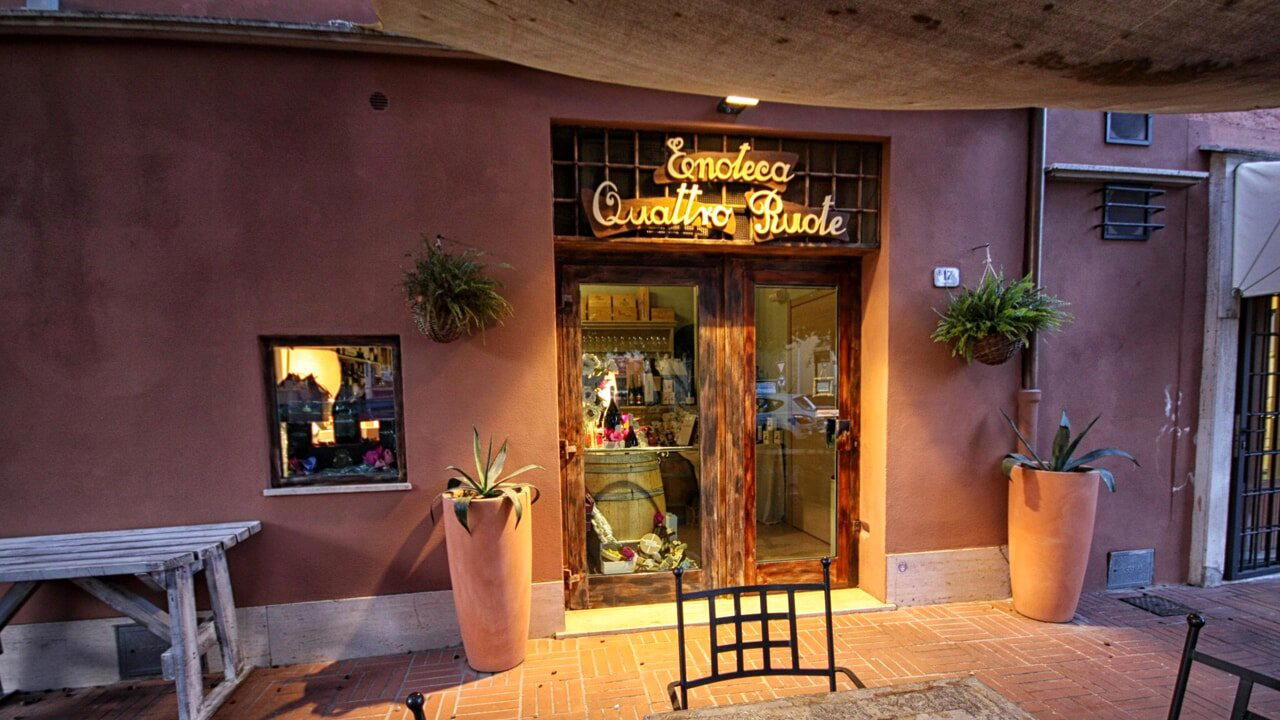
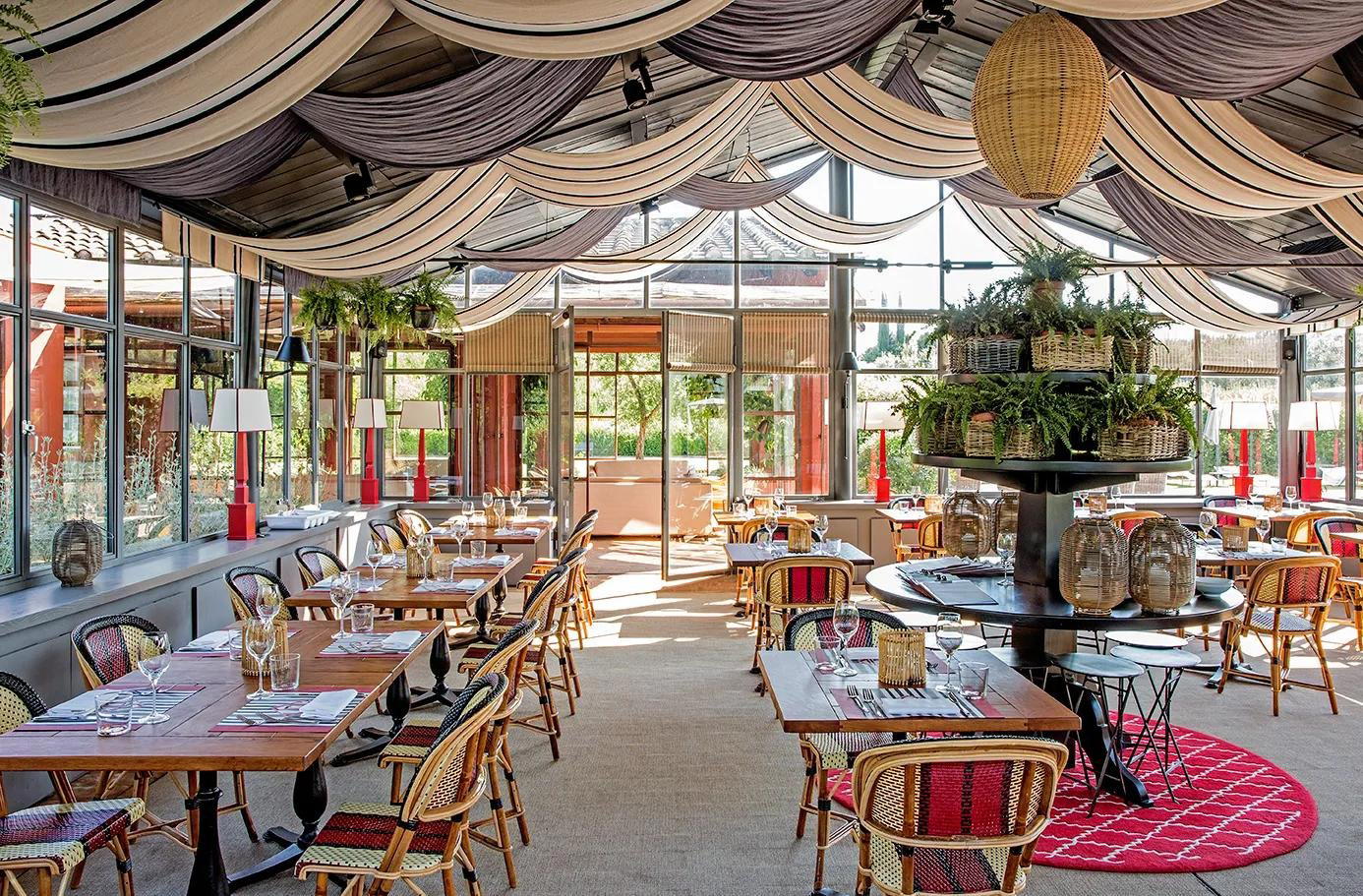
Hotels in Civitavecchia
Browse all →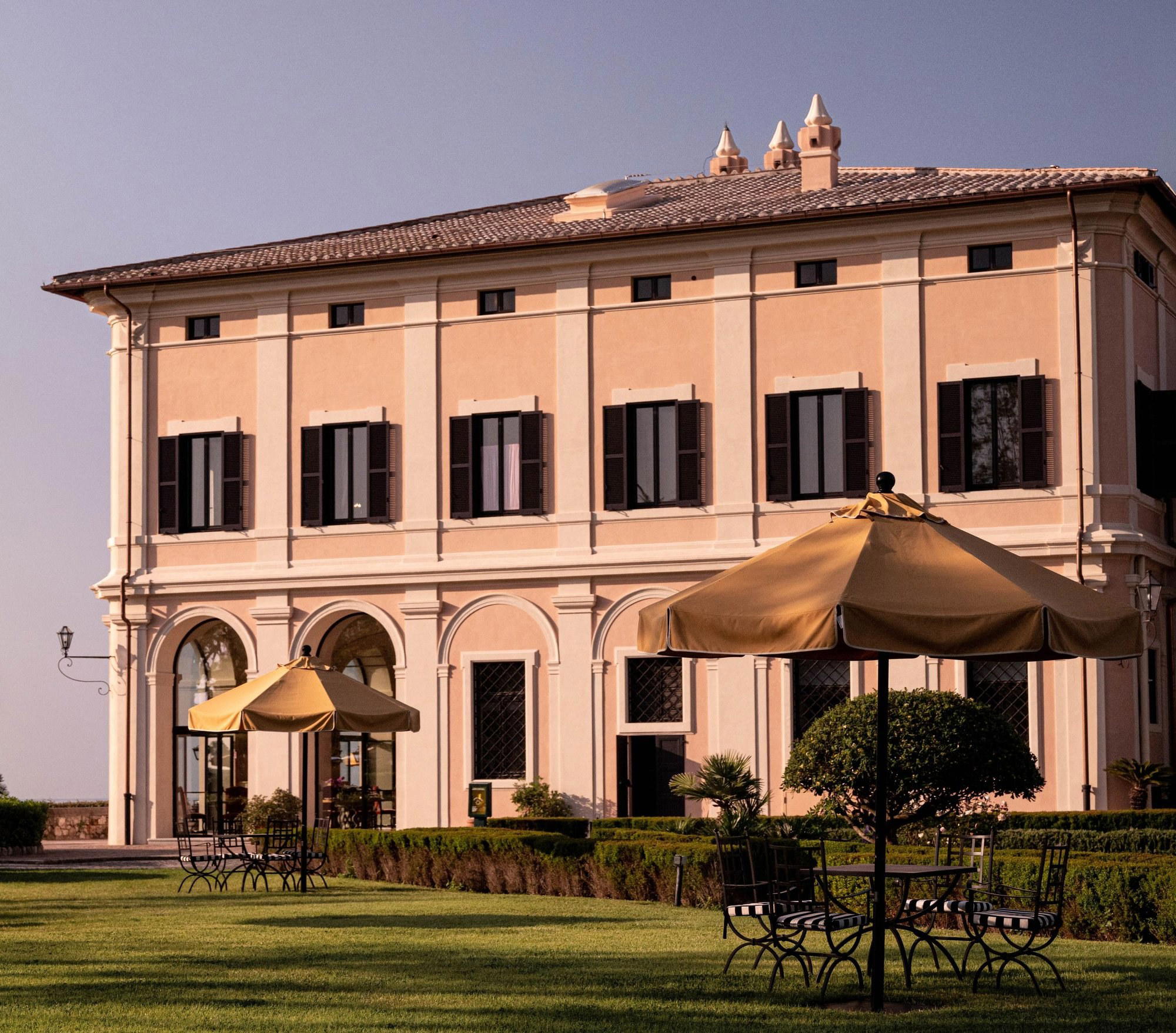
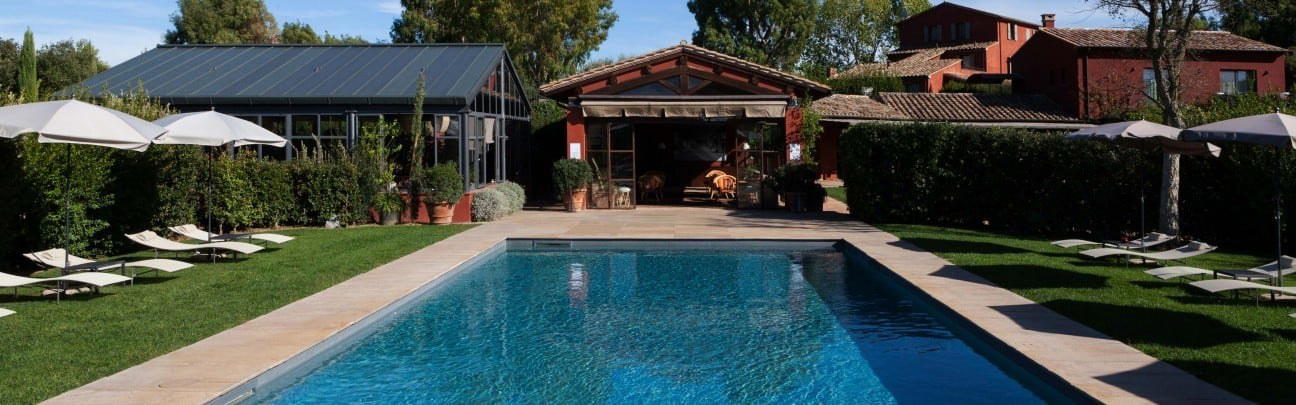

Forma
The wine
- Wine program
- Curated wine list
- Extensive wine list
Details
- Elegant
- Cozy
- Modern
- Intimate
- Sophisticated
- Date Night
- Special Occasion
- Celebration
- Historic Building
- Extensive Wine List
- Tasting Menu
- A La Carte
- Vegetarian Friendly
Current opening hours
- Monday
- Closed
- Tuesday
- 7:30–11 PM
- Wednesday
- 7:30–11 PM
- Thursday
- 7:30–11 PM
- Friday
- 7:30–11 PM
- Saturday
- 12–2:30 PM, 7:30–11 PM
- Sunday
- 12–2:30 PM, 7:30–11 PM
Hours can change for holidays and private events. Last verified .
Cozy and charming with historic decor blended with modern details like black parquet and industrial pipes, creating an elegant yet homely atmosphere.