Our verdict
Namm occupies a quiet address on Friedrich Reinhold Kreutzwaldi Street in Võru, a small city in southeastern Estonia that sits closer to the Latvian and Russian borders than to Tallinn. With limited publicly available data on format and pricing, Namm operates in a dining scene shaped by Estonian provincial traditions and the cultural specificities of the Võru region.

Pearl is the En Primeur Club membership app, where members save venues, book tables and use the concierge.
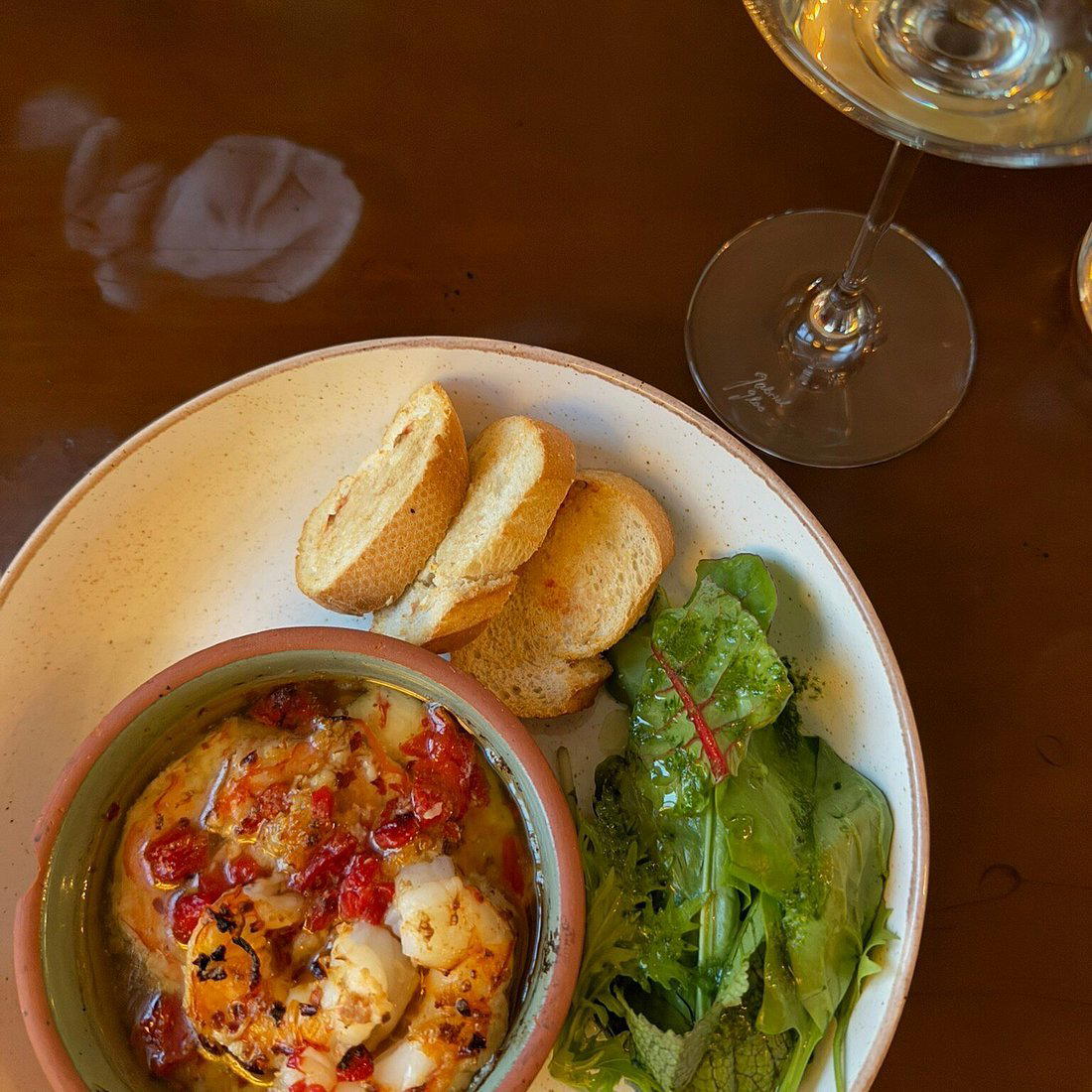
Dining in Võru: Where Estonia's South Speaks Its Own Language
Võru is not a city that announces itself. The southernmost significant urban centre in Estonia, it sits in Põlva County's shadow and is often bypassed by travellers routing between Tallinn and the Russian border. That geographic positioning has consequences for its food culture: the region draws on Võro-language traditions, a linguistic and cultural identity distinct enough from standard Estonian that it is sometimes classified separately by ethnographers. What emerges at the table in this part of the country tends to reflect that specificity, favouring produce from the surrounding forests and farmland, slow-cooked preparations, and a general preference for restraint over spectacle.
Namm sits on Friedrich Reinhold Kreutzwaldi Street, named for the 19th-century physician and folklorist who collected the Kalevipoeg epic, the foundational text of Estonian national identity. That address alone places the restaurant inside a neighbourhood with historical and cultural weight that most visitors to Estonia never register. For context on how the broader Võru dining picture fits together, our full Võru restaurants guide maps the city's options by category and price point.
The Dining Scene That Shapes a Restaurant Like Namm
Estonian provincial dining has shifted noticeably over the past decade. The refinement that arrived in Tallinn through venues like 180° by Matthias Diether, an Estonian fusion approach at the top of the capital's price tier, has only partially filtered into smaller cities. What fills the gap in towns like Võru is a different kind of hospitality: less concerned with technique signalling, more anchored in the rhythms of local sourcing and community dining.
That pattern appears across Estonia's secondary cities. Kohvik in Viljandi operates in a similar register, as does the coastal informality of KABE Beach in Kaberneeme. In Narva, a city with its own complicated cultural geography, venues like Kohvik Kaar demonstrate how provincial Estonian dining absorbs local identity without resolving it into a single legible style. Namm operates within this broader pattern: a provincial restaurant shaped by place rather than by the kind of international hospitality grammar that defines larger Estonian venues.
The comparison that matters most locally is with Kolm. Restoran, the other named dining address in Võru with a recognisable profile.
What the Cultural Context Tells You About the Menu
The Võro cultural tradition, distinct from mainstream Estonian culture in dialect, folk practice, and historical memory, has a food dimension that is worth understanding before arriving. Southeastern Estonian cooking draws heavily on rye, pork, freshwater fish from the region's lakes, and dairy products. The growing season is short and the preservation traditions run deep: fermentation, smoking, and pickling appear in various forms across the regional table. These are not novelty techniques deployed for effect; they are the actual historical methods that kept people fed through Baltic winters.
In a restaurant that takes its setting seriously, that cultural inheritance shows up in the sourcing priorities and preparation logic rather than in any explicit heritage branding. The contrast with, say, Everest Thai/Nepalese Restaurant in Pärnu, which operates in a completely different immigrant-cuisine register, underlines how differently individual restaurants in Estonian provincial cities relate to their local context. Some are anchored in it; others exist in deliberate counterpoint to it.
For those travelling further along Estonia's coast and countryside, the regional dining comparison extends to venues like Wana Kala Kõrts in Neeme, which leans on fish traditions, or Valgeranna Veinitall in Audru, where the wine-country format introduces a different hospitality logic. Kuur in Vihtra and Ilmaveere in Obinitsa offer additional reference points for how rural Estonian dining operates at the edges of the country.
Planning Your Visit
Võru is approximately 250 kilometres southeast of Tallinn by road. The drive takes around three hours depending on routing, and bus connections from Tartu, Estonia's university city and the more obvious southern base, cover the distance in roughly 90 minutes. Eva Sushi in Tartu is a useful point of reference for the kind of dining available in the region's larger hub before or after a Võru visit.
This is standard practice for smaller provincial Estonian restaurants, where operating hours can vary seasonally and capacity is often limited. Those travelling with children or arriving as a larger group should confirm format and seating arrangements in advance rather than arriving without a reservation. Estonia's restaurant culture outside Tallinn generally accommodates walk-ins more readily than the capital does, but that flexibility varies by venue and season.
For travellers whose itinerary extends further into Estonia's less-visited north and west, Franzia in Narva-Jõesuu, Burger Bros in Rakvere, Kalana ÄÄR in Kalana, and Kärme Küülik in Haapsalu round out a picture of how casual and mid-range dining operates across the country's secondary cities and coastal villages. For those whose benchmark is global fine dining, venues like Le Bernardin in New York City or Atomix in New York City sit in an entirely different tier and frame of reference, but understanding that gap helps calibrate expectations for what a provincial Estonian address offers and what it is not trying to offer.
Frequently asked questions
Is Namm good for families?
Võru is a small, low-key city and restaurants here tend to operate without the formality of Tallinn counterparts, which generally suits family visits. Namm sits on Friedrich Reinhold Kreutzwaldi tänav, a central Võru address, making access straightforward.
What is the atmosphere like at Namm?
Võru's dining scene reflects the quieter, more deliberate pace of Estonia's southeast, far removed from the tourist circuit of Tallinn or Tartu. Restaurants in this part of the country tend toward an unfussy, locally rooted register. Namm's address on Kreutzwaldi tänav places it within the town's modest urban core, suggesting a neighbourhood-scale setting rather than a destination-format space.
Is Namm in Võru connected to Võro regional cooking traditions?
Võru sits at the geographic and cultural centre of the Võro-speaking region, which carries food traditions distinct from those of northern Estonia. Restaurants operating in this town are embedded in that context whether explicitly or by proximity, given the availability of local producers and the expectations of a largely local clientele. No specific menu or chef details for Namm are publicly confirmed, but the address at Friedrich Reinhold Kreutzwaldi tänav 15 places it squarely within Võru's town fabric, where that regional identity is most concentrated.
What's the best thing to order at Namm?
The broader Võro food tradition draws on ingredients and preparations distinct from mainstream Estonian cooking, including rye, dairy, and foraged produce tied to the region's forests and farmland.
Cost Snapshot
Comparable venues nearby, for context on price, style, and recognition.
| Venue | Cuisine | Price | Awards | Notes |
|---|---|---|---|---|
| NammThis venue (the venue you are viewing) | Local Estonian Flavors | Not listed | Not listed | Not listed |
| Kolm. Restoran | Modern Fusion with French, European, and Asian Influences | Not listed | Not listed | Võru linn, Modern Fusion with French, European, and Asian Influences |
| RØST Bakery | Not listed | Not listed | Not listed | Rotermann Quarter, Scandinavian Sourdough Bakery & Specialty Coffee |
| Kohvik-Resto Ajatu | Authentic Estonian | Not listed | Not listed | Türi, Authentic Estonian |
| Kampus | Modern Fusion Multi-Concept | $20–30 | White Guide Baltic Restaurants - Fine Level | Old Town, Modern Fusion Multi-Concept |
| La Dolce Vita | Authentic Italian Pizza and Pasta | $20–30 | Not listed | Old Town, Authentic Italian Pizza and Pasta |
Namm
Featured Guides

Continue exploring
More in Voru
Details
- Cozy
- Elegant
- Trendy
- Casual Hangout
- Date Night
- Live Music
- Local Sourcing
- A La Carte
- Vegan Options
- Vegetarian Friendly
Current opening hours
- Monday
- Closed
- Tuesday
- Closed
- Wednesday
- 11:30 AM–9 PM
- Thursday
- 11:30 AM–9 PM
- Friday
- 11:30 AM–11 PM
- Saturday
- 11:30 AM–11 PM
- Sunday
- 11:30 AM–9 PM
Hours can change for holidays and private events. Hours as of .
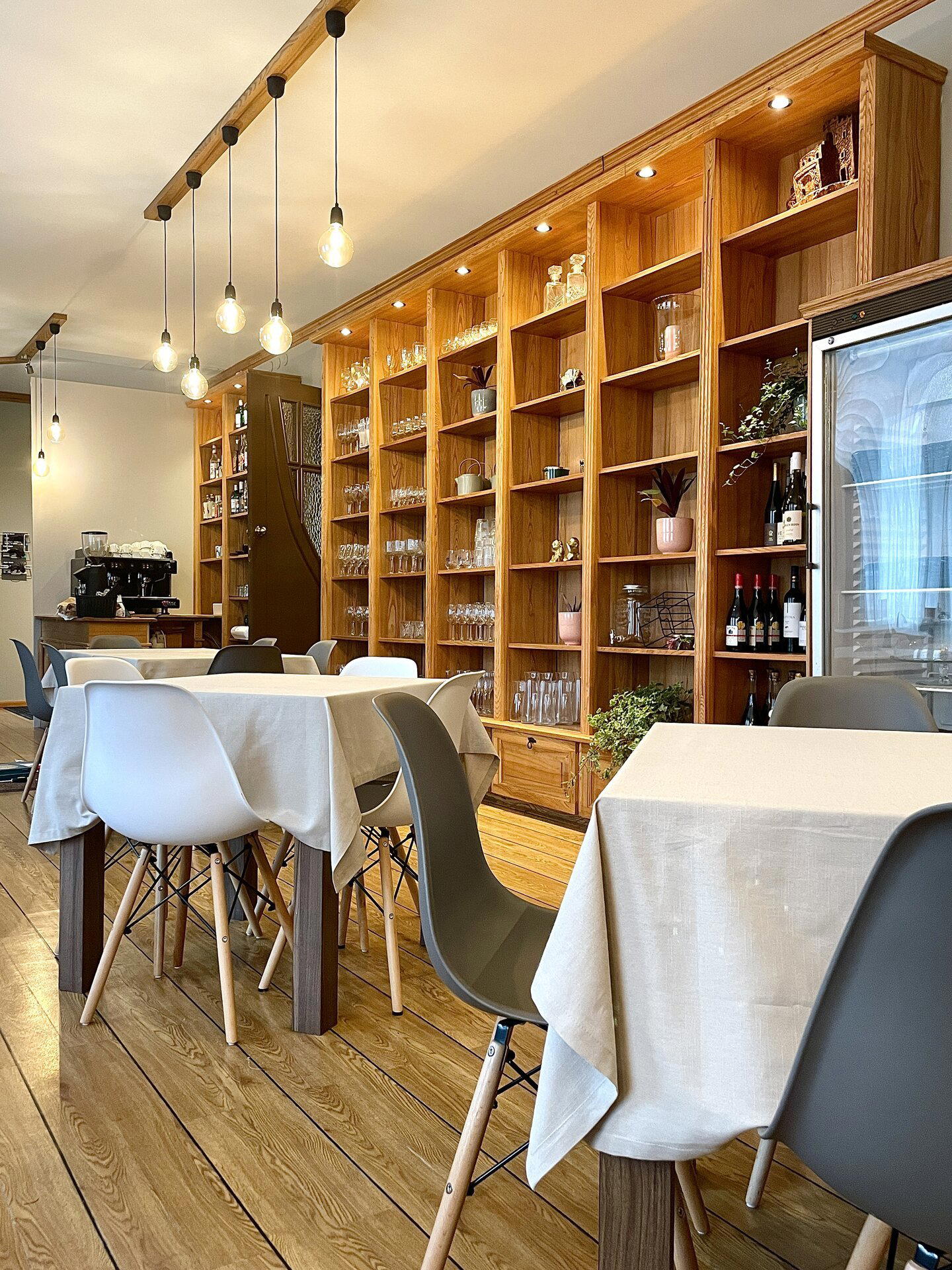
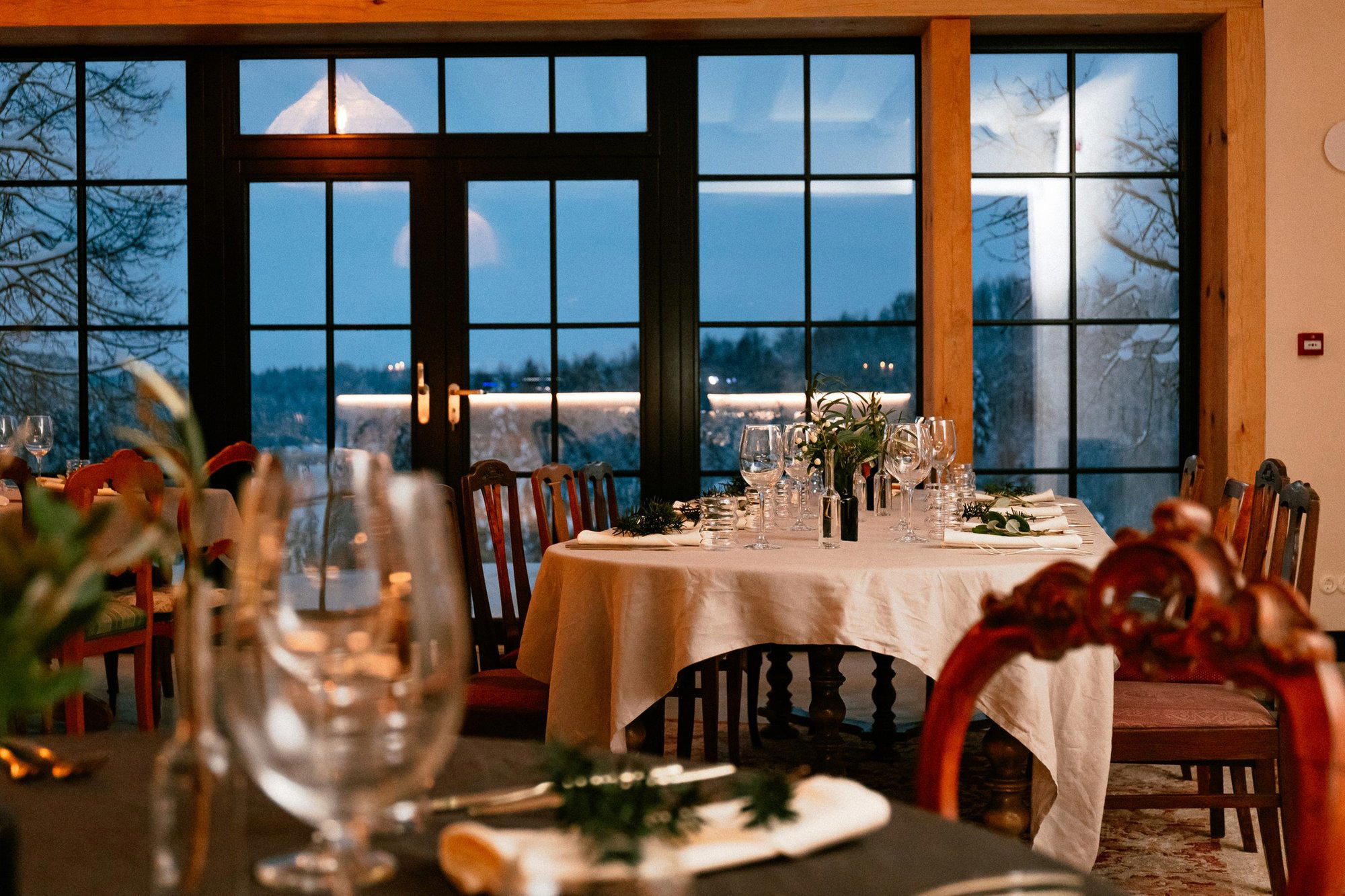
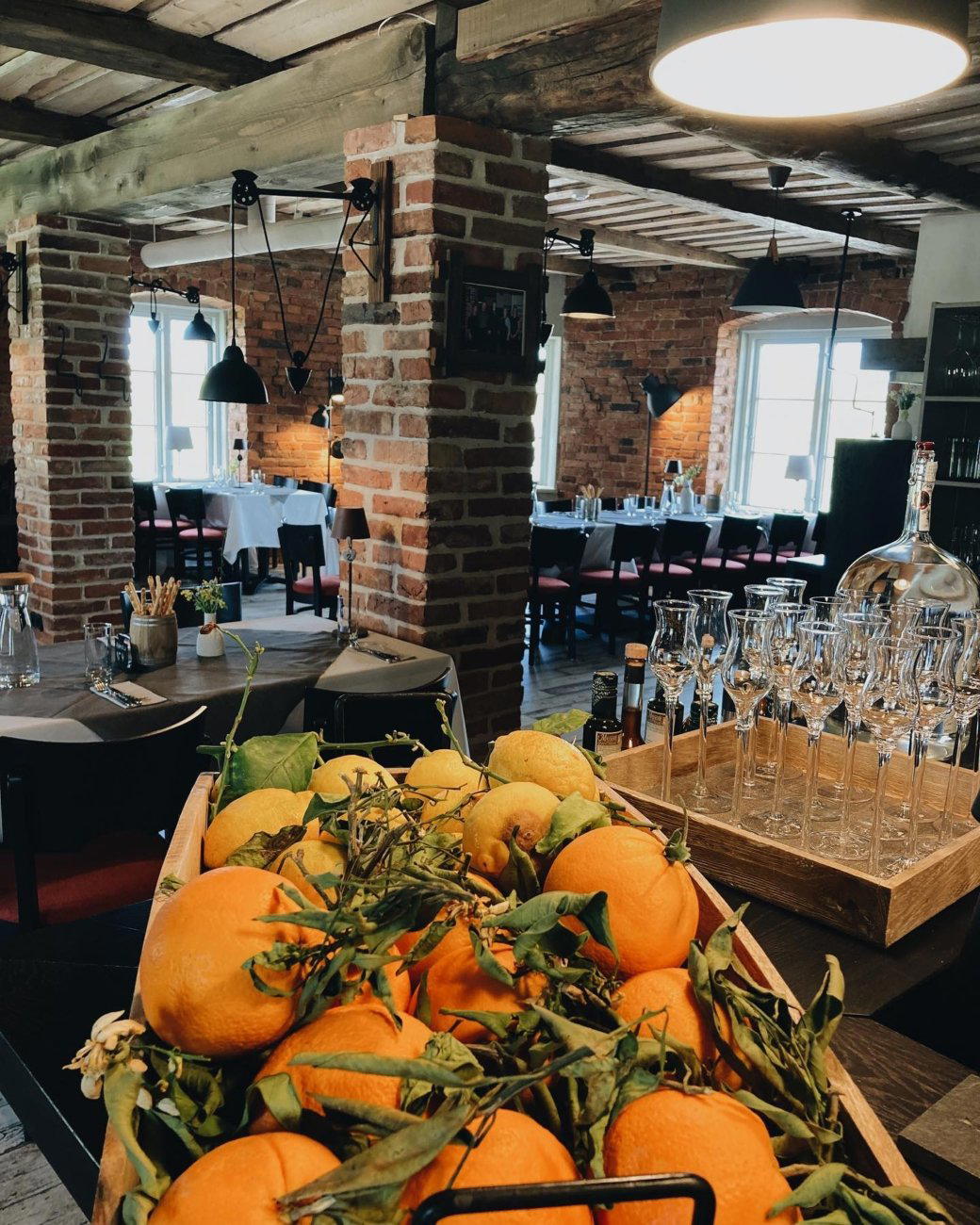
Warm and welcoming with an elegant, cozy hipster vibe.