Our verdict
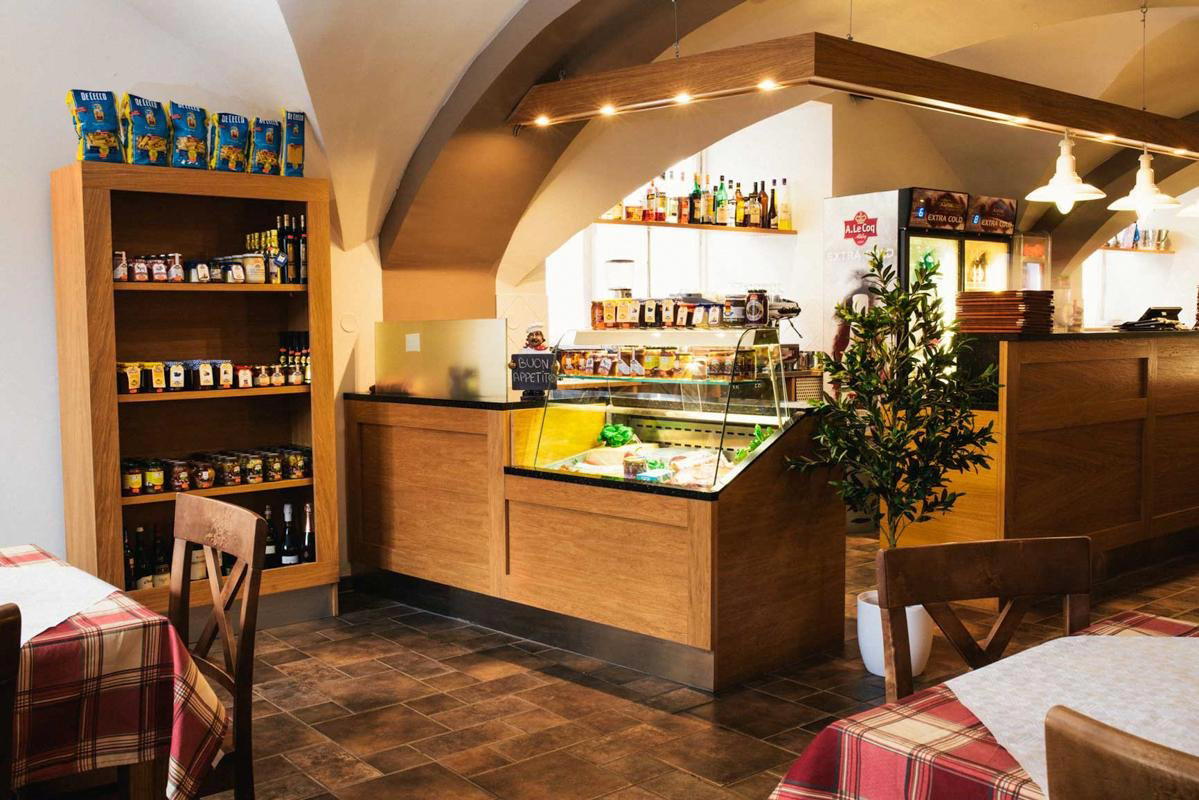
La Dolce Vita brings Italian dining to Kompanii tn 10 in Tartu's city centre, placing it within a small but growing cohort of European-cuisine restaurants operating outside Estonia's capital. The address puts it close to the Old Town's pedestrian core, making it a practical option for diners exploring Tartu's emerging restaurant scene beyond the New Nordic formats that dominate the city's higher-profile tables.

Pearl is the En Primeur Club membership app, where members save venues, book tables and use the concierge.
The menu
What to order
- Wood-fired pizzas
- Spaghetti alla Carbonara
Italian Dining in a City Still Writing Its Restaurant Story
Tartu is not a city that has historically demanded much from its restaurants. For decades, the university town's dining culture ran on student budgets and Soviet-era canteen logic, with ambition concentrated in Tallinn two hours north. That has changed measurably over the past decade. A generation of Tartu residents who have studied or worked abroad has created demand for more specific, more considered cooking, and the city's restaurant addresses have responded unevenly but genuinely. Italian cuisine sits at an interesting intersection in that shift: it is familiar enough to draw casual diners and demanding enough, when done with any seriousness, to separate operators who understand the tradition from those treating it as a catch-all European menu.
La Dolce Vita occupies a spot on Kompanii tn 10, a street that places it within reach of Tartu's Old Town without being swallowed by the tourist-facing strip. That positioning matters. Restaurants close to the central pedestrian zone in Tartu tend to calibrate their offer toward visitors passing through rather than residents returning regularly. Whether La Dolce Vita has found the balance between those two audiences is the question the address raises before you even consider the food.
What Italian Cuisine Means at This Latitude
Italian cooking in Northern Europe occupies a peculiar position. The cuisine is among the most broadly recognised in the world, which means the gap between a credible Italian table and a generic one is visible to almost anyone who has eaten in Italy itself. Estonia's ingredient supply chain, while far stronger than it was twenty years ago, still works against certain Italian fundamentals: burrata shipped from Puglia and Sicilian citrus arrive at higher cost and variable quality compared to what a restaurant in Milan or Rome takes for granted. The operators who succeed with Italian cooking in Baltic cities tend to be the ones who acknowledge those constraints rather than pretending they don't exist, leaning into pasta and cured-meat formats that travel well and rewarding suppliers who can deliver consistent dairy and produce.
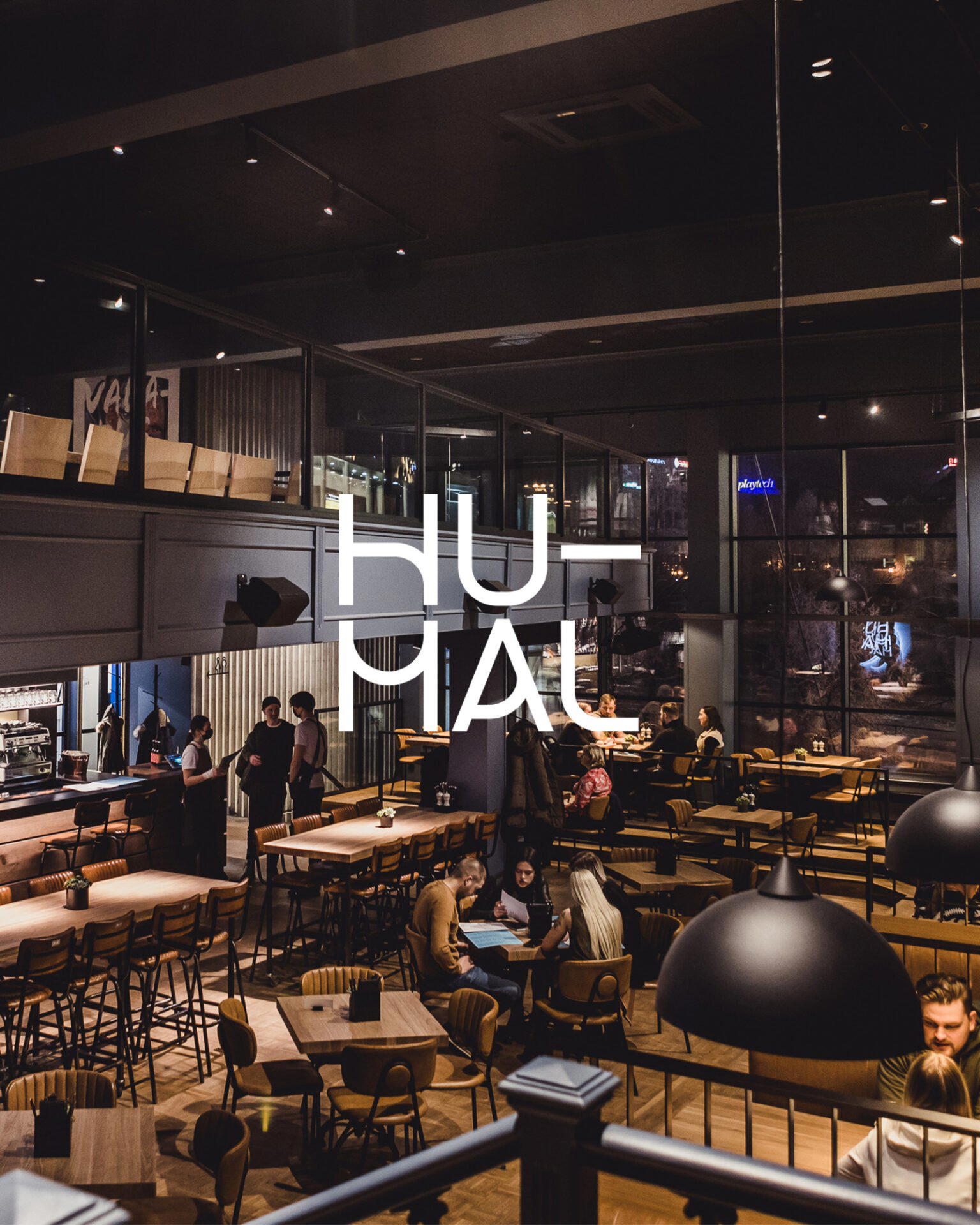
Tartu's dining scene currently reads as a city in mid-transition. The higher end is anchored by modern cuisine formats, with Hõlm (Modern Cuisine) operating at the €€€ tier with a contemporary approach, and Cafe Truffe holding its own as a more European-inflected address. Mid-range options include accessible formats like Ihamaru Pizza and international stops like Eva Sushi. Humal rounds out a scene that covers more ground than its size might suggest. Italian, as a category, sits between these poles: it can operate at genuinely high price points when ingredient sourcing is taken seriously, or it can anchor the comfortable middle tier where a well-executed pasta earns loyalty without demanding tasting-menu commitment.
The Cultural Roots of the Format
La Dolce Vita as a name carries obvious weight. Federico Fellini's 1960 film gave the phrase its modern cultural resonance, but the concept it describes, the idea of pleasurable, unhurried daily life organised around good food and easy company, is an older Italian proposition entirely. Trattoria culture in Italy is built around that rhythm: dishes designed not to impress a critic but to make Tuesday evening feel worth the effort. The most effective Italian restaurants outside Italy tend to import that spirit as much as the recipes. The format works when it creates a context where slowing down feels natural, where the pasta arrives because it was made today rather than because it photographs well.
That cultural framing shapes what a diner should reasonably expect at an Italian address in Tartu. The question is less whether La Dolce Vita can replicate a Roman osteria, which no restaurant in Estonia can or should try to do wholesale, and more whether it can import the underlying value system: generosity of portion, honesty of ingredient, a pace that doesn't rush the table. Those qualities are achievable in a Baltic city with the right kitchen discipline, and they matter more to a repeat diner than any single showpiece dish.
Tartu in the Broader Estonian Dining Picture
Estonian dining at its most ambitious is still concentrated in Tallinn, where 180° by Matthias Diether represents the formal fine-dining tier. Beyond the capital, the country's restaurant geography is more scattered: Everest Thai/Nepalese Restaurant in Parnu, Kohvik in Viljandi, Franzia in Narva Joesuu, Kohvik Kaar in Narva, Kolm. Restoran in Voru, and coastal spots like Valgeranna Veinitall in Audru, KABE Beach in Kaberneeme, Wana Kala Kõrts in Neeme, and Kuur in Vihtra each serve their local markets with varying degrees of seriousness. Tartu, as Estonia's second city and its intellectual capital, has the population density and the income base to support a more developed restaurant culture than most provincial Estonian addresses. La Dolce Vita operates in that context: it is not competing with Tallinn's leading, but it is operating in a city whose residents have become significantly less willing to accept the provincial compromise.
For comparison, the standard that serious Italian cooking has reached in other mid-sized European cities is high. Diners who have spent time in cities of similar scale in Germany, the Netherlands, or Scandinavia will arrive at a Tartu Italian restaurant with calibrated expectations. The good news is that calibrated expectations, rather than uncritical enthusiasm, are exactly what push restaurant operators to be more disciplined.
Planning Your Visit
La Dolce Vita is located at Kompanii tn 10 in the 51007 postcode, central enough to combine with a walk through Tartu's Old Town or a visit to the university quarter. For a broader orientation to what the city offers across price points and cuisine types, the full Tartu restaurants guide covers the current scene in detail.
Frequently asked questions
How do I find La Dolce Vita?
La Dolce Vita is located at Kompanii tn 10, 51007 Tartu, Estonia, Tartu.
How does La Dolce Vita fit into Tartu's dining scene compared to Tallinn?
Estonian fine dining at its most structured is concentrated in Tallinn, where venues like 180° by Matthias Diether set the formal benchmark. Tartu, as Estonia's second city and a university town, operates in a different register, and La Dolce Vita on Kompanii tn 10 addresses a gap in that local context by offering Italian cuisine in a city where the format is not widely represented. It is not competing with Tallinn's top tier; it is meeting a specific demand within Tartu's own evolving scene.
What's the must-try dish at La Dolce Vita?
Italian restaurants operating at this latitude tend to anchor their menus around pasta and secondi that travel well from the source cuisine. Asking staff at Kompanii tn 10 what is prepared in-house that day is the most reliable approach.
Do they take walk-ins at La Dolce Vita?
No booking policy is publicly documented for La Dolce Vita at Kompanii tn 10, Tartu. In a university city where restaurant foot traffic fluctuates with the academic calendar, walk-in availability tends to vary considerably between term time and quieter periods. Visiting earlier in the evening improves the odds if you cannot confirm in advance.
What makes La Dolce Vita worth seeking out?
Tartu's restaurant culture has historically been shaped by student budgets rather than fine-dining ambition, which means an Italian venue operating outside that register occupies a distinct position in the city. La Dolce Vita sits centrally on Kompanii tn 10, within reach of the Old Town, giving it a location that works for both a casual dinner and a longer evening. For a city still building its restaurant identity, it represents a format, Italian, sit-down, deliberate, that remains relatively sparse at this latitude in Estonia.
Cost and Credentials
Comparable venues nearby, for context on price, style, and recognition.
| Venue | Cuisine | Price | Awards | Notes |
|---|---|---|---|---|
| La Dolce VitaThis venue (the venue you are viewing) | Authentic Italian Pizza and Pasta | $20–30 | Not listed | Not listed |
| Pazzo Restoran | Authentic Italian Soul Food | $20–30 | Not listed | Tartu linn, Authentic Italian Soul Food |
| Cafe Truffe | Modern European Cafe | Not listed | White Guide Baltic Restaurants - Recommended | Old Town, Modern European Cafe |
| Ihamaru Pizza | Neapolitan Pizza & Brewery Taproom | $20–30 | Not listed | Tartu center, Neapolitan Pizza & Brewery Taproom |
| Kolm Tilli | Global Street Food & Neapolitan Pizza | $20–30 | Not listed | Aparaaditehas, Global Street Food & Neapolitan Pizza |
| Vilde Ja Vine | European Wine-Focused Bistro | $20–30 | Not listed | City Centre, European Wine-Focused Bistro |
Continue exploring
More in Tartu
Restaurants in Tartu
All restaurants in Tartu →
Hotels in Tartu
All hotels in Tartu →
Details
- Classic
- Cozy
- Casual Hangout
- Family
- Date Night
- Open Kitchen
- Terrace
- Extensive Wine List
- Local Sourcing
- Street Scene
- A La Carte
- Italian Wine
- Vegetarian Friendly
- Vegan Options
Current opening hours
- Monday
- 11:30 AM–11 PM
- Tuesday
- 11:30 AM–11 PM
- Wednesday
- 11:30 AM–11 PM
- Thursday
- 11:30 AM–11 PM
- Friday
- 11:30 AM–12 AM
- Saturday
- 11:30 AM–12 AM
- Sunday
- 12–11 PM
Hours can change for holidays and private events. Hours as of .
Chilled-out atmosphere with whitewashed walls decorated with Fellini movie posters.