
White Guide Baltic Restaurants - Fine Level
Our verdict
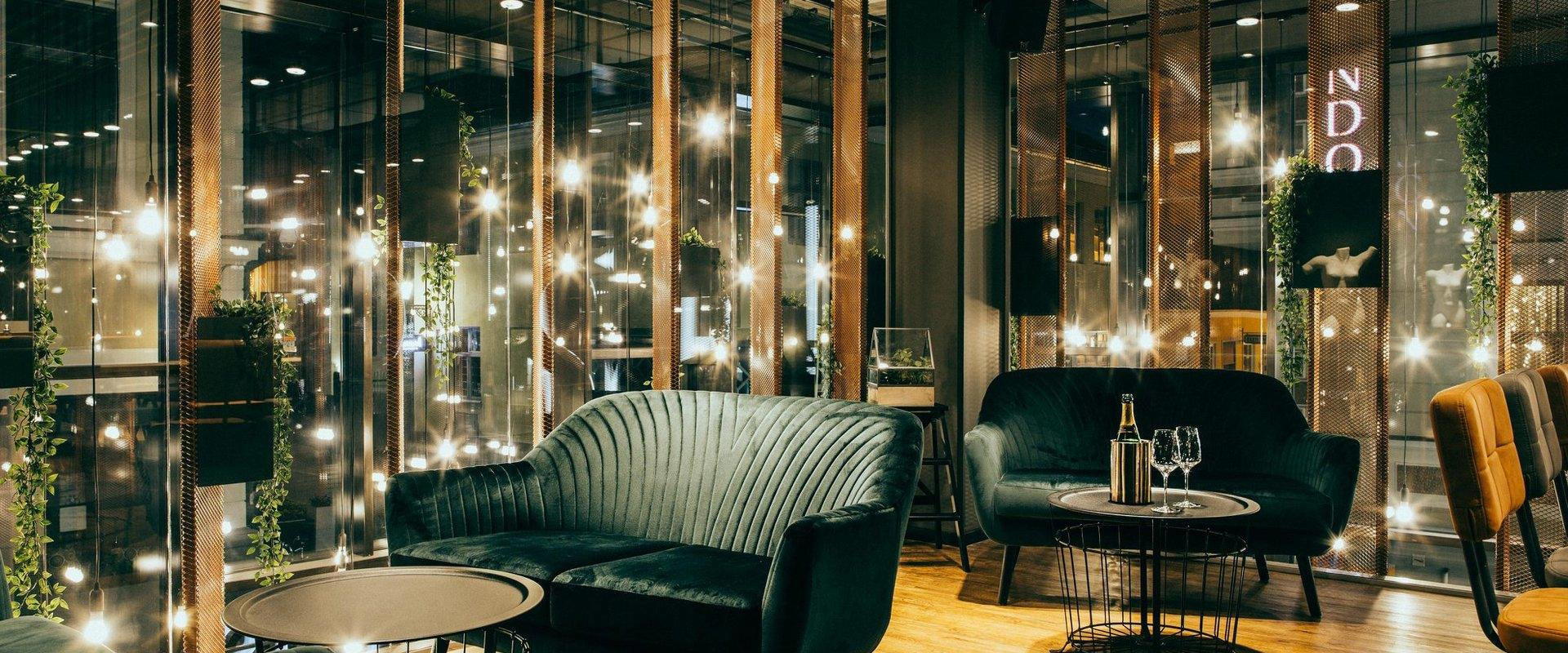
On Rüütli Street in central Tartu, Kampus occupies a position in Estonia's second city that rewards attention. Tartu's dining scene has grown quietly but deliberately over the past decade, and addresses like this one sit at the intersection of student-city energy and a more considered approach to food and atmosphere. Arrive with time to spare and without a fixed agenda.

Pearl is the En Primeur Club membership app, where members save venues, book tables and use the concierge.
The menu
What to order
- Oysters
- Spicy Korean Tartare
- Skagen Tacos
Rüütli Street and the Texture of Tartu Dining
Tartu has never tried to be Tallinn, and that restraint has shaped its food culture in ways worth understanding. Estonia's university city operates on a different register: smaller, more self-contained, more likely to reward the person who walks slowly down Rüütli Street than the one rushing between bookmarked addresses. Kampus, at Rüütli tn 7, sits in that rhythm. The street-level approach tells you something before you step inside: central Tartu's old town grid is compact enough that the boundary between neighbourhood life and dining destination blurs, which is precisely the condition that tends to produce the more honest, less performative end of a city's eating scene.
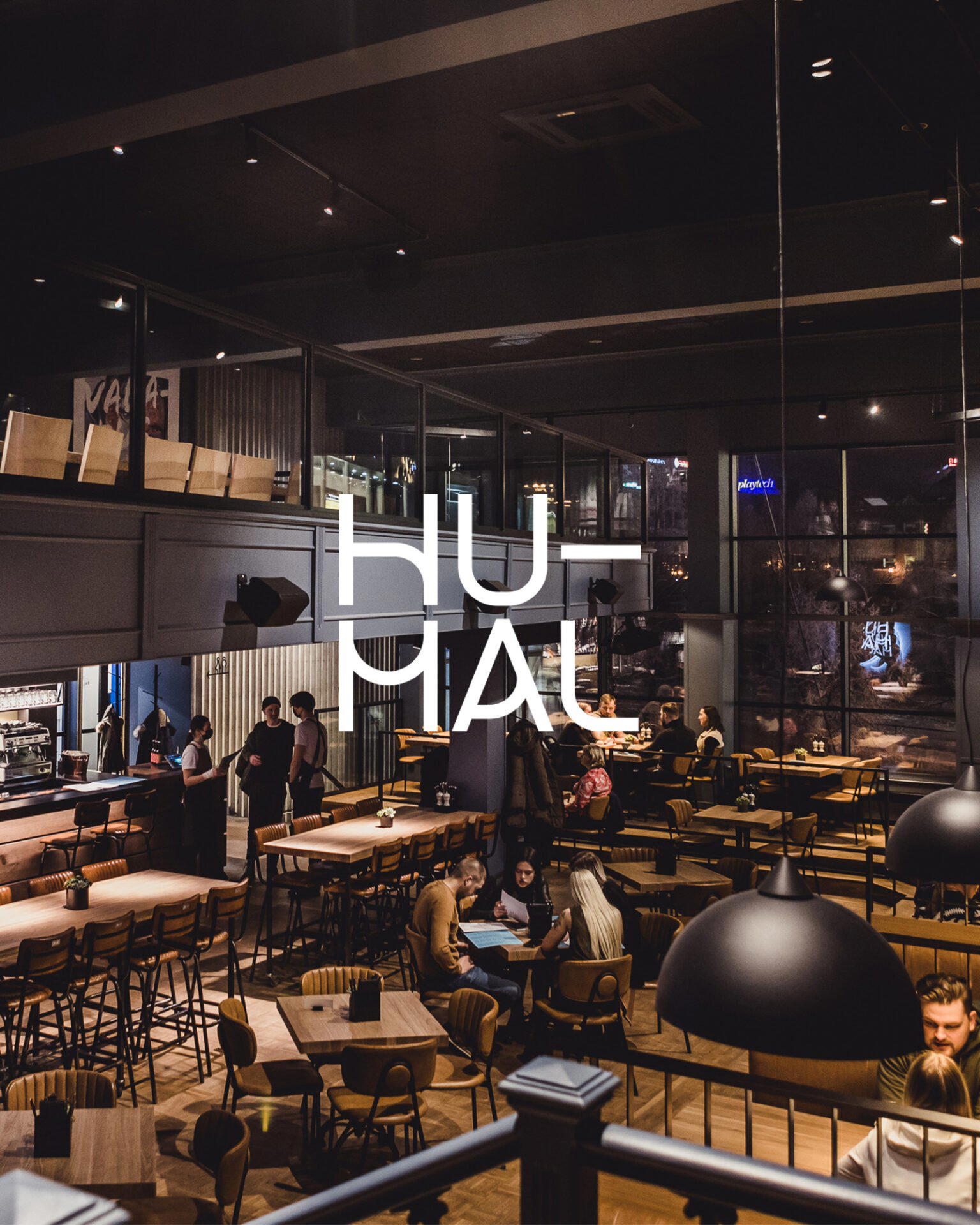
Tartu's dining tier has sharpened noticeably in recent years. Addresses like Hõlm (Modern Cuisine) have pushed the city toward a more considered modern-Estonian register, while Humal and Cafe Truffe demonstrate that the city sustains genuine range across formats and price points. Within that context, the Rüütli Street corridor functions as a spine for the kind of all-day dining and casual-serious eating that university cities tend to do well: accessible enough for repeat visits, considered enough to hold up to scrutiny.
Atmosphere Before Anything Else
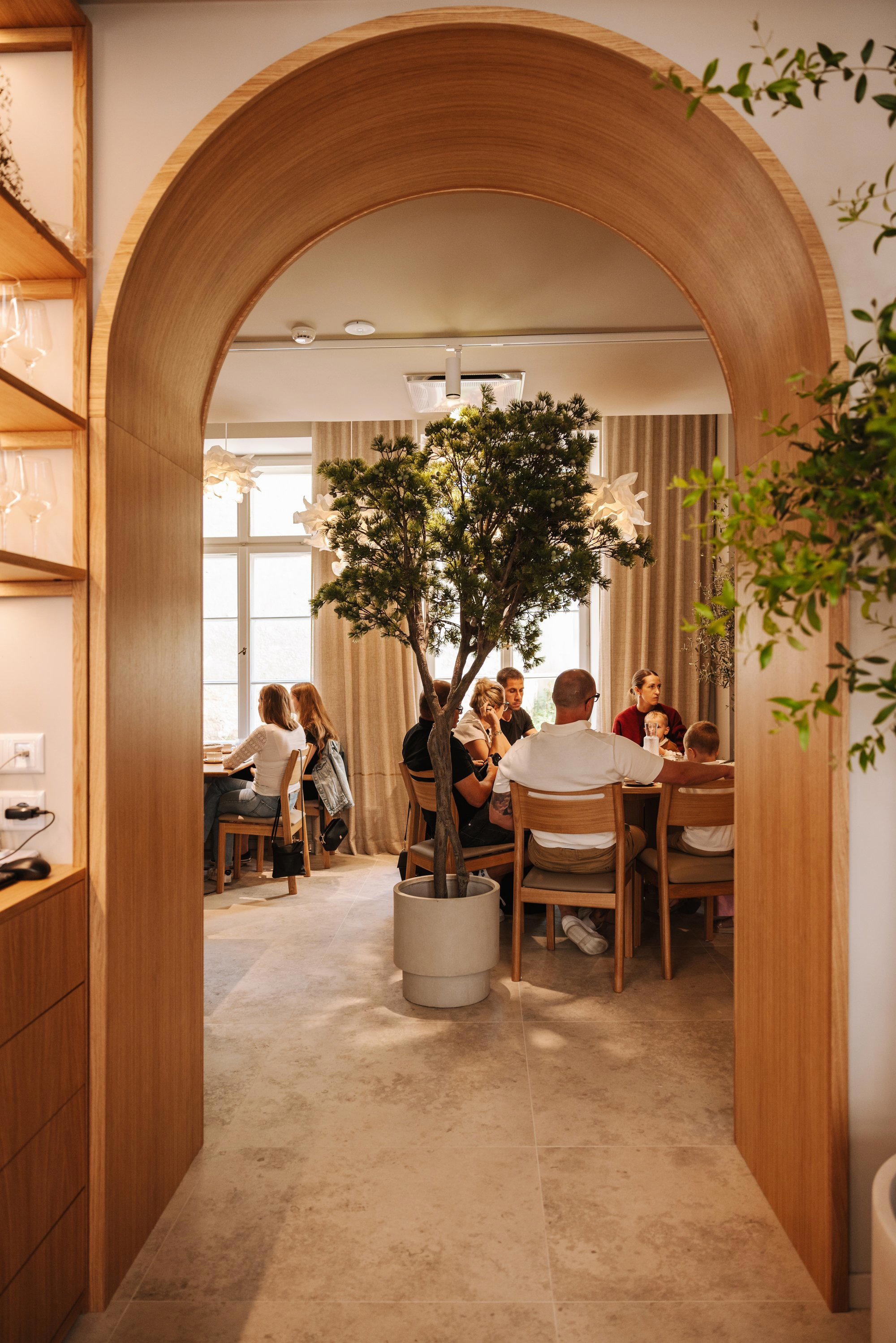
In a city where the physical environment does a great deal of the editorial work, location on Rüütli carries weight. The street runs through a section of Tartu where nineteenth-century building stock meets the day-to-day life of a working university city: students, academics, and the kind of local regulars who have been eating in the same three-block radius for years. The sensory register of dining in this part of Tartu is defined less by designed theatricality and more by ambient specificity: the particular quality of light through older windows, the sound of a city at a human scale, the way a room at street level absorbs the energy of a neighbourhood rather than filtering it out.
That context matters when assessing what Kampus represents in the local sequence. Estonia's most atmospherically coherent dining experiences tend not to announce themselves. They accumulate: the texture of a room, the temperature of a welcome, the way a space makes time feel less pressured. Venues that perform this quietly tend to sit in the same competitive tier as Ihamaru Pizza and Eva Sushi in Tartu's broader map, accessible in format, specific in character.
Where Kampus Fits in the Tartu Scene
Tartu's dining has developed along two broad tracks: venues that draw on modern Estonian and Nordic food traditions with some degree of formal intent, and those that serve the city's large student and academic population with something more relaxed but still carefully executed. The more interesting addresses tend to operate where those tracks cross, offering quality and character without requiring the reader to choose between a formal evening and a casual one. That middle register is where Tartu distinguishes itself from larger Estonian cities, and it is the register that an address on Rüütli Street is well-positioned to occupy.
Across Estonia more broadly, dining quality has been rising outside Tallinn at a pace that is easier to observe from a distance than from inside the capital. Kohvik in Viljandi and Kolm. Restoran in Voru are part of the same wider pattern: smaller Estonian cities building genuine dining identity rather than simply importing formats from Tallinn. Tartu, with its university population and cultural infrastructure, is probably the furthest along that curve. For comparison at the higher end of the national scale, 180° by Matthias Diether in Tallinn represents the formal-fine-dining ceiling, a useful reference point for understanding where Tartu's scene positions itself, which is more democratic and more embedded in daily life.
Planning a Visit: What to Know Before You Go
Kampus is located at Rüütli tn 7, 51007 Tartu, in the central old town area, walkable from Tartu's main landmarks including Town Hall Square. Tartu is roughly two to two-and-a-half hours from Tallinn by bus, with frequent daily services; the city is compact enough that arriving without a car is not a disadvantage. For visitors combining Kampus with a broader Tartu dining itinerary, the EP Club's full Tartu restaurants guide maps the current scene in useful detail. As with most of Tartu's mid-tier dining, arriving earlier in an evening service tends to be more reliable than counting on a late walk-in, particularly on weekends when the student population puts pressure on the more central addresses.
For those building an Estonia itinerary that extends beyond Tartu, the country's coastal and rural dining options have also developed considerable character. KABE Beach in Kaberneeme, Wana Kala Kõrts in Neeme, Kuur in Vihtra, Valgeranna Veinitall in Audru, Franzia in Narva Joesuu, Kohvik Kaar in Narva, and Everest Thai/Nepalese Restaurant in Parnu each represent different edges of Estonia's regional dining geography, and taken together they suggest a country whose food culture is worth following beyond its capital. For international reference points, the technical precision on display at Le Bernardin in New York City or the Korean-American progression at Atomix in New York City sit at the far end of what formal dining can achieve, a reminder of the range within which Tartu's more grounded, neighbourhood-scale eating occupies its own coherent place.
Frequently asked questions
What part of town is Kampus in?
Kampus is located at Rüütli tn 7, 51007 Tartu, Estonia, Tartu.
What kind of dining experience does Kampus offer in Tartu's old town?
Kampus is positioned on Rüütli Street in Tartu's central old town, within walking distance of Town Hall Square and the concentration of the city's established restaurants. Tartu's dining scene broadly divides between venues with formal Nordic-Estonian intent and those with a more casual neighbourhood character. Kampus's Rüütli address places it within the latter cluster, in a city where the university population shapes both the hours and the register of eating out.
What's the signature dish at Kampus?
The venue sits on Rüütli tn 7 in Tartu's old town, a street that draws kitchens oriented toward both local and Nordic-influenced cooking. Contact Kampus directly for current menu information before visiting.
How hard is it to get a table at Kampus?
Tartu's central old town restaurants, particularly those on Rüütli, tend to see heavier demand during the university calendar and summer months. Reserving ahead is advisable during those periods.
What's the signature at Kampus?
Located at Rüütli tn 7 in Tartu, the venue operates within a dining corridor that leans toward Estonian and Nordic food traditions. Check directly with the restaurant for what they are currently running.
What if I have allergies at Kampus?
As with any restaurant visit in Tartu, communicate requirements directly and in advance. The address is Rüütli tn 7, 51007 Tartu, and reaching out ahead of arrival is the safest approach.
Is a meal at Kampus worth the investment?
What is clear is that Rüütli tn 7 places the venue at the centre of Tartu's most active dining street, in a city that has built a food culture distinct from Tallinn's more tourist-facing scene. That context tends to favour venues with a local rather than transient audience.
Peers in This Market
Comparable venues nearby, for context on price, style, and recognition.
| Venue | Cuisine | Price | Awards | Notes |
|---|---|---|---|---|
| KampusThis venue (the venue you are viewing) | Modern Fusion Multi-Concept | $20–30 | White Guide Baltic Restaurants - Fine Level | Not listed |
| Cafe Truffe | Modern European Cafe | Not listed | White Guide Baltic Restaurants - Recommended | Old Town |
| Pazzo Restoran | Authentic Italian Soul Food | $20–30 | Not listed | Tartu linn |
| Ihamaru Pizza | Neapolitan Pizza & Brewery Taproom | $20–30 | Not listed | Tartu center |
| TOKO | Modern Fine Dining | $50–100 | Michelin Plate | Tartu center |
| Kolm Tilli | Global Street Food & Neapolitan Pizza | $20–30 | Not listed | Aparaaditehas |
Recognition history
Dated appearances from independent guides and award organizations, with the underlying list record or original source where available.
White Guide Baltic Restaurants - Fine Level
White Guide
Continue exploring
More in Tartu
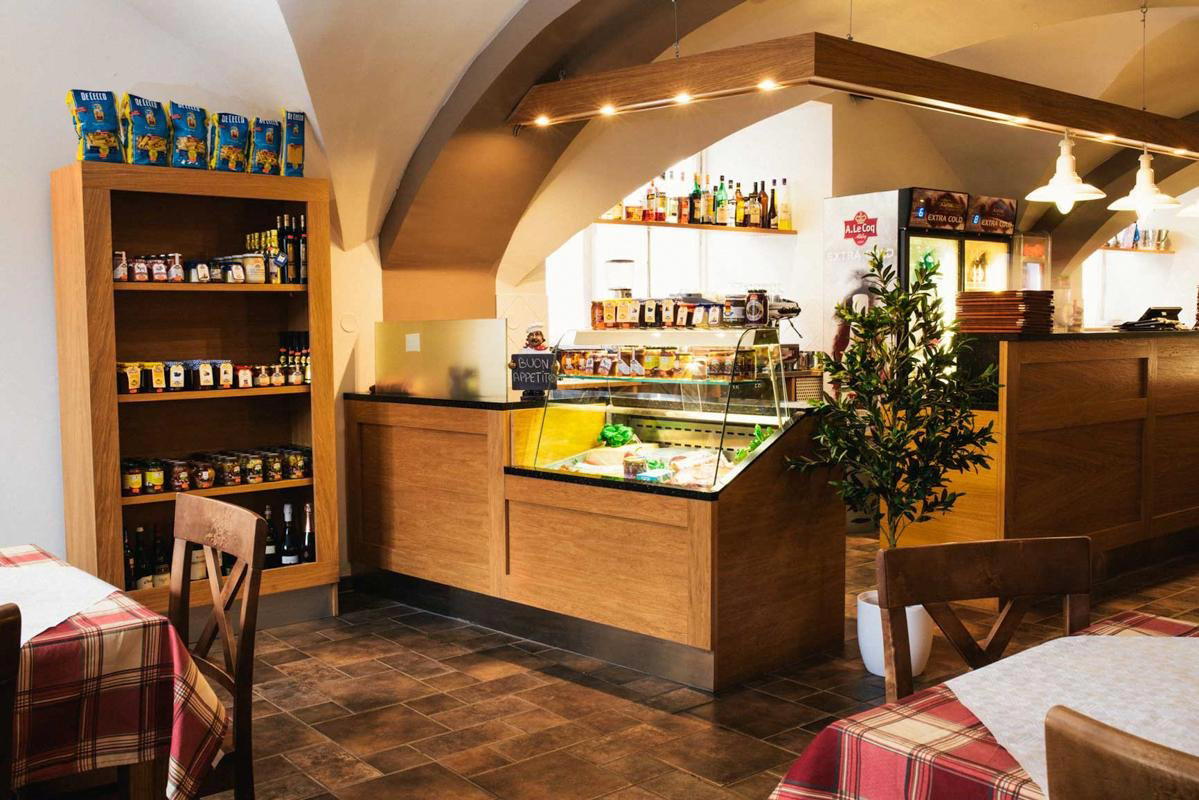
Restaurants in Tartu
All restaurants in Tartu →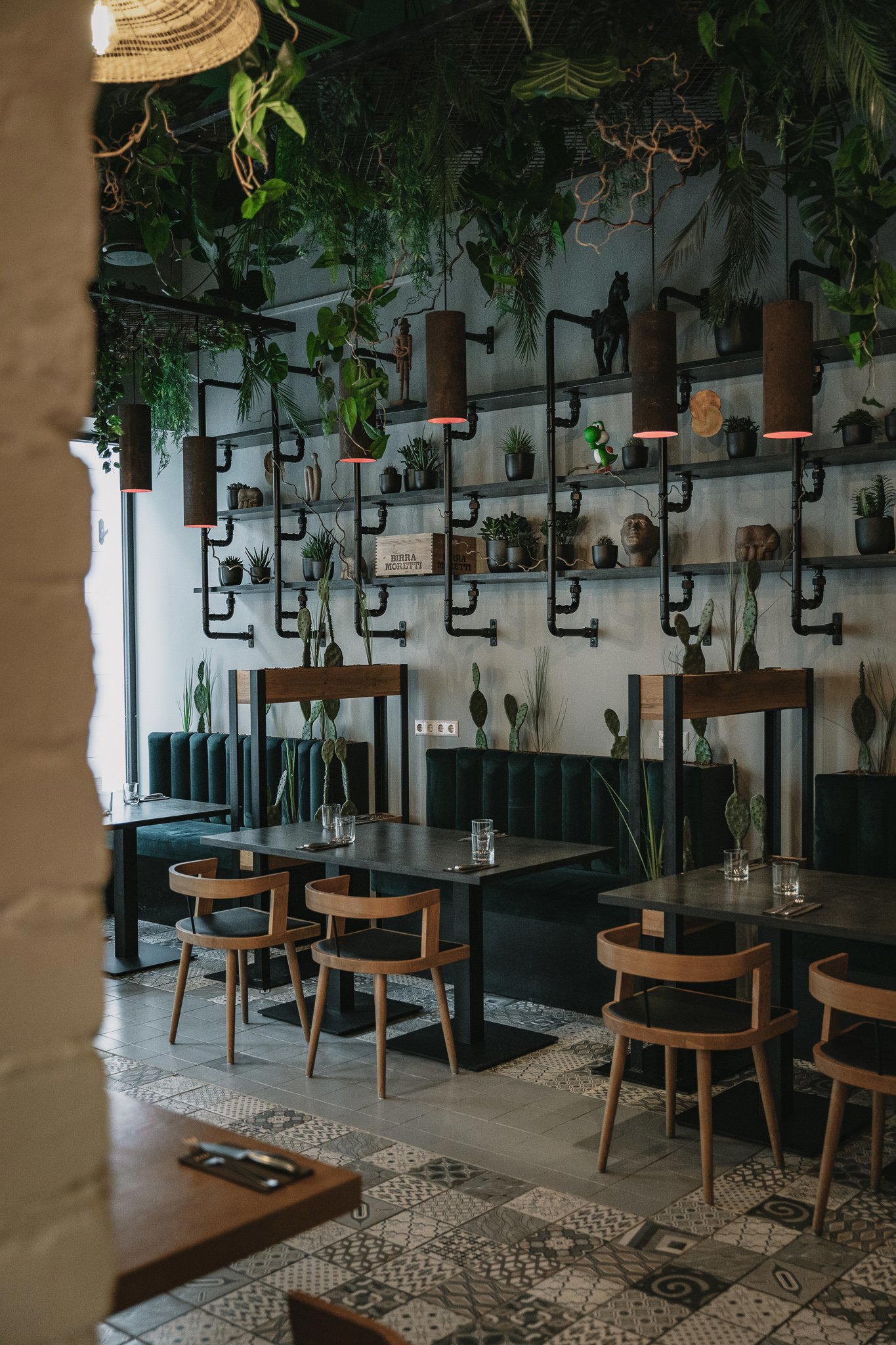
Hotels in Tartu
All hotels in Tartu →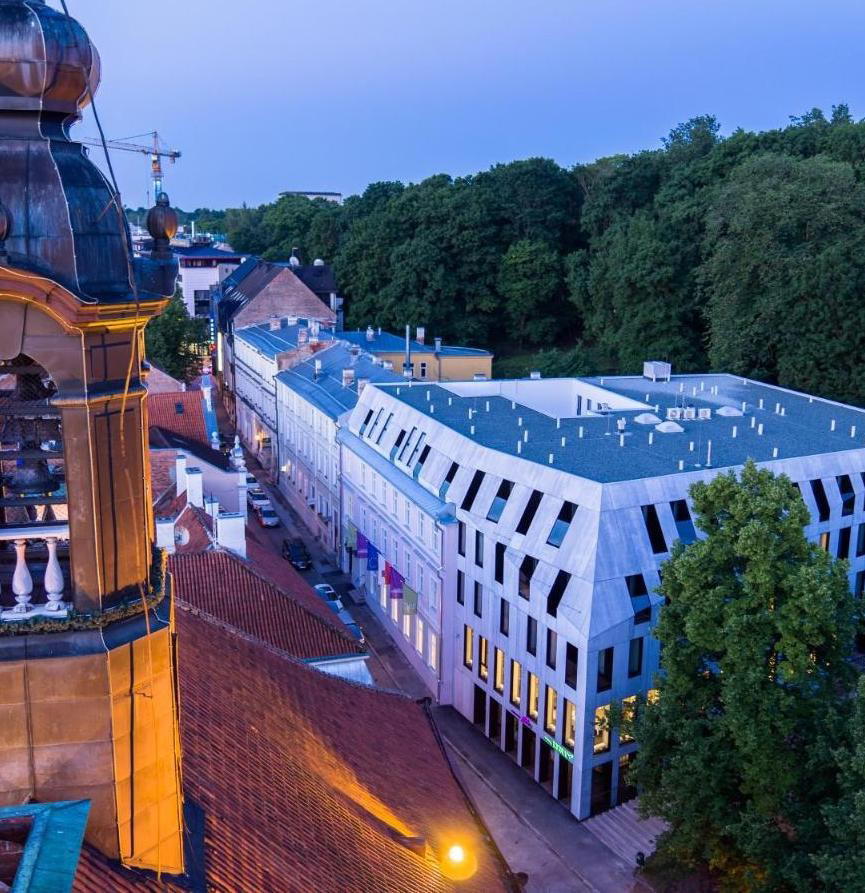
Details
- Trendy
- Lively
- Modern
- Energetic
- Casual Hangout
- Group Dining
- Open Kitchen
- Craft Cocktails
- Street Scene
- A La Carte
- Vegetarian Friendly
- Vegan Options
Current opening hours
- Monday
- 5–9 PM
- Tuesday
- 5–11 PM
- Wednesday
- 5–11 PM
- Thursday
- 5–11 PM
- Friday
- 12 PM–1 AM
- Saturday
- 12 PM–1 AM
- Sunday
- 12–9 PM
Hours can change for holidays and private events. Hours as of .