On Märzstraße in Vienna's 15th district, Namaste Wien brings South Asian cooking into a neighbourhood better known for its working-class Viennese roots than its restaurant scene. The address sits well outside the city's fine-dining corridor, making it a reference point for how Indian and Nepalese cuisines have spread across Vienna's outer districts. Vegetarian options appear prominently in the format.
Pearl is the En Primeur Club membership app — saves, bookings, and concierge access live there. Same editors, same standards.
- Address
- Märzstraße 105A, 1150 Wien, Austria
- Phone
- +436763164065
- Website
- module.thefork.com
- Directions
- Get directions
 Saves & bookings on Pearl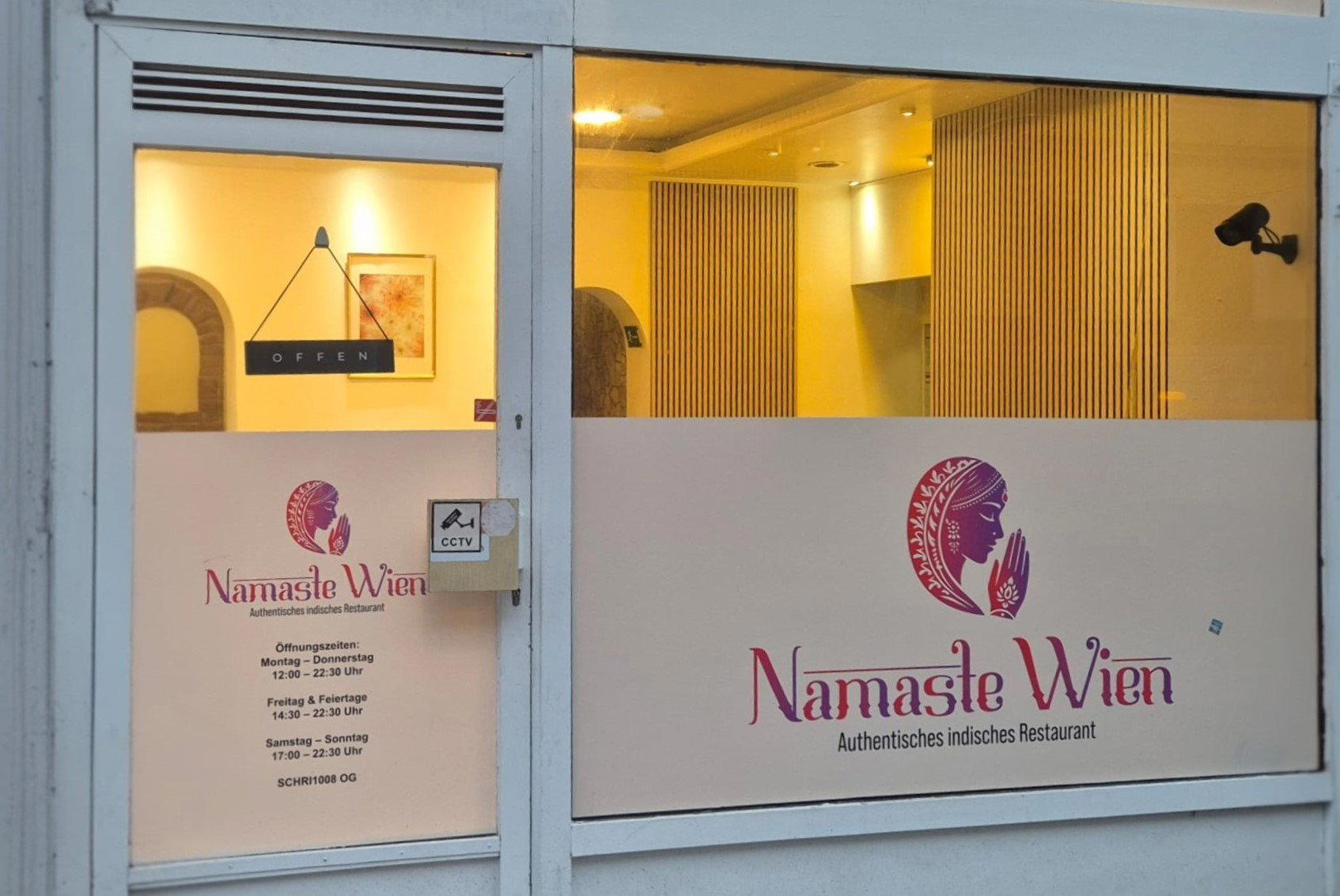
Vienna's 15th District and the Slow Spread of South Asian Dining
The streets around Märzstraße in Rudolfsheim-Fünfhaus carry a character that the inner districts have largely lost: working-class density, a mix of long-established immigrant communities, and a food scene shaped more by proximity and price than by editorial attention. It is in this environment that South Asian restaurants have built some of their most durable footholds in Vienna, operating without the marketing infrastructure of the first district but sustained by neighbourhood regulars who return on a weekly rather than occasional basis. Namaste Wien is a casual Indian Street Food restaurant at Märzstraße 105A, 1150 Wien, Austria.
Vienna's South Asian dining scene has expanded steadily over the past two decades, following the city's broader demographic shifts. The outer districts, particularly the 15th, 16th, and 10th, absorbed much of that growth, while the Innere Stadt remained dominated by Austrian and Continental formats. For a city whose fine-dining corridor runs through venues like Steirereck im Stadtpark, Amador, and Konstantin Filippou, the outer-district South Asian tier occupies an entirely different register, priced for frequency rather than occasion.
The Sustainability Argument in Neighbourhood Dining
There is a sustainability logic embedded in how restaurants like Namaste Wien function that rarely gets articulated in editorial coverage, which tends to reserve environmental framing for fine-dining operations with dedicated foraging programs or published sourcing manifestos. But the more structurally significant sustainability story in any city's food system is often found in neighbourhood restaurants that serve high volumes of plant-forward food to local communities, using cuisines where vegetable and legume cookery is a tradition rather than a trend response.
South Asian cooking, across its regional expressions, built its vegetarian repertoire over centuries of religious and cultural practice, not as a market adaptation to contemporary demand. Dal, chana masala, palak paneer, aloo gobi, and their counterparts across Indian and Nepalese traditions represent a protein-efficient, low-waste cooking philosophy that predates any modern sustainability framework by generations. Restaurants in Vienna's outer districts that serve these dishes daily are, in aggregate, redirecting a meaningful portion of their customer base toward lower-impact meals, without any of the certification or branding apparatus that accompanies the fine-dining sustainability conversation. Venues like Mraz and Sohn and Doubek approach sustainability from a different angle, one shaped by haute cuisine sourcing and kitchen discipline. The neighbourhood South Asian model operates on volume and tradition, which produces its own form of environmental efficiency.
This framing matters for how readers should think about Namaste Wien's place in the city's food ecosystem. It is not a restaurant making explicit claims about ethical sourcing or waste reduction. It is a restaurant operating within a culinary tradition that inherently supports both, at a price point that makes the choice accessible rather than aspirational.
South Asian Cooking in Context: What Vienna's Outer Districts Offer
Indian and Nepalese restaurants in Vienna's outer districts generally divide into two operational models. The first is the full-service sit-down format with a broad menu covering northern Indian staples, tandoor preparations, and a Nepalese section that often includes momo dumplings and thukpa noodle soup. The second is a faster, counter-service or takeaway-weighted operation focused on rice dishes, curries, and set menus at lunchtime. Both models serve a mixed customer base of South Asian diaspora residents and local Viennese who have incorporated these cuisines into routine eating rather than treating them as novelty dining.
Namaste Wien at Märzstraße 105A fits into this outer-district pattern. The name and address situate it within the neighbourhood's South Asian restaurant cluster, where vegetarian depth is a baseline expectation rather than a differentiator. For comparison, the Austrian fine-dining circuit covered in guides to Döllerer in Golling an der Salzach, Ikarus in Salzburg, and Obauer in Werfen operates at a different register entirely, one where per-head spend, tasting menus, and seasonal sourcing narratives define the category. The Märzstraße address positions the restaurant as a neighbourhood resource, not a destination restaurant in that sense.
Placing Namaste Wien in Vienna's Dining Map
For travellers whose Vienna itinerary is weighted toward the fine-dining and creative-cuisine tier, with visits to venues like Konstantin Filippou or a review of options at our full Vienna restaurants guide, the restaurant represents a different use case. It is the kind of address that makes sense for a midweek meal in the 15th district, for a vegetarian traveller who wants reliable plant-based cooking outside the central tourist corridor, or for anyone building an itinerary that includes neighbourhood eating alongside destination dining.
The outer districts of Vienna remain underrepresented in most international travel coverage, which concentrates on the 1st and adjacent inner districts. But the 15th, running west from the Gürtel ring road, has a food culture worth acknowledging: Turkish, South Asian, and Balkan restaurants operate alongside traditional Viennese Gasthäuser, creating a density of everyday eating options that the inner city cannot match at equivalent price points.
Austria's broader restaurant geography, which extends from high-altitude dining rooms like Griggeler Stuba in Lech and Gourmetrestaurant Tannenhof in Sankt Anton am Arlberg to herb-focused formats like Kräuterreich by Vitus Winkler and river-adjacent dining at Landhaus Bacher in Mautern an der Donau, reflects a country where geography and regional tradition shape menus in fundamental ways. Vienna's South Asian restaurants occupy their own niche within that geography: urban, affordable, and rooted in diasporic communities rather than in the agrarian or Alpine traditions that define much of Austrian haute cuisine.
The comparison to New York's immigrant-neighbourhood dining culture is worth making briefly. Venues like Atomix in New York City represent the formal, destination end of non-Western cooking in a Western city. The neighbourhood South Asian restaurant in Vienna's 15th district sits at the opposite end of the same spectrum, prioritising accessibility and community function over editorial profile. Both have a place in a complete picture of how cities eat.
Planning a Visit
| Venue | District | Price Tier | Format | Booking |
|---|---|---|---|---|
| The restaurant | 15th (Rudolfsheim-Fünfhaus) | Not confirmed | South Asian, neighbourhood | Not confirmed |
| Steirereck im Stadtpark | 3rd (Stadtpark) | €€€€ | Creative Austrian, tasting menu | Advance booking required |
| Mraz and Sohn | 20th (Brigittenau) | €€€€ | Modern Austrian, Creative | Advance booking required |
| Schwarzer Adler in Hall in Tirol | Tirol (regional) | Not confirmed | Regional Austrian | Varies |
Current hours are Mon to Thu 12 to 10:30 PM, Fri 2:30 to 10:30 PM, and Sat to Sun 5 to 10:30 PM.
Cuisine Context
Comparable venues nearby, for context on price, style, and recognition.
| Venue | Cuisine | Price | Notes |
|---|---|---|---|
| Namaste WienThis venue — the venue you are viewing | Indian Street Food | $$ | Not listed |
| Nam Nam – Dabba | Indian Curry Takeaway | $$ | Landstrasse |
| Prosi | Authentic North & South Indian | $$ | Neubau |
| Indien Village | Authentic Indian Fine Dining | $$ | Inner City |
| Nirvana | Modern Indian Cuisine | $$ | Stephansdom |
| Taqueria Los Mexikas | Authentic Mexican Taqueria | $$ | Hofburg |
Continue exploring
More in Vienna
Restaurants in Vienna
Browse all →
![[aend] restaurant in Vienna](https://cdn.enprimeurclub.com/storage/v1/object/public/images/locations/recsVyRkMfzCxPmp0/hero2.jpg?width=3840&quality=75)
Bars in Vienna
Browse all →

Hotels in Vienna
Browse all →

At a Glance
- Cozy
- Casual
- Modern
- Casual Hangout
- Solo
- Family
- Terrace
- Garden
- Standalone
- Garden
Current opening hours
- Monday
- 12–10:30 PM
- Tuesday
- 12–10:30 PM
- Wednesday
- 12–10:30 PM
- Thursday
- 12–10:30 PM
- Friday
- 2:30–10:30 PM
- Saturday
- 5–10:30 PM
- Sunday
- 5–10:30 PM
Hours can change for holidays and private events. Last verified .
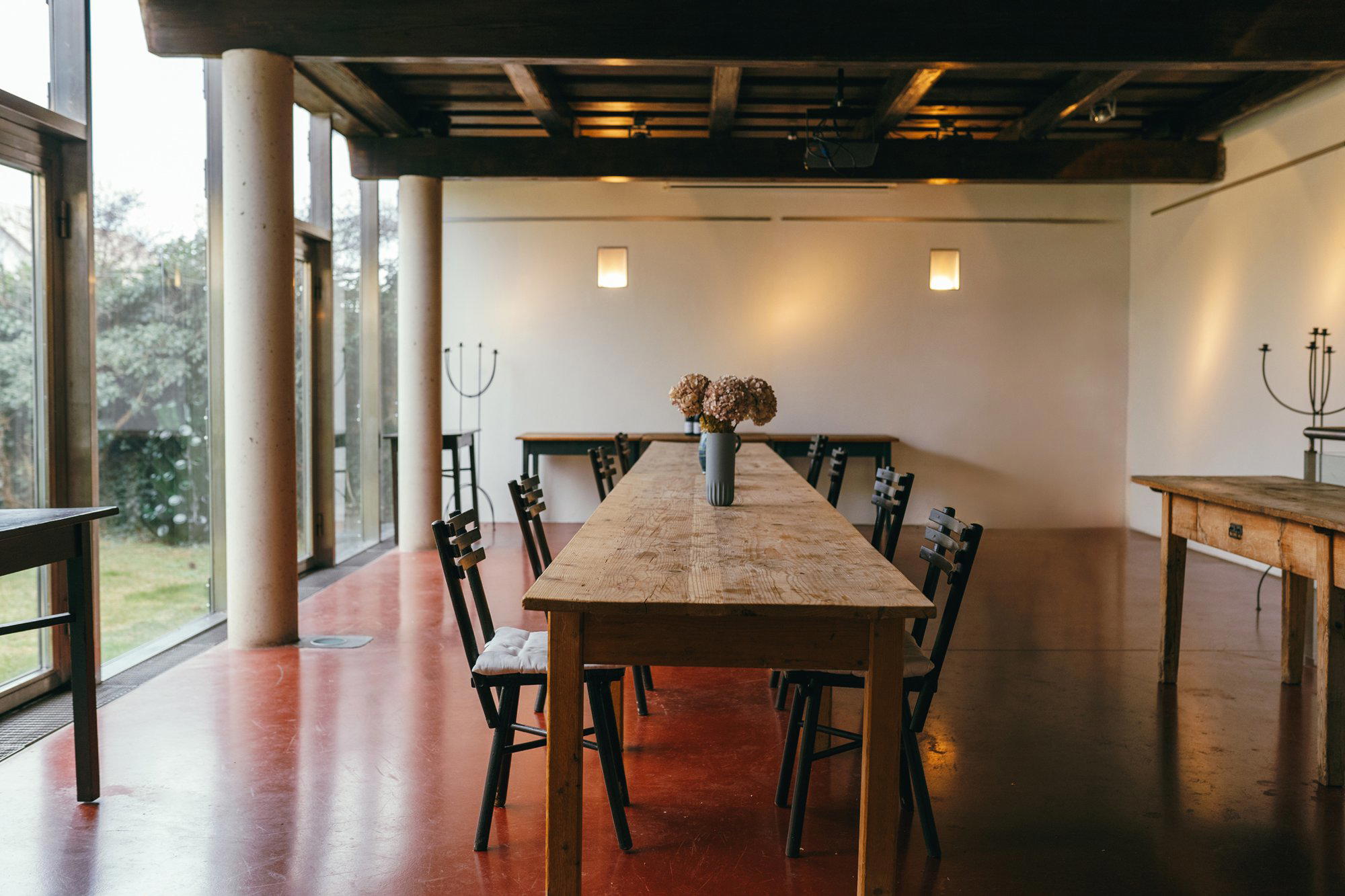
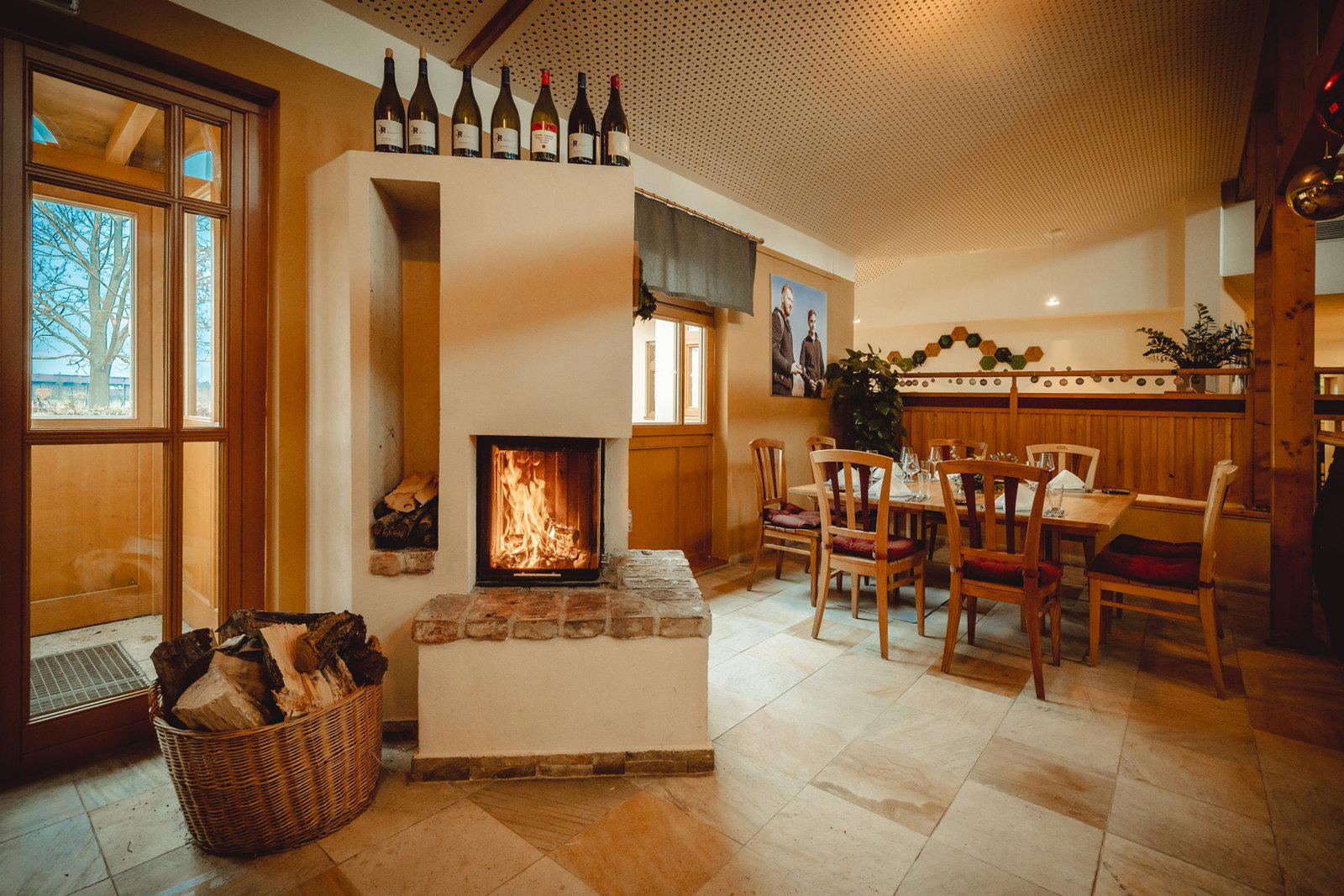
Warm and cozy with a casual, laid-back atmosphere and a small outdoor garden seating area near the entrance.